
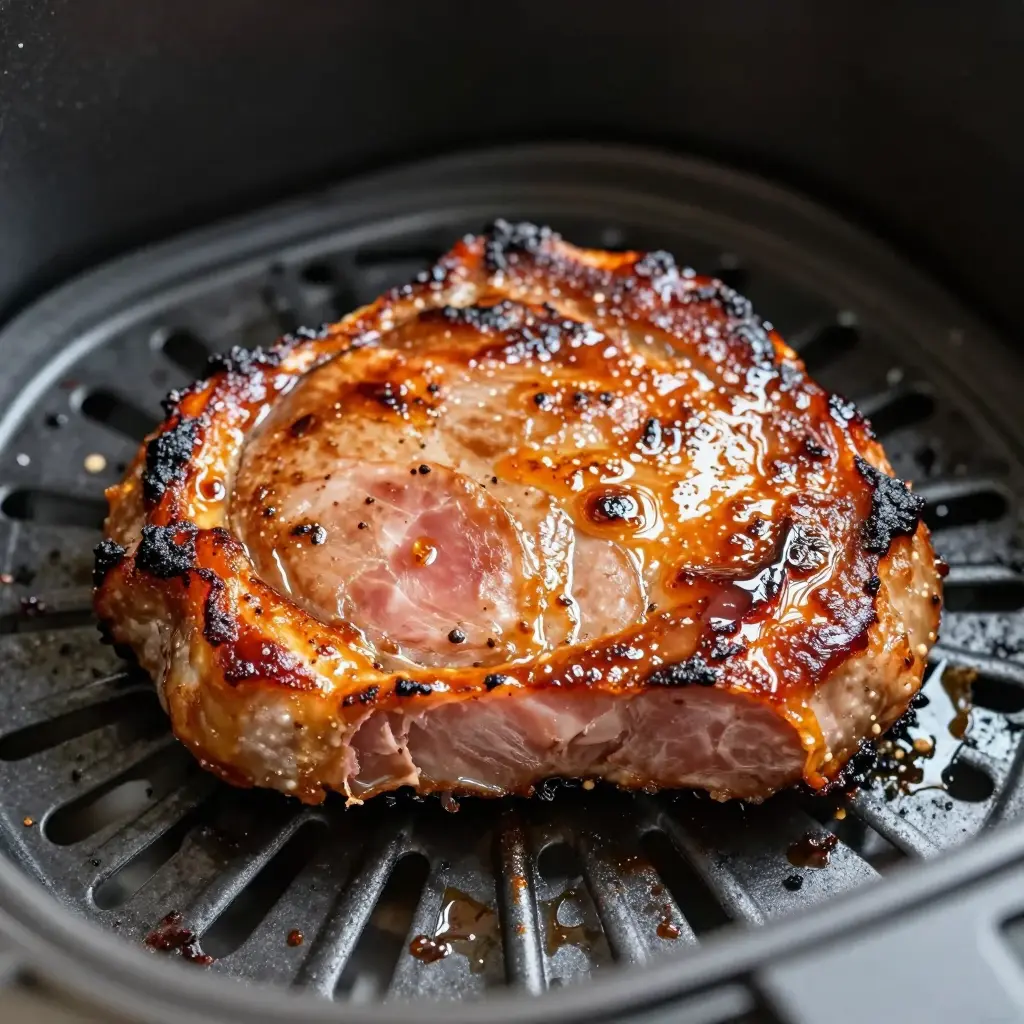
Why the Glaze Burns Before the Ham Heats Through
Pull an air fryer ham steak from the basket and find a blackened, bitter crust over a center that is still cool, and you have hit the most common problem with a ham steak with glaze. It comes down to physics: inside a compact, high-powered basket, the surface and the middle of the meat heat at very different speeds.
The Air Fryer Reaches the Surface First
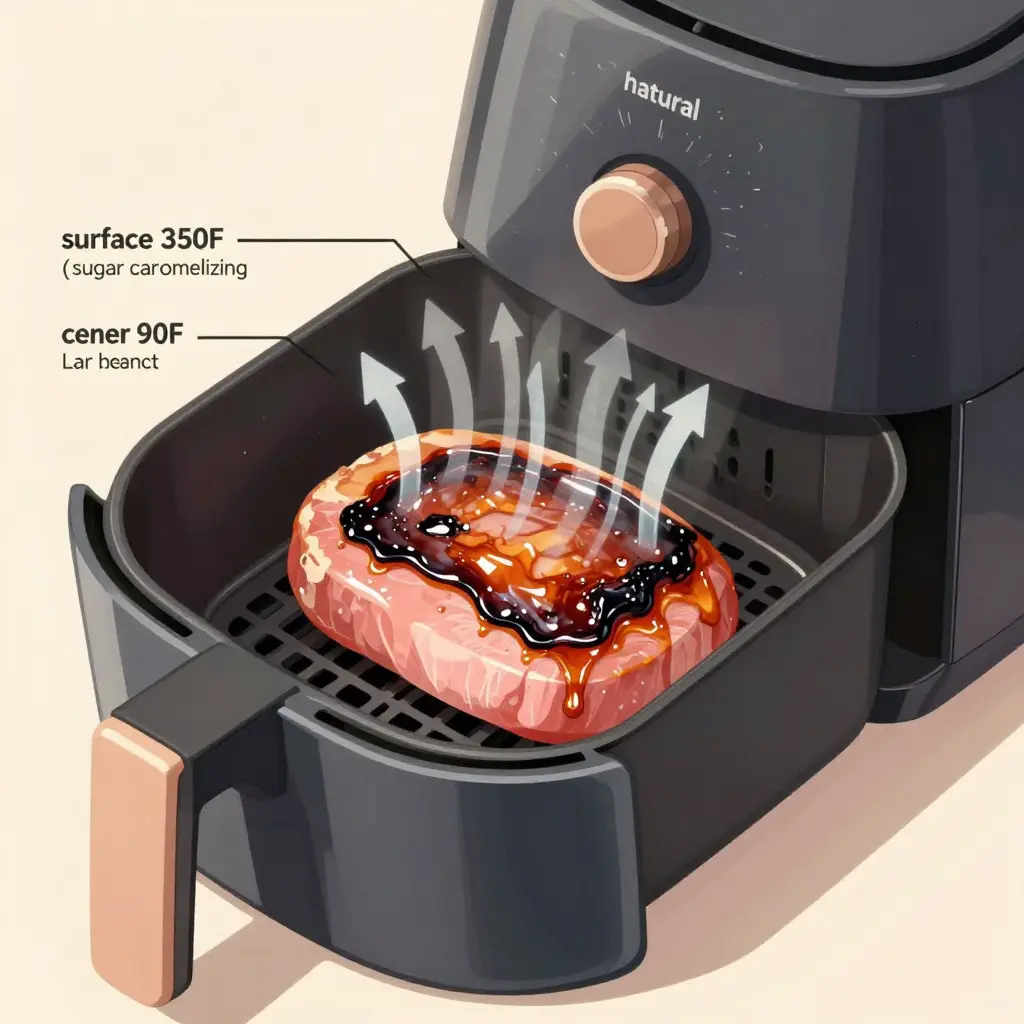
An air fryer is a small convection oven with a strong fan. It drives 350-400 F (175-205 C) air straight at the food, which strips moisture from the exposed top layer and pumps energy into it almost at once. The glaze sits on that surface, so it takes the full force of the heat first and reacts first.
Why Sugar-Based Glazes Turn So Fast
Most glazes are built on sugar, honey, maple, or fruit juice. Sugar starts to caramelize around 320-350 F (160-175 C) and burns soon after. A standard oven’s gentler air browns it slowly; an air fryer’s forced hot air blows past that window in a hurry. A glossy amber finish can turn to bitter charcoal in a couple of minutes.
The Interior Plays Catch-Up
The middle of the steak is insulated by its own mass. Heat reaches it by conduction from the surface, far slower than the convection blast on top. A thick ham steak may need 12-18 minutes to reach a safe 140 F (60 C). Glaze on the outside cannot wait that long.
Three things cause a burning glaze:
- Direct, high-speed convection. The fan drives intense heat onto the glazed surface before the interior begins to warm.
- Fast-acting sugar. At air fryer temperatures, caramelization and burning happen in seconds.
- A timing mismatch. The glaze is done long before a thick center reaches serving temperature.
The fix is sequencing: cook the meat first, glaze late. Brush the glaze on during the final few minutes, or tent the top with foil so the sugars never sit bare under the airflow. The full method is in this step-by-step air fryer ham steak recipe with glaze.
Ham Steak Glaze Troubleshooting Guide
Glazing a ham steak looks foolproof until the sugar blackens while the middle is still cool. Air fryers move hot air fast, so the outside of the ham cooks long before the center catches up, and the fix is usually technique rather than luck. Use the table below to match the symptom to a fix you can try on the next batch.
| Problem | Likely Cause | Fix |
|---|---|---|
| Glaze burns and turns bitter | Sugar-rich glaze hits 400F+ air and scorches before the ham is hot | Air fry at 350F and brush glaze on only during the final 3-5 minutes in short, thin coats |
| Glaze slides off the ham | Wet or glossy surface gives the glaze nothing to grip | Pat the steak bone-dry, score a shallow diamond pattern with a knife, then brush a thin first layer |
| Uneven cooking | Steak is thicker on one side or pieces are crowded and blocking airflow | Pound to an even thickness, cook in a single layer with space between steaks, and flip halfway |
| Dry ham steak | Overcooking, since ham has little fat to keep it moist | Pull the steak at 140F using an instant-read thermometer and tent it with foil to rest 5 minutes |
| Ham not heating through | Steak is thick or straight from the fridge | Rest the ham at room temperature for 10-15 minutes and slice extra-thick steaks in half horizontally |
| Sugar-heavy glaze sets too fast | High sugar content hardens before the meat is hot | Thin the glaze with a splash of water, apple juice, or vinegar and warm it before brushing |
| Glaze tastes cloying or flat | Too much sugar with no acidic or savory balance | Add Dijon, cider vinegar, or a pinch of salt to cut the sweetness |
| Glaze pools and drips in the basket | Glaze applied too generously in one heavy coat | Brush in 2-3 light layers, letting each set briefly, instead of one thick layer |
Every problem on that list comes back to the same mismatch: sugar burns fast, ham heats slowly. Give the meat a head start and the glaze a short, gentle finish, and the steak comes out glossy and juicy instead of bitter and dry. For temps, timing, and glaze ratios, see this air fryer ham steak recipe with glaze.
How to Cook an Air Fryer Ham Steak with Glaze (Without Burning the Glaze)
A juicy ham steak with glaze comes from a simple order of operations: heat the ham plain, then glaze it late. This two-stage method keeps the glaze glossy and sticky instead of blackened. Here are the steps for a reliable air fryer ham steak.
-
Preheat to 375 F (190 C) for 3 to 5 minutes. A hot basket sears the ham and cooks it evenly.
-
Pat the steak dry on both sides with paper towels. Dry meat browns better and gives the glaze something to grip.
-
Score the fat rim with small slits. This keeps the steak from curling as it cooks.
-
Cook the ham plain, in a single layer, for 6 to 8 minutes. No glaze yet.
-
Flip after about 4 minutes so both sides heat evenly.
-
Check the internal temperature in the thickest part. Fully heated ham reads 140 F (60 C); if it is lower, give it 2 to 3 more minutes.
-
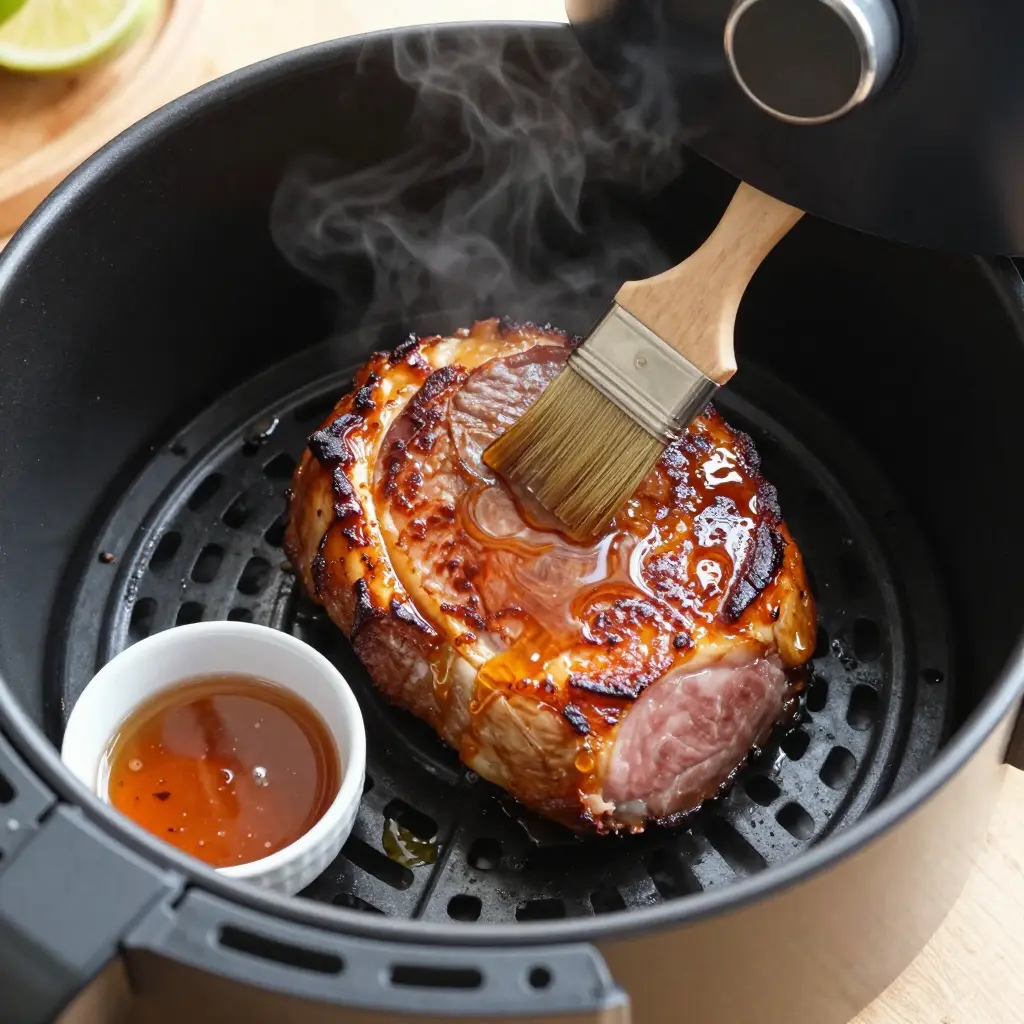
Glaze in the final minutes. Brush a thin layer on the hot ham and cook for 2 to 3 minutes. The sugars caramelize fast and do not have time to burn.
-
Glaze again and finish. A second thin brush, then 1 to 2 minutes more, turns the glaze sticky and shiny rather than scorched.
-
Rest for 3 minutes, then slice and spoon the drippings over the top.
Why This Two-Stage Glazing Technique Works
Sugar scorches fast at high heat, so the glaze burns if it goes on early. Cooking the ham plain first gets the meat hot through before any sweet coating touches it. The late brush then needs only a couple of minutes, long enough to caramelize without charring.
Keep the total air fryer time between 10 and 13 minutes; smaller steaks finish sooner, so trust the thermometer over the clock. A maple-mustard or brown-sugar-Dijon mix adds depth. The full air fryer ham steak recipe with glaze gives exact glaze measurements for your steak size.
Roasted potatoes, green beans, or a salad all work alongside it. The sweet-savory glaze is hard to clash with.
Why Timing Matters: The Temperature Gap
The most useful thing to understand about an air fryer ham steak with glaze is that the glaze and the meat heat at two different speeds. The glaze sits on the surface, where circulating air hits it directly. The center is buried inside the meat and warms much more slowly.
That gap is why so many home cooks end up with a blackened, bitter crust. The numbers make it obvious.
The Numbers: Glaze Burns Before the Ham is Warm
The table below tracks two temperatures at each interval: the ham’s interior and the glaze’s surface. Three thresholds matter here: caramelization at roughly 320°F, the glaze’s burn point near 375°F, and the ham’s target internal temperature of 140°F.
By the 8-minute mark, the glaze surface has climbed into the 320°F zone and started caramelizing. Around 12 minutes it passes the 375°F burn threshold, while the ham’s interior is still sitting in the 100-125°F range.
By the time the ham reaches a safe 140°F at the 16-minute mark, the glaze has been above its burn point for several minutes and turned from glossy to acrid.
The Fix in One Sentence
Don’t glaze the ham at the start. Glaze it at the end.
The practical takeaway:
| Air Fryer Time | Ham Internal Temp | Glaze Surface Temp | What’s Happening |
|---|---|---|---|
| 0 min | 40°F | 70°F | Cold start, everything even |
| 4 min | 70°F | 200°F | Surface heats fast, ham barely moves |
| 8 min | 100°F | 320°F | Glaze begins caramelizing, ham still cool |
| 12 min | 125°F | 390°F | Glaze passes burn point – danger zone |
| 16 min | 140°F | 420°F | Ham finally safe, glaze long past burnt |
| 20 min | 160°F | 440°F | Overcooked ham, ruined glaze |
Putting the Timing Fix to Work
- Cook first, glaze last. Run the bare steak until it reads about 130-135°F, then brush on the glaze and give it 2-3 minutes of high heat.
- Stay close at the finish. The glaze can go from golden to burnt in under two minutes.
- Use a meat thermometer. It is the only reliable way to know the internal temperature and to pull the steak the moment it is warm.
The full step-by-step method and glaze recipe are in our air fryer ham steak recipe with glaze.
Fixing Glaze Timing and Temperature
When the glaze burns before the ham heats through, the recipe usually is not at fault; the timing is. Sugar-rich glazes scorch fast in a hot air fryer, so glaze later rather than earlier. Separate the cooking from the glazing and the steak comes out tender inside and glossy outside.
Use the Two-Stage Method
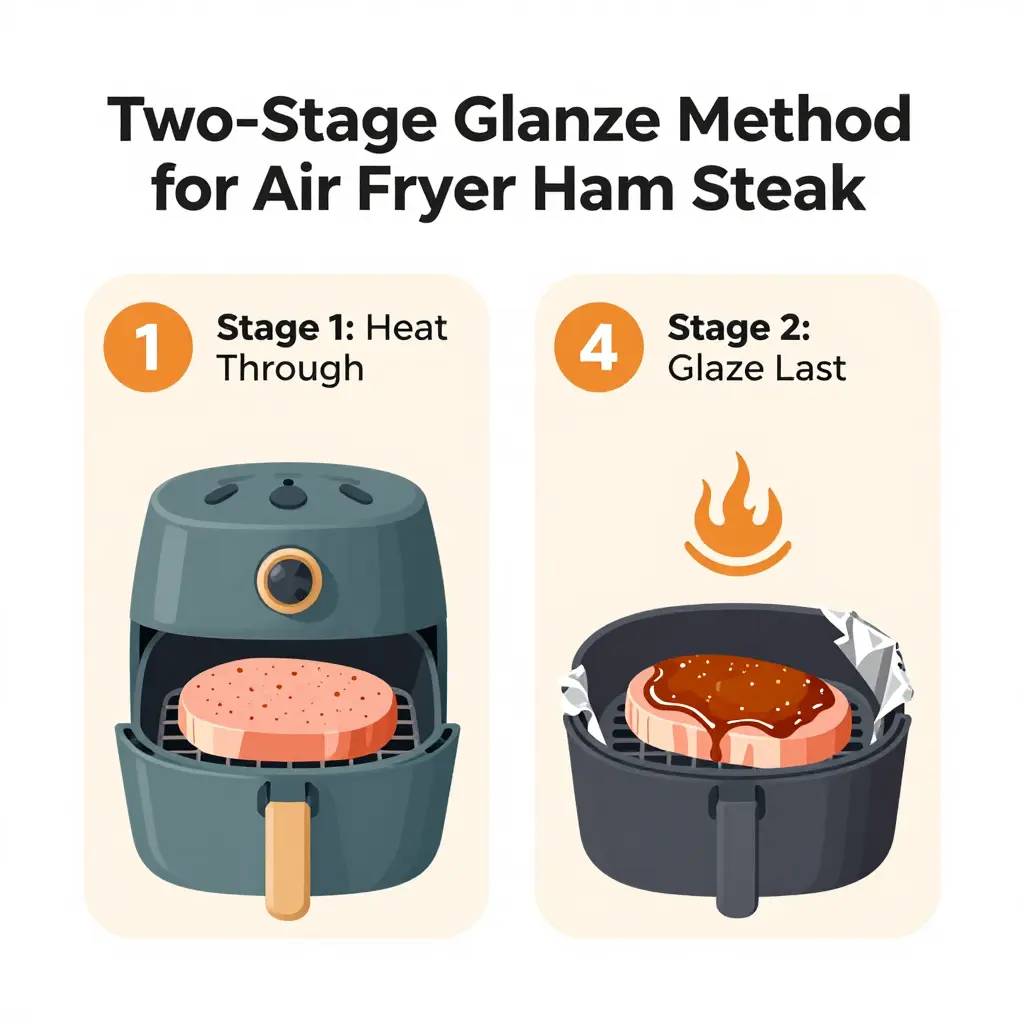
The two-stage method is the most effective fix for a burning glaze. Treat it as cooking, then finishing.
Stage 1: heat the ham through. Cook the plain steak until it is warm in the center. With no sugar on the surface, you can use steady high heat.
Stage 2: glaze at the end. Once the ham is hot through, brush on the glaze and return it for 2 to 3 minutes. The sugar caramelizes into a shiny coating instead of charring.
Lower the Heat When Glazing
Turn the temperature down once the glaze goes on, by about 50 degrees Fahrenheit (roughly 25-30 degrees Celsius, depending on your model). Sugar burns at a much lower temperature than ham, so gentler heat sets the coating without scorching it.
If your air fryer runs hot, this step alone can save a recipe that keeps burning.
Tenting and Covering Techniques
For extra insurance, loosely tent the steak with aluminum foil during the glaze stage. The foil traps some heat so the sugar softens and melts without direct air hitting it.
Don’t wrap it tightly; you want steam to escape so the glaze stays sticky instead of turning soggy. Pull the foil for the last 60 seconds for a crisper finish.
Avoid an Overly Sugar-Heavy Glaze
A glaze that is almost pure sugar will burn no matter how careful you are. Balance it:
- Cut back on brown sugar or honey and add acidity like vinegar, mustard, or citrus juice.
- Thin thick glazes with a splash of water, broth, or pineapple juice so they spread and set evenly.
- Season with savory notes – garlic, black pepper, or a little soy sauce – to keep the flavor from becoming cloying.
A balanced glaze browns gently and tastes rich rather than burnt.
Quick Fixes at a Glance
| Problem | Easy Fix |
|---|---|
| Glaze burns early | Cook plain first, glaze in the final 2-3 minutes |
| Edges charring | Lower the heat by about 50 F when glazing |
| Glaze drying out | Loosely tent with foil during the glaze stage |
| Glaze too sweet | Add acid, liquid, or savory seasoning |
With these adjustments you can trust the timing instead of hovering over the basket. For a reliable starting point, try this tested air fryer ham steak recipe with glaze and apply the two-stage method from the very first cook.
Glazes That Resist Burning
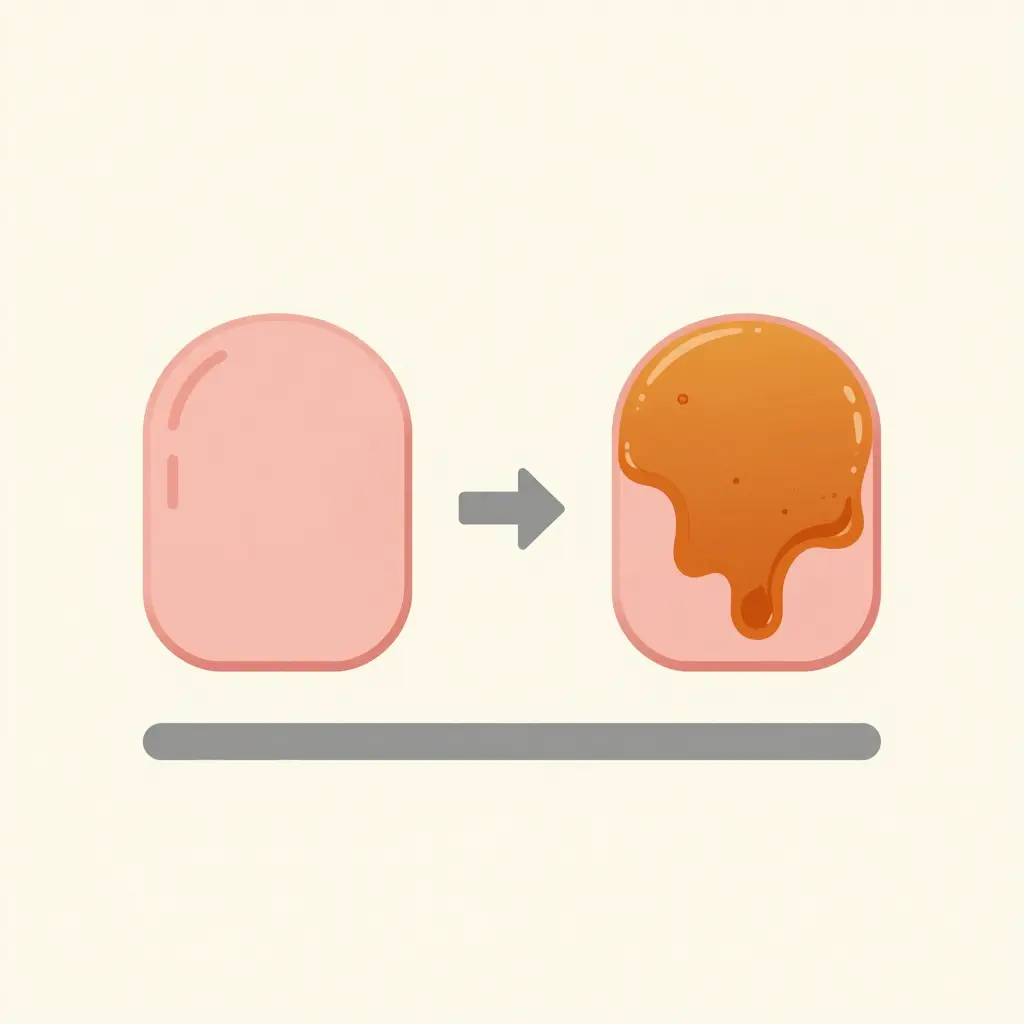
A good glaze should caramelize into a shiny, sticky crust, not a black, bitter mess. A few tweaks to the formula make any glaze more forgiving in the air fryer. This air fryer ham steak recipe with glaze walks through the full method.
Balance Sugar With Acidity
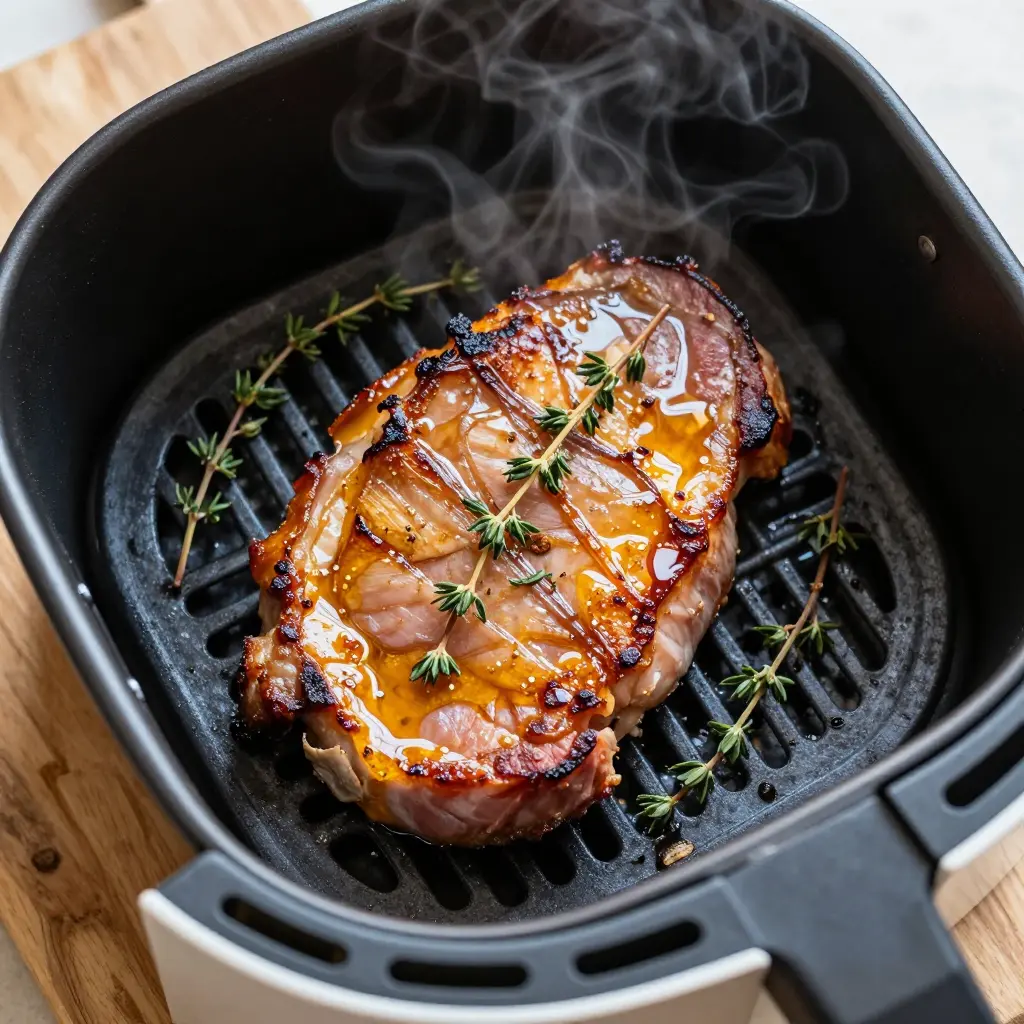
Most glazes are sweetener, liquid, and flavor. Sugar gives the shine, but it also scorches first, so offset it with acid. A workable ratio is about one teaspoon of acid (apple cider vinegar, lemon or orange juice, balsamic, or mustard) per tablespoon of sweetener. Lowering the pH slows browning and buys the ham time to heat through.
Moisture Is Your Safety Net
Thin, liquid-forward glazes resist burning because the water steams off before the sugars set; a thick, syrupy glaze darkens fast. Loosen it with broth, juice, or water and brush it on in stages: early for flavor, late for shine.
Honey and Maple Caveats
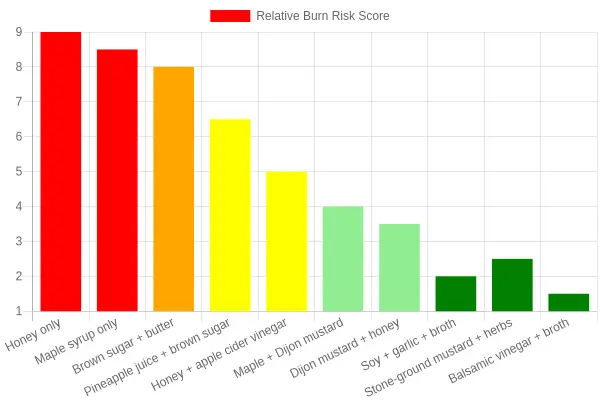
Honey and maple syrup burn quickly because they are concentrated sugar with little water. Treat them as finishing glazes: brush them on in the last few minutes, or pair them with acid and mustard to slow the reaction.
Go Savory With Mustard
Mustard is the workhorse of burn-resistant glazes: Dijon, whole grain, or yellow mustard adds tang and body, and its acidity slows browning. Pair it with soy sauce, garlic, Worcestershire, or herbs for a savory finish that browns gently.
Thicken or Thin on the Fly
- Too thin? Whisk in a cornstarch slurry (1 tsp cornstarch + 1 tbsp cold water) or simmer it down to reduce.
- Too thick? Add a splash of broth, juice, or water until it brushes on smoothly.
Recommended Glaze Bases
- Dijon mustard + honey + apple cider vinegar
- Balsamic vinegar + brown sugar + garlic
- Orange juice + soy sauce + ginger
- Maple syrup + Dijon + Worcestershire
- Pineapple juice + brown sugar + mustard
- Stone-ground mustard + honey + thyme
Build your ham steak with glaze around one of these bases and keep the sugar in check. The result is a glossy, tender, evenly browned air fryer ham.
Frequently Asked Questions
These are the questions home cooks ask most about making air fryer ham steak with a glossy, caramelized finish.
What temperature should an air fryer ham steak reach?
Aim for 140°F (60°C) internal. Ham steak is already fully cooked, so you are reheating it and setting the glaze rather than cooking from scratch. Insert an instant-read thermometer into the thickest part and pull the steak at 135-140°F; it will carry over a few more degrees as it rests. Past 150°F it starts to taste rubbery and dry.
Why does my glaze burn before the ham heats through?
Most glazes rely on honey, brown sugar, maple syrup, or jam, and those sugars scorch fast at the heat an air fryer delivers. Brush a sugary ham steak with glaze at the start and the surface sugar turns bitter and black before the center warms. Cook the ham first and glaze in the final 3-4 minutes, lowering the temperature to 350°F so the sugar caramelizes instead of carbonizing.
Can I glaze the ham before cooking?
You can, but only lightly. A thin baste before cooking adds some color; a heavy coat makes the burning worse. Save most of the glaze for the end and brush on a light layer early only if you want extra shine.
How long does a ham steak take in the air fryer?
For a 1-inch-thick steak, cook at 375°F for about 8-10 minutes, flipping halfway. Thicker steaks (1.5 inches) need 10-12 minutes. Add the glaze in the last few minutes and watch it closely, since sugar can go from golden to burnt in under a minute.
How do I keep a ham steak from drying out?
Three things help: don’t overcook it, tent it loosely with foil during the first half, and add a splash of liquid (broth, orange juice, or water) to the basket to create steam. Resting 3-5 minutes before slicing keeps the juices in.
Can I use a store-bought glaze?
Yes, and it saves time. Check the sugar content and thin thick glazes with a little water or juice so they brush on evenly. Follow this step-by-step guide for a glazed air fryer ham steak to get the timing right.
Food Safety and Internal Temperature: Heating Ham Steak Through Safely
Ham steak is almost always sold fully cooked, so you are reheating rather than cooking from raw, and that lowers the food-safety bar. The USDA recommends reheating fully cooked ham to 140°F (60°C). Many cooks pull it at 135°F (57°C) and let carryover heat finish the job, but anything below that sits in the warm range where bacteria grow.
Why heat it through if it is already cooked? Three reasons. Texture: cold or lukewarm ham eats rubbery; warm ham is tender and juicy. The glaze: a sugar glaze needs heat to set and cling, the balance this air fryer ham steak recipe with glaze aims for. Safety: slicing, packaging, and handling can leave surface bacteria, and the right internal temperature eliminates them.
Using a thermometer is simple: insert the probe into the thickest part, avoiding bone and fat, and wait for the reading to stabilize. Check the thickest spot, not the edge, since the edges heat fastest. Our rack of lamb recipe walks through the same technique with another protein.
Once the air fryer ham steak reads 140°F, pull it, rest it for two minutes, and serve. The same rule applies to other reheated meats, like these steak quesadillas.
The Takeaway: Cook First, Glaze Last
The order of operations matters more than any single ingredient. Cook the ham steak first and glaze late, and the glaze will not burn before the ham heats through. Sugar browns much faster than a thick cut of pork warms to 140°F, so the head start is what keeps the crust sweet instead of scorched.
A Quick Recap of the Fixes
- Two-stage cooking: Heat the ham steak plain first, then brush on your glaze only for the final few minutes.
- Watch the sugar: Honey, maple, and brown-sugar-heavy glazes caramelize quickly, so add them near the end.
- Protect the surface: A light foil tent or a slightly lower temperature can rescue an already browning glaze.
- Rest, then re-glaze: Let the steak rest, then brush on a fresh layer for shine without bitterness.
Give It a Try
Next time you make a ham steak with glaze, use the two-stage approach: start plain, finish sweet. The interior comes out tender and juicy, the glaze glossy and burn-free. This air fryer ham steak recipe with glaze has the full walkthrough.