

Olive Garden’s shrimp scampi has earned a cherished spot on the menus of many seafood restaurants, consistently appealing to patrons with its rich, garlicky sauce and perfectly cooked shrimp. For business owners in the culinary field, understanding the nuances of authentic recipes like this can be pivotal in enhancing customer satisfaction and increasing repeat visits. This guide introduces you to the Olive Garden shrimp scampi recipe, breaking it down into critical ingredients and cooking techniques. Each chapter will provide insights that can be directly applied to your culinary endeavors, allowing you to create a dish that’s not only flavorful but also true to the beloved brand.
Savoring Authentic Olive Garden Shrimp Scampi: Technique, Tradition, and Timeless Flavor
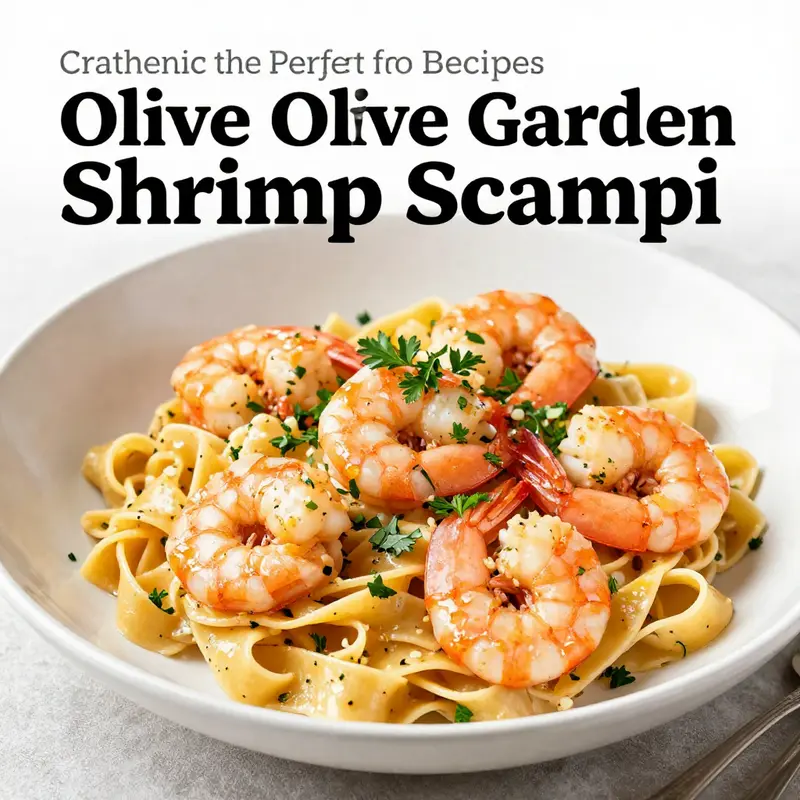
The Journey to an Authentic Olive Garden Shrimp Scampi Experience
The allure of Olive Garden Shrimp Scampi lies in its perfect balance of tender shrimp, a rich and velvety sauce, and the unmistakable aroma of garlic and lemon. When you recreate this beloved dish at home, every step becomes an immersion into a culinary journey that honors both technique and tradition. The experience begins not at the stove, but in the careful selection of ingredients. Opting for the highest quality shrimp—preferably large or jumbo, peeled and deveined—is essential. Their firm texture and naturally sweet flavor set the foundation of the dish. A few extra ingredients, like fresh garlic, crisp lemon, and high-grade dry white wine, elevate the complexity of the flavor profile, ensuring that each bite is bursting with freshness yet remains deeply layered with richness.
From the First Sizzle to the Final Toss
In any authentic recreative process, precision is paramount. The preparation commences with the meticulous drying of the shrimp. Patting them dry with paper towels is not merely a step in the process; it is a crucial technique that guarantees perfect searing. When the shrimp enter a hot pan brimming with a carefully balanced blend of unsalted butter and extra virgin olive oil, that dryness permits rapid browning, creating a delicate crust that seals in moisture. This process is an art form in its own right, honoring the golden culinary tradition of quickly sautéing to preserve the natural sweetness of the seafood.
The next stage of the journey introduces the essential aromatics. Finely minced garlic, when gently sautéed in the butter-oil blend, releases its fragrant compounds in a way that transforms the entire dish. The garlic must be treated with respect—it should be worked just long enough to become aromatic but never allowed to brown or burn. Along with a pinch of crushed red pepper flakes for those who desire a hint of heat, these ingredients serve as the foundation of the creamy sauce that will soon envelop the shrimp and pasta.
As the aroma fills the kitchen, the moment arrives to incorporate the liquid elements that infuse the dish with depth and brightness. A generous pour of a dry white wine such as Pinot Grigio or Sauvignon Blanc not only helps deglaze the pan, releasing the caramelized bits that cling to the bottom, but also contributes a subtle tang that harmonizes beautifully with the fresh lemon juice. The acid from the lemon balances the richness of the unsalted butter and heavy cream that will later join the ensemble, creating a sauce that is both vibrant and indulgent.
Once the aromatics and liquids have mingled, the process of sauce creation takes center stage. The simmering of the wine and lemon juice, combined with the remnants of garlic and red pepper, creates a reduction that is essential for setting the stage for cream incorporation. The gradual introduction of heavy cream transforms this reduction into a luscious, velvety sauce that clings lovingly to every strand of pasta. At this stage, the sauce remains delicate in texture—creamy and light, yet robust enough to embrace each shrimp and pasta piece.
The next important step is the reintroduction of the freshly cooked shrimp back into this evolving sauce. The shrimp, now perfectly seared and infused with their natural flavors, absorb the sauce’s subtle complexities as they gently simmer for a minute or two. The process is a careful balance: overcooking might lead to a rubbery texture, while undercooking leaves them too raw. The goal is to ensure that each shrimp is not only heated through but has also had the opportunity to marry with the garlic wine sauce, resulting in a harmonious melding of textures and tastes.
While the shrimp integrate, the pasta plays a starring role. Fettuccine or linguine, cooked al dente, transforms a simple ingredient into the ideal canvas for the sauce. The pasta water, reserved for its starchy magic, is gradually incorporated. This water acts as an emulsifier, loosening the sauce as it adheres to the noodles, ensuring a silky finish that is the hallmark of a restaurant-quality dish. The starchy water provides the final touch that transforms the sauce from a discrete set of ingredients into an all-embracing harmony of flavor and texture.
A key secret in achieving that signature Olive Garden flavor is the judicious use of Parmesan cheese. Sprinkling freshly grated Parmesan into the simmering sauce not only adds a subtle saltiness but also enriches the dish with a faint nutty undertone that deepens the overall flavor profile. The cheese melts into the sauce in a way that accentuates the creamy texture, making every mouthful an indulgent experience that pays tribute to the original recipe. To round out the presentation, a generous scatter of freshly chopped flat-leaf parsley leaves a lasting impression of color and freshness, inviting diners to take that first, mouthwatering bite.
A Symphony of Technique and Tradition
There is a close relationship between technique and tradition in this Olive Garden-inspired recipe. As you start from the essential preparation of drying the shrimp and move systematically through searing, deglazing, and sauce-making, each action honors not only the art of cooking but also the heritage of Italian-American cuisine. It is a recipe steeped in a familiarity that feels both homey and luxurious, a dish that has won hearts across generations.
In the heart of this narrative lies the interplay of flavors that consistently captivate taste buds. The quick sear of the shrimp creates a delightful contrast between the crisp, caramelized exteriors and their unbelievably tender, succulent interiors. This culinary alchemy, enhanced by the sizzling of garlic in butter and olive oil, sets the mood for the dish, transporting one to a warm, inviting trattoria. The dressing of the dish with vibrant lemon juice mirrors the sun-drenched groves of Mediterranean orchards, where citrus flavors flourish side by side with aromatic herbs and olive oils.
As you work through the recipe, consider each step as a note in a broader symphony. The initial sauté of garlic and red pepper creates the overture that excites the palate. The incorporation of wine and lemon ushers in a crescendo of flavors, while the careful return and warming of the shrimp brings the melody full circle. Finally, the interplay of pasta water, Parmesan, and heavy cream adds the finishing notes that leave a lingering, satisfying harmony on the palate. This complex layering of tastes is why Olive Garden Shrimp Scampi remains a much-admired dish, reverberating with culinary passion and precision.
Beyond the mechanics of the recipe lies an opportunity for personal expression and connection. Cooking is as much about technique as it is about the memories and emotions that stirring ingredients evoke. Many find quiet nostalgia in a dish prepared with care—perhaps a reminder of joyful gatherings, the comforting presence of a loved one, or the simple pleasure of savoring something prepared with your own hands. Each time you recreate this recipe, you are not merely following a series of steps; you are stepping into a long line of culinary tradition, enriched by the careful balance of flavors introduced by generations of home cooks.
For those who appreciate practical culinary advice, there exists an internal resource that further demystifies the preparation of this iconic dish. You might consider exploring a detailed guide that breaks down the cooking process step by step. This guide, available on an established culinary blog, offers practical insights and emphasizes important techniques such as ensuring the shrimp remain dry throughout the initial searing process. The guide can be found here, where thorough tips and additional suggestions help novice cooks and seasoned chefs alike elevate their own homemade version of Shrimp Scampi.
As you continue to hone your skills with this recipe, consider revisiting the broader influences that shape it. The interplay of butter and olive oil not only achieves a delectable balance of flavors but also mirrors the dual influences of Old World culinary traditions and New World innovation. The balance is delicate—true mastery of the dish requires an understanding of how these fats behave when combined and heated. For instance, butter contributes a rich, creamy texture and depth of flavor, while olive oil imparts a fruitiness that underscores the freshness of the dish. These fats are joined by garlic, whose quick sizzle in the pan sets the stage for the sauce’s flavor profile, and the spices that lend just enough heat to elevate the entire experience without overwhelming the primary flavors.
The technique of deglazing, a familiar process in classic Italian cooking, plays its part in transforming the ingredients into a cohesive whole. As the white wine and lemon juice are added, the pan’s browned bits—often referred to as the essence of flavor—are lifted, creating a base that is rich in taste. This culinary step not only builds depth in the sauce but also provides visual cues as the wine and lemon juice begin to reduce. This reduction is a careful balancing act that should last only a few minutes, allowing the flavors to concentrate without losing the overall brightness of the dish. In the context of Olive Garden Shrimp Scampi, it is a demonstration of technique that bridges the gap between everyday cooking and culinary artistry.
Moreover, the addition of heavy cream reflects a modern twist on a traditional dish. While the classic version may lean fully on the simplicity of garlic, wine, and butter, the cream provides a subtle variation that enriches the sauce’s texture. This layering creates a silky finish that clings to every strand of pasta, transforming the meal into something indulgent yet balanced. The Parmesan cheese, when stirred in, respects the dish’s Italian roots. The cheese not only enhances the creaminess of the sauce but also introduces a slight saltiness and umami quality that deepens the overall complexity.
Every element in this dish tells a story. The shrimp, with their natural sweetness, paired with the bright tang of lemon, evoke memories of seaside dining in a trattoria overlooked by the Mediterranean. The sizzle of garlic in butter recalls traditional Italian kitchens where every ingredient was handled with reverence. Each step, if executed with care, contributes to an experience that is more than the sum of its parts. The transformation of simple ingredients into a luxurious meal is the very essence of home cooking at its best.
The process also highlights how understanding cooking principles can elevate even an at-home preparation into a feast worthy of fine dining. Balancing seasoning is critical, and it reminds the cook to taste and adjust throughout the process. Adding a splash of reserved pasta water can mean the difference between a sauce that is too thick and one that envelopes the pasta beautifully. Achieving that perfectly emulsified blend is an art form, one that is rewarded with a silky, cohesive sauce that reflects the restaurant’s dedication to flavor and texture.
There is something inherently joyful about creating a meal like this. Beyond its technical aspects, the dish celebrates community and sharing. Whether you are preparing it for a quiet evening at home or for a small gathering of friends and family, the process brings people together. The inviting aroma, the vibrant dish, and the unforgettable flavors create a centerpiece for conversation and connection. The act of cooking, from the initial sizzle to the final garnish of parsley, is a meditation on creativity and precision, it celebrates the best of what cooking has to offer.
For those looking to perfect this dish, the journey also becomes a series of learning moments—each mistake, each success, informs the next attempt. Perhaps in your first try, the garlic might threaten to overcook. With subsequent attempts, you learn the value of constant vigilance and the importance of maintaining medium or medium-high heat at the right moments. With experience, your timing improves, and what was once a challenge becomes a well-rehearsed dance of flavors and textures that results in mastery over the dish.
While considering all these nuances, one should not neglect the importance of presentation. The final dish, once plated, should look as irresistible as it tastes. A drizzle of the remaining sauce, an artful sprinkling of grated Parmesan, and a final flourish of chopped parsley transform a simple dinner into an experience that engages all the senses. The visual appeal, combined with the rich aromas and layered flavors, makes every plate an invitation to indulge in comfort and sophistication.
It is also worth reflecting on the broader cultural significance of dishes like Olive Garden Shrimp Scampi. They move beyond simple sustenance, becoming cultural markers that evoke memories of dining experiences, celebrations, and the simple pleasure of sharing a meal with loved ones. In each bite, there is a subtle reminder of the heritage behind every recipe—a blend of Mediterranean traditions infused with modern culinary techniques.
In conclusion, mastering the art of Olive Garden Shrimp Scampi is an exercise in both technical skill and heartfelt creativity. The dish, capable of bridging the gap between everyday cooking and restaurant-quality fare, rests on the careful orchestration of shrimp searing, garlic sautéing, wine deglazing, and the careful assembly of ingredients that blend into a sumptuous sauce. The journey is as rewarding as the destination. Every step—from drying the shrimp to the final garnish—plays a vital role in crafting a dish that tells its own story of balance, tradition, and innovation.
For additional insight into creating an impeccable sauce to accompany seafood dishes, consider consulting the detailed guide available from the official source at Olive Garden Shrimp Scampi which provides an authentic look into the ingredients and techniques that have made this dish a perennial favorite. This external reference further underscores the importance of respecting the subtleties that make the dish truly special.
In crafting your own version, remember that the essence of Olive Garden Shrimp Scampi is not merely in following a recipe but in embracing a culinary tradition that values precision, quality, and above all, passion for food. Each informed step builds upon the last, leading to a final product that is as soul-satisfying as it is delicious. From the hearty sizzle in the pan to the final, artful arrangement on your plate, every moment is an opportunity to appreciate the beauty of cooking—where technique meets tradition, and every ingredient plays its part in a symphony of flavor.
Embrace this journey and let the process inspire you to experiment and find your own unique twist on the classic. The act of cooking is both a science and an art, and as you navigate through the techniques and traditions laid out in this recipe, you will not only recreate a dish cherished by many but also add your own stamp of culinary mastery to a timeless favorite.
Secrets Behind the Perfect Olive Garden Shrimp Scampi: Key Ingredients and Masterful Techniques
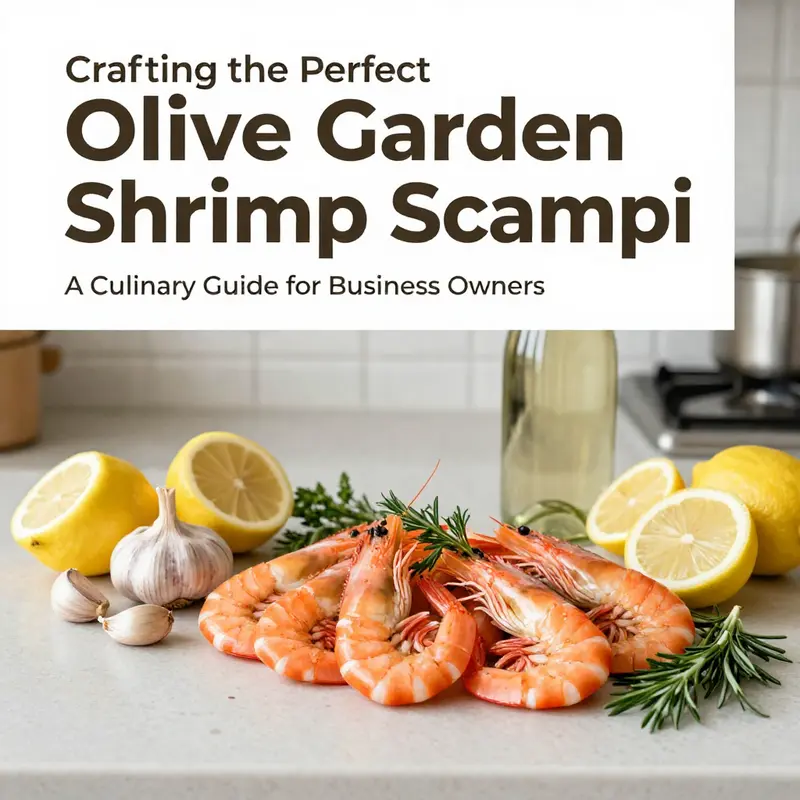
Mastering a dish like Olive Garden’s Shrimp Scampi is an exercise in culinary art where every ingredient and every technique plays a crucial part. The journey begins with sourcing the best quality shrimp, the heart of this savory dish, which must be large, succulent, and impeccably prepared. The process of achieving that restaurant-style excellence starts long before the shrimp hit the skillet; it is rooted in carefully selecting ingredients and applying timeless culinary techniques that have been refined over decades.
At the very core of this recipe is the shrimp. They must be as fresh as possible, and an absolute must is to ensure they are patted completely dry with paper towels just before cooking. This simple yet critical step promotes a perfect sear that locks in the natural juices, resulting in shrimp that are tender and bursting with flavor. The importance of this action cannot be overstated because a wet surface will steam rather than sear the shrimp, leading to a less than optimal texture and taste. Once dry, the shrimp are ready to be introduced to a sizzling warm pan where a dignified blend of unsalted butter and olive oil awaits them.
The rationale behind combining butter with olive oil during the sautéing process is multi-faceted. Butter provides a rich, creamy foundation that elevates the overall flavor profile, while olive oil lends a lightness that helps prevent the butter from burning at higher temperatures. This duo creates a perfect medium to brown the shrimp uniformly, imparting an appealing golden hue and enhancing the complex flavors within the dish. With the shrimp searing quickly in this luxurious fat blend, the aroma of sizzling seafood and butter becomes the first hint of what is to come—a dish that marries simplicity and sophistication in every bite.
Yet, creating authentic Olive Garden Shrimp Scampi is not solely about the proteins; it’s also about the exquisite sauce that elevates the dish to new heights. Garlic, a pivotal element in this recipe, must be freshly minced to release its vibrant, heady fragrance at just the right moment. While a brief sauté is sufficient to unlock its aromatic qualities, the challenge lies in not letting it overcook, as burnt garlic introduces a bitter note that would compromise the intended balance. Investing a mere 30 seconds to a minute in the pan is enough time for garlic to infuse the butter and olive oil with its rich essence.
Next comes the stage of deglazing the pan, an essential technique that captures the caramelized bits left behind from the shrimp’s searing process. The addition of a dry white wine, such as a Pinot Grigio or Sauvignon Blanc, along with freshly squeezed lemon juice introduces a tangy brightness that cuts through the richness of the butter. This step both deglazes and lifts all the aromas from the bottom of the pan, and the alcohol is given a brief moment to evaporate, leaving behind concentrated flavors that create the perfect backdrop for the creamy elements to follow. This moment in the cooking process exemplifies the harmony of culinary science and artistry, as the interplay of acidity and creaminess works together to produce a sauce that is both bold and delicately balanced.
Integrating dry herbs like oregano and the optional red pepper flakes adds another layer of complexity. Oregano imparts an earthy aroma that resonates with the Mediterranean roots of the dish and serves as an homage to the classic flavors that have defined Olive Garden’s cooking style. The red pepper flakes, used sparingly, contribute a subtle heat that enhances the overall flavor without overwhelming the gentle balance between tangy, creamy, and savory notes. This careful orchestration of spices and herbs is a testament to the importance of measured seasoning; every pinch must be considered and every stir deliberate, as the flavor profile is built gradually with each added element.
A notable feature of this Shrimp Scampi is the transformation of the sauce through the addition of heavy cream and Parmesan cheese. After the sauce has been allowed to simmer and reduce slightly, heavy cream is stirred in to lend a luxurious, silky texture that envelops every strand of pasta. The cream not only adds richness but also helps mellow the sharp acidity of the lemon and wine, creating a perfectly balanced mouthfeel. Subsequently, freshly grated Parmesan cheese is incorporated at the very end of the process. The cheese melts seamlessly into the sauce, further enhancing its creamy consistency and binding all the flavors together. This stage of the cooking process is delicate yet decisive: the timing of the cheese addition is crucial because it must integrate thoroughly into the warm sauce without forming clumps or losing its distinct, tangy appeal.
While the sauce is a centerpiece of the dish, its successful marriage with the fettuccine pasta is what ultimately defines the experience. Cooking the pasta to al dente perfection in salted water not only imbues it with its own subtle seasoning but also allows it to absorb the rich flavors of the scampi sauce. It is imperative to reserve a measure of the starchy pasta water before draining the noodles; this reserved water holds the secret to achieving a sauce that clings deliciously to every strand. The starchy water acts as a binding agent, transforming the sauce from a loose, slightly separated liquid into a glossy, cohesive emulsion that complements both shrimp and pasta splendidly.
As the final steps unfold, the previously cooked shrimp are reintroduced to the pan, warming gently in the luxurious sauce to ensure maximum flavor absorption. A careful and gentle toss ensures that each shrimp is evenly coated, and the reserved pasta water is gradually incorporated to adjust the consistency of the sauce. The integration of every ingredient at this point is delicate and demands attentiveness. Ensuring that the sauce achieves the right consistency is paramount: it should be creamy, slightly thickened, yet light enough to pour gracefully over the pasta. This infusion of ingredients transforms the dish from a mere collection of components into a unified culinary masterpiece, where every bite offers a symphony of textures and flavors.
Beyond the technical aspects of cooking lies the sensory journey that this dish offers. The mingling aromas of garlic and butter with the tang of lemon create an enticing olfactory experience that heralds the moment of tasting. The careful use of wine and herbs in deglazing introduces layers of complexity that dance on the palate, while the gentle heat from the pepper flakes provides a subtle kick that elevates the overall flavor experience. This harmonious blend of ingredients serves as a reminder that every component works not in isolation, but in concert, to bring forth a final product that is both comforting and luxurious.
An often-overlooked but critical element is the garnishing process. The finishing touches of freshly chopped flat-leaf parsley not only add a vibrant splash of color but also an herbal freshness that contrasts beautifully with the rich buttery sauce. This finishing flourish encapsulates the essence of Olive Garden’s approach to meal preparation—simple yet sophisticated, where the beauty lies in the details. Even a drizzle of extra lemon juice at the end can elevate the dish further, reaffirming the importance of balance between creaminess and acidity. Serving a dish with such meticulous attention to detail is a celebration of both flavor and presentation, ensuring that every plate is as pleasing to the eye as it is to the taste buds.
The narrative behind Olive Garden’s Shrimp Scampi is one of passion, precision, and an unwavering commitment to quality. What might seem like a straightforward pasta dish is meticulously layered with techniques and ingredients that have been honed over years of culinary practice. The art lies not just in following a recipe, but in understanding the role that each element plays—from the quality of the shrimp and the careful sautéing in a butter and olive oil blend, to the precise timing of garlic infusion and the delicate balancing act of deglazing with wine and lemon. Every stage contributes to building a dish that is rich in heritage, echoing the Italian-American culinary tradition and the ethos of creating memorable dining experiences.
Moreover, embracing a methodical approach in the kitchen is vital. Culinary enthusiasts will appreciate that nearly every traditional technique—sautéing to encourage a Maillard reaction, deglazing to capture flavor, and reducing the sauce to concentrate the taste—culminates to bring out a result that is nothing short of spectacular. It is this synthesis of fundamental cooking methods with premium ingredients that has made dishes like Olive Garden’s Shrimp Scampi eternally popular. For those seeking an in-depth exploration of similar culinary techniques, one can refer to the detailed walkthrough available in the article on Authentic Olive Garden Shrimp Scampi Preparation, which offers further insights into perfecting these essential skills.
The meticulous process described here not only pays homage to traditional cooking but also instills a sense of purpose and passion for home cooks who aspire to create restaurant-quality dishes. Beyond the mere act of cooking, it is an experience that teaches patience, precision, and the importance of timing. The transformation of simple ingredients into a dish that radiates elegance and indulgence underscores the cyclical nature of a well-executed recipe—where every phase of preparation builds upon the last to produce a culinary masterpiece that delights all the senses.
Indeed, the nuts and bolts of creating Olive Garden’s Shrimp Scampi are embedded in an understanding of cause and effect in the kitchen. For instance, the decision to combine unsalted butter with olive oil is not arbitrary but a deliberate choice rooted in the desire to achieve a high smoke point while preserving the flavor complexity of butter. Similarly, the decision to deglaze with white wine and lemon juice is a nod to classic techniques that significantly elevate the dish’s aromatic profile. The interplay between these ingredients is reminiscent of a well-orchestrated symphony, where every note complements the others without overpowering them, resulting in a performance that resonates with every food enthusiast.
For many home cooks, the approach to making Olive Garden’s Shrimp Scampi can be transformed into a ritual—one that celebrates both the artistry and science of cooking. As the ingredients mingle and transforms under gentle heat, the transformation is as much personal as it is culinary. Every step, from patting the shrimp dry to sprinkling the final garnish, becomes a moment of mindfulness, an opportunity to connect with the food and appreciate the craftsmanship involved. The satisfaction derived from not only creating a dish but also understanding every nuance of its preparation is deeply rewarding. In kitchens around the world, this recipe serves as a bridge between casual comfort food and gourmet dining, inviting cooks to experiment, learn, and ultimately cherish the art of cooking.
To truly appreciate the complexity of this dish, one must consider its heritage and cultural significance. The emphasis on vibrant garlic, zesty lemon, and the interplay of cream and wine speaks to a broader culinary narrative—one where ingredients are celebrated for their natural flavors, and techniques passed down through generations are revered as the foundations of culinary innovation. This Shrimp Scampi is more than a recipe; it is a story of cultural fusion and culinary evolution, where the traditions of Italian cooking meet American innovation to create something that is universally adored.
As you embark on your own culinary journey with this recipe, remember that the magic lies in the little details—a splash of fresh lemon juice, the gentle simmering of cream, and the aromatic burst of garlic just before it overcooks. This recipe encourages you to pay attention to every nuance and to take pride in each step, as every decision in the kitchen contributes to the final masterpiece on your plate. The process is both an art and a science, requiring not only the correct ingredients but also the intuition that comes with experience. It is a reminder that while recipes can serve as a guide, true culinary success lies in trusting your instincts and adapting the techniques as needed.
In the end, the Olive Garden Shrimp Scampi is a testament to the passion and dedication of those who have perfected it over time. It is a dish that continuously challenges home cooks to refine their skills, experiment with flavors, and ultimately, create meals that are a joy to share. The refined balance of flavors, the dance of textures between tender shrimp and silky pasta, and the irresistible aroma of garlic-infused butter make every bite a celebration of culinary excellence. For those driven to understand the intricacies behind their favorite dishes, this recipe opens a window into the world of culinary mastery, inviting you to explore further and delve into more gastronomic adventures.
For additional insights and tips on refining your cooking techniques with seafood, you may also find valuable information in the external resource Olive Garden Shrimp Scampi Recipe. This comprehensive guide reinforces many of the concepts discussed here and serves as an excellent companion resource for any aspiring chef eager to elevate their mastery of seafood dishes.
Final thoughts
The Olive Garden shrimp scampi recipe stands as a testament to how high-quality ingredients and precise techniques can combine to create a beloved dish. By focusing on authentic flavors and mastering the preparation methods discussed in this guide, restaurant owners can not only satisfy their guests’ cravings but also enhance their menu offerings significantly. As you experiment with this classic recipe, remember that attention to detail and a passion for flavor can set your establishment apart in a competitive dining landscape.