

Lamb chops are a culinary treasure, representing a fine choice for professional kitchens and food entrepreneurs alike. Their unique flavor profiles and tender texture make them a staple in upscale dining and casual meals. This article delves into the meaning and cooking techniques surrounding lamb chops, presents classic recipes that can be adapted for various dining experiences, and explores the current market trends influencing their popularity. By understanding these facets, business owners can better cater to their customers’ appetites and elevate their menus.
Mastering Lamb Chops: A Journey Through Tradition, Technique, and Taste
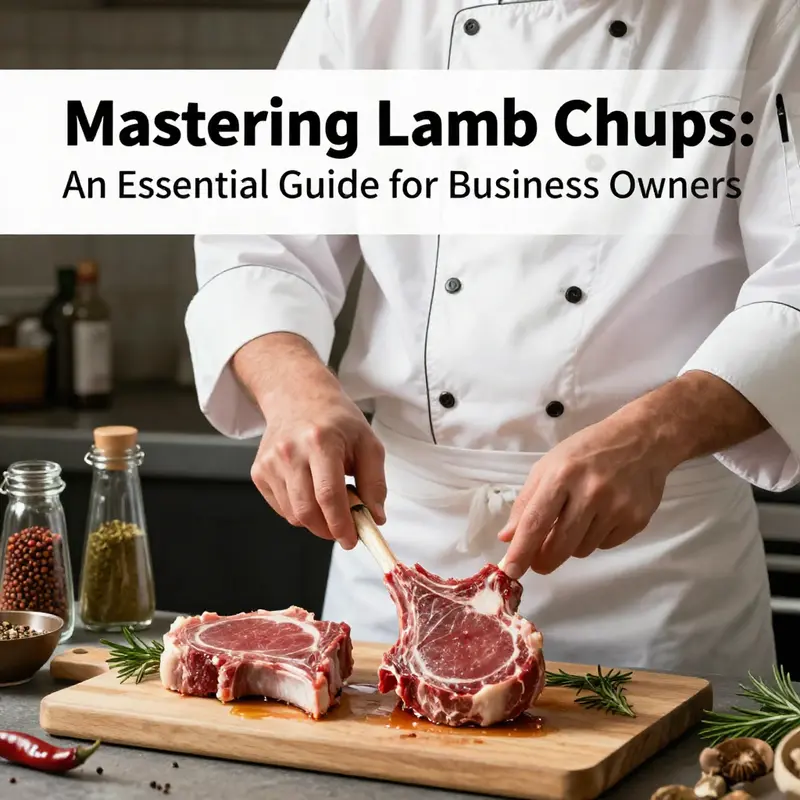
Lamb chops have long been celebrated in kitchens around the world as both a sumptuous treat and a culinary benchmark, embodying the rich history of pastoral traditions and the art of fine cooking. At their core, lamb chops are not just a cut of meat; they are an invitation to explore a tapestry of flavors, textures, and techniques that have evolved over centuries. Whether prepared in an intimate home setting or presented as a sophisticated offering in a gourmet restaurant, each chop carries with it a story of craftsmanship and cultural heritage.
The journey begins with understanding the anatomy of a lamb chop. Derived from various parts of the lamb such as the rib, loin, or shoulder, each slice offers a unique blend of flavor and tenderness. The rib chop, often known as the ‘lollipop,’ is especially prized for its succulent, evenly marbled meat that crisps beautifully when grilled. More than just exquisite flavor, the inherent texture of lamb chop is largely due to the interplay of fat and muscle, imparting a distinctive richness that appeals to both the gourmand and the home chef. The meat, with its subtle gamey notes, is an excellent canvas for a host of seasoning and cooking methods.
A crucial aspect of mastering lamb chops lies in the way they are prepared and cooked. Traditional methods have been refined over years of experimentation and cultural exchange, leading to a variety of techniques that suit different palates and occasions. One widely appreciated method is roasting. By first marinating the chops in a blend of olive oil, garlic, herbs such as rosemary and thyme, and a pinch of salt and pepper, one can ensure that the flavor penetrates deeply into the meat. The chops are then cooked at a high temperature, allowing the exterior to form a delectable char while the interior retains a tender, juicy texture. This not only intensifies the natural flavors but also creates a delightful contrast in texture—a crisp, caramelized crust paired with a succulent center.
Beyond roasting, lamb chops also shine when grilled or pan-seared. Grilling is particularly favored during warmer months when outdoor cooking adds a smoky, rustic charm to the dish. The high heat of the grill helps in searing the chop, sealing in the juices and locking on an aroma that captures the essence of a rustic barbecue. In a similar vein, pan-searing in a heavy-based skillet or cast iron pan can yield excellent results, precisely controlling the heat to achieve just the right level of browning. A quick sear followed by a short period of resting not only locks in the flavors but also allows the meat fibers to relax, ensuring every bite is tender and evenly cooked.
For those seeking an innovative twist on this classic dish, modern interpretations have emerged that merge traditional techniques with contemporary flavor profiles. For instance, a drizzle of honey paired with a garlic-infused glaze transforms a simple lamb chop into an extraordinary blend of sweet, savory, and tangy notes. This approach highlights the meat’s natural flavors while introducing a playful element that can elevate the dining experience. Such creative adaptations can serve as a fantastic introduction to experimenting with spices and ingredients, encouraging cooks to trust their instincts and to let the lamb do much of the talking. Those looking for more creative lamb chop recipe ideas can explore more detailed approaches with resources like the comprehensive guide available in creative lamb chop recipe ideas on Meat Recipes Blog.
While the act of cooking lamb chops might seem straightforward, the art lies in the subtle details that transform the dish into something truly memorable. Selecting the right cut is paramount. A good quality lamb chop, characterized by a vivid, uniform color and firmly distributed fat, sets the groundwork for a successful meal. Equally important is understanding the optimal cooking time and temperature. Overcooking can lead to a loss of moisture and a decline in flavor, whereas undercooking might not fully dissolve the connective tissues that contribute to the overall robustness of the dish. Thus, maintaining a balance is essential, and it often comes with practice and attention to the specific nuances of the meat being used.
Another layer of excellence in lamb chop preparation is the way in which the meat is presented. A beautifully plated lamb chop is not just a feast for the palate but also for the eyes. Chefs often emphasize garnishing the dish with fresh herbs and a drizzle of reduced sauce, creating an inviting visual presentation that signals care and attention to detail. The presentation is a narrative in itself, inviting diners to experience not just the taste but the full sensory embrace of the dish. In this vein, every element—from the initial selection of the meat to the final garnish—plays a vital role in crafting an exceptional dining experience.
Beyond the immediate gratification of a well-cooked lamb chop, there is a deeper nutritional and cultural significance to consider. Lamb is a rich source of protein, essential vitamins, and minerals, making it a valuable component of a balanced diet. Traditional communities have long regarded lamb dishes as symbols of festivity and abundance, bringing families together in celebrations and communal feasts. The modern culinary landscape, while embracing a diversity of flavors, continues to celebrate the lamb chop as a timeless dish that bridges the gap between rustic, home-cooked meals and refined, restaurant-quality delicacies.
Embracing the art of cooking lamb chops is also an exploration of personal taste and culinary experimentation. Whether one opts for a slow-cooked, herb-basted roast or a quick, fiery grill to create a charred, smoky flavor, the process itself becomes a lesson in patience, precision, and creative freedom. Each technique, whether traditional or innovatively modern, represents a chapter in the ever-evolving saga of culinary traditions. For those looking to expand their repertoire, the journey into the world of lamb chops is enriched by continuous learning, adaptation, and a relentless pursuit of flavor perfection.
In the end, the experience of savoring a well-prepared lamb chop is a multisensory celebration that honors both simplicity and sophistication. Every bite reflects not only the proficiency of the cook but also the rich cultural legacy embedded in the dish. For additional culinary inspiration and detailed methods, one might also refer to the BBC Food Lamb Chops Recipe, which offers an engaging look into traditional techniques and modern twists alike.
A Culinary Journey Through Timeless Lamb Chop Creations

When the aroma of sizzling meat meets the promise of a sumptuous meal, few dishes evoke a stronger response than the iconic lamb chop. Celebrated for its tender texture and depth of flavor, the lamb chop is more than just a cut of meat—it is an invitation to explore culinary tradition and modern innovation. In this narrative, we explore a variety of lamb chop recipes that capture the essence of both classic and contemporary cooking, offering guidance for aspiring chefs and seasoned cooks alike.
The foundation of any great lamb chop recipe is a deep respect for flavor and technique. In many traditional kitchens, the preparation begins with careful attention to detail—the method of blanching the meat in cold water with fresh ginger slices and a splash of cooking wine is a crucial step to reduce any inherent gaminess. This process not only cleanses the meat but also sets the stage for the subsequent infusion of bold and savory seasonings. The well-known practice of briefly parboiling is an art passed down through generations, ensuring that the final dish achieves a soft, melt-in-your-mouth texture.
Once the lamb chops have been prepped, the next step is to consider the variety of techniques that can transform a simple cut into a masterpiece. One popular method involves the creation of a rich, glossy sauce through the careful development of a sugar-colored glaze. By gently simmering a small amount of ice sugar until it reaches a candlelight red hue, and then quickly tossing the lamb meat in this fragrant caramel, the cook not only enhances the visual appeal of the dish but also infuses the chops with a subtle sweetness that complements the savory meat. As the lamb continues to cook with an aromatic medley of star anise, cinnamon, bay leaves, and herbs, the flavors meld into a harmonious balance that resonates on the palate.
Beyond traditional slow braising or simmering, a contrasting technique is the method of pan-searing. This approach emphasizes a high-heat, quick-cooking style that results in a delightful contrast between a slightly crisp exterior and a tender, juicy interior. When preparing pan-seared lamb chops, the meat is patted dry to remove excess moisture—a simple yet essential step that ensures a good sear. Lightly seasoning the chops with salt and freshly ground black pepper allows the natural flavors of the lamb to shine through. The lamb is then placed in a pre-heated skillet, often starting with the fattier side to render out those precious oils. This initial rendering process not only imparts flavor but also provides a natural basting effect that keeps the meat succulent during the subsequent searing of all sides.
A distinct feature in many modern recipes is the use of fresh herbs like rosemary and thyme, alongside the classic addition of minced garlic. A drizzle of olive oil and a squeeze of lemon juice at the end of the cooking process elevate the dish, adding a refreshing brightness that cuts through the richness of the meat. The balance of these ingredients—herbs, citrus, and garlic—creates layers of flavor that are both sophisticated and accessible, making the lamb chop a dish that can be enjoyed in both casual family dinners and elegant gatherings. Every bite is a testament to the careful calibration of heat, timing, and seasoning that defines the art of cooking.
For those who crave a bolder, more adventurous taste, there is the preparation of lamb chops with a robust spice rub. In this variation, the meat is marinated with a mixture containing cumin, paprika, and a hint of chili powder, which not only masks any residual gamey flavors but also enhances the natural richness of the lamb. This preparation often involves a brief period of resting the meat—often for several hours—allowing the spices to penetrate deeply into the fibers. The resulting dish is one that brims with earthiness and warmth, resonating with the kind of smoky, slow-grilled flavor reminiscent of street-side barbecue. This method is particularly popular among those who enjoy a hearty, rustic meal. The layers of spices bind with the meat, creating a culinary experience that is as hearty as it is memorable.
In discussing these various techniques, it is important to highlight the underlying theme that runs through every successful lamb chop recipe: the concept of balance. Whether it is the interplay between the sweet notes of a honey garlic glaze and the savory tones of pan-seared spices, or the subtle mingling of herbaceous freshness with deeply spiced marinades, every approach to preparing lamb chops revolves around achieving a perfect equilibrium. The use of complementary ingredients ensures that no single flavor overwhelms the others, and that each bite delivers a burst of taste that is both familiar and exciting.
A remarkable aspect of these recipes is the versatility they offer to the creative cook. For instance, a modification of the garlic-infused version can be easily adapted for diverse palates by incorporating seasonal vegetables, or even pairing the chops with a light, refreshing salad. Each method is a living recipe, capable of subtle variation and personal interpretation. The wide range of preparatory techniques—from the traditional simmered, tender red-braised lamb chops to the modern, crisp, and aromatic pan-seared versions—serves as a reminder that cooking is an art where tradition meets innovation.
For those interested in further exploring the world of lamb chop recipes, additional culinary inspiration can be found in various creative corners of the internet, such as a collection of creative lamb chop recipe ideas available on the website creative lamb chop recipe ideas. This resource showcases the endless possibilities and invites cooks to experiment with new flavors and techniques.
In every step of the cooking process, whether it is the initial task of removing impurities through gentle blanching or the final flourish of a perfectly paired herb and lemon dressing, the lamb chop remains a canvas of culinary potential. Chef and home cooks alike can find joy in crafting a meal that not only satisfies hunger but also delights the senses by marrying tradition with contemporary flavors. The journey is one of continuous discovery—each recipe a chapter in an evolving story of flavor, technique, and culinary passion. For further insights into the historical and cultural significance of lamb chops, additional details can be reviewed in authoritative resources such as The Free Dictionary’s article on lamb chop.
羊排市场大观:价值、热潮与创新引领的味觉盛宴
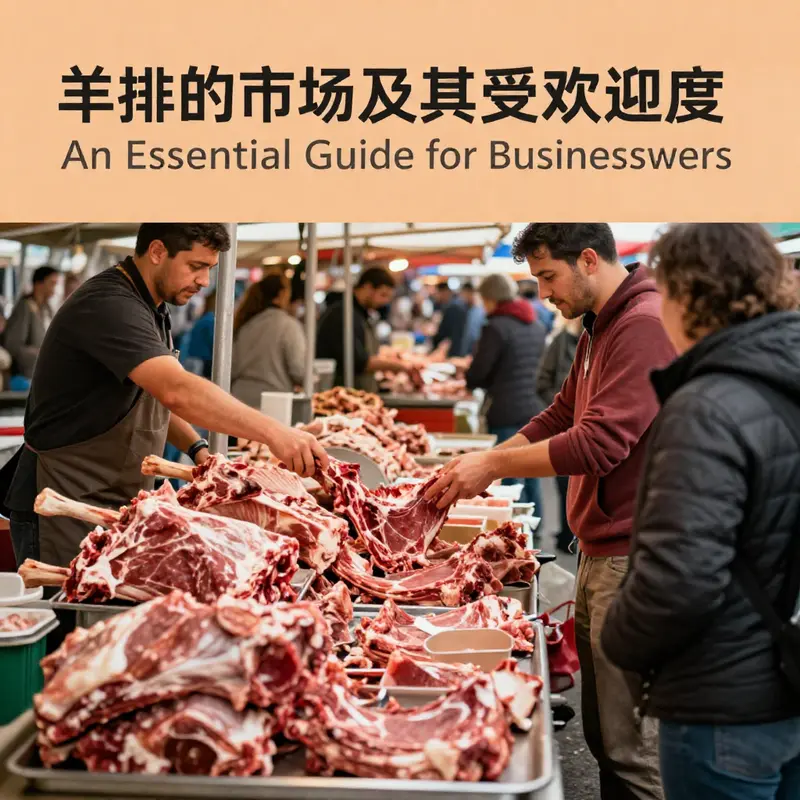
羊排作为一种兼具美味与仪式感的食品,自上市以来便不断刷新着消费者的认知和体验。近年来,羊排市场的发展呈现出多元化、高价值与平民化并行的态势,其受欢迎程度不仅体现在价格波动上,更体现在从传统家常菜到现代便捷快消之间的无缝衔接。整个市场链条既有原材料批发时的区域性差异,也有零售终端中因季节和供需变化而引发的价格起伏。在这个背景下,我们能够明显地感受到消费者对羊排这一美味佳肴的不断追求和对生活品质的不断要求。
从价格角度看,羊排市场存在明显的高低分化。部分地区如河北定州、内蒙古锡林浩特等地,以较低的批发价格吸引了大宗订单,价格通常处于每斤9至24元之间。然而,在一些以高端特色产品为主导的地区,如浙江的余杭区,精加工的羊排售价可以高达27元/斤甚至更高。这种价格差异折射出地域性供需的复杂变化,也昭示着消费者在购买时更多关注产品的品质与服务价值。与此同时,零售市场上尽管有部分城市出现了20至29元/斤的亲民价格,但随着季节性需求攀升,尤其是在冬季或节日来临之际,价格经常会攀升到35元/斤以上,甚至有部分摊位标价高达48元/斤。价格的波动虽反映出供需关系,但也体现了消费者对羊排这一产品的不可替代性和稳固地位。
这种价格波动不仅没有抑制消费者的购买热情,反而把羊排推上了餐桌的高地。消费者选择羊排的原因远超出其本身的味觉享受。羊排之所以成为消费者心目中的“硬通货”,在于它集外层焦香、中层融脂及内里嫩滑于一体的独特口感,这种“三层味觉魔法”往往让人每一口都能感受到烹饪师傅精心调控火候和调料的用心。每一块羊排都有它独特的故事,无论是家庭聚餐、朋友派对还是冬日取暖,都能成为餐桌上的焦点。正因如此,羊排不仅是一道菜,更是一种文化符号,代表着对美食和健康生活的追求。
随着现代烹饪方式的不断革新,羊排从传统现杀到预制半成品都在不断满足消费者对效率和品质的双重要求。预制菜的兴起尤为显著,如盒马鲜生和各大连锁超市纷纷推出了预先腌制、调味后的羊排产品,这些产品既保留了羊排原本的鲜美,又大大缩短了烹饪时间,满足了都市人群对快节奏生活的需求。空气炸锅羊排的推广更是将高效烹饪方式推向了一个新的高度,仅需短短15分钟便可出餐,既节省时间也减少了使用油量,让喜欢轻食的年轻人找到了理想之选。这些新型产品正极大地改变着传统羊排市场的消费模式,使得羊排在快消市场中不断拓宽自己的版图。
此外,消费者对健康饮食的关注也为羊排市场注入了新的活力。科学研究显示,羊排中含有较高的共轭亚油酸(CLA),其含量比牛肉高出15%,这对肠道健康有着正面作用。结合其他食材如彩椒、蒜蓉等的合理搭配,不仅能提升菜品口感,更能增加营养价值。日本的研究进一步证实,某些食品组合甚至能提高铁吸收率达40%,对于贫血人群来说,无疑具有特殊吸引力。因此,在消费者寻求美味与健康兼得的今天,羊排成为了一种既能满足味觉享受又能体现生活品质的理想选择。
市场上各类羊排产品纷纷涌现,既有高端餐厅所提供的精致法式羊排,也有市场上风靡一时的家常烤制羊排。消费者可以根据自身预算与口味偏好做出选择,这种多样性无疑增强了羊排在市场中的竞争力。值得一提的是,这种灵活的定价策略不仅体现了供应链各环节的精细化管理,也使得羊排成为一个代表多层次消费的缩影。从家庭聚餐到商务宴请,羊排的角色不断扩展,其多样化的使用方式赋予了它无与伦比的市场生命力。
市场上不断涌现的新产品和新概念也使消费者对羊排充满了期待。随着科技和信息传播的发展,各类美食博客和烹饪视频对羊排的介绍层出不穷,其中有不少文章探讨如何将传统羊排做法与现代便捷烹饪技术结合,创造出既具美味又具观赏性的菜肴。你可以在一些知名的美食网站上深入探索,如在这篇关于 地中海羊排烹饪技巧 的文章中找到更多灵感。这些创新理念正不断推动羊排市场向前发展,令传统与现代共存、经典与新潮和谐并进。
文化因素在羊排的普及中也发挥了不可忽视的作用。羊排作为一种传统美食,在不同地区有着不同的烹饪故事和风味传承。无论是中东地区的烤羊排或是欧洲经典的法式香煎,羊排总能以其独特的魅力征服食客。消费者在享受羊排的美味时,也在无形中传承和弘扬了一种跨越文化的饮食智慧。市场上种类繁多的羊排产品无论在价格、口感还是健康属性上都体现了各自的文化印记,这使得每一道羊排菜品都不仅仅代表着一种味道,更是一种生活态度和文化符号。
总体来看,2026年的羊排市场已经成为一个多层次、高粘性且极富活力的生态系统。从低价位的产地批发到溢价高昂的高端零售产品,从传统的家庭厨房到快消市场的预制菜品,每一环节都在不断满足消费者对品质和个性的追求。羊排不仅仅是一份食谱或一道菜,它更是一种从味觉到情感,从健康到文化的全面体验。正如一句老话所说,食材的选择往往能映射出一个时代的生活方式和审美取向。今天的羊排已不再仅仅是肉类,而是一种集精致、健康、创新与文化于一体的生活方式。
读者如欲深入了解羊排的多样做法和背后蕴含的健康理念,建议参考外部资源进一步探讨其历史和演变过程,例如可以访问这篇详细介绍羊排起源与食材特性的内容 The Free Dictionary – lamb-chop.
Final thoughts
Lamb chops are not only a delicacy but also a lucrative opportunity for those in the culinary business. By mastering the techniques and recipes associated with this exquisite meat, and staying attuned to market trends, business owners can enhance customer satisfaction and boost profitability. From elevated dining experiences to simpler preparations, the versatility of lamb chops is unmatched. Embrace these insights to ensure your offerings remain compelling and impactful in today’s competitive food landscape.