
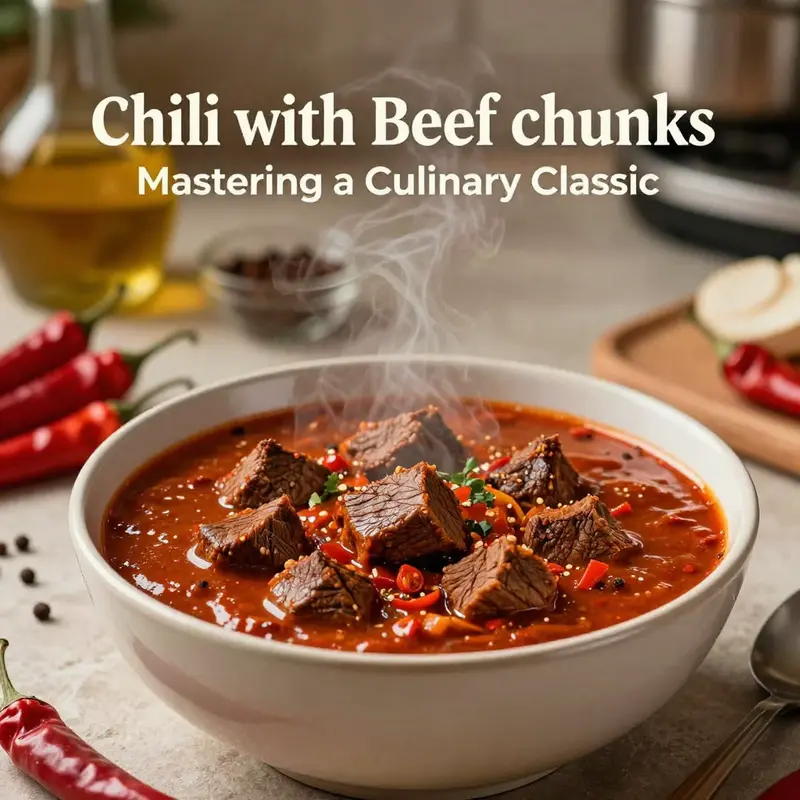
Chili with beef chunks represents a quintessential dish that not only satisfies hunger but also embodies skillful cooking and rich cultural heritage. For business owners in the culinary sector, understanding this classic can enhance menu offerings and enrich customer experiences. The preparation of chili with beef chunks, with its depth of flavor and inviting aroma, is a worthwhile endeavor that can elevate a dining establishment’s profile. This article will delve into the art of preparing this chili, outline its nutritional benefits, and explore its significance across various cultures—all of which highlight the dish’s value in contemporary cuisine.
Chunk by Chunk: The Craft of Deep, Slow-Browned Chili
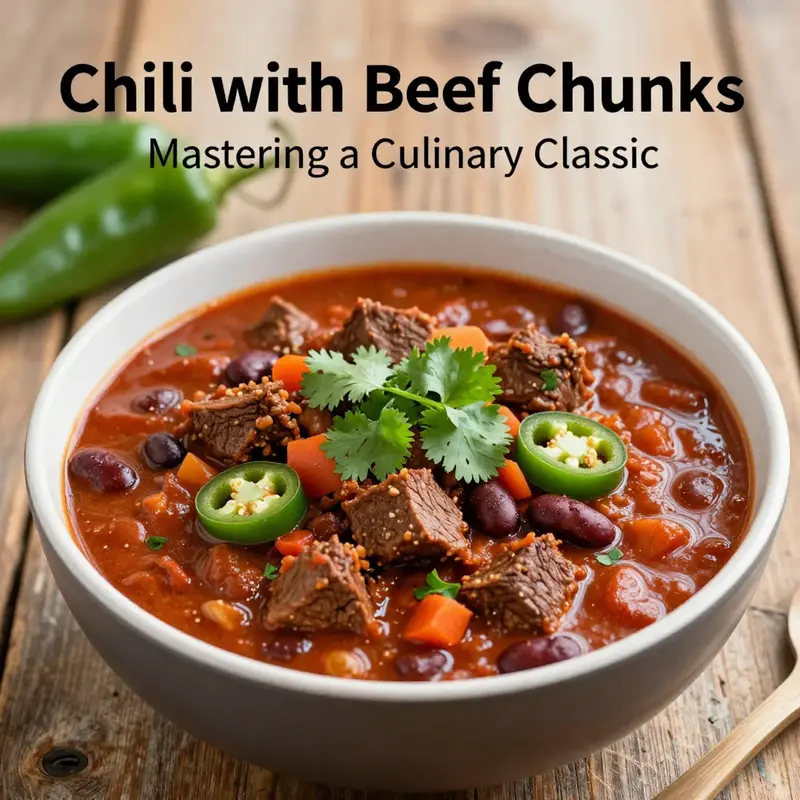
Chunk by chunk, beef chunks elevate chili from a hearty weeknight staple into a studied, sensorial experience. When you choose larger pieces of meat rather than ground beef, the dish gains a presence, a texture that plays against velvety beans and braised vegetables. The goal is not simply to cook meat but to coax it into tenderness that still holds its shape. In this approach, the meat becomes the centerpiece, a morsel of comfort that carries its own faint sear and its own slow, silky journey through heat and time. The contrast between tender, meat-sweet bites and the softer, absorbing beans creates a bowl that feels substantial without weighing you down. It is a dish that invites slow sipping of broth, a moment to notice the way the sauce clings to each chunk and then releases in a sigh of steam with every forkful.
The first decision—selecting the right cut—sets the tone. Classic chunk-based chili often leans toward cuts that offer both flavor and resilience. Chuck roast, with its marbled connective tissue, has long been a favorite because the collagen dissolves into the sauce, thickening it with a glossy, mouth-coating body. Yet there is room for variation: leaner chunked cuts can yield a cleaner bite and a sharper bite of beefy flavor, while tougher, more fibrous options demand longer, slower cooking to break down their sinewy threads. The balancing act remains the same: you want chunks that stay intact but yield enough to feel luxurious when you bite into them. This nuanced choice mirrors the larger philosophy of the dish—respect the meat, then coax it to reveal more depth through browning, seasoning, and time.
A modern twist worth mentioning arises from the kitchen conversations that travel beyond borders. The detailed technique notes that a brief, careful marination can deepen moisture and umami, especially when the meat is seared in batches to form a rich fond. A succinct marinade—soy sauce, a touch of oyster sauce, a splash of Shaoxing wine, a little cornstarch, and a drizzle of sesame oil—can help lock in moisture and introduce a subtle, layered savoriness before the traditional chili aromatics even take the stage. This cross-cultural note is not about replacing tradition; it is about inviting another dimension of flavor into the same framework. The marination and the respectable sear are not substitutes for slow cooking, but they can coexist with the long simmer that follows, producing a deeply browned crust that remains juicy inside.
Once the beef is prepped, the aromatic foundation begins to develop. The chili’s backbone typically includes a careful lineup of peppers—fresh heat from serrano or Thai chilies, and a smoky backbone from dried chilies. Slices are uniform so they cook evenly, ensuring every bite delivers a consistent profile. Aromatics like garlic, ginger, and green onions introduce brightness, while spices such as cumin and paprika lend warmth and earthiness. The technique calls for a hot pan and careful batching: crowding the meat invites steaming rather than browning, so you work in batches, letting each piece develop a rich, caramelized crust. The fond left in the pan becomes a treasure map, guiding you back toward concentrated flavor with every deglaze and scrape. Returning the browned chunks to the pot, you harmonize the meat with the beans and tomatoes, letting the flavors merge as the pot breathes over low heat. A final splash—perhaps a whisper of soy or a touch of sugar—helps balance heat and acidity, letting all components sing together.
Time is the invisible ingredient that ties texture and flavor into a single, comforting narrative. Slow simmering for at least two to three hours allows the collagen to melt and the spices to insinuate themselves into every crevice of the meat. The longer simmering stage is not a race but a quiet investment: it lets the beef soak up the sauce’s character, while the sauce thickens, turning toward a glossy, substantial consistency that beans alone cannot replicate. The resulting chunk texture remains distinct from the surrounding softer components. You bite into a piece of meat and feel a sturdy bite give way to tenderness, then savor a linger of sauce that clings to the meat like a well-tailored coat. This is the essence of the beef chunk chili: meat that holds its shape, meat that carries a chorus of spices, meat that contributes to a sauce that feels both rustic and polished.
There are finishing notes that can elevate the bowl further. A hint of coffee or a trace of dark chocolate can deepen color and round out the heat, providing a subtle bitterness that lends complexity without overpowering the beef’s sweetness. A smoky edge from toasted chilies and a touch of sweetness from caramelized onions can balance heat, acidity from tomatoes, and the meat’s natural savoriness. When served, this chili shines on its own or over a bed of rice, with a side of cornbread to mop up the last, glorious spoonfuls. For an occasional pivot toward a related preparation, a closely related beef-based chili recipe can be explored to compare textures and approaches—a reminder that one pot can tell many stories with small, deliberate changes. See the Steak and Beef Chili Recipe for a related interpretation that highlights the same core technique in a different culinary frame.
As with any great dish, the joy rests in hands-on attention, patience, and smell. The sensory loop—from quick, confident searing to slow, almost meditative simmer—creates a chili that tastes of time and of home. It is a dish rooted in tradition, yet lively with modern technique, textures, and global ideas. The beef chunk chili asks for nothing flashy, only a quiet confidence in a method that makes every chunk count and every spoonful feel earned. For those who savor the idea of a bowl that carries both memory and novelty, this approach offers a deeply satisfying invitation to come back to the pot again and again.
External resource for further reading: https://en.wikipedia.org/wiki/Chiliconcarne
Nourishing Heirloom Flavor: The Nutritional Power of Chili with Beef Chunks
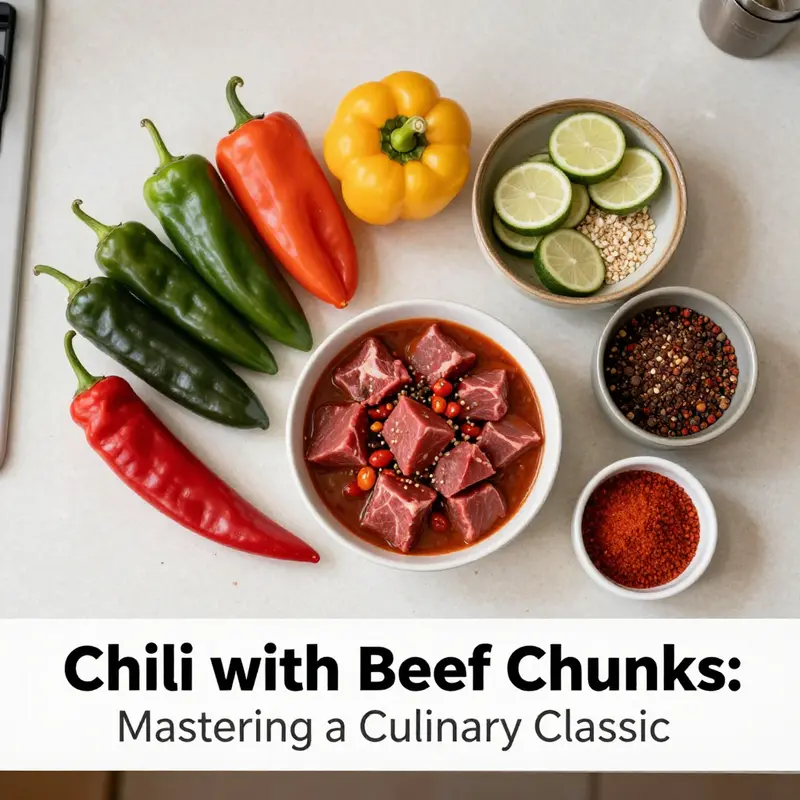
Chili with beef chunks is more than a comforting bowl; it is a nutrient-docused, time-honored one-dish meal that marries flavor with nutrition in a single, satisfying package. When chunks of beef meet slow-simmered tomatoes, beans, and peppers, the result is not only a robust palate experience but a meal that supports steady energy and sustained fullness. The centerpiece is high-quality protein from the beef, a cornerstone for muscle repair and growth and for maintaining energy throughout the day. The meat’s protein is complemented by the fiber, plant-based protein, and complex carbohydrates found in beans, creating a balance that helps stabilize blood sugar and curb midafternoon cravings. This is the kind of dish that rewards both careful preparation and patient simmering, letting flavor and nutrition deepen together over hours rather than minutes.
Beyond protein, the mineral profile in beef chunks stands out. Heme iron, present in abundance in red meat, is more readily absorbed by the body than non-heme iron from plant sources. That absorption matters for maintaining healthy red blood cell production and preventing iron deficiency, especially in days filled with activity or in cooler seasons when appetite shifts toward richer foods. Zinc accompanies the iron, supporting immune function and cell metabolism, while vitamin B12 offers a critical nutrient for neurological health and energy production. When you pair the beef with beans such as kidney or pinto varieties, you not only augment fiber but also add plant-based protein, which further contributes to the dish’s satiety and nutritional balance. The beans act as a gentle medium that slows digestion and helps keep blood sugar levels steadier, a welcome harmony with the richer meat.
The vegetable component brings a bright counterpoint to the beef’s depth. Onions and garlic deliver sulfur compounds that contribute to a savory foundation, while bell peppers add vitamin C, antioxidants, and a bit of natural sweetness that complements the tomatoes’ acidity. Tomatoes themselves supply lycopene, a powerful antioxidant associated with anti-inflammatory benefits and heart health, especially when cooked and concentrated through long simmering. The chili powder and cumin bring their own pharmacological charm. Capsaicin, present in chili, is linked to metabolism-boosting properties and circulatory benefits, while cumin contributes essential oils that amplify aroma and flavor without relying on excess salt. When these elements fuse with the beef and beans, the dish becomes a nutrient-dense canvas where taste and health harmonize rather than compete.
For those aiming to optimize nutrition without sacrificing depth of flavor, choosing leaner beef cuts and mindful preparation makes a practical difference. Sirloin and round portions, when trimmed of excess fat, provide high-quality protein with less saturated fat than some richer cuts. Batch-browning the beef in small portions helps develop fond and flavor without crowding moisture out of the pan, a step that preserves the meat’s texture and ensures even cooking. Slow simmering—ideally two to three hours or more—transforms collagen into gelatin, enriching the sauce with a velvety body that feels indulgent yet remains aligned with a balanced meal. This technique also allows flavors to meld, so the dish remains comforting without becoming heavy.
From a meal-planning perspective, chili with beef chunks shines as a versatile, nutrient-dense centerpiece. It can be paired with a simple side of whole grains or brown rice, a greens salad for a lift of freshness, or a wedge of whole-grain cornbread to provide contrasting textures and additional fiber. The dish invites customization while staying grounded in nutrition: you can add more vegetables, swap in different beans, or adjust the spicing to taste, all while preserving the core protein–fiber–micronutrient balance that makes this style of chili so nourishing.
For readers curious about related beef-centric chili explorations, consider a related preparation like this: Steak and Beef Chili Recipe. It offers a complementary approach to texture and technique, illustrating how varying cuts and cooking times shape the final mouthfeel while preserving the same fundamental nutrition profile.
In summary, chili with beef chunks stands as a robust, well-rounded meal that supports energy, muscle maintenance, and digestive balance. Its nutrient-density arises from the thoughtful combination of high-quality protein, readily absorbed minerals, and a colorful array of vegetables and spices. When prepared with mindful choices—lean cuts, controlled salt, patient simmering, and a palette of add-ins—the dish honors its heritage while delivering modern, clean-eating benefits. As a result, each bowl becomes more than warmth and comfort; it becomes a nourishing ritual that sustains body and spirit through the day. For those who track nutrition closely, the dish aligns with a lifestyle that prizes protein quality, micronutrient variety, and meaningful fiber, all wrapped in a deeply satisfying spoonful of chili.
External reference: Healthline provides evidence on lean beef and beans in stews, highlighting how this combination supports nutrient intake while remaining compatible with balanced eating habits. https://www.healthline.com/nutrition/lean-beef-benefits
From Frontier Fires to Family Tables: The Cultural Significance of Chili with Beef Chunks
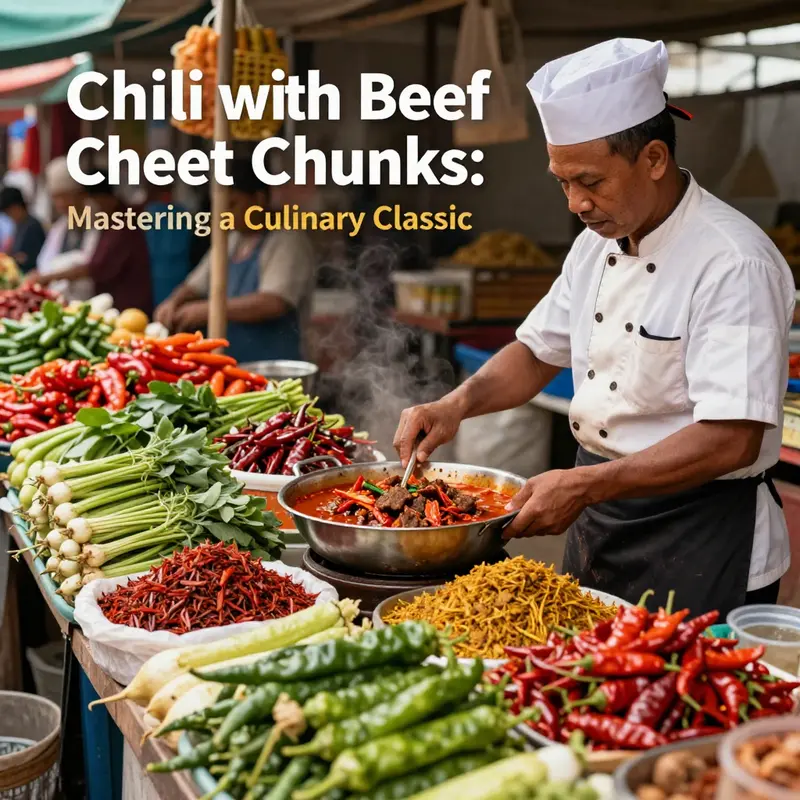
Chili con carne has long been more than a recipe; it is a narrative of place, circumstance, and shared meals that travel with families, travelers, and cooks who chase warmth and nourishment in uncertain times. The version that foregrounds beef chunks, particularly from cuts like chuck, carries that narrative forward, trading a uniform protein for a chorus of texture and a backbone of slow-cooked flavor. In the borderlands of Texas and northern Mexico, where seasons can be harsh and nights long, the dish became a practical art: a stew that could be built from shelf-stable ingredients—dried chiles, sturdy beef, onions, garlic, cumin—and transformed through patience into something deeply comforting yet purposefully robust. The chunked beef does not merely occupy space in the pot; it anchors the sauce, each piece offering bite, chew, and a story of how it was raised, cut, and browned.
Foundational to this history is the way flavor is built, not rushed. The practice of browning the meat in batches, so it sears rather than steams, lays down a fond that later dissolves into the sauce, releasing a toasty, meat-sweet aroma that is unmistakably nostalgic. Toasting whole dried chiles and spices, from cumin to a whisper of smoked paprika, unlocks oils and aromatic compounds that ground beef cannot simply mimic. These actions are not mere technique; they are acts of memory, turning simple ingredients into a layered conversation of smoke, heat, and earth. When the pot finally breathes with long, slow simmering, often for two to three hours, the meat’s collagen yields gelatin, thickening the sauce until it clings to the spoon with a satin finish. This is the texture that sets beef-chunk chili apart from versions that lean on ground meat; the chunks maintain their own character and offer a satisfying contrast to the soft beans and the velvet sauce, while the gelatin-coated body gives the dish a sense of weight and gravity that comforts the body as much as the palate.
The cultural resonance extends beyond texture and technique. Chili con carne has always been a barometer of adaptation and resilience. While bean controversy persists among purists, modern interpretations demonstrate how flexible this dish can be without losing its core identity. Beans, bell peppers, or a touch of dark chocolate and a hint of coffee can deepen color and complexity, but most importantly they testify to a shared impulse: to honor tradition while welcoming regional flavors and seasonal produce. The beef-chunk variant embodies that balance. It nods to the dish’s Texas and northern-M Mexican lineage, yet it welcomes contemporary sensibilities about sourcing and terroir, inviting cooks to choose high-quality chuck, to brown it well, and to let the pot speak in layers rather than in a single, overpowering note. The result is not merely a meal; it is a statement that authenticity can coexist with invention, that a staple can remain relevant when texture bears witness to time.
Around tables and at community gatherings, chili with beef chunks signals more than hunger satisfied. It signals storytelling—of pioneers, ranch hands, and cooks who learned to read heat and smoke as a language. It is a dish that travels to cook-offs and family reunions alike, where a ladle becomes a microphone for memory, and bowls are shared as if they were keepsakes. The broader culinary imagination has embraced this tradition by integrating it with regional produce and personal spice tolerance, ensuring that the dish remains welcoming to those who seek bold flavors without losing the sense of home. For curious cooks who want to see how chunks carry flavor through a modern lens, a classic example is captured in the widely shared Steak and Beef Chili Recipe. In that rendering, the ingredients still respect the principle of the chunked cut and the time-honed method that makes the meat tender and the sauce soulful.
For a broader historical perspective, see The New York Times history of chili con carne in American cuisine: https://www.nytimes.com/2023/06/15/dining/chili-con-carne-history.html.
Final thoughts
In summary, chili with beef chunks is not just a meal; it’s an exploration of flavor, nutrition, and cultural history. For business owners, mastering the cooking methods and understanding the ingredients can lead to menu innovations that resonate with patrons seeking both comfort and authenticity. The investment in quality ingredients and traditional techniques will undoubtedly pay off in customer satisfaction and loyalty. By embracing this classic dish, one can create memorable dining experiences that honor its rich legacy while appealing to modern tastes.