
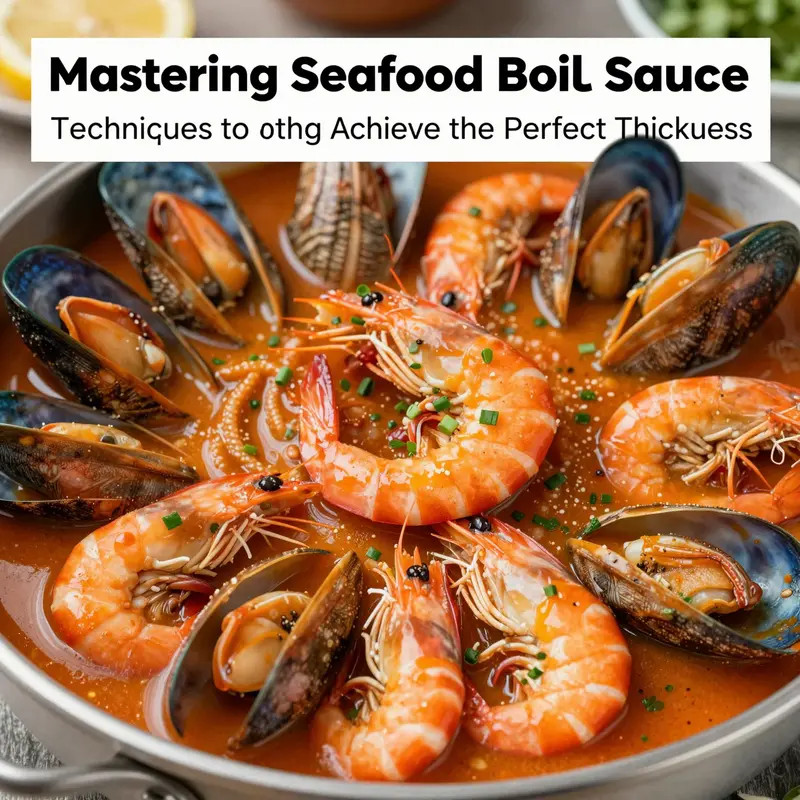
In the culinary world, the quality of your seafood boil sauce can make or break the dining experience. For restaurant owners and culinary professionals, understanding how to effectively thicken this essential sauce is crucial. The right thickness not only affects the mouthfeel but also elevates the overall flavor profile, ensuring your customers enjoy every bite. This article presents three professional techniques to master this skill: using starch-based thickeners, reducing liquid for concentrated flavors, and incorporating broth to modify thickness. Each method is designed to integrate seamlessly into your cooking processes, providing versatile options to enhance your seafood dishes.
From Slurry to Silk: Mastering Starch to Thickening Seafood Boil Sauce
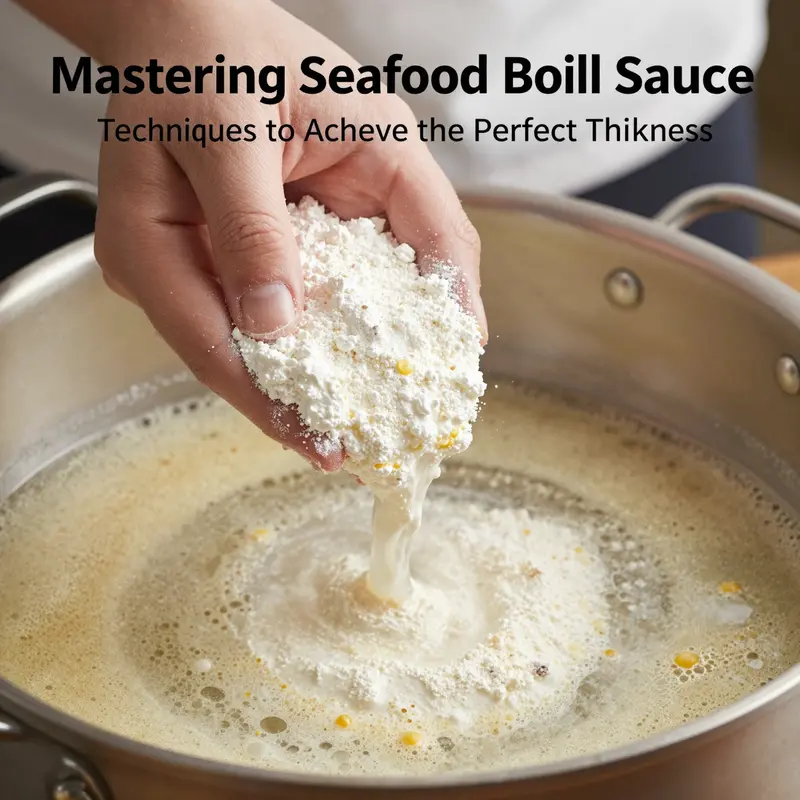
Thickening a seafood boil sauce is less a mystery and more a deliberate balance of science and taste. The goal is a sauce that clings to every shrimp, mussel, and corn cob, carries the garlic and spice without thinning into a watery pool, and finishes with a glossy, restaurant-smooth sheen. The simplest and most reliable route to that end is to use a starch-based thickener. Starches gelatinize when heated, forming a network that traps liquid and fat, giving you a sauce that not only coats but also casts a velvety finish over the entire boil. Among starch options, there are clear differences in texture, flavor, and stability, and understanding those nuances will help you tailor the sauce to your exact preference and the size of your pot.
Cornstarch is the stalwart favorite for many home cooks. It brings a neutral flavor and a bright, glassy sheen that makes the sauce look almost restaurant-perfect. When you prepare the thickener, you mix equal parts cornstarch and cold water to form a slurry. The cold water is essential: it prevents clumping and jump-starts the gelatinization once the mixture meets the hot liquid. Potato starch, by contrast, yields a thicker, silkier result with a more substantial mouthfeel. It can produce a deeper velvet even at modest amounts, which can be wonderful if your broth is rich and your seafood components have already contributed fat and savor. The trade-off is a sauce that can go from perfect to heavy more quickly, so you’ll want to monitor it closely as it simmers. Then there is wheat flour, which can be used as a slurry or translated into a roux. Flour thickens more slowly and tends to impart a slightly opaque, cloudier look. For a shimmering, clear finish, flour is usually your last resort, reserved for those times when you want a more rustic, heartier texture or you’re working with a pre-cooked base that already carries a certain opacity.
The technique centers on the slurry: a small, controlled dose added to a hot sauce while you stir steadily. Start with 1–2 tablespoons of your chosen starch and whisk with an equal amount of cold water until perfectly smooth. A lumpy slurry will fight you the whole way, so take a moment to whip it to a glossy, lump-free consistency. As you pour, do so slowly and steadily, and keep the heat at a lively simmer rather than a full boil. Vigorous boiling can break down the starch network and lead to a thinner sauce after the initial thickening. Pour in a thin, steady ribbon while you whisk, then pause and watch as the sauce thickens visibly. Return the heat to a gentle simmer and allow 1–2 minutes of simmering time. This brief cook time is critical because it activates the gelatinization process—the moment when the starch granules swell and the sauce reaches its clingy, cohesive state.
A well-thickened seafood boil sauce should feel substantial but not heavy. It should coat the back of a spoon with a smooth, even layer that doesn’t leave a sticky film on the lips. If you go too far and the sauce becomes too thick, you can loosen it with a splash of broth or water. Conversely, if you find the thickness lacking, you can whisk in a second, small slurry. The beauty of this approach is its adjustability: you’re not locked into a single texture, but rather you can sculpt the consistency as you go, tasting for how the starch carries the flavors that define the boil—garlic, butter, citrus, and the briny sweetness from the seafood.
The choice of starch also subtly changes the character of the final sauce. Cornstarch yields a bright, almost glassy finish with a quick forward thickening, which pairs nicely with a garlic butter Cajun base, letting the spices speak rather than the starch itself. Potato starch amps up the body, giving a more luxurious mouthfeel that clings to shrimp and shellfish in a way that feels almost indulgent. If you’re aiming for a classic, homey finish—where the sauce looks and feels just a shade heartier—potato starch is the go-to. In all cases, the slurry step remains essential; it prevents clumps, maintains smoothness, and ensures even distribution when you’re working with a busy boil pot and multiple ingredients that are already releasing their juices.
It’s worth tying this back to the cooking rhythm of a seafood boil. The pot contents—shrimp, crab, corn, potatoes, sometimes sausage or andouille—come with their own liquid and fat contributions. When you thicken with starch, you’re not just turning liquid into a sauce; you’re shaping how that liquid emulsifies with fats and aromatics. The starch network catches around the fats that float on the surface, delivering a glossy, cohesive sauce that feels both light and substantial. For seafood boils where butter and citrus notes play a major role, you’ll often find that a lighter slurry, paired with a brief simmer, preserves brightness while still delivering the cling that makes the dish feel complete on the plate.
In practice, you’ll often see cooks begin with a small amount of slurry, then test the texture after a minute or two of simmering. If it’s not quite there, a second dose can be added, whisked in smoothly, and given another minute of gentle heat to activate fully. The key is to monitor rather than guess. The sauce will continue to thicken slightly as it cools, so aiming for a shade thinner than your final plate texture helps avoid an over-thick mouthfeel once you ladle it over the seafood. If you’re thinning the sauce intentionally at any point—perhaps you’re rescaling the batch or serving the boil to a larger crowd—you can either reduce the amount of slurry you add or increase the amount of broth you incorporate to keep flavors balanced while adjusting viscosity.
The science behind gelatinization is simply this: when starch granules heat up in liquid, they absorb water, swell, and form a network. That network traps more water and fat, creating a viscous, cohesive liquid. The moment you add a slurry to a hot sauce and bring it to a simmer, you begin that transformation. The texture is sensitive to the ratio of starch to liquid, the heat level, and the amount of agitation. Stirring continuously during the slurry addition ensures the starch granules break evenly and the texture stays uniform. After the initial thickening, letting the sauce rest briefly can also help the starch set, producing an even, clingy finish once you serve it with crustaceans and corn on the cob.
This method is not only practical but forgiving. If your seafood boil sauce starts thinner than you’d like, a second, smaller slurry can rescue it. If it looks perfect but you want a little extra gloss, a light swirl of the pot’s hot broth can lift the sheen without thinning the sauce. And if you crave a more pronounced body without altering flavor, a touch more starch in a fresh slurry provides the structure you’re seeking—just be mindful to whisk vigorously and simmer briefly to avoid any starchy aftertaste. The balance you’re after is a sauce that coats without hiding, that enhances the seafood’s natural sweetness and the spice’s heat, and that remains gracefully viscous across the whole serving.
For readers seeking a wider view of how starch thickening fits into broader cooking practice, this approach aligns with the way many seafood centers of flavor operate. If you’d like to see the full base recipe and how the thickening step integrates with the other components, you can explore the dedicated recipe page: seafood boil sauce recipe. As you experiment, keep the slurry small, watch the simmer, and let your taste guide the final texture. When you master the rhythm, you’ll find thickening becomes as intuitive as seasoning, lifting the dish from good to memorable.
External resource: https://www.seriouseats.com/thickening-sauces-with-starch
Concentrating the Ocean: The Art of Reducing Seafood Boil Sauce for Richness and Fragrance
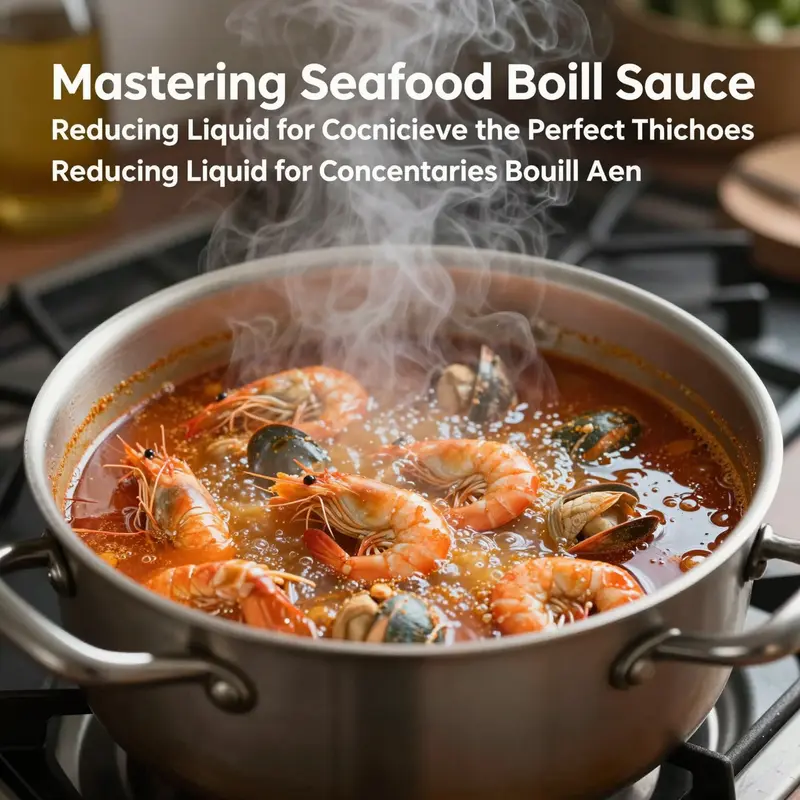
When you want to thicken a seafood boil sauce without masking the sea-kissed brightness of the shellfish and the zest of the spices, reduction stands as a quiet, powerful ally. Reducing liquid is more than simply evaporating water; it is a deliberate process of drawing out the dissolved flavors until each spoonful carries the concentrated memory of the boil. Think of the broth as a canvas where every drop of seafood sweetness, peppery heat, and citrus arc clings tighter to the surface as the water recedes. The fundamental rule is simple: lower the water content and you raise the intensity. In practice, the reduction tightens the sauce’s texture into a velvety, glaze-like coat that clings to the shrimp, corn, and sausage with a gloss that signals the dish is reaching its peak. This technique pairs especially well with Cajun and Creole inspirations, where complex aromatics are built from garlic, paprika, onion, and herbs. It’s also forgiving: you can shepherd a robust reduction to the exact thickness you want, then decide whether to finish with a touch of fat for sheen or a hint of sharpness to sharpen the finish. The beauty of reduction is that it respects the integrity of the seafood’s natural umami while amplifying it, so the final bite feels both luxurious and instantly familiar.
The core principle behind reducing is that water acts as a carrier for flavor compounds. When you simmer a liquid with solids, the water supports amino acids, esters, sugars, and savory notes. As you evaporate that water, those same compounds become more concentrated in a smaller volume. In a typical seafood boil, you can expect a reduction of roughly 30 to 50 percent in volume to reach a balance between thickness and clarity. It’s not just about making the sauce thicker; it’s about making the flavors more focused and the aroma more buoyant. The moment you see the liquid take on a deeper, almost oil-bright sheen, you know you’re in the right zone. The color deepens from pale to a rich amber or chestnut, and the surface often looks glossy enough to reflect the light as you tilt the pan. Aroma, too, shifts from a lively mix of steam and herbs to a warmer, toasted, almost caramelized bouquet with hints of garlic and citrus that linger in the air long after the first bite.
In practice, mastering reduction begins with how you handle the simmer. A low and slow approach gives you time to coax out delicate aromatics without scorching them. If you’ve just finished cooking the seafood and vegetables in a seasoned broth, strain the solids first to leave a clean, uncluttered liquid for reduction. This makes the process more predictable and helps you see the true thickness as it develops. A wide, shallow pan is your friend here because it increases surface area and speeds evaporation in a controlled way. Leave the pot uncovered or only lightly ajar, and keep the heat gentle—enough to maintain a lively simmer without a boil. Throughout the process, you’ll want to monitor thickness by dipping a spoon into the sauce and dragging it across the back. When it leaves a light, slow trail—what cooks call a ribbon—you’re approaching the ideal balance. At that moment, the sauce holds together with a silkiness that coats each piece of seafood without pooling too heavily at the bottom of the plate.
As the reduction progresses, you’ll notice three transformative shifts. First is flavor intensification. The broth’s sea-salt flavor, the smokiness of paprika or cayenne, and the sweetness from onion and carrot become more pronounced. The fat content from the cooking oils loosens and re-emulsifies into the sauce, creating a rich mouthfeel that is at once lush and bright. Second is color and texture. Natural sugars in the vegetables and seafood surface gradually caramelize, giving the sauce a deeper hue and an almost lacquered gloss. The texture shifts from a watery, pourable consistency to a satin-like body that clings to crustacean shells and kernels of corn with measured gravity. Third is aroma development. Particles of toasted garlic and herb oils rise, weaving a fragrant web that perfumes the kitchen and the dining space. The effect is not merely sensory; it changes perception, making the dish feel more cohesive and deliberate.
A practical line of practice emerges from this understanding. Start with a robust, strained broth after the boil, and then, with the pot uncovered, let it simmer at a gentle pace. If the broth seems too thin at first, resist the urge to rush to a starch-based fix. Give it time to reduce, tasting and adjusting along the way. You may find you like the sauce a touch thinner while it concentrates, or you may prefer to push it a touch further to a deeper glaze. In either case, you have a lever at your disposal: temperature control. The sauce’s eventual coat on the teeth and spoon is the fruit of patience and practice as much as any spice combination. If you want extra shine without adding heavy fats, a final swirl of clarified butter or a light splash of hot oil can be whisked in just before serving to amplify the lacquered look and release a final whisper of aroma.
This approach sits comfortably alongside other thickening options. Reduction gives you a flavor-rich base that remains faithful to the seafood’s profile, while a starch slurry can be used judiciously to fine-tune thickness if needed. The guidance from tested techniques is clear: begin with a small amount of thickener, stir thoroughly, and assess the texture before adding more. When you balance reduction with a touch of starch, you unlock a versatile pathway to the exact sauce you envision—one that carries the memory of the boil and the confidence of a seasoned cook. If you want a quick reference to a related outlet for a seafood boil sauce recipe that aligns with this method, you can explore this resource: seafood boil sauce recipe.
In the end, reduction is not a shortcut but a refinement. It demands a watchful eye, a patient hand, and a taste-focused palate. The goal is a sauce that speaks of the sea and of heat and herb, a glossy veil that enhances rather than overpowers. When done well, the sauce doesn’t merely cling to the shrimp or corn; it narrates the entire dish. You finish with something that looks like it has been kissed by the very tides that inspired it and tastes like a collected chorus of all the ingredients you chose to include in the boil. For a deeper, technique-forward perspective on reduction as a cornerstone of seafood boil sauce, see the thorough breakdown at Serious Eats. It offers a step-by-step look at timing, heat, and texture that can sharpen your intuition as you practice this method: https://www.seriouseats.com/seafood-boil-sauce-reduction-technique-7129384.
Broth-Driven Textures: Mastering Thickness in Seafood Boil Sauce
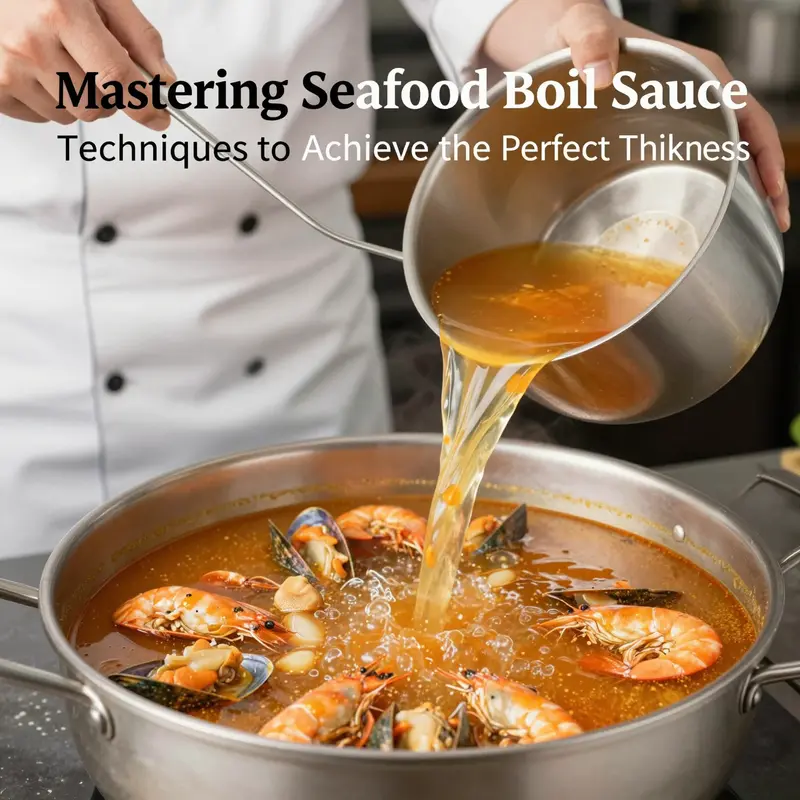
Over large pots simmering with the scent of seafood, the sauce is the glue that carries brightness, heat, and the briny depth of the ocean. When the boil is done, and the pot still glows with sheen and steam, the question shifts from “how to season” to “how thick should the sauce be, and how do I get there without dulling the bright edges of the seafood?” The heart of thickening lies in broth, that flavorful reservoir left behind by the boil and often enriched by the same shells, aromatics, and seafood that sparked the dish in the first place. This chapter follows a thread: broth as a tool, not a trap. It explores practical ways to push the sauce toward a glossy, clingy, pickup-worthy consistency while preserving the clarity of its onion-Cajun-garlic backbone and the heat that makes a seafood boil sing.
The simplest and most reliable route remains the starch-based thickening method, tightly tied to the science of how starch behaves when it meets heat. A slurry made from a starch such as cornstarch, potato starch, or arrowroot powder combines with cold water to keep clumps at bay. The slurry is whisked into the simmering sauce in small increments, and the heat is kept steady but gentle. The sauce thickens almost immediately upon contact with the hot liquid, swelling into a glossy curtain that clings to spoon and shell alike. For a sauce that remains clearly defined and light, a 1:3 ratio of starch to water is a prudent starting point. If you want a more substantial body—one that still shimmers with the fat and the spice—aim closer to 1:1.5. The key is to add gradually and to pause after each addition, letting the sauce return to a lively simmer. It’s during these moments that you bring the flavors back into harmony and watch for any signs of lumping. A glossy finish is not only visual; it signals a well-integrated emulsification of fats and aromatics, a texture that coats the seafood without weighing it down.
Beyond the quick pull of starch, reduction remains a classic, almost meditative technique. Uncover the pot and let the broth simmer away some of its water content. Time becomes your ally here: patience concentrates the flavors, deepens the color, and thickens the sauce with its own essence. The aroma shifts as the liquid recedes, revealing the salt, pepper, and spice notes at a higher, more immediate concentration. Reducing does more than thicken; it intensifies the sense of a seaboard meal, a reminder that texture can be born of evaporation as well as addition. But reduction requires attention. It can tilt toward a heavier mouthfeel if carried too far, or toward a loss of brightness if the heat climbs and the aromatics burn. The balance comes from a light hand, a steady flame, and tasting as you go, adjusting salt and citrus to keep the finish bright while the body thickens.
Another route, often overlooked in discussions of seafood boils, is the roux—an old-world technique repurposed for exuberant seafood sauces. A roux builds a stable, velvety foundation by cooking equal parts fat and flour until the flour’s raw edge has faded. Then, hot broth—carefully added in a thin stream while whisking vigorously—turns this pale base into a satin-smooth partner for the boil. The benefit of a roux is its resilience: it holds its structure when reheated and resists breaking apart as the pot cools slightly. It also imparts a gentle, toasty note to the finish, which can complement the caramelized edges of garlic and onion in the boil. For cooks who like a sauce that can be re-energized with a quick reheat, the roux pathway offers reliability and a luxurious mouthfeel that does not lean on fat alone.
A more natural, almost hands-off thickening emerges when you consider the gelatinous potential of the ingredients already in the pot. If your seafood boil includes shells, bones, or other collagen-rich components, their breakdown releases gelatin during long simmering. This gelatin seeps into the broth and slowly traps moisture, creating a silkier body without the immediate feel of starch. The longer you simmer, the more pronounced this natural thickening becomes. Want a deeper effect? Add a few extra gelatin-rich elements like shells or a small pad of cartilage if it suits the pot, or invite a touch of slow-cooked stock to mingle with the primary broth. This approach is particularly rewarding when you’re aiming for a sauce that clings slightly to shell and meat, coating each piece in a lacquer of flavor rather than a heavy paste of starch.
The most satisfying results often come from a balanced combination: a small amount of starch slurry to establish control, paired with a gentle reduction to deepen flavor and bring the body to a desirable density. The starch gives you immediate control over the texture, while reduction nudges the composition toward a richer mouthfeel and a more integrated finish. In practice, start with a modest slurry, whisk in, and allow the sauce to simmer briefly. Then test the thickness and consider whether a touch more slurry is needed, or if you would rather lean into evaporation a touch longer for a stronger backbone. The aim is a viscosity that makes the sauce coat the seafood with a confident gloss and a quick, satisfying drag across the plate—without glazing the surface so thick that the lemon and the heat get buried beneath it.
As you experiment with these methods, the timing of flavor adjustments becomes a critical art. Reducing concentrates salt and spice, so you may need to compensate with a splash of fresh citrus or a whisper of sugar to re-balance. When you add a starch slurry, the flavor team should already be in your mind: you’re thickening, yes, but you’re also slightly muting the brightness of aromatics such as garlic and pepper. Reintroduce brightness at the tail end with a quick squeeze of lemon or a few bright herbs if your pot allows. If you’ve chosen the roux route, the fat content shifts the balance toward a fuller, richer echo of the flavors; you may want to prune back salt or add a touch more acid to cut through the richness. If natural gelatin thickening is prominent, you’ll discover the sauce has a concentrated, long-lasting finish. In that case, you may want to skim excess fats from the surface so the gelatin can express itself without a heavy oily cast.
For readers seeking a practical reference point, a careful seafood boil sauce often benefits from following a tried and true rhythm: begin with a light starch slurry, observe the immediate thickening, then reduce slightly if you want more depth. If the sauce seems too thin after the first test, add a touch more slurry in small increments, bring back to a light simmer, and watch for gloss and cling rather than cloudiness. If the goal is a silkier, creamier mouthfeel, a roux provides a reliable path—though it does require a steady hand to avoid lumps and to maintain a bright flavor profile. Gelatinous thickening, whether from bones or shells, invites patience and a longer simmer, but the payoff is a body that feels naturally brewed rather than artificially boosted.
In practice, the most reliable method is often the combination approach: a small starch slurry for control, a gentle reduction to concentrate, and a careful eye for the final texture as the sauce cools slightly. This layered strategy keeps the sauce lively and allows the flavors to travel with the sauce rather than fighting it. It’s worth noting that the recommended approach aligns with widely respected techniques in seafood sauce preparation, providing a balanced result that can stand up to generous servings of shellfish and tall bowls of lemon-crisped crustaceans. If you’d like to see a complete, step-by-step reference that aligns closely with these principles, you can explore a dedicated guide on seafood boil sauce via this internal link: Seafood boil sauce recipe.
As you wrap the boil and prepare to plate, remember that the sauce’s thickness is the bridge between the pot and the plate. It should lift the flavors without overpowering them, it should cling just enough to accent the bite, and it should reflect the broth’s honest, honest provenance—the sea’s own salt and sweetness braided with aromatics and heat. The broth you used to modify its thickness is more than a medium; it’s a seasoning partner that can be coaxed into delivering a final note that tastes like the boat returning from the harbor, the kitchen still warm, the table ready for a night of shared feasting. With a little patience, a few test scoops, and the willingness to adjust, you’ll end with a seafood boil sauce that feels both bright and substantial, a sauce that anchors the feast and invites another bite without overpowering the seafood itself.
External resource for deeper exploration: https://www.seriouseats.com/seafood-boil-sauce-recipe/
Final thoughts
Perfecting the thickness of your seafood boil sauce is an invaluable skill that can significantly impact the dining experience. Whether utilizing starch-based thickeners for immediate results, reducing liquid for a more concentrated flavor, or adjusting with broth for customization, each method provides a unique way to enhance your culinary creations. By mastering these techniques, you can elevate your seafood offerings, delighting your customers with every bite and securing a reputation for excellence in your establishment.