
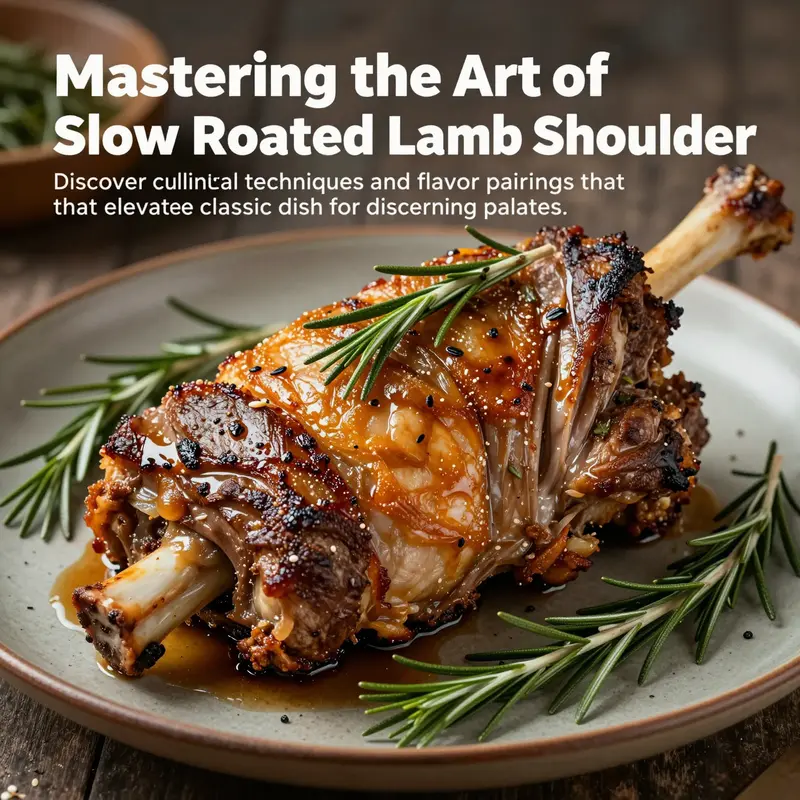
Slow-roasted lamb shoulder is not merely a dish; it embodies a rich tradition of culinary craftsmanship that resonates deeply with connoisseurs of fine dining. As business owners in the hospitality or food service industry, understanding the intricacies of this superb preparation can enhance your menu and captivate your clientele. In this exploration, we will delve into the fundamental techniques that define the slow roasting of lamb shoulder, including proper seasoning and cooking methods. Furthermore, we will discuss the nuanced flavor profiles that harmonize beautifully with this dish, alongside recommended pairings that amplify its appeal. By leveraging this knowledge, you can distinguish your culinary offerings, create memorable dining experiences, and ultimately drive customer satisfaction and loyalty.
Slow-Softening Spring: The Quiet Mastery of Slow-Roasted Lamb Shoulder
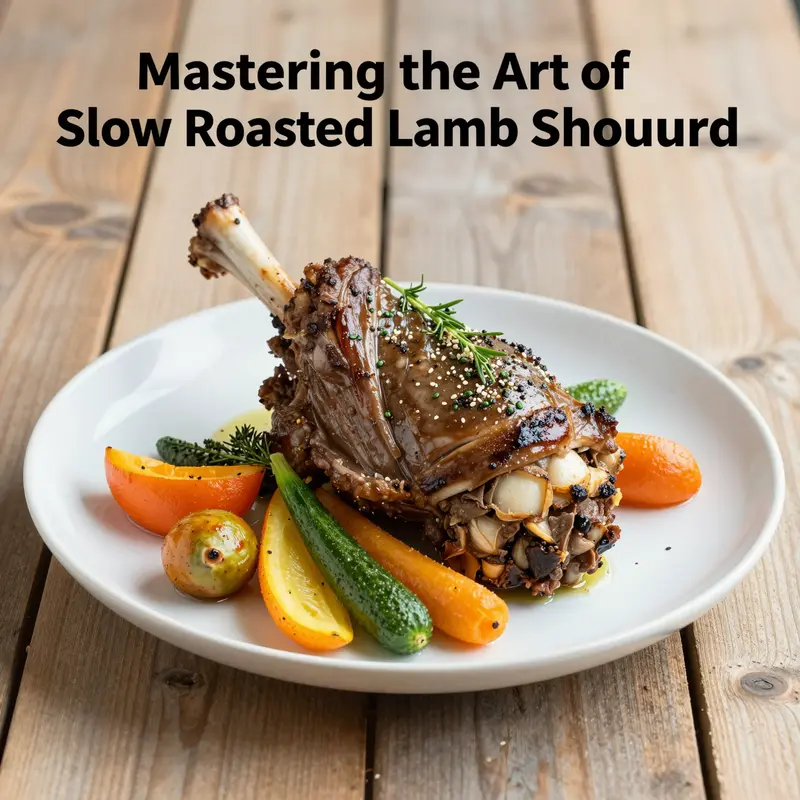
A lamb shoulder that has spent a few months in springtime sunlight seems unlikely to yield a texture that feels luxurious on first bite. Yet when it is treated with time, restraint, and a patient temperature, the toughest part of the animal becomes a canvas for flavor, a study in how low heat unlocks tenderness without surrendering character. The slow-roasted shoulder of spring lamb is more than a recipe; it is a philosophy of cooking that honors the season’s gentleness while embracing the science of meat transformation. It is a dish that invites us to trust time as an ingredient, to let heat do the heavy lifting, and to find depth in simplicity. In the kitchen, this approach is almost merciful: a cut that can seem coarse at first becomes velvet-soft and deeply aromatic when given the space to yield, piece by piece, into tenderness. The method aligns with what a master of French technique might teach, yet it remains surprisingly accessible to home cooks who are willing to plan ahead and let the oven do the listening.\n\nAt its core, the technique hinges on the nature of spring lamb. Sheep aged around three to five months produce meat that is naturally mild, tender, and easy to digest. The shoulder, with its connective tissue and fat seams, benefits most from a long, unhurried roast. Instead of chasing a single moment of searing brilliance, the method seeks a gradual ascent: a gentle rise in internal temperature that coaxs the collagen to gelatin and coax the moisture to stay where it belongs—inside the meat. The result is a cut that breaks apart with the touch of a fork, releasing a savory sweetness that speaks of the pasture, the season, and the careful hands that guided it from pen to plate.\n\nThe preparation phase is where flavor begins to take shape. A lamb shoulder is typically salted generously, a practice that does more than season. Salt helps to draw out a whisper of moisture, which then gets reabsorbed along with the herbs and oil, forming a crust that is both crisp and fragrant. The seasoning often goes beyond salt and pepper; it embraces a chorus of herbs—rosemary, thyme, and sage—each leaf offering a different note, from piney brightness to earthier distances. A drizzle of olive oil or a touch of rapeseed oil helps to marry the herbs to the meat, creating a paste-like coating that protects the surface in the long hours ahead. Garlic, crushed to bloom in the heat, threads through the mix, releasing its aromatic punch gradually as the roast progresses. A bay leaf caught in the pan asserts itself with a subtle, resinous lift that lingers in the jus. Some cooks marinate the shoulder for several hours or even overnight; others prefer a shorter window, trusting the salt and herbs to penetrate as the meat warms to room temperature before the roast begins. Either approach relies on patience more than aggression, on chemistry more than bravado.\n\nA crucial step that many cooks embrace is searing the meat before the long, slow roast. Searing is not merely about color; it is about creating a protective crust that holds in juices and builds complexity through the Maillard reaction. The high heat caramelizes surface sugars and amino acids, producing a deep, toasty aroma that becomes the initial echo of what is to come. When the reviving heat retreats, the lamb enters the oven with a crust that will crack and soften as the interior softens. This is the moment when the shoulder begins its transformation: the exterior remains textured, but the interior becomes an increasingly tender landscape of fibers that unwind rather than resist.\n\nRoasting follows a reliable, forgiving rhythm. The oven is set to a relatively low temperature, a range that keeps the meat from racing ahead of its own chemistry. Common temperatures hover around 150°C (300°F) to 180°C (350°F), a spectrum that supports a slow ascent of internal temperature while allowing the surface to bronze into browns and ambers that hint at the Maillard magic from the sear. The cooking time is generous—often two to three hours depending on the size of the shoulder and the exact heat used. What happens inside the meat is the true payoff: collagen, never a speedbump but a guest that slowly relaxes into a gel that glistens in the light of the roasting pan. The result is a texture that is almost indulgently tender, a pull-apart juiciness that makes every forkful feel generous.\n\nBasting during the roast is a traditional touch that remains practical and effective. Each interval when the meat is turned or rotated becomes an opportunity to spoon back its own juices, sometimes enriched with a little stock or wine, to maintain moisture and intensify the flavors that cling to the surface. The instinct to baste is less about dripping and more about construction—the goal is to create a moist surface as the interior cooks, a thin shield that preserves moisture while the heat travels deeper. Even without heavy additions, the pan’s juices might become a simple, luminous jus as the meat finishes its transformation.\n\nAromatics and sauces play a supporting role, but they matter. Many kitchens weave garlic, onions, and bay leaves directly into the roasting cavity, allowing them to surrender their notes in the steam and mingling heat. Others opt for a separate, restrained jus that uses the pan drippings as its spine. The elegance of the Raymond Blanc technique lies in its restraint: a light, savory liquid built from water, a handful of fresh herbs, and a splash of dry white wine. The wine—chosen not to overpower but to lift—tempers the sweetness of the onions and carrots that might accompany the roast, while giving the jus a bright, lifted finish that keeps the palate engaged without washing away the lamb’s delicate flavor. The emphasis is on balance, not bravado. The result is a sauce that feels almost weightless, a counterpoint to the meat’s luxuriant tenderness rather than a heavy cloak that smothers it.\n\nWhen the hour arrives for serving, the lamb is removed from the oven and allowed to rest. Resting is not a ceremonial pause; it is a crucial phase in which juices redistribute from the dense core into the surrounding muscles. A well-rested shoulder yields slices that hold together with integrity, yet yield to a fork with little resistance. The timing of the rest—roughly 15 to 30 minutes, depending on the cut and the ambient heat—ensures a more even distribution of moisture. The serving of the dish then becomes an exercise in letting the meat speak for itself. The roasted shoulder can be plated simply, with seasonal vegetables that mirror the lamb’s mild sweetness or with a small heap of steamed greens and perhaps new potatoes that absorb the jus. The plate should present an image of quiet abundance: a cut that looks unassuming at first glance but carries a depth of flavor that lingers long after the last bite.\n\nWhat makes this approach particularly compelling is its accessibility. It does not demand a long pantry of specialized ingredients, nor does it require a chef’s degree in timing. The key is patient heat, careful seasoning, and a respect for the meat’s natural tendencies. Spring lamb, with its gentle profile, offers an ideal partner for a method that wants to reveal the animal’s inherent sweetness rather than mask it. The technique is a reminder that the most memorable dishes often come from the simplest ideas carried to perfection: salt to draw in moisture, herbs to illuminate, a crust to punctuate, and a gentle, patient roast that invites the meat to yield without surrendering its identity.\n\nFor cooks who want a practical, step-by-step lens into this approach, there exists a trusted, kitchen-tested guide that mirrors these principles. A direct reference to the practical method can be found in the slow-roasted-lamb-shoulder guide, which encapsulates the balance of low heat, sear, and a clean jus built from pan drippings and herbs. It serves as a reminder that there is value in looking to shared knowledge and time-tested technique when we seek to cook with confidence rather than flash. The chapter’s embracing of restraint and time mirrors how a great dish is often defined by what it does not do as much as what it does.\n\nAs a broader culinary experience, this lamb shoulder supper invites a reflection on seasonality and technique. It asks us to honor spring by choosing lamb aged just enough to carry tenderness, and it asks us to trust the process by letting heat and patience translate into texture. It reminds us that a simple marinade can become the map of flavor if we permit the meat to rest and the pan to share its stories. The final result is not merely a plate of meat; it is a narrative of transformation, a quiet celebration of time and temperature that yields a dish both comforting and refined.\n\nTo connect the thread back to the larger conversation about slow roasting, consider the way this method sits alongside other slow-cooked lamb preparations—how it respects the shoulder’s structure, how it uses moisture as an ally rather than a barrier, and how it can be adapted to different seasons with a shift in aromatics and accompaniments. The beauty of this approach is its flexibility; the same principles can guide a cook toward a robust winter roast or a lighter spring version, with vegetables playing differently against the same tender canvas. The structure remains consistent: a well-seasoned crust to start, a long, gentle roast to unlock interior tenderness, minimal yet purposeful jus to carry the flavor forward, and a final plate that speaks of patience, care, and the season’s sweet, mild character. In this sense, slow-roasted lamb shoulder becomes more than a dish; it becomes a menu of restraint and generosity, a reminder that great flavor often requires nothing more than time well spent.\n\nFor readers seeking further inspiration and a more technical dive, the linked reference provides an authoritative exploration of the same culinary technique, reinforcing that slow roasting is not merely a workaround for tougher cuts but a refined pathway to depth and harmony in flavor. And for those curious about practical kitchen pathways, the embedded link to an established guide offers a concrete example of how these ideas translate into a reliable, repeatable result in a home kitchen. The fusion of method, seasonality, and restraint is what makes slow-roasted lamb shoulder not just a recipe but a lasting impression at the table.\n\nExternal resource: The Times – Raymond Blanc recipe for slow-roasted shoulder of spring lamb, an authoritative reference that illuminates the timeless elegance of this technique. https://www.thetimes.co.uk/article/raymond-blanc-recipe-slow-roasted-shoulder-of-spring-lamb-7j4vq9x6p
The Quiet Alchemy of Slow-Roasted Lamb Shoulder: Flavor, Texture, and the Subtle Art of Gentle Transformation
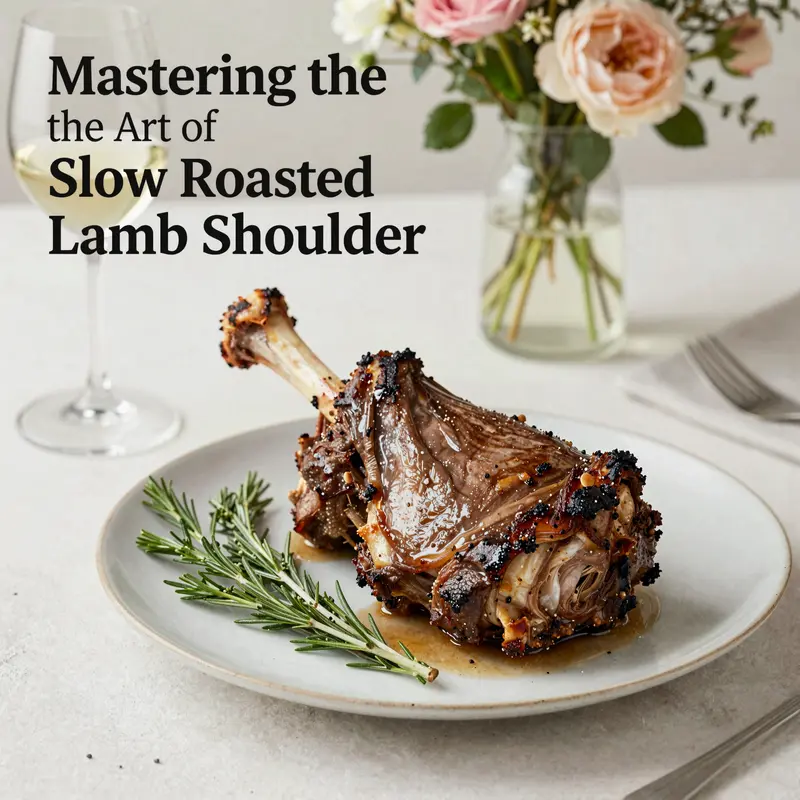
The lamb shoulder arrives as a pliant, pale canvas of springtime promise, its sweet, mild character announcing itself in a whisper rather than a shout. When you slow-roast this cut, you invite a transformation that feels almost alchemical. The heat does not rush the meat; it attends to it with patient, unhurried care, coaxing from the shoulder a tenderness that belies its price and acknowledges the peculiar grace of lamb when the animal is young, just 3 to 5 months old. In a kitchen that respects time as an ingredient, spring lamb shoulder becomes a study in balance: a cut that carries enough fat to carry flavor and enough connective tissue to melt into velvet, provided you give it the slow, steady heat it deserves. The result, a deeply savory dish with a glossy, wine-laced jus and a perfume of fresh herbs, invites quiet listening rather than loud celebration. It is a dish that foregrounds restraint as much as richness, where the simplest components—salt, herbs, fat, and a splash of wine—are all that is needed to carry the meat’s own voice to its full, generous conclusion.
From the outset, the choice of meat matters as much as the technique. Shoulder is an economical cut that rewards patience; it is here that collagen and marbling converge to create a mouthfeel that is at once substantial and yielding. The shoulder’s fat begins to render slowly, coating the fibers with a gloss that protects the meat from drying and adds a glossy, brothy depth to the pan juices. The bones—left in or added as trimmings—contribute a mineral note and a richer foundation to the jus, so the plate feels complete even before any garnish or starch appears. The traditional marinade, a simple composition of sea salt, finely chopped herbs (rosemary and thyme, with a touch of oregano for Mediterranean warmth), olive oil, rapeseed oil, crushed garlic, a splash of dry white wine, and a bay leaf, is less a test of expertise than a scaffold for aromatics to bloom. The oil not only carries the herb oils but also helps to distribute heat evenly across the surface of the meat, enabling a uniform, slow render rather than rapid browning that would lock the flavors behind a crust and mute the tenderness.
The preparation phase is where technique begins. Letting the meat come to room temperature before roasting may seem minor, but it ensures the interior cooks more evenly. A short rest after applying the marinade allows the salt to permeate the fibers, beginning the culinary conversation with the meat before heat ever enters the room. The aromatics—rosemary, thyme, oregano—are tucked into slits in the meat or placed beneath the skin; this practice ensures their volatile oils seep into the leaner pockets of tissue and fat where they can mingle with the natural savory notes of the lamb. The bay leaf adds a resinous, gentle bitterness that helps to offset the meat’s natural sweetness, a balance that becomes more evident as the long, low roast unfurls. The overall philosophy is simple: let time be the driver, and flavor will follow. A gentle, even heat—around 275 to 300 degrees Fahrenheit (roughly 135 to 150 degrees Celsius)—fosters slow collagen conversion without driving off the meat’s delicate aroma or causing the outer layer to seize up into a dry, leathery crust.
The actual roasting phase can be described as a tender, patient conversation between heat and fat. Over the course of roughly four and a half hours, the shoulder drinks in the wine and herbs, and the fat begins to render in earnest. The presence of bones in the roasting pan is not a mere convenience for flavor; it acts as a heat conductor and a reservoir of starch-like starches and minerals that enrich the surrounding juices. A light, unhurried simmer of the juices in the pan builds a fond that becomes the foundation for a luxurious jus. The method often entails a brief uncovering period toward the end of roasting, just enough to invite a gentle browning on the exterior. This is the moment when a cook must watch rather than labor—color should be warm golden rather than burnt amber, signaling a balance between crust and tenderness beneath.
What emerges is a meat that, if not falling apart, yields readily to pressure from a fork. The texture is an achievement in itself: a melt-in-the-mouth quality that still carries the grain of the muscle, a testament to the shoulder’s long, slow transformation. The fat that rendered down into the pan juices is not merely a flavor carrier; it becomes part of the sauce, a silky partner to the meat’s natural umami. The fond—dark and fragrant—gathers the essence of the bones and the roasted herbs into a concentrated pool that can be spooned over slices or spooned into a light jus to accompany mashed potatoes or roasted root vegetables. The result is a plate that looks unassuming but tastes of depth and restraint—what cooks call a dish that is generous without being loud, refined without being fussy.
The flavor profile of slow-roasted lamb shoulder is, in many ways, a map of its cooking journey. At its core, there is a sweet-savory tension born of the meat’s inherent sugars caramelizing slowly in the low heat. Lamb’s slight gaminess becomes more refined after long cooking, its edge softened by time and moisture and the gentle perfume of rosemary and thyme. The oregano offers a bright counterpoint, a hint of Mediterranean sun that resists any sense of heaviness. The overall effect is umami-rich and brothy, thanks to the pan fond and the reduction that thickens as the juices converge with the rendered fat. The herb oils that mingle with the fats contribute bright, pine-like and floral notes, lifting the dish from a simple roast to something more luminous. In this sense, the herb pairings are not merely tradition; they are chemistry in action. The volatile compounds in rosemary—like 1,8-cineol—and thymol in thyme interact with the lamb’s fatty acids as they heat, releasing aromas that become more pronounced over the long cooking period. The oregano contributes a peppery, slightly citrus note that keeps the profile from veering into heavy territory. The eventual balance—sweetness aligned with brightness, earthiness married to a clean herbal lift—defines the experience, making the dish feel both comforting and unexpectedly refined.
The technique’s elegance lies in its simplicity. Use fresh herbs generously, slide them into slits or beneath the skin so they can perfume the meat from within, and roast with patience rather than agitation. Basting is less about splashing and more about maintaining moisture as the heat does its work. The goal is not to saturate the meat with liquid but to allow the natural juices to mingle with wine and herbs to form a cohesive sauce. The use of water, herbs, and a splash of dry white wine—rather than stock—echoes the philosophy of restraint that defines the dish. The water helps to conserve moisture, while the wine contributes acidity and complexity, cutting through the richness and giving the jus a lift that feels both bright and integrated. Bay leaf adds a subtle lift that remains accessible to the palate, never overpowering the lamb’s own character.
Serving this dish is as much about restraint as it is about presentation. After the roast, a final rest of twenty minutes or so lets the juices redistribute throughout the meat. This is the moment when the shoulder becomes something other than a hot plate of protein; it becomes a story of texture—how the fibers yield to the fork, how the fat glistens and dissolves in the mouth, how the jus clings to the crust and then soaks through to enrich each bite. Plate with a minimal flourish: perhaps a light drizzle of the jus, a scatter of finely chopped herbs, and a few roasted root vegetables or a bed of creamy mashed potatoes to catch the last strands of meat juices. The aim is to celebrate the ingredients without crowding them, allowing the lamb’s spring sweetness and the herbaceous perfume to be the leading notes.
For readers who want to explore further, the technique and flavor philosophy behind this approach have been explored in depth in contemporary culinary writing, emphasizing how simple components can yield extraordinary depth when you honor time and temperature. If you’d like a detailed kitchen walkthrough that foregrounds the science of roasting, consider the practical guidance available in reputable culinary coverage that highlights similar methods for lamb shoulder. In the spirit of learning through trusted sources, you can also discover related instructions and variations through dedicated recipe resources that focus on slow-roasted lamb and its regional interpretations. For a deeper dive into technique and variations beyond the home kitchen, see this external reference: https://www.nytimes.com/2026/03/15/magazine/how-to-roast-a-lamb-shoulder.html.
In the same vein of culinary exploration, it can be rewarding to connect the practice to broader traditions and to see how different cultures have approached lamb with similar patience. The velvety texture produced by slow roasting resonates with the ways in which a handful of complementary herbs can unlock a spectrum of aromas that feel both familiar and new. The rosemary’s resinous notes, the thyme’s soft green earthiness, and the oregano’s bright spark—each offers a thread that can be woven into a larger tapestry of flavors. The result is a dish that feels anchored in a specific moment—springtime, a quiet heart, a table shared with friends or family—yet timeless enough to transcend trend. If you wish to read more about Mediterranean-inspired lamb preparations that share a common thread of herb-driven depth, a related culinary guide on the blog can provide additional context and variations, including how to pair the dish with roasted vegetables and simple starches.
For readers who want to explore further on this blog, the journey can begin with a practical, immersive example that mirrors the technique discussed here. See the detailed discussion and practical steps in the linked piece focused on slow-roasted lamb shoulder, which encapsulates the spirit of approach and refinement that makes this dish sing. Slow-Roasted Lamb Shoulder.
In closing, slow-roasted lamb shoulder is not merely a recipe but a small act of culinary patience. It asks you to trust a process that respects the animal’s natural profile while inviting aromatics to illuminate its sweetness. The result is a dish that feels both intimate and expansive—the kind of centerpiece that nourishes conversation as it nourishes the body. When plated simply and served with modest accompaniments that do not compete but complement, the lamb’s own credentials shine through: tenderness born of time, a gentleness of flavor that speaks of spring, and a luxurious mouthfeel that lingers on the palate like a well-loved memory.
Final thoughts
Achieving excellence in slow roasted lamb shoulder goes beyond the cooking process; it’s about understanding the dynamics of flavor and presentation. Through meticulous techniques and thoughtful pairings, you can elevate this traditional dish to new heights, captivating your guests with every bite. Embracing the art of slow roasting will not only enrich your culinary repertoire but also enhance your establishment’s reputation for quality and sophistication. The insights shared here serve as a foundation upon which you can build your unique offerings, delighting customers and setting your brand apart in a competitive market.