
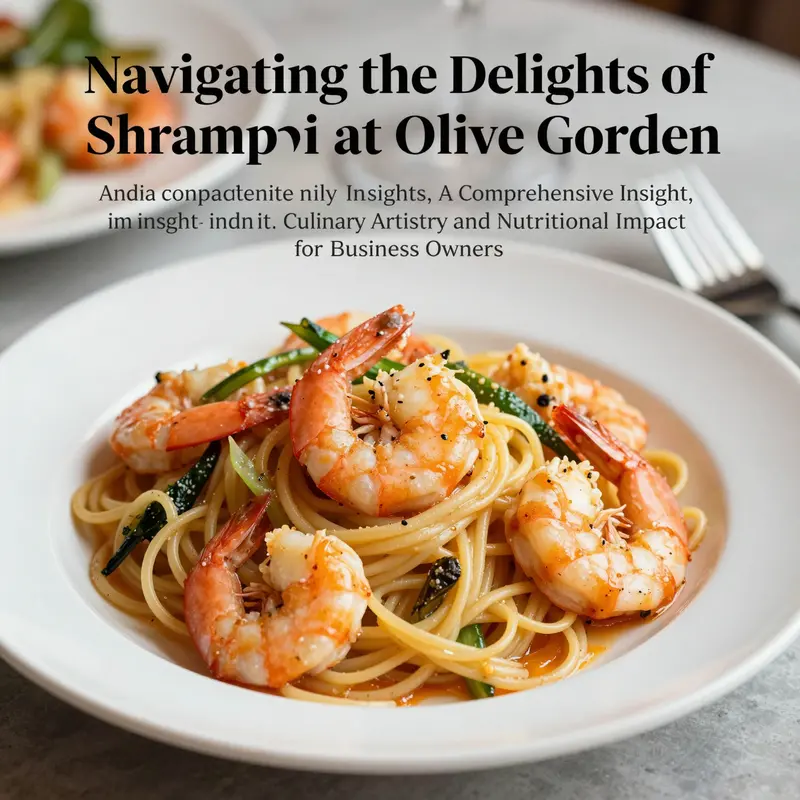
Shrimp Scampi is a standout dish that defines the culinary experience at Olive Garden, capturing the essence of Italian-American cuisine. For business owners in the food industry, understanding the intricate details of Shrimp Scampi is pivotal—not only does it represent a significant menu item, but it also provides insights into customer preferences and nutritional considerations. In the following chapters, we will explore the culinary composition and flavor profile of this beloved dish, followed by a thorough nutritional analysis and customer reception, offering a holistic view of how Shrimp Scampi aligns with both culinary excellence and business strategy.
Flavor Clockwork: Shrimp Scampi in Olive Garden’s Italian-American Canon
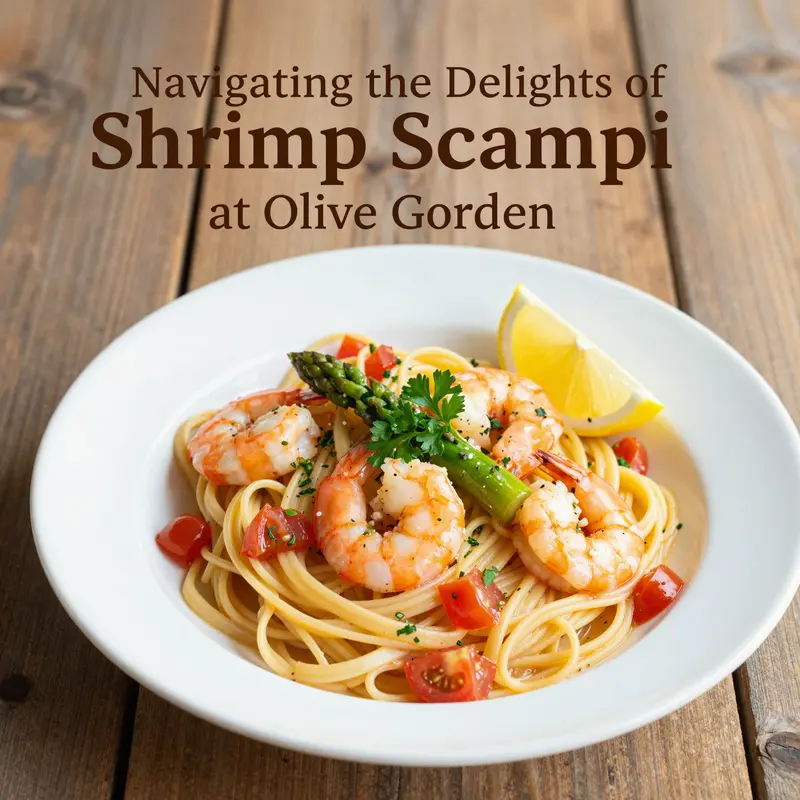
The Shrimp Scampi on a chain restaurant menu functions more as a compact weather system of taste, texture, and tradition than a single dish. It sits at the crossroads of Italian technique and American appetite, a hybrid that has grown familiar enough to feel communal, like a shared memory of comfort and supper. In this chapter we peel back the layers that compose the dish as it is served in a restaurant setting, tracing how a handful of ingredients, treated with precise warmth and timing, yield a sauce that coats pasta and invites a sense of indulgence that is both simple and refined.
The heart of the dish is the shrimp themselves—large, peeled and deveined, each piece a small pearl of sweetness that can drink in flavor without losing its spring. The ideal execution is a quick sear to deliver a delicate caramelization that hints at a crust without crossing into something crusty. The sear is not a flourish; it is the keystone of the recipe. It creates a surface that can hold onto sauce while preserving the shrimp’s gentle sweetness. The fat that carries the dish is a careful duet of butter and olive oil. The oil serves as a heat buffer and flavor carrier, while the butter lends a silky mouthfeel that makes the sauce cling to pasta.
Garlic is the character actor here, appearing as sautéed notes that perfume the air and wake the senses. It is not merely an aroma; it is the primary aromatic driver, offering a familiar savory pungency that anchors the dish’s deeper sweetness. Garlic should be kept on the edge of caramelization, never burnt, so its sweetness remains audible against the brightness of wine and lemon. The wine, a dry white, enters as purposeful acidity that slices through the richness of the butter and elevates the shrimp’s natural sweetness. It also introduces a fleeting complexity—an aromatic suggestion of green herbaceous tones and a clean finish—that helps the sauce hold up as it coats the pasta.
Lemon juice is the brightness, the lift that makes the dish feel celebratory rather than cloying. It acts as a counterbalance to the fat and a conductor that keeps flavors from stacking too heavily on the palate. Parsley adds a crisp, grassy note that lifts the entire dish, a finishing herb that keeps it feeling fresh rather than dense. In some versions a whisper of Parmesan may appear, adding a note of umami that can round the sauce’s edges. A subtle kiss of red pepper flakes might also be offered to those who crave a touch of heat, though the classic approach tends toward the gentler spectrum of warmth.
The pasta choice—angel hair—matters almost as much as the sauce. The delicate strands provide a light vehicle for the rich, buttery emulsion without weighing it down. The dish benefits from a few asparagus spears and a scattering of diced tomatoes added not merely for color but for texture and a slight chew that contrasts with the silkiness of the sauce and the tenderness of the shrimp. The result is a plate that looks clean and bright, inviting rather than heavy.
From a cooking method perspective, the choreography is minimal and precise. The pan is heated with a small cushion of olive oil, followed by the butter, which melts and emulsifies with the oil to form a glossy base. The garlic is added next and cooked until just fragrant, avoiding any bite that would verge on burnt notes. The shrimp are then introduced and seared briefly—until they blush pink and curl—before being removed to rest momentarily. Deglazing with dry white wine follows, lifting any caramelized bits from the pan and incorporating their restrained sweetness into the liquid. A touch of lemon juice enters to sharpen the sauce, which is then rejoined with the shrimp and finished with parsley. If the dish leans toward a richer mouthfeel, a small additional knob of butter or a dusting of Parmesan may be whisked in at the end to finish the emulsion. The pasta, cooked to al dente perfection, is tossed with the hot sauce so that the strands glisten and each bite delivers a coherent absorption of fats, acids, and aromatics.
Flavor-wise the profile is savory and bright, anchored by garlic’s depth and tempered by lemon’s bracing brightness. The wine provides a mid-palate acidity that keeps the dish from feeling cloying, while the butter adds a velvety undercurrent. Parsley introduces a herbal lift that makes the ensemble feel modern and clean, preventing heaviness. The optional cheese and pepper flakes provide pathways to deeper or spicier dimensions, but the classic approach remains approachable, designed to amuse a wide audience.
This is a dish that travels well in a restaurant setting, but it also serves as a template for home cooks who want to mirror restaurant technique without losing the essential charm. It rewards attention to temperature, timing, and balance. The dish’s popularity rests on the interplay between a fragrant garlic-forward sauce and the perception of generous, well-cooked pasta against a backdrop of delicate shrimp.
The dish sits within a broader Italian-American repertoire that honors tradition while adopting a modern, bright finish. For readers who wish to explore a home interpretation, a referenced recipe resource can provide lines of proportion and technique that align with the restaurant’s approach.
For readers seeking extra perspective, a closer look at home-inspired adaptations can translate the restaurant method into step-by-step guidance and scalable measurements. The intent is not to copy but to illuminate how the core principles—quick searing, careful emulsification, judicious acidity, and a balanced finish—translate from a busy kitchen to a home stove. The Shrimp Scampi as presented here is a study in how a concise ingredient set, executed with confidence, can feel timeless and current, wrapped in the comforting familiarity of seafood, butter, and citrus.
External reference for further context: a practical adaptation with measurements and timing guidance can be found in linked kitchen-focused variants, and a sample home version can be explored through related culinary explorations that emphasize emulsions, temperature control, and timing in seafood sauces.
Savor and Balance: Shrimp Scampi at Olive Garden
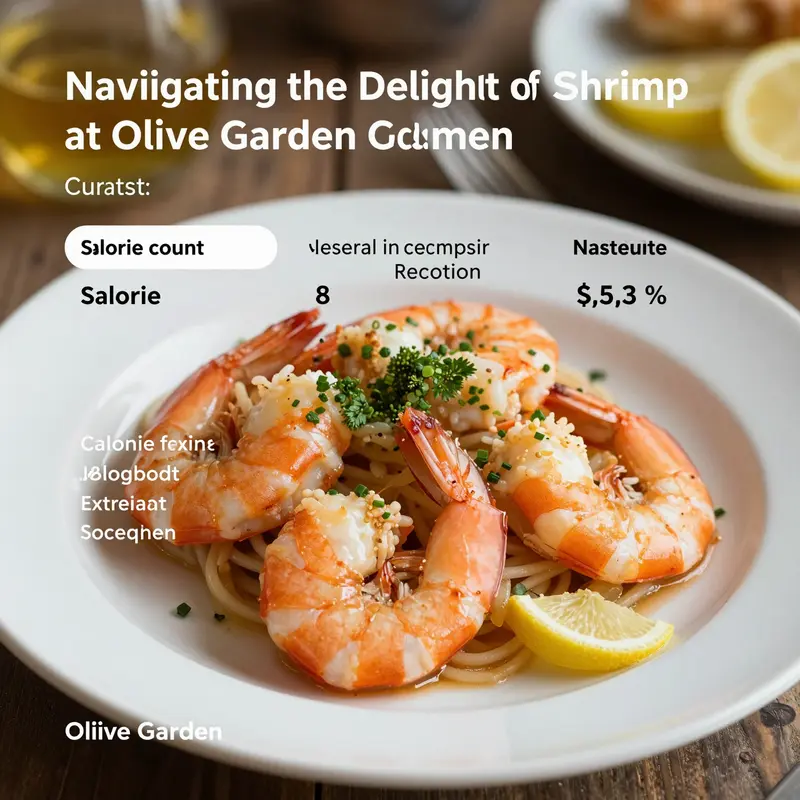
Shrimp Scampi at Olive Garden sits at the crossroads of comfort and craveability. It signals a casual, family friendly dinner where the aroma of garlic and butter travels ahead of the plate and promises a familiar, satisfying experience. The entrée pairs slender shrimp with a light, glossy garlic butter sauce that clings to al dente pasta and the accompanying vegetables. The dish typically presents with pale pasta, pink shrimp, and bright green asparagus punctuated by small pops of tomato, creating a plate that feels bright and approachable. What comes through most is the balance between indulgent richness and the clean sweetness of seafood, a cohesion that makes the dish broadly appealing without feeling heavy on first bite. The execution matters: a quick sear to boost flavor without overcooking the shrimp, a butter rich sauce that glazes the pasta without pooling, and a careful toss so the sauce coats every strand rather than pooling at the bottom of the bowl.
Nutritionally, the dish reads as indulgent but manageable within a casual dining setting. Butter and cheese contribute to a higher fat content, while the seafood provides lean protein. The dish offers a comforting portion of carbohydrates without overwhelming the senses, especially when paired with lighter sides such as a garden salad or steamed vegetables. Diners who watch sodium or fat can still enjoy the dish by moderating portions and balancing the meal with activities or lighter courses elsewhere in the same visit.
Taste and texture deliver in tandem. The angel hair or delicate pasta finish allows the garlicky butter sauce to cling without heaviness, while the shrimp maintain a springy snap and a clean, briny note that signals freshness. Asparagus adds a vegetal crunch and a burst of color that keeps the plate from feeling one note, and the tomatoes provide a brief, citrusy lift that brightens the palate after the richness lingers. These small contrasts matter, helping the dish feel comforting yet thoughtfully composed rather than simply indulgent.
In the broader dining context, Shrimp Scampi sits alongside Olive Garden’s generous, family-friendly philosophy. The dish is commonly enjoyed as a main course within a menu that emphasizes value, plentiful portions, and a welcoming atmosphere. The combined effect of generous portions with a spirit of hospitality can make this dish feel like a centerpiece for a casual gather, where conversation and sharing often outweigh formality. For home cooks and curious diners, the dish offers a useful blueprint: quick sear of the shrimp, a swift garlicky butter reduction with a kiss of wine or lemon, and a final toss with pasta and vegetables to preserve brightness and balance. A practical takeaway is to aim for a sauce that coats the pasta evenly without breaking the shine of the shrimp, so every bite feels cohesive and satisfying.
Final thoughts
Shrimp Scampi at Olive Garden exemplifies not only a culinary delight but also a vital menu item that resonates with customer preferences. By examining its sophisticated flavor profile and understanding its nutritional implications, business owners can better strategize their offerings to meet customer demands while promoting balanced choices. Maintaining a balance between indulgence and healthier options will not only attract diners but also ensure sustained business growth, making it essential for owners to understand and appreciate the nuances of popular dishes like Shrimp Scampi.