
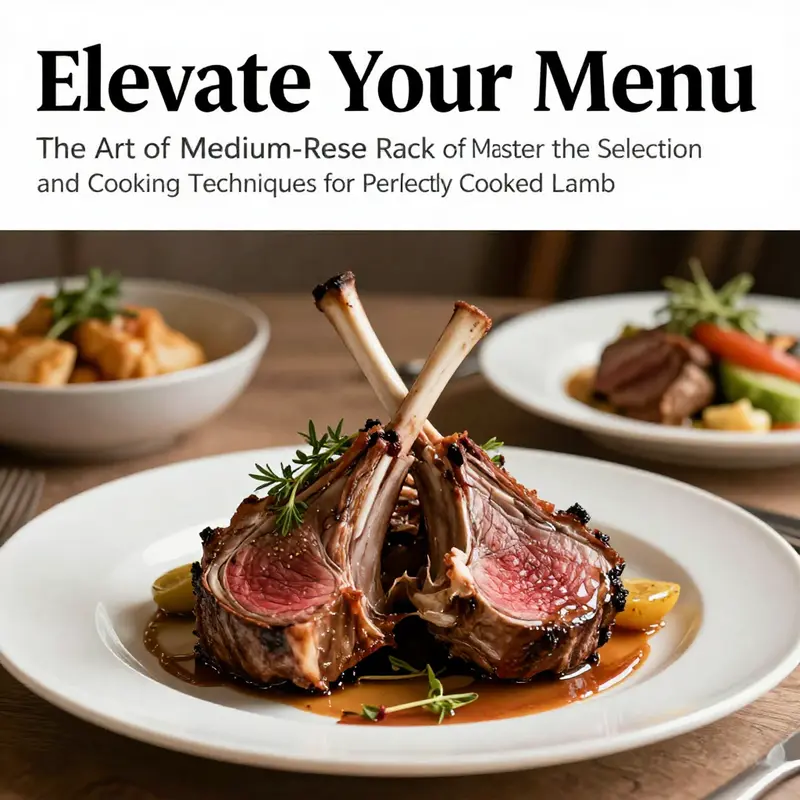
Medium-rare rack of lamb is not just a dish; it’s a culinary experience that can elevate any menu, particularly in fine dining or upscale catering. Renowned for its tender and juicy texture paired with a rich flavor, this cooking method creates a remarkable dining moment. The importance of proper selection and advanced cooking techniques cannot be overstated. Business owners in the hospitality sector must understand how to choose high-quality cuts and execute reliable cooking methods to maximize the appeal of lamb on their menus. This article will delve into selecting and preparing medium-rare rack of lamb, followed by essential cooking techniques that promise to consistently deliver superior results.
From Selection to Searing: Mastering the Medium-Rare Lamb Rack
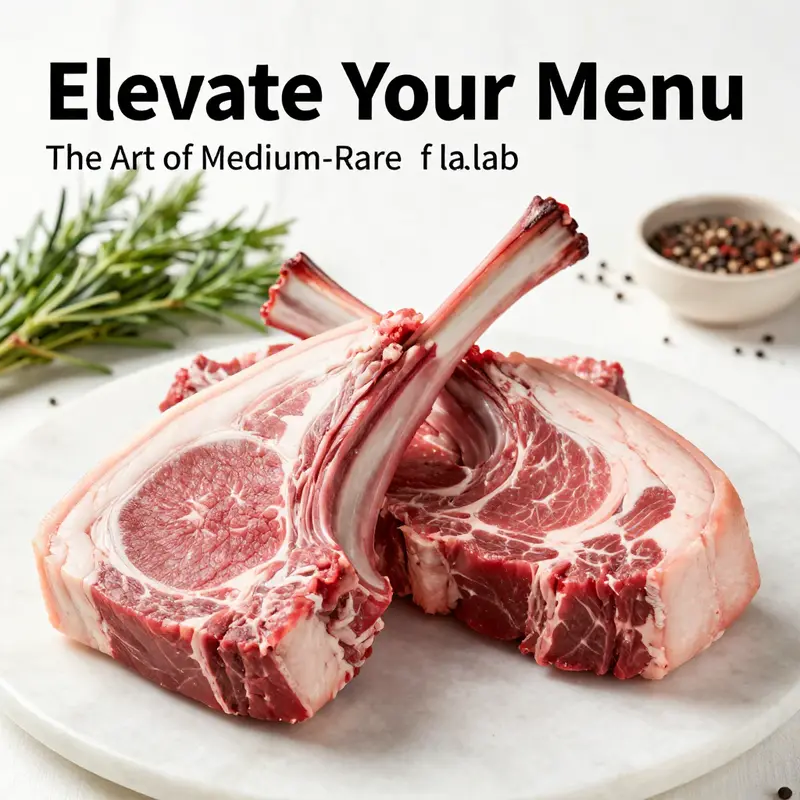
The lure of a perfect medium rare rack of lamb begins with selection and ends with the first slice. A standard rack with eight ribs, weighing between one and a half and two pounds, yields even portions and a generous center. Look for bright pink meat with a pale, creamy fat cap and fine marbling. Frenched racks present a clean silhouette, while double frenched racks offer more dramatic presentation when arranged in a neat row.
The flavor of lamb reflects its upbringing: grass fed tends to be bold and herbaceous, while grain finished can be a touch sweeter with a richer fat cap. The choice informs which crust and sauce will shine without masking the meat’s inherent character.
Preparation starts with trimming excess fat carefully, not cutting into the tender eye of the loin. For seasoning a classic crust, brush with olive oil, then spread a paste of minced garlic, chopped rosemary and thyme, and a touch of Dijon mustard. The paste helps flavor penetration and forms a crust in the hot pan. A dry brine of four to twelve hours in the fridge can aid moisture evaporation and crust formation.
Cooking methods vary. Sous vide yields reliable pinkness: seal the rack with a few thyme sprigs and a pat of butter, cook at 57 C for about two hours, then pat dry and sear vigorously in a hot pan with butter until the surface is deeply caramelized. Rest for five to ten minutes before slicing.
For a traditional roast, preheat the oven to 190 C. Press a herb crust onto the meat side and roast for approximately eighteen to twenty two minutes, or until the internal temperature reaches 57 to 62 C. Allow a five to ten minute rest so juices redistribute and the crust sets.
Resting is essential. It lets the juices rebind and the crust crisp. Slice with a sharp knife to reveal a rosy center framed by a crackling edge.
Pair the lamb with a rich red wine reduction, a glossy pan sauce, or a bright vegetable accompaniment. Side dishes should complement rather than compete, from creamy mashed roots to roasted vegetables and a crisp salad.
The Pink Perfection: Mastering the Medium-Rare Rack of Lamb Through Precision, Technique, and Timing
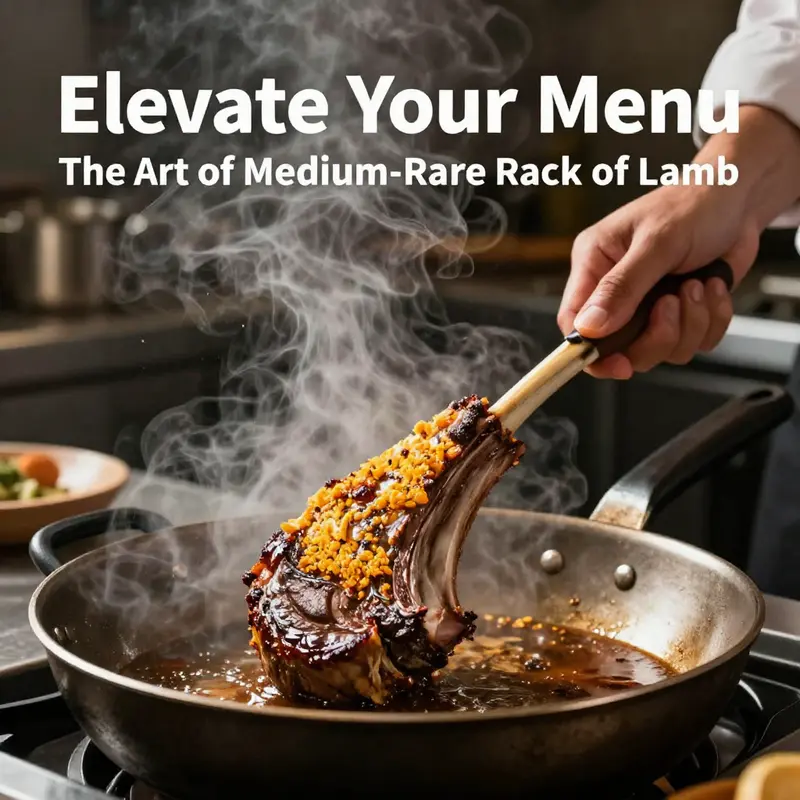
A medium-rare rack of lamb is a study in balance. It offers a pink, succulent center that holds with a lightly crisp crust, a harmony of texture and savory aroma that lets the herbaceous characters of the meat speak for themselves. The goal is not simply the right temperature but a sequence of decisions that protect juiciness, develop aroma, and present a clean, elegant slice across the plate. The medium-rare target—roughly 52°C to 57°C (125°F to 135°F) in the center—demands vigilance from the moment the butcher wraps the rack in paper until the final rest. Achieving this level of doneness while keeping the meat tender, juicy, and richly flavored requires that attention to detail be baked into every step, from selection to resting, and into the final plating with a sauce that complements rather than competes with the lamb’s natural character. In practice, the journey to that ideal pink center unfolds through careful selection, precise preparation, and a cooking rhythm that honors both the meat’s muscle and its fat, which carries much of the flavor and helps shield the lamb from drying during the cook.
Selecting the right rack sets the stage for success. Look for a rack with even thickness across the bones, bright pink meat, and a creamy-white fat cap. A full rack typically contains eight ribs and weighs about 1.5 to 2 pounds, a size that balances ease of handling with a generous portion. The frenched presentation—the removal of meat and fat from the top third of the bones—offers a clean, elegant look that’s easier to handle when carving. If you’re aiming for an especially refined appearance, a double-frenched rack adds a level of visual polish that highlights the bones against the lean meat. Marbling within the loin matters. The interlacing fat not only keeps the meat moist but also contributes to the overall depth of flavor as it renders during cooking. With a high-quality rack in hand, you begin a conversation with heat, salt, and time, not with sauces and gimmicks.
Preparation is as much about surface texture as it is about flavor. A thorough trim removes excess fat to a slim cap—about a quarter of an inch is a practical guideline—so the meat browns evenly without pooling fat in the pan. The next move is seasoning, robust but not overpowering: kosher salt, cracked black pepper, minced garlic, and a brigade of herbs—rosemary and thyme to anchor the savory profile. Some cooks go further, crafting a paste with olive oil, Dijon mustard, and herbs to coat the meat. This paste helps the salt, pepper, and aromatics cling to the surface, while the oil keeps the surface ready for a fast, crisp sear. Then comes the dry-brine, a quiet but transformative step. Let the rack sit uncovered in the refrigerator for four to twelve hours. The dry-brine dries the surface, which is essential for a crisp, blistered crust, and it gives the salt time to migrate just enough into the meat to season it deeply without oversalting. It’s a small ritual with outsized impact, one that separates a good lamb from a transcendent one.
When you’re ready to cook, heat becomes the second language the kitchen speaks. A hybrid approach often yields the most reliable results: a rapid sear to lock in flavor and create the crust, followed by a precise roast to finish the interior. Preheat the oven to 400°F (200°C). A heavy skillet, preferably cast iron, heats until it smokes and sings with heat. Pat the rack dry again, ensuring no surface moisture undermines the sear. Sear the rack on all sides for two to three minutes per face, aiming for a deep, golden crust that sounds as good as it looks. The final minute can be accented with a knob of butter, and a flutter of fresh rosemary or garlic in the pan; the butter adds aroma and a bit of a glossy finish that translates into the bite.
After searing, transfer the lamb to a wire rack set over a baking sheet. The roast in the oven will then proceed more predictably, with the meat slowly drawing heat from the outside toward the center. The times can vary with rack thickness and initial temperature, but a standard roaster yields a medium-rare finish in roughly twelve to fifteen minutes for an average size. The target internal temperature for true medium rare is around 125–130°F (52–54°C). The recommended practice is to pull the rack from the oven when the thermometer reads about 120°F (49°C) in the thickest part of the loin. The meat will continue to rise a few degrees as it rests, a phenomenon that makes the resting stage critical for achieving the exact pink center that defines medium rare. Resting for ten minutes is far from a luxury here; it is the final act in which the juices redistribute, the meat relaxes, and the crust sets a little more firmly, inviting a clean slice.
There’s also an optional path for those who relish a classic French influence: an herb crust. To prepare this, mix breadcrumbs with finely chopped flat-leaf parsley, rosemary, thyme, minced garlic, a drizzle of olive oil, and a touch of Dijon mustard. Press this mixture onto the meat side of the rack and roast as before. The crust becomes crisp and aromatic while the interior stays juicy. The crust should be golden and fragrant, not burnt, and it works beautifully when the roast is paired with a light, glossy pan jus or a red wine reduction that speaks to the lamb’s own terroir rather than masking it. Either approach—crust or no crust—relies on restraint with heat and timing. The point is to complement the lamb’s natural flavor, to lift it rather than drown it, and to present a plate that looks as confident as it tastes.
Even with a flawless crust and a perfect pink center, the presentation needs a companion that only enhances the experience. A rich red wine reduction, built from the pan drippings with a splash of stock, shallots, and a whisper of herbs, offers a glossy lacquer that ties the plate together. A pan jus, lighter but still deeply flavorful, gives the meat a second wave of savory complexity, while a simple ratatouille, if you’re in the mood for a burst of vegetables, can provide a bright counterpoint that elevates the meal from festive to truly memorable. Sides matter here; creamy mashed potatoes, garlic-scented roasted vegetables, or a crisp salad can frame the lamb in a way that balances richness with freshness. The best pairings are those that respect the meat’s role on the plate, ensuring every bite moves from crust to center with harmony rather than contrast.
As you build toward serving, consider the practical steps that cement success. A dedicated, precise thermometer is worth its weight in the quiet moments between sizzle and silence in the oven. The hinge of the process is temperature control, but the craft lies in how you manage the surface and the resting time. The combination of a hot sear to build flavor and a controlled roast to preserve tenderness mirrors the same balance the best cooks chase in any prime, bone-in roast. The rack demands a slightly different script from other cuts; its structure—bone, loin, fat cap—guides heat differently, and the cook must honor those dynamics rather than trying to force the meat to do something it isn’t prepared to do. In the end, the middling heat, the crisp edges, and the pink center cohere into something greater than the sum of temperatures: a dish that carries the memory of the room’s lighting, the aroma of rosemary, and that quiet moment when a knife meets skin and the first slice releases a small sigh of steam and scent.
If you’re seeking a practical, home-friendly reference that translates these principles into a step-by-step approach, a detailed rack-of-lamb recipe can be a useful companion. It distills the sequence into manageable actions while preserving the focus on a consistent medium-rare finish. For the curious, the approach is simple yet exacting: prepare, dry-brine, sear, roast, rest, and plate with purpose. The rhythm is continuous, not abrupt; the cook’s hands learn the cadence of heat and time, and the lamb rewards that discipline with a texture that remains tender and a flavor that remains unmistakably lamb. This isn’t merely cooking; it’s a conversation between the cook and the animal, a nod to tradition, and a modern insistence on precision.
For readers who want to explore related techniques or variations, the kitchen conversation expands with one well-timed detour to a dedicated lamb-focused guide—an accessible resource that respects the same fundamentals while inviting experimentation with herbs, crusts, and reductions. If you follow the linked rack-of-lamb-recipe, you’ll find a practical interpretation that aligns with the principles described here and supports a confident, repeatable result every time you cook for guests or for a celebratory weekend dinner. And when the meal is plated, there’s a sense of completion: a rack sliced into clean, crosswise portions, the crust catching the light, the pink center glistening just so, and the aroma lingering long enough to invite the next bite.
External resources can deepen the understanding of technique, especially when timing and temperature become second nature. A respected technique guide reinforces the science behind searing, resting, and carryover heat, offering insights into how slight variations in thickness or fat content can alter the cook. The curiosity to learn more keeps the practice alive, and the resulting dish becomes less about following a recipe and more about applying a proven method with confidence. For a comprehensive reference that delves into the technique with clear explanations and visuals, consult the external resource linked here. It serves as a useful companion to the approach outlined in this chapter. How to cook a perfect rack of lamb
Final thoughts
Understanding the nuances of selecting and cooking medium-rare rack of lamb places business owners in a prime position to enhance their culinary offerings. By choosing high-quality ingredients and mastering the cooking techniques, chefs can consistently create dishes that not only satisfy customers but also elevate the entire dining experience. This knowledge translates directly into increased customer satisfaction and repeated business, leading to a thriving culinary enterprise.