
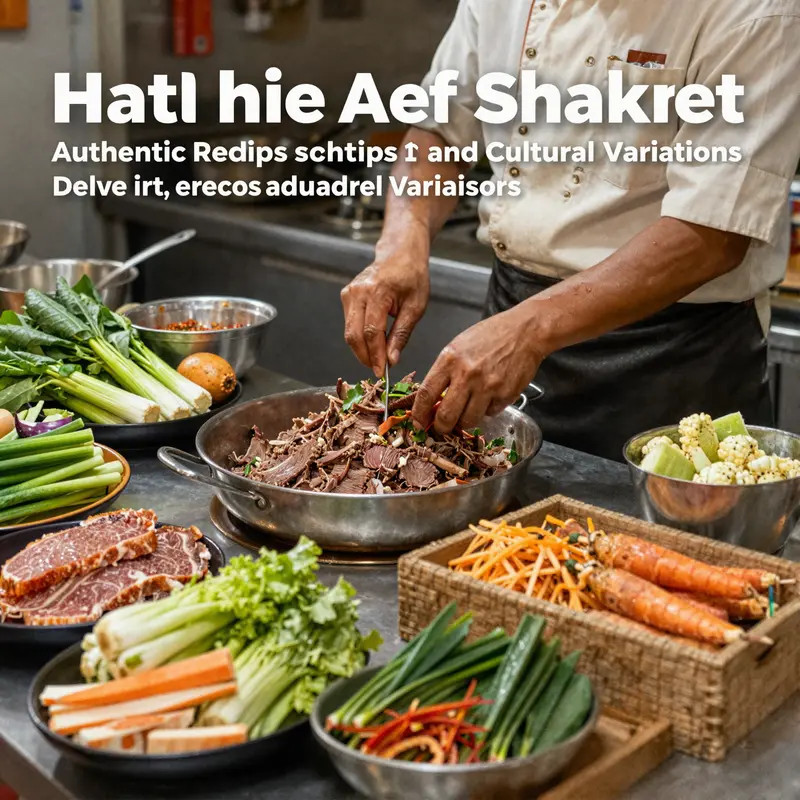
Shaken Beef, or Bò Lúc Lắc, is a popular Vietnamese dish that captivates food lovers worldwide with its tender meat and aromatic sauces. For business owners in the culinary sector, understanding authentic shaken beef recipes and their cultural significance can enhance customer experiences and drive sales. This article addresses two pivotal aspects: the authentic preparation techniques that highlight the dish’s integrity and the cultural nuances that have led to its various adaptations. By exploring these chapters, readers will gain a holistic understanding of shaken beef and its enduring appeal.
Shaken to Perfection: The Mastery Behind Authentic Vietnamese Shaken Beef
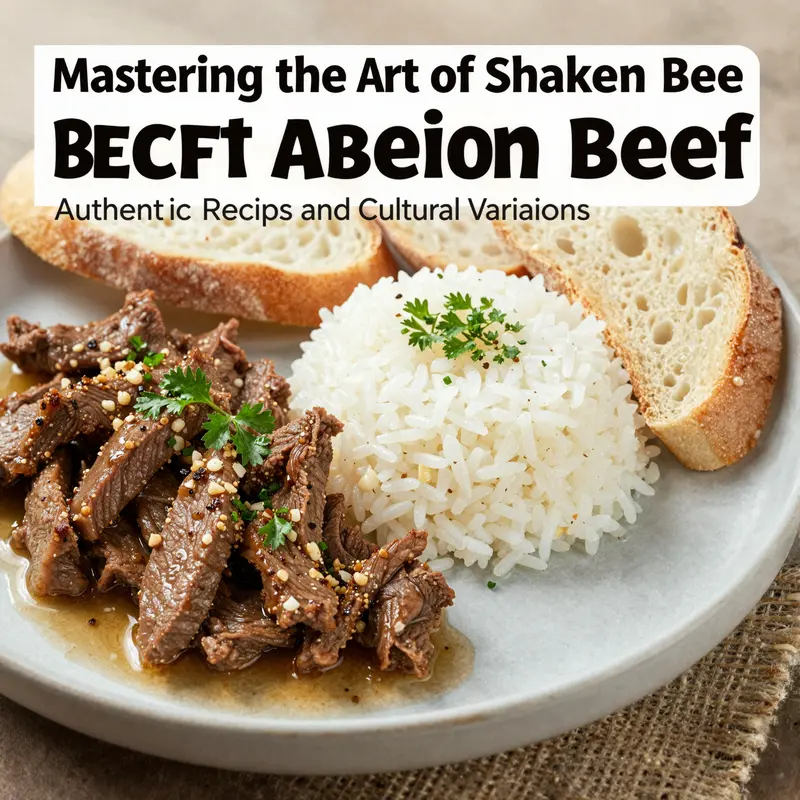
Shaken beef rests at a fascinating crossroads of technique, tradition, and appetite. Its fame comes not from a long list of exotic ingredients but from a single, stubbornly simple idea: heat, sear, toss, and coat the meat in a glossy, deeply savory glaze. This is a dish that invites a kitchen to be a stage for precise action rather than a laboratory of complex recipes. When done well, the beef shines with a tenderness that remains juicy even as the edges caramelize, and the sauce clings in a lacquered sheen that speaks of high-heat magic and patient marination. In its most authentic form, shaken beef is more about the choreography of the pan than the flair of extra seasonings. It embodies a balance that Vietnamese culinary tradition has honed through generations—an emphasis on aroma, texture, and a restraint that makes each bite more-than-a-flavor, a memory of the fire and the moment.
The foundational choice of beef already signals the philosophy behind shaken beef. Traditional preparations call for flank steak or sirloin, cuts favored for their tenderness and their ability to absorb marinade without turning chewy. The technique begins with thinly slicing the meat against the grain. This simple move — slicing with intention — is not just about tenderness; it’s about creating a surface that can drink in the marinade and then glow with color during the quick, brutal heat of the pan. The marinade itself is a study in balance. A classic mixture includes soy sauce for depth, a touch of fish sauce for bright, briny notes, and a delicate sweetness to coax caramelization. The presence of garlic and onion in the aromatics is essential, lending a savory foundation that is less about overt seasoning and more about building a fragrant base that carries through the high-heat sizzle. Some home cooks add a whisper of Shaoxing wine or a pinch of cornstarch to cushion the beef’s texture, while others lean on a straightforward traditionalist route. Either way, the meat should emerge from the marinade with a sheen and a tenderness that invites a second bite and a third.
Rest is not an afterthought here. Marinating the beef, even briefly, allows the fibers to begin soaking up the salty, umami-rich flavors. The recommended window varies, but a practical target is a 20 to 30 minute rest. That short pause is enough to deepen flavor without sacrificing the rapid, high-heat finish that defines shaken beef. It’s a small time investment with outsized returns, setting a stage where the beef, when introduced to the hot pan, sizzles with purpose rather than steaming in its own juices. For cooks who want an extra layer of depth, a brief splash of Shaoxing wine can contribute a delicate fragrant lift, and a splash of cornstarch can help achieve the glossy finish that makes the dish visually arresting. The goal is not to overwhelm the beef with thick sauce but to create a light perfume of savory decadence that coats every strand of meat.
From there, the cooking technique becomes the heart of the dish. A wok, if available, is ideal because it concentrates flavor at very high heat and allows rapid movement of ingredients. If a wok is not on hand, a wide, heavy skillet works nearly as well. The pan should be heated until the surface is shimmering, a state that declares the pan ready to transform marinated beef into bite-sized pieces with a quick, confident sear. It’s crucial to work in batches when necessary to avoid crowding the pan. Crowding causes the meat to steam instead of sear, and the key to shaken beef is the contrast between a fast surface browning and a juicy interior. Once the oil is hot, the meat is laid in a single layer and left undisturbed for a moment to develop color. Then comes the hallmark of the method: rapid tossing or a vigorous stir that keeps the beef moving in the pan. The movement is more than kinetic energy; it’s the physical translation of the dish’s name. The goal is to coat every piece evenly with the marinade’s glaze while allowing a thin crust to form on the outside. This crust, once built, locks in juiciness and creates that desired textural duality: a tender interior with a lightly crisp exterior.
The choreography continues with aromatics that often precede the beef or accompany its early sear. Garlic and ginger, sometimes sliced into thin slivers, are sautéed briefly to perfume the oil and awaken the pan’s flavors before the beef makes contact. Green onions or scallions may be added toward the end to provide a fresh, bright lift that echoes the dish’s peppery brightness. A careful balance remains essential here. While some regional interpretations lean toward a bolder, sweeter glaze with a dilated spoon of hoisin or a darker soy tint, the most enduring shaken beef remains restrained. The sauce should cling to the meat without pooling into a pool of heaviness. If the glaze thickens too much, a tiny splash of stock or water can restore the sheen while preserving the glossy, lacquered effect that is characteristic of a well-made version.
In this quiet culinary act, technique carries the flavor more than an aggressive spice rack. The heat is the agent, the pan its stage, and the frequent tossing the conductor. When done right, the high heat extracts the beef’s natural sugars, turning them into a delicate caramel that blends with soy and fish sauce rather than fighting them. The result is a deep, savory, almost toasted flavor with a whisper of sweetness that invites a balanced finish. The texture, meanwhile, should show a memory of heat: slightly crisp edges, a tender center, and a surface that gleams with sauce but does not glisten with grease. This balance is what makes shaken beef so forgiving in practice yet so precise in theory. The dish is not about layering complexity through numerous components; it is about orchestrating simple ingredients with a precise technique to reveal a harmony you taste in every bite.
Beyond the flame, the serving ritual completes the experience. Shaken beef often arrives hot, resting briefly on a bed of rice to catch the glaze as it runs. The rice is not a mere backdrop but an integral partner that absorbs the sauce’s umami and carries the dish from pan to plate with ease. In some homes, a crusty loaf of French bread plays the role of the starch, offering a textural counterpoint and a vehicle for scooping up the glossy sauce. In others, the dish is plated with crisp pickled vegetables or a quick herb garnish that adds a snap of brightness to cut through the richness. The serving approach mirrors the technique: simple, thoughtful, and designed to highlight the meat’s juiciness and the sauce’s sheen rather than overwhelm them with extraneous elements.
To reproduce the dish with a strong sense of authenticity, a few subtle rules can guide the kitchen practice. First, slice against the grain and across the width of the muscle to maximize tenderness. Second, respect the marinade’s liquid balance but avoid over-marinating; twenty to thirty minutes is usually enough for flavor to penetrate without stiffening the meat or breaking down its delicate texture. Third, do not overcrowd the pan. High heat performs best when the meat is allowed to sear rather than steam. Fourth, keep the motion steady but controlled. The tossing should feel almost ritual, a physical affirmation of the dish’s name. Finally, finish with a light hand on the aromatics and a gentle toss so the surface remains glossy without becoming syrupy.
A modern kitchen may offer a few twists that honor the original while inviting new audiences to enjoy shaken beef. It is not unusual to encounter versions that incorporate a touch of acidity with lime or to see herbs added at the finish for a fresh lift. Even so, the essence remains a study in restraint and technique. The best interpretations remember that the true star is the meat, its surface lacquered by the sauce and its interior tempered by a precise marination protocol. For home cooks seeking a detailed, practical reminder of the technique, this shaking-beef approach is a strong starting point. And for readers curious about the broader craft of high-heat meat work, a deeper dive into the related technique guide can offer a structured way to approach similar dishes without losing the dish’s unique identity. Shaking Beef guide
The journey from a home kitchen to a sizzling wok is as much about cultural memory as it is about culinary skill. Shaken beef embodies the Vietnamese culinary tradition’s reverence for aroma, texture, and balance. It tells a story of how a few well-chosen ingredients, treated with discipline, can translate into a dining moment that feels both intimate and universal. The ingredients, in their simplicity, become a vehicle for technique to shine. The marination’s quiet promises mingle with the pan’s crackle, and the final glossy coat speaks to a method that respects heat as a transformative force. In its best form, shaken beef becomes more than a recipe. It is an invitation to understand how technique and tradition can converge, inviting cooks to participate in a lineage of cooks who learned to harness high heat, to respect the grain, and to coax maximum flavor from minimal elements.
As this chapter closes, the emphasis remains clear: authenticity in shaken beef is not about an elaborate sauce or a hidden trick. It is about a faithful approach to cuts, marination, heat, and motion. It is about letting the ingredients reveal themselves—garlic and onion lifting the aroma, soy and fish sauce providing depth, a touch of sugar for caramelization, and a final tossing that binds everything into a single, gleaming, coherent bite. The result is a dish that travels well from kitchen to table, pairing beautifully with rice to cradle its savory intensity, or with crusty bread that helps you savor every last drop of lacquered sauce. In a world of fast and flashy food, shaken beef remains a quiet monument to technique, to restraint, and to the enduring pleasure of a dish that is as much about the act of cooking as it is about the final plate.
External reference: https://www.steaknshake.com/recipes/chili-mac
Shaken to the Core: History, Technique, and Timeless Flavor in Shaken Beef
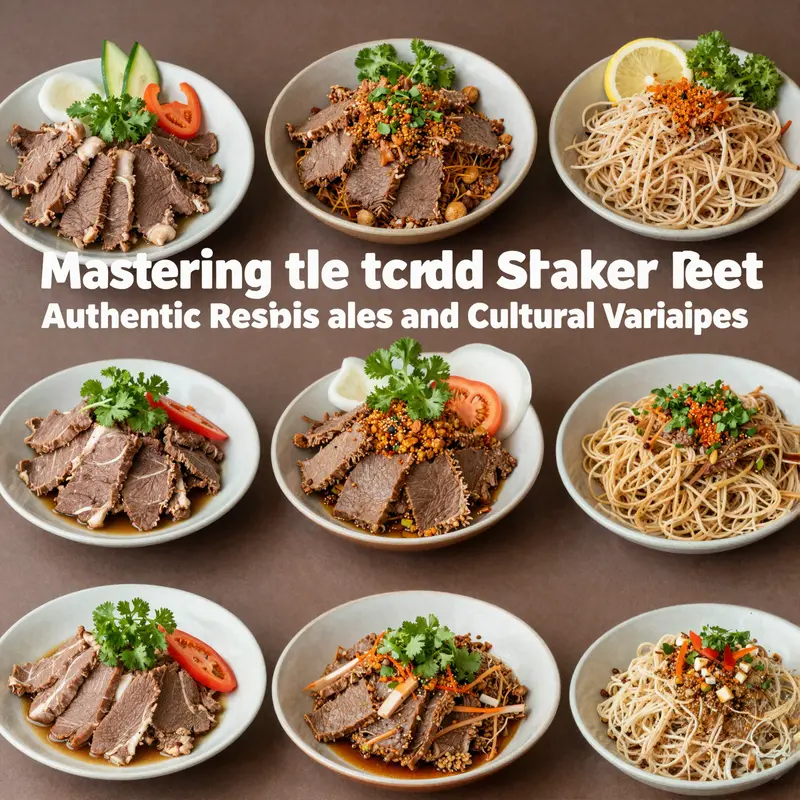
Shaken beef is more than a quick weeknight stir-fry; it is a dialogue between continents unfolded in a single pan. In Vietnamese households and bustling street stalls, Bò Lúc Lắc arises from a modest cut of beef and a practice as tactile as it is culinary: the brisk, confident tossing that coats each strip in a lacquer of garlic, pepper, fish sauce, and a touch of sweetness. The aroma that fills the kitchen as the meat hits the hot surface—garlic hot with the oil’s sizzle, a faint whiff of peppercorn, and the tang of fish sauce—speaks to a dish that travels across borders and through time, absorbing influences while remaining distinctly its own.
To understand Shaken beef is to trace a history of cultural exchange. The dish is tightly wound with Vietnam’s colonial past, where French techniques and sensibilities met Vietnamese pantry staples. The name itself offers a clue: Bò Lúc Lắc, with Lá Lắc tracing to the act of vigorous tossing. The term captures more than movement; it hints at a method that promises tenderness and even coating, a culinary ritual that turns a lean cut into something juicy and deeply flavored. The technique of high heat and rapid tossing serves a dual purpose. It sears the surface quickly enough to develop a light caramelization, while the constant motion prevents the meat from stewing in its own juices. In this sense, Shaken beef embodies a practical elegance: you get a glossy sauce that clings to each strip, and you preserve the beef’s natural tenderness rather than simply browning it for color.
The dish’s flavor profile rests on a few essential pillars. A modest marinade—typically a balance of soy and fish sauces, a touch of sugar, and a few cloves of garlic—breathes umami into the meat while inviting a bright contrast from lime or a citrus note, depending on regional preference. Optional heat comes from red chilies or a peppery kick, but even without heat, the combination of savory, salty, and slightly sweet notes creates a harmony that makes Shaken beef instantly recognizable. Aromatics like garlic and onion are not mere adornments; they anchor the beef in a seasoned fragrance that leaps from the pan the moment the meat hits flame. The knife-work matters, too: cutting the flank or sirloin into thin 1-inch strips exposes more surface area for the marinade and accelerates the searing, so the beef stages a quick, even transformation rather than drying out during a longer cook.
What makes the method so compelling is how it travels beyond the wok or skillet. In Vietnam’s urban centers—from Hanoi’s busy alleys to Ho Chi Minh City’s vibrant markets—the dish is often plated with a brisk, almost homey efficiency. A side of steamed rice or a crusty French baguette—an artifact of the colonial era—offers a neutral counterpoint to the potent sauce and smoky beef. The bread, in particular, is more than a vehicle for sauce; it’s a practical accompaniment that absorbs juices and carries the rich, garlicky aroma into each bite. The dish’s accessibility—few ingredients, quick execution, strong flavors—has helped it cross oceans and settle into menus far from its origins. In many American kitchens and casual eateries, Shaken beef has matured into a canvas for local adaptations. Some cooks fold in bell peppers or onions for sweetness and texture; others lean on a cheese accent or a light drizzle of lime to brighten the sauce. Purists, however, remind us that the essence remains the same: high-heat searing, rapid tossing, and a careful balance of savory depth, mineral umami, and a whisper of sweetness that elevates the beef rather than dominating it.
The cultural resonance of Shaken beef extends beyond taste. It is a reflection of Vietnamese resilience and adaptability, an edible emblem of how a people preserved their flavors while embracing external influences. In Vietnam today, the dish is commonly found in both street food stalls and family kitchens, where cooks pair it with fresh herbs or a simple salad to cut through the richness. Globally, the dish has traveled through classrooms of technique and countless kitchen experiments, maintaining its core principle—the vigorous toss that creates a glossy finish—while inviting local touches that speak to regional palates. This cross-cultural journey is part of the dish’s charm: it is both familiar and adventurous, a reminder that cuisine can be a bridge as much as a mirror.
For those drawn to the authentic, the heart of Shaken beef lies in its simplicity. The meat—either flank steak or sirloin—forms the backbone, but what elevates the dish is how it’s treated: marinated briefly, seared at intense heat, then tossed with a sauce that clings and coats. The marinade often starts with soy sauce and fish sauce, a nod to umami depth that Vietnamese cooks perfected long before the modern pantry. Add a teaspoon of sugar to coax a caramel kiss and a punch of garlic to perfume the air. The optional heat from red chilies is where personal memory often enters the kitchen: a family rule, a regional accent, a way to evoke the memory of a market stall and its fiery personality.
In contemplating variations, one can hear the dialects of a global kitchen. In the United States, Shaken beef has been reimagined in ways that celebrate the country’s pantry diversity. Some kitchens introduce peppers or onions into the hot pan, allowing the sugars to caramelize in the same moment the garlic releases its perfume. Others experiment with cheese or a richer fat to mirror comfort-food sensibilities. Yet even with these deviations, the discipline of technique remains the anchor. A well-made Shaken beef is not dry or overcooked but glistening, with edges that have a crisp bite and centers that stay juicy. The balance remains between the hot sear and the cool, fragrant finish of herbs, lime, and the high note of pepper—an echo of the dish’s Vietnamese roots and its ability to thrive in diverse culinary ecosystems.
The narrative here is not a celebration of singular perfection but of an evolving practice. If you seek a faithful portrayal of the traditional technique, the Bo Luc Lac preparation on the site dedicated to global food traditions provides a rich, faithful account—marinade, cut, and toss described with clarity and respect for context. For readers who want to see a practiced kitchen in action, this authentic rendition can serve as a practical touchstone: it demonstrates how a handful of ingredients, treated with intention and cooked with vigor, yields a dish that looks as good as it tastes and carries a story worth telling in every bite. Bo-Lac-Lac recipe
But stories around Shaken beef aren’t only about technique; they are about the people who make the dish and the way communities come to claim it as their own. The high-heat method mirrors a culture of quick execution and bold flavor, where a moment of care—measured marinade time, a precise toss, a keen sense of when the beef achieves that exact balance between sear and tenderness—gives the dish its signature texture and aroma. It is a reminder that cooking, at its best, is a rhythmic conversation between ingredients and skill, heritage and appetite. In this sense, Shaken beef is not merely a recipe; it is a living archive of a cuisine that welcomed foreign techniques and reframed them to suit local tastes, then shared that result with the world.
For readers curious about the deeper historical context, a thoughtful external exploration offers further nuance. A respected culinary blog devoted to global food traditions traces the arc of Shaking beef from its colonial-era coalescence of flavors to its modern-day iterations. Their account is a useful companion to your kitchen practice, enriching the sensory experience with historical texture and a clearer sense of how the dish has traveled and transformed. https://www.whiskeyandbooch.com/vietnamese-shaking-beef-recipe/
In practice, the preparation remains wonderfully straightforward. Start with your chosen beef, sliced into 1-inch strips, then bathe it in a quick marinade of soy sauce, fish sauce, a touch of sugar, and minced garlic. Let it rest for at least 30 minutes so the flavors can begin to seep into every fiber. Heat a heavy skillet or wok until it gleams, add a small amount of oil, and lay down the meat in a single, crowded layer so each piece meets heat promptly. The moment the meat hits the pan, the real work begins: with a confident grasp, you lift and give the pan a brisk, deliberate shake, a practiced motion that tosses the beef through the garlic-scented steam and coats it in a shimmering glaze. You want a fast sear with a hint of caramel; you want the edges to darken just enough to offer a crisp bite, while the centers stay tender and rosy. When the beef is nearly done, a final toss with a squeeze of lime, a handful of fresh herbs, and perhaps a few red chilies, will unify the dish into a bright, savory chorus that sings with the sauce and the meat alike.
The dish’s final presentation, hot and aromatic, is where the experience completes its circle. A simple platter of Shaken beef resting over rice or alongside a crusty baguette invites the eater to engage with the contrasts—soft, juicy meat against a crisp exterior; a glossy coating versus a bite that reveals the meat’s grain; the warmth of garlic and pepper balanced by a spark of lime and a whisper of fish sauce. It is a dish that invites repetition, a reasoned ritual that makes dinner feel both comforting and adventurous. The approach is flexible enough to welcome improvisation, yet disciplined enough to reward anyone who respects the fundamentals: good meat, balanced seasoning, fast cooking, and a vigorous, confident toss. In that confident toss, the dish seems to speak of resilience, of a cuisine that has learned to adapt without surrendering its core identity.
As a reader-oriented note, if you want to explore a faithful, traditional method closely aligned with the Vietnamese roots discussed here, consider the dedicated Bo Luc Lac preparation mentioned earlier. It provides a grounded template for the core elements—brief marinade, high-heat sear, and brisk tossing—that define the signature texture and gloss of Shaken beef. Integrating this approach with your preferred regional touches can produce a meal that honors history while satisfying contemporary cravings. The cultural exchange embedded in Shaken beef is not merely about flavor; it is about how a dish becomes a shared language across kitchens and continents.
In closing, Shaken beef remains a compelling exemplar of how simple ingredients, skillful technique, and a willingness to embrace change can yield a dish that endures. Its roots in a complex colonial history sit comfortably beside its modern-day iterations on streets and dining tables around the world. The method—fast, loud in the pan, delicate in the finish—encourages cooks to trust their instincts and to savor the moment when a pan of garlic, pepper, and beef comes together into something that tastes like a small, radiant victory. This is the beauty of Shaken beef: a humble cut, a vigorous toss, and a plate that tells a story of journey, adaptation, and a shared appetite for bold flavor.
Final thoughts
Understanding the art of preparing shaken beef not only enriches culinary skills but also opens avenues for cultural appreciation and business expansion. With its roots steeped in Vietnamese tradition, this dish transcends mere sustenance; it tells a story of heritage, flavor, and community. By mastering authentic recipes and recognizing variations, business owners can offer unique dining experiences that resonate with patrons, fostering a deeper connection to Vietnamese cuisine.