
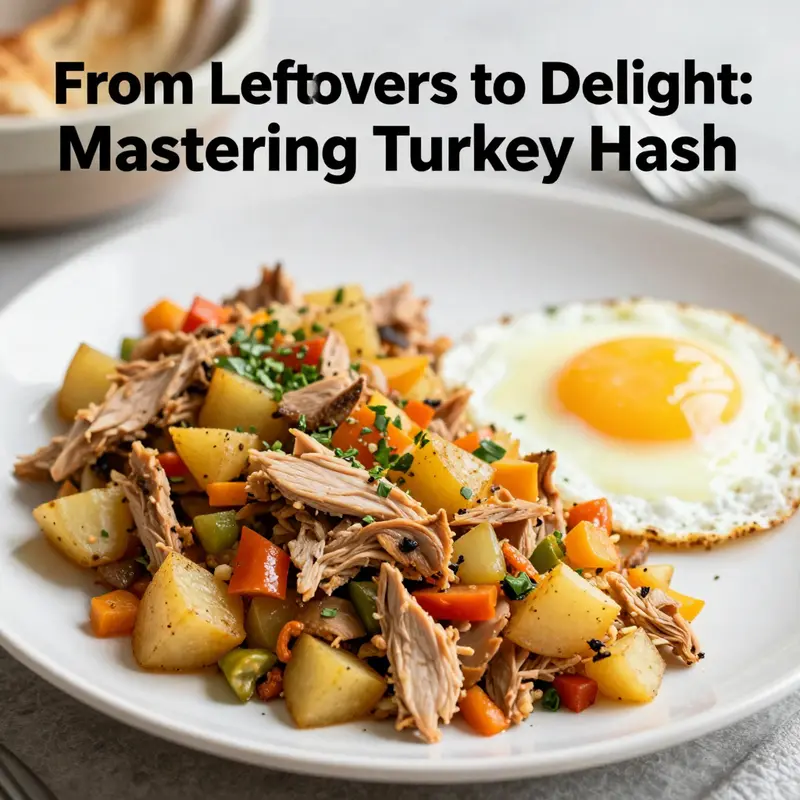
Turkey hash is more than just a way to use leftovers; it’s a chance to create a hearty, comforting dish that appeals to a wide range of palates. As business owners, understanding how to prepare a versatile turkey hash recipe can enhance your menu, optimize ingredient usage, and delight your customers. In the first chapter, we will explore the traditional preparation of turkey hash, emphasizing the classic techniques and ingredients that make this dish a timeless favorite. The second chapter will present creative variations, encouraging experimentation and adaptation in the kitchen, ultimately transforming turkey hash into an exciting culinary experience.
Hearty Leftover Classic: Mastering Traditional Turkey Hash
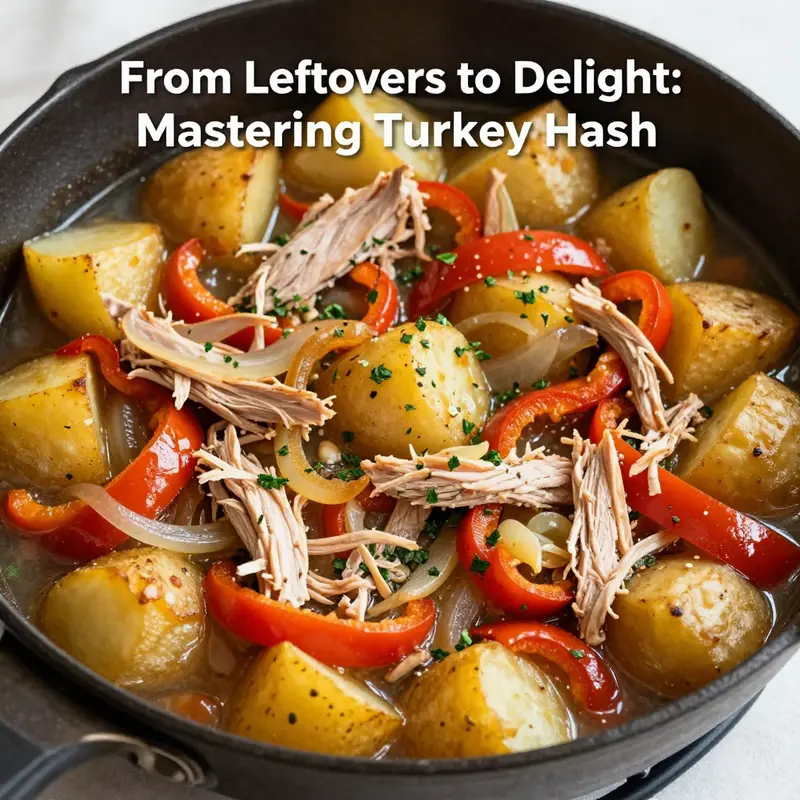
Traditional turkey hash is comfort food that balances thrift with flavor. It transforms cold, carved turkey into a hot, savory skillet meal. On its simplest level, it is diced or shredded turkey plus potatoes, onions, and seasonings. Yet the dish is far more than the sum of its parts. Technique, timing, and a few small choices make the difference between a dull reheated mix and a crisp, layered hash that sings. This chapter walks through those choices, explains why they matter, and offers practical ways to adapt the recipe to what you have on hand.
Start with the protein. Leftover turkey breast is ideal because it is lean and adapts well to pan-frying. Dark meat brings more flavor and moisture, so use a mix if you like richness. If the turkey is very dry, plan to add a splash of stock or a knob of butter during cooking. Cut the meat into roughly uniform pieces. Smaller pieces warm through quickly and develop more browned edges. Larger chunks keep texture. Either works; decide based on how long you want to cook the hash.
Potatoes are the backbone. Russet potatoes provide a fluffy interior and crisp edges, while Yukon Golds give a creamier bite. If you are short on time, already-cooked or leftover mashed potatoes can be shaped into small clumps and pan-seared for a different, silky texture. For diced raw potatoes, start them in hot oil or butter so they can brown before the turkey joins the pan. Parboiling the cubes for five to seven minutes shortens skillet time and helps ensure tender centers. Always dry the potatoes after parboiling to encourage browning.
Onions and aromatics set the dish’s savory base. Yellow onions work well for sweetness; red onions contribute color and a sharper bite. Bell peppers add sweetness and color contrast. Garlic belongs near the end of the aromatic stage so it doesn’t burn. If you like herbs, thyme or sage pair beautifully with turkey. Chop herbs finely and stir them in near the end of cooking to keep their freshness.
Fat choice matters. Butter gives a rich, classic finish and helps the potatoes brown. A neutral oil with a high smoke point, like vegetable or light olive oil, tolerates higher heat. Many cooks prefer a combo: start with oil to crisp the potatoes, then finish with butter for flavor. If using very lean turkey, a spoonful of butter at the very end boosts mouthfeel.
Season simply but deliberately. Salt and pepper are essential. A blend that mimics poultry seasoning—dried thyme, rosemary, and a hint of sage—works well. Paprika adds color and warmth. Sprinkle spices early enough to toast and bloom, but not so early that they burn. Taste before serving and correct the seasoning; turkey can absorb salt, especially if you used low-sodium stock.
The cooking sequence controls texture. Begin by heating fat over medium heat, then soften the onions and peppers until translucent. Move them to the pan’s edge while the potatoes brown. Patience pays here: resist stirring constantly. Letting the potatoes develop a good crust creates contrast between tender center and crisp exterior. Once the potatoes have color, add the turkey and a little stock. The liquid helps the flavors meld and prevents the hash from drying, but use it sparingly. Too much liquid will steam the ingredients and ruin the crispness.
After adding a splash of stock, cover and simmer briefly to heat everything through and allow flavors to marry. This step takes only a few minutes if your turkey was already cooked. Uncover and raise the heat slightly to evaporate excess liquid and re-crisp the potatoes. Stir occasionally to encourage even browning and prevent sticking. If you want a deeper sear, transfer the skillet to a hot oven for five to seven minutes. An oven-safe pan finishes the hash beautifully and frees you to prepare eggs or garnishes.
Eggs are traditional and elevating. You can fry, poach, or make wells in the hash and bake eggs to the desired doneness. The runny yolk serves as a glossy, savory sauce that ties the dish together. For a brunch-style presentation, place a poached egg atop each serving. For a heartier dinner, serve the hash alongside steamed greens or a crisp salad to balance richness.
Make it your own. Add vegetables on hand: diced celery for crunch, mushrooms for umami, or frozen peas for bursts of color. A spoonful of Dijon mustard stirred into the stock brightens the flavor. For a smoky note, use smoked paprika or add a small amount of cooked bacon or pancetta early in the process. If you prefer heat, a diced jalapeño or a pinch of red pepper flakes will wake up the palate.
Leftover strategy is key. This dish was born to use leftovers, and it rewards wise preparation. If you roast a turkey with the intent to make hash, reserve portions of breast and dark meat separately. Keep skinless breast in larger pieces so the meat doesn’t dry out from overbrowning. Save pan drippings or strain off a little fat to help brown the potatoes with extra flavor. If you often have leftover rotisserie bird, you’ll find techniques overlap; see this collection of leftover rotisserie chicken recipes for inspiration on repurposing cooked poultry.
Storage and reheating matter for safety and texture. Cool the hash quickly and refrigerate in a shallow container for up to four days. Reheat gently in a skillet over medium heat with a teaspoon of oil or a splash of stock. For better texture, spread the hash in an even layer and allow it to brown again instead of microwaving. Freeze portions for longer storage. Wrap tightly and freeze for up to three months. Thaw overnight in the refrigerator before reheating.
If you want to scale the recipe, maintain the ratio of starch to protein and adjust seasonings last. A very turkey-forward hash benefits from a little extra fat and acid to keep flavors lively. Lemon zest or a dash of vinegar brightens the finished dish. For a gluten-free or low-sodium version, use certified gluten-free stock and moderate added salt.
Small technique touches make a big difference. Use a heavy skillet to ensure even heat. Keep the pan hot enough to brown without burning. Stir with a wooden spoon to avoid crushing the potatoes. If the hash looks dry at any point, add a tablespoon of stock; a dry hash will taste dull. Finish with a spritz of acid, a scatter of chopped parsley, or a drizzle of high-quality olive oil for shine.
Traditional turkey hash is both forgiving and rewarding. It honors thrift by turning leftovers into something new. It welcomes experimentation, which keeps it fresh in your weekly rotation. Master the basic sequence—brown aromatics, crisp potatoes, fold in turkey, meld flavors with a splash of liquid—and you will consistently produce a satisfying, balanced hash. Whether served as a cozy dinner or a leisurely brunch, the dish proves that simple ingredients, treated with care, deliver deep, comforting flavor.
Twists for Turkey Hash: Creative Variations to Turn Leftovers into Bold, Seasonal Meals
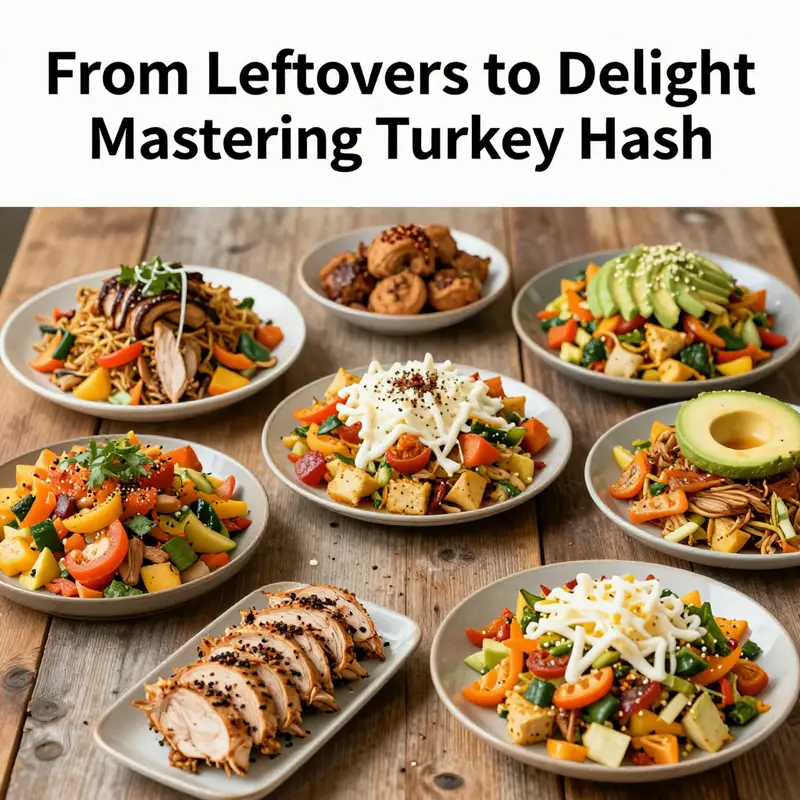
Turkey hash is a forgiving canvas. It welcomes a range of flavors, textures, and pantry swaps. Start with the basics: cooked turkey, a starchy vegetable, aromatics, fat for browning, and a splash of liquid to knit everything together. From that foundation you can pivot toward smoky, bright, spicy, or herb-forward directions. This chapter explores imaginative variations, practical techniques, and finishing ideas that elevate a simple turkey hash into reliable weeknight food or a show-stopping brunch centerpiece.
One way to push a turkey hash is to borrow flavor ideas from other turkey dishes. Think of the bold spice layering found in turkey chili or the umami and herbs in sausage-forward recipes. Use those profiles as guides rather than rules. For example, a Smoky Turkey & Sweet Potato Hash trades russets for sweet potatoes and leans into smoked paprika and cumin. Dice the sweet potatoes into even pieces so they cook uniformly. Brown the turkey well first to build savory notes. Add a small spoon of tomato paste and a splash of broth to deepen the flavor, then finish with chopped cilantro and a crisp, cumin-scented topping for contrast.
If you want a breakfast-focused hash, amplify textures and add creamy and acidic elements at the finish. Crisp the potatoes and vegetables until the edges caramelize. Create shallow wells and bake eggs directly in the hash. A dollop of plain yogurt or a smear of mashed avocado brightens the plate. Swap smoked paprika for a pinch of chipotle powder for gentle heat. Toss in kale or spinach at the end for color and a nutrient boost. The key is timing: cook leafy greens just until wilted to preserve their texture.
For a Mediterranean spin, bring forward herbs and citrus. Use diced Yukon gold potatoes for a buttery mouthfeel. Sauté shallots and garlic, then add chopped roasted bell peppers, black olives, and capers. Stir in shredded turkey and a handful of chopped parsley and dill. Finish with lemon zest and a drizzle of good olive oil. If you want heartiness, crumble and brown turkey sausage, or mimic its seasoning by adding fennel seed, smoked red pepper, and a touch of red wine vinegar. This direction honors the herb-forward sensibility of many Mediterranean plates while keeping the hash format intact.
Looking for something warm and comforting with a global twist? Try a curried turkey hash. Use yellow or red curry powder, turmeric, and a pinch of garam masala. Start with onions and ginger, then add diced potatoes and turmeric. When the potatoes are nearly tender, fold in the turkey and peas. A splash of coconut milk at the end brings silkiness and balances heat. Finish with fresh cilantro and a squeeze of lime. Serve with warm flatbreads or steamed rice for a quick, complete meal.
A Mexican-inspired turkey hash channels chili flavors without becoming soup. Sear ground turkey with onions and garlic until deeply browned. Add diced potatoes and green chiles, then season with cumin, oregano, and a mild chili powder. Stir in black beans for fiber and body. When the potatoes are tender, top with crumbled cheese, pickled red onions, and chopped cilantro. Serve with warmed corn tortillas or over a bed of greens for a lighter option.
Vegetable-forward variations let the turkey play a supporting role. Swap in cubes of roasted cauliflower, butternut squash, or mushrooms to add umami and volume. For a lower-carb meal, replace potatoes with rutabaga or turnip cubes blanched briefly before pan-frying. Beans and lentils also bulk up the hash and make it more filling when turkey is sparse. These swaps are useful when adapting to seasonal produce or pantry constraints.
To mimic the richness of turkey sausage, build seasoning layers early. Brown minced shallot and garlic in fat, then add fennel seed, smoked paprika, and crushed red pepper. Toast spices briefly to release their oils. Add turkey and cook until it develops color. A small amount of tomato paste adds depth. This technique delivers that sausage-like profile without the processed binder or casing.
Texture is as important as flavor. Crisp edges and contrasting crunch lift any hash. Use a heavy skillet to maximize contact with the pan. Cook in batches if needed to avoid overcrowding. Once the potatoes are tender, remove the lid to encourage browning. If you like an extra crunchy top, sprinkle crushed tortilla chips, panko, or crisped cumin-cilantro crumbs during the last minutes of cooking. A quick broil will finish the top evenly.
Liquid control matters. Too much liquid yields stew, not hash. Add just enough broth or water to help the potatoes cook. Once tender, lift the lid and allow excess liquid to evaporate while stirring occasionally. For a cohesive dish, stir in a tablespoon of butter or a splash of olive oil at the end. This binds the ingredients and adds sheen.
Seasoning strategies are simple but effective. Layer salt during the cooking process, not just at the end. Taste as you go. Bright finishing acids—lemon, lime, or a vinegar—heighten flavors. Fresh herbs add lift; hearty herbs like thyme and rosemary pair well with roasted vegetables, while parsley, cilantro, and dill offer brightness.
Consider dietary swaps without losing texture. For a gluten-free hash, use plain crushed corn chips or toasted nuts instead of panko for crunch. For a lighter version, roast the potatoes instead of pan-frying, then combine with quickly sautéed aromatics and turkey. If you need a high-protein, lower-carb meal, increase the turkey and add more non-starchy vegetables.
Think beyond dinner. Turkey hash makes an excellent filling for stuffed peppers, an egg muffin base, or a hearty topping for baked sweet potatoes. It also transitions well into casseroles. Layer a pan with hash, top with a beaten-egg and milk custard, sprinkle cheese, and bake until set for a brunch-ready strata.
Storage and reheating are straightforward. Cool the hash quickly and refrigerate within two hours. Stored properly, it keeps for three to four days. Reheat gently in a skillet over medium heat. Add a splash of water or broth if it seems dry. For faster reheating, microwave in short bursts, stirring between them. To revive crispness, finish in a hot skillet for a minute or two.
If you want inspiration from other turkey dishes, browse recipes that pair turkey with beans, peppers, and bold spices. For example, explore ground turkey and rice recipes that use similar seasonings and techniques. They can spark ideas for textures and spice blends to try in your hash: ground turkey and rice recipes.
These creative variations share a few core principles. First, build layers of flavor early. Second, control moisture to maintain texture. Third, finish with contrasting elements—creaminess, acidity, herbs, or crunch. Use leftover turkey to save time, or brown fresh ground turkey for a quicker base. With these guidelines, you can craft countless turkey hashes that meet seasonal, dietary, and taste preferences. For more ideas on flavor foundations and spice layering, a well-tested turkey chili recipe offers excellent inspiration and techniques for seasoning and balance: https://www.bonappetit.com/recipe/turkey-chili.
Final thoughts
Embracing the turkey hash recipe in your culinary repertoire allows you to minimize waste while maximizing flavor and satisfaction. Not only does this dish offer a comforting, nostalgic experience, but its versatility means it can be transformed to suit any seasonal ingredient or customer palate. From traditional preparations to innovative twists, turkey hash can play a significant role in enhancing your menu and appealing to a diverse clientele. Encourage your kitchen team to experiment with flavors and presentation, making turkey hash a signature element of your offerings.