
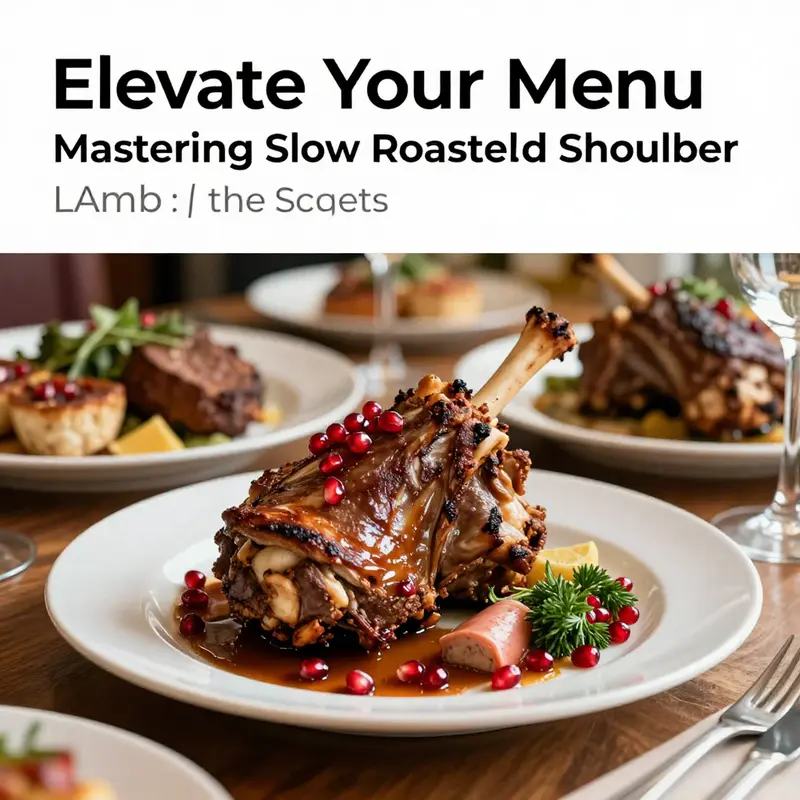
Slow-roasted lamb shoulder is not just a culinary delight; it’s a dish that embodies sophistication and flavor, making it a staple in high-end restaurants and family feasts alike. The method of slow roasting imbues the meat with a depth of flavor that mere minutes in the oven cannot achieve. For business owners in the culinary space, understanding the nuances of marinating, cooking, and presenting this dish can set your establishment apart in a crowded market. This article delves into effective marination techniques, precise cooking methodologies, and ideal flavor pairings for slow-roasted lamb shoulder, giving you the tools to impress customers and elevate your menu offerings.
From Marinade to Melt: Deep Flavor and Tender Texture in Slow-Roasted Lamb Shoulder
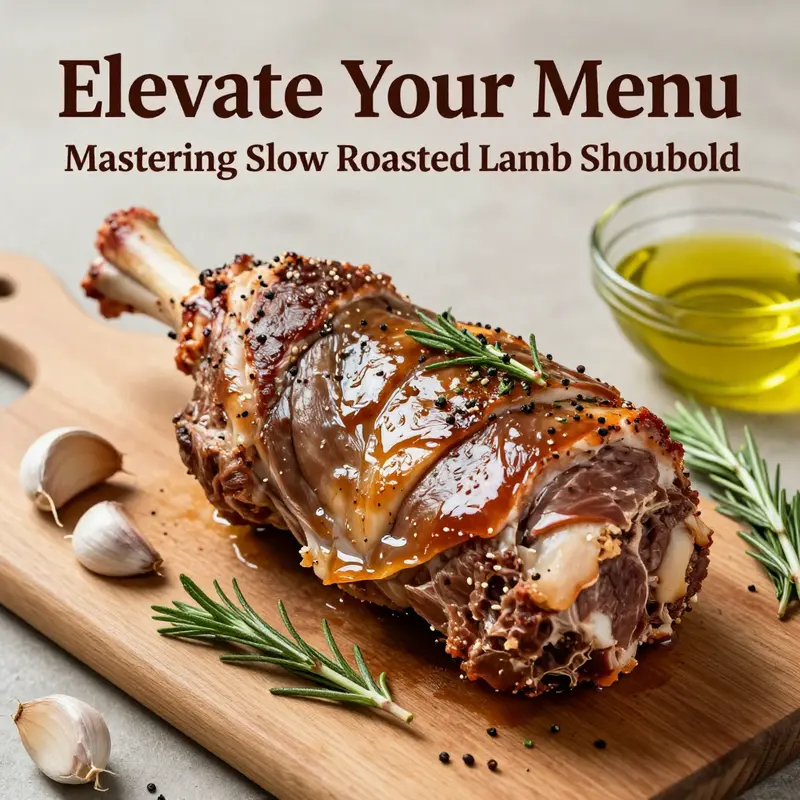
The richness of slow roasted lamb shoulder begins long before the oven sighs to life. It starts with a marinade that does more than perfume the meat; it helps to coax tenderness from dense muscle and fat, inviting the shoulder to yield under gentle heat rather than fight against it. In a dish where time is the principal seasoning, the marinade becomes the bridge between raw flavor and a finished cut that carves itself into the memory of a meal. A well balanced wet marinade penetrates deeply, reaching the core of the shoulder to lay down a foundation of moisture, brightness, and aroma that can carry the meat through hours of low heat without drying out or becoming dull.
The essential elements of this wet marinade work in concert. Olive oil is not merely a carrier; it anchors moisture within the meat and helps the flavor stick as the surface browns. Lemon juice provides acidity that softens connective tissue and loosens the toughness of the shoulder without tipping into overpowering sharpness. Garlic brings a deep, almost mineral sweetness that becomes sweeter and more nuanced as it roasts. Fresh oregano contributes a piney, green brightness that cuts through the richness, while Dijon mustard acts as an emulsifier. The mustard binds the oil and the acid together around the meat fibers, promoting an even coating and a cohesive flavor profile as the roast progresses.
To transform these ingredients into a marinade that can truly permeate the shoulder, timing is everything. A minimum of six hours is advisable, though overnight in the refrigerator is ideal. During that period, the meat should rest in a shallow bath of oil, lemon, and herbs, the garlic releasing its aroma slowly as the citrus loosens the proteins. When ready to cook, the lamb should be removed from the marinade and patted dry. This dry surface is not a failure but a deliberate step to encourage browning and the formation of a flavorful crust under heat. If the plan is to protect the meat during the early stages of roasting, wrapping the shoulder in foil helps to retain moisture. The foil acts as a gentle shield, allowing the interior to warm evenly while the surface slowly develops.
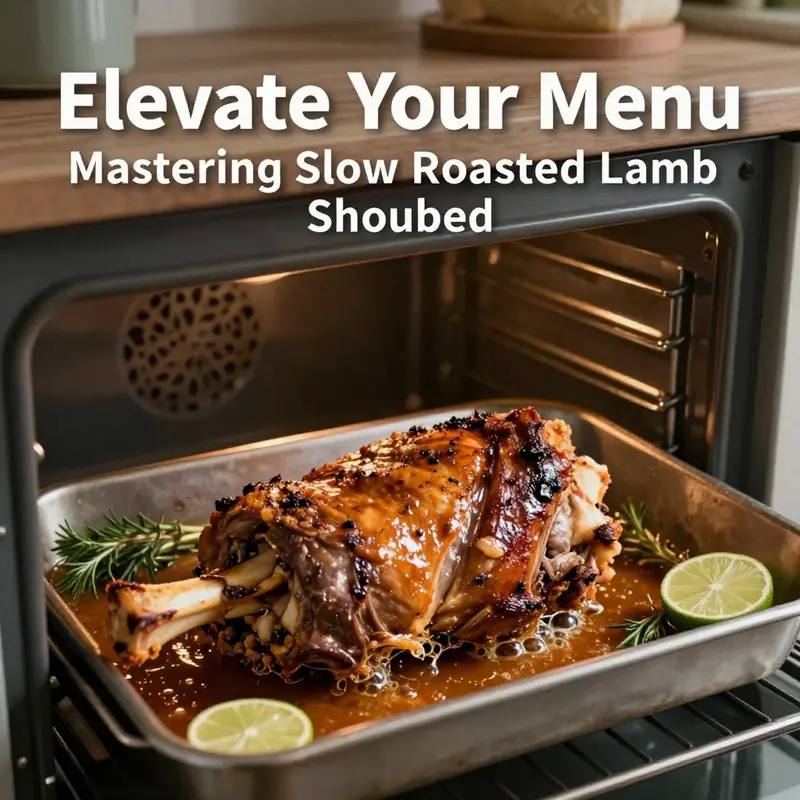
And then the real work begins: the slow roast. A low oven, around 160°C, creates a patient environment in which fat renders gradually and collagen relaxes into melt-in-your-mouth tenderness. For the shoulder, the initial phase of roasting—roughly three hours—offers a quiet build, a time when the meat gathers flavor without risking dryness. After those hours pass, the foil can be removed to invite a more robust surface. The roast continues for another two hours, a period during which whole garlic cloves and slices of lime can be added to perfume the air with citrusy warmth. These additions are not merely embellishments; they are deliberate accents that widen the aroma spectrum and balance the meat’s natural richness.
This is the beauty of slow roasting: it creates a texture that is almost velvet, a contrast between the tender, pull-apart meat and a crackly, caramelized crust that holds up to slicing and serving. The fat, rendered at a gentle pace, serves as a natural bast and flavor carrier, preserving juiciness and giving the meat a succulent bite. The result is a lamb shoulder with depth and complexity that a quick roast cannot replicate. The acidity of the marinade remains a quiet undertone that keeps the dish from tipping toward heaviness, while the herbaceous notes from oregano and the citrus lift the overall profile, so the dish feels bright even as it sits in the warm crust of its own savor.
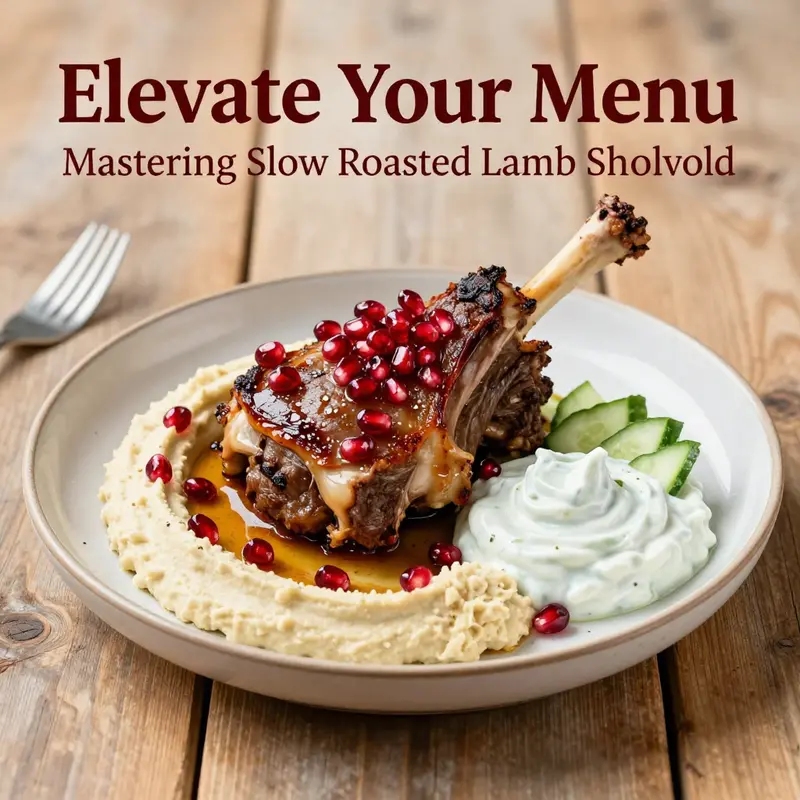
Plating this dish can be as simple or as ceremonial as the moment allows. A scatter of pomegranate seeds introduces a pop of color and a bright tart sweetness that contrasts with the lamb’s richness. A side of hummus made with tahini offers a nutty, creamy counterpoint while a cucumber yogurt dip adds coolness and a touch of tang. These accompaniments are not afterthoughts; they are flavor partners designed to balance the meat and enhance the dining experience without overshadowing the centerpiece. The visual appeal matters as much as the taste, and a platter that glows with color invites a slower, more mindful tasting.
For cooks seeking a broader context for this technique, look to Mediterranean lamb preparations that echo the same principles of slow cooking, careful seasoning, and careful balance of bright and earthy flavors. A reference point you can explore is a collection such as Mediterranean lamb recipes, which captures a family of approaches that share the same core ethic: let the ingredients speak softly at first, then unleash them with heat and time. Mediterranean lamb recipes invites you to consider how herbs, citrus, and olive oil can interplay with lamb across different regional palettes, enriching your own marinade and roasting method without drifting away from the essential slow roast.
Preparation is a careful ritual rather than a single act. The marinade is not an afterthought but a core step that defines the dish. The roasting strategy—low heat, a covered start, a gradual uncovering—mirrors a philosophy of cooking that respects the meat and its flavors. The outcome is a lamb shoulder that remains juicy and tender, with a crust that offers that satisfying crack when you cut in. It is the kind of dish that rewards patience, technique, and a willingness to let time artfully do its work. The marinade, with its precise balance of oil, acid, and aromatics, primes the meat to respond to heat in a way that creates a layered, evolving flavor profile. And the slow finish, with the citrus and garlic mingling in the open air of the roasting pan, ensures the aroma becomes a memory as much as a taste.
For those who want to deepen their understanding of the science behind these techniques, a trusted external guide offers tested methods and practical insights into lamb shoulder roasting. This additional resource provides a philosophical and technical companion to the steps outlined here, helping to translate the art of marination and slow roasting into repeatable results in a home kitchen. See https://www.seriouseats.com/recipes/2018/05/lamb-shoulder-roast-recipe.html for a detailed, technique-forward walkthrough that aligns with the approach described in this chapter.
Slow and Certain: Mastering the Cooking Method for an Unrivaled Roast Lamb Shoulder
Sous Vide vs Oven Braise: Choosing the Right Slow‑Roast Path
The central idea behind a perfect slow roasted lamb shoulder is simple: time and gentle, steady heat turn collagen into silk. Collagen, abundant in shoulder cuts, needs low temperatures and patience to become gelatin. When this happens, muscle fibers separate and the meat becomes tender, juicy, and richly flavored. Two reliable approaches achieve this: precise sous vide and traditional oven braising. Both honor the same science, but they differ in control, texture, and finishing techniques.
Begin by thinking like a cook and a scientist. Season the meat boldly. Coarse salt, cracked black pepper, and aromatic herbs such as rosemary and thyme anchor the lamb’s flavor. Garlic adds depth. Olive oil or a thin smear of mustard helps herbs cling and promotes browning later. A short marinade of two hours improves surface seasoning; overnight is even better for deeper aromatic penetration, without masking the lamb’s natural character.
Sous vide offers exact temperature control. Place the seasoned shoulder in a vacuum bag with a few sprigs of herbs and possibly a halved garlic bulb. Set the water bath to 60°C (140°F) for a tender, shreddable texture that still holds shape, or slightly lower for a silkier mouthfeel. Cook for 16 to 24 hours. The long bath slowly hydrolyzes collagen into gelatin while preserving juices. Because the water bath prevents evaporation, the interior stays uniformly cooked.
After the bath, remove the meat and reserve the cooking juices. Pat the shoulder dry with paper towels. A dry surface is essential for a fast, effective sear. Heat a heavy pan until it smokes slightly, or use a very hot broiler at 230°C (450°F). Sear the shoulder for one to two minutes per side to trigger the Maillard reaction. This quick caramelization adds savory complexity and a deeply colored crust while the interior remains perfectly cooked. Rest briefly, then shred or slice as needed.
Oven braising creates deeply savory meat and a more integrated sauce. Start by searing the shoulder in a heavy ovenproof pot until a rich brown crust forms. Remove the meat, briefly sweat aromatics like onions, carrots, and garlic, and deglaze the pan with a splash of wine or stock. Add herbs and enough liquid to come two thirds up the meat. Cover tightly and transfer to an oven at 140°C (285°F). Cook for three to four hours. The low heat and moist environment convert collagen to gelatin, producing tender, falling-apart meat with a sauce that is ready-to-reduce.
Check braising liquid periodically. If levels drop too low, top up with stock. When the meat yields to a gentle nudge of a fork, it is done. Remove the shoulder and allow it to rest. Skim fat from the surface of the braising liquid and reduce it on the stove until it thickens and concentrates. Finish the sauce with a knob of butter or a splash of acidity, like lemon juice or a dash of pomegranate molasses, to balance richness.
Both approaches depend on two shared principles: slow collagen conversion and a final searing or reduction to develop flavor. Sous vide excels in precision. It gives consistent texture from edge to edge and minimizes risk of overcooking. Oven braising, however, builds flavor in the pan. The fond—the browned bits left after searing—dissolves into the braising liquid. That creates a sauce with layered umami and depth.
Small techniques make large differences. For sous vide, add aromatics directly to the bag but avoid too much liquid inside. Excess moisture can dilute surface flavors and hinder browning later. For oven braising, sear in batches to avoid steaming; a crowded pan prevents proper browning. Use a heavy pot with a tight lid to maintain humidity. A roasting thermometer offers reassurance; when braising, internal temperature becomes less important than fork tenderness.
Searing is not just cosmetic. The Maillard reaction creates hundreds of new flavor compounds. For the best crust, ensure the meat surface is dry and the fat is hot. If you braised, reserve and reduce the liquid, then spoon it over the meat after a brief blast under the broiler. If you sous vide, sear in a smoking-hot pan or use a blowtorch for spot charring. Either way, preserve the interior’s juiciness by limiting sear time.
Resting matters. After cooking, let the shoulder sit for 15 to 30 minutes. Resting allows gelatin to redistribute and juices to settle. If you carve immediately, juices run out and the meat dries. For pulled preparations, rest still improves shreddability and mouthfeel. When carving, cut across the grain for the most tender bites.
Safety and practical timing: long, low‑temperature cooks require food safety awareness. Sous vide at 60°C for 16+ hours is safe when performed correctly because time and temperature together eliminate pathogens. When in doubt, follow established guidelines or use slightly higher temperatures for shorter times. For oven braises, ensure the internal temperature reaches safe ranges and that acid or alcohol in the braising liquid is supplemented with adequate cooking time.
Consider texture and service. If you want uniform slices for a composed plate, sous vide yields consistent doneness and a delicate interior texture. For rustic platters or sandwiches, oven braise produces shreddable meat intertwined with a richly reduced sauce. Both methods pair well with bright, acidic garnishes. Pomegranate seeds, lemon, or a fresh herb vinaigrette cut the lamb’s richness. Creamy sides—such as a tahini-based hummus or cucumber yogurt—balance lipid and spice, creating contrast on the plate.
Finish with intention. Glaze the meat lightly with the reduced braising liquids. Scatter fresh herbs and a small handful of seeds for texture. If you used sous vide, spoon a concentrated pan sauce over the seared shoulder. Serve warm and let guests pair bites with cooling dips.
For wider inspiration on herb combinations, regional seasonings, and side ideas that complement slow roasted shoulder, explore Mediterranean lamb recipes which echo similar flavor themes and pairings. The Mediterranean approach often highlights lemon, garlic, and mint, aligning perfectly with slow-cooked shoulder preparations: https://meatrecipesblog.com/mediterranean-lamb-recipes/
The last word on methodology is patience and respect for process. Whether you vacuum-seal and let time do the work, or brown, cover, and slide a pot into a low oven, the goal is the same. Convert collagen gently. Preserve moisture. Build flavor through browning and reduction. With these principles, the lamb shoulder becomes more than a roast; it becomes a centerpiece of texture, aroma, and balanced taste.
External reference: BBC Good Food’s guide to slow-roast lamb shoulder provides practical temperature and timing notes that align with these methods. https://www.bbcgoodfood.com/howto/guide/how-cook-lamb-shoulder
Building Bright Contrast: Pairing and Presenting Slow-Roasted Lamb Shoulder
The slow-roasted lamb shoulder arrives at the table as a study in contrasts—melted fat and silk-tender meat against a caramelized crust, deep savory notes against a crisp, bright finish. How you pair flavors and present the joint will determine whether the dish feels rustic and homey or refined and restaurant-ready. The goal is simple: amplify the lamb’s natural richness while offering refreshing, crunchy, and acidic elements to balance each bite.
Start with the herbs and aromatics that live naturally with lamb. Rosemary and thyme are classic choices because they echo the meat’s depth. Scatter whole sprigs across a warm platter or tuck them into carved slices to release aroma as plates move. Fresh garlic, roasted until sweet, provides backbone without dominating. For brightness, a last-minute drizzle of fresh lemon juice lifts the palate. Zest and thin slices of citrus add perfume without adding weight. These small touches keep the experience lively across multiple courses.
Balancing the shoulder’s unctuous texture requires acidity and texture contrasts. Pomegranate seeds are a standout. Their jewel-like bursts cut through fat and add visual drama. A spoonful of pomegranate molasses offered on the side introduces a sweet-tart counterpoint that complements the lamb’s savoriness. Similarly, a reduced balsamic or a light red-wine jus lends a glossy finish and a touch of tang. Serving these on the platter, in little bowls, or as a thin ribbon across the meat invites guests to layer flavors themselves.
Sweet accents can be used sparingly to create complexity. Roasted root vegetables—carrots, parsnips, beets—bring caramelized sugar notes that blend with the meat without making it cloying. Dried apricots or figs can be warmed in a little stock and placed near the lamb. Their honeyed chew offers contrast against tender shreds of shoulder. Think of these elements as seasoning by accompaniment; they should enhance rather than mask the meat.
Texture is as important as flavor. Crisp, bright components refresh the mouth between rich bites. A simple cucumber and yogurt dip, seasoned with mint and a touch of garlic, offers cooling creaminess and a clean, herbal finish. Hummus made with tahini introduces a nutty, smoky element that pairs naturally with lamb fat. For a spicier option, a mint-jalapeño chimichurri gives a green, acidic kick and a lively texture from minced herbs and garlic. Offer at least two sauces with different profiles—creamy and cooling, and acidic and herbaceous—so guests can change the character of each mouthful.
Think visually and compositionally when arranging the platter. Use a large, warm board or an oval platter to give the lamb room. Arrange carved slices in a loose fan. The fan invites eye movement and shows the rosy interior. Surround the meat with a ring of colorful roasted vegetables and a scattering of pomegranate arils. Add height with small bunches of herbs. Place sauces in shallow bowls for easy dipping and to keep the platter tidy.
Carving technique affects both presentation and mouthfeel. Carve against the grain into thick slices for elegant portions. Thicker slices highlight the silkiness of slow-cooked meat, while thinner shreds are great for sandwiches or mezze. Keep the knife work clean; ragged edges diminish the visual appeal. If serving the whole shoulder at the table, consider pre-slicing the first few pieces to demonstrate tenderness, then let guests help themselves. This approach combines spectacle with practicality.
Temperature plays a subtle role in perception. Serve the lamb warm, not piping hot. A slightly lower serving temperature accentuates aroma and flavor. Warm plates hold heat without overcooking. Vegetables are best served hot, while yogurt-based dips should be cool. This temperature contrast sharpens the impression of richness and makes each bite feel deliberate.
Garnish sparingly but with intent. Fresh sprigs of rosemary or thyme add color and scent. A light scatter of coarse sea salt flaked over the top provides small bursts of seasoning right before eating. For shine and a final layer of flavor, brush the crust lightly with a glaze—pomegranate molasses diluted with water or a shallow sweep of reduced stock—being careful not to drown the crisped edges.
Consider accompaniments that echo the meal’s cultural influences. A tahini-based hummus nods toward Mediterranean traditions, as do lemon-scented roasted potatoes and flatbreads. For a cohesive menu, explore other lamb recipes and sides that use similar herb and acid profiles. If you want inspiration for complementary dishes, consult Mediterranean lamb recipes to expand your options and curate a matching spread.
Portioning and pacing matter for a communal roast. A shoulder serves many; plan for one generous serving or two modest ones per person, depending on the rest of the menu. Place smaller bowls of accompaniments around the platter to avoid crowding. Encourage guests to build balanced bites—meat, a vegetable, a sauce, and a bright popping element, like pomegranate—so each mouthful delivers complexity.
For a more elevated service, add finishing touches that suggest technique. A shaving of aged hard cheese across a few slices introduces umami and a dry texture contrast. Toasted pine nuts or chopped pistachios scattered over the hummus create crunch and visual interest. A light dusting of sumac over the platter brings lemony tang and a subtle color contrast. These additions can transform a home-style roast into something polished and memorable.
Finally, think about how the dish sits in the broader meal. Slow-roasted lamb shoulder pairs well with refreshing salads, hearty grains, and rustic breads. It demands companions that can stand up to its depth. Keep the number of competing strong flavors small. Choose a couple of standout sides and execute them well.
Pairing and presentation are not mere embellishments. They are the means by which the slow-roasted lamb shoulder reaches its fullest expression. With considered contrasts—acidity, texture, herb freshness, and restrained sweetness—you turn a beautiful roast into a dining experience that feels intentional and complete.
Final thoughts
Slow-roasted lamb shoulder stands as a testament to the power of traditional cooking methods combined with modern culinary flair. From the carefully crafted marinade to the slow and steady cooking process, each step is crucial in developing the rich flavors that define this iconic dish. For culinary business owners, mastering this technique not only enhances your offerings but also elevates the dining experience for your customers. By understanding the art of marination, the science of cooking, and the elegance of presentation, you can transform a simple lamb shoulder into a memorable signature dish that draws patrons to your establishment time and time again.