
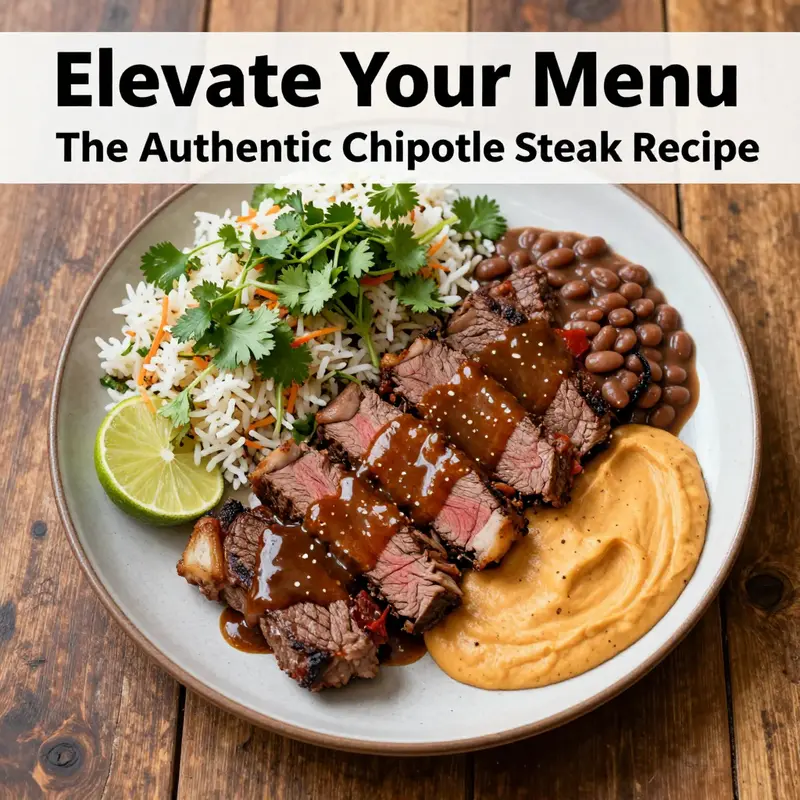
Chipotle steak has become synonymous with bold flavors and unforgettable dining experiences. For business owners looking to enhance their culinary offerings, understanding the intricacies of creating a signature Chipotle steak is essential. This recipe captures the essence of Chipotle’s famed dish through a blend of traditional cooking methods and distinctive seasoning strategies. The following chapters will delve into the necessary ingredients and preparation techniques for perfecting the dish, explore cooking methods that draw out optimal flavors, and provide serving suggestions that can elevate your menu and engage your customers.
Smoked Depth and Tender Truth: Crafting a Chipotle-Style Braised Steak
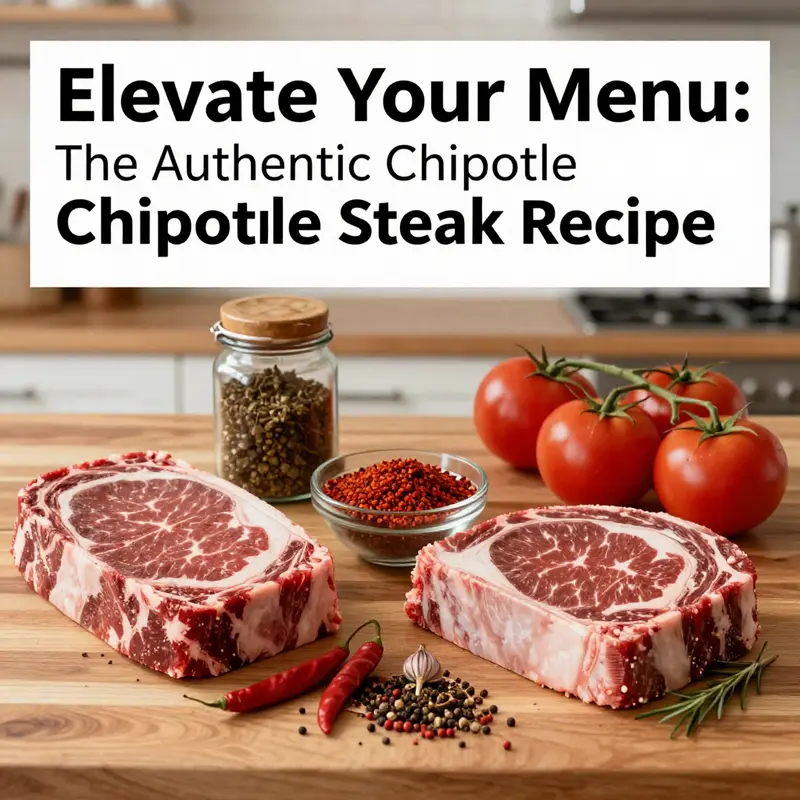
Braised to the point where the meat shatters with a fork, this Chipotle-inspired steak relies on a careful balance of smoke, bright acidity, and deep beefy richness. Start with a well-marbled cut, rub it with a warm blend of cumin, garlic powder, onion powder, oregano, crushed chipotle peppers, and salt, then sear to caramelize the surface. The braising liquid circles the steak with onions, garlic, low-sodium beef broth, tomato sauce, and a measured splash of apple cider vinegar, letting the adobo’s smoky peppers weave through the sauce without overpowering the beef. Slow simmer for two to three hours until the connective tissue dissolves and the sauce thickens to a lacquered glaze. Rest the meat, strain and reduce the braise to concentrate sweetness and tang, then slice against the grain and spoon the glaze over the slices with warm tortillas, rice, and beans. The science is simple: time converts collagen into gelatin, while the spices diffuse and bloom in a moist, hot environment, delivering a balanced profile where smoke, heat, and acidity harmonize rather than compete. For extra depth, a brief, hot sear at the outset adds a crusty edge that holds up to the long braise.
Sear, Smoke, and Rest: Technique-First Approach to Chipotle-Style Steak
Sear, Smoke, and Rest: Technique-First Approach to Chipotle-Style Steak
Mastering a Chipotle-style steak is more about method than a single ingredient. The restaurant’s signature flavor comes from layers: a bold spice rub, smoky chipotle heat, intense searing, and a final rest that lets juices settle. Focus on technique and you recreate that complex, smoky profile at home with either a high-heat sear or a slow braise, depending on the cut and desired texture.
Begin with the meat. Choose a well-marbled cut like flank, skirt, or sirloin. Marbling equals fat that renders during cooking. That fat delivers juiciness and amplifies umami. Trim only excess silver skin. Leave thin fat to baste the meat as it cooks.
Seasoning is both foundation and accent. A signature blend of kosher salt, black pepper, cumin, garlic and onion powders, dried oregano, and crushed chipotle provides the smoky backbone. Apply the rub generously and press it into the meat. Let it sit at room temperature for thirty minutes if you plan to sear. Resting at room temperature helps the steak cook evenly.
Decide on technique: quick, high-heat sear or slow, flavor-forward braise. The sear-and-grill method delivers a charred crust and a juicier interior. It lets the rub toast, releasing oils and aroma. The braise emphasizes tenderness and deeper, integrated flavors. Both are authentic paths to great results. Which you choose depends on time and the cut you bought.
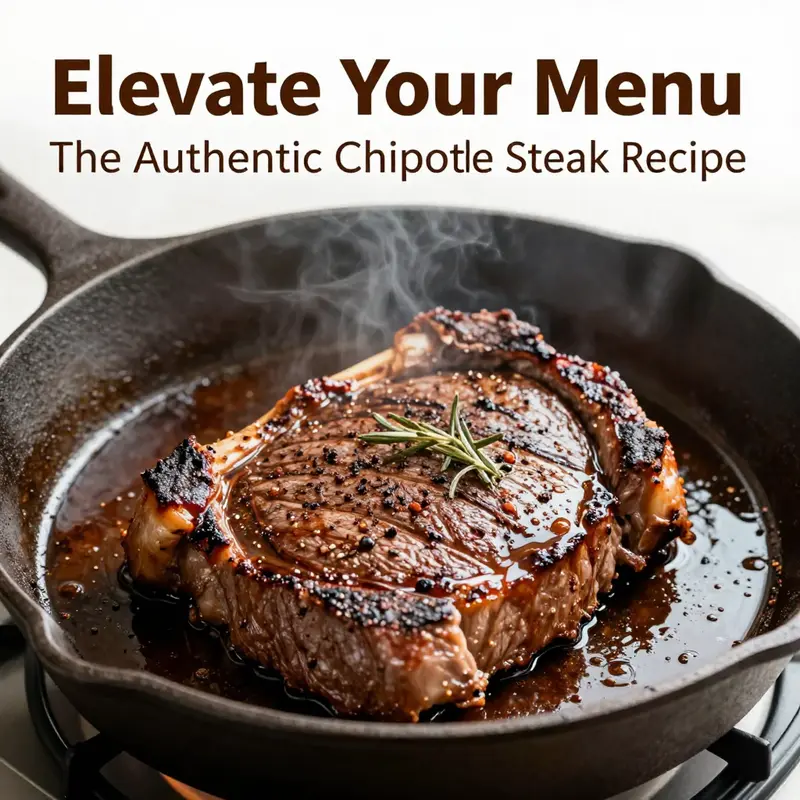
For the sear method, preheat a cast-iron skillet or a hot grill until it is smoking hot. A cast-iron pan mimics the heat distribution of an open flame. Oil the steak lightly rather than the pan. Place the meat on the hot surface and resist the urge to move it. Let a caramelized crust form before turning. That crust is a flavor concentrator. Sear two to three minutes per side for a medium-rare center on thin cuts. Thicker cuts will need a short roast in the oven after searing.
While searing, pay attention to smoke and timing. The rub contains sugars from tomato or adobo if you use a marinade. Those sugars burn quickly. Keep the heat high but controlled. If flames flare, move the steak off direct heat until the flare subsides. Use tongs to turn the meat. Avoid piercing it with a fork. Piercing lets flavorful juices escape.
If you opt for braising, start by building a braising liquid that echo the Chipotle profile. Combine chopped onions, smashed garlic, beef broth, tomato sauce, lime or apple cider vinegar, cumin, oregano, bay leaf, and chopped chipotle in adobo. Bring the mixture to a simmer and let it meld for fifteen minutes. Sear the seasoned steak briefly to add Maillard complexity, then nestle it into the braise. Cover and cook gently for two to three hours until fork-tender.
The braise method transforms tougher cuts into silky, shreddable meat. Collagen breaks down into gelatin. The result is meat that bathes in its own concentrated sauce. After cooking, remove the steak and reduce the braising liquid until glossy. Spoon the reduction over sliced steak for maximum impact.
Whether seared or braised, carry through these finishing steps. Rest the meat for five to ten minutes before slicing. Resting lets juices redistribute into the muscle fibers. Slice against the grain to shorten muscle strands. That simple cut multiplies tenderness in every bite.
Mind the role of acidity and heat balance. Lime juice or vinegar brightens the smoky, savory profile. Chipotle in adobo gives smoke and mild heat. Adjust the number of peppers or crushed chipotle to match your heat preference. A small amount of apple cider vinegar or fresh lime juice in the braising liquid will highlight the meat without overwhelming it.
Use your tools wisely. A cast-iron skillet or a heavy-bottomed pan gives reliable heat and a superior crust. A well-calibrated grill adds authentic char and smoke. If using a grill, sear over direct heat and finish over indirect heat to control doneness. A meat thermometer is invaluable: for medium-rare aim for 125–130°F before resting. For a slightly firmer result, target 135°F before resting.
Basting with a bit of the braising liquid or melted fat during searing adds gloss and layers of flavor. Spoon a tablespoon or two of hot liquid over the steak during the last minute of sear. That step brings any loose spices into alignment and develops a thin lacquer on the crust. For braised steak, reserve the reduced sauce to spoon over sliced portions.
Texture matters as much as seasoning. For flank or skirt steak, slice into thin ribbons across the grain. This makes each bite tender and perfectly suited for tacos, bowls, or salads. For thicker steaks, slice to the thickness you prefer, but always across the grain. If you plan to use leftovers, those thin slices are ideal for reheating quickly in a skillet or incorporating into quesadillas.
If you want to transform leftover steak into another meal, try a simple cheese-filled wrap. This useful repurpose highlights the steak’s smoky flavor. For inspiration, see this steak quesadillas recipe that turns slices into a new, satisfying dish: steak quesadillas recipe.
Small technique details make a large difference. Dry the steak before applying the rub for optimal browning. Use kosher salt for consistent salting. Turn the meat only once or twice to preserve crust. Let thin cuts rest briefly; thicker cuts need longer.
Finally, trust your senses. Look for a deeply browned crust, a fragrant spice aroma, and juices that run clear but plentiful. Taste a slice and adjust the sauce with a squeeze of lime or a pinch of salt. These small tweaks refine the final dish.
For a full, tested step-by-step approach that reflects these methods, consult this authoritative guide from a reputable culinary source: https://www.bhg.com/recipes/chipotle-steak/.
From Bowls to Tacos: Serving and Pairing Your Chipotle Steak
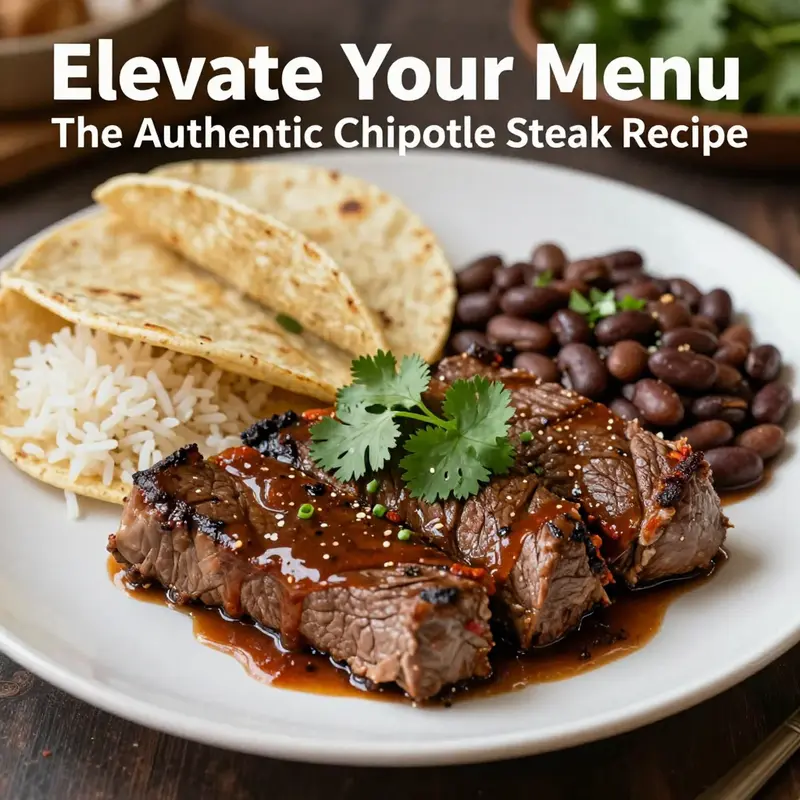
A versatile centerpiece that adapts to bowls, tacos, and shared plates. Your Chipotle Steak carries bold smoke, moderate heat, and deep savory notes. When serving, think in contrasts: a tender, juicy protein against bright, crisp, and creamy elements. Those contrasts let the steak sing without overpowering your guests.
Start with the foundation. Warm rice, particularly cilantro-lime rice, soaks up juices and balances heat. Plain white rice works too, if you prefer neutrality. For a lighter bowl, choose a bed of mixed greens or shredded romaine. The greens add freshness and a clean mouthfeel between bites. If you plan to make tacos or quesadillas, warm flour or corn tortillas first. A hot skillet or comal yields the best pliability and a hint of char.
Toppings should add brightness, texture, and cooling relief. A quick Mexican-style slaw with shredded cabbage, diced tomatoes, thinly sliced red onion, lime juice, and cilantro gives crunch and acid. Avocado slices or a simple guacamole add cool creaminess that calms the chipotle’s warmth. Pickled red onions bring tang and an attractive pink color. Crumbled queso fresco or a sprinkle of cotija lends salty, milky notes that balance spice.
Beans and corn are classic backdrops. Black beans, simmered with a little onion and garlic, provide an earthy, rich counterpoint. For a fresher side, toss roasted or grilled corn with lime, cilantro, and a pinch of chili powder. Combine corn and black beans into a salad with red bell pepper and scallions for color, texture, and protein variety. These sides keep the meal filling and complementary.
Sauce and pan juices matter. After braising, reduce the cooking liquid until it’s glossy and concentrated. Spoon this reduction over sliced steak just before serving. It intensifies the smokiness and ties all components together. For a creamy finishing drizzle, blend reduced braising liquid with sour cream or Greek yogurt. The dairy tempers heat and adds silkiness.
For tacos, slice the steak thinly across the grain. Pile two or three slices into warmed tortillas. Add slaw, avocado, and a squeeze of fresh lime. Offer a few sauces on the side: a bright tomatillo salsa for tang, a smoky chipotle crema for heat, and a mild avocado crema for cooling balance. If you want handheld decadence, crisp the tortilla edges in a skillet after assembling. They become slightly crunchy and very satisfying.
Bowls invite customization. Layer rice or greens, roasted vegetables, a generous portion of sliced steak, and beans. Top with slaw, avocado, pickled onion, and herbs. A final squeeze of lime wakes the flavors. Offer lime wedges, extra crema, and chopped cilantro at the table so diners can adjust spice and acidity.
Quesadillas are an indulgent option. Use shredded steak, melted cheese, and a scatter of diced jalapeño. Fold and toast until golden, then slice into wedges. Serve with pico de gallo and a dollop of guacamole. For a ready guide, try an established steak quesadillas recipe as inspiration if you want exact ratios and techniques.
Side vegetables amplify the meal. Grilled peppers, charred zucchini, and caramelized onions pick up the steak’s smoky profile. Roasted sweet potatoes or a chipotle-sesame slaw add sweet and nutty contrasts. A simple chopped tomato and cilantro salad adds juiciness and freshness.
Beverages play a role in balancing heat. A classic lime-based cocktail pairs well with the steak’s acidity and smoke. For beer lovers, light lagers and amber ales soothe spice without masking flavor. Non-alcoholic options include sparkling water with citrus, iced hibiscus tea, or a lightly sweetened agua fresca. These drinks refresh the palate between bites.
Portioning and timing matter for gatherings. Plan on 6 to 8 ounces of cooked steak per person for plated meals. For taco nights, 3 to 4 ounces per person usually suffices when many sides are offered. Keep the steak warm in a low oven or covered on the counter while you finish the sides and sauces. Let sliced steak rest briefly before serving. Resting preserves juices and gives you cleaner slices.
Visual presentation elevates enjoyment. Use bowls with high sides for layered presentations. Serve tacos on a wooden board with citrus wedges and small bowls of condiments. Garnish plates with sprigs of cilantro and a light dusting of smoked paprika for color. A final drizzle of reduced braising liquid ties the plate together and adds sheen.
For make-ahead plans, braise the steak a day ahead. Refrigerate the meat in its reduced braising liquid to deepen flavor. Reheat gently in a low oven or on the stovetop with some reserved liquid to prevent drying. Leftovers are excellent folded into tortillas, tossed with pasta, or used in a breakfast scramble.
Adapt the meal to dietary needs quickly. Offer corn tortillas and dairy-free crema for gluten- and dairy-sensitive guests. Swap the rice for cauliflower rice to reduce carbs. Add extra grilled vegetables and a bean salad to keep things filling for vegetarians at the table.
When hosting, create a serving station. Place steak, tortillas, rice, beans, and all toppings in separate dishes. Label the sauces and highlight heat levels so guests can choose. This approach encourages experimentation and makes plating effortless.
Finally, focus on balance and restraint. The steak is robust and smokey. Pair it with fresh, acidic, and creamy elements to create contrast. Textural variety—crisp slaw, creamy avocado, tender steak—keeps each bite interesting. With these pairings and serving ideas, your Chipotle Steak becomes the flexible, crowd-pleasing star of any meal.
External resource for seasoning insights: https://www.bhg.com/recipes/chipotle-steak-seasoning/
Final thoughts
In conclusion, the Chipotle steak recipe not only embodies a fusion of flavors and culinary traditions, but it also represents an excellent opportunity for business owners to elevate their offerings and attract discerning customers. By carefully selecting ingredients, employing specific cooking methods, and presenting the dish with thoughtfulness, restaurateurs can recreate not just a meal, but an experience that keeps patrons coming back. Embracing this recipe within your menu highlights a commitment to quality and authenticity that sets your establishment apart.