
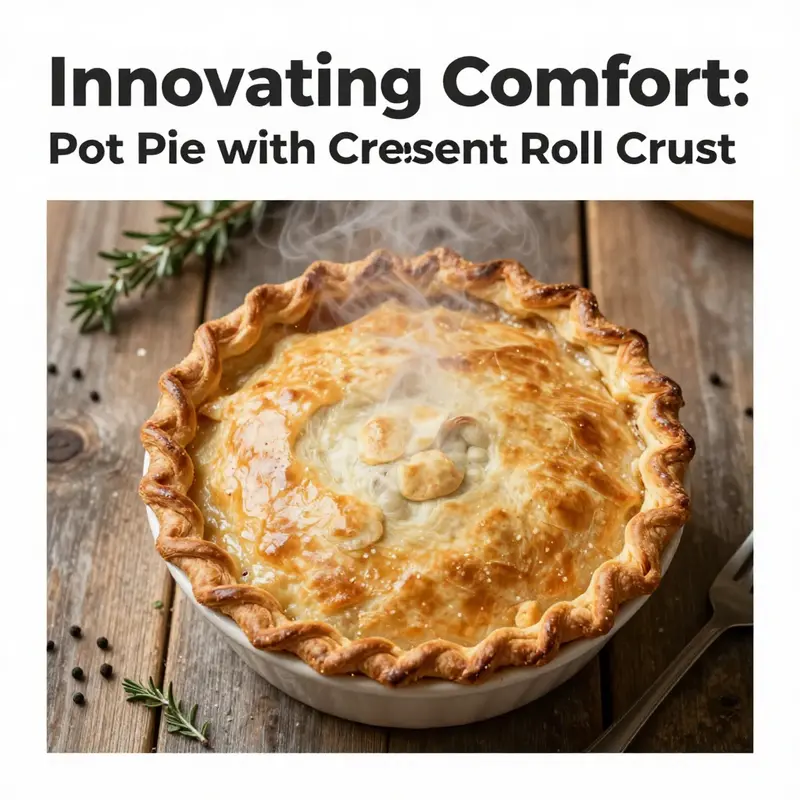
Pot pies represent a timeless comfort food, embodying warmth and satisfaction in every bite. However, the classic preparation can often be time-consuming, leading to alternatives that combine tradition with convenience. The pot pie with crescent roll crust offers a delightful solution, utilizing the flaky texture of canned crescent rolls for a quick and easy topping. This approach not only enhances the dish with buttery flavors but also saves precious preparation time. This article will delve into the preparation techniques that ensure success in crafting this dish, explore flavor profiles that can elevate your pot pie, and present serving suggestions and variations to keep your menu exciting and engaging.
Crescent Comfort: Crafting a Flaky Pot Pie Top with a Crescent Roll Crust
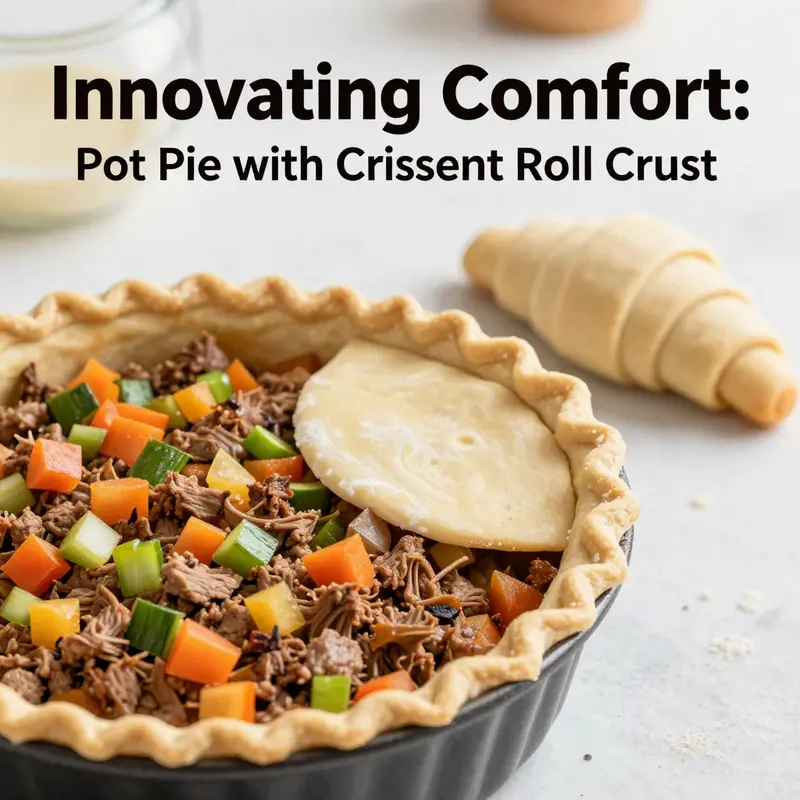
The kitchen fills with the familiar aroma of butter and warm dough as it often does with comfort foods that arrive on a weeknight with the ease of a well-kept secret. A pot pie crowned with a crescent roll crust turns a classic, labor-intensive dish into something approachable and indulgent. The crescent rolls become a ready-made top crust that bakes into a light, flaky cap, catching the savory steam beneath with a glistening, honeyed sheen. The result is not merely a practical shortcut; it is a texture conversation between a creamy, savory filling and a crisp, buttery cover that crackles at the first spoonful. In this chapter, the aim is to tell a cohesive story of technique, texture, and flavor—the kind of narrative that makes a weeknight dinner feel like a small celebration without asking for a long, complicated procession in the kitchen.
Begin with the oven—375°F (190°C) is the temperature that helps the crust to set and the filling to stay saucy but heated through. The heat is not just a number; it is a promise that the crescent dough will expand and caramelize at the edges while the interior stews into a rich, velvety robe around the vegetables and meat. The choice of filling remains flexible, yet there is a comforting melody that happens when a few reliable components come together. A simple base of cooked chicken, turkey, or even beef provides substance. Frozen mixed vegetables—peas, carrots, and corn—bring color and balance, while a small amount of cheese—cheddar or another sharp variety—adds a gentle bite and a whisper of tang that plays well with the sweetness of the crust. A splash of cream or milk in the filling heightens the creaminess of the sauce, ensuring that first bite is creamy and cohesive rather than dry and crumbly.
The filling should be prepared in a way that keeps it sturdy but not stiff. In a large bowl, it is easy to imagine stir-frying or simmering vegetables briefly to preserve their color and bite, then folding in the meat and cheese. The sauce emerges from a simple coordination of flavors: a light stock or broth, a little cream or milk, perhaps a pinch of flour to help the mixture cling together as it bakes. The magic is in the balance—the filling should be moist enough to stay saucy after the heat of the oven, but not so loose that it becomes soup when the crust is applied. When the ingredients are folded together, taste for seasoning, letting salt, pepper, and a faint herb note—like thyme or a bay leaf—settle into the mixture. This is not a time for overthinking the details, but rather a moment to ensure that every bite of the filling carries a confident backbone of savory depth. If a hint of cheese is desired, a modest amount can be stirred in at this stage, melting into the sauce and adding a subtle, melty character that pairs beautifully with the dough’s butteriness.
Assembly is where the chapter moves from concept to plate. A greased pie dish or a deep casserole becomes the stage for the filling to settle into a smooth, even layer. The crescent roll dough comes next, unrolled and laid gently across the top. It is tempting to press it into place with vigor, but the best approach is to drape the dough and then press it just enough to cover the surface. If two tubes are needed to ensure full coverage, so be it—the goal is a continuous top that becomes one cohesive crust as it bakes. The top layer should form a gentle dome in some spots and a flatter plane in others, mirroring the rustic charm of home cooking. With the dough in place, a few vents are essential. Small slits cut with a knife or fork allow steam to escape, which prevents sogginess and promotes the crust’s crisp edge. Some cooks brush the top with an egg wash—one beaten egg whisked with a splash of water—or with melted butter. The egg wash delivers a lacquered shine and a deeper, more uniform golden tone, while butter adds a softer, caramel-tinted glaze. Either choice enhances the crust’s appeal and signals that the dish is ready to face the heat.
Baking unfolds as a small, patient ceremony. The pie slides into the oven and bakes for about 20–25 minutes, until the crescent dough takes on a honeyed amber glow and the filling shimmers with bubbling warmth. A thermometer inserted into the center should register at least 165°F (74°C), ensuring that the proteins have reached a safe temperature and that the sauce remains luscious rather than watery. The transformation is sensory as well as thermal: the oven’s heat coaxes the dough into layered flakiness, while the filling steams and thickens beneath, tying the two textures together with a shared heat. When the timer signals, the dish should rest for 5–10 minutes. Resting allows the filling to settle and the crust to set, so slices hold their shape and the sauce achieves a creamy, nap-like consistency at the edges.
This crescent-topped pot pie is not simply a shortcut; it reframes the classic in a way that emphasizes texture and timing. The crescent crust brings a light, buttery sweetness that contrasts with the savory depth of the filling. The crust’s crispness is a counterpoint to the filling’s smoothness, and the two textures collide and harmonize in the same mouthful. The crust also provides a pleasing visual lift—the pale yellow of the dough, the seam where the dough overlaps itself, and the glossy finish from the glaze all serve as a promise of comfort before the first bite. In many families, this version becomes a standby because it respects the energy of a busy evening while delivering a sense of something special and celebratory when the pot pie emerges from the oven.
The beauty of this approach lies in its adaptability. The filling can be tuned to what’s on hand—leftover roasted vegetables, a mix of root veggies, or even a few spoonfuls of cream cheese folded into the sauce for extra richness. If using frozen vegetables, a quick thaw and drain helps prevent excess moisture from seeping into the crust. The top crust needs to be firmly covered but not overly thick; if you anticipate insufficient coverage from a single roll, layering two sheets with a gentle overlap ensures the bottom edge remains tucked and the surface receives a continuous blanket of dough that bakes into a satisfying, airy top. The presence of a cheese-infused filling invites a small but meaningful variance in the seasoning, encouraging you to balance the creaminess with pepper and a subtle herb note. The result is a dish that reads as both homey and refined—the kind of pot pie you feel confident serving to guests who arrive unannounced yet leave convinced you spent hours perfecting a complex dish.
For cooks who crave a touch more structure or scale, the recipe invites an almost braidable, braided-twist presentation on the surface. A crescent-roll top can be shaped and tucked to create ridges and pockets that become their own little caramelized trays for sauce. If you want to see an example of this kind of flair, explore the crescent-roll-chicken-pot-pie guide. It offers a practical version with a vivid texture play that still honors the simplicity of the crescent crust. The core technique remains the same: prepare a robust filling, cover it with the dough, vent, glaze, bake, rest, and serve. The difference is in the character of the top layer—the height, the ridges, the shade of gold—and the way that character interacts with the filling beneath.
What should come next is not a rigid checklist but an extension of the same idea: cook with confidence, let your instincts about timing and texture guide you, and allow a humble crescent roll to become a vehicle for a pot pie that feels both familiar and freshly indulgent. When portions are plated, consider a light garnish—parsley or chives may add a touch of color and a hint of freshness that cuts through the richness. A small green salad with a tart vinaigrette can lift the heaviness, providing balance and a textural contrast that makes every bite feel complete. Leftovers, if any, keep well in the refrigerator for a couple of days and reheating can be done gently in the oven to preserve the crust’s crispness rather than microwaving, which can soften the top.
Internal note: for cooks who want to explore more variations and a broader palate of crescent-crust options, see the crescent-roll-chicken-pot-pie guide. This is a practical, hands-on reference that complements the approach described here without replacing the core method, and it helps extend the idea beyond a single dish. External inspiration can also be found in a related creative twist that presents the crescent crust in a braided format—a playful, visually appealing variation that still honors the logic of a well-made pot pie. For those who enjoy exploring outside ideas, this Crescent braid pot pie example offers a peek into how a similar concept can be reimagined while maintaining the same foundations: https://www.simplejoy.com/chicken-pot-pie-crescent-braid/
Flavor Threads: Savory Depth and Subtle Sweetness in Crescent Roll–Topped Pot Pies
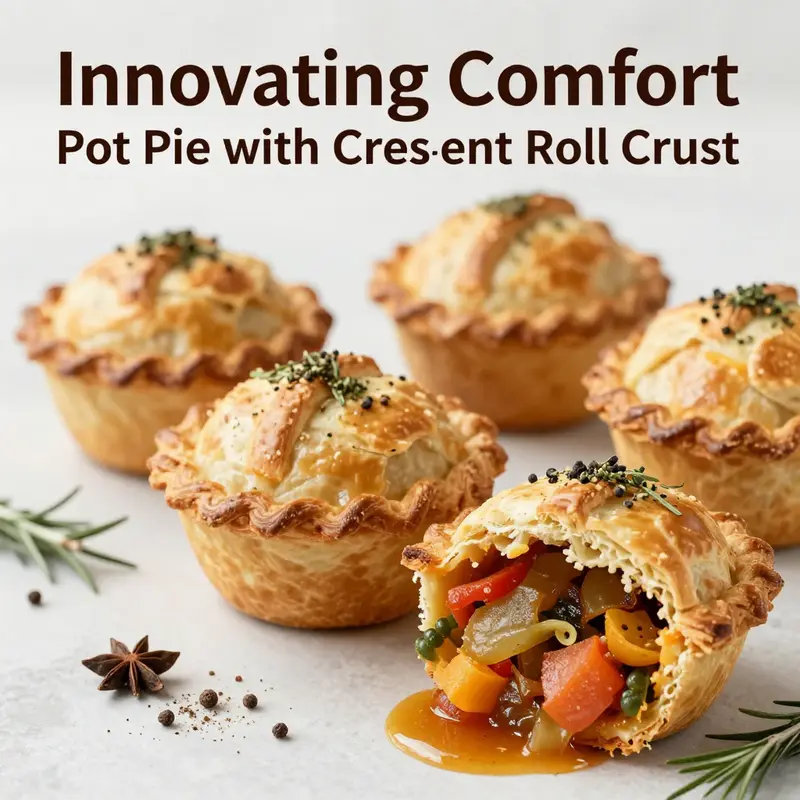
A pot pie crowned with crescent roll crust is more than a shortcut; it’s a deliberate play between pantry convenience and kitchen craft, a dish that invites you to slow down and savor the moment when a warm spoon meets a flaky crust. The crescent roll top, with its pale sheen and honeyed aroma, acts as both lid and flavor amplifier. Beneath it lies a creamy, well-seasoned filling that has its own backbone of savory depth—meat that has relinquished some of its moisture to a gentle braise, vegetables that retain a tender bite, and a sauce that binds everything with quiet richness. This is a dish built on contrasts: silky, comforting sauce versus crisp, browned pastry; fragrant herbs against the soft, starchy bite of potatoes; and a suggestion of sweetness that never clashes with the savory core but instead completes it.
The base of the pie is a study in balance. A thick, velvety sauce—often a roux coaxed with stock and a splash of cream—forms the canvas for the filling. Chicken and turkey shine when they’ve been allowed to render a little caramelization first, picking up a toasty note that echoes in the final bite. Beef offers a heartier width, yet even poultry-based versions gain dimension from how the vegetables join in. Peas bring bursts of sweetness and color, carrots offer a gentle earthiness, and potatoes introduce a comforting starch that thickens the sauce as it cooks. Mushrooms, if pressed into the mix, lend a savory umami that deepens the overall mouthfeel. The result is a sauce that clings to each piece of filling, silking the texture into a unified, generous mouthful.
If you pause to study the seasoning, you’ll hear a quiet chorus of thyme and rosemary, with a confident black pepper that punctuates every second or third bite. A hint of nutmeg, barely perceptible, threads through the sauce and lends a warmth that reminds you of autumn kitchens and family gatherings. Some cooks reach for garlic or a bay leaf to sharpen or soften the aroma, but the charm here lies in restraint: enough herbal brightness to illuminate the dish without turning the pie into a herb-forward entrée. The sweetness that emerges in this dish is not cloying; it is a soft counterpoint to the salt and fat that filigree the sauce. It’s the sort of sweetness that arrives through the natural sugars in the vegetables and the gentle caramelization of butter in the roux, a nuance that mimics the way brown-butter notes surface in more refined desserts while still remaining thoroughly savory.
The crescent roll crust brings its own distinctive personality to the equation. Crescent dough is inherently more sweetly tinged than a savory pastry, carrying a touch of sugar and a buttery, yeasty fragrance. When tucked over a simmering filling and baked, those dough layers respond with a dual personality: the exterior dries into a light, bronzed crust that crackles softly under pressure, while the interior stays tender and almost pillow-like. The butter embedded in the dough caramelizes at the edges, imparting a faint, toasted-nut character that harmonizes with the browning on the filling. This contrast—the crisp top and the creamy, saucy interior—creates a sensory dialogue that elevates the dish beyond a mere convenience meal.
Texture is the quiet conductor here. The crust’s initial snap gives way to a gentle, melt-in-your-mouth softness as you bite through, and the interior sauce clings to each morsel with a silkiness that makes every forkful feel indulgent. The top crust, blistered with golden patches, carries a light saltiness that aligns with the savory filling, helping to anchor the sweetness of the dough against the savory notes of the meat and vegetables. As the pie rests for a moment after baking, the juices settle and the crust finishes its final set, a small, patient punctuation mark that signals readiness to serve.
If you want to tilt the flavor balance toward an even deeper savoriness, some cooks brown butter in the filling itself before adding the stock and dairy. The nutty, almost popcorn-like aroma of browned butter helps to push the dish into a more luxurious stratum without overwhelming the palate. It’s a technique borrowed from more ambitious dessert and pastry work, adapted here to augment the richness of the pot pie with the crescent crust as a sweet-savory collaborator, not merely a vehicle. In this light, the pie feels less like a quick weeknight fix and more like a confident, comforting dish that rewards mindful cooking.
The role of temperature in flavor perception should not be underestimated. When the pie emerges from the oven steaming and bubbling, the aroma swirls through the kitchen—the scent of melted butter, warm herbs, and toasty crust letters a welcome that primes the senses for the first bite. As it cools, the filling thickens slightly, and the crust firms further, setting up a more distinct textural gradient between top and filling. The act of tasting becomes a study in timing: you want just enough time for the filling to settle into its creamy consistency, but you also want the crust to retain its crisp edge and the dough to release a delicate steam that carries the dough’s caramelized notes to the nose.
The interplay of flavors in this crescent-topped pie reflects broader culinary currents that celebrate layered, multi-dimensional taste experiences. The interplay of the sweet undertone of the crust with the savory core echoes the trend toward balancing contrasts within a single dish. It is a reminder that a familiar comfort can carry surprises without losing its essential character. In more refined iterations, cooks may experiment with small enhancements—a drizzle of browned-butter pan sauce swirled into the filling, a mushroom duxelles folded into the base, or a hint of Marsala or white wine to add a whisper of brightness. Each choice nudges the flavor profile toward a slightly different emotional note, yet all remain anchored by the same central idea: a creamy, hearty filling, warmed by a crust that elevates texture and aroma.
For readers seeking a practical touchstone, a homey variation that leans into crescent-roll crusts can be explored at crescent-roll-chicken-pot-pie. This link points to a version that uses the same top-crust approach while grounding the flavors in familiar, everyday ingredients that families tend to stock in the pantry. It’s a gentle reminder that great flavor doesn’t require elaborate technique; it rewards thoughtful sourcing and respect for the ingredients’ natural character.
In preparing to serve, consider how the dish will meet the table. A crisp, warm crust sets the stage for a tender, creamy filling that offers both immediate comfort and the memory of home-cooked meals. The aroma—herbs, buttery dough, and slow-simmered meat—ensures that the first sense to respond is appetite, and the aftertaste lingers with the gentle sweetness of the crust playing against the savory depth of the filling. This is the essence of the pot pie with a crescent roll crust: a dish that respects tradition while inviting a subtle, modern balance of flavors. It’s a reminder that convenience and craft can share the same plate, each enhancing the other as the pie makes its quiet, satisfying entrance to the dinner table.
External reference for further flavor dynamics can be found here: Crescent Roll Pizza With Cinnamon Sugar Topping.
Crust of Convenience: Serving, Sharing, and Subtly Elevating Pot Pie with Crescent Roll Crust

A pot pie crowned with crescent roll pastry feels almost kinetic in its simplicity. It takes the familiar comfort of a creamy, savory filling and pairs it with a top that arrives in a hurry yet gives every bite the signature pull of butter and toasted dough. The crescent roll crust acts as both a cloak and a compliment: it shields the bubbling interior while delivering a flaky, golden exterior that crackles at the cut and yields to the fork with a whisper of airiness. This is comfort cooking reinvented for busy weeknights and for gatherings where a little indulgence is welcome without a long, temperamental pastry process. The result is a dish that travels well from oven to table, keeps well, and still feels special enough to serve to guests who might not expect a crescent-roll top in a pot pie. The approach emphasizes texture as much as flavor—crisp edges, a tender center, and a creamy tapestry beneath—that makes this version of pot pie sing in a different key from the traditional pastry-bound classic. In practice, the crescent crust’s lightness invites a filling that is richly seasoned, generously saucy, and colorful with vegetables; a combination that makes the dish both visually appealing and deeply satisfying to the palate.
Serving this pie effectively begins with timing. The crescent crust crisps beautifully when hot, so aim to bake just long enough for the top to turn a deep, even gold and to bubble at the edges. Serving it immediately preserves that crisp-to-creamy contrast, inviting the first forkful to crack the crust into a delicate sheet that yields to a saucy interior. If the guests arrive in waves, you can keep the dish warm in a low oven, then a quick re-crisp under the broiler for a minute or two to refresh the top before plating. The experience hinges on the moment of sensory tension between the crust’s edge crunch and the filling’s creamy, velvety body. A well-seasoned filling gives the crust a chance to shine without being overwhelmed by heaviness; it keeps the overall impression balanced and vibrant.
What to pair with the pie can elevate the meal without complicating it. A simple green salad with a bright vinaigrette offers a necessary contrast to the richness, with crisp leaves and a tangy bite. Steamed peas or roasted vegetables provide a pop of color and sweetness that echoes the filling, while a modest side of cornbread or warm dinner rolls can nod to traditional comfort-food pairings without stealing the stage from the crescent crust. If you’re feeding a crowd, consider slicing the pie into generous wedges—six to eight portions—so that guests can easily serve themselves and take a second helping if desired. The portability of a neatly sliced pie makes it a natural choice for potlucks, casual gatherings, or a Sunday family dinner. A final flourish—fresh herbs like chopped parsley or chives sprinkled over the top—adds a vibrant green note and a hint of fresh aroma that cuts through the richness. A dollop of sour cream or a light grate of Parmesan can introduce a tangy, creamy finish that ties the crust to the filling in a more cohesive way.
Variations to keep the concept flexible are where this dish truly earns its place in a weeknight repertoire. The most obvious substitution is protein. While chicken remains the classic, turkey leftovers—especially after a holiday—make an ideal filling partner, their lighter meat absorbing the sauce in a way that feels almost celebratory. Beef stew meat offers a heartier version, turning the pot pie into something that nods to a comforting shepherd’s or country-style pie while still keeping the top light and flaky. For vegetarians or guests seeking lighter fare, crumbled seasoned tofu or lentils can stand in for meat, pairing with a mosaic of vegetables that hold the sauce’s body through starches and natural umami. The vegetables themselves can be a playground: mushrooms, leeks, zucchini, and small potatoes can be folded into the mix, along with sweet potatoes for color and a touch of sweetness that stands up to the savory gravy. Caramelized onions add depth, while sun-dried tomatoes bring a tangy sweetness that lifts the overall flavor profile. A splash of white wine or chicken broth in the filling enhances the sauce’s bright notes, ensuring the creaminess remains silky rather than cloying.
When it comes to the crust, a few small adjustments can alter the character without changing the method. Before glazing the crescent dough for the top, a brush of melted butter or an egg wash not only creates a glossy finish but also encourages a uniform, crisp crust. A light sprinkle of garlic powder, paprika, or grated cheese—sharp cheddar or smoked gouda, for instance—delivers a savory bite that hints at the filling beneath. If you’d like an even more indulgent top, consider sprinkling a fine layer of grated cheese across the dough and then rolling it gently to press the cheese into the surface; as the heat lifts the crust, pockets of melted cheese emerge, adding moments of molten richness in every wedge. These small choices let you tailor the dish to the season, the mood, or dietary needs without sacrificing the signature texture that makes crescent crusts so appealing.
For those who love portioning for convenience, mini pot pies baked in muffin tins are a clever adaptation. Individual servings cook more quickly and offer neat, portable portions for lunches, kids’ meals, or party appetizers. The smaller format also provides an opportunity to play with variety: you can bake several minis with different fillings or spice levels, giving guests a chance to sample without committing to a full slice. In all versions, the central idea remains constant: a savory, bubbling interior crowned by a light, crisp top that delivers a satisfying contrast with every bite.
The practical logistics of this crescent-crust approach favor rhythm and rhythm alone. Have the filling composed and thickened, so it doesn’t run, yet remains saucy enough to cling to the crust’s underside. A modest amount of thickener—flour, a slurry of cornstarch and water, or a touch of cream—will help maintain that luxurious mouthfeel as the pie cools slightly after baking. Resting the pie briefly before slicing helps the juices redistribute and the filling to set, making the final wedges clean and attractive. Leftovers are surprisingly versatile: reheat gently to preserve the crust’s texture, or for a different experience, reheat and crumble the top with a fresh batch of crescent dough pieces to create a rustic, layered pot pie skillet the next day.
Even with these flexible options, the essential narrative remains constant: a crescent roll top transforms a standard pot pie into something that feels both familiar and refreshingly modern. It is a dish that can be dressed up for a holiday table or kept modest for a weeknight dinner, a reliable centerpiece that travels well and satisfies a crowd with its warmth and generosity. For cooks who want a tested blueprint that leans into this method while offering a concrete recipe, a practical reference exists in the crescent-roll approach to chicken pot pie, which demonstrates how the top crust can become a unifying capstone rather than a burden to the cook. See the detailed, tested recipe that embodies this approach as a practical guide to mastering the balance between filling richness and top-crust texture: crescent-roll-chicken-pot-pie.
As you explore variations, you’ll discover how the crescent crust invites creativity rather than constrains it. The dough’s forgiving nature means you can adjust thickness, add a herb butter glaze, or experiment with different cheese toppings without losing the key harmony between the crust and the filling. The resulting dishes feel generous and homey, yet with a sense of culinary play that keeps weeknight cooking from feeling ordinary. This is the charm of a pot pie crowned with crescent rolls: it leverages everyday pantry staples to produce something that feels special, even when time is tight. The real gift lies in how easily you can scale the dish, adapt it to seasonal produce, and present it with confidence—knowing that the crescent-topped crust will always deliver a crisp, inviting finish and a comforting backbone that speaks to the heart of home cooking.
Internal reference for further inspiration: crescent-roll-chicken-pot-pie.
External reference for broader context and inspiration: https://thepioneerwoman.com/cooking/easy-pot-pie-with-crescent-rolls/
Final thoughts
The pot pie with crescent roll crust stands as a fantastic blend of tradition and modern convenience. By employing simple preparation techniques, embracing rich and diverse flavor profiles, and exploring various serving suggestions, this dish can easily become a favorite in your establishment. Its quick preparation time and the delightful texture of crescent roll crust make it an ideal choice for busy kitchens seeking quality comfort food. By adding this interpretation of pot pie to your offerings, you can cater to a wide array of customer palettes and preferences while simplifying your prep work in the process. This innovative approach is not just about serving a meal; it’s about creating memorable experiences for those who dine.