
Grilling shrimp kabobs has become a popular choice for restaurants and food service businesses, bringing a delightful blend of ease and flavor to summer menus. Crafting the perfect marinade is paramount, as it not only boosts the flavor but also tenderizes the shrimp for a more enjoyable dining experience. This article delves into the key components of a successful marinade, offers a recommended recipe that combines sweetness and acidity, and shares essential preparation tips. Together, these elements empower chefs and business owners to consistently serve delicious grilled shrimp kabobs that delight customers.
Bright Heat and Tender Juices: The Blueprint for Marinading Shrimp Kabobs on the Grill
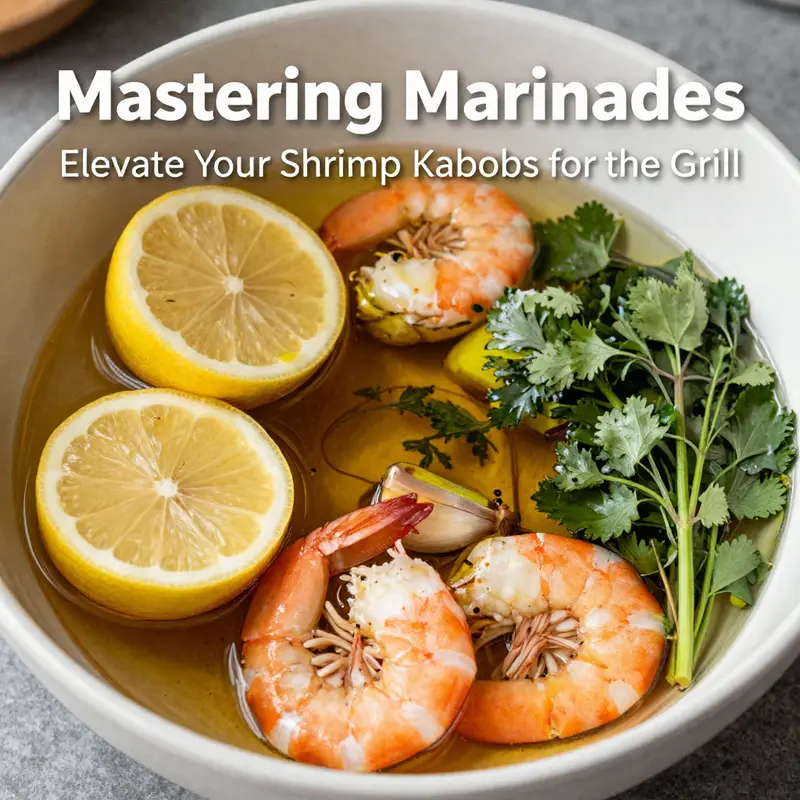
Marinating shrimp for the grill is a quiet negotiation between brightness, moisture, and bite. The best marinades are not heavy sauces but careful balance among three elements: an acid to wake flavor and tenderize, oil to carry spices and keep the shrimp moist, and seasonings and aromatics to build depth that lingers after the bite. When these parts harmonize, the shrimp stay tender on the grill’s fierce heat and the skewers develop a glossy char that tastes of sun, citrus, garlic, and herbs, with a subtle kiss of sweetness from honey. It’s a simple framework that supports creativity, and it travels well from one grill session to another. The Honey Lemon Grilled Shrimp Kabobs approach embodies that balance, offering a concrete example while leaving room for personal tweaks.
Acid acts as a whisper that tenderizes the delicate shrimp without overpowering it. Lemon juice and zest provide brightness; lime juice offers a vibrant alternative, and a splash of vinegar can sharpen without dulling sweetness. The zest contributes aroma before the juice even hits the tongue, making the first bite sparkle. In practice, aim for a careful balance that lets the oil and honey do their jobs without washing out the shrimp’s natural sweetness. The suggested Lemon zest and juice with garlic and olive oil illustrate how brightness and depth can coexist. A practical rule of thumb is to start with a modest amount of acid and adjust with honey, a pinch of salt, and plenty of parsley so the flavors stay lively but never piercing.
Oil is the carrier that delivers the flavor into every shrimp and helps prevent sticking to the grill grate. Olive oil is a natural pick here for its fruitiness and its ability to meld with garlic, lemon, and herbs. A little oil goes a long way when shrimp are small and fast-cooking, so drizzle enough to lightly coat each piece and to help the herbs cling. The honey-lemon combination benefits from oil because the fat helps carry the citrus and garlic across the surface of the shrimp, producing an even glaze as they sear. The oil also moderates the bite of any pepper or salt in the mix, ensuring the finished skewers feel balanced rather than sharp.
Seasonings and aromatics provide depth and a sense of place. Garlic wakes the marinade without stealing the show, while parsley offers a fresh, green finish. A Lemon Pepper Rub or a simple blend of pepper and lemon zest gives a savory kick that complements the sweetness of honey and the brightness of citrus. Together, these elements create a profile that is sweet, bright, and savory all at once. The honey lemon combination shines here: honey supplies a touch of caramelization on the grill, citrus brightens the palate, and herbs knit everything together so the flavor lingers after each bite. The result is a marinade that feels polished yet approachable, capable of elevating plain shrimp into a memorable centerpiece on skewers.
Method and timing anchor the technique. In a medium bowl or a resealable bag, combine lemon zest and juice, minced garlic, olive oil, honey, lemon pepper rub, and chopped parsley. Add peeled and deveined shrimp, ensuring every piece is well coated. Marinate in the refrigerator for at least 30 minutes, but no longer than 2 hours. Too much time in an acidic mixture can start to break down the shrimp and turn texture rubbery. For extra plumpness, you can brine briefly before marinating. A quick brine of 1 tablespoon kosher salt and 1 tablespoon sugar per cup of cold water for about 30 minutes helps the shrimp retain moisture, especially if they are lean or previously frozen. After brining, pat dry and proceed with the marinade and skewering. The marinade itself will caramelize on the grill, yielding a honey-golden glaze that clings to each bite and enhances the shrimp’s natural sweetness.
Preparation choices matter as much as technique. Safe thawing, shelling, and deveining contribute to appearance and texture, while optional brining can improve juiciness for lean or previously frozen shrimp. Thawing in the refrigerator overnight minimizes moisture loss; peeling and deveining removes grit and bitterness, though shells-on grilling is a traditional choice in some cuisines for extra flavor. Skewering with even spacing allows heat to circulate and prevents crowding, which can turn a quick sear into a slower, less caramelized cook. As the skewers hit the grill, aim for a rapid initial sear to set flavor, then a gentle finish to keep the centers tender. Watch the color: pink and opaque with a hint of translucence near the tail signals perfect timing. Brush with remaining marinade as you grill to maintain moisture and create a glossy glaze. For a practical walkthrough of this approach, you can check the detailed guide on Shrimp Kabobs on the Grill.
The result is a cohesive, crowd-pleasing platter where each shrimp is juicy inside, lightly caramelized outside, and balanced in sweetness, brightness, and savoriness. The marinade is a conductor, guiding meat, flame, and time toward a simple, elegant outcome. If you plan ahead and respect the marinating window, you bring the kitchen into the garden and present shrimp skewers that taste of summer and sound technique. The same principles translate to other seafood skewers, but shrimp respond especially well to honey’s caramelization and the lively lift of citrus. For readers seeking additional seafood-inspired marinades, expanding the repertoire without losing the core balance is both practical and rewarding. For broader seafood-safety guidelines, see https://www.fda.gov/food/seafood-safety.
As you plate the finished skewers, a squeeze of lemon and a handful of fresh parsley echo the marinade’s opening notes, tying the dish back to its three-part foundation: bright acid, carrying oil, and aromatic seasonings that linger. The method is straightforward, but the payoff is a bright, juicy bite that captures the essence of grilling itself—fast, flavorful, and undeniably satisfying on hot summer nights.
Bright, Juicy Skewers: Crafting a Honey-Lemon Marinade for Grilled Shrimp Kabobs
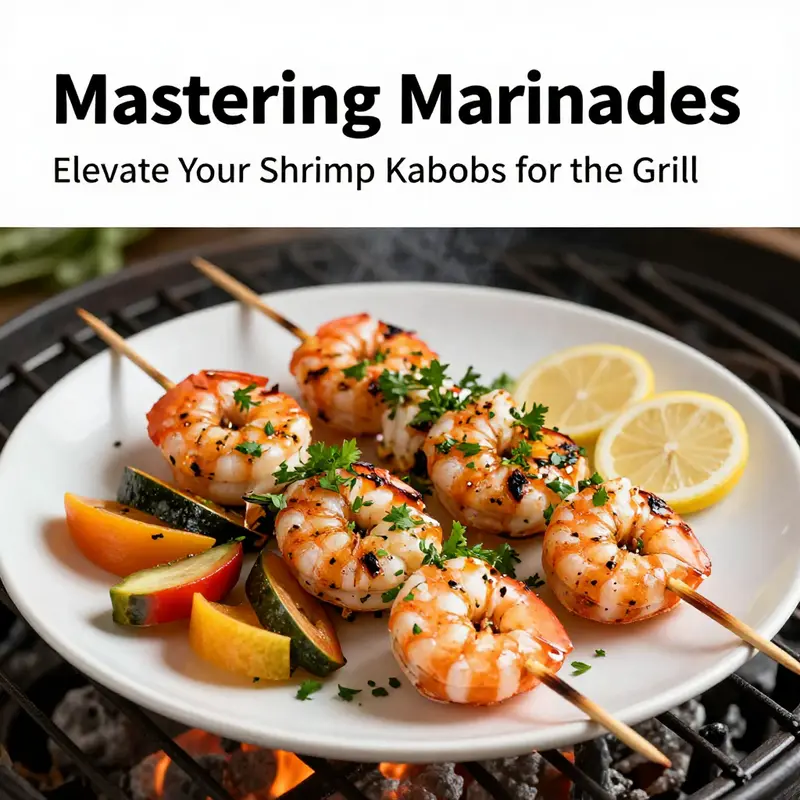
A good marinade for shrimp kabobs on the grill is more than a flavor splash; it is the quiet engine that keeps shrimp tender, juicy, and vibrant as flames kiss the meat. When you think about what makes a shrimp marinade work, three elements emerge in harmony: acid to tenderize and brighten, oil to carry flavor and guard against sticking, and a careful blend of seasonings and aromatics to deepen the profile. In this chapter, the honey-lemon approach stands out for all-around balance. The base is olive oil, a conduit that delivers the garlic, herbs, and citrus to every bite. The acid—fresh lemon juice and zest—brings brightness while beginning to tease the surface proteins just enough to keep the flesh pleasantly tender. Then there is the sweetness, a touch of honey that caramelizes on the grill and adds a subtle complexity without turning the crust sweet to the bite. Finally, salt and pepper anchor the flavors, with optional herbs and a hint of heat to lift the citrus without overpowering the shrimp’s delicate sweetness. This careful equilibrium lets the shrimp stay juicy even as the skewers sear, and it provides a reliable canvas for variations if you crave a Mediterranean, herbal, or lightly spicy note.
For a practical, tested version, begin with a straightforward base: olive oil, minced garlic, lemon juice, and a modest salt and pepper balance. To this, you can fold in a tablespoon of chopped parsley or cilantro for a fresh finish, and a half teaspoon of oregano or thyme if you want a Mediterranean vibe. A quick half-teaspoon of red pepper flakes can wake things up if you prefer a little kick. A pinch of sugar or a drizzle of honey helps the surface caramelize as the shrimp cook, yielding a light gloss and a touch of sweetness that plays beautifully with the lemon.
The method is simple but precise enough to reward careful timing. In a large bowl, whisk together the olive oil, minced garlic, lemon juice, salt, pepper, and any optional ingredients. Add peeled and deveined shrimp, ensuring each piece is well coated. Cover and refrigerate for at least 30 minutes, though an ideal window is 1 to 2 hours. Do not exceed two hours, because the acidity can begin to “cook” the shrimp, making them firm and a touch rubbery. Once marinated, thread the shrimp onto skewers. If you’re using wooden skewers, soak them in water for at least 30 minutes before threading; this simple step prevents them from burning as the shrimp cook.
When the grill is ready, preheat to a steady medium-high. Oil the grates lightly to reduce sticking, then grill the shrimp for about 2 to 3 minutes per side, until they turn opaque and pink with a bit of char at the edges. Shrimp cook quickly, and overcooking is the most common pitfall; remove them as soon as they reach a tender, just-opaque state. Because the March heat can vary, you may find the edge of a skewer browns a touch sooner or later, but the key indicator remains the color and the resistance of the flesh when gently pressed.
In practice, this marinade is forgiving enough to embrace slight adjustments. If you crave a brighter bite, add a touch more lemon juice or zest at the end of marinating. If a richer, more herb-forward flavor appeals, increase the parsley or add a few torn leaves of fresh cilantro. For a crisper finish, choose a lighter oil such as canola, which still carries the aromatics well but offers a subtler mouthfeel. If you want a different twist, swap lime juice for lemon to shift the tang, or introduce a pinch of dried oregano or thyme to reinforce the Mediterranean character. The beauty of this approach lies in its adaptability while preserving the essential balance between acidity, oil, and seasonings.
For readers seeking a more directed pathway, a step-by-step guide focusing specifically on the grilling process can be found here: shrimp kabobs on the grill.
As you plate the finished skewers, consider a light squeeze of fresh lemon over the hot shrimp to refresh the brightness just before serving. A simple side of grilled vegetables or a crisp salad makes a complete meal, letting the glaze-like sheen from the honey-lemon marinade cling to each bite. The result is a cohesive dish where the shrimp remain succulent, the citrus notes feel lively, and the overall experience feels polished without fuss. If you’re cooking for a crowd, such skewers are inherently social—easy to portion, quick to grill, and forgiving enough to pair with a range of sides and wines. In short, the honey-lemon marinade becomes not merely a technique but a pathway to confidence on the grill, where a handful of pantry staples transform into a memorable summer centerpiece.
External resource for broader guidance on seafood grilling: https://www.seriouseats.com/how-to-grill-shrimp
Citrus, Garlic, and Glaze: Crafting a Juicy Honey-Lemon Marinade for Grilled Shrimp Kabobs
A great marinade does more than flavor shrimp; it becomes a quiet alchemy that binds brightness, moisture, and aroma into a single, grill-ready moment. In the realm of shrimp kabobs, a balanced marinade relies on three steady pillars: acid to tenderize and wake the palate, oil to carry the flavors and shield the shrimp from the heat, and a chorus of seasonings and aromatics that linger after the first bite. The honey-lemon combination is a proven duet here, offering both sweetness and a hint of caramelization that blossoms as the skewers kiss heat. Garlic and fresh herbs lift the finish, while a touch of lemon zest keeps the profile vibrant and clean.
The core idea is simple: in a bowl or a resealable bag, whisk together fresh citrus juice, a kiss of zest, a good olive oil, minced garlic, a bit of honey, and a lemon-pepper style seasoning blend. The zest brings a bright, almost citrus perfume that lingers even after the shrimp are off the grill; the honey adds a glossy glaze that helps with caramelization and a subtle sweetness that balances the citrus sharpness. This marinade works not just because it tastes great, but because it respects the delicate texture of shrimp. It coats evenly, penetrates just enough to infuse aroma, and then settles into a finish that remains juicy rather than gloopy or heavy.
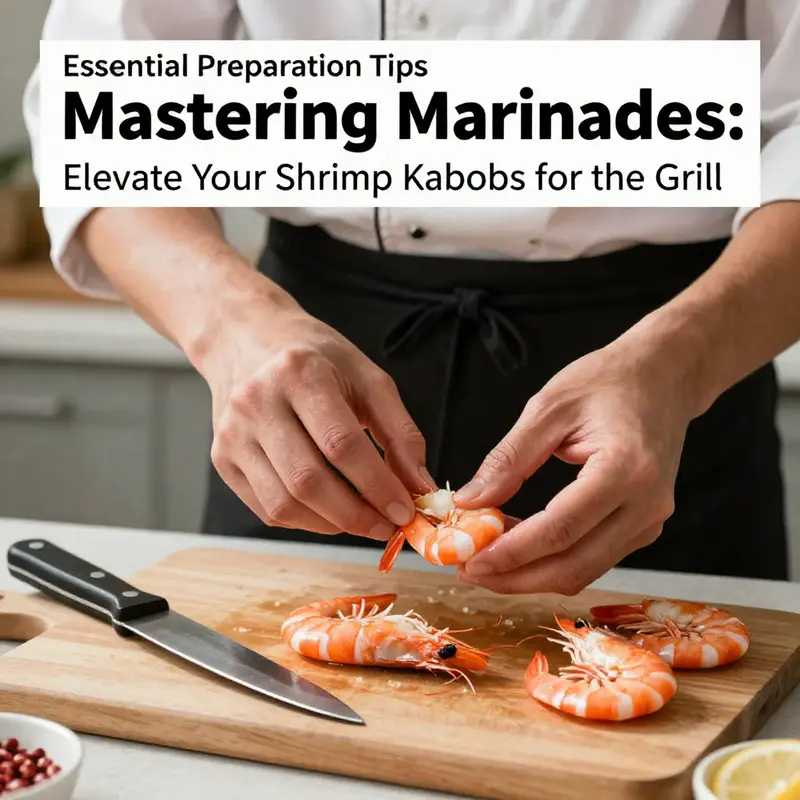
Preparation matters as much as the marinade itself. Start with large, peeled, and deveined shrimp so the heat can reach them uniformly and the presentation remains clean. If you choose to thaw from frozen, do so in the refrigerator overnight; quick thawing can invite uneven moisture loss and uneven cooking. A quick brine is optional but worth considering, especially for lean or previously frozen shrimp. Soak in a simple solution of kosher salt and sugar for about 30 minutes, then rinse and pat dry. This stage stiffens the proteins just enough to hold onto moisture during high heat, giving you a plumper bite once grilled.
When it comes to marinating, keep the clock modest. Shrimp are delicate and can begin to break down if exposed to acid too long. A 15 to 30 minute marinate is plenty to impart aroma and flavor without compromising texture. This is especially true if you’ve brined; further marination would push the shrimp toward the chewy side. Always discard any marinade that has touched raw shrimp, or boil it vigorously first if you intend to reuse it on the finished kabobs as a glaze. This rule protects against contamination and preserves the clean, bright flavors you’ve built into the base.
The assembly of the kabobs should echo the restraint of the marinade. Skewer the shrimp with space between pieces to allow heat to circulate and avoid steaming. If you’re adding vegetables such as cherry tomatoes, peppers, or onion wedges, leave a tidy gap so the grill’s heat can caramelize rather than steam. Brush the shrimp lightly with the fresh marinade as you thread, but avoid soaking the skewers in marinade after assembly. The goal is a light glaze, not a soggy base that prevents browning. A quick tip: oil the grill grates lightly to keep things from sticking, then seal the scene with a brief, hot sear that promotes the coveted curl and pink-tinged crust on the shrimp.
On the grill, shrimp cook rapidly. You’ll know they’re done when they turn from translucent to opaque and take on a pink, slightly curled appearance. Flip once to achieve even color on both sides, and watch for the moment when the glaze turns a gentle amber rather than darkening into burnt edges. Pull the skewers off while they still hum with moisture, and allow a minute to rest before serving. A final sprinkle of fresh parsley at the end brings brightness and a hint of herbaceous lift to balance the honeyed glaze. If you crave a more substantial finish, pair the skewers with grilled citrus quarters or a simple cucumber and tomato salad that echoes the citrus theme but adds crunch to the plate.
For a deeper dive into the technique and a complete, tested method, you can explore a full, step-by-step guide dedicated to Shrimp Kabobs on the Grill. This chapter connects with that broader recipe and its nuances, while keeping the focus tight on how a thoughtful marinade transforms ordinary shrimp into a centerpiece. Shrimp Kabobs on the Grill. And for cooks who love to read beyond the grill, a trusted external reference offers a broader perspective on seafood grilling techniques and how heat shapes texture and flavor over time. External resource: https://www.seriouseats.com/how-to-grill-shrimp
Final thoughts
Mastering the art of marinating shrimp kabobs sets your restaurant or food business apart from the competition. A well-balanced marinade not only enhances flavor but also ensures the shrimp remains juicy and tender during grilling. By implementing the insights shared in this article, from understanding key marinade components to following a well-tested recipe and emphasizing preparation techniques, you can provide mouthwatering grilled shrimp kabobs that leave customers coming back for more. Elevate your grilling game today!