

Cooking a ham steak in an air fryer can seem daunting at first, particularly for business owners seeking efficient ways to provide quality meals. In the competitive food service industry, knowing the best cooking methods is essential for optimizing both time and flavor. This guide will walk you through three critical steps: preheating your air fryer, preparing your ham steak, and understanding precise cooking times and temperatures. By mastering these aspects, you can ensure your dishes are consistently delicious, meeting the high standards expected in today’s culinary landscape.
Crisp Edges, Juicy Center: A Cohesive Guide to Preheating, Timing, and Finishing Ham Steak in the Air Fryer

Preheating may seem small, but it is the quiet engine behind a ham steak that comes out crisp on the outside and tender inside. When you slide a cold ham steak into a hot air environment, the surface immediately meets resistance. That resistance is what forms a glaze of color and a savory crust that seals in juices rather than letting them pool in the center. The goal is not to steam the meat but to jump-start a quick sear while the interior warms evenly. A well-executed preheat makes the difference between a pale slice and a bite with a confident, caramelized bite.
Starting with the right temperature is essential. Set your air fryer to 375°F (190°C) and let it heat for three to five minutes. This window is short, but it primes the chamber for steady browning without scorching the exterior. If your model runs hotter or cooler on the first minute, don’t panic. The preheat step still serves the same purpose: a consistent starting point that prevents a cold center from meeting hot air and becoming uneven. Think of this moment as the opening act that frames every subsequent minute of cooking.
As you prepare the ham steak, you have options that can influence aroma, texture, and the final crust. You can place the ham on a small sheet of aluminum foil or parchment paper to simplify cleanup, though this is optional. A lightly seasoned surface often yields the most satisfying balance between salt, pepper, and natural ham sweetness. Black pepper provides a subtle kick, paprika adds a gentle smokiness, and a sprinkle of brown sugar can encourage a bronzy glaze as the surface caramelizes. If you crave a touch more sweetness, brush a thin layer of honey or maple syrup onto the top before entering the air fryer. The choice between dry rub and a light glaze depends on your mood and the meal you’re building around the ham. For a version with a glossy finish and a deeper caramelization, you can explore the glaze-forward approach described in the dedicated guide linked here: air-fryer-ham-steak-recipe-with-glaze.
When the preheat signals it is ready, place the ham steak directly into the air fryer basket. Give it room to breathe and avoid overcrowding. Air fryers work by circulating hot air rapidly, and crowding disrupts this flow, creating uneven browning and a softer crust. If you’re cooking more than one piece, space them as evenly as possible and consider cooking in batches. You want surface contact with the hot air, not a squadron of ham pieces competing for room.
The cooking temperature and timing are where patience and observation meet. A typical ham steak benefits from a moderate heat around 375°F (190°C) for eight to twelve minutes, with adjustments based on thickness. A thinner slice may reach the target doneness in closer to eight minutes, while a thicker cut might require up to twelve. This range is not a rigid rule but a guide to help you pace the cooking so the exterior browns while the interior remains juicy. Halfway through, around the six-minute mark, flip the ham to promote even browning on both sides. The goal of flipping is not only to darken the surface but to insure that the entire piece experiences the crisping of high heat from above and below.
Doneness is easiest to assess with a reliable thermometer. The ham steak is ready when the internal temperature reaches 145°F (63°C) and the surface has a golden-brown crust that hints at honeyed notes from any glaze you applied. You want the center to be firm yet yielding, not dry. If you don’t have a thermometer, rely on the look and feel of the crust, but do not push the interior beyond what you can sense with a gentle press. Resting briefly after removal helps juices redistribute and keeps the slice moist when cut. A short rest, even just a few minutes, makes a noticeable difference in mouthfeel and flavor.
Cooking times are influenced by the exact model of air fryer you use and the ham’s thickness. Every appliance behaves a little differently, and every slice of meat has its own density. If your device tends to run hotter, you might shorten the time by a minute and monitor closely. If it runs cooler, you may stretch to twelve minutes with careful observation of the surface color. The importance of following your specific manufacturer’s guidance cannot be overstated. You may have a favorite tweak—perhaps a lighter or heavier initial sear—that your kitchen accepts as standard practice. The best cooks treat preheating and timing as variables to calibrate with each use, not as rigid laws.
The flavor payoff from proper preheating and mindful timing extends beyond one meal. A ham steak prepared in this way complements a wide range of sides, from crisp green beans to roasted sweet potatoes. The interplay between a caramelized exterior and a juicy interior creates a versatile canvas for sauces, glazes, or a simple squeeze of citrus. If you crave more glaze drama, consider finishing the ham with a light brush of glaze during the final minute of cooking and then letting it caramelize under a last burst of hot air. The result is a surface that glistens with a glossy sheen while the interior remains tender and well flavored.
As you experiment, you’ll notice something else: the power of a well-timed flip. The halfway turn disrupts the natural rhythm of the meat’s exposure to heat. It ensures uniform color and a balanced crust without overdoing any single side. The crust should be even, not patchy, and the interior should spring back lightly when pressed. Your thermometer will confirm what your eyes sense—the moment the surface browns evenly and the interior comes to life with warmth, you’re almost there. It’s a small, precise moment that makes a meal feel effortless and thoughtful.
This approach is designed to be adaptable to your kitchen rhythm. If you’ve previously felt ham steak could be dry or uneven, the preheat-to-crisp method is a practical antidote. The technique is simple enough to be repeated with confidence, yet flexible enough to accommodate different seasonings, glazes, and serving plans. The aim is a consistent, repeatable result you can recreate on busy weeknights or relaxed weekend meals. With practice, you’ll sense the moment when the surface is correctly bronzed and the center is just warm enough to satisfy.
For readers who want a more glaze-forward finish, the glaze-focused approach can be pursued through the linked guide. The glaze version nudges the final surface toward a deeper, clearer shine while preserving the interior’s tenderness. The choice between a dry rub and a glaze, or a hybrid of both, should reflect your taste and the rest of the plate you’re building around the ham. Either path starts with the same dependable preheat and flipping rhythm, so the decision becomes about the finish rather than the overall technique.
As a final note, reheating leftovers or cooking multiple ham steaks at once benefits from the same principles. Preheating preserves the integrity of the crust and ensures the interior remains warm and moist. If you find yourself revisiting this recipe, you will quickly recognize that the steps are repeatable and forgiving. A few minutes of careful attention at the start, a measured flip, and a precise thermometer reading will consistently yield a delectable result that feels both comforting and efficient.
External reference: https://www.foodnetwork.com/recipes/air-fryer-steak-recipe-2194087
From Prep to Prime: Preparing Ham Steak for a Juicy, Crispy Air-Fried Finish
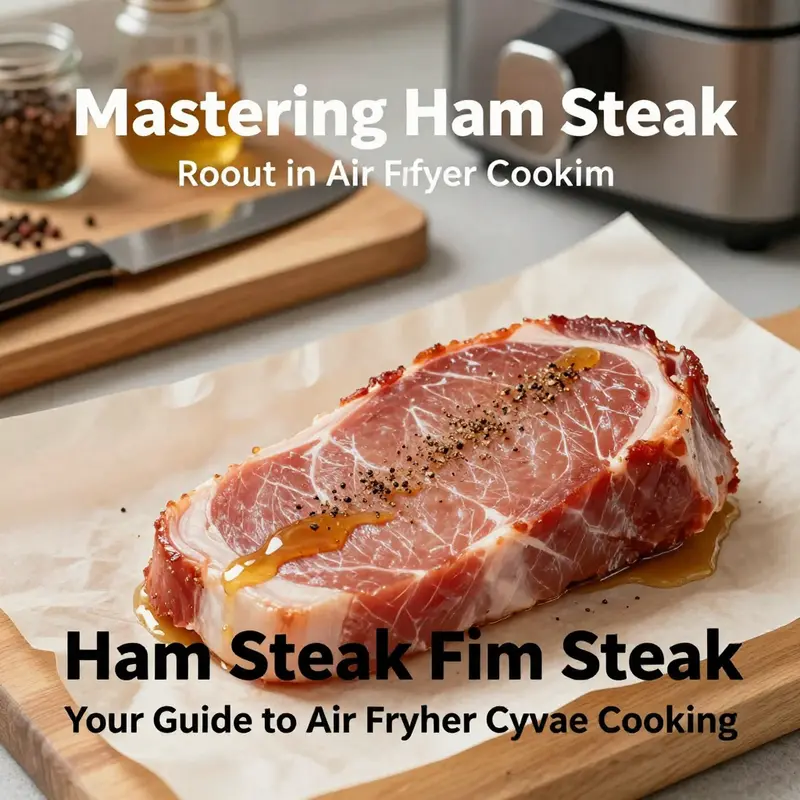
A ham steak, thick and rosy, is a compact protein that benefits from a careful prelude before it meets the hot air of the fryer. In this kitchen ritual, preparation matters as much as the heat itself, because the air fryer rewards surface readiness with a crust that stays juicy inside. The approach echoes simple culinary truths: moisture at the surface hinders browning, salt must be balanced, and even heat helps the center catch up with the edges. When you walk through these steps with intention, the result is a slice that feels both convenient and satisfying in a weeknight menu or a brunch spread.
First and foremost, bring the ham steak to a more forgiving temperature gradient. Remove it from the refrigerator about 30 to 45 minutes before you plan to cook. This allows the meat’s center to warm slightly, helping the interior cook evenly without leaving the outside overdone. The air fryer hits its mark most efficiently when the food starts closer to room temperature, so you gain a better, more uniform sear and a crisper exterior rather than a shell that browns unevenly. If your kitchen is chilly or your schedule tight, you can still proceed with shorter rest times, but be mindful that the center may require a touch longer in the fryer to reach the target temperature.
Next comes a dry pat, a deceptively simple step with big dividends. Gently pat the ham steak dry with paper towels to remove surface moisture. Moisture facing the hot air becomes steam, which blunts browning and can yield a soggy crust. A quick blot-off ensures the surface can brown more readily, developing color and flavor on contact. This step also helps any seasonings adhere better, letting the surface transform into a fragrant, caramelized crust rather than a dull, damp exterior.
Seasoning follows with two guiding principles: keep salt in check and lean on aromatics that amplify the ham’s natural character. Ham is inherently salty, so a heavy-handed addition of salt is rarely desirable. A light scatter of black pepper provides a mild peppery lift, while garlic powder adds a savory edge that won’t overshadow the meat’s cured profile. A pinch of smoked paprika introduces a hint of wood-smoke that elevates the crust’s color and a touch of sweetness, without tipping the balance. If you enjoy a more pronounced glaze or glaze-like sweetness, a light brush of high-smoke-point oil—such as avocado or grapeseed—on the surface can promote browning and contribute a gentle sheen. Oils do not mask the ham’s saltiness; they simply help the surface brown more uniformly and resist scorching at higher heat.
With the surface prepared, the air fryer itself takes on a supporting role. Set the appliance to 375°F (190°C) and allow a 3–5 minute preheating interval. Preheating is more than a formality; it initiates contact searing as soon as the ham meets the basket, helping to lock in juices and begin the crust formation promptly. For a crispier exterior, you can place the ham steak directly on a sheet of parchment or a scrap of foil, which makes cleanup easier and can slightly elevate browning by concentrating heat at the surface. If you choose to use foil, avoid wrapping the meat completely; leave some exposure to air so the surface can brown rather than steam.
Cooking follows a simple rhythm: slide the ham steak into the hot basket and cook for about 8 to 12 minutes, depending on thickness. The general rule of thumb is to aim for 8 minutes for a thinner cut that you want closer to a medium-rare finish, and 10 to 12 minutes for a thicker slice that leans toward a more well-done interior with a satisfyingly browned crust. Halfway through, around the 6-minute mark, flip the steak. This flip is crucial for even browning on both sides and for ensuring the sauce or glaze, if used, adheres evenly rather than pooling on one surface. Doneness should be judged with a meat thermometer; the target internal temperature is 145°F (63°C). The thermometer not only confirms safety but also guards against overcooking that could dry the interior of the ham.
Beyond the bare cook time, consider the finish you want. If a glaze or a honeyed shine appeals to you, you can lightly brush the surface with a modest amount of honey or maple syrup before the final minutes of cooking. The sugars in these syrups caramelize under heat, adding a glossy crust and a hint of sweetness that complements the ham’s savory notes. A glaze can be as simple as a brushed sweep of maple, a drizzle of honey, or a more complex combination of citrus, spice, and a touch of soy to balance sweetness with umami. Whatever you choose, apply sparingly and observe as the glaze begins to set and bubble, forming a lacquered surface that amplifies the appetizing crust.
If you’d like ideas beyond the glaze, there’s a curated pathway for variations that still align with the core technique. For a guided glaze-focused approach, a dedicated recipe outlines how to tailor a glaze to your ham’s saltiness and the air fryer’s quick-cook dynamics. You can explore that approach here: air-fryer ham steak recipe with glaze. It provides a tested balance of sweetness, acidity, and warmth that harmonizes with the crust you’ve built during prep and cooking. While following a glaze, keep the salt in check; too much sugar or acid without balance can overwhelm the meat’s natural character, so treat glaze as a finishing touch rather than a primary seasoning.
As the ham approaches its finish, you’ll notice the color deepen into a golden-brown crust. Remove the steak promptly when the thermometer reads 145°F (63°C). Rest is a brief but essential step: allow the meat to rest for about 3 minutes before slicing. Resting lets the juices redistribute, yielding slices that appear moist and hold together rather than releasing a torrent of juices the moment you cut. This rest period is a small but meaningful pause that turns a good air-fried ham steak into a satisfying, homey meal. If you’re serving with sides, you can use the moment of resting to whisk a quick pan sauce from the drippings or to prepare a light glaze that can be brushed onto slices just before serving, enhancing the aroma without washing away the crust you’ve worked to build.
The return you get from a deliberate prep lies not only in immediate texture, but in how the technique scales with different cuts and appetites. A thinner slice needs less time and yields a more delicate crust, while a thicker piece rewards a longer exposure to heat and a deeper caramelization. The same principles—surface dryness, measured seasoning, and mindful heat—translate well whether you’re cooking for a quick lunch or a weekend dinner. The beauty of the air fryer here is the speed and the ability to control the surface color with precision, while the interior remains juicy if you honor internal temperature and rest.
For cooks who want reassurance on safety and standards, the guidance from public food-safety authorities emphasizes precise temperature targets and rest periods for pork products. The USDA’s recommendations remind us that reaching 145°F with a short rest not only ensures safety but also preserves moisture and flavor. Keeping these targets in mind helps align home cooking with professional food-safety practices, turning the air fryer into a reliable tool rather than a shortcut that compromises texture or safety.
External resource: For authoritative guidance on pork cooking temperatures and rest times, reference the USDA Food Safety and Inspection Service guidelines: https://www.fsis.usda.gov/food-safety/safe-food-handling-and-preparation-guides/pork
Crisp-Browned Perfection: Mastering Ham Steak in the Air Fryer

When a weeknight meal needs to land with a satisfying sizzle and a clean plate, a ham steak cooked in the air fryer is a quiet triumph. The method hinges on a simple trio: steady heat, quick cooking, and a touch of seasoning that amplifies the pork’s natural sweetness without overwhelming it. The appeal lies in its speed and predictability. You can have a meal on the table in under a quarter hour, with a caramelized crust that looks almost glossy in the pan. The air fryer’s circulating air does the heavy lifting, browning the exterior while keeping the inside tender and moist. It’s a small trick of kitchen physics that makes ham steak feel like a treat, whether you’re cooking for one or feeding a family.
Begin with the preheating step, a small ritual that many cooks overlook but which pays off in even browning and a shorter overall cook time. Set the air fryer to 375°F (190°C) and allow it to preheat for three to five minutes. This warmth wakes the heating element and primes the basket for a quick move from raw to delicious. From there, you can stage your ham with minimal fuss. Remove the ham steak from the fridge and let it sit at room temperature for a few minutes. This short rest helps the interior warm more evenly, preventing a cold center or a patchy exterior. If you want a cleaner cleanup, you can line the basket with a sheet of parchment or a small piece of aluminum foil. The ham will still crisp up where it’s supposed to, and you’ll spend less time scrubbing after dinner.
Flavor is best kept simple at first. A light seasoning can make a noticeable difference without masking the pork’s inherent saltiness. A whisper of black pepper or paprika provides a gentle warmth, while a sprinkle of brown sugar adds a hint of caramel that plays beautifully with the Maillard reaction as the surface browns. If you prefer a sweeter finish, a thin brush of honey or maple syrup can be brushed on before cooking, or brushed on during the last minute for a faster glaze that crystallizes with a glossy sheen. Some cooks even like a gentle spray of oil to coax a crisper crust, though a ham steak often carries enough fat to render a crisp exterior without oil. The choice is yours, and it’s flexible enough to accommodate what’s in your pantry or your flavor mood for the day.
With the pan preheated and the ham prepared, the cooking itself unfolds quickly. Place the ham steak directly into the air fryer basket, making sure there is a bit of space around it so the hot air can circulate freely. That circulation is the key to even coloring and a crust that isn’t blotchy. Cook the ham at 375°F (190°C) for eight to ten minutes if the steak is pre-cooked. The exact time depends on how thick the slice is and how you like the crust. If you prefer a more well-done exterior with a deeper color, you can push toward ten to twelve minutes. The halfway mark is a good moment to flip the ham so both sides receive direct exposure to the hot air. A flip around the five-minute point tends to yield the most even browning and a satisfying level of crispness on both faces.
Don’t rush to serve just yet. The safety and texture balance depend on checking the internal temperature. A pre-cooked ham steak is typically ready to eat at an internal temperature of 145°F (63°C). If you’re unsure, or if the slice is thicker, testing with a meat thermometer is the most reliable way to confirm doneness. You want the center to reach that 145°F target, and the crust to have a light golden-brown hue that invites a bite. Once that temperature is achieved, remove the steak promptly to preserve the juiciness inside. Let it rest for two or three minutes. Resting is not indulgence here; it lets the juices redistribute and settles the texture, so the first bite isn’t a dry surprise.
Thickness matters, and it’s worth acknowledging the small adjustments that come with it. If your ham steak is thicker than about three-quarters of an inch or is frozen, you’ll want to extend the cooking time by an additional three to five minutes. This adjustment is not an exact science, and that’s where the thermometer saves the day. If the center reads 145°F but the exterior looks pale, you can give it a quick extra minute or two on a lower setting to finish browning without overcooking the interior. Conversely, if the slice is on the leaner side and you’re chasing a bit more browning, the slightly longer time can push that crisp edge you’re after without drying the meat.
This is also a good moment to consider the glaze. A light glaze can enhance the ham’s natural sweetness without turning the dish into something totally different. If you work with a glaze, apply it toward the final minutes of cooking, so it adheres and caramelizes rather than sliding off. A glaze that looks like a syrupy mirror on the surface can be irresistible when you cut into the steak. For a glaze-topped variation, you can explore a dedicated recipe that’s built around the air fryer technique; see the air fryer ham steak recipe with glaze for a version that emphasizes a glossy, flavorful finish. air fryer ham steak recipe with glaze
As you gain confidence with timing, you’ll notice how forgiving the process is. The air fryer’s heat is not a blazing oven; it is a precise, circulating current that seals moisture while producing a crust that’s crisp and brown rather than dry and tough. Because most ham steaks come pre-cooked from the store, the goal is often to reheat and re-crisp without turning the meat into a cardboard-like texture. When you treat the ham with respect for its fat content and natural salt, you’ll be rewarded with a luminous crust and a center that stays moist. If you’re starting from a raw ham steak, the same rules apply, but you’ll want to verify the interior temperature more carefully, allowing for the longer cook time necessary to reach safe doneness while preserving tenderness.
The beauty of this method is its versatility. You can pair the ham steak with a quick side—roasted Brussels sprouts, a pile of fluffy mashed potatoes, or a bright citrus salad that cuts through the richness. A simple squeeze of lemon or a fragrant herb compound butter can lift the full plate with minimal effort. If you’re meal-prepping, a batch of ham can be cooked in advance and reheated in the air fryer in a minute or two, returning to that just-crisp exterior that makes a meal feel special. The technique also translates well to a glaze variant, where you can tailor the sweetness and spice to the season or your guests’ preferences. The result remains the same: a thin, crisp crust encasing a tender, flavorful interior, delivered with minimal cleanup and maximum comfort.
For those exploring a broader spectrum of related dishes, the method generalizes nicely to similar cuts and preparations. The approach works just as well for slightly smaller slices when you want faster results or for thicker slices when you crave a more substantial bite. The air fryer’s efficiency ensures that a modest lunch can become a satisfying dinner with little more than a sauce, a smear of glaze, and a careful eye on time. While the precise duration will vary by model and by the exact thickness of the ham, the framework remains stable: hot air, mindful timing, and a finish that invites you to take a second slice without hesitation. The balance of sweetness, salt, and browning is what makes this simple dish feel special, and it’s the same balance that can carry you through week after week of quick, reliable meals.
External resource: https://www.allrecipes.com/recipe/276872/how-to-cook-ham-steak-in-an-air-fryer/
Final thoughts
Understanding how to cook ham steak in an air fryer can significantly enhance your culinary offerings. By mastering the essential steps of preheating, preparing, and monitoring cooking time and temperature, business owners can ensure quality and efficiency in meal preparation. This streamlined cooking method not only saves time but also elevates the dining experience with flavorful results. Invest in your skill set, and your patrons will surely appreciate the delicious, expertly cooked ham steak.