
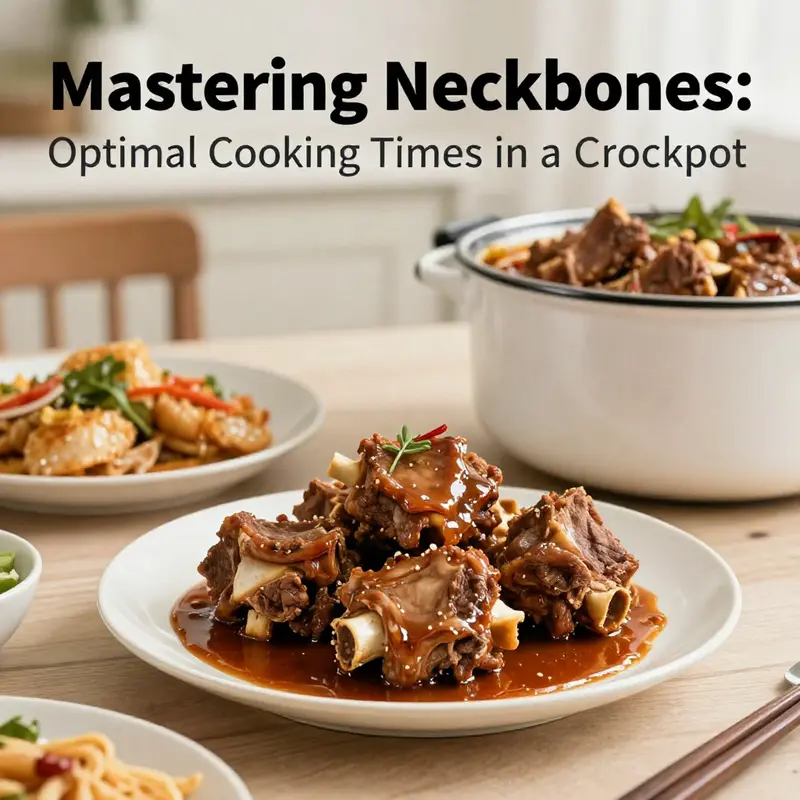
Cooking neckbones in a crockpot opens up a world of flavor and tenderness, especially for business owners and culinary enthusiasts looking to provide hearty meals in their establishments. Understanding the right cooking duration is crucial, as it affects not only the tenderness of the meat but also the richness of the overall dish. This guide will delve into the key aspects of cooking neckbones in a crockpot on high, focusing on the ideal cooking times, enhancing flavors through seasoning, and ensuring food safety. Each section aims to equip you with the insights needed to master this technique, ultimately elevating your culinary offerings.
High-Heat, Deep Flavor: Timing and Techniques for Neck Bones in the Crockpot
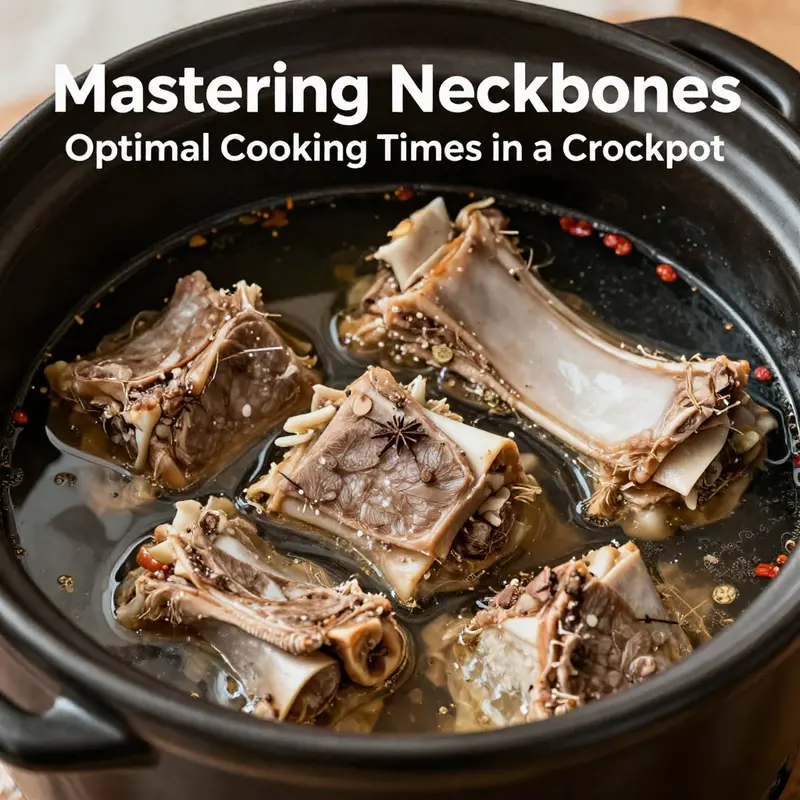
Neck bones bring a rich, meaty presence to the slow cooker, a comfort-grade centerpiece that rewards patience and a careful balance of heat, liquid, and aromatics. When the question turns to timing on high, cooks often expect a quick result, yet the goal remains the same: tender meat that clings to the bone without turning mushy. On the high setting, neck bones begin to surrender their connective tissue and marrow more quickly than on low, and practical experience points to a tender, fork-ready texture in roughly 3 to 4 hours. This range provides a reliable baseline for weeknight dinners or weekend meals when time feels tight but flavor cannot be rushed. The key is to let the heat do its work without overdoing it, because the same marrow that enriches the sauce can also loosen its grip on texture if allowed to overcook.
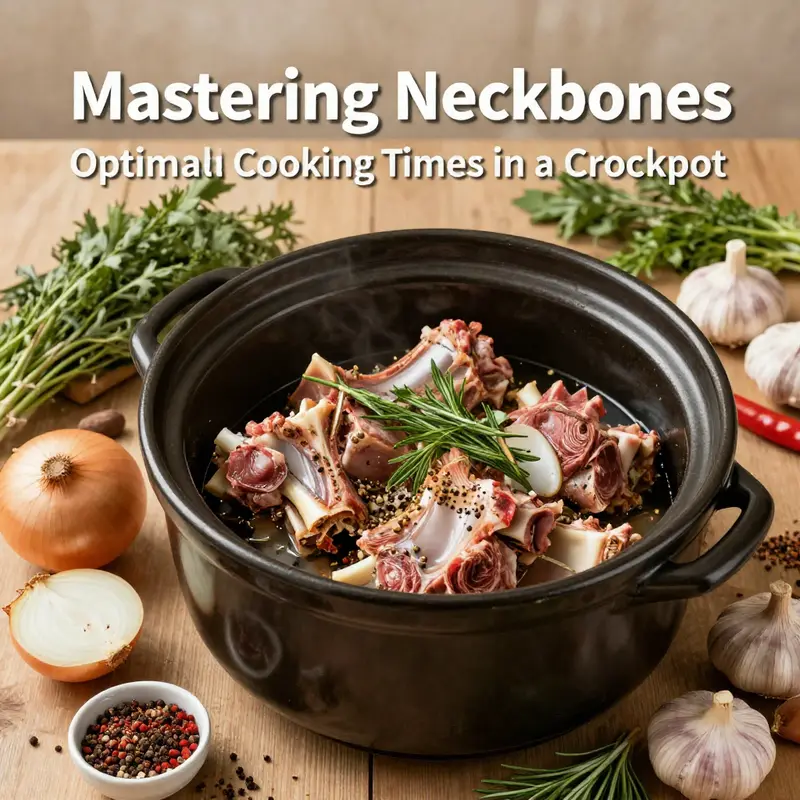
The foundation of a successful high-heat neck bone dish is simple: keep the bones submerged in liquid and build flavor with well-chosen aromatics. Starting ingredients matter for both taste and texture. Use fresh or properly thawed neck bones, since thawed meat holds together better under steady heat and delivers more consistent tenderness. Submersion is crucial; a shallow pool of liquid can promote uneven cooking and dry spots, especially when the crockpot reaches higher temperatures. Broth or water works, but you’ll find that a stock-based liquid enhances depth, particularly when the pot braises with onions, garlic, and herbs. Aromatics are not mere garnish here; onions lend sweetness that offsets the natural savor of the bones, garlic adds a comforting bite, and a few bay leaves or sprigs of thyme or rosemary create a fragrant backdrop that the marrow can mingle with as it loosens and blends into the sauce. A straightforward approach—layering aromatics at the bottom, inserting the neck bones, and pouring the liquid to cover—helps ensure even cooking. For reference, a broader exploration of neck bone preparations is available at beef neck bones, which delves into cuts and treatments that suit slower, lower, or faster methods depending on the cut and the recipe. See beef neck bones for additional context on neck bone versatility and texture expectations, even as you tailor the method to a high-heat crockpot.
In practice, the pace of the High setting accelerates the simmering process, but it does not replace the fundamental need for moisture and time to render connective tissue. As you monitor the progress, expect the meat to become notably more pliable and easier to pull away from the bone as the hours pass. You can estimate tenderness by testing with tongs or a fork; when the meat releases with a light twist, you know you’re close. Monitor the internal temperature as well, because safety remains paramount. The meat should reach at least 145°F (63°C) to be considered safe to eat, a threshold that serves as a reliable anchor even as you chase that ideal texture. Keeping the heat steady and preventing a rapid boil is part of the finesse of high-heat, slow-cooker cooking. A steady, gentle simmer preserves moisture and lets the flavors mingle without scorching or toughening the surface of the meat.
If your starting plan involved longer times on low—say, six hours on low—rethink the schedule when you switch to high. The high setting shortens the cooking window, but it also magnifies the risk of dryness if you push beyond the point of tenderness. A practical adjustment is to start with the three-to-four-hour window on high and then check for tenderness at the two-and-a-half to three-hour mark. If your neck bones are not yet where you want them, you can finish with an additional half hour to an hour, keeping a careful eye on texture. The goal is meat that peels cleanly away from the bone yet remains juicy, not crumbly, and a cautious, incremental approach helps you land at that sweet spot.
Beyond timing, there are additional touches that elevate the final dish without complicating the process. The bones thrive on a modest amount of liquid and a balanced aroma profile. A little onion, garlic, and herb can transform a simple braise into something deeply flavorful. If your pantry offers fresh herbs such as thyme or bay leaves, tuck a couple into the pot; they release oils that perfume the broth without overpowering the meat’s natural savor. For those who crave a richer sauce, you can reduce the liquid slightly after the cooking cycle ends or skim the fat and simmer the liquid briefly on the stove to concentrate the flavors. A well-nurtured sauce or broth from neck bones often benefits from a gentle finish—perhaps a light splash of acid like a touch of vinegar or lemon—to brighten the finish just as the meat falls away.
Considering the practicalities of timing and technique, it becomes clear that the art of cooking neck bones in a crockpot on high rests on three pillars: moisture, temperature control, and an intelligent, flavor-building final approach. The moisture must be steady and adequate to maintain tenderness; the temperature must remain controlled to allow the connective tissue to melt without overcooking the muscle; and the flavor base must be layered rather than dumped in at once. When done thoughtfully, the meat yields a luscious texture with a deeply satisfying mouthfeel, and the broth becomes a comforting foundation for rice, mashed potatoes, or a rustic loaf to soak up every last drop. For readers who enjoy exploring related methods, a broader perspective on neck bone dishes and their various applications can be found in the linked resource above, and the broader culinary landscape around slow-cooker pork neck bones offers a spectrum of techniques that can inspire your next adaptation.
For readers seeking a detailed, recipe-focused walkthrough that expands on the principles outlined here, a comprehensive external resource provides targeted guidance and tested timing for neck bones in a slow cooker: https://www.cookswithsoul.com/slow-cooker-pork-neck-bones/.
null
null
Tender, Safe, and Precisely Cooked: Mastering High-Heat Crockpot Neckbones
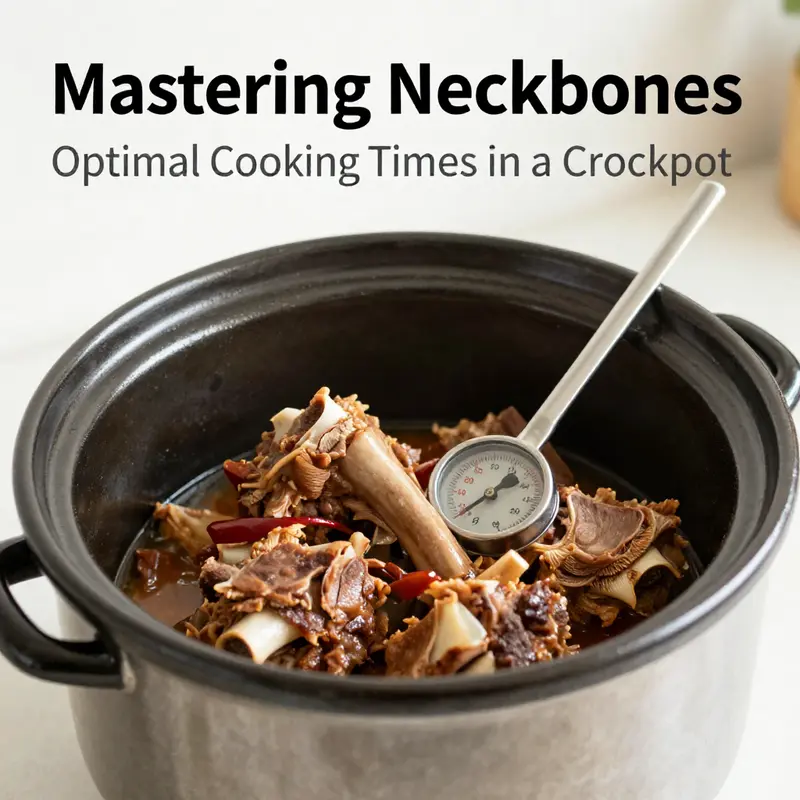
To achieve tender neckbones in a crockpot on high, you’ll focus on four essentials: preparation, liquid, time, and temperature. Begin with thawed neckbones; pat dry and trim excess cartilage. Season lightly and add aromatics like onion, garlic, and a bay leaf for a gentle base. The neckbones should be submerged and the liquid should fill roughly two-thirds of the pot so heat distributes evenly. On high, plan about 4 to 6 hours for tenderness; check with a fork and ensure the meat pulls away from the bone and the internal temperature meets safe guidelines. Keep the lid on to preserve moisture and avoid lifting it frequently. Place the cooker on a stable surface away from edges and cords. When testing, rely on texture and temperature: at least 145 F (63 C) for pork. If you want extra depth, a splash of acid at the end can brighten the finish. Serve with a simple starch and greens to balance richness.
Final thoughts
Cooking neckbones in a crockpot on high not only helps achieve tenderness but also allows for the infusion of rich flavors, making it an excellent choice for any culinary operation. By understanding the optimal cooking time, employing effective seasoning techniques, and adhering to food safety guidelines, you can serve exceptional dishes that keep your customers coming back for more. Master these methods and elevate your kitchen offerings, ensuring that every meal made with neckbones is a standout success.