
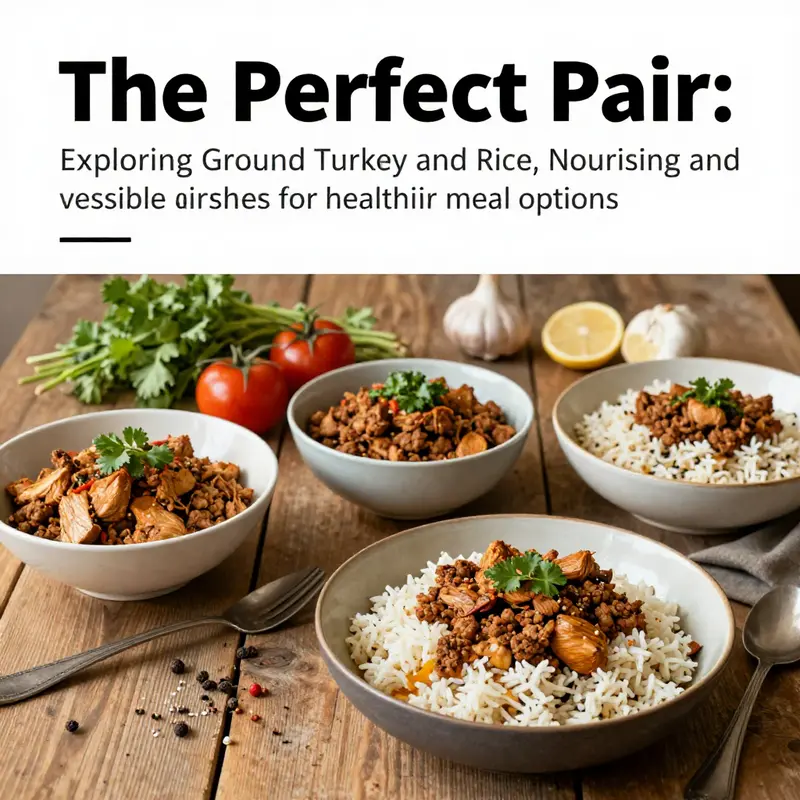
Ground turkey combined with rice presents a formidable solution for health-conscious business owners looking to maximize nutritional value while minimizing preparation time. This pairing not only offers a lean protein source but also serves as a canvas for countless culinary creations. Understanding the nutritional benefits of ground turkey with rice can motivate businesses to enhance their menus with healthier options. In the upcoming chapters, we will delve into the health advantages of this combination, explore various cooking techniques, and illustrate how these insights can be leveraged in a business context.
Balanced Power on a Plate: The Nutritional Science of Ground Turkey with Rice
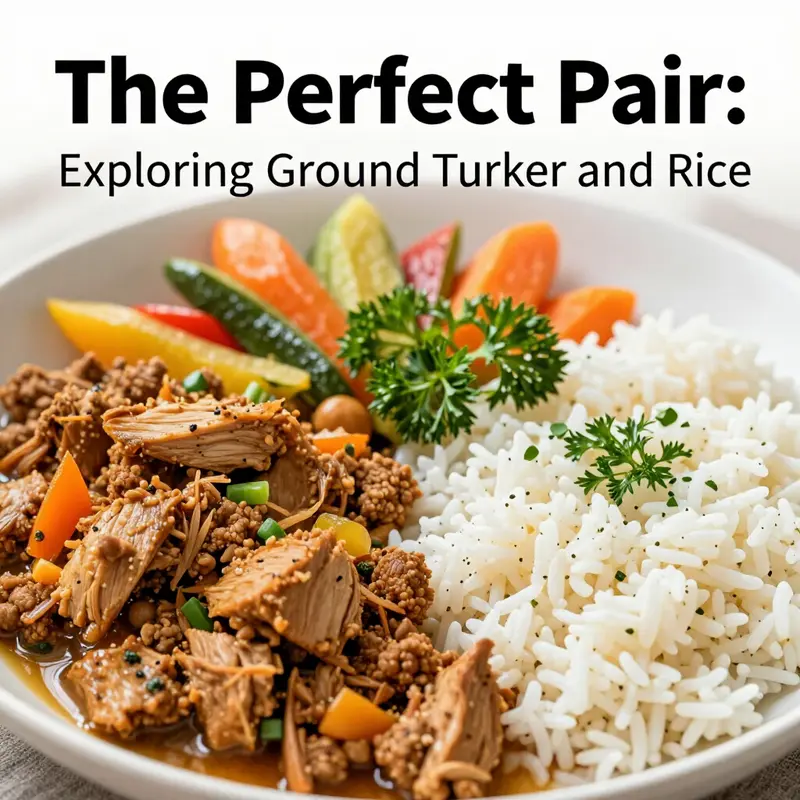
Ground turkey with rice is more than a comforting weekday staple; it is a quiet orchestra of nutrients that work together to fuel the body through busy days and restful evenings alike. The pairing reaches beyond flavor and texture, offering a practical template for meals that honor lean protein, steady energy, and digestive balance. When you combine the lean, versatile ground turkey with the reliable backbone of rice, you create a canvas that supports muscle maintenance, sustained energy, and satiety without overwhelming the stomach or the schedule. This chapter explores how the components of ground turkey and rice—protein, complex carbohydrates, and minerals—interact to form a nourishing, adaptable dish that can be tailored to a range of dietary goals and cooking styles. It is a reminder that nourishment can be both simple and scientifically attuned, a quality that makes this pairing a reliable foundation for weeknight dinners, meal prepping, and even creative reinventions like soups, casseroles, or stuffed vegetables.
The protein profile of ground turkey is a central pillar of its appeal. A typical serving of lean ground turkey delivers a meaningful portion of daily protein, which is crucial for muscle repair, enzyme function, and overall tissue health. The micronutrient picture is equally compelling. According to Eat This Much, a single serving can provide about half of the daily value for protein, along with noteworthy percentages for iron and potassium—minerals that support oxygen transport, energy production, and fluid balance. Iron helps ferry oxygen to working muscles, while potassium supports nerve function and electrolyte balance during activity. These micronutrients make ground turkey more than a protein source; they contribute to a more complete nutritional package that can harmonize with different dietary patterns and activity levels. When rice steps into the equation, the nutritional landscape broadens further. Brown rice, in particular, adds B vitamins, magnesium, and dietary fiber, which contribute to energy metabolism, muscle function, and digestive health. The fiber in brown rice slows digestion just enough to help stabilize blood glucose levels, a consideration that can be especially important for those managing carbohydrate intake or seeking steady energy release throughout the day. The glycemic index advantage of whole grains underscores the value of choosing brown rice when possible, especially for portions that accompany lean proteins like ground turkey. The carbohydrate portion in this pairing completes a balanced plate by supplying the energy your body can draw on for daily tasks and workouts, while the protein provides a steady signal to the muscles that they should repair and grow where needed.
From a practical standpoint, this combination is friendlier to busy lives than many presume. It supports weight management by promoting fullness with a modest calorie density and a satisfying texture that discourages overeating. It also supports muscle-building goals through high-quality protein coupled with complex carbohydrates that provide lasting energy. The meal’s reheatability and structural integrity make it particularly well suited to meal prep. A batch of turkey and rice can be divided into portions for lunches or dinners across several days, preserving flavor and texture when stored properly. This makes it easier to maintain consistent nutrition without resorting to less nutritious convenience options that favor salt or refined carbohydrates. The simple logic of the pairing—protein plus fiber-rich carbs—lends itself to dietary frameworks that prioritize whole foods, moderate portions, and mindful ingredient choices. In practice, it can align with paleo sensibilities when the base is built on clean, minimally processed ingredients, it remains gluten-free, and it can be adjusted for Whole30 with appropriate tweaks to seasonings and accompanying components.
The role of rice in this duo is not merely as a filler. Rice provides a reliable source of energy that is gentle on the digestive system and versatile in cooking. Brown rice, in particular, contributes magnesium, which supports healthy nerve and muscle function, and its dietary fiber aids digestion and satiety. The fiber content also helps slow the rate at which carbohydrates enter the bloodstream, contributing to more stable blood sugar levels when portions are controlled. This is especially relevant for people who are managing carbohydrate intake or seeking to prevent abrupt energy spikes followed by drops. In contrast, white rice offers a more neutral canvas that can be advantageous in certain flavor profiles and textures, especially when a lighter, quicker dish is desired. The choice between brown and white rice is a personal and practical one, guided by goals around fiber intake, cooking time, and taste preferences. Either option pairs well with ground turkey, balancing the lean protein with a carbohydrate source that sustains energy and fullness without overwhelming the palate.
Beyond the core pairing, the dish invites a flexible approach to cooking that keeps taste fresh across seasons and moods. A common avenue is to start with the turkey to develop a robust foundation of flavor. Cook the ground turkey thoroughly before adding the rice to ensure even distribution of flavor and to achieve a desirable texture. A savory broth—chicken or vegetable—brings depth, while herbs such as thyme, rosemary, or oregano lift the aroma and brighten the palate. For a heartier profile, vegetables like carrots, celery, and onions can be simmered with the meat, creating a one-pot base that thickens naturally as the rice cooks. For additional nutrition and color, frozen mixed vegetables offer convenience, or leafy greens like spinach or kale can be stirred in at the end to preserve their bright color and nutrients. Some cooks prefer to cook the rice separately to gain more control over its texture, then fold it into the seasoned turkey. This technique can be especially appealing when timing and texture hold high value for a particular meal plan or when preparing multiple portions with distinct flavor accents.
This flexibility aligns with a broader culinary philosophy: meals should fuel performance while remaining enjoyable and adaptable to various dietary needs. The ground turkey and rice platform accommodates a range of goals, from weight management to muscle building, and from diabetes-friendly planning to gluten-free or paleo-friendly meal choices when the seasoning and accompaniments are chosen with care. It also supports the social and emotional aspects of eating, offering a comforting familiar staple that can be dressed up for company or kept simple for a weeknight cookout. The capacity to tailor textures, flavors, and nutrient emphasis makes this pairing a reliable backbone for creative variations. For readers seeking inspired directions, there is a curated collection of related ideas that over time can broaden this foundation into a family of dishes centered on ground turkey and rice. See Ground Turkey and Rice Recipes for a repository of variations and practical ideas that maintain the core nutritional advantages while exploring different flavor profiles and ingredients.
When thinking about added vegetables for diversity, sweet potatoes emerge as a particularly strong partner. They contribute beta-carotene and antioxidants that complement the iron-rich turkey, offering a colorful contrast and an additional layer of micronutrients. Spinach, meanwhile, introduces iron and folate in a form that is quickly absorbed when cooked lightly and kept slightly wet for tenderness. Together, these additions demonstrate how a simple base—ground turkey with rice—can become a nutrient-dense plate that evolves with the seasons and with individual dietary priorities. The synergy of protein-rich turkey and fiber- and mineral-rich rice can be further enhanced by mindful portioning. If the goal is to support sustained energy through a workday or a training session, a larger portion that includes a generous helping of vegetables and a moderate amount of rice works well. If the aim is weight management, focusing on a leaner protein portion, a moderate rice portion, and more vegetables creates a satisfying, lower-calorie meal that still delivers essential nutrients.
An important takeaway is that nutrition is not only about macronutrients but also about how those nutrients are delivered in a form that is enjoyable and easy to prepare. The ground turkey and rice pairing shines precisely because it blends simplicity with nutrient density, enabling cooks to deliver meals that feel comforting yet deliberate in their composition. For those craving practical guidance on variations and finer nutritional details, the linked resource offers tested recipes and nutrition breakdowns that can inform your own adaptations. Ground Turkey and Rice Recipes provides a jumping-off point for exploring different flavor combinations and techniques while preserving the core benefits of lean protein, complex carbohydrates, and fiber.
External nutrition reference: https://www.eattthismuch.com/recipes/ground-turkey-rice-bowl/
From Sizzle to Silk: Mastering Flavor, Moisture, and Texture in Ground Turkey with Rice

Ground turkey with rice is more than a pairing of two simple ingredients; it is a canvas for technique that transforms lean protein and bland grains into a comforting, satisfying plate. The challenge, especially on busy weeknights, is to coax tenderness from the meat while preserving the integrity of the rice so that every bite reveals a balance of mouthfeel, aroma, and savoriness. Achieving that balance begins with an understanding of how heat, moisture, and seasoning interact. When you treat the browning of the turkey as the foundation and the rice as a living component able to absorb flavors rather than a passive side, the dish becomes a cohesive, restaurant-like experience in a single pot or skillet. This approach works whether you are preparing a quick skillet meal, a one-pot dinner, or a simple base for a weekly meal-prep idea that can morph into a hearty soup, a stuffed pepper, or a comforting casserole later in the week. The key is layering flavor and controlling texture from the first moment the pan heats up.
A central pillar of success is moisture management. Ground turkey, prized for its lean profile, is also prone to drying out if it is cooked too long or heated in an unyielding, dry environment. The simplest safeguard is to introduce a moisture-rich base at the start. Rather than browning the meat in its own fat, which can evaporate quickly, begin with a small amount of oil or a splash of broth. That initial step creates a gentle sear without the risk of seizing moisture away from the meat. As the turkey browns, the surface develops fond—the caramelized bits that cling to the pan and later dissolve back into the dish as flavor. When you deglaze with a small amount of broth or even a splash of wine, those browned bits are released, concentrating the dish’s savor. This is not mere technique for technique’s sake; it is a practical pathway to a richer, more balanced base that supports the rice instead of letting it disappear into a bland backdrop.
Once the turkey achieves a pleasing brown color, the timing of the next steps becomes crucial. If you rush to add the rice, you risk uneven cooking and a mushy texture. The rice itself deserves a mindful approach. The so-called Golden Method—sautéing the rice briefly in a touch of oil before adding liquid—lets the grains develop a subtle nutty aroma and helps prevent clumping. The grains toast just enough to shield them from becoming gluey once simmered. Following the toast, swap water for a flavorful broth, either chicken or vegetable. The broth becomes part of the dish, infusing the grains with depth rather than merely hydrating them. In this way, the rice ceases to be a passive participant and becomes a core component that carries savory notes through the entire bite. The goal is grains that remain distinct yet tender, offering a more satisfying texture that complements the ground turkey rather than competing with it.
Flavors should be built in layers, a principle that guides every element of this dish. Start with aromatics—onions, garlic, and perhaps celery or bell peppers—and let them release their fragrance in the pan until they are glossy and soft. Those aromatics create the initial perfume that carries through the meat later on. Then return the browned turkey to the pan and season gradually. The practice of adding salt in stages, rather than all at once, helps release moisture and builds depth more evenly. Cumin, paprika, oregano, and a touch of thyme or rosemary can offer a Mediterranean warmth or a comforting earthiness, depending on your chosen direction. The idea is not to overwhelm the turkey; it is to tease out nuanced flavors that the rice will echo. When the mixture returns to the simmer, a gentle, steady heat allows the flavors to mingle without forcing moisture out of the meat or the grains. The texture, in turn, benefits from this careful orchestration: the turkey stays juicy, the grains stay separate, and the overall dish retains its cohesion without becoming mushy or chalky.
Texture is also shaped by technique beyond browning and toasting. Searing the turkey first and then deglazing the pan creates a concentrated fond, a flavor base you can lift back into the dish with a splash of broth. This small step yields a big payoff, particularly when the pan is scraped clean and the browned bits dissolve into the simmering mixture. The same principle applies when you choose to add a heftier amount of vegetables. Frozen vegetables, added towards the end, save time without sacrificing nutrition, and greens such as spinach or kale can brighten the dish with color and a last layer of mineral notes. When you pair these vegetables with the starch of the rice, you reinforce a sense of balance: protein, starch, and greens harmonize rather than competing for attention.
There is also a practical, almost artful, side to cooking ground turkey with rice that often goes overlooked: the dish must be allowed to rest briefly after cooking. Letting the pan sit off the heat for about five minutes gives the flavors a moment to settle and the rice a chance to absorb any residual moisture evenly. This brief rest improves both texture and perception of taste, giving the impression of a more deliberate, deliberate preparation rather than a rushed weeknight solution. Rest is not a mere pause; it is a final step that completes the layering process—an opportunity for the grain to finish hydrating and for the meat and aromatics to meld into a unified bite.
The versatility of ground turkey with rice becomes most apparent when you consider variations beyond the plain skillet. A Hearty Turkey and Rice Soup, for example, uses the same fundamental principles but elevates them into a one-pot, comforting meal suited to cooler days. The trick in such soups is to maintain the integrity of the rice while allowing the broth to become a moral thread that ties the ingredients together. In practice, this means browning the meat with the aromatics, deglazing, and then simmering with rice and vegetables in a savory broth. The result is a spoonable dish whose starchiness thickens the soup naturally while the flavors remain bright and cohesive. The method shows how flexible ground turkey and rice can be when you approach flavor layering with patience and precision. For readers who want to explore broader variations, there is a resource that offers a range of approaches and tested results under the umbrella of ground-turkey-and-rice-recipes.
In keeping with the idea of practical, kitchen-tested techniques, there is a broader point to keep in mind: each component serves the whole. When the turkey is properly browned, when the rice is toasted and simmered in broth, and when aromatics and seasonings are introduced progressively, the final dish reads as a single culinary statement rather than a collection of parts. This is the essence of cooking techniques that honor both nutrition and comfort. A lean protein like ground turkey remains the backbone, but it is enriched by the textural contrast of well-prepared rice and the aroma of well-chosen herbs. The result is a dish that satisfies hunger and nourishes the palate, without sacrificing speed or simplicity. It is a reminder that technique matters, even in pantry-friendly meals that must be ready in a short window yet still feel thoughtfully crafted.
For readers seeking additional inspiration and a broader library of variations, you can explore the broader set of options in ground-turkey-and-rice-recipes. This linked collection provides examples and notes that complement the principles outlined here, helping you adapt the core approach to your own pantry and dietary preferences. And if you want a thoroughly tested, traditional reference that demonstrates the full potential of ground turkey with rice in a comforting soup, consider a resource that offers detailed step-by-step instructions, nutritional information, and user feedback. The combination of tested guidance and adaptable technique makes it possible to transform a simple weeknight dish into a dependable go-to that can weather changing tastes, seasons, and time constraints. The core takeaway remains constant: treat the browning, the toasting, and the layering with intention, and the rice will follow in step with the turkey, producing a dish that is flavorful, moist, and deeply satisfying. A final reminder: balance your ingredients, respect the cooking times, and let the dish rest briefly before serving to ensure every component harmonizes at the moment of plating. By embracing these ideas, you turn a humble pairing into a polished, comforting meal every time.
External reference for further guidance and tested methods can be found here: https://www.allrecipes.com/recipe/275439/hearty-turkey-and-rice-soup/.
Final thoughts
Incorporating ground turkey with rice into your business offerings can enhance menu diversity while promoting healthier dining options. This combination not only provides significant nutritional benefits but also allows for creative versatility in cooking, catering to various customer preferences. By leveraging the insights shared in this article, business owners can confidently introduce these dishes, offering wholesome meals that align with current dietary trends and consumer demands.