
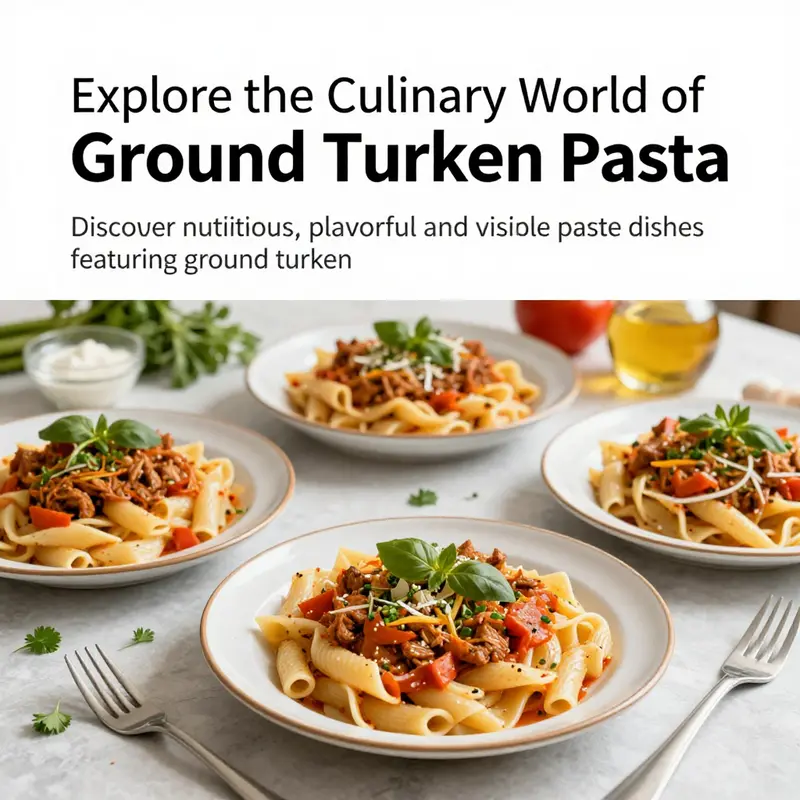
Ground turkey pasta offers a unique blend of flavor, nutrition, and versatility, making it a standout option for health-focused cuisine. For business owners in the food industry, understanding its nutritional benefits, diverse cooking methods, and varied recipe options can enhance menu offerings and attract health-conscious customers. In the following chapters, we will delve into the specific nutritional advantages of ground turkey pasta, effective cooking techniques that maintain flavor and healthiness, and creative variations of recipes that can diversify your menu. By leveraging this knowledge, business owners can meet the growing demand for nutritious meals without compromising on taste.
Lean Power on a Plate: The Nutritional Benefits of Ground Turkey Pasta
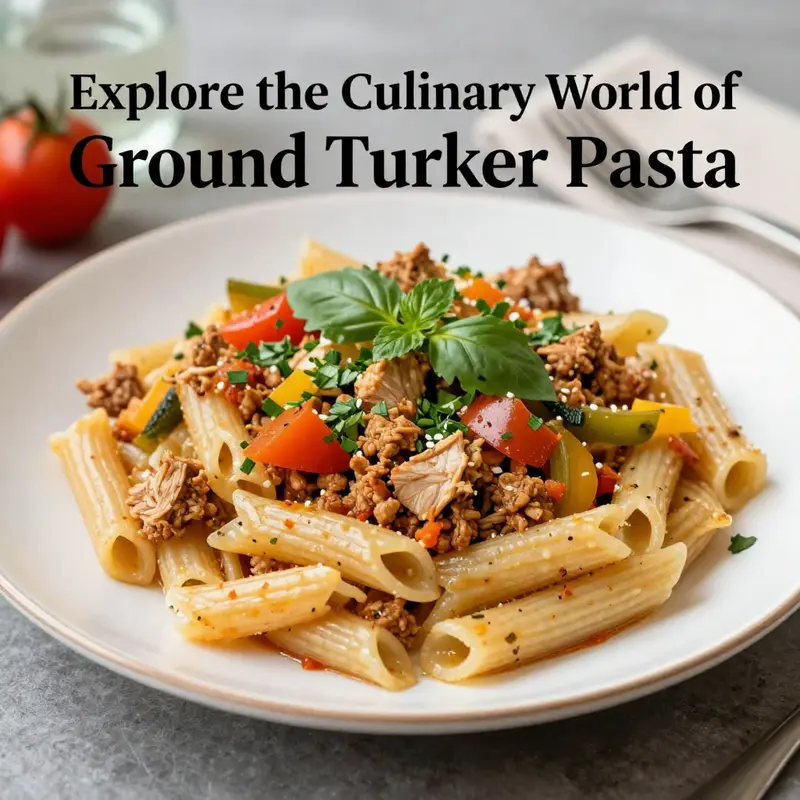
Ground turkey pasta stands out in a crowded kitchen as more than just a quick weeknight option. It is a thoughtful, balanced meal that pairs the lean protein backbone of ground turkey with the satisfying structure of pasta. When done well, this dish delivers a clean, sustained energy supply without heaviness, making it a dependable centerpiece for active days and mindful eating alike. The core appeal lies in the way the protein and carbohydrate elements work together. Ground turkey, especially when trimmed to lower fat percentages, offers a lean protein source that supports muscle maintenance and repair. Its fat content typically sits in a narrow range, which translates to lower saturated fat compared with other common ground meats. This is meaningful for heart health and long-term appetite regulation, because a lean protein is more likely to promote fullness without the quick spike and crash that heavy fats can trigger. In every bite, the meat carries essential amino acids that the body cannot store, ensuring that the effort you invest in activity or training is rewarded by real tissue support. Alongside protein, ground turkey brings vital micronutrients into the mix. Vitamin B6 fuels energy metabolism and cognitive function, while niacin enhances digestion and energy production at the cellular level. Selenium, another player in this dish, acts as an antioxidant and helps sustain immune function, and phosphorus contributes to bone health and energy transfer within cells. Together, these nutrients do more than fuel workouts; they support daily vitality and resilience, particularly when meals are thoughtfully composed around whole foods rather than isolated ingredients.
Pairing ground turkey with pasta elevates the dish from a protein-forward plate to a balanced, nourishing meal. Whole grain pasta, in particular, introduces dietary fiber that slows digestion and promotes a steadier release of glucose. This can be especially helpful for blood sugar management, a concern for people who lead active lives or who are mindful of long-term metabolic health. The complex carbohydrates in whole grain options provide lasting energy, helping to sustain performance during long days and workouts. For those who favor regular pasta, the addition still contributes to satiety through the fiber present in vegetables and any whole-food components added to the sauce. In essence, the pasta acts as a vehicle for energy that complements the lean turkey without overshadowing its protein punch.
Beyond the core pairing, the nutritional benefits multiply when vegetables are woven into the sauce. Spinach, tomatoes, or broccoli not only brighten the plate but also bring antioxidants, vitamin C, potassium, and folate to the meal. Antioxidants help mitigate oxidative stress from daily activity and exercise, while potassium supports heart health and helps regulate blood pressure. Folate contributes to DNA synthesis and cell division, which matters for growth, recovery, and general well-being. The result is a dish that does more than satisfy hunger; it nourishes the body with a spectrum of nutrients that work in concert.
From a culinary perspective, one of the most effective paths to maximizing these benefits is through mindful preparation. Sautéing the turkey with aromatics like garlic and onions in a small amount of heart-healthy oil keeps fat content in check while building a robust flavor base. Simmering a tomato-based sauce allows the flavors to integrate gently, rather than relying on heavy creams or excessive salt. The herbs and spices you choose can amplify taste without adding empty calories, reinforcing the idea that healthful eating can be delicious and deeply satisfying. When you plate the dish, aim for a generous portion of vegetables alongside the turkey and pasta. The resulting balance makes it easier to enjoy a nutrient-dense meal that still feels indulgent.
This approach to ground turkey pasta aligns with broader dietary patterns that emphasize satiating meals, steady energy, and muscle-friendly protein. It supports weight management by promoting fullness with fewer calories from fat while delivering essential nutrients that support metabolism and recovery. It also fits well with active lifestyles, where consistent protein intake and fiber-rich carbohydrates help sustain performance and digestive health. In practice, it’s a flexible, forgiving framework: you can scale the protein to meet your needs, switch to different whole-grain or legume-based pastas, and vary vegetables according to season and preference. The key is keeping the balance—lean turkey, fiber-rich pasta, and a rainbow of vegetables—so each component enhances the others.
For readers seeking practical expansion, this approach can be a springboard into a broader collection of seasonal meals under the Summer Dinner Recipes umbrella. Explore this category to see how lean ground proteins pair with varied vegetables and grain bases to sustain energy and flavor across the season. See more here: Summer Dinner Recipes. For a deeper dive into the science behind these choices, the Harvard Nutrition Source offers extensive guidance on turkey’s role in a balanced diet: https://www.hsph.harvard.edu/nutritionsource/foods-and-drinks/turkey/.
Searing to Savor: Mastering Ground Turkey Pasta Through Simple Techniques and Sauces
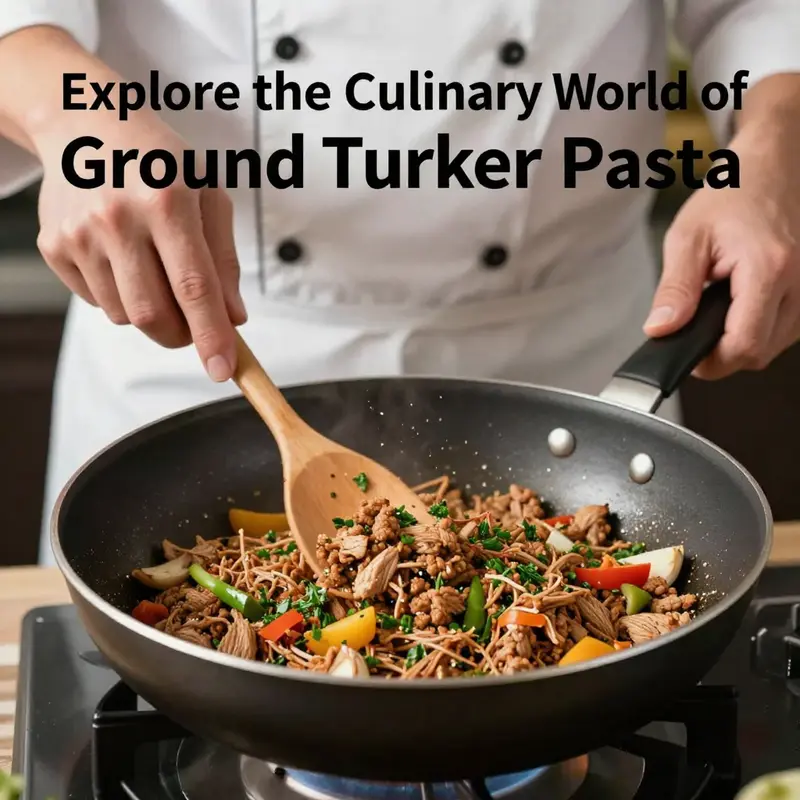
Ground turkey offers a lean canvas for pasta plates that satisfy hunger and health goals alike. Its mild flavor accepts a wide range of sauces, from bright tomato-based finishes to creamier emulsions, and when paired with whole-grain or legume-based pasta it becomes a balanced meal that supports steady energy release and digestive comfort. The core nutritional payoff is clear: a protein source that has low fat content without sacrificing the amino acids your body uses to repair muscle after activity. The B vitamins present in turkey support energy metabolism, and the added fiber from hearty pasta varieties further aids satiety and blood sugar control. Within this frame, the way you cook matters as much as what you serve. The more you respect the interaction between heat, fat, and moisture, the more the turkey will deliver texture rather than mush or dryness. A browned exterior and a juicy interior create flavor pockets that lift the sauce rather than fight it, a principle you will notice throughout the dish.
The research landscape around ground turkey pasta does not offer a cookbook of stepwise methods. It points to a common practice: browning the meat in a pan until it develops color and a bit of crisp edges, then combining it with cooked pasta and sauce. The reason browning matters is not merely tradition; it unlocks richer aromas through the Maillard reaction and creates a tiny crust that prevents the meat from glistening with its own juices. Overcrowding the pan, using too little fat, or cooking at too low a heat produces a pale, pasty texture. So a patient approach matters: work in batches if needed, let the pan heat fully, and allow the turkey to lift slightly off the surface before crumbling again. Seasoning should be deliberate but light in a lean-turkey setup, with garlic, onion, oregano, basil, and a pinch of chili if you like a subtle kick. Salt, wisely used, stays in the sauce rather than drawing out moisture from the meat.
After browning, a brief deglazing with a splash of broth or wine helps lift the fond and creates a thin sauce that clings to both turkey and pasta. Add aromatics and simmer gently to marry flavors, then fold in your sauce—marinara, a simple tomato base, or a creamy Alfredo-style finish depending on your mood. The pasta should finish cooking in the sauce or be added just before service so that starch helps emulsify the sauce around the meat. The texture of the noodles matters: a shape with ridges or hollows will catch bits of browned turkey and sauce, turning every bite into a cohesive bite rather than a separate protein on top of starch. This is where the choice of pasta becomes part of the technique, not just a backdrop. If you want a heartier bite, opt for whole-grain spaghetti or penne or switch to a legume-based pasta to boost fiber without sacrificing protein compatibility.
Beyond technique, the dish invites variation without veering from its healthful base. You can enrich with vegetables—spinach, mushrooms, bell peppers—that soften and release sweetness as they sauté with the turkey. The protein remains lean, but the dish gains color, fiber, and micronutrients that round out flavor. A squeeze of lemon toward the end brightens the sauce, fresh herbs wake the palate, and a grating of Parmesan adds a salty finish without resorting to heavy fats. The goal is balance: lean meat, whole-grain or legume pasta, and a sauce that binds all components into a single, satisfying plate. When the kitchen rhythm is right, the skillet gives up a meal that feels both comforting and purposeful, a rare blend of speed, nutrition, and depth. For a broader sense of weeknight flexibility, see Summer Dinner Recipes.
External resource: https://www.eatright.org/food/planning-and-prep/healthy-eats/ground-turkey
Lean, Flavorful, and Flexible: The Many Faces of Ground Turkey Pasta
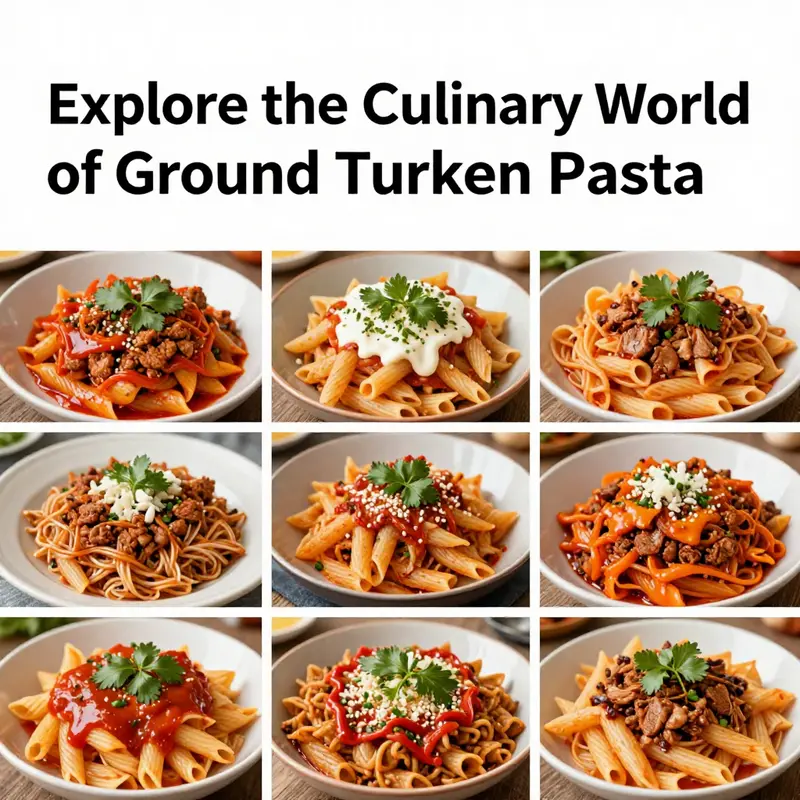
Ground turkey pasta presents a canvas that invites a cook to weave seasonality, balance, and texture into a single, satisfying dish. This lean protein, celebrated for its low fat content and high-quality amino acids, becomes more than a substitute for higher-fat meats; it expands the possibilities of weeknight meals and weekend dinners alike. When browned properly, ground turkey unlocks depth without heaviness. A few careful techniques—softening aromatics, deglazing with a splash of broth or wine, and letting the sauce reduce—transform a simple skillet into a sauce that clings to pasta with a pleasing, clean finish. The result is not a compromise but a platform for creativity, where creamy textures, bright herbs, and roasted vegetables mingle with the protein to deliver a balanced plate with real nutritional payoff.
Take, for instance, the Turkey and Spinach Alfredo Pasta. Here, the meat meets garlic and onion in a quick browning, then meets a lighter creaminess built from low-fat milk or thick Greek yogurt, blended with Parmesan and a generous handful of spinach. The spinach doesn’t just add color; its iron and vitamins contribute to a sense of fortification in a dish that remains silky and comforting. The greens brighten the dish, while the yogurt or milk-based sauce keeps calories in check. It’s a reminder that creamy textures can coexist with lean ingredients when the sauce relies on cultured dairy and careful portioning rather than heavy cream alone.
Another compelling variation is the Turkey Sausage and Tomato Basil Pasta. The shift from plain ground turkey to a sausage-style grind brings savory aromatics and a robust backbone to the sauce. Garlic, crushed tomatoes, and a flutter of red pepper flakes set the stage for fresh basil. The result is a weeknight-friendly dish that carries the familiar perfume of Italian-inspired cooking without resorting to extra fat. This is a vivid example of flavor layering: the turkey provides body, the tomatoes deliver sweetness and acidity, and the basil lifts the sauce with brightness. When served over whole-grain spaghetti or another fiber-rich pasta, it rounds out into a meal that satisfies while supporting steady energy release.
A lighter Mediterranean note appears in Turkey and Lemon-Herb Orzo. Lemon zest brightens the skillet as parsley and dill lift the aroma, while orzo offers a small, pearl-like bite that contrasts with the texture of the meat. A drizzle of olive oil and a crumble of feta at the end add a tangy saltiness that feels both fresh and satisfying. This variation showcases how citrus can redefine a dish, giving it a clean finish that pairs beautifully with a variety of salads or roasted vegetables. It’s the kind of dish that travels well from a busy weeknight to a table of guests without losing its sense of place.
For heartier, earthier notes, Turkey and Mushroom Creamy Pasta leans into mushrooms and a velvety sauce. Sautéed mushrooms and onions deepen the flavor, as thyme and rosemary echo the rustic sweetness of caramelized mushrooms. A touch of cream or coconut milk yields a luxurious texture while preserving the lean integrity of the turkey. The fungi contribute umami, making every bite feel substantial without tipping into heaviness. This variant is especially comforting in cooler months, offering warmth through aroma, texture, and a mild, comforting richness that still reads as wholesome.
The plant-forward approach comes through with Turkey and Roasted Vegetable Penne. Bell peppers, zucchini, cherry tomatoes, and eggplant roast beside the turkey, mingling with a light marinara or herb-forward sauce. The roasting concentrates sweetness in the vegetables, while the turkey keeps the protein profile lean. The combination celebrates color and variety on the plate, aligning with contemporary dietary preferences that favor whole foods and a spectrum of textures. It’s a reminder that pasta can anchor seasonal produce rather than crowding them out.
Across these variations, the core appeal of ground turkey pasta remains consistent: flavor that comes from technique and palette—not from fat. A well-chosen pasta shape matters as much as the sauce itself. Whole-grain or legume-based pastas boost fiber and blood-sugar management, turning a comforting dish into a more balanced meal. Herbs, citrus, and a judicious use of dairy or dairy alternatives let cooks tailor each plate to energy needs, dietary goals, and personal preferences. The beauty lies in the adaptability—the chance to switch from a cream-leaned Alfredo to a bright lemon-herb note, from a tomato-forward basil kick to a mushroom-studded depth—without sacrificing protein quality or satiety.
For inspiration that spans seasons and scenarios, consider how these variations can connect with broader meal planning. A quick weeknight skillet can morph into a family favorite when you swap in roasted vegetables, or when you swap pasta shapes to change texture while keeping the core technique intact. And for those who want a curated collection that complements this chapter, you can explore related ideas in the Summer Dinner Recipes collection. This body of work demonstrates how ground turkey pasta serves as a versatile centerpiece that adapts to mood, pace, and ingredients. As you experiment, remember that the most enduring strength of ground turkey pasta is its balance: lean protein, vibrant vegetables, and a sauce that honors every bite. If you’d like to explore more about how different preparations unfold in practice, you can consult an external resource for broader cooking concepts at https://www.example.com/recipes. In the end, the canvas is yours to fill with color, aroma, and nutrition that keep every forkful inviting and satisfying.
Final thoughts
Incorporating ground turkey into pasta dishes presents a wealth of advantages, both nutritionally and culinary. From its low-fat content and high protein value to versatile cooking methods and diverse recipe variations, ground turkey pasta appeals to a broad range of customers seeking healthy and flavorful options. As a business owner, adopting ground turkey pasta into your menu can not only meet the demand for nutritious meals but also elevate the dining experience. With an understanding of its benefits and cooking techniques, you can effectively showcase ground turkey pasta as a star player in your culinary offerings.