
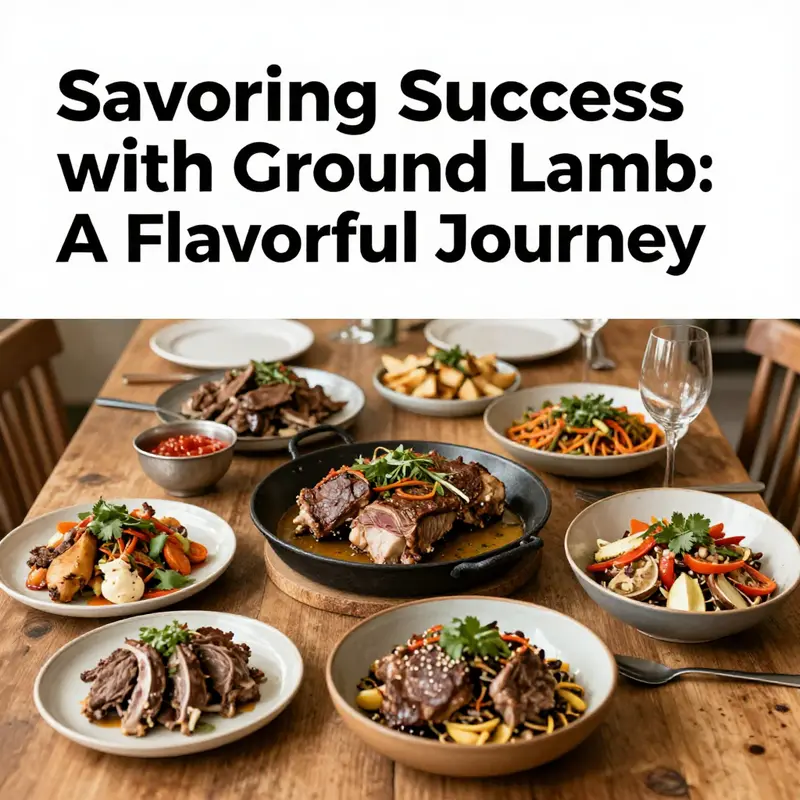
Ground lamb is a dynamic ingredient that has the potential to elevate any restaurant menu or catering service. With its rich flavor and adaptability, it can be transformed into an array of delightful dishes that cater to diverse palates. This article provides an exploration of how properly preparing ground lamb, employing bold seasonings, and offering versatile serving suggestions can enhance your culinary repertoire. In each chapter, we will delve into the core techniques and ingredients for perfecting this ingredient, examine flavor profiles that complement and enhance its natural richness, and showcase creative recipes and serving ideas that will wow your customers and keep them coming back for more.
Seared Ground Lamb: Techniques, Seasonings, and the Art of Balanced Flavor
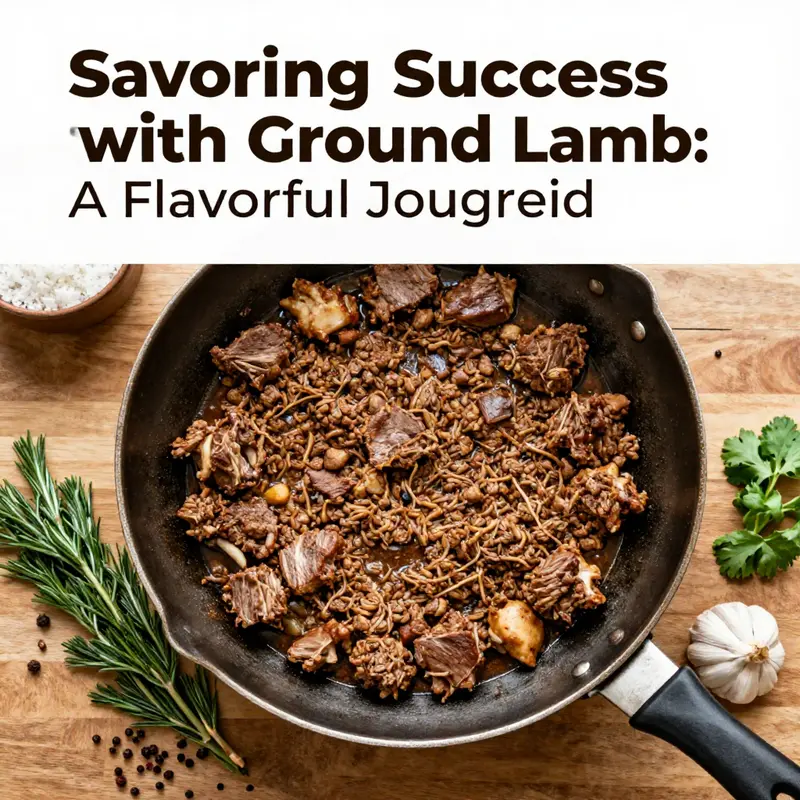
Ground lamb stands apart in the pantry of meat. Its fat content—typically around 20 to 30 percent—gives it a natural succulence and a depth of flavor that can carry bold spices and bright herbs without turning dry. When we approach ground lamb with intention, we respect its fatty richness rather than fight it. The path from raw meat to a dish that sings is a careful choreography of temperature, timing, and restrained seasoning. The goal is not to steam or steam-roll the lamb into submission, but to coax a savory crust to form on the exterior while preserving a moist, flavorful crumb inside. This balance is the through-line that ties a simple skillet meal to kebabs, meatballs, dolmas, and stuffed vegetables alike. The same core practice—a quick, high-heat sear followed by layered flavor—unfolds in many directions, depending on the final dish you want to chase.
Begin with the meat itself. Choose ground lamb sourced from shoulder or leg, where the fat is still integrated and the texture holds up to shaping and pan work. If you’ve purchased in a market that lets you see the fat content, aim for that mid-to-rich range rather than lean. Handling matters, too. Work the meat gently when you season and combine the components. Overmixing leads to a dense texture that dulls the natural tenderness of lamb. In a broad skillet, heat a splash of oil until it shimmers, then slide in the lamb. Hear that first sizzle? It’s the first hint of Maillard flavor, the chemical kiss that turns simple fat into a deep, savory crust. Break the meat up with a spoon or spatula as it cooks, encouraging even browning. The color shift from pink to coppery-brown is a bicycle ride of time and temperature, not speed. Let the mix develop color, then tilt the pan to drain excess fat when the bottom is nicely browned. A generous, but not excessive, glistening layer of rendered fat left behind becomes the cooking oil for the aromatics that follow.
The foundation of flavor sits in the aromatics. Onions, garlic, and shallots form a fragrant trio that infuses the lamb with sweetness, bite, and earthiness. Sauté these aromatics first, in the same pan, until they soften and release their perfume. Then return the browned lamb and stir to coat the meat with the aromatics’ inviting perfume. This sequence—brown first, then bloom the aromatics—sets the stage for the spices that make ground lamb feel both familiar and adventurous. The spice cabinet for lamb is a forgiving one, leaning toward warmth and complexity. Cumin is a natural pairing, its nutty warmth echoing the lamb’s own richness. A pinch of coriander seeds, a dusting of smoked paprika, and perhaps a whisper of cinnamon can bring the dish into a Mediterranean or Middle Eastern frame, depending on your mood. Sumac adds a tangy citrus lift that brightens fat without shouting, while a pinch of paprika adds color and a smoky edge. If you crave a more herb-forward profile, oregano and lemon zest lend brightness that cuts through the fattiness with a sunny note. The beauty here is that you can tune the intensity and direction with a few measured pinches, always tasting as you go to keep the balance honest.
Acidity and brightness are essential accompaniments to lamb’s richness. A splash of lemon juice near the end of cooking can lift the entire pan, while pomegranate molasses—if you tolerate a touch of sweetness—delivers a glossy, syrupy tang that halos the meat with a glaze of depth. A splash of vinegar, light and clean, can also counterbalance the fat and amplify the spices without leaving the dish tasting flat. If you’re serving the dish with yogurt or a yogurt-based sauce, the cool tang of dairy helps temper the lamb’s warmth while echoing the lemon and herb notes that appear at the finish. A handful of chopped fresh herbs—parsley, mint, cilantro, dill, or a combination—added toward the end preserves their brightness and aromatic punch. The idea is to brighten and balance, not bury the meat under a pile of greens.
Texture is where technique and timing converge. For quick, saucy preparations, you want the meat to crumble into small, juicy morsels rather than pressing into a dense patty. Cook in stages: brown the meat, then add aromatics and spices, and finally fold in a splash of liquids if you’re building a sauce or a topping for rice, pita, or flatbreads. When forming meatballs or kebabs, a binding agent can help hold shape, but choose wisely. A small amount of breadcrumbs or a grated eggplant can provide structure without drying the lamb’s interior. If you’re crafting a burger or a kebab that’s destined for a quick sear, avoid overworking the mix and resist pressing the patty during cooking; the goal is a crusted exterior with a juicy center.
The dish’s versatility is a feature, not a flaw. The same seasoned base can lean toward a bright, herb-forward pita filling, or be transformed into a hearty topping for warm rice, or folded into soft, spicy tacos with crisp toppings. A Mediterranean frame invites oregano, lemon zest, and fresh herbs, while a Middle Eastern bend may favor allspice, turmeric, and a richer herb mix. When serving, offer yogurt or a lemony yogurt sauce for contrast, and provide a wedge of lemon for those who want a final citrus snap. A little chopped fresh herb scattered over the top brings the dish to life as it meets the plate. Texture, aroma, and brightness all balance the lamb’s natural fattiness, so the dish remains satisfying without becoming heavy.
Storage and reuse follow the same principle of balance. Ground lamb keeps best when chilled promptly and used within a day or two. If you need to plan ahead, freeze the portions you don’t intend to cook within a few days, then thaw gently and reheat with small additions of acid to revive brightness. The beauty of ground lamb is its adaptability; the same base can be repurposed across meals, from a quick skillet supper to a more elaborate stuffed vegetable dish. For readers seeking more ideas, this collection of ground-lamb-recipes offers a broader landscape of how these fundamentals translate into kebabs, meatballs, and plates that pair well with rice, greens, or pita.
As a practical anchor, consider how you balance heat, fat, and acidity in each bite. The crumb should stay moist, the color a warm copper, and the finish a bright echo of citrus and herbs. The first bite should remind you of the foundation—good meat, thoughtful browning, and spices that glow rather than shout. The last bite should leave you sensing the lift of lemon and the freshness of herbs, a reminder that a well-made ground lamb dish can be both comforting and unexpectedly lively. And as you experiment, keep one eye on texture, one on aroma, and one on the balance of salt, heat, and sour notes. When these align, the dish becomes more than a meal; it becomes a parsed memory of warmth, spice, and the clean brightness of herbs that linger on the palate.
External resource: BBC Good Food guide to cooking ground lamb for further reading and technique refinements can be found here: https://www.bbcgoodfood.com/recipes/guide-cooking-ground-lamb
Layered Fire and Fragrance: Mastering Spices and Seasonings in Ground Lamb Dishes
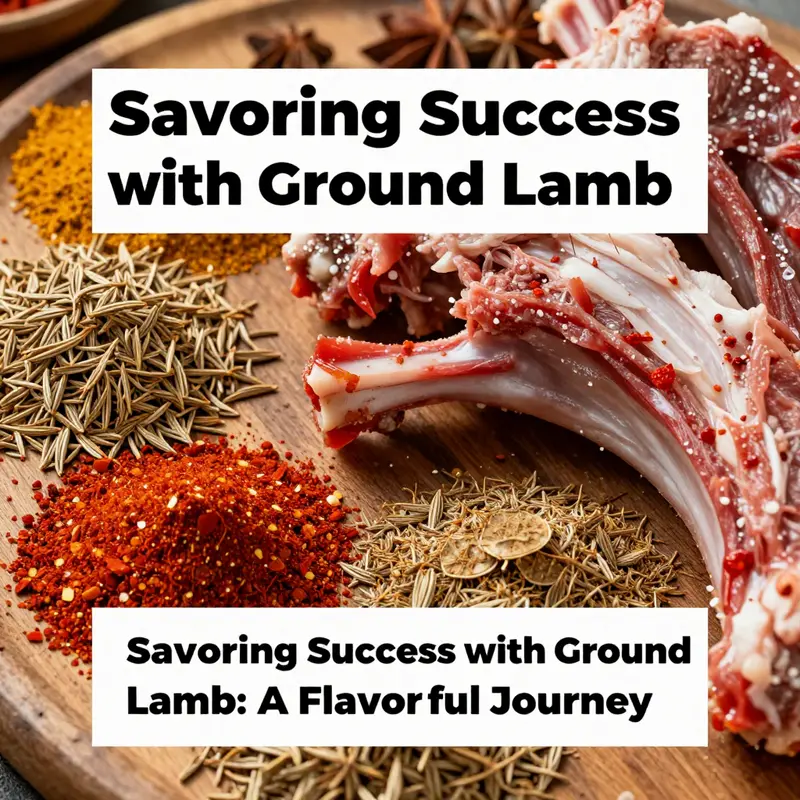
Ground lamb presents a robust palate that invites an artful negotiation between richness and brightness. Its meat carries a natural sweetness and a softly grassy edge, a signature texture born from its fat and the animal’s diet. When you begin cooking, you’re not merely browning meat; you’re guiding a flavor story from raw, green notes toward a deep, savory arc. The aroma that fills the kitchen as the fat begins to render is your first clue about what the dish can become. If you pause at this moment, you may recognize a hint of pine from herbs, a crackle of spice releasing its oils, and a slight sweetness that promises depth rather than heaviness. The goal is to shape those impressions into a balanced profile that remains comforting while still exciting the palate. In practice, that means thinking of spices as architectural elements, not as garnish. They should support the meat’s character, extending its range without masking or clashing with its intrinsic flavors.
Cumin sits at the core of this approach. Its warm, earthy, slightly nutty note resonates with the lamb’s fat profile, including the branched-chain acids that contribute to the meat’s distinctive aroma. Toasting whole cumin seeds until they pop and release their fragrance before grinding them into a powder is a small step with outsized payoff. When cumin mingles with the lamb, it creates a familiar, almost comforting base that echoes dishes across the Middle East, the Mediterranean, and North Africa. Coriander, with its citrusy warmth, acts like a bright spark in the same room. Ground coriander adds a gentle sweetness that lightens the heaviness without turning the dish sour. A pinch or two can transform the initial bite from a heavy assurance into a more layered, approachable experience. The interplay between cumin and coriander often mirrors a conversation: cumin grounds the dish, while coriander lifts it.
Sumac or a squeeze of lemon zest brings an essential acidity that cuts through fat and frames the lamb’s richness. Sumac offers a tart brightness that lingers on the palate, while lemon zest or juice introduces a citrus note that refreshes the finish. Together, these bright elements keep the meat from tipping toward intensity, preventing the dish from becoming opaque or one-note. The aromatic oils of bright herbs—rosemary, thyme, and their dried cousins—help anchor the meat in a savory, almost rustic, garden-forward aroma. Toasting dried rosemary or thyme briefly in the pan before adding the meat releases the oils and deepens the overall savoriness. The result is a layered perfume that evolves as the dish cooks: a nutty base from the cumin, a citrus lift from coriander and lemon, and a piney, resinous undercurrent from the herbs.
To balance the richness, many cooks reach for a contrasting brightness that cuts through texture and fat. A light splash of lemon juice near the end of cooking can brighten the dish without making it aggressively acidic. A dollop of yogurt folded in at the finale adds creaminess and a touch of tang that rounds the edges of the meat’s fat, while preserving the lamb’s robust character. If you prefer a more pronounced acidity, a whisper of tamarind paste can give a tangy backbone that complements the lamb’s sweetness. The key is to add these elements in stages, letting each addition reveal a new facet of the flavor profile. Fresh herbs should be added toward the end, so their brightness remains intact rather than fading after prolonged exposure to heat.
From a practical standpoint, a balanced starting blend per pound of ground lamb can guide home cooks toward consistent results. Consider 1–2 teaspoons of ground cumin, which delivers warmth without dominating the dish. Add 1 teaspoon of dried rosemary, whose piney notes harmonize with lamb’s natural savor. Finish with a pinch of sumac or a teaspoon of lemon zest to lift the richness. This trio creates a foundation that supports the meat’s natural fat while inviting deeper, more complex aromas. If you crave a hint of heat, a measured touch of chili powder or chili flakes can enhance the profile without shouting over the other spices. The spices should be introduced thoughtfully: whole spices are best toasted and then ground, while ground spices can be whisked into the meat mixture to ensure even distribution. Timing matters when forming the spice layer. Toasting releases essential oils and intensifies aroma, but grinding them immediately before mixing preserves their volatile compounds for a more vibrant finish.
The texture and fat content of ground lamb influence how the seasoning comes across. A leaner grind benefits from a more aggressive spice kick to compensate for reduced mouthfeel, while a fattier grind can carry a subtler approach that emphasizes balance rather than intensity. In both cases, the spice blend should be folded into the meat gently to avoid compacting the mixture. Overworking ground lamb can lead to a dense, dense bite that undermines the very tenderness people expect from a lamb dish. Instead, mix until just combined, then let the meat rest briefly. A short rest helps the spices hydrate and the fat to distribute evenly, resulting in a more cohesive bite when the lamb hits the pan.
The cooking method itself can further influence flavor development. In a hot skillet, begin by browning the meat in a little oil, breaking it apart with a spoon as it cooks. The browning creates a crust that concentrates flavor through the Maillard reaction, adding notes of toast and caramel that harmonize with cumin’s warmth. Once most of the pink has disappeared, drain excess grease to avoid greasy textures that can dull the spice’s impact. The browned bits on the pan, those fond residues, are flavor gold. They can be scraped up and deglazed with a splash of water, stock, or citrus for a quick sauce that marries the meat with its spices without muting the aroma. Fresh herbs can be stirred in at the very end to preserve their brightness; a handful of chopped parsley, cilantro, or mint brightens the plate and lifts the overall sensation from rich to lively.
For culinary exploration beyond a single recipe, this ground-lamb approach offers a flexible base. The same spice framework works beautifully in spicy lamb tacos, where heat and brightness mingle with corn tortillas and a cooling yogurt or cucumber salsa. It can also be spooned over rice or tucked into pita pockets for a Mediterranean or Middle Eastern-inspired meal. The combination of cumin, coriander, and aromatic herbs forms a cohesive backbone that elevates the dish and makes it adaptable to different accompaniments. A good touchstone for regional variation is Mediterranean lamb recipes, which offers ideas on how to weave these spices into different preparations and cultural contexts.
From a scientific standpoint, modern analyses of flavor compounds confirm what traditional cooks have long believed: cumin and chili pepper significantly shape the volatile profile of grilled lamb, sharpening savory notes while tempering gaminess. This validation supports the idea that when you balance warmth with bright acidity and fresh herbs, you’re guiding not only taste but aroma, texture, and overall perception of the dish. The lesson here is simple: season with intention, toast spices to wake their oils, use whole spices for depth and ground spices for integration, and finish with brightness to keep the dish from closing in on itself. The result is a ground lamb dish that feels both familiar and novel, rooted in tradition yet enlivened by thoughtful technique and insight.
External reading: for a broader scientific perspective on how these spices influence aroma and flavor in lamb, see the study on flavor profiles in ground lamb. https://www.sciencedirect.com/science/article/pii/S030881462600123X
From Pan to Plate: The Rich Versatility of Ground Lamb Across Cuisines and Mealtimes

Ground lamb is more than a single dish; it is a passport to flavor that travels easily from a skillet to a street stall, to a slow cooker. Its richness comes from a natural fat content that remains forgiving when heat is applied correctly. The standard approach starts with a wide pan heated over medium, and the meat is broken apart with a wooden spoon, letting the nubbins brown and sizzle rather than steam. As the fat renders, the meat develops a deep, toasty aroma. When the pink kiss fades and the majority of the liquid fat has evaporated, you tilt the pan and drain the grease, leaving a foundation ready to absorb spices and herbs. Carry that foundation into a world of flavors. Cumin serves as a warm anchor for lamb, its nutty brightness balancing gaminess. Add a pinch of salt and black pepper, then sweep in a generous amount of ground cumin—maybe a tablespoon depending on taste. If you crave more warmth, coriander, smoked paprika, or a whisper of cinnamon can join, as long as they do not overshadow the lamb. The trick is to let the spices ride on the fat, not drown it. The result is a cohesive base that perfumes the room without turning into a sauce, inviting you to pivot toward different endings for the meal. Fresh herbs lift this base toward brightness. Right near the end, stir in parsley, cilantro, or mint, pulled from the garden or a bunch on the counter. They retain their green, citrus, and peppery spark when added late. A splash of lemon juice brightens the fat and lifts the savory depth, while a dollop of yogurt can smooth the heat and add a gentle tang. These brighteners help balance lamb’s richness and keep the plate feeling light enough to serve as a main, whether plated over grains, tucked into crusty bread, or folded into a wrap. This versatile base becomes the starting line for a spectrum of dishes. In one approach, the browned lamb marries with a sharp chili, garlic, and herbs to become a filling for a spicy-style wrap or a quick taco. In another, it anchors a hearty shepherd’s pie, a comforting rice bowl, or a fragrant pilaf. Regional traditions show how ground lamb is celebrated in diverse forms. For example, combinations of cumin with oregano and lemon echo the bright notes of Mediterranean and Middle Eastern cooking, while a touch of dried fruit and warmer spices recall North African tagines. The texture remains juicy, thanks to the meat’s inherent fat, and the flavor profile adapts with only a few purposeful additions. Beyond the skillet, ground lamb shines in sausages and kebabs, where texture and juiciness are prized. Lamb sausage can be fresh, cured, or smoked, varying by region but always hinging on the same careful balance of lean meat and fat, finely minced with fat. Traditional methods rely on shoulder or leg trimmings, ground by hand to preserve bite and moisture, then bound with a light touch of binder. The casing, whether sheep or hog, serves as a cradle that helps keep the meat plump while it cooks. When grilled or pan-fried, the sausage or meatball retains moisture and delivers a savory snap with each bite, a hallmark of authentic, deeply flavored preparations that pair well with roasted vegetables or a tangy yogurt sauce. Nearly any serving style can showcase ground lamb’s adaptability. It works beautifully with grains, roasted vegetables, and a bright herb salad. It can anchor a breakfast plate, turning into sausage patties alongside eggs, avocado, and toast. It can crown a dinner bowl with grains, lentils, or a chickpea base, where the meat provides richness without heavy sauces. It lends itself to wraps and pita too, where garlic yogurt, crisp cucumbers, and fresh herbs create contrast and balance. The key is to maintain tenderness. Pan-searing on high heat for a short time produces a crust that seals flavorful juices, while a slower simmer yields melting texture when desired. Cooking methods help shape the final texture and intensity. A quick, hot sear on a bed of spices yields a crusty exterior with a rosy center. A longer simmer or slow bake lets the flavors mingle with vegetables and stock, turning the meat into a comforting casserole or a hearty curry. For addition to a sauce, a touch of tomato, chile, or pepper paste can deepen color and complexity, while keeping the meat as the star rather than a mere instrument. When using this base for a sausage or meatball, milling the meat with just enough fat and a scant binding yields a light, accessible texture that crumbles pleasantly when eaten with bread or over rice. To plan a kitchen session that makes the most of ground lamb’s versatility, start with a simple browned mash, then consider the pairings that interest you most. The base is forgiving, so you can adjust salt and spice toward heat or toward warmth depending on your audience. If you’re feeding a crowd with different tastes, a single batch can be scaffolding for multiple meals: spoon it into pita with a cucumber yogurt, ladle it over rice with herbs, or roll it into a fresh wrap with greens and lemon. The act of cooking becomes a collaborative flavor conversation, letting you tailor textures, brightness, and spice level without losing the identity of the meat. For readers wanting a broader catalog of ground lamb ideas, explore ground-lamb-recipes. This collection grows with regional influences and seasonal ingredients, offering ideas that align with the techniques described here. Engaging with different pairings—grains, vegetables, citrus, and herbs—reminds us that lamb’s character remains constant while its expressions shift with method and mood. External resource: BBC Food – How to cook with lamb.
Final thoughts
Ground lamb is more than just a meat option; it is a canvas for creativity in the culinary arts. By mastering the techniques of preparation, harnessing the power of spices and seasonings, and exploring unique recipes and serving ideas, business owners can significantly enrich their menus. The balance of the lamb’s robust flavor with the right herbs and spices can lead to dishes that are not only delicious but memorable. Embracing the versatility of ground lamb can set your culinary offerings apart, driving customer satisfaction and enhancing your brand in the competitive food industry.