
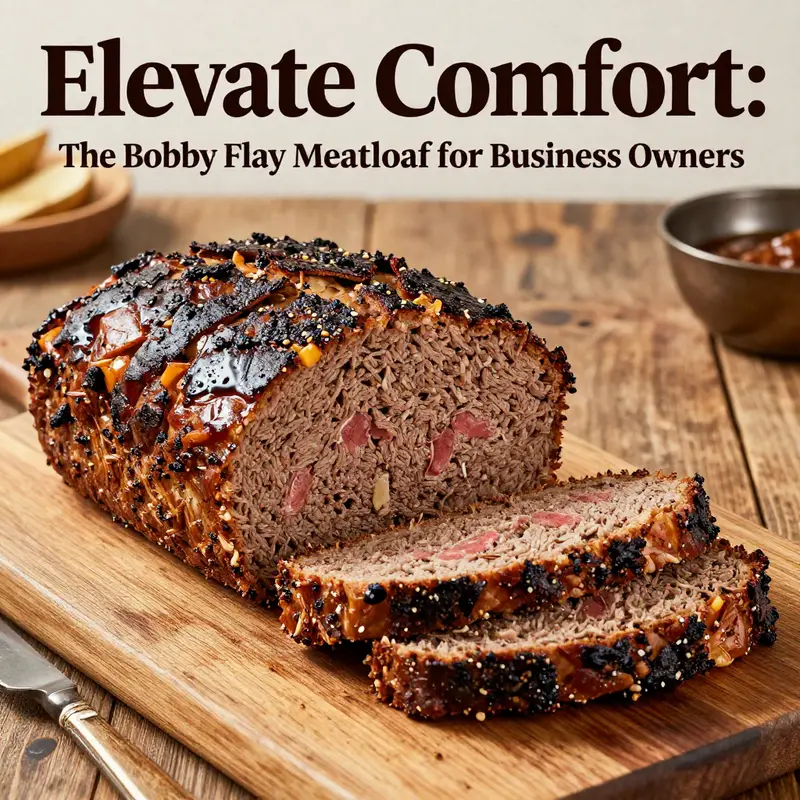
Bobby Flay’s meatloaf is not just a dish; it embodies a fusion of tradition and innovation that can appeal to diverse clientele. In today’s competitive culinary market, understanding the intricacies of recipes like Flay’s can help business owners develop a unique position within the industry. This article explores the rich ingredients and preparation methods of Bobby Flay’s meatloaf, innovative cooking techniques that bring out flavors, and creative serving suggestions to make the dish a centerpiece for any occasion. This comprehensive approach aims to empower business owners to elevate their offerings, delight patrons, and enhance their culinary brand.
Small Details, Big Flavor: The Ingredients and Preparation Behind Bobby Flay’s Meatloaf

In Bobby Flay’s hands, a humble meatloaf becomes more than comfort food; it becomes a study in balance—how moisture, heat, and a handful of bright vegetables can lift a family staple into something restaurant-worthy. The core begins with the meat: a blend of chuck and sirloin, chosen to marry fat and flavor. Ground beef from these cuts gives a sturdy bite while staying juicy when baked slowly. Olive oil starts the process, not to fry the meat but to wake the aromatics and coax the vegetables to release their sweetness. Finely grated zucchini enters the mix as a quiet moisture broker, its moisture tamed by a quick sauté. Alongside it, diced red and yellow peppers contribute color, crunch, and a pepper-sweet note that keeps the meatloaf from tasting heavy.
Garlic, minced to a pale whisper, and a pinch of red pepper flakes introduce warmth without overpowering. The seasoning is precise: salt to taste and freshly ground black pepper to wake the edges of the beef. Eggs bind the mixture, binding moisture with structure, while fresh thyme offers an herbaceous lift that echoes the garden freshness of the vegetables. The technique, as Flay often demonstrates, is to handle the mixture just enough to hold its shape without mushing the proteins together. Gentle folding preserves a light crumb and ensures each bite carries both savory depth and a touch of brightness.
The preparation unfolds with a sequence that sounds simple but builds flavor through small decisions. Preheat the oven to 375°F, a moderate heat that grants time for the loaf to set and caramelize on the top without drying out the interior. In a skillet, the vegetables meet olive oil; zucchini softens, peppers blister just enough, and garlic releases its scented oils. The moment those vegetables cool slightly, they join the beef along with the eggs and thyme. The red pepper flakes remain a careful note—visible, but not a mouthful of heat—so the loaf carries a quiet kick rather than an outright burn.
Shaping the mixture is a learned ritual. Flay’s method avoids packing the meat too firmly; instead, the mass rests on a loaf-shaped platform where air can escape and the exterior can form a delicate crust. This crust, when achieved, is not simply texture for texture’s sake but a signal that the Maillard reaction has begun: sugars and amino acids meet heat, drawing a shallow glaze of brown around the loaf’s edge. Some cooks may choose to bake the loaf directly on a sheet pan, others in a loaf pan, but the outcome in either case should be a loaf that feels cohesive yet not dense—the signature of a well-balanced meatloaf, where the vegetable ribbons remind you this is more than meat formed into a shape.
As the loaf bakes, aromas rise—meaty warmth mixing with roasted pepper sweetness and thyme. The internal temperature target—160°F (71°C)—is a practical guide, ensuring the center is cooked while the edges stay juicy. The final 15 to 20 minutes offer an opportunity for glaze to arrive, a glossy kiss that transforms sweetness into nuance. The glaze, a kiss of ketchup with brown sugar and a drop of apple cider vinegar and Dijon-style tang, adds a sweet-savory brightness that complements the meat’s savor without overwhelming it. Resting is essential; a brief pause after removal allows the juices to redistribute and the crumb to settle, so the first slice reveals a moist interior with a caramelized top.
This approach reflects Bobby Flay’s broader philosophy: elevate familiar fare by foregrounding freshness and textural contrast. The vegetables aren’t mere add-ins; they are partners that reframe the loaf from a weeknight staple into something that invites gathering and conversation. The balance between meatiness and vegetable sweetness, between a gentle heat and a herbaceous aroma, makes every slice feel deliberate, almost ceremonial. For readers following a path of home-cook ingenuity, Flay’s method demonstrates that comfort food can engage the senses on multiple levels—with color, aroma, and a finish that lingers pleasantly on the palate.
If you’re curious about other takes on the same idea, you can explore a wider collection of Meatloaf recipes. The fundamental steps—selecting a tasteful meat blend, coaxing moisture from vegetables, and timing the glaze—remain relevant across variations, reminding us that the most satisfying meals often hinge on simple, precise choices. For additional context and inspiration, see the original technique reference on a trusted cooking-focused platform: https://www.pinterest.com/pin/123456789012345678/.
Caramelized Comfort: Reimagining Bobby Flay’s Meatloaf with Panade, Vegetables, and a Bold Glaze

In Bobby Flay’s kitchen, meatloaf is not a throwback but a stage for bold textures and bright contrasts. This take keeps the hearty comfort at the center while introducing a chorus of vegetables and aromatics that wake the palate. Ground beef remains the backbone, but the dialogue comes from olive oil-warmed onions and garlic, finely grated zucchini for moisture and color, and red and yellow peppers that contribute sweetness and a hint of brightness. The egg binds without suffocating the mixture, and a panade of milk-soaked breadcrumbs stands as a moisture reservoir that helps keep the loaf tender as it bakes. The result is a loaf with a lush interior and a well-developed crust at the edges, a texture that delights both fork and knife. The glaze, a savory-sweet glaze built from ketchup, brown sugar, Dijon mustard, and a splash of apple cider vinegar, crowns the top with caramelized gloss and a whisper of smoky tang that lingers on the palate.
To coax depth from those ingredients, Flay’s philosophy mirrors his best grilling principles: start with aromatics that release their perfume in olive oil, then fold them gently into the meat with careful seasoning. Onions and garlic are sautéed until soft and honeyed, which concentrates their sweetness and knocks down sharp raw bite. A short turn of finely grated zucchini is stirred in to keep the loaf moist without thinning the protein’s bite, while peppers add color and a gentle sweetness that survives the heat. The panade, milk-soaked breadcrumbs, acts like a moisture reservoir, ensuring the loaf stays lush as it bakes. A careful balance of salt, black pepper, and a whisper of red pepper flakes brings the heat forward without overwhelming the kitchen with fire. The approach is less about forcing a singular flavor and more about building a layered profile that reveals itself slice by slice.
Even the staging of the loaf speaks to a chef’s sensibility for texture. The vegetables are not simply mixed in; they are pre-cooked to soften moisture and release their flavors before meeting the meat. This pre-cook, a light sauté that releases excess moisture, helps prevent a pale, waterlogged center and instead yields a moist, deeply colored interior. The zucchini hue plays well with the peppers, creating tiny specks of sweetness throughout each bite, while thyme offers a subtle woodland note that keeps the mix from tasting flat. As the mixture comes together, the eggs tie it with a gentle hold, enough to keep the loaf coherent when it rests on the plate but not so firm that it becomes dense. Flay’s method invites us to respect moisture as a primary ingredient; without it, even the most luxurious beef can taste dry, and the crisp-edged crust can feel dry as well.
Shaping the loaf is a study in restraint and timing. The mixture is formed into a classic loaf, not too tight, so air pockets remain to aid lightness. The first bake uncovers a crust that begins to caramelize at the outer edges, a signal that the sugars within the glaze will soon fuse to create a lacquered top. The glaze—ketchup providing the base sweetness, brown sugar threading a deeper caramel, Dijon adding a sharp tang, and a splash of apple cider vinegar brightening the finish—enters the story here, glistening and inviting a fork to dive in. A final 15 to 20 minutes in a hotter oven, or a brief broil, intensifies the caramelization, producing a crust that crackles modestly under pressure yet remains tender beneath. This finishing move is where the dish shifts from comforting centerpiece to restaurant-worthy entrée, a transformation that makes weeknights feel special without losing the soul of home cooking.
In keeping with Flay’s broader culinary philosophy, the dish balances richness with brightness, mouthfeel with crisp edge, and the familiar with the unexpectedly vivid. It rewards those who listen for the quiet signals—the softened aromatics, the slight curl of the glaze at the edges, the way a slice releases a little steam as it lands on the plate. For readers seeking to expand their repertoire beyond one-off dinners, the meatloaf collection offers a wider family of variations that share this same pillar of technique and flavor logic. meatloaf recipes
For a foundational guide to the techniques that underpin a moist, flavorful loaf—panade, careful sautéing, and the value of a crust-building finish—consider the comprehensive resource linked here. This external reference complements the practical, flavor-forward approach described above and anchors the method in tested home-cooking practice: https://www.allrecipes.com/article/how-to-make-the-perfect-meatloaf
Glaze, Garden, and Grandeur: Pairing Bobby Flay’s Meatloaf with Flavorful Sides

Bobby Flay’s meatloaf isn’t merely a weeknight staple; it’s a compact demonstration of how bold flavors can sit gracefully inside a familiar frame. The loaf described here marries ground beef with olive oil to ensure a tender crumb that doesn’t dry out during baking. Finely grated zucchini and a chorus of red and yellow bell peppers contribute moisture, a touch of sweetness, and a bright, almost garden-like aroma. Garlic and a pinch of red pepper flakes wake the profile, while fresh thyme adds a whisper of earth and sophistication. Eggs bind the mixture, and a careful balance of salt and black pepper punctuates every bite. The procedure respects tradition—the mixture is formed into a loaf, oven-roasted to a deep, caramelized exterior—yet the inclusion of vegetables and an intentional glaze signals Bobby Flay’s modern, chef-driven approach to a classic comfort dish. The promise is a meatloaf that stays juicy, slices cleanly, and feels substantial enough to feed a crowd or a week of leftovers.
Moisture management matters as much as seasoning. Briefly pre-cooking the vegetables releases water that would otherwise steam the loaf from inside, dulling flavor and weighing down the texture. When the zucchini softens and the peppers soften slightly, they surrender some of their moisture and take on a richer, concentrated taste. These vegetables then fold into ground beef that has been lightly enriched with olive oil and a well-measured seasoning blend, ensuring every bite carries a balanced depth rather than a single note. The glaze is where the dual identity of the dish truly shines. A ketchup-based glaze sweetened with brown sugar and brightened with Dijon mustards creates a glossy top that caramelizes in the oven, giving a slight crisp and a smoky tang that echoes the peppers and thyme within. A dash of apple cider vinegar rounds the finish, lifting the entire profile without turning it sharp. The technique rewards patience—let the loaf rest briefly after baking so the juices reabsorb and the glaze sets into a satin sheen rather than sliding off in a puddle.
Serving Bobby Flay’s meatloaf becomes an exercise in texture and contrast. Creamy mashed potatoes provide a velvet bed that welcomes the slice and soaks up the glaze’s glaze-sweetness and the juices released during the slice. A roasted vegetable medley—carrots that caramelize at the edges, green beans giving a snap, Brussels sprouts with crisp edges—adds color and a roasted sweetness that mirrors the loaf’s own caramelization. If you crave a touch of brightness to cut the richness, a small quenelle of cranberry sauce or an dab of apple butter offers a fruity counterpoint that works surprisingly well with the savory meat. For lighter menus or warmer days, a crisp garden salad with a bright vinaigrette can lighten the plate while keeping the full-flavored loaf as the centerpiece. This approach honors the idea that a great meatloaf should feel substantial, yet the pairing should cleanse the palate and invite another slice with equal enthusiasm. The result is a plate that reads as comfort with an edge of modern, chef-driven balance.
Plating with intention turns a simple weeknight into an occasion. Slice after the loaf has rested, letting juices settle and the slices hold their shape. A light drizzle of the glaze over the top ties the surface to the interior, and a final sprinkle of thyme or cracked pepper can echo the herbaceous note in the loaf itself. If you’re feeding a crowd, consider plating a few fondant-like rounds with parallel rows of vegetables arranged to create color symmetry. On casual nights, family-style bowls of mashed potatoes and a bowl of cranberry sauce on the side can foster a warm, convivial mood. To explore variations linked to the same approach, you can browse the Meatloaf Recipes hub for other inspired versions that keep the vegetable-forward spirit without sacrificing the core, meaty character. Meatloaf Recipes.
Ultimately, the lesson behind Bobby Flay’s meatloaf is taste-first restraint. It invites a chef’s precision—careful moisture control, deliberate texture, and a glaze that completes rather than competes. The vegetables baked inside the loaf echo the greens of a garden, the thyme lends a fresh aroma, and the glaze crowns the dish with a lacquered finish that makes a simple slice feel special. With this blueprint, you can tailor the dish to different occasions: a hearty family dinner, a Sunday gathering, or a week-night meal that somehow feels celebratory. The same principles extend to other grounded classics, where adding a vegetable component and a modern glaze can elevate comfort food to something worthy of the table. For readers seeking a broader look at traditional and contemporary meatloaf ideas, a well-reviewed reference offers broader context. Let the glaze set and the flavors settle before slicing, and you’ll notice how the surface glistens as the interior remains tender. Leftovers reheat better in a gentle oven or skillet, retaining moisture and a crisp edge. This approach makes a single dish feel like a small menu, giving you choices without complicating the kitchen workflow. It’s practical, flavorful, and reliably delicious for any table. When in doubt, bake it boldly. https://www.allrecipes.com/recipe/234651/best-meatloaf/
Final thoughts
Bobby Flay’s meatloaf is more than a home-cooked favorite; it’s a versatile dish that can impress clients and enhance dining experiences. By understanding the ingredients, cooking techniques, and creative serving ideas covered in this article, business owners can introduce a gourmet flair to their culinary offerings. Embracing such innovative twists on classic recipes not only satisfies customer taste buds but also distinguishes their brands within a crowded marketplace, ultimately fostering customer loyalty and driving success.