
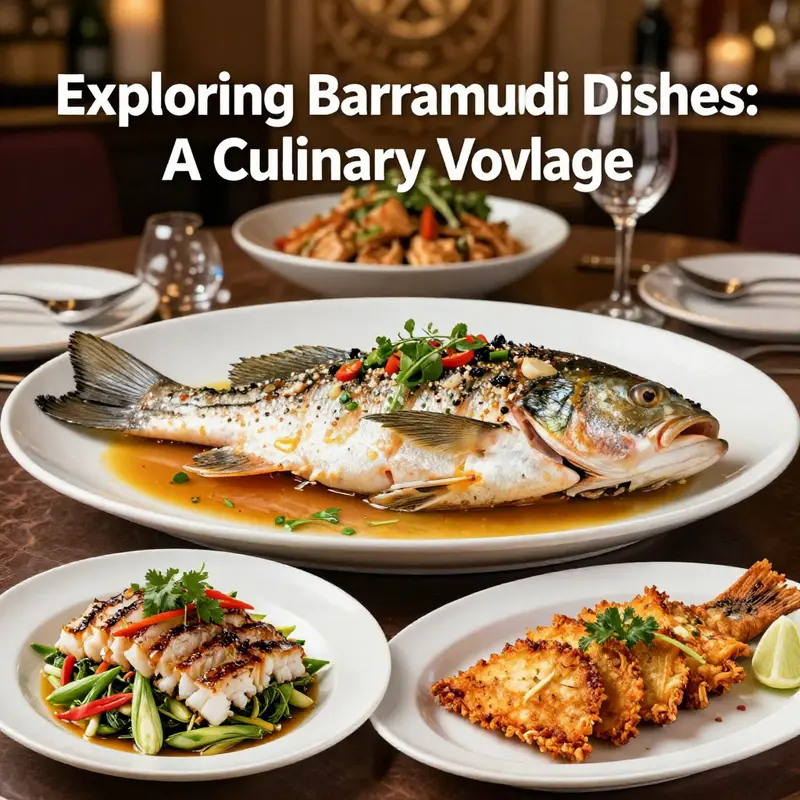
Barramundi, revered for its mild flavor and health benefits, has found a prominent place in global cuisine. This versatile fish, known as Asian sea bass, can be adapted to fit various culinary styles, offering a multitude of cooking possibilities. Each dish unlocks a unique way to experience its firm texture and rich taste. The chapters ahead delve into two captivating preparations—Ah Sam’s Zesty Barramundi, with its Thai-inspired zest, and Crispy-Skinned Barramundi, celebrated in classic Australian cooking. Together, these dishes not only showcase barramundi’s versatility but also highlight its appeal to modern health-conscious diners and culinary enthusiasts alike.
Zesty Barramundi on Thai Steam: A Bright, Coastal Benchmark in Global Barramundi Dishes
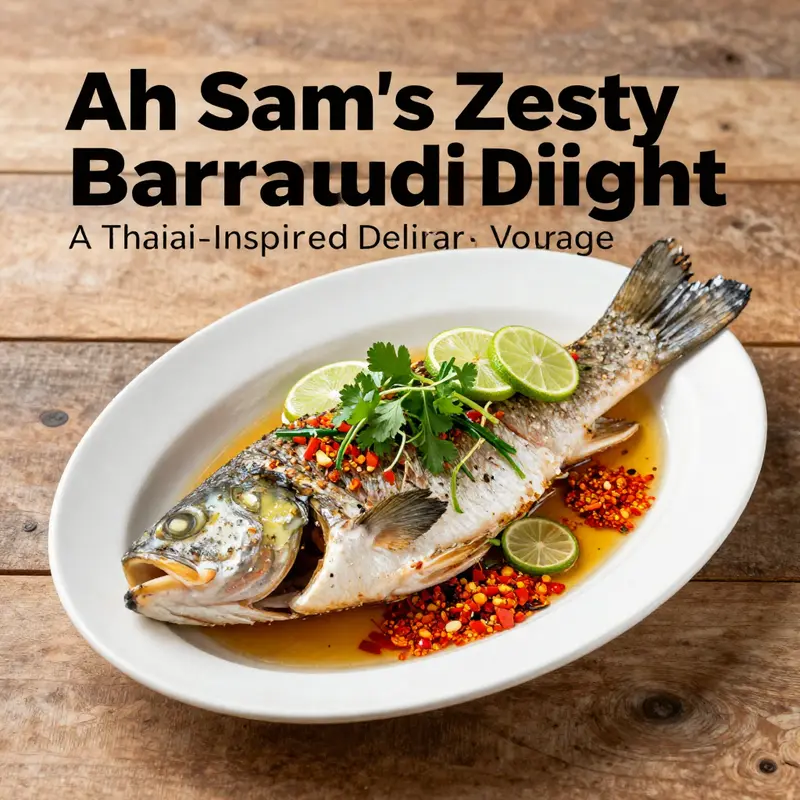
The chapter that centering on Ah Sam’s Zesty Barramundi opens a window onto how a single fish can carry a whole culinary conversation across seas and cuisines. Created by Guest Chef Sam Leong, this Thai-inspired steamed seabass dish earns its sparkle from a simple premise: let the fish speak first, then crown it with brightness, with precision, and with a whisper of coastal herbs. The barramundi itself is the quiet star here—its flesh firm and pale, its texture resilient enough to stand up to steam, yet delicate enough to reveal the fragrance of lime and garlic without ever losing its natural sweetness. In a plate that reads as both lift and lull, the fish sits lightly on a cushion of steam-kissed aromatics, as if the kitchen air itself had carried a breeze from a Thai coastline into the dining room. The steam is not merely a cooking method; it is a respectful partner in a dialogue between the sea and the plate, allowing gentle heat to unfold the fish’s subtleties rather than mask them with heavy sauces or maturing charring. What emerges is a dish that feels both refined and luminous—coastally inspired, proudly simple, and unmistakably vibrant in its citrus-forward finish.
The flavor architecture rests on three notes: lime’s bracing brightness, garlic’s piquant edge, and a chorus of fresh herbs. Lime provides the zesty backbone, its rind and juice lifting the fish with a clean acidity that carries through the surface steam and into the aroma. The garlic contributes a gentle pungency that never distracts from the fish’s intrinsic sweetness; instead, it nudges the palate toward an almost aquatic perfume, a scent of markets near the water where the day’s catch is still glistening. The herbs—whether a handful of cilantro, a trace of Thai basil, or the suggestion of lemongrass and kaffir lime leaves—introduce brightness and complexity, a botanical chorus that rounds out the citrus and cuts through the soft sheen of the steam. The result is a balance that feels intentional rather than incidental: the citrus acts as a spark, the garlic as a backbone, and the herbs as a finishing orchestra.
The technique is just as important as the ingredients. Steaming preserves the barramundi’s moisture and texture, ensuring the flesh remains tender, almost ladylike in its fineness, while still yielding a flaky bite that shifts gently apart under the fork. The cook’s hand matters here: a steady, moderate heat, a shallow bed of steaming liquid, and a plate kept warm to maintain the fish’s gentle poise when it reaches the table. The crown of lime and herb mixture sits as a bright cap, an edible garnish that radiates aroma as much as flavor, inviting the diner to take in the scent before the first bite. The dish’s presentation—fish glistening with a lacquer of steam, a bright scatter of citrus zest, and a halo of emerald green herbs—speaks to Thai culinary sensibilities that prize freshness, balance, and a certain spontaneity tempered by precision.
The dish is presented with a side of steamed fragrant rice, a staple that anchors the lightness of the fish and makes the meal satisfying without heaviness. The rice acts as a neutral canvas, soaking up a whisper of the limey glaze and the herbaceous oils that cling to the fish. It is a quiet, dependable counterpoint that steadies the palate as the citrus fragrance amplifies with every mouthful. In a sense, the pairing mirrors a broader truth about barramundi’s culinary life: the fish is versatile enough to accept bold flavors, yet patient enough to let those flavors bloom in harmony rather than dominate. This is where the Thai influence becomes not just a flavor profile but a method of tasting—the aroma-driven, freshness-forward approach that makes a fish like barramundi feel modern, accessible, and deeply satisfying.
For home cooks who want to recreate this restaurant-quality experience, the path is laid out with clarity and care. The original recipe is accessible through Mount Elizabeth Hospitals’ official culinary platform, offering a detailed, step-by-step guide to assembling the components, timing the steam, and presenting the dish with the chef’s intended balance of color and aroma. The recipe invites readers to engage with the dish not as a one-off plate but as a template for a broader practice: treat the barramundi as a delicate canvas, then layer in citrus, garlic, and herbs to create a bright, Thai-inflected profile that remains faithful to the fish’s natural character. In the spirit of this approach, cooks can explore successive variations by adjusting the citrus intensity or by introducing a delicate herb mix that echoes regional differences—perhaps a touch more lemongrass in one iteration or a pinch of Thai basil in another—while keeping the steam as the constant, gentle mediator that preserves texture and nuance.
As a chapter in a broader survey of barramundi dishes, this Thai-inspired steam-plate stands as a compelling illustration of how one ingredient can traverse cultures without losing its essence. Barramundi’s mild flavor and firm, white flesh make it an ideal carrier for bold seasonings. Across continents, chefs have found ways to honor that adaptability by pairing the fish with an array of regional flavors that range from citrus-forward Thai and Vietnamese preparations to more restrained Mediterranean accents. The result is a gallery of dishes where the same fish becomes a common thread, yet each plate tells a distinct story about place, technique, and the mood of the moment. Ah Sam’s Zesty Barramundi is a vivid example of how a chef’s respect for purity—allowing the fish to speak—can yield a dish that feels at once intimate and expansive, local and cosmopolitan, simple and refined.
From a culinary education standpoint, the dish also serves as a practical reminder of how a thoughtful approach to texture and aroma can elevate a white fish beyond mere seasonal novelty. Barramundi’s structural integrity permits a confident steam, while its clean flavor makes it a forgiving partner for splashy aromatics. The result is a dish that teaches restraint as much as it celebrates brightness. It guides the eater toward understanding how citrus acidity can illuminate sweetness without overpowering it, and how the chemical intensity of garlic or the resinous lift of herbs can be harnessed to animate rather than overwhelm. This nuanced balance—brightness tempered by texture, aroma, and bite—embodies the modern philosophy of barramundi dishes: celebrate the fish, but let it lead.
For readers who want to widen their exploration beyond this Thai-inspired plate, the chapter opens doors to a broader repertoire of barramundi preparations that harness similar principles—good sourcing, precise technique, and a respect for the fish’s natural profile. The idea is not to chase complexity for its own sake but to cultivate a practice where bright acidity, herbaceous freshness, and a focused cooking method become reliable tools in a home kitchen. In such a framework, the barramundi becomes a flexible canvas for creative harmony, whether it is steamed with lime and garlic, grilled with a citrus glaze, or poached in a light herb-infused broth. The essential thread remains constant: let the fish shine, lift it with careful seasoning, and present it with a sense of purpose that honors both the ingredient and the diners.
For readers seeking additional inspiration on barramundi, a broader hub of recipes is available, offering a curated range of techniques and flavor profiles. You can explore more about barramundi dishes through our dedicated collection, which gathers ideas and executions that emphasize texture, balance, and the fish’s bright, clean character. This repository serves as a practical companion for those who want to translate the principles exemplified in Ah Sam’s Zesty Barramundi into other culinary settings—whether you are cooking for a weeknight family dinner or staging a dinner that nods to global flavors while keeping the cooking approachable and healthful. The aim is to provide a continuous thread of learning, where each new dish builds on the understanding of how barramundi behaves under different heat, moisture, and seasoning regimes, and how the palate responds when citrus, herbs, and aromatics are layered thoughtfully.
In the end, the Thai-steamed Barramundi embodies a philosophy of cooking that is both generous and disciplined. It invites bright, honest flavors, respects texture, and demonstrates how a single, well-cared-for ingredient can anchor a dish that feels both modern and grounded in coastal practicality. The dish’s charm lies not in novelty but in confident simplicity—something that can be appreciated at a dinner table as easily as in a chef’s tasting menu. For anyone exploring barramundi as a central ingredient, Ah Sam’s Zesty Barramundi offers a compelling lens: it shows how brightness, balance, and texture can fuse into a dish that tastes of sea breeze and sun, and yet remains thoroughly contemporary. To journey further into the world of barramundi dishes, the internal link below invites you to discover more recipes that celebrate this remarkable fish with similar clarity and care.
Internal link reference: for home cooks eager to explore more Barramundi recipes, browse our hub of ideas at Barramundi recipes.
External resource: https://www.mountelizabethhospitals.com.sg/health-and-wellness/recipes/ah-sams-zesty-barramundi
Crispy-Skinned Barramundi: An Australian Classic Reimagined for a Modern Palate
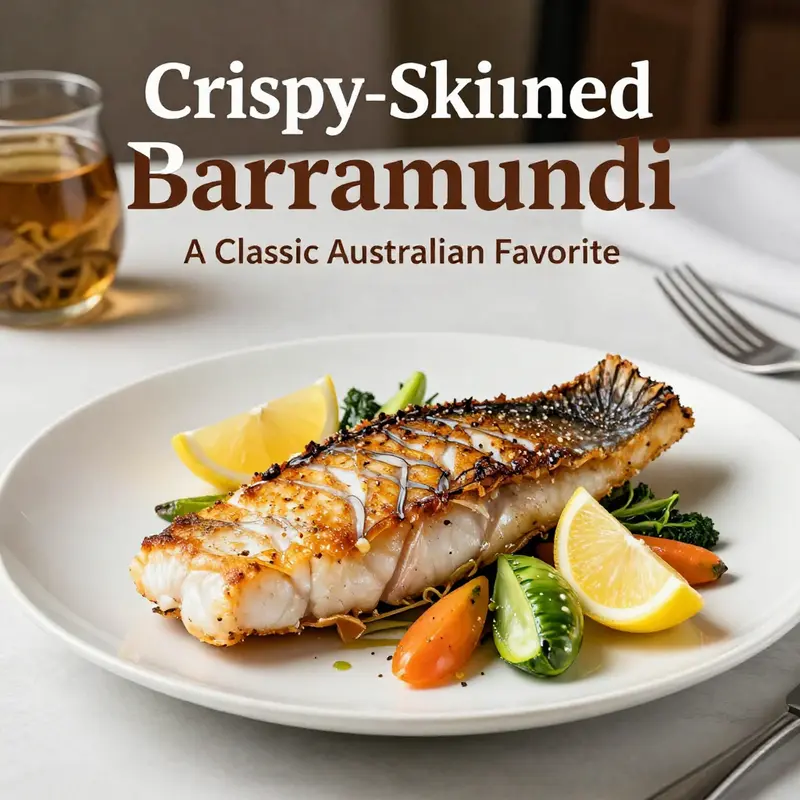
The sizzle arrives before the sight, a whisper of heat and the first hiss of oil in a hot pan. Then the skin—golden, glossy, almost lacquered—begins to crackle, a delicate palm-sized shield that seals the treasure underneath: a fillet of barramundi, the white jewel of the sea with a mild, forgiving flavor and a texture that holds its shape like a finely wrought sculpture. This is the dish that Australians reach for when they want something intimate and celebratory at once. The fish rewards patience and restraint: a quick sear to render the skin, followed by a gentle finish to coax the flesh to just the right, buttery state. The result is a contrast you can hear as well as taste—the crisp, lacquered skin giving way to tender, succulent flesh that reminds you why barramundi has become a staple across households and restaurants alike, a fish that fits into the clean, modern pantry while carrying the warmth of the coast in every bite.
What makes this preparation emblematic is its simplicity. There is no parade of heavy sauces or loud flavors to eclipse the fish’s natural richness. The technique is a study in balance. A dry, hot skillet invites the skin to crackle, the heat drawing out a touch of fat from the surface to render to a crisp, bronzed crust. The fish then finishes with a gentleness that keeps the flesh moist and almost silky. The technique is practical, too. Fillets are patted dry to promote a proper sear, a thin sheen of oil is spread across the pan, and the fish is laid away from you into the pan to avoid splatter. Once the skin meets the pan, the cook gives it the time it needs—without fuss, without turning too soon. When the edges loosen and the crust glows with a deeper bronze, the fillet can be finished either in a brief stint in a hot oven or on the stovetop with a careful flip and a quick finish. This is not a dish that demands heavy equipment or complex equipment lists; it asks only for attention to temperature, timing, and the fish’s own sweet, saline character.
The aromatics and accents chosen to accompany the barramundi are as thoughtful as the cooking method. A drizzle of bright lemon caramelizes at the surface of the pan, a citrus glow that lifts the fish’s mellow sweetness without turning it tart. The caramelized lemon slices, lightly browned and blistered, offer a whisper of bitterness that cuts through the fish’s richness, a small citrus crescendo that travels well with starch and greens alike. The brown butter crumb is the other crucial element—an unassuming sprinkle of toasted breadcrumbs folded into browned butter until it becomes a fragrant, nutty crumble. This crusty topping adds texture and a faintly toasty flavor, a counterpoint to the fish’s softness and the lemon’s brightness. In the mouth, the crackling crumb releases a savory, almost almond-like note that lingers a moment before giving way to the clean finish of the fillet.
What might surprise a modern cook is how adaptable this dish is beyond its sun-kissed Australian roots. The barramundi’s low-to-mid fat content and delicate flavor make it a forgiving canvas for a range of accompaniments and seasonings. Some cooks lean into a touch more acidity—perhaps a splash of verjuice or a light white-wine reduction that remains sharp without overwhelming the fish. Others lean into butter and herbs, perhaps a subtle infusion of thyme or tarragon that echoes coastal herb gardens. But with the crispy skin as the anchor, the dish remains anchored in its core pleasure: the crack and crunch of well-rendered skin giving way to a silken bite that feels almost luxurious in its restraint. This balance is exactly what modern diners gravitate toward when they seek comfort that is also polished, nourishing yet refined.
Sustainability and sourcing are increasingly part of the story of barramundi, and the classic preparation benefits from thoughtful choices here as well. Barramundi is grown in numerous regions under carefully managed conditions that emphasize responsible farming practices. When a cook chooses this fish, they are choosing a product that can be both delicious and aligned with a modern ethics of eating—that is, minimizing waste, maximizing flavor per gram, and supporting producers who maintain water quality and sustainable feeds. The dish does not require heavy sauces or contrived flavorings to be meaningful; its value lies in the fish’s own character and the way it interacts with a few well-chosen, texture-forward accompaniments. The sizzle, the browning, the little blisters on the lemon, the crumb’s buttered toastiness—all of these small, deliberate touches come together to form a plate that feels both earthy and elegant at once.
In the kitchen, a recipe like this invites curiosity as well as respect. For those who wish to explore beyond the familiar, the barrier to entry is low: a hot pan, a clean fillet, a bit of patience, and a couple of clever companions. The result is a satisfying dish that works for a weeknight supper and for a more relaxed weekend gathering alike. It pairs beautifully with something simple—steamed rice, which soaks up the buttery richness and carries the citrus notes, or a medley of seasonal vegetables that adds a bright color and a crisp bite to contrast the fish’s softness. Some cooks prefer a light, herb-finished greens side, perhaps kale or spinach wilted briefly with garlic, to echo the dish’s balance of freshness and indulgence. The overall effect remains clean and honest: the fish speaks for itself, and the crust and citrus do not shout but gently accompany the main act.
If you would like to extend your exploration of how barramundi shines across different kitchens, consider looking at a broader collection of barramundi recipes. The catalogues and archives of dedicated food blogs offer variations that honor the same principles—the fish’s delicate profile, the importance of crisp skin, and the elegance of restrained seasoning. For readers who crave that deeper dive, a curated set of barramundi recipes can provide additional ideas on how to adapt the base technique to different cuisines, ingredients, and seasons. You can discover more about barramundi preparations here: Barramundi recipes.
The Guardian’s Crispy Skinned Barramundi with caramelised lemon and brown butter crumb offers a published benchmark for this approach. It is a reliable, detailed guide that captures the essence of the method and the poise of the plate, showing how a few precise steps and good ingredients yield a dish that feels effortless yet sophisticated. The Guardian’s recipe demonstrates the same balance between crunch and tenderness, citrus lift and nutty depth, that makes this Australian classic so compelling. For readers who want to follow an authentic, tested method, the Guardian site provides a trusted blueprint that aligns with the sensibilities described here. External resource: https://www.theguardian.com/food/2014/feb/19/crispy-skinned-barramundi-caramelised-lemon-brown-butter-crumb
In tasting and in memory, this preparation is a reminder of how a single fish, treated with patience and a few careful touches, can tell a story about place, season, and craft. The crispy skin speaks of sun-warmed coastlines and quick, confident cooking; the tender flesh speaks of careful handling and respect for the fish’s natural sweetness. The lemon’s caramelization suggests a light sweetness balanced by acid, while the brown butter crumb adds a rustic flourish that makes the dish feel celebratory without losing its sense of simplicity. It is a combination that feels both timeless and contemporary, a reminder that great meals can be made from a few clean canvas strokes when the painter is attentive and the ingredients are worthy.
As a chapter within the larger body of work about barramundi dishes, this Australian favorite anchors a broader narrative: barramundi is a versatile canvas that carries across cuisines and cultures. Its reputation for a mild, dependable flavor makes it ideal for both bare, honest preparations and more adventurous twists that honor texture as much as taste. The crispy-skin technique is a perfect metaphor for the fish’s place in global cookery—a dish rooted in a local tradition that becomes a passport to experimentation, a starting point for chefs and home cooks who want something that feels both comforting and refined. In this sense, the Australian classic is not merely a single recipe; it is a template for how to treat a delicate white fish with respect and creativity. The technique invites repetition, refinement, and, most importantly, enjoyment—the kind of enjoyment that comes from that first crack of skin and the second, more indulgent, bite of the flesh that follows.
Final thoughts
As we explore these two distinct culinary approaches to barramundi, it’s evident that the fish’s adaptability makes it a favorite across various cuisines. Ah Sam’s Zesty Barramundi emphasizes fresh, vibrant flavors, while Crispy-Skinned Barramundi celebrates classic techniques with an Australian twist. Each dish offers a unique taste experience, inviting business owners to consider barramundi as a versatile ingredient in their menus that caters to health-conscious consumers and culinary adventurers alike. Embracing such diverse offerings not only enriches the dining experience but also supports a growing appetite for versatile seafood.