
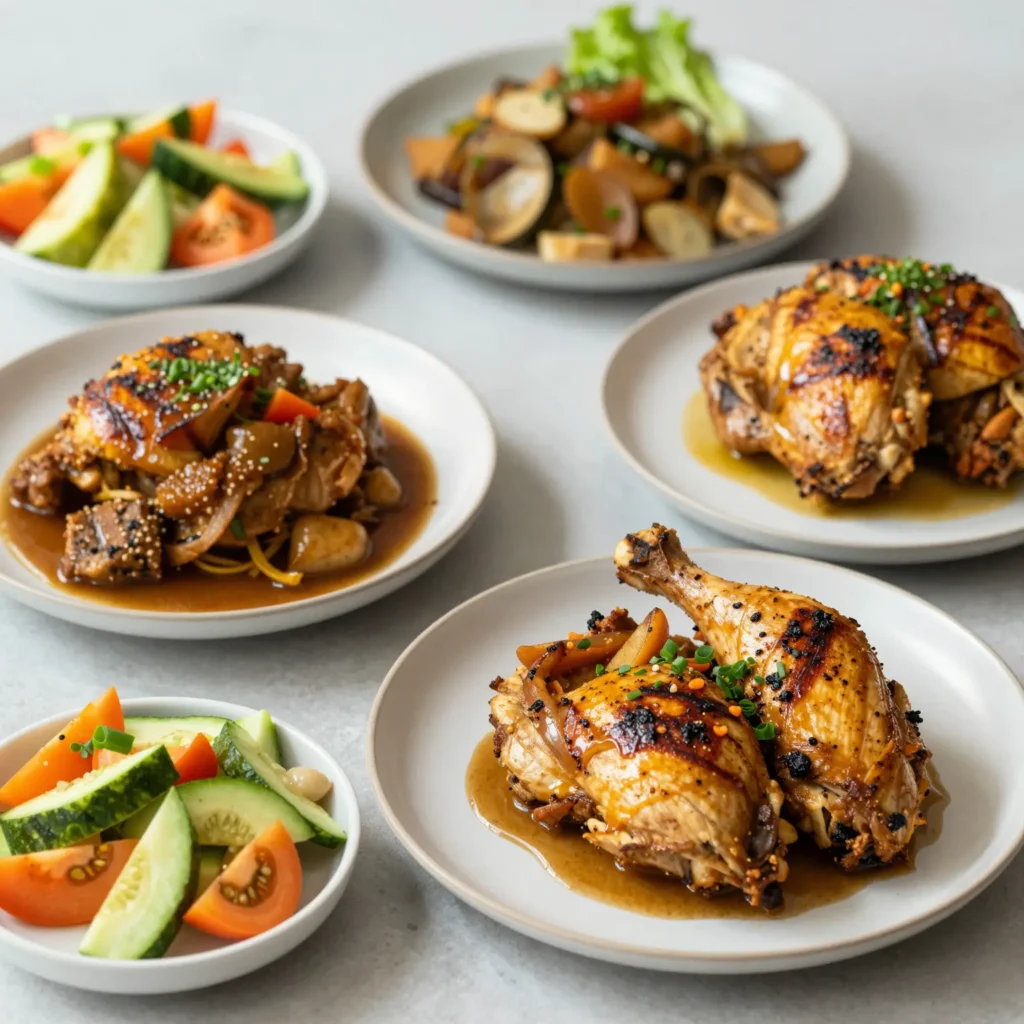
Embracing the Low Sodium Trend in Chicken Recipes
In today’s health-conscious world, the shift towards healthier eating has become more than just a trend; it’s a pivotal lifestyle change that many consumers demand. Business owners in the food industry must recognize that low sodium diets are gaining traction among diners, particularly as more people are advised to monitor their salt intake for health reasons. This is especially true when it comes to chicken recipes, which are a staple ingredient in countless menus and households. By offering low sodium options, food service providers can not only cater to an increasingly health-aware clientele but also stand out in a crowded market. Incorporating low sodium chicken recipes not only meets consumer demands but also aligns with the growing wellness initiatives across the globe. As businesses implement healthier options, they pave the way for innovation in their culinary offerings, ensuring that every dish is both flavorful and nutritional. Consider exploring our collection of low sodium chicken recipes to create dishes that resonate with today’s health trends while appealing to a diverse customer base.
Benefits of Incorporating Low Sodium Chicken Recipes into Meals
In the health industry, business owners can greatly benefit from incorporating low sodium chicken recipes into their meal offerings. Here are some of the key advantages:
- Hypertension Management: Providing low sodium options helps customers with hypertension manage their condition by lowering blood pressure levels effectively.
- Improved Heart Health: A menu that features low sodium chicken recipes can appeal to health-conscious consumers looking to reduce cardiovascular risks, thereby enhancing overall heart health.
- Kidney Function Support: Low sodium diets can support kidney health, making them a beneficial option for individuals with kidney concerns. Featuring such recipes helps cater to this demographic.
- Reduced Fluid Retention: By offering dishes that are lower in sodium, businesses can help promote well-being by reducing fluid retention in their clients.
- Promotion of a Balanced Diet: Low sodium recipes encourage the consumption of whole, unprocessed foods, fostering healthier eating patterns and enhancing overall customer well-being.
These benefits not only attract health-conscious customers but also position your business as one that cares about the well-being of its clientele. You can find various low sodium chicken recipes to incorporate into your menu, aiding in your approach to healthy eating.
The Importance of Sodium Reduction
Reducing sodium intake is crucial for enhancing health, particularly for businesses in the food sector. High sodium consumption has become a significant concern, especially as studies reveal alarming statistics about dietary habits. According to the CDC, over 86% of U.S. adults consume more sodium than the recommended daily limit of 2,300 milligrams. This excessive intake is linked to various health risks, including hypertension, which affects nearly 29% of adults, increasing their chances of developing serious cardiovascular diseases.
The correlation between high sodium intake and adverse health outcomes cannot be understated. Elevated sodium levels are significantly associated with an increased risk of stroke and other cardiovascular complications, as highlighted by research published in the NCBI Bookshelf. This kind of information is vital for businesses to understand, particularly those serving food, where sodium levels can quickly add up through processed and prepared meals.
Health Risks of High Sodium Intake:
- Hypertension: Results from prolonged excessive sodium intake, increasing the risk of heart disease and stroke.
- Kidney Disease: High sodium consumption puts stress on kidney functions, potentially leading to chronic kidney issues and other related ailments.
- Bone Health: High sodium may lead to calcium loss, weakening bones over time and increasing the risk of osteoporosis.
Moreover, the benefits of reducing sodium are significant. A lower sodium diet is associated with a decreased risk of heart diseases and stroke. Practical approaches for businesses can include offering low-sodium menu items, prominently labeling sodium content on nutritional information, and potentially attracting health-conscious customers. According to various health organizations, such as Denver Health Medical Plan and Wichita Nephrology Group, adjusting sodium levels in our diets can reduce blood pressure and benefit overall health.
By incorporating strategies for sodium reduction, businesses not only contribute to public health but can also enhance their reputation and appeal to an increasingly health-conscious audience. Offering options like low sodium chicken recipes is an excellent way to start catering to this demand and improving customer satisfaction.
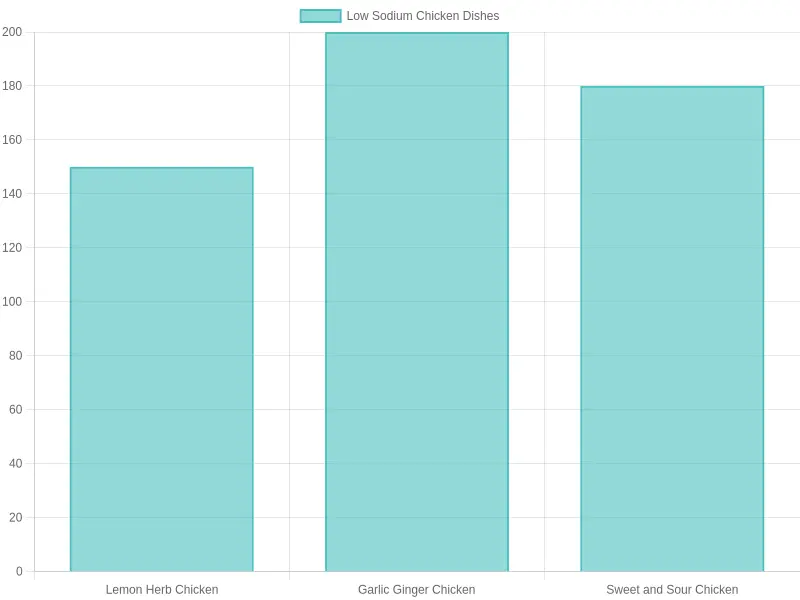
This image demonstrates an assortment of delicious low sodium chicken dishes, perfect for inspiring business owners to enhance their menus!
To explore more low sodium chicken recipes, check out our low sodium chicken recipes page for ideas.
5 Low Sodium Chicken Recipes for Food Businesses
Offering low sodium chicken recipes can appeal to health-conscious consumers, making your food business more attractive. Here’s a roundup of five easy-to-make low sodium chicken recipes, including prep time and main ingredients:
1. Grilled Lemon Herb Chicken
- Prep Time: 15 minutes
- Ingredients:
- Chicken breasts
- Lemon juice
- Olive oil
- Garlic
- Fresh herbs (rosemary, thyme)
Summary: Marinate the chicken in lemon juice, olive oil, minced garlic, and fresh herbs. Grill for 6-8 minutes on each side until cooked through. This dish is light, fresh, and retains great flavor without added sodium.
2. Slow Cooker Chicken and Vegetables
- Prep Time: 10 minutes
- Ingredients:
- Chicken thighs
- Carrots
- Potatoes
- Onion
- Garlic
- Fresh herbs (thyme, basil)
Summary: Place chicken and chopped vegetables in a slow cooker, adding garlic and fresh herbs for flavor. Cook on low for 6-8 hours. This method intensifies flavors while keeping the dish low in sodium.
3. Baked Chicken with Vegetables
- Prep Time: 10 minutes
- Ingredients:
- Chicken legs or breasts
- Bell peppers
- Zucchini
- Fresh herbs (oregano, basil)
Summary: Toss chicken with vegetables in olive oil and herbs, then bake at 400°F (200°C) for 30-40 minutes. It’s a simple, nutritious meal that’s quick to prepare and cook.
4. Chicken Stir-Fry with Broccoli
- Prep Time: 20 minutes
- Ingredients:
- Chicken breast strips
- Broccoli
- Bell pepper
- Garlic
- Ginger
- Olive oil
Summary: Heat olive oil in a pan, add garlic and ginger; sauté chicken strips until golden. Add broccoli and bell peppers, stir-fry until tender. Serve with brown rice for a complete meal. This dish is vibrant and reduces sodium levels significantly.
5. Mediterranean Chicken Skewers
- Prep Time: 25 minutes
- Ingredients:
- Chicken breast
- Cherry tomatoes
- Zucchini
- Olive oil
- Dried oregano
- Lemon juice
Summary: Marinate chicken pieces in olive oil, lemon juice, and oregano. Thread onto skewers with cherry tomatoes and zucchini, then grill until chicken is cooked through. These skewers are packed with flavor and healthy ingredients, ideal for summer menus.
These low sodium recipes not only cater to dietary needs but also enrich your menu options. For more low sodium recipe inspiration, check out the detailed low sodium chicken recipes.
By incorporating these recipes into your offering, you can ensure that you cater to a diverse clientele looking for healthier dining options!
Comparison of Sodium Content in Chicken Cuts
When considering chicken recipes low in sodium, it’s essential to be aware of the sodium content in various chicken cuts. This comparison emphasizes the differences between skinless and regular chicken cuts.
| Chicken Cut | Sodium Content (mg per 4 oz) |
|---|---|
| Boneless Skinless Chicken Breast | 70 |
| Skin-On Boneless Chicken Breast | 90 |
| Chicken Thigh (Skinless) | 65 |
| Chicken Thigh (Skin-On) | 80 |
| Drumstick (Skinless) | 70 |
| Drumstick (Skin-On) | 90 |
Insights:
- Boneless skinless chicken breast contains about 70 mg of sodium per 4 oz, making it a favorite for low-sodium recipes.
- In contrast, skin-on cuts tend to have a higher sodium content, as shown with 90 mg in skin-on boneless chicken breast.
- Chicken thighs and drumsticks also show a modest increase in sodium when the skin is included.
You can explore more low sodium chicken recipes to incorporate healthier options into your menu choice.
How to Season Chicken Without Sodium
Seasoning chicken can be a delightful culinary experience, but it can be challenging to navigate traditional methods that often rely heavily on sodium. Here are some creative ideas and alternatives that will help maintain flavor without adding salt:
1. Emphasis on Herbs and Spices
Using fresh or dried herbs can significantly enhance the flavor of chicken without sodium. Herbs such as:
- Rosemary
- Thyme
- Oregano
- Basil
These can be combined with a variety of spices like paprika, cumin, and turmeric, which not only add depth but also complexity to the final dish.
2. Citrus Juices
Citrus juices, particularly lemon and lime, can transform the flavor of chicken. The acidity not only enhances but also tenderizes, making it perfect for marinating. Try rubbing chicken with lemon zest or marinating it in lime juice for a fresh, vibrant taste.
3. Vinegars for Flavor Depth
Different types of vinegar such as apple cider, balsamic, or red wine vinegar can increase the flavor profile of chicken dishes dramatically without sodium. Incorporating vinegar into sauces or marinades adds a tangy kick that can brighten the overall taste.
4. Garlic and Onion
Utilizing garlic and onion-whether fresh, minced, or powdered-brings a robust flavor profile to chicken. They pair wonderfully with herbs and spices to create a well-rounded seasoning mixture.
5. Low-Sodium Stocks
If you’re making a sauce or marinade, opt for low-sodium or sodium-free stocks to infuse flavor without the salt. Stocks made from roasted vegetables or homemade chicken stock can serve as a great base for a variety of poultry dishes.
6. Creative Marinades
Experiment with homemade marinades that include a blend of these elements. Combining citrus juices, herbs, garlic, and vinegar can create a deliciously complex flavor profile that enhances the chicken without adding sodium.
By using these alternatives, you’ll explore new flavors and creativity in your cooking, ensuring that every chicken recipe remains enjoyable without all the sodium. For more inspiration, check out our low sodium chicken recipes to discover culinary delights that prioritize your health without sacrificing taste!
Health Statistics on Sodium Intake
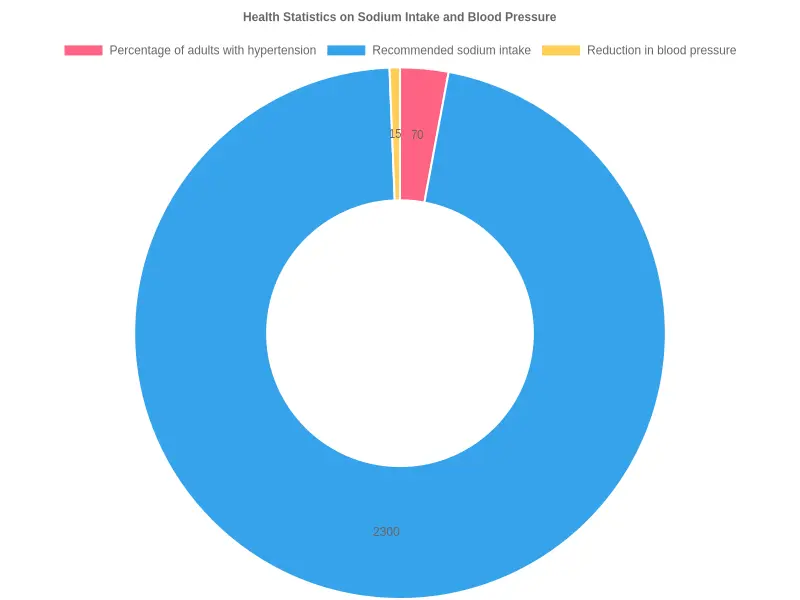
High sodium intake is a significant public health concern, particularly due to its connection with heart disease and hypertension. According to data, approximately 70% of adults have hypertension linked to high salt consumption, which is a critical risk factor for cardiovascular diseases.
The American Heart Association (AHA) recommends a maximum sodium intake of 2,300 mg per day, ideally below 1,500 mg for most adults to promote heart health. Research indicates that reducing sodium intake can lead to a decrease in blood pressure, with observed drops of 10-20 mm Hg in some individuals.
Here’s a chart that visualizes these important statistics:
For more insights on health-conscious recipes, you can check out our low sodium chicken recipes or discover delicious options for chicken pot pie.
The Importance of Low Sodium Diets
In today’s fast-paced business environment, particularly in the food industry, understanding nutritional needs is crucial. One vital aspect to consider is sodium intake. Here’s what experts have to say:
“A low sodium diet can significantly reduce blood pressure, heart disease risk, and stroke. We recommend aiming for less than 2,300 milligrams of sodium per day, with an ideal limit of no more than 1,500 mg for most adults.”
- American Heart Association
Business owners can benefit from adopting these guidelines, as they cater to the increasing demand for healthier food options. Implementing low sodium chicken recipes in your menu can attract health-conscious consumers. For instance, you might want to explore low sodium chicken recipes to enhance your offerings and meet dietary guidelines.
Conclusion: Embrace Low Sodium Recipes for a Healthier Future
In today’s health-conscious landscape, adopting low sodium recipes is not merely a choice but a necessity for business owners in the food industry. The benefits extend beyond just the nutritional aspects, impacting consumer health and overall business performance. By offering low sodium options, you can cater to an expanding demographic seeking healthier food choices, thereby enhancing your brand’s reputation and attracting loyal customers.
Key Insights:
- Health Improvements: Transitioning to low sodium recipes can help mitigate serious health issues such as hypertension and heart disease. A healthier customer base can lead to lower health care costs and improve productivity, which is advantageous for employers and society as a whole.
- Market Demand: There’s a significant upward trend in consumer preference for healthier eating options. As dietary guidelines evolve, so too does the demand for foods with lower sodium levels. Businesses that align with these trends are positioned to thrive in a competitive market.
- Regulatory Compliance: With public health guidelines advocating for reduced sodium consumption, businesses will find themselves better equipped to meet regulatory expectations by adopting low sodium recipes.
By incorporating delicious low sodium chicken recipes into your offerings, you not only uphold these health benefits but also enrich your menu with innovative dishes that can attract a broader customer base. Don’t miss the opportunity to lead in this growing market segment!
Call to Action
Ready to take the next step? Explore our assortment of low sodium chicken recipes and discover how flavorful meals can align with health-conscious choices. Reach out for more information on how to successfully implement low sodium options in your menu. Let’s make a positive change together for healthier eating habits!