

Introduction to Low Sodium Chicken Recipes
In today’s health-conscious world, the demand for low sodium options has surged, particularly among consumers looking to maintain a heart-healthy lifestyle. This trend poses a significant opportunity for business owners in the food industry, as providing flavorful and nutritious low sodium chicken recipes can not only cater to the growing consumer base but can also align with modern dietary goals. With high blood pressure affecting millions globally, the relevance of such recipes has never been more crucial. By offering dishes that prioritize health without sacrificing taste, businesses can tap into a lucrative market that values both wellness and flavor. Emphasizing low sodium recipes not only supports health enthusiasts but also addresses the increasing customer preference for healthier dining options, making it essential for restaurants and food service providers to innovate. Explore the tantalizing possibilities of low sodium chicken recipes and learn how to attract a dedicated clientele seeking healthier alternatives in their meals. Discover some delightful options in our low sodium chicken recipes section!
Benefits of Low Sodium Chicken Recipes in Business
Using low sodium chicken recipes in a business setting can provide several advantages:
- Healthier Menu Options: Low sodium chicken recipes promote better health, as they are beneficial for individuals with hypertension and cardiovascular issues, helping to expand your customer base.
- Market Differentiation: Offering low sodium options can differentiate your restaurant from competitors, making it appealing to health-conscious diners.
- Compliance with Dietary Guidelines: Aligning your menu with current health regulations can enhance your establishment’s credibility.
- Increased Customer Satisfaction: Customers appreciate healthier options, often leading to repeat business.
- Reduction in Health Costs: Healthier recipes can reduce the risk of diet-related illnesses in the long run, potentially decreasing customer healthcare costs.
For exploring specific chicken recipes, check out our collection.
Health Considerations: Sodium Intake and Employee Well-Being
Business owners should be acutely aware of the health implications tied to sodium consumption, particularly concerning their employees’ well-being. Excessive sodium intake is linked to serious health risks, most notably hypertension (high blood pressure). According to the World Health Organization (WHO), high sodium diets can increase blood pressure significantly, which in turn raises the likelihood of heart disease and stroke.
High Sodium Risks
Health studies indicate that consuming over 2,300 milligrams of sodium daily can lead to a 15% increase in heart failure risk, especially among populations with existing health conditions. In the United States, many individuals exceed the recommended sodium intake, which the American Heart Association suggests should ideally be around 1,500 milligrams for individuals at risk of cardiovascular diseases. This surge in hypertension can also lead to cascading health issues, including kidney damage and arterial stiffening
Low Sodium Alternatives
On the other side of the spectrum, adopting low sodium diets presents significant benefits. A study published in PubMed Central highlights that reducing sodium intake can lower the incidence of not just high blood pressure but also heart-related ailments. Moreover, low sodium diets can decrease the risk of developing chronic conditions such as lifestyle-related diabetes and obesity.
For employers, advocating for healthier dietary options and offering low-sodium meals in the workplace can be a proactive step towards ensuring the overall health of employees. This can not only reduce healthcare costs but also improve productivity and morale. Employees who feel healthier tend to exhibit better engagement at work.
In conclusion, a focus on low sodium diets is not only beneficial for individual health but also for organizational wellness, making it a strategic priority for business owners.
5 Popular Low Sodium Chicken Recipes for Your Menu
As businesses increasingly prioritize health-conscious menu options, low sodium chicken recipes cater to diners looking for flavor without compromising on health. Here are five diverse low sodium chicken recipes that you can easily incorporate into your offerings:
1. Baked Chicken Thighs with Dijon Mustard and Herbs
Source: Mayo Clinic
This recipe combines boneless, skinless chicken thighs with a marinade consisting of low-fat milk, Dijon mustard (preferably low-sodium), minced garlic, and hot sauce. Baked until golden, this dish offers a tasty alternative while keeping sodium levels low.
2. Grilled Chicken with Lemon and Herbs
Source: Mayo Clinic
This popular option features chicken thighs marinated in low-fat milk, lemon juice, and garlic. The key is using fresh herbs to enhance flavor without the added sodium. Ideal for those conscious of their dietary intake, this dish is flavorful and juicy, lending itself well to a summer BBQ or light entrée.
3. Low-Sodium Chicken Salad
Source: Southern Living
A refreshing chicken salad that uses rotisserie chicken, plain yogurt instead of mayonnaise, and fresh herbs. It’s elevated by the zestiness of lemon and groundwork spices. Perfect as a lunch staple, this salad can cater to those looking for lighter options without sacrificing taste.
4. Lemon Pepper Grilled Chicken Breast
Source: Allrecipes
Skinless chicken breasts are marinated in fresh lemon juice and lemon zest along with coarse black pepper. Utilizing homemade seasoning blends avoids the high sodium in store-bought mixes, allowing for a refreshing burst of flavor ideal for the grill.
5. Healthy Grilled Chicken with Vegetables
Source: EatingWell
This dish pairs grilled chicken breast with steamed vegetables like asparagus and includes a splash of low-sodium chicken broth to keep the chicken moist. Adding herbs and spices gives it a flavor lift without any added salt, making it a hearty, healthy meal choice.
Conclusion
Incorporating these low sodium chicken recipes into your menu can appeal to health-conscious customers while offering them delicious, flavorful options. Adapting recipes to include fresh ingredients and herbs allows flavors to shine through without relying on sodium. For more ideas, consider checking out more low sodium chicken recipes to broaden your offerings.
| Recipe Name | Ingredients | Cooking Time | Calories | Protein | Sodium | Fat |
|---|---|---|---|---|---|---|
| Low-Sodium Chicken Soup with Vegetables and Rice | 1 lb chicken thighs, carrots, celery, onion, garlic, 4 cups low-sodium chicken broth, uncooked rice | 1 hour | 260 | 28g | <200mg | 6g |
| Easy Low-Sodium Chicken Stir-Fry | 1 lb chicken breast, 1/4 cup low-sodium soy sauce, honey, garlic, mixed vegetables | 25 min | ~280 | 35g | <300mg | 8g |
| Baked Lemon-Herb Chicken Breast | 4 chicken breasts, lemon juice, olive oil, garlic, dried herbs, pepper | 35-40 min | 230 | 42g | <150mg | 9g |
| Low-Sodium Chicken Recipe from Mayo Clinic | 3 lbs chicken breasts, carrots, celery, yellow onion, peppercorns | 1 hour | ~unknown | ~unknown | <100mg | ~unknown |
Incorporating Low Sodium Chicken Recipes into Meal Planning for Businesses
Meal planning can be immensely beneficial for businesses looking to promote employee health and productivity, especially when low sodium chicken recipes are at the forefront. By integrating low sodium options, companies not only cater to health-conscious employees but also contribute to a healthier workplace environment. Here’s how businesses can effectively incorporate these recipes into their meal plans:
Understanding the Benefits
Low sodium chicken recipes can lead to significant health advantages for employees. According to a report by the Academy of Nutrition and Dietetics, meals with reduced sodium can help in lowering blood pressure and reducing the risk of heart disease. This translates to fewer sick days and lower health insurance premiums for companies.
Tips for Batch Cooking and Preparation
Batch cooking low sodium chicken meals can save time and money while ensuring employees enjoy healthy, tasty meals. Here are some effective strategies:
-
Choose Versatile Recipes: Select recipes that can be tweaked based on seasonal ingredients or employee preferences. For instance, recipes like Low-Sodium Chicken Casserole are ideal as they can be made in large quantities and reheat well.
-
Prepare in Batches: Cook larger quantities of chicken dishes that can then be stored in portion sizes suitable for quick reheating. This can be particularly useful for busy lunchtimes.
-
Use Flavorful Ingredients: Enhance the taste of low sodium chicken without resorting to salt. Utilizing herbs, spices, citrus juice, and broth as mentioned by Healthline can enrich flavors competently.
-
Cool and Store Properly: Once cooked, let meals cool before storing them in airtight containers. This not only maintains flavor but also ensures safety from spoilage. It’s best to consume meals within three days for optimal freshness.
-
Clearly Label Meals: Transparency in the nutritional content of meals can encourage employees to choose healthier options, thereby leveraging the business’s reputation for wellness.
Moving Forward
By prioritizing low sodium chicken recipes in meal planning, businesses can enhance employee satisfaction and retention significantly. It’s an investment into the workforce that promotes wellness and operational efficiency. High-quality, nutritious meals align with corporate wellness initiatives and help create an engaged and healthy work environment.

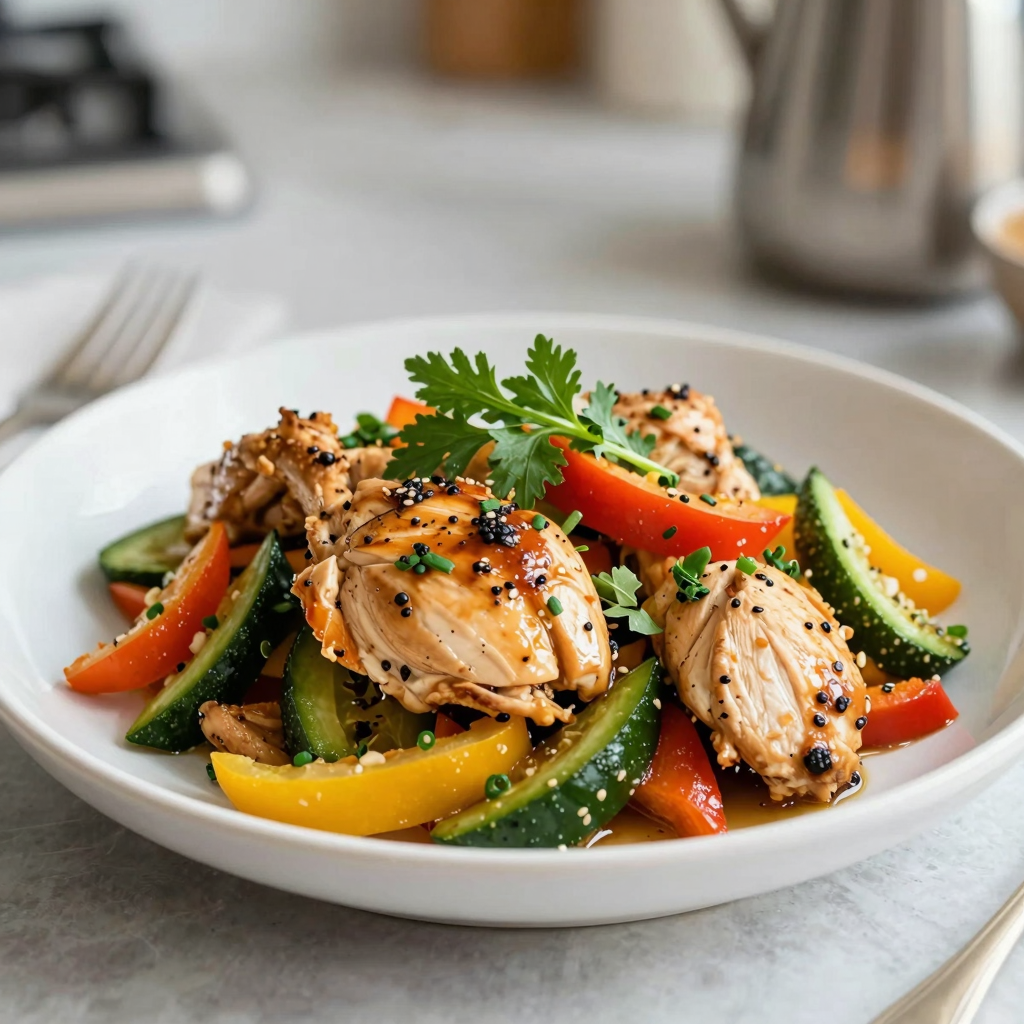
This image visually illustrates a healthy meal prep setup focusing on low sodium chicken recipes. It captures the essence of preparing nutritious meals with fresh ingredients, emphasizing the importance of health and organized cooking practices.
Customer Reception of Low Sodium Chicken Dishes
As health consciousness rises among consumers, the response to low sodium chicken dishes has evolved considerably. Recent market trends depict an increasing preference for low sodium food options. With sodium intake recommendations becoming more prevalent, many consumers, especially young families, are gravitating towards healthier alternatives in their diets.
In 2023, it was reported that chicken accounted for 34% of total meat sales online, highlighting its popularity among shoppers (source). This trend reflects a shift towards health-oriented food choices, where low sodium options are becoming increasingly attractive to consumers. Notably, a survey indicated that 68.2% of individuals in urban centers are willing to pay a premium for products clearly labeled with health benefits, including low sodium options. This shows a robust demand for low sodium chicken products, particularly among younger demographics (source).
Additionally, dining habits are also changing, with an emphasis on balanced nutrition. Low sodium dishes, particularly those that still retain flavor, such as grilled chicken with spices or herbs, are gaining traction on restaurant menus. For instance, dishes labeled “low sodium” exhibit 38% higher click-through rates on food delivery platforms, suggesting that consumers actively search for these healthier dining options.
The shift toward low sodium chicken dishes is not just a passing trend but rather seems to be embedded in a broader movement toward “clean eating.” As businesses, understanding these consumer preferences could pave the way for innovative product offerings that cater to this growing market, leading to enhanced customer satisfaction and loyalty. The overall implications for restaurant menus and prepared meal providers are significant, with a clear pointer towards incorporating low sodium options to meet evolving consumer expectations.
Market Trends in Low Sodium Chicken Dishes

An overview of 2023 trends in low sodium chicken products reveals strong growth metrics as consumers favor health-conscious choices.
The Importance of a Low Sodium Diet
A low sodium diet isn’t just a dietary preference; it’s a crucial lifestyle choice for better health. Nutritionists emphasize its benefits, particularly for cardiovascular health. Dr. Violette Lin, a Scientific Officer at the Department of Health in Hong Kong, states:
“Reducing sodium intake can lower blood pressure and decrease the risk of stroke and heart disease. A low-sodium diet supports long-term cardiovascular health and is especially beneficial for adults over 50 and those with existing hypertension.”
Incorporating low sodium recipes, such as low sodium chicken recipes, can play a vital role in achieving these health benefits. By prioritizing recipes that reduce salt, you can help your customers make healthier choices without sacrificing flavor.
Conclusion: The Importance of Low Sodium Options for Your Business
In today’s health-conscious market, implementing low sodium options in your chicken recipes is not just a trend-it’s a necessity. As highlighted in recent studies, an overwhelming 78% of diners actively seek low-sodium menu items, especially in proteins like chicken. By offering these healthier alternatives, your business can tap into a growing demand that enhances brand loyalty and customer satisfaction.
Low sodium options help manage public health issues, such as hypertension and cardiovascular diseases, aligning your restaurant with positive health initiatives. This proactive approach not only attracts more customers but also positions your brand as a leader in dietary responsibility. A study showed that companies prioritizing low sodium formulations could see up to 25% increased sales in health-focused demographics in 2024.
As you consider these points, think about the future of your menu and how it can reflect commitment to healthier choices. Ready to transition to low sodium offerings and gain a competitive edge?
Contact us today for personalized quotes and support! Let’s work together to create delicious, healthier chicken recipes for your establishment that your customers will love. Learn more about transforming your menu.
Every step you take today can lead to a healthier tomorrow for your customers and your business!