
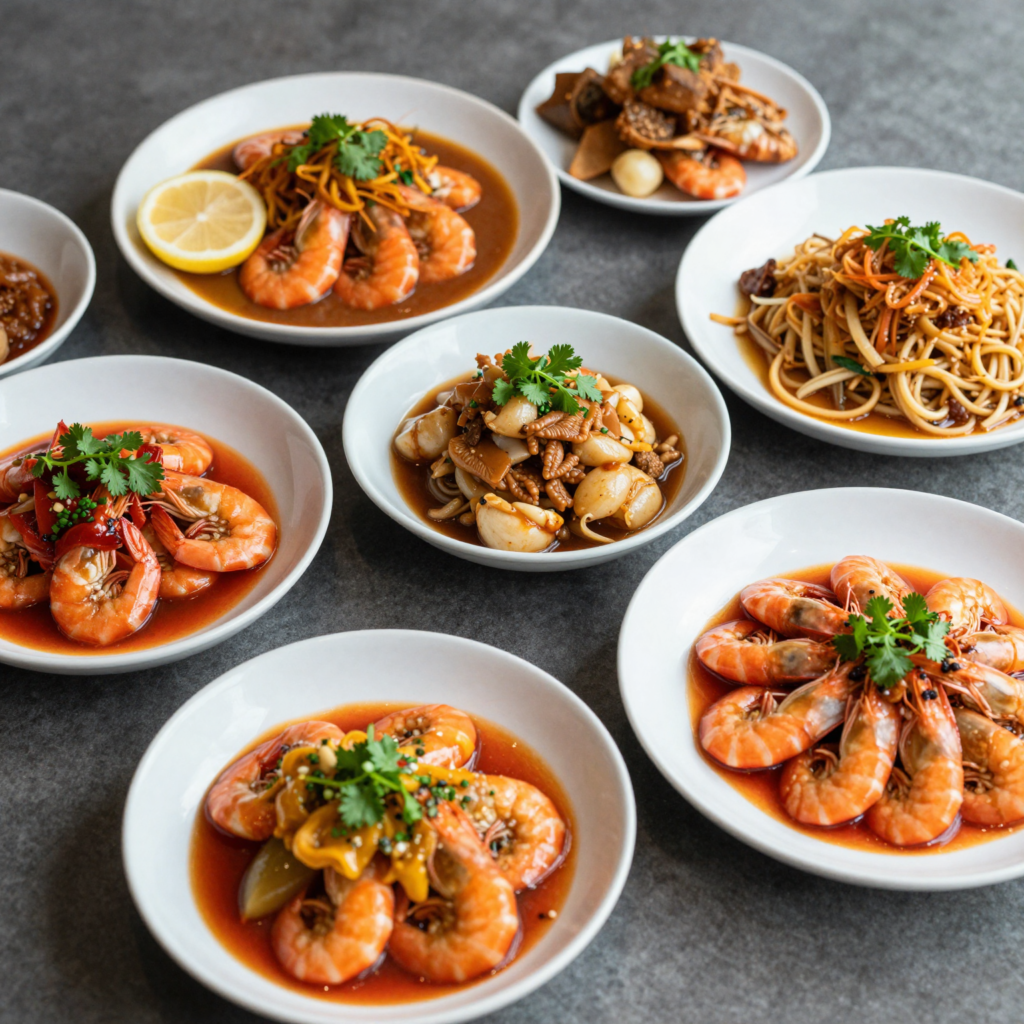
Introduction to Shrimp Sauce in the Culinary Business
In the ever-evolving culinary landscape, shrimp sauce holds a special place, proving to be an essential ingredient that not only enhances flavors but also boosts profitability for restaurant owners. This versatile condiment can elevate various dishes, delighting customers and sparking culinary creativity. For business owners in the culinary industry, mastering the art of shrimp sauce preparation can lead to exciting menu innovations and increased patronage.
Moreover, shrimp sauce aligns with the mission of Zoomlion, which emphasizes sustainable practices and supporting local seafood procurement. By integrating quality, locally sourced shrimp into their sauce recipes, culinary businesses not only enrich their offerings but also contribute to environmental sustainability. As you explore the potential of shrimp sauce, consider how it可以 enhance your business strategy and resonate with eco-conscious consumers. To delve deeper into delicious shrimp recipes, check out our guide on Shrimp Marinara and discover the possibilities of shrimp with Garlic Butter Baked Scallops.
The History of Shrimp Sauce
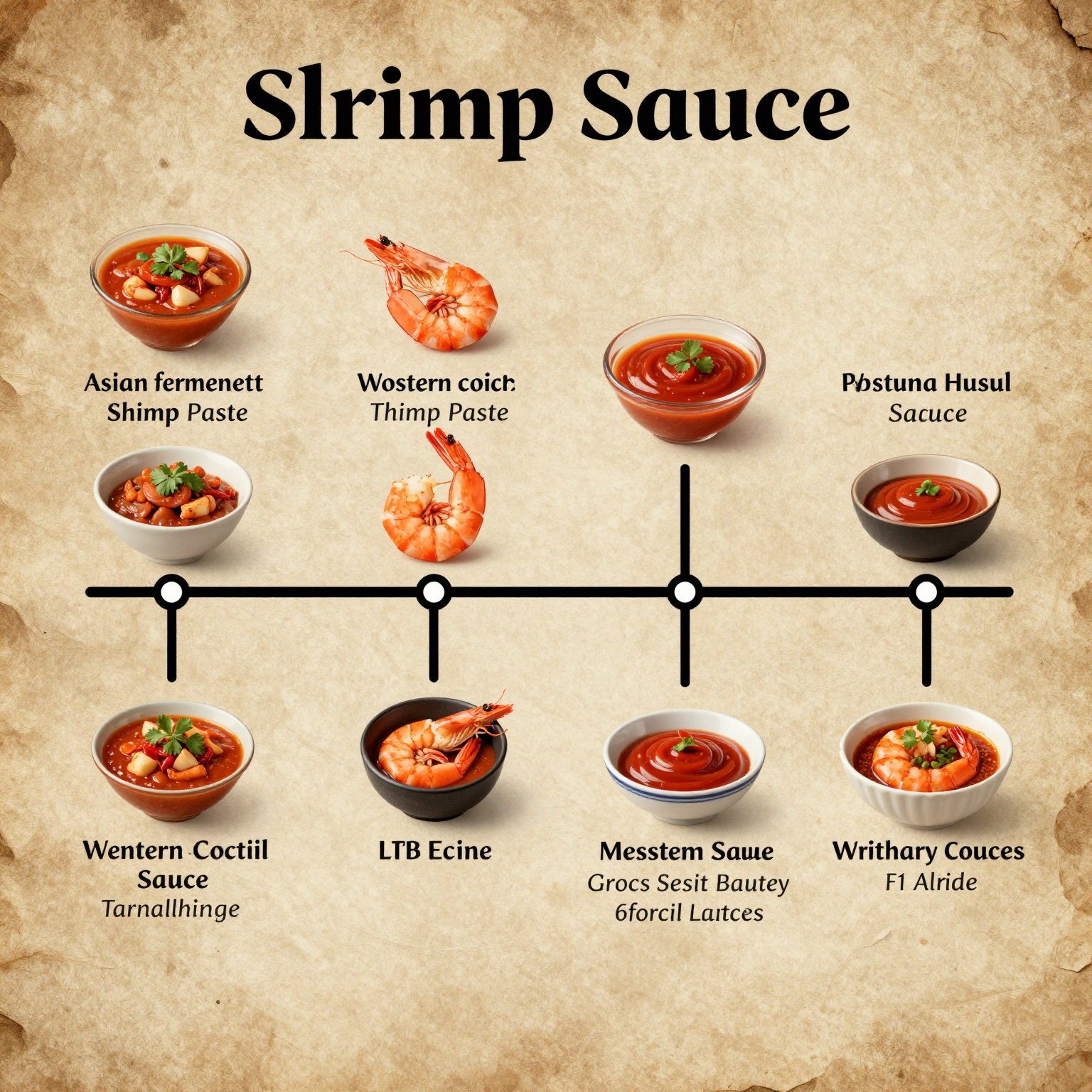
Shrimp sauce has a rich and diverse history that reflects its significant role in various cuisines around the world. The origins of shrimp sauce can be traced back centuries, with early references found in Asian culinary practices. In Southeast Asia, fermented shrimp paste-known as nam pla in Thailand and ngapi in Myanmar-has been a staple ingredient for centuries. These pastes are made through the fermentation of shrimp, resulting in a condiment that enhances the umami flavor in dishes like curries and stir-fries. The complexity of flavors in these sauces highlights the region’s reliance on fermentation techniques, a tradition that dates back to ancient times.
In contrast, the evolution of shrimp sauce as known in Western cuisine began in the 19th century. Here, cocktail sauce emerged as a popular condiment for seafood, particularly shrimp. Typically a blend of ketchup, horseradish, lemon juice, and Worcestershire sauce, cocktail sauce reflects American culinary innovation. It quickly became a beloved accompaniment in seafood restaurants during a period when dining out became more fashionable. The light, tangy profile of cocktail sauce was designed to complement the delicate flavor of shrimp, thus making it an essential aspect of American seafood consumption. Learn more about similar recipes.
The significance of shrimp sauce in both cuisines cannot be understated. In Southeast Asia, shrimp paste serves as a fundamental seasoning in everyday cooking, contributing depth and flavor. Conversely, as American dining culture evolved, shrimp cocktail and its accompanying sauce gained prominence, symbolizing luxury and sophistication. This duality exemplifies how shrimp sauce transforms dishes across cultures-whether it’s the essential fermented paste that enhances complex flavors in Asian cuisines or the straightforward, refreshing sauce that accentuates the natural sweetness of shrimp in American cooking.
In recent years, as global culinary trends have expanded, shrimp sauce has seen growing popularity in the culinary industry, with chefs experimenting often to elevate traditional dishes. As seafood cuisine becomes increasingly trendy, sauces like shrimp cocktail have made their way into a wider array of culinary contexts, not just limited to seafood dishes.
In conclusion, whether rooted in ancient fermentation practices or 19th-century dining trends, shrimp sauce remains a significant player on tables worldwide. The blend of tradition and modernity in shrimp sauce’s history demonstrates its adaptability and importance as a culinary staple. As more restaurant owners integrate diverse sauces into their menus, the unique characteristics of shrimp sauce will undoubtedly continue to influence global cuisine.
Nutritional Benefits of Shrimp Sauce
Shrimp sauce, particularly finely ground types, is gaining recognition among health-conscious consumers and businesses for its impressive nutritional profile. A typical serving of shrimp sauce provides an abundance of protein, making it an appealing addition to a variety of dishes.
Protein Content
In just 100 grams, shrimp sauce contains approximately 16.7 grams of protein, which is equivalent to about 2.8 eggs or 0.6 servings of chicken breast. This high protein content positions shrimp sauce as a great source for those looking to increase their intake in a flavorful way. Protein is essential for muscle building, recovery, and overall bodily functions, appealing especially to fitness enthusiasts and health-focused eateries.
Vitamins and Minerals
In addition to being rich in protein, shrimp sauce provides several vitamins and minerals. Shrimp, a primary ingredient, is known for its high levels of Vitamin B12, which is crucial for energy production and neurological function. It also contains beneficial omega-3 fatty acids and selenium, contributing to heart health and immune function.
For businesses serving seafood dishes, incorporating shrimp sauce can enhance nutritional appeal, attract health-conscious consumers, and complement various recipes such as shrimp scampi and shrimp kabobs.
Overall, shrimp sauce represents a versatile ingredient that not only adds flavor to various dishes but also packs a nutritious punch.
Common Uses for Shrimp Sauce
Shrimp sauce is a versatile ingredient that can enhance a variety of dishes. Here are some common uses:
- Dipping Sauce: Paired with appetizers such as fried shrimp or spring rolls, shrimp sauce serves as a flavorful dipping companion. Popular options include cocktail sauce and spicy mayo.
- Pasta Dishes: Shrimp sauce can elevate pasta dishes, such as creamy garlic lemon shrimp pasta or incorporate it in a rich garlic butter sauce for a seafood twist. Check out this Creamy Garlic Lemon Shrimp Pasta Recipe for ideas.
- Seafood Boils: In seafood boils, shrimp sauce provides a flavorful addition to boiled shrimp, corn, and potatoes, making it a staple for gatherings.
- Marinades: Use shrimp sauce as a marinade before grilling or broiling shrimp, adding flavor and moisture. For a homemade version, you can refer to our shrimp sauce recipe.
- Salads and Bowls: Whether in shrimp salads or grain bowls, sauces help keep the dish moist while enhancing its base flavors.
By incorporating shrimp sauce in these ways, you can enhance the flavor profiles of your dishes and offer customers diverse culinary experiences.
Market Trends of Shrimp Sauce as an Ingredient
The shrimp sauce market has been exhibiting robust growth in 2023, driven by evolving consumer preferences and significant opportunities for business owners. As market analysts forecast, the shrimp products sector will continue to thrive, with consumers increasingly shifting towards healthier and more sustainable options. A recent report indicates that from 2023 onwards, the shrimp sauce market is expected to expand due to several key trends:
1. Increased Demand for Natural Ingredients
Consumers are showing a marked preference for natural, clean-label products, prioritizing ingredient transparency. Products that are low in sodium and free from additives are becoming particularly popular as consumers become health-conscious. According to research, over 78% of consumers are sensitive to high sodium content, influencing their choice towards reduced-sodium options in sauces like shrimp sauce.
2. Technological Innovations
The advancement in technology related to flavor enhancement and preservation-such as optimized fermentation processes-has been pivotal in creating differentiated shrimp sauce products. Innovations enhance taste and extend shelf life while maintaining health standards, thus catering to the rising demand for tasty and healthy food options.
3. Growth in Asian Cuisine Popularity
As the global palate becomes more adventurous, the acceptance of Asian flavors is on the rise. Shrimp sauce, often used in Southeast Asian cuisines, is increasingly being integrated into mainstream cooking. This trend creates avenues for businesses to innovate fusion products that cater to diverse tastes.
4. Sustainability and Environmental Concerns
With a growing emphasis on sustainable practices, consumers are gravitating towards shrimp sauces produced through environmentally friendly methods. Brands that implement sustainable sourcing and offer eco-friendly packaging are likely to resonate well with modern consumers.
Summary of Market Data
According to reports from industry experts, the shrimp sauce market is projected to grow at a Compound Annual Growth Rate (CAGR) of approximately 4.94% from 2026 to 2031. Market valuations are expected to reach around $3.65 billion by 2031. These insights underline the significant market potential driven by evolving consumer behavior focused on health, taste, and sustainability.

For more detailed recipes and insights regarding shrimp, visit our shrimp sauce recipe page and explore shrimp cooking techniques.
Discovering Shrimp Sauce: A Culinary Delight
Shrimp sauce is a flavorful condiment that enhances a variety of dishes, showcasing its versatility and appeal. Business owners in the culinary world may find this sauce beneficial for diversifying their menus. Typically made with shrimp paste, seasonings, and sometimes additional ingredients like garlic or chili, shrimp sauce can elevate simple dishes into gourmet experiences.
Benefits of Shrimp Sauce
- Enhanced Flavor: Shrimp sauce adds a distinct umami taste that can complement grilled meats, seafood, or even vegetables.
- Versatility: Whether used as a dip, marinade, or ingredient in a recipe, it can fit into numerous cuisines, from Asian to Western.
- Nutritional Value: Rich in protein and essential nutrients, shrimp sauce can enhance the health profile of dishes it accompanies.
Here are some useful references for additional insights on shrimp recipes and sauces:
- Read our shrimp sauce recipe for your culinary inspirations
- Explore our delicious olive garden shrimp scampi recipe
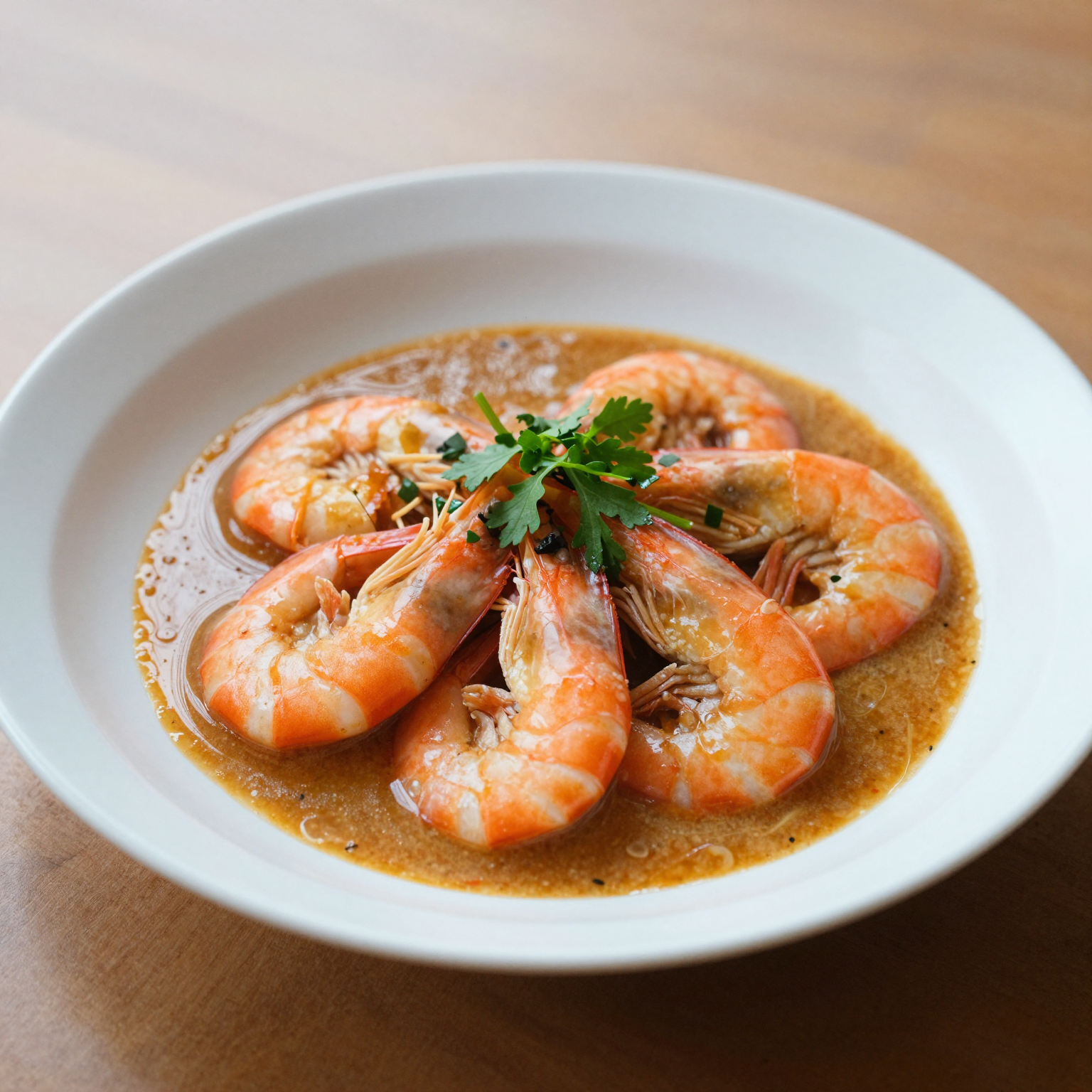
A simple, visually appealing image of shrimp sauce presented in a dish to engage readers.
Conclusion
Incorporating shrimp sauce into your menu can not only boost flavor but also attract customers looking for unique dining experiences. Whether you’re a small restaurant or a large catering business, elevating your offerings with this delicious sauce may yield substantial profits.
Competitive Landscape of Shrimp Sauce Suppliers
The shrimp sauce market is evolving rapidly, influenced by rising consumer preferences for natural and organic products as well as increasing demand for unique flavors. Key players in this industry include Lee Kum Kee, Thai Union Group, and Maruha Nichiro Corporation, all of whom dominate through innovative products and sustainable practices.
Major Players in the Market
- Lee Kum Kee: A prominent name, especially known for its shrimp paste used in home cooking and food manufacturing. The brand’s strong presence extends across Asia, Europe, and North America.
- Thai Union Group: Focuses on sustainability and high-quality seafood products, appealing to health-conscious consumers.
- Maruha Nichiro Corporation: Offers a range of shrimp-based sauces, emphasizing flavor and quality.
- High Liner Foods and Pacific Seafood: Known in North America for premium, value-added shrimp products that meet clean-label demands.
Market Trends
The current market trends highlight a shift towards healthier products, including low-sodium and clean-label shrimp sauces. Innovations in packaging and the use of smart production technologies are enhancing competitiveness. According to recent reports, the shrimp sauce market is set to grow at a Compound Annual Growth Rate (CAGR) of over 6.0%, driven by the increasing demand for functional food products and ready-to-eat meals.
Niche Opportunities
New entrants in the shrimp sauce market could explore specific niches, such as:
- Health-focused shrimp sauces with organic certifications or low-sodium content.
- Culturally diverse flavors, particularly those catering to Southeast Asian tastes, which are gaining traction in global markets.
- Products catering to digital-savvy consumers through eCommerce platforms.
For more insights into recipes that can incorporate shrimp sauces, check out our article on shrimp scampi and shrimp kabobs for delicious meal planning.
Comparing Shrimp Sauce Suppliers
In the competitive landscape of shrimp sauce, selecting the right supplier can significantly impact your business. This comparison table summarizes key aspects such as pricing, quality, and distribution options to help you make an informed choice. Here’s what we found:
| Supplier Name | Pricing (USD per gallon) | Quality Rating (1-5) | Distribution Options |
|---|---|---|---|
| Lee Kum Kee | $25 | 4.8 | Global, available online and retail outlets |
| Kikkoman | $30 | 4.5 | USA, Canada, online direct shipping |
| Thai Kitchen | $22 | 4.4 | Limited to Asian markets, online retail |
| Huy Fong Foods | $20 | 4.6 | North America, select international markets |
| Amora | $27 | 4.3 | Wholesale distributors across Europe |
Supplier Insights
- Lee Kum Kee is a leader known for its consistent quality and extensive distribution network. They offer a wide range of shrimp sauces that cater to different culinary demands.
- Kikkoman maintains a strong reputation for quality, emphasizing traditional brewing methods. They focus primarily on the North American market.
- Huy Fong Foods, popular for their hot sauce, also offers a shrimp sauce option that’s highly rated among customers for its unique flavor profile.
For more recipes utilizing shrimp sauce, check out our shrimp sauce recipe or get inspired with olive garden shrimp scampi.
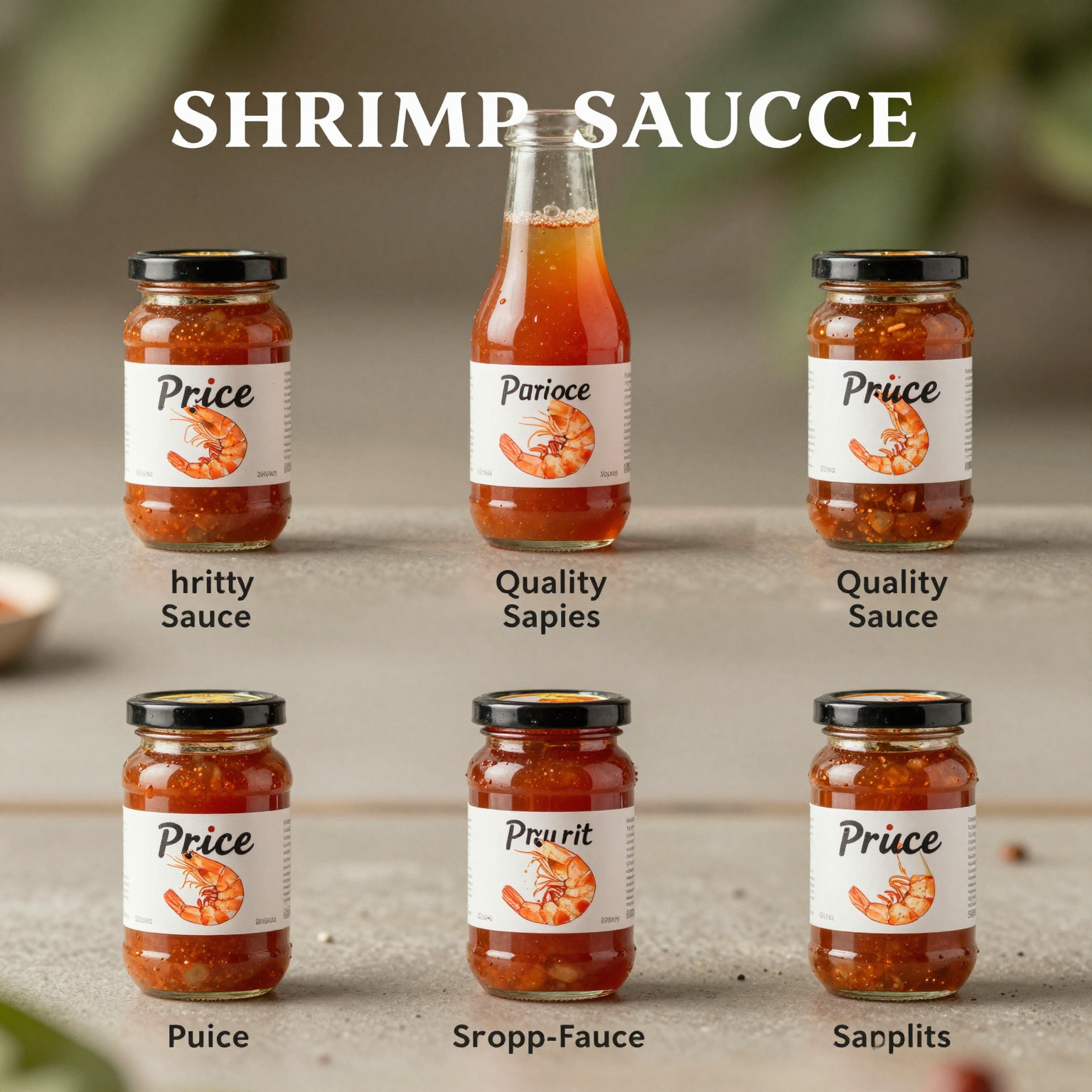
This table illustrates essential details while assisting business owners in the decision-making process regarding shrimp sauce suppliers.
Conclusion
In conclusion, shrimp sauce is not just an addition to your meal; it’s a transformative condiment that can elevate dishes, enhance flavors, and satisfy your customers’ culinary desires. We explored the versatility of shrimp sauce, from its key ingredients to its applications that can cater to a wide array of cuisines. Using shrimp sauce not only compliments seafood dishes but also enriches pasta, stir-fries, and more, significantly broadening your menu options.
Moreover, choosing high-quality shrimp sauce is essential for maintaining consistency in flavor and customer satisfaction. The right supplier can make all the difference in your restaurant’s offerings. Therefore, if you’re a business owner looking to take your culinary dishes to the next level, consider sourcing top-grade shrimp sauce from trusted manufacturers.
At Zoomlion, we pride ourselves on providing premium shrimp sauce that meets high quality and flavor standards, ideal for food service establishments aiming to impress their patrons. Our expertise in seafood condiments ensures that each bottle delivers that perfect blend of spices and savory richness, making your dishes unforgettable.
Don’t hesitate to reach out to us for your shrimp sauce needs. Whether you’re expanding your menu or looking to enhance your established recipes, we are here to help you succeed. Contact Zoomlion today and discover how our shrimp sauce can transform your offerings and delight your customers!
For further inspiration, check out our recipe for Shrimp Marinara or consider exploring the delicious world of Mediterranean lamb recipes as you craft your next culinary masterpiece.
The Significance of Shrimp Sauce in Contemporary Dishes
Shrimp sauce is often overlooked, yet it has gained immense popularity in modern cuisine due to its umami-rich flavor profile and versatility. Culinary experts recognize its value as a foundational ingredient that can elevate various dishes.
“Shrimp sauce isn’t just a condiment-it’s a foundation for balance.”
- David Chang, Founder of Momofuku (Bon Appétit)
This statement underscores the essential role that shrimp sauce plays not only in Asian-inspired dishes but across diverse culinary landscapes. It seamlessly blends into soups, stir-fries, marinades, and even sauces, adding layers of depth and complexity.
Another advocate, Chef Nobu Matsuhisa, aptly calls it “a bridge between tradition and innovation,” reinforcing its status as both a historical condiment and a modern necessity. Business owners in the food industry would do well to consider shrimp sauce as a staple in their kitchens-not merely for flavor, but also for the creative possibilities it offers.
For insights on recipes that feature this flavorful ingredient, explore our shrimp sauce recipe.