

Homemade shrimp sauce is a delicacy that enhances various dishes, offering a unique blend of flavors that can elevate any dining experience. For business owners in the culinary field, mastering the art of shrimp sauce equips you with a valuable addition to your menu that not only appeals to shrimp lovers but also showcases your commitment to fresh, homemade ingredients. This guide will explore essential ingredients and techniques in Chapter 1, and delve into innovative flavor profiles and variations in Chapter 2, helping you understand how to create a signature shrimp sauce that can distinguish your offerings in a competitive market.
Shells, Salt, and Sultry Depth: A Comprehensive Guide to Homemade Shrimp Sauce
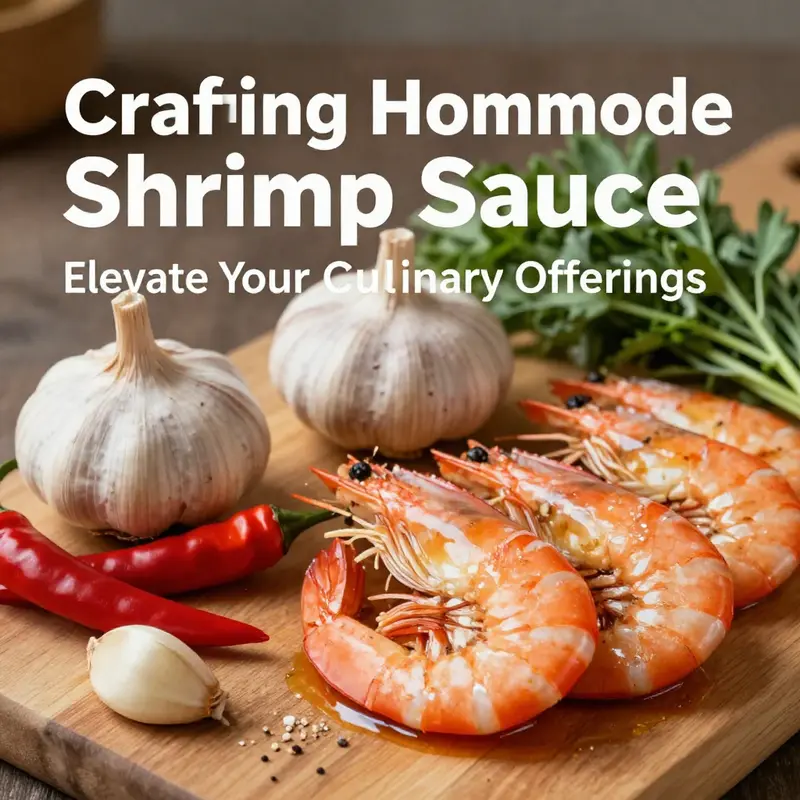
The idea of a homemade shrimp sauce begins with the elemental partnership in seafood cookery: salt and shell. It is a negotiation between oceanic sweetness and the character of the pantry. When you set out to craft a shrimp sauce at home you are not simply following a recipe; you are shaping a condensed, versatile essence that can lift a stir fry, dip a dumpling, glaze a noodle dish, or finish a slow simmered sauce into something that tastes like a shoreline breeze gathered into a jar. The process invites patience, attention to cleanliness, and a willingness to explore two routes: a traditional, slow fermented paste that develops depth through time, and a quicker, cooking based method that delivers immediate umami and gloss. Both paths start from the same core ingredients—shrimp and salt—and yet they diverge into distinct textures, aromas, and uses. To understand how to make homemade shrimp sauce is to learn how to coax the most out of tiny crustaceans, whether you let them age gracefully in a salted embrace or coax their oils and aromatics to bloom on a hot pan.\n\nBegin with the foundation and its most delicate choice: the shrimp itself. Fresh shrimp small in size if you are aiming for a paste are prized in traditional preparations because their shells contain concentrated flavors that translate into the final product. For a fermented paste many cooks favor using whole shrimp heads and shells included to extract layers of aroma and oil that lend a nutty lingering savory note. When the goal is a ready to use sauce rather than a paste you can work with cleaned shrimp or, in a pinch, the heads and peels, which often hold more intensity than the meat alone. A common thread in both routes is that quality matters more than complexity of technique: the fresher the shrimp, the richer the resulting sauce will taste, even before any salt is added to preserve or flavor. You are not merely salting to preserve; you are anchoring a flavor profile that can carry through days or weeks or months of aging, or can simply coat a skillet in minutes and deliver a glossy finish.\n\nSalt is not a flavor palate’s resident filler in this work; it is a preservative and a driver of flavor development. The guidelines you’ll find in traditional texts emphasize a careful balance of salt concentration. A practical rule of thumb is to keep salt around 10 to 12 percent of the total weight of the shrimp if you are aiming for fermentation, with an even distribution that ensures all surfaces meet salt. For a standard preparation using fresh shrimp and quick cooking, you might not go quite so aggressively on salt in the early stages, but you should still treat salt as the engine that prevents spoilage and supports the development of a firm texture. A widely cited measure—roughly 50 to 60 grams of sea salt per 500 grams of shrimp—serves as a useful starting point for the salt to shrimp ratio in fermentations or in the early stage of a quick cook sauce where you intend to store the sauce for a spell. High-quality sea salt is favored over table salt because it brings mineral notes that subtly lift the final flavor without introducing unwanted iodine or additives that can dull a delicate seafood base.\n\nFrom this point the divergence becomes palpable. In the traditional slow fermentation path you assemble the cleaned, salted shrimp in a clean ceramic or glass container rather than metal, mix thoroughly, and then begin a daily ritual. The process calls for stirring twice daily with a wooden paddle to ensure even distribution of salt and to disrupt any surface film that can invite mold. The environment matters as much as the hands that tend it: initial fermentation prefers warmth, around 25-28°C for the first several days, followed by a cooler, dark aging phase at about 18-20°C for the long arc of maturation. The goal is not rapid fermentation but depth of flavor. The paste will typically take 30-45 days for the initial stage, then rest in aging for six months to a year or longer. Throughout, the texture evolves from a paste-like paste to a smoother, more integrated sauce that bears the weight of its salt, the sweetness of the shrimp, and a mineral finish from the sea. In some cultural traditions, a splash of high-proof alcohol serves as a fermentation booster, slowing the rise of unwanted bacteria while allowing desirable microbial activity to continue. If you intend to use fermentation, you will also encounter a broader catalog of potential flavor enhancers, from roasted yellow bean powder to garlic and ginger, crushed peanuts, and sesame seeds. Each addition can tilt the profile in a unique direction, offering a canvas that can become smoky, nutty, or bright with citrus aromatics depending on what a cook chooses to introduce.\n\nThe quick, cooked route is a world apart in terms of timing, but it still rewards restraint and technique. Here you begin with heat rather than patience, and you build flavor quickly by sautéing shrimp or shrimp peels in a touch of oil until they turn golden and release their fragrance. The aromatics—onions, garlic, perhaps a hint of ginger or chiles—are added to develop layers of savory perfume. It is a dance of time and temperature: you bring the mixture to a simmer, then carefully introduce liquids such as stock, a splash of soy or oyster sauce, hoisin for depth, and a touch of sugar or wine to balance the savoriness. The sauce thickens as it reduces, becoming glossy and clingy enough to coat a noodle, a dumpling, or a roasted vegetable. In this path, the goal is not to age or to cultivate a particular bacterial culture but to extract maximum flavor from every surface that has touched the heat. The shrimp heads and peels, once simmered, give their oil and their flavor to the sauce, and the meat itself can be chopped and folded back into the finished product for added texture. The result is a versatile, ready-to-use shrimp sauce that makes weeknights feel more celebratory and weekends more unhurried.\n\nIf you want to explore a tested, straightforward approach with hands-on steps you can follow, you can start from a baseline recipe that translates the above principles into a practical workflow. A balanced, home-ready method begins with cleaning and preparing the shrimp or peels, salting to the target level, and deciding on the path you want to take for aging or quick reduction. You might begin by heating a small amount of oil in a heavy pot and adding the shrimp shells or meat, letting them sizzle until they release their aroma. For a non-fermented, quick-cook version, you then add aromatics such as onion, garlic, and ginger, perhaps a small amount of chili to introduce heat, and build a foundation with a splash of soy or oyster sauce to echo a hint of the umami found in a wok-based sauce. A quick simmer intensifies the flavors, and a final touch of sesame or a drizzle of citrus can brighten the end product. This method yields a sauce that can be used right away or saved for a few days in the refrigerator, and it can also be frozen for longer-term use. The key is to maintain balance; you want the shrimp to be the star, but you do not want any single element to overwhelm the others, lest you lose the nuance of sea-sweetness that makes shrimp sauces special.\n\nFor a deeper dive into a tested recipe or a ready-to-follow plan, you can consult a dedicated shrimp sauce recipe that translates these principles into precise steps and measurements. In this chapter we weave together the theoretical aspects with practical guidance, because the most satisfying results come when your technique aligns with your taste. If you are seeking further inspiration through a curated, step-by-step formulation, you can explore a focused guide that aligns with the concept of a shrimp sauce as a standalone condiment or as a flavor booster in larger dishes. The ideas here point toward a practical, home-tested approach that you can adapt to your pantry and your palate. The path toward a strong sauce rests on practice and listening to the shrimp to know when the balance is right.\n\nEven as you contemplate the long arc of fermentation you should remain mindful of safety, sanitation and storage. Fermented pastes demand scrupulous cleanliness; the container should be thoroughly cleaned and kept free of any residual oils or metallic residues that might impede fermentation. Wooden utensils are traditionally used to avoid imparting metallic flavors or harboring residues that could affect the culture. Temperature control remains crucial; a stable environment avoids disruptive microbial blooms that could spoil the batch. If at any point the paste develops a strong sour or rotten odor, or if surface mold forms that you cannot manage with gentle scraping and sanitation, it is wiser to discard the batch and start anew. For the quick version, caution is still essential. Work with clean equipment, avoid cross contamination, and ensure that the sauce comes to a safe temperature when reheated. If you plan to store the sauce, use sterilized jars and refrigerate, labeling with the date so you can monitor its freshness. These practical considerations ensure that your shrimp sauce, whether aged or freshly cooked, remains a reliable and delicious component in your culinary repertoire.\n\nLet us consider how this sauce, regardless of the method chosen, connects to broader families of seafood seasonings and to the culinary cultures that celebrate shrimp in varied forms. In coastal kitchens the attraction of shrimp based sauces is the same: the ability to translate a small, singular ingredient into a carrier of memory, geography, and technique. Fermented seafood pastes in many traditions provide a profound umami backbone that can stand up to heavy stews, crisp vegetables, or roasted proteins. A quick, glossy shrimp sauce, by contrast, offers the brightness of citrus, the warmth of ginger, and the savoriness of soy or wine, making it well suited to a range of contemporary, fast paced dinners. The gulf coast example where shrimp and andouille sausage mingle in a robust gumbo, although not a sauce, shares with the shrimp sauce a deep appreciation for slow development, the dance of fat and spice, and the importance of a roux as a flavor anchor. The gumbo recipe, with its layers of trinity, the long simmer that marries shellfish and sausage with a starch to stretch servings, demonstrates how a well-built seafood base can support a dish that reads as both rustic and elegant. Reading about such an emblematic dish helps illuminate the philosophy behind a homemade shrimp sauce: flavor is not a single act but a conversation among components.\n\nIn practice, you might decide to prepare a fermented paste on a lazy weekend and then let it rest, while you work on smaller projects or other meals. When you wake it from its slumber, a small amount can perfume a pan with its aroma, then be thinned with stock to create a sauce that can be spooned over rice or vegetables, or brushed onto grilled seafood for a smoky, salted finish. The slow path yields a product with a lingering, complex savor — one that invites contemplation with every bite. The quick path offers brightness and immediacy, a glossy sheen that helps the flavors stick to the surface of a stir fry, a noodle dish, or a plated entrée. Both approaches honor the shrimp as the messenger of the ocean’s flavor, and both rely on precise handling of salt, temperature, and timing. The decision between fermentation and rapid cooking is not simply about speed; it is about the tone of the final dish and the role you want the sauce to play within it.\n\nAs you move forward with your own experiments remember that the journey to a great homemade shrimp sauce is as much about listening as it is about measuring. The aroma, the texture, and the balance of sweet, salty, and savory notes will tell you when you are close to the mark. Your first batches may feel tentative, but with each small adjustment a pinch of salt here, a minute less on the simmer, a few more drops of wine there you will learn to read the sauce to predict how it will integrate into different dishes and to trust that your palate knows best. The goal is a condiment that expands your repertoire rather than a rigid one size fits all formula. You want something that can take a simple plate of vegetables, a bowl of noodles, or a stack of dumplings and elevate them with a whisper of the sea. You want a sauce that invites you to lean in, to turn off the kitchen timer, and to listen for the moment when the flavors bloom in unison.\n\nFor readers who crave further culinary reference a broader study of Gulf Coast seafood dishes can deepen context and broaden technique without overwhelming the core practice of making shrimp sauce at home. The dish described earlier shrimp sausage gumbo exists in the same ecosystem of techniques, where careful planning and patient coordination of ingredients yield a final product that is more than the sum of its parts. If you would like to explore a well regarded example of this tradition, the ideas here point toward a practical, home tested approach that you can adapt to your pantry and your palate. The path toward a strong sauce rests on practice and listening to the shrimp to know when the balance is right.\n\nIn sum whether you pursue the aged fermented paste or the crisp ready to use sauce making homemade shrimp sauce is a disciplined act of flavor refinement. It is a practice that rewards precision in preparation, patience in aging or reduction, and curiosity about how the humble shrimp can transform a meal. The two paths slow fermentation and quick cooking offer distinct experiences but they converge on a shared truth: salt is your ally, shrimp your muse, and time your collaborator. The sauces you craft will not only season a plate but also tell a story of technique and taste, a story that travels from the coastline to your kitchen with every jar you seal and every pan you stir. By embracing both methods you equip yourself with a spectrum of possibilities ready to respond to any dinner table, any gathering, any craving for something that tastes like the sea while feeling exactly like home
Layered by the Sea: Crafting Deep, Fermented, and Regionally Inspired Homemade Shrimp Sauce

Shrimp sauce is more than a dipping companion or a quick finish; it is a living tapestry of seafood sweetness, mineral brightness, and the patient chemistry of time. When you approach it as a culinary canvas, you begin to see how a handful of ingredients can evolve from bright, briny shrimp notes into a depth that lingers on the palate. The core idea is simple, yet powerful: treat the shrimp as the focal point, then invite umami, acidity, aromatics, and texture to enter the frame in measured, deliberate steps. In practice, this means acknowledging the four pillars of flavor that anchor most successful shrimp sauces—shrimp sweetness and brine, umami from fermented or aged ingredients, acidity that brightens and balances, and aromatics that weave through every bite with warmth. The result is a sauce that can be bright and quick or slow and contemplative, a sauce that can sauce a simple plate of shrimp or stand on its own as a dipping centerpiece for crusty bread or vegetables.
The starting point is quality shrimp, ideally fresh, with a clean aroma and a firm texture. The shrimp’s own sweetness provides the foundation for the rest of the sauce. The goal is not to overpower that sweetness with the other elements but to frame it, creating a chorus rather than a solo performance. Against that foundation you can layer umami-rich flavors that do not simply add salt, but deepen the savory core of the sauce. Traditional approaches hinge on fermented or aged ingredients that carry concentrated savoriness—fermented pastes, dried seafood elements, or salt-preserved extracts. These components are not about aggressive savoriness; they are about a quiet, persistent umami that reveals itself in the back of the mouth as you savor the sauce with each dipping bite. In experimental kitchen practice, scientists have noted that enzymatic pretreatments followed by fermentation can elevate umami amino acids, especially when the process is allowed to unfold over time. This kind of patience is not a luxury but a technique that rewards those who invest in it with a more nuanced aroma and a more robust finish. Even without laboratory conditions, you can harness this logic by allowing a controlled, small-batch fermentation that respects cleanliness and temperature, producing a sauce with surprising depth after a few days to a couple of weeks. The key is to maintain safe environments for growth, use sterilized jars, and monitor the fermentation with a calm, curious eye.
Acidity offers the spark that keeps the sauce lively, ensuring that the dish does not dull the shrimp taste or become monocultural in its savoriness. A splash of vinegar or citrus juice—balanced with a touch of sugar or honey to soften sharp edges—can transform the mouthfeel and brightness of the sauce. The acidity should feel clean, not biting; it should lift the sweetness of the shrimp rather than mask it. In regional interpretations, you’ll often find a preference for a certain acidity profile. A Chinese-influenced shrimp sauce may lean toward a more layered sweetness with soy-based saltiness and a hint of fermented black beans, where acidity comes from preserved elements rather than a direct acid addition. A Louisiana-inspired approach might balance tang with a touch of tartness from citrus while maintaining a warm background from aromatics that echo the region’s love of garlic, onion, and peppers. The balance rule remains the same: a little acidity goes a long way, and the best sauces know how to keep the balance elastic so the flavors can bend toward sweetness, heat, or salt as the day’s cooking demands.
Aromatics form the connective tissue of the sauce, carrying fragrance from the pan into the final plate. Garlic is a natural anchor, but do not forget the broader cast: aromatics like ginger, shallots, scallions, and fresh herbs can transform a simple shrimp sauce into a bright, multi-layered experience. In many homes, a herb bouquet at the end of cooking—cilantro or Thai basil, for instance—adds a green lift that makes the sauce feel newly minted rather than pre-made. Heat is not merely about spiciness; it is a texture you feel as a warm glow in the mouth. A careful approach to peppers, whether fresh or roasted, can replace the need for heavy salt and still create a memorable finish. The interplay of these aromatics with the shrimp’s natural fragrance is what makes the sauce feel alive, as if it carries the memory of what was cooked around it.
Regional explorations reveal a remarkable range of adaptions that still honor the core philosophy of shrimp sauce. In a Chinese pantry, the interplay of soy notes with fermented pastes and dried shrimp magnifies the umami without requiring a thick, heavy base. Some cooks balance saltiness and depth by introducing sweet notes with a touch of sugar, creating a harmonic quartet of flavor—sweet, sour, salty, and umami. This quartet is not about chasing a single taste; it’s about orchestrating a chorus where each element has space to contribute, while not overpowering the others. The addition of fresh herbs—cilantro or Thai basil—lifts the sauce into a modern canvas where brightness is never far from the long, lingering finish of umami. In other traditions, a pepper-forward approach adds warmth without crushing the delicate shrimp brightness, while a hint of smoke from roasted peppers introduces a subtle complexity that makes the sauce feel more substantial. These variations show how regional sensibilities can reframe the same basic building blocks into something that tastes rooted in a place while still feeling universal in its appeal.
One of the most effective paths to flavor depth is fermentation, a technique that has long served seafood condiments in many cuisines. Fermentation does not simply preserve; it reshapes proteins and starches into new sensory experiences. In the home kitchen, fermentation can be approached in small, careful steps. Start with a clean jar, a modest amount of salt, and a base containing the shrimp, a little sugar, and a few aromatics. Allow it to sit at room temperature for several days, then transfer it to a cooler, darker spot to continue aging. The result is a sauce with more pronounced aroma and a longer, more satisfying finish. If you want to push flavor further, you can explore enzymatic pretreatment prior to fermentation. This step helps break down proteins and starches before the fermentation begins, enabling a more robust development of amino acids that contribute to the sauce’s depth. While not everyone has the means to replicate industrial enzyme processes, the principle remains accessible: better pre-breakdown often translates into richer, more complex outcomes after aging.
To keep the cooking practical without sacrificing nuance, many cooks gravitate toward a simple, reliable framework that can be adapted. Begin with a light sauté of garlic and onions in a small amount of oil, enough to awaken their fragrances. Add peeled shrimp for a moment to seal in their flavor, then introduce the umami backbone—fermented pastes, dried shrimp for intensity, or a spoonful of a well-balanced salt-based concentrate. The next layer is acidity; splash in vinegar or citrus, tasting as you go so you maintain balance rather than allowing acid to dominate. A little sweetness helps to smooth the edges, especially if you’ve used certain salty elements; a touch of sugar or honey can reconcile sharp notes and highlight the umami. Finally, fold in aromatics and a herb finish that refreshes the palate after you taste the sauce. Simmer briefly to merge flavors, then finish with a light drizzle of citrus and a final stir to unify the sauce’s texture before you bring it to the table.
For those seeking a practical, quick-start approach that still respects the sophistication of a shrimp sauce, there is a straightforward path you can follow. A basic framework begins with a gentle sauté of aromatics handled in a small amount of fat. This stage builds flavor without creating heaviness. Then you add a modest amount of shrimp, which you blend in with the aromatics, allowing their aroma to diffuse into the fat. A small amount of water, stock, or a light wine can loosen the base and create a silky mouthfeel. The sauce then receives its umami lift through fermented pastes or dried shrimp, carefully folded in so as not to overpower in the early stages. A touch of acidity, balanced with a hint of sweetness, and a handful of chopped herbs complete the profile. At this point, you can either serve the sauce immediately over hot shrimp or allow it to cool and reheat later, where the flavors may mellow and then brighten again with a fresh finish. If you are curious to engage with a tested, home-friendly approach, you can start from the basic concept and customize it—drawing from regional influences, seasonal produce, and your own pantry staples. The beauty of this sauce is that it rewards curiosity and patience in equal measure, so don’t hesitate to experiment, tasting as you go and adjusting with intention.
In the spirit of practical cooking, it’s useful to imagine the sauce not as a single thing but as a set of options that you can reassemble. A simple, quick dipping sauce might rely on roasted peppers for depth, a touch of citrus for lift, and a small amount of salt to tie the elements together. A deeper, fermentation-forward version could rely on a careful blend of dried shrimp and a fermented paste, punctuated by a bright herb finish and a whisper of smoke from roasting. Each version serves different meals and moods, from casual gatherings to more formal seafood platters. The flexibility of a well-built shrimp sauce makes it an indispensable part of a kitchen arsenal. When you learn to judge balance by feel—the way the sauce coats a spoon, the way the aroma lingers after a bite—you begin to trust your palate more than any recipe card. This confidence, built through practice and curiosity, is what turns a simple dipping sauce into a signature accompaniment that can elevate shrimp to a memorable main or complement a broader seafood spread with grace.
As you refine your technique, you may find yourself returning to a trusted starter that anchors your experiments. A basic, adaptable recipe—one that you can flip toward a quick, vivid finish or toward a slower, more contemplative aged profile—will serve you well. For a practical starting point and a tested framework you can adapt at home, consider exploring a dedicated recipe that walks you through a reliable balance of shrimp sweetness, umami depth, and aromatic brightness. The core idea is to keep the process approachable while leaving room for personal expression. In this way, your homemade shrimp sauce becomes less about copying a single technique and more about cultivating a personal method that highlights the shrimp’s natural character while inviting new flavors to enter the circle of influence. When you finally plate the sauce, with its sheen, aroma, and a hint of pepper or herbs, you’ll taste a balance that is both familiar and exciting—an invitation to return to the pan, add more shrimp, and continue the dialogue between sea and kitchen.
To connect this chapter with accessible routes for experimentation, you can begin with a straightforward reference point and then grow into regional or fermentation-driven variations. A practical path is to start with a basic dipping sauce recipe that centers on shrimp and aromatics, then gradually introduce fermented elements in small increments, tasting and adjusting as you go. A stepwise approach helps you develop confidence while maintaining control over the final flavor profile. When you’re ready to explore a broader spectrum of tastes, you can embellish your base with a handful of regional touches—from soy-sweet and bean-enhanced notes to herbaceous lifts that brighten with the season. By treating shrimp sauce as a living, adaptable craft rather than a fixed product, you empower your kitchen to respond to the moment: a plate of grilled shrimp on a hot summer night, a seafood platter that benefits from a complex, savory presence, or a simple snack that becomes something richer with each dip.
For readers who want a concrete starting point to pair with the concepts in this chapter, consider trying a basic recipe that can be adapted over time. The structure is clear: build a gentle base with aromatics and a modest amount of fat, introduce the shrimp for brightness, fold in umami-rich, fermented or dried elements, adjust acidity and sweetness to taste, then finish with a herb lift and a final stir to unify. As you experiment, remember that fermentation is a long game that can reward patience with a deeper, more integrated aroma. The results may surprise you with how much more expressive your shrimp sauce can become when given time and care. And if you want to see a practical, tested starting point, you can explore a dedicated recipe such asShrimp sauce recipe. This reference can serve as a helpful baseline as you begin to adapt and expand your own approach with confidence.
In summation, the magic of homemade shrimp sauce lies in its balance and its potential for evolution. Start with the shrimp’s natural sweetness and brininess, then invite umami through carefully chosen ingredients, puncture the mix with acidity, and weave in aromatics that carry through every bite. Embrace fermentation as a deliberate technique that can unlock deeper flavors, but honor safety and cleanliness as you experiment. Allow regional influences to shape your approach, yet keep your core framework intact so you always return to a sauce that tastes like shrimp in the most expressive, refined way. With time, you’ll develop a personal method that is both reliable in its results and expressive in its signature—one that makes shrimp sauce not just a condiment but a storytelling element on the plate.
If you’d like to explore a quick-start version that still captures the essence of this philosophy, you can read through a practical guide that demonstrates how to assemble the essential building blocks and then adapt them to your pantry and preferences. This approach helps you move from concept to kitchen practice with a clear road map, while still inviting you to experiment and refine. And when you’re ready to take a deeper dive into the science and tradition behind fermented shrimp sauces, you’ll find thoughtful analyses and study-based insights that illuminate how time and technique shape flavor. For a practical, taste-tested route to begin, consider the Shrimp sauce recipe, which includes a clear sequence of steps and adjustable elements that you can tailor to your taste and equipment. This path offers a bridge between hands-on cooking and the broader explorations outlined in this chapter, helping you translate theory into a finished sauce that tastes distinctly your own.
As you continue reading, you’ll see how the thread of fermentation and regional variation connects to broader culinary traditions, reminding us that shrimp sauce is not a single recipe but a living practice. It’s a discipline that rewards curiosity, patience, and faithful attention to balance. The more you cook with this mindset, the more your kitchen becomes a workshop where sea and land meet in harmony, and where a humble shrimp can become the central spark of a sauce that lingers on the palate long after the last bite.
External reference for flavor science and fermentation dynamics: https://www.sciencedirect.com/science/article/pii/S0308814623007859
Final thoughts
Homemade shrimp sauce is not just a condiment; it’s a gateway to expanding your culinary repertoire and impressing your clientele. The techniques and ingredients outlined in this guide can empower business owners to craft a standout sauce that reflects both quality and creativity. By exploring unique variations, you can tailor your shrimp sauce to suit diverse palates and enhance your menu offerings, ensuring that your business stays competitive in a bustling culinary landscape.