
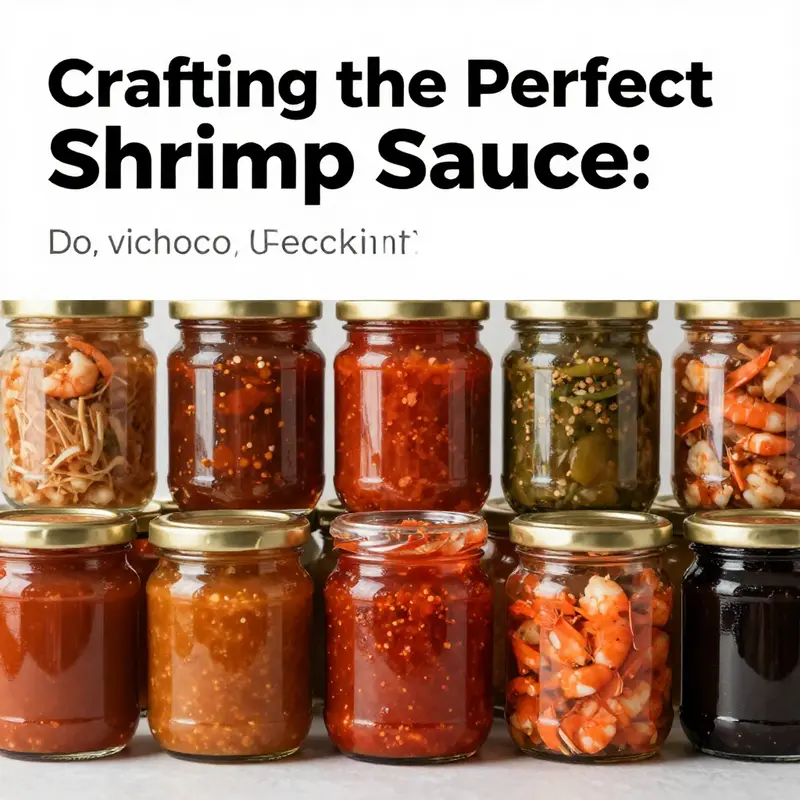
Shrimp sauce is a beloved staple that enhances dishes with its umami-rich profile, an essential for any business owner looking to expand their culinary repertoire. As consumer demand grows for homemade and artisanal food products, understanding how to create shrimp sauce—whether through time-honored fermentation or a quick cooking method—can open doors to unique offerings. This guide delves into two distinct approaches to make shrimp sauce that not only cater to diverse tastes but also provide opportunities for business owners to engage with their clientele in innovative ways. By mastering both methods, you can elevate your menu and stand out in a competitive market.
Whispers of the Ocean: The Fermentation Craft Behind Traditional Shrimp Sauce
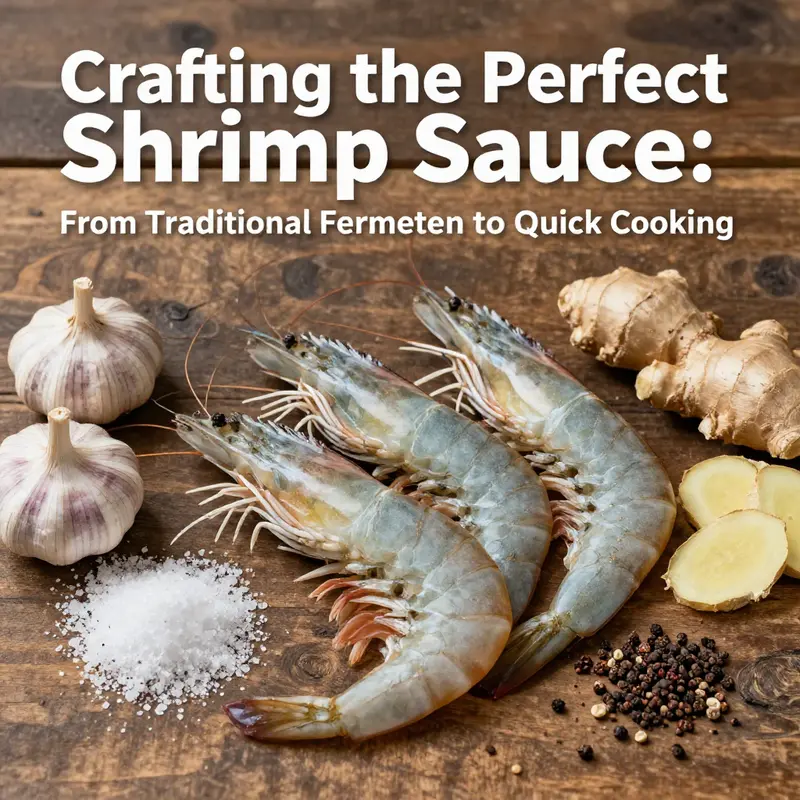
The making of shrimp sauce through traditional fermentation is less a recipe than a dialogue with time, salt, and the living world that thrives in warmth and patience. It invites the cook to listen for the quiet signs of transformation—the faint hiss of bubbles, the shift in aroma from sharp to deeply savory, the way color deepens as the paste thickens. In this chapter we weave a continuous narrative that honors the sequence of steps, the microbe-driven alchemy, and the cultural memory that has carried shrimp sauce through kitchens, markets, and home pantries for generations. The core idea is simple, even when it feels almost alchemical: shrimp, salt, and controlled conditions become a living condiment whose flavor unfolds slowly, layer by layer, as proteins break down into amino acids and lactic acid bacteria lend their tangy, mouthwatering backbone. Fresh, small shrimp are the heart of the process. In traditional practice, whole shrimp—often species like Pandalus or Acetes—are chosen for their compact sweetness and the way their shells contribute to the sauce’s aroma. The shells are not discarded but retained, because they carry essential oils and mineral notes that infuse the paste as it ferments. The shrimp are cleaned with care to remove sand and impurities, and they are sometimes given a brief soak in a light saltwater solution, roughly twenty minutes, to loosen surface debris and begin the cleansing that will later protect the mixture from spoilage. Cleaning is not a hurried step; it is the first moment where cleanliness becomes flavor. Following cleansing, the shrimp are prepared for the crucial act of curing with salt. The traditional ratio is straightforward: one part salt to about ten parts shrimp by weight. In practical terms, that might mean fifty grams of salt for five hundred grams of shrimp. This proportion creates a salty environment that suppresses dangerous microbes while allowing salt-tolerant microorganisms to do their work. Some practitioners also introduce a small touch of sugar or a splash of high-proof alcohol such as baijiu at this stage. The sugar can help balance the overall flavor and feed fermentation in a manner similar to its role in other fermentations, while alcohol can sterilize surfaces and contribute a subtle edge to the early aroma. But the defining principle remains the salt, not as a mere preservative, but as a selector that shapes the microbial community and sets the stage for the long, patient fermentation to come. Once the shrimp and salt have met, the mixture is moved into a clean, non-reactive container—which for many traditional kitchens means a ceramic jar or earthenware pot. The container is lined with a breathable cloth, such as a cheesecloth, and it is secured with a loose band rather than sealed airtight. The cloth allows for a measured exchange of oxygen, a small but critical concession in the early days of fermentation. In these first days, warmth matters. The jar is kept in a warm, dark place, with an ideal range around twenty-five to thirty degrees Celsius. The heat accelerates microbial activity, but it must be controlled—too hot, and the mixture can devolve into harsh, overly aggressive ripening; too cool, and fermentation stalls. Each day, the contents are stirred gently. This is not a brutal mixing, but a careful turning that ensures even distribution of moisture, salt, and the shrinking of the shrimp into a coherent mass. It also releases built-up gases, a sign that the fermentation is underway. After three to seven days, a faint acidic scent appears, and bubbles rise as lactic acid bacteria begin to assert themselves and enzymes from the shrimp start to release their savory notes. This is the moment when the process passes from initiation into maturation, but maturation still requires a different stage and a more stable environment. The next phase moves the paste into a cooler, more controlled climate—about eighteen to twenty degrees Celsius. In this cooler environment, the lid is pressed down more firmly, sometimes with a weight to keep the contents submerged and to create a relatively anaerobic environment. The aim here is slow, steady maturation over weeks, sometimes extending into several months depending on the tradition and the desired depth of flavor. The paste is not simply left to sit; it rests, ages, and slowly transforms as proteins break down into amino acids, a biochemical cascade that enriches the sauce’s savory profile. The ongoing fermentation is a conversation between enzymes, the salt, and the microflora that have learned to thrive under these conditions. Over time, the paste darkens from pale pink to a deep red-brown and thickens into a dense, paste-like consistency that clings to the spoon with a stubborn weight. The aroma is pungent and complex, carrying a fishy sweetness that has mellowed into something deeply savory, with tang and a touch of cheese-like depth that hints at cheese- or fish-sauce kinship. The texture, too, reveals a lived history: the paste holds its shape, yet feels supple and perhaps a touch granular from the breakdown of tissue and connective fibers. The flavor itself is more than salt and shrimp. It is a layered umami, a result of amino acids such as glutamate and aspartate and a gentle, lactic bite that lingers at the back of the tongue. Because the shells remain part of the mixture for the early stages, they contribute their own aroma compounds, lending a briny complexity that later threads through the paste. This is not a fast sauce; it is a memory expressed as a condiment, one that tastes of sun-warmed shores and quiet kitchens where patience is valued as a cooking technique as much as a virtue. It is not merely a way to finish a dish, but a way to begin one, because a small dollop of this fermented paste can transform soups, noodles, stuffing, stews, or simple fried dishes into something with presence and depth. When used in cooking, the paste can be stirred into hot oils to release its aroma, added to simmering broths to intensify their backbone, or blended into a sauce with a splash of rice wine and a hint of sugar to achieve balance. Cooks who lean toward Chinese, Korean, or Southeast Asian flavor profiles often find that the shrimp sauce carries across cuisines because its core is less about a single flavor and more about an aromatic structure built on umami, salt, and a gentle sour lift. If a reference point helps, a person can consult the broader cooking literature on sauces that gain strength through fermentation, and, in practice, many kitchens pair the sauce with garlic, ginger, scallions, and chilies to echo the ingredients that often accompany it in traditional recipes. The resulting sauce is a study in restraint, patience, and the idea that flavor improves when it is earned over time rather than rushed. As with many traditional foods, the exact method can vary from family to family and village to village. Some kitchens may include a small amount of sugar or a refined alcohol to modulate taste and to influence sterilization at the outset. Others might experiment with different herbs or aromatics added at the curing stage to impart a personal signature. Yet the essence remains constant: salt as a guiding force, a slow, oxygen-influenced fermentation, and a maturation phase that widens the sauce’s flavor horizons while turning it into a kitchen staple that can carry the cook’s own history forward. The final product is not a mere ingredient; it is a conduit for memory and technique, a link to cooks who stood over the same jars decades or generations before. It is worth noting a practical caveat that many home cooks encounter when contemplating this traditional path. The high salt content that characterizes authentic versions serves a dual purpose: it preserves the paste and shapes the microbial ecology that produces its signature profile. In some formulations, salt content can be quite substantial—an important reminder that this is not a sauce to be taken lightly for those managing health conditions such as kidney disease, hypertension, diabetes, or heart concerns. Clean utensils and containers remain essential through every stage to prevent contamination and to preserve the intended microbial balance. To honor the historical and technical dimensions of this process, it is helpful to remember that fermentation is a living system. The jar, cloth, and weight are all collaborators in the flavor’s evolution. The pace is modest, measured, and patient. The sensory payoff—savory, tangy, and deeply comforting—emerges from the slow, careful work of time and temperature. In many families, the shrimp sauce becomes not just a product but a ritual: the moment of stirring, the daily check-in on aroma and texture, the purposeful uncovering of the jar for a quick whiff before sealing it again. This ritual turns cooking into an apprenticeship with nature, a reminder that the most profound flavors are not manufactured in a single moment but discovered in a long conversation with salt, shrimp, and the air that carries a whisper of wild fermentation. For readers who want to explore further practical guidance while still honoring the traditional path, there is a way to connect with related culinary explorations that echo the philosophy of slow fermentation. If you are curious about how this traditional method translates to modern kitchen practice, you can explore a contemporary interpretation that keeps the essence but streamlines the process, offering a bridge between centuries of technique and today’s kitchen rhythms. In practice, the traditional method’s emphasis on shells, careful salt application, and controlled maturation remains central to achieving the distinctive depth of flavor. A reader may also wish to consult a dedicated recipe that captures the spirit of this approach in a more concise format, such as a detailed guide focused on making a shrimp sauce with roots in slow fermentation. For readers who prefer a direct route to culinary results, a practical reference point is available via a standard recipe resource that documents a shrimp sauce technique and its variations. This approach preserves the texture and flavor while providing a straightforward path to a finished paste that can be used in a wide range of dishes. The core of this chapter aims to honor the traditional fermentation process while offering a clear view of how it translates to practical cooking today. The result is a sauce that speaks of the sea, time, and the kind of patience that cooks practice when they want a dish to carry the weight of history in every bite. If you wish to extend your cooking repertoire further, consider how this paste might appear in sauces, marinades, or glazes that benefit from a concentrated, umami-rich base. Pairings with vegetables, tofu, seafood, or noodles can reveal how the paste intensifies and harmonizes across dishes, adding complexity without overwhelming the other ingredients. The sauce’s aroma, texture, and tang can set the stage for a balanced course, providing a counterpoint to milder components and a backbone for bolder flavors. The cultural breadth of shrimp sauce—present in regions across East and Southeast Asia and shaped by local ecosystems, markets, and family traditions—adds an extra layer of meaning to the practice. Each jar is a capsule of its place, a memory of the season, and a demonstration of how a handful of shrimp, salt, and climate can yield something profoundly greater than the sum of its parts. This narrative intent is not to prescribe a rigid method but to invite readers to understand and respect the fermentation journey. It is an invitation to observe, to adjust within safe boundaries, and to honor the sensory cues of the paste as it evolves. In practical kitchen terms, keep the process clean, monitor the environment, and document any deviations you try—temperature shifts, slight changes in aroma, or time adjustments. These notes become part of an ongoing family or personal canon for shrimp sauce that can be revisited, refined, and passed on. For a reader looking to connect with related culinary content, an internal reference that echoes this chapter’s spirit can be found in the shrimp sauce recipe guide, which offers a contemporary route to the finished product while preserving the core fermentation philosophy. This linkage supports a broader exploration of seafood condiments in a way that remains faithful to the tradition described here. The fermentation journey, though demanding, rewards the patient cook with a paste that does not merely flavor a dish but anchors it in memory and craft. The patience invested in each stir, each temperature adjustment, each moment of quiet waiting is repaid with savor that lingers longer than typical sauces. Through this lens, shrimp sauce becomes more than a condiment; it is a testament to how time and careful technique can transform humble seafood into something that tastes of lineage as much as it tastes of the sea. External resources offer a broader context for fermentation science and culinary heritage, expanding the reader’s understanding of why these methods work and how they connect to other traditional foods around the world. For those who want to explore the science and history behind fermentation as a culinary art, an overarching reference such as an external fermentation overview can provide a foundational backdrop that complements the practical, kitchen-centered guidance presented here. External reference: https://en.wikipedia.org/wiki/Fermentation
From Quick Sizzle to Patient Ferment: A Technique-Driven Journey Through Shrimp Sauce
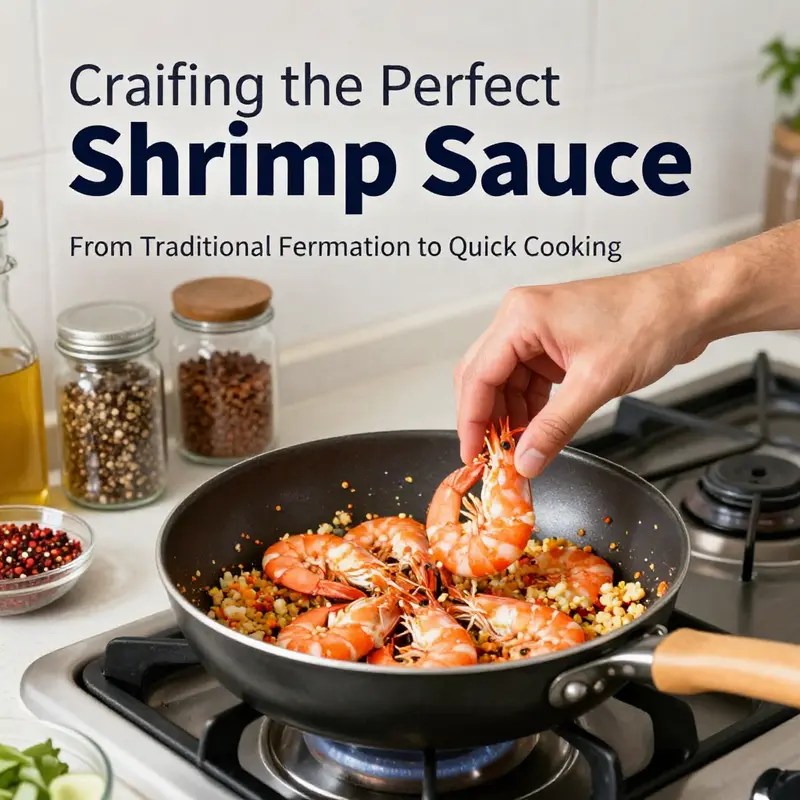
Shrimp sauce unfolds like a conversation between speed and patience, a dialogue that rewards both the thrill of a high-heat sear and the quiet depth that comes from time, salt, and slow transformation. The topic is simple in its parts—a handful of shrimp, a few aromatics, a method or two—and yet the result can be lush with complexity, a sauce that tastes of sea air, of garlic pressed through a skillet, of the tan and bronze of a pan after it has learned to keep a secret. As you read this, picture two paths that eventually merge: one fast, bright, and gregarious, and the other slow, reverent, and deeply savory. The real artistry lies in knowing when to take which path, and how to make each path sing with the same underlying intent: to amplify and balance the shrimp’s delicate sweetness with aroma, salt, heat, and a touch of sweetness to keep the palate from tiring. To cook shrimp sauce well is to respect its two faces—the immediate, delicious punch of a quick dish and the lingering, comforting umami that only time can bestow. The chapter holds both together, not as competing claims but as complementary techniques that a curious cook can blend or choose between, depending on the moment, the pantry, and the meal you’re aiming to build around it.
The narrative of a shrimp sauce begins with the shrimp itself, small and fresh if you can, whether rosy or white, and whether you’re lucky enough to find them whole or already cleaned. The salt, the aromatics, the heat source, and the liquid accents you choose—the splash of rice wine, a whisper of dry sherry, a dash of soy or a splash of fish sauce for depth—these are the levers that decide the sauce’s final personality. In one tradition, a salt-and-cure step acts as the foundation for a fermentation-based sauce. The shrimp are cleaned, deveined, and then massaged with salt at roughly ten percent of their weight. The salt draws out moisture, concentrates the umami compounds, and begins a slow, biological conversation that unfolds in a cool, dark space over days. The patience required for this approach is real, and the hygiene demands are real too: every jar, every utensil should be scrupulously clean to prevent unwanted microbial intrusions. After the curing, aromatics—garlic, ginger, chopped chilies, scallions—are added. A splash of rice wine or dry sherry often makes a quiet appearance to lift the profile and lend a preservative whisper. The mixture then rests, sealed and stored, in a cool, dark place where warmth sits at bay. The fermentation can run from a week to several weeks or months, each stage adding a layer of savory depth, something like a slow, concentric expansion of flavor that moves from bright saltiness toward a more deeply rounded, almost lacquered savor. The resulting sauce tends to be rich and layered, with umami that lingers and evolves as you taste it over days of use in soups, stews, noodles, or simply stirred through a little hot oil to wake it up.
The alternative method—quick and cooked—offers a counterpoint that many home cooks find invaluable. It embraces the same core ingredients but accelerates the journey, granting a glossy, concentrated finish in a fraction of the time. The shrimp are cleaned and deveined, then pulsed in a processor with a touch of water to form a paste that carries the essence of the shrimp without the texture of whole pieces. This paste is heated in a dry pan or with a small amount of oil, given a steady, careful stir for ten to fifteen minutes until it darkens to a deep reddish-brown and thickens. This step is crucial: the heat should be steady but not aggressive to avoid burning the delicate sugars and producing a bitter edge. When the paste has developed its color and aroma, a balancing chorus of soy sauce or fish sauce, honey or maple syrup for sweetness, and perhaps a splash of a fortified wine is introduced. A cornstarch slurry is whisked in gradually to achieve a glossy, restaurant-like finish without relying on heavy creams or fats. The result is a sauce that clings to shrimp, noodles, or vegetables with a satisfying sheen, a balance of salty, sweet, and a hint of heat if you choose to add red pepper flakes. This quick version, while not a direct substitute for the deep character of a long-fermented sauce, captures the essence of shrimp’s sweet, briny perfume and translates it into a practical, weeknight-ready dish.
Technique is the throughline here. In the quick method, the order of operations matters almost as much as the ingredients themselves. Sear the shrimp quickly in a hot pan in a single layer, not crowding the skillet, so the surface caramelizes and seals moisture. Set the shrimp aside as they finish and use the same pan to build the sauce base. Sauté the garlic gently—just until it releases its perfume, avoiding any browning that would turn bitter. If you’re integrating chilies, add them with care so they release heat without overwhelming the garlic’s fragrance. The liquids—the soy or fish sauce and the honey or maple syrup—form the sauce’s backbone, providing salt, depth, and a whisper of sweetness that keeps the flavors from assaulting the palate. The cornstarch slurry is the finishing touch: it grants that alluring, almost lacquered gloss while giving the sauce body that lets it cling to noodles, rice, or the shrimp themselves. This is where technique becomes flavor: a glossy sheen is as much a signal of technique as it is a sign of taste. A good slurry must be added slowly and stirred consistently, with the pan off the heat briefly if the sauce thickens too quickly. If you need more body, a bit more slurry can be whisked in, then simmered briefly to reach the desired consistency.
The salt content is a practical and a culinary consideration that deserves attention. In authentic, fermentation-based shrimp sauce, the salt level can be substantial, sometimes roughly thirty percent of the mixture by weight when you combine salt with shrimp and aromatics. This is not casual seasoning; it acts as a preservative and a character-forming component. It’s also a disqualifier for certain health conditions, so it calls for mindful handling and clear labeling in the kitchen where others might share the food. The quick version, by contrast, uses less salt in the recipe itself, though soy sauce contributes the necessary umami. If you’re cooking for guests with dietary restrictions or if you’re managing long cooking sessions, you can tailor the salt level by selecting low-sodium soy or by adding a touch of miso paste, which offers a more nuanced saltiness with less intensity than pure salt. The goal is to create a harmonious balance among salty, sweet, and spicy elements, not to overwhelm the natural sweetness of the shrimp with a surf-and-turf level of saltiness. The aromatics—garlic, ginger, scallions, and chilies—are not just flavor accents but integral elements that carry the aroma of the dish toward the plate. Garlic, when overcooked, releases bitterness; ginger brightens with a citrusy lift; scallions contribute both green freshness and a subtle oniony depth. The timing of each component, especially the garlic, is a small but indispensable act of precision.
In practice, you have two reliable routes that can feel equally legitimate on any given night. The fermentation path offers a sense of culinary history, a wearable map of patience, and an intensity that can echo through soups and braises for weeks. The quick-cooked route gives you a bright, immediate version that can be plated in minutes, ready to partner with vegetables, grains, or a starch that soaks up the last few drops of the glossy sauce. It is possible to hybridize these approaches, too: you might start with a quick base that captures the fresh brightness of garlic and chili, then fold in a small amount of a well-aged, fermentation-based shrimp paste at the end, allowing the two flavors to mingle without overwhelming one another. In all cases, the technique remains the chef’s most faithful ally. Whether you are chasing the unctuous depth of a long fermentation or the quick, crisp lift of a high-heat pan, the effectiveness of your sauce rests on two things: a clean, well-prepared base and a deliberate rhythm that respects the ingredients’ natural tempo.
One practical path to integrating these approaches is to anchor a dinner around the same sauce with two distinct timelines. Start by preparing a ferment-driven stock or paste—the base can be started in advance, perhaps even a few days before the main event. When the time comes to plate, you can finish with a quick, hot-sear shrimp variant that relies on the same flavor family but delivers results in minutes. The shared threads—the salt, the garlic, the chili, the wine, the final gloss—bind the two experiences into a cohesive meal rather than two separate experiments. This is the essence of technique: to empower you to move with confidence between time frames, to tune the heat and texture, to coax the most out of a handful of ingredients, and to present a dish that feels both intimate and precise.
If you are seeking a ready-made blueprint that emphasizes clarity and kitchen efficiency, you can explore a straightforward path that aligns with the quick method described here. The recipe on that page distills the core actions into a concise sequence while preserving the rhythm that makes the dish feel like more than the sum of its parts. Shrimp sauce recipe offers a concrete example of how the technique can translate into a practical weeknight dish, with the option to adapt for taste and dietary needs. The beauty of that approach is that it respects your time and your palate at once, giving you a dependable framework that you can customize without sacrificing it to aimless experimentation. For a richer sense of how technique intersects with tradition, you might also look at resources that demonstrate how garlic, heat, and a splash of wine can deliver a bright, savory sauce that complements seafood without overpowering it. The balance between speed and depth is not a contradiction but a spectrum you can navigate with intention, a small repertoire of moves that you can call on as the moment requires.
To close the loop on the sensory side, consider the textures you want on the plate. The fermentation path yields a sauce with a certain density and a finish that lingers, almost velvet-like, and it pairs beautifully with simple, clean bases such as steamed rice, plain noodles, or crisp vegetables that can soak up the sauce. The quick method, with its glossy, slightly thinner finish, shines when tossed with al dente pasta, tossed through hot greens, or spooned over a crusty piece of bread that can catch every last drop. Both paths celebrate the shrimp’s natural sweetness and saltiness, and both demand careful seasoning. In both, you’re aiming for the moment when the aroma first fills the kitchen and the pan’s surface shows a delicate sheen that hints at the dish’s character to come. The longer you wait to taste, the more you may want to lean into the fermentation’s earthy backbone; the shorter the wait, the more you’ll treasure the immediate brightness that garlic and citrus can offer. The two experiences can share a kitchen, a table, and a memory of a single seafood-inspired sauce that tastes of the sea and of time well spent. If you’d like a direct, recipe-level reference to a classic preparation you can adapt, you can consult the linked resource above for a practical template that supports both the speed of a weeknight dinner and the contemplation of a deeper, longer flavor development.
For readers who want a quick, reliable touchstone within the same family of flavors, the technique described here translates beautifully to broader seafood sauces as well. A high-heat sear followed by a careful aromatics moment is a universal pattern that helps any cook harness the intrinsic sweetness of seafood without creating dryness or bitterness. The gentle, restrained use of sugar or honey helps to balance salt and acidity, and the optional addition of a wine or a fortifying splash of soy or fish sauce can lift the sauce without turning it into a salty glaze. The cornstarch slurry renders a finish that feels almost restaurant-level in gloss and presence, while staying entirely within a home-cook’s pantry. The broader takeaway is that shrimp sauce, in both forms, is a conversation between flame, time, and balance. With practice, you’ll learn to hear the language of the pan—the sizzle that signals the right moment to add aromatics, the way a sauce thickens and coats a spoon in a way that suggests it will cling to the food it meets, the way aroma changes as heat recedes and the dish finishes with a bright garnish.
In the end, the choice between fermentation and quick-cook methods is not a binary one but a spectrum of timing, texture, and aroma that you can shape to suit the occasion. If you crave an intense, aged savor, start early and let the fermentation steps unfold in a cool, controlled environment. If you’re pressed for time but still want something that tastes thoughtfully prepared, the quick version will deliver a satisfying result in under ten minutes. And if you’re curious to see a concrete, step-by-step blueprint distilled into a single recipe, the internal link above offers a practical template you can follow or adapt as you gain confidence. The key is to approach the process with curiosity and a respect for the ingredients—the shrimp, the aromatics, and the liquids that carry the cuisine’s memory across cultures and generations. The two techniques together become a compact library of flavors you can draw from, a repertoire that makes shrimp sauce not just a condiment but a small, personal culinary world that you can call upon whenever you reach for the skillet.
External reference for further reading and visual guidance: Garlic Shrimp in 10 Minutes.
Final thoughts
Understanding how to make shrimp sauce through both traditional and quick methods equips business owners with the skills necessary to innovate their offerings. The fermentation process not only provides a distinct, rich flavor but also embodies a sense of craftsmanship that appeals to the artisanal market. Meanwhile, the quick cooking method allows for flexibility and prompt service, perfect for today’s fast-paced culinary landscape. By integrating these techniques into your menu, you can attract a broader clientele and enhance your business’s culinary profile while celebrating the delectable world of shrimp sauce.