
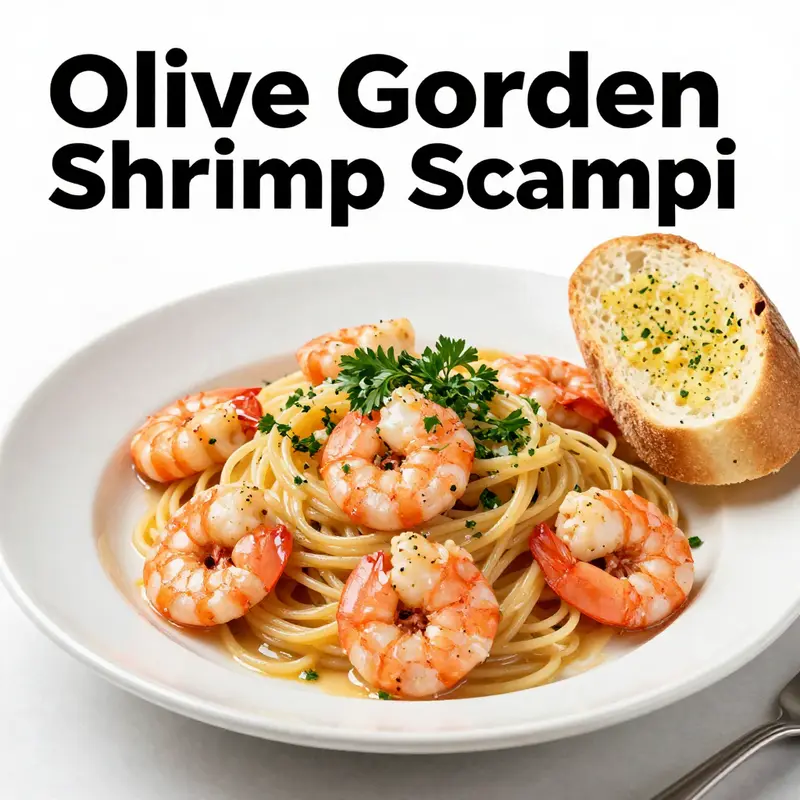
Shrimp Scampi at Olive Garden stands out not only for its flavor but also for its ability to attract customers. This beloved dish, with its rich garlic and butter sauce combined with succulent shrimp, offers a unique dining experience that many patrons crave. Understanding the key ingredients and preparation methods is vital for those in the food service industry seeking to provide a similar experience. This article dives deep into the composition of Olive Garden’s Shrimp Scampi, alongside a straightforward recipe designed for home cooks who wish to replicate this signature meal. The following chapters will examine the specific ingredients and preparation methods that give this dish its signature appeal, as well as a step-by-step guide to crafting it successfully.
A Closer Look at the Classic Shrimp Scampi: Crafting a Restaurant-Style Sauce at Home
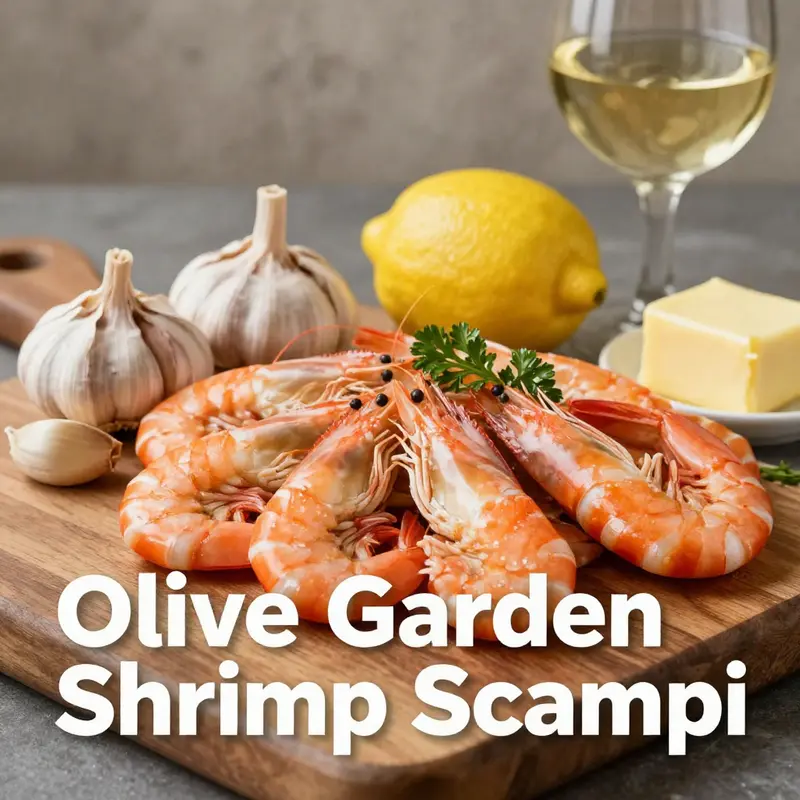
The moment garlic first meets a hot pan, the kitchen fills with a scent that feels both comforting and celebratory. Shrimp scampi, in its most beloved form, elevates simplicity into a dish that feels special without demanding complex technique. It is a study in balance: butter and oil for richness, garlic for aroma, white wine for lift, lemon for brightness, and shrimp that offer a delicate gloss of sweetness and a hint of oceanic bite. When these elements are stitched together with a light hand, the result is sauce that clings to pasta with a satin sheen and a shrimp texture that remains springy rather than rubbery. This dish has become a touchstone of Italian-American cooking, where the goal is to convey coastal brightness and heartwarming comfort in a single, satisfying plate. To understand why this recipe works so well, it helps to look closely at each component and at the timing that brings them into harmony on the stove.
At the heart of the dish are the shrimp themselves. Large, peeled and deveined shrimp provide the dish with instant sweetness and a meaty bite that stands up to the richness of butter. The choice between tail-on and tail-off is mostly a matter of presentation and ease of eating, but tail-on shrimp can be convenient for dipping into the sauce as you eat. Freshness matters. When shrimp are fresh, their flavor is clean and briny in a way that needs only minimal embellishment. Over time, texture can deteriorate; so, many cooks choose to pat the shrimp dry before cooking to guarantee a proper sear. The drying step is simple but crucial. Moisture on the surface begs the pan to steam rather than sear, muting the texture and dulling the sauce’s gloss.
Butter is the other foundation of the sauce, playing opposite a small amount of olive oil to raise the smoking point and deliver a glossy mouthfeel. The olive oil, often used as a base, helps to prevent the butter from browning too quickly, allowing the garlic to soften rather than burn. Garlic itself is the aromahold of the dish. A generous garlic presence is expected, but timing is everything. Garlic cooked gently releases its sweetness and a faint sweetness that rounds the wine and lemon’s acidity. If garlic is allowed to burn, it can turn bitter and dull the sauce’s character. The balance requires a quick shimmer of heat, then a patient wait as the aromatics perfume the oil and butter base.
White wine is the acidity backbone that keeps the dish lifting rather than sinking under richness. A dry white wine adds brightness and a touch of mineral or citrus nuance depending on its grape. It’s also a practical layer of complexity that helps deglaze the pan after the shrimp have released their juices. The wine reduces to concentrate its flavors and to ensure the sauce doesn’t feel thin. Lemon juice supplies the final lift—a bright, citrusy snap that cuts through the fat and elevates the shrimp’s sweetness, so the dish never feels heavy. The amount of lemon is a personal choice, but the goal is a kiss of brightness, not a sour shove.
A small amount of liquid, whether chicken broth or water, is often introduced to create just enough body for the sauce to cling to the pasta. This is a careful balancing act: too little liquid and the sauce can feel oily and slick; too much and it can become soupy. Fresh parsley added at the end gives a pop of color and a clean, herbaceous finish that brightens the plate and lifts the garlic’s fragrance. Some cooks also experiment with a pinch of red pepper flakes for a whisper of heat, which can play nicely against the lemon’s acidity and the butter’s mellow richness. In some kitchens, a touch of cream or a dusting of Parmesan cheese appears to enrich the sauce further, creating a silkier mouthfeel and a deeper, more rounded finish. These additions are optional, depending on taste and tradition, but they illustrate how a few small tweaks can move the dish from bright and straightforward to luxuriously creamy without losing its essential character.
The preparation method mirrors the ingredients’ philosophy: quick, precise, and mindful of texture. Shrimp are cooked rapidly over strong heat to retain their springiness. The initial sear is a brief moment, just long enough for the exterior to set and color to form, then they’re removed from the pan to keep them from overcooking as the rest of the sauce comes together. Garlic is next, sautéed in the fat to release its perfume without browning. This step is pivotal; if the garlic browns, it will introduce bitterness that lingers in the final bite. After the aromatics bloom, white wine is poured in to deglaze and to begin the reduction. A minute of simmer concentrates the wine’s flavors and forms a zesty base for the sauce. Lemon juice follows, bright and brisk, and a small amount of broth or water is added to adjust the sauce’s viscosity so that it will pleasantly cling to pasta rather than pool around the plate.
The emulsification that finishes the sauce is a classic technique that gives it that creamy sheen without needing heavy cream. Some home cooks finish with a few tablespoons of cold butter, gradually whisked into the hot pan. This creates a silky, cohesive sauce that coats the pasta and the shrimp. The butter adds a luxurious gloss and helps to harmonize all the components: the garlic’s bite, the wine’s sharpness, and the lemon’s brightness. This is why so many kitchen performances feel triumphant when the sauce comes together in a single, glossy sweep rather than as separate layers of flavors fighting for attention. Once the pan comes off the heat, parsley is stirred in, and a final taste check guides any last adjustments in salt and pepper.
To serve, the dish typically rests on a bed of thin spaghetti, though fettuccine or even linguine can work, depending on texture preferences. The noodles’ slippery surface offers the perfect canvas for the sauce to cling to, allowing every strand to be an equal partner with the shrimp. A side of crusty garlic bread often accompanies the dish, reinforcing the emphasis on garlic and butter and providing a pit-stop for sauce cravings that are not yet satisfied by the pasta. In the broader arc of Italian-American cooking, this pairing speaks to a cultural preference for robust, heartwarming flavors presented with a bright, modern lift. The dish is meant to be generous, not dainty, inviting indolent savoring rather than a hurried bite.
If you’re seeking a route to a near-restaurant replica at home, a few practical notes can help translate this closer look at ingredients and technique into reliable results. Start with good-quality, dry white wine rather than cooking wine sold for general pantry use. The acidity and nuance will show in the sauce’s brightness. Pat the shrimp dry and season lightly to encourage a proper sear; moisture—again—will steam the surface rather than caramelize it. Keep the heat high enough to sear, but not so high that the garlic and butter burn. When you add the wine, allow it to simmer until it reduces by about half; this concentrates its flavor and reduces the chance of an overly watery sauce. As you whisk in cold butter, do so gradually to emulsify the sauce into that classic, creamy gloss. Taste for balance—if the lemon feels shy, a touch more juice can lift the dish; if the sauce seems too thin, a touch more reduction or a small extra piece of cold butter whisked in can help. If you prefer a touch of heat, a pinch of red pepper flakes can be added with the garlic at the outset, so the spice blends with the aromatics rather than sitting on top as an afterthought.
This approach, while rooted in a familiar restaurant-style frame, is ultimately a celebration of restraint and technique. It honors the idea that the best versions of this dish come from precise timing and a respect for each ingredient’s voice. Shrimp should taste clean and bright, while the sauce should feel luxurious but never cloying. The lemon’s citrus note should lift the dish, not overwhelm it, and the garlic should offer its perfume without turning harsh. The optional elements—cream, Parmesan, or pepper flakes—are there for those who want a slightly richer or more nuanced finish, but they are not essential to the character of a classic shrimp scampi. The result is a plate that feels satisfying and complete, whether enjoyed in the bustle of a weeknight kitchen or savored as a centerpiece of a leisurely weekend meal.
For readers who want to explore a closely aligned version of this dish, a reliable route is to consult a dedicated recipe that distills the same principles into a home-friendly format. The approach outlined here aligns with that kind of source, with emphasis on fresh shrimp, a golden, garlic-forward sauce, and a careful balance of wine, lemon, and butter. If you’d like to see a chef’s-eye view of a near-identical preparation, the Olive Garden Shrimp Scampi recipe offers a detailed blueprint that mirrors these core ideas while keeping the essence of the dish intact. Olive Garden Shrimp Scampi recipe. While variations exist, the shared core teaches a simple truth: great flavor can emerge from humble ingredients treated with respect and technique.
In the broader conversation about Italian-American cooking, shrimp scampi stands as a bridge between the bright clarity of coastal cuisine and the comforting, indulgent textures many diners crave. It is a dish that rewards careful sourcing, precise timing, and a willingness to taste as you go. The result is not merely a plate of pasta with shrimp; it is a quiet, confident statement about how modest components can become something memorable when allowed to meet in a skillet with the right heat, aroma, and balance. This is the heart of the chapter’s topic: a closer look at ingredients and preparation that reveals why this classic is so enduring and so adaptable. It invites home cooks to bring the same sense of purpose to their pan as a professional kitchen would, while honoring the dish’s soulful simplicity.
External resource: for a direct reference to the official procedural details and ingredient lists, you can explore the original recipe here: official recipe.
Garlic-Butter Harmony: Recreating Olive Garden’s Shrimp Scampi at Home
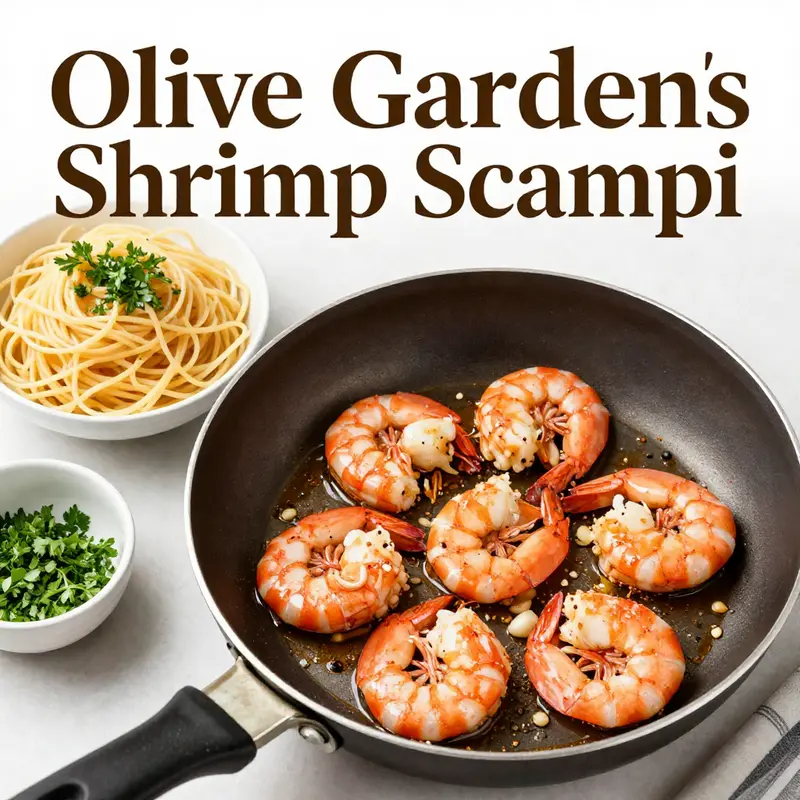
The scent rises first, a warm wave of garlic gilded with butter, a whisper of white wine, a spark of lemon brightness, and the gentle sigh of herbs. This is the essence of a dish that has traveled from a bustling Italian-American dining room to kitchens around the world, inviting home cooks to chase that restaurant finish in a single skillet. Recreating Olive Garden’s Shrimp Scampi at home isn’t about duplicating a menu item so precisely that it becomes a photocopy. It’s about translating a flavor memory into a practical, doable kitchen performance. The goal is a sauce that clings to pasta with a satin sheen, shrimp that stay tender rather than rubbery, and a balance of butter, garlic, citrus, and a touch of acidity that lifts every bite. When done well, the dish feels indulgent yet bright, comforting yet contemporary, a reminder that simple ingredients when treated with respect can yield something distinctly memorable. The backbone of the dish is straightforward in theory and lively in practice: fresh large shrimp, peeled and deveined, a swirl of butter, minced garlic, a splash of dry white wine, a squeeze of lemon, and a handful of parsley to finish. The recipe you’ll find on the restaurant’s site centers on the core trio—garlic, butter, and wine—then elevates the whole with lemon’s zing and a gently emulsified sauce that coats the pasta. A deep, resonant Parmesan kick helps to round out the sauce, especially when you whisk in a little cheese as the liquid reduces. If you want to tilt the dish toward the more traditional Italian-American palate, you’ll emphasize the butter’s richness and the bright lemon, while not shying away from a small amount of salt to wake the wine’s acidity. The result is a plate that feels both rustic and refined, a reminder that this style has always been about bold contrasts working in harmony. In practice, the technique unfolds in a simple rhythm that honors the shrimp’s delicate texture. Start with a hot pan, a little oil if you’re not confident with butter’s propensity to burn, and a generous pat of butter that will melt into a glossy pool. The shrimp are patted dry, seasoned lightly with salt and pepper, then seared in a single layer until they turn pink and opaque. They are not cooked to death here; the goal is to seize a bit of color and a lot of succulence, then remove them so they can rejoin the sauce without overcooking. In the same pan, more butter is added to form the base of the sauce, and the minced garlic is gently sautéed just until its aroma bursts, careful not to let it brown. This is where the kitchen becomes a small laboratory: the garlic’s sweetness is fleeting, the moment is fleeting, and every second matters because burned garlic can tip the dish into bitterness. White wine follows, a generous pour that reduces to concentrate its fruit and acidity. As the liquid tightens, a bit of lemon juice enters the scene, carrying its own crisp acidity that brightens the heavy dairy and fat. The emulsification that follows is the magic step that separates a home rendition from a rushed skillet supper. Off heat, whisk in cold butter piece by piece. The contrast between hot sauce and cool butter creates a velvety, almost satin-like texture that coats the shrimp and the pasta without becoming claggy. It’s important to reserve a little of the pasta cooking water. A small amount whisked in helps loosen the sauce and allows it to cling to every strand of pasta, giving that restaurant-quality gloss and cohesion. The shrimp return to the pan, followed by the pasta. If you’re keeping things lean, you’ll stop here; if you want the version that echoes the Olive Garden approach more closely, you can fold in diced tomatoes and blanched asparagus toward the end. The tomatoes bring a gentle sweetness and a pop of color, while the asparagus adds a crisp, verdant note that cuts through the richness. The final flourish is a shower of chopped parsley and, if you like, a light grating of Parmesan cheese. A quick zest of lemon over the top can wake the dish’s aromatics and offer a final brightness before the first forkful. All of this rests on a few practical decisions that make or break the home execution. First, choose shrimp that are fresh or properly thawed and thoroughly dried. Any moisture on the surface can steam the shrimp, reducing that crucial sear. Second, select a dry white wine you enjoy drinking; the wine is not merely a liquid component but a flavor builder. A bright Sauvignon Blanc or an unoaked Chardonnay will provide clean acidity without heavy oak, letting the garlic and lemon come forward. If you prefer to skip the alcohol, a small amount of white grape juice with a splash of vinegar can approximate the brightness, though you’ll lose some of the wine’s nuanced character. Third, the butter matters. Real, unsalted butter gives you the control you need over salt and fat, and it melts into the sauce with a luxurious sheen that cheap margarine or pre-softened blends simply cannot match. Parmesan should be freshly grated, its saltiness and tang merging seamlessly with the dairy and wine, but you can dial it back if you’re watching the dairy load. Finally, don’t overlook the texture and temperature needs of the vegetables if you decide to include them. Blanching asparagus briefly preserves its snap, while tomatoes should be relatively firm to hold their shape, preventing a sauce that’s too watery. One subtlety that distinguishes a well-made home version from a casual copy is timing and temperature management. Keep the garlic from browning by maintaining a moderate heat once the wine is in the pan. The wine should simmer to concentrate, not boil too aggressively, which can dull the sauce’s nuance. The sauce thickens as the Parmesan melts, then the reserved pasta water integrates the mixture into a cohesive coating. When the shrimp go back in, they should be warm and just cooked through, finishing as you toss with the pasta, so every bite carries the same savory, garlicky, slightly lemony profile. If you’re serving a version with vegetables, the tomatoes and asparagus can be added after the shrimp have rejoined the sauce, just long enough to heat through and mingle their flavors without overpowering the dish’s core identity. The parsley is added last for its bright, fresh bite, providing a final herbaceous lift that makes the dish feel alive. This approach also offers a chance to tailor the dish to different occasions. For a casual weeknight dinner, you can use spaghetti instead of fettuccine or linguine and keep the vegetables optional. The garlic butter sauce will still shine, and the dish will feel luxurious without demanding a long, elaborate prep. For a more plated, celebratory meal, you can devote a little more attention to presentation: tails on the shrimp for visual appeal, a neat plate of pasta coiled in the center, and a gentle rain of Parmesan over the top. A wedge of lemon on the side invites guests to add a final citrus note according to taste. The dish’s simplicity is its charm, and its adaptability is its strength. The version that emerges from the pan is a reminder that Italian-American cooking has always thrived on balancing indulgence with clean, bright finishes. As you build this dish in your kitchen, one thing becomes clear: the current climate of home cooking rewards clarity and restraint as much as it rewards ambition. You don’t need a long list of exotic ingredients to achieve something that feels restaurant-worthy. You need confidence in your technique, a clear sense of timing, and a willingness to taste and adjust as you go. The memory of Olive Garden’s plate—garlic-forward, butter-soaked, wine-kissed, and slightly tangy with lemon—becomes a blueprint you can adapt. The dish invites a conversation between the pantry and the skillet; it invites you to trust the way butter emulsifies when whisked off heat and the way a dash of lemon can lift a heavy, dairy-rich sauce into something lighter and more vibrant. If you want to explore a close home version that mirrors the restaurant’s approach, you can reference a detailed guide that walks through similar steps and proportions, ensuring your kitchen echoes the signature balance of flavors without becoming a pale imitation. Olive Garden Shrimp Scampi recipe This internal resource complements the ideas here by offering a practical model while allowing space for your personal touch. For those who crave an official touchstone, the restaurant’s own recipe and guidance provide a reliable north star. The authentic approach champions the same elements—the shrimp’s freshness, the garlic’s presence, the wine’s acidity, the lemon’s brightness, and the butter’s lushness—while inviting home cooks to interpret the dish with ingredients at hand and with a rhythm that suits their stove and pan. The link below offers a verified resource that aligns with the dish’s core identity and offers further tips and variations that may inform adjustments in your kitchen. If you’re using this as a baseline, you’ll discover how the sauce achieves that shimmering, coat-everything finish that makes the dish so memorable in the dining room and so satisfying at the table at home. For an official version, see the restaurant recipe here: https://www.olivegarden.com/recipes/shrimp-scampi
Final thoughts
Emulating Olive Garden’s Shrimp Scampi is more than merely reproducing a recipe; it’s about capturing the essence of a signature dish that resonates with many diners. By exploring the rich flavors and key preparation steps, business owners can offer this classic dish in their establishments, potentially drawing in a dedicated customer base seeking familiar experiences. Whether served as a special or added to the regular menu, mastering Shrimp Scampi can elevate the dining experience and build customer loyalty.