
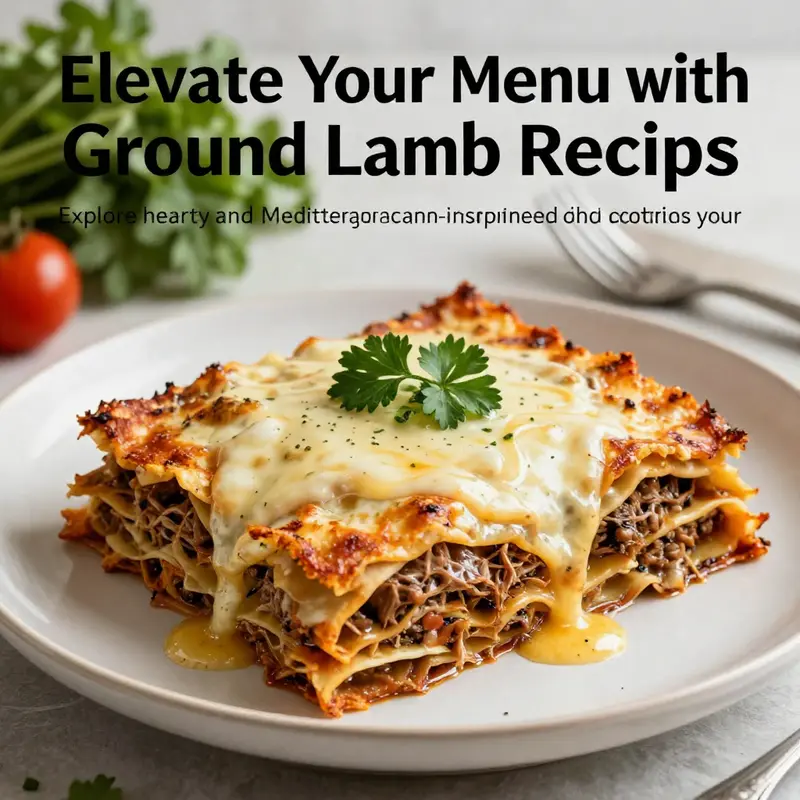
Ground lamb presents an exciting opportunity for business owners looking to diversify their culinary offerings. With its unique flavor profile and versatility, it can be adapted for a range of dishes—from comforting winter stews to vibrant Mediterranean meals. This exploration reveals two distinct chapters: first, we delve into hearty ground lamb recipes perfect for colder months, and then we transition into Mediterranean inspirations that showcase harmonious flavors. Each chapter is crafted to equip you with creative culinary ideas that can enhance your menu and attract a discerning clientele.
Ground Lamb Adventures: Hearty, Cozy Dishes for Winter and Beyond
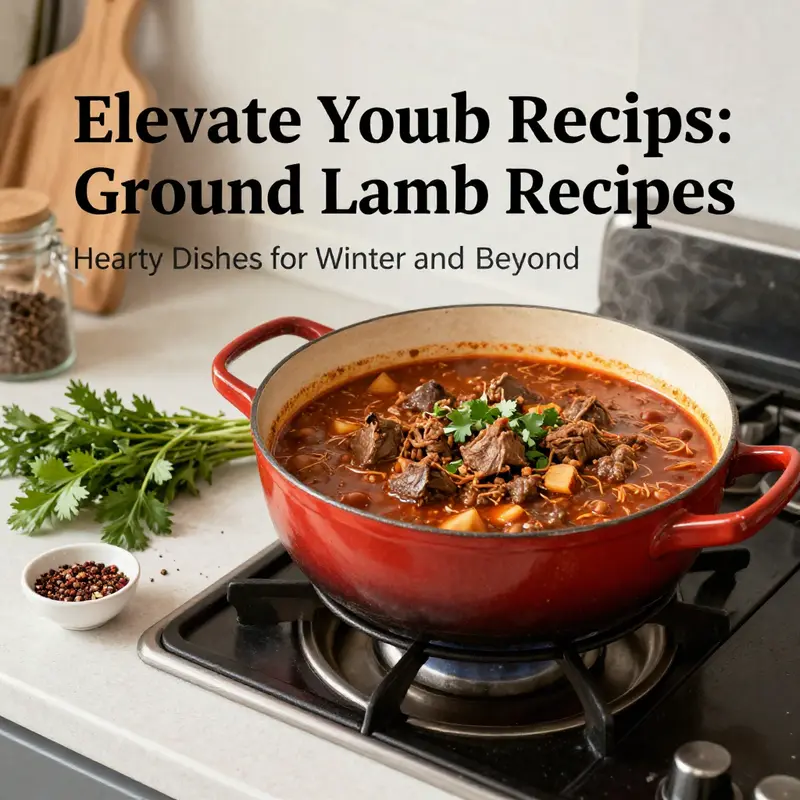
Ground lamb has a way of turning simple pantry staples into meals that feel both substantial and comforting. Its natural richness, a touch of gamey depth, and a sturdy texture make it a forgiving canvas for long, slow flavors or quick, fiery sears. In this chapter, we explore how ground lamb can anchor a spectrum of hearty dishes that shine in cold weather yet remain inviting year-round. From rustic stews that cling to the ribs to pasta sauces that feel both rustic and refined, the meat’s versatility is the throughline. The cuts most commonly ground—shoulder and leg—bring a balanced fat content and a robust, meaty backbone that holds up to bold aromatics, root vegetables, and legumes. The result is a collection of meals that satisfy hunger and speak to memory—the kind of dishes families reach for when the air turns crisp and the kitchen welcomes aromas that promise comfort and care.
At their core, these recipes share a philosophy: give lamb time to mingle with aromatics, then let the mixture rest in a simmer or a slow roast so that fat carries flavor and the meat loosens from its fibers. The slow-cooked approach is a reliable ally in winter. It builds depth with each hour, allowing compounds from wine, tomatoes, and herbs to dissolve into the sauce and coat every strand of pasta, every cube of potato, or every slice of loaf. Yet lamb’s muscular structure also lends itself to quick, high-heat execution. A hot skillet, a quick toss with ginger, scallions, or chili, and a minute or two of searing can transform the meat’s richness into bright, accessible layers. The balance between these methods is part of what makes ground lamb so enduring in a home kitchen.
Consider the classic lamb chili as a starting point for comforting, filling meals. A twist on the familiar beef-based version, it leans on the meat’s natural savor to carry the dish even as tomatoes, onions, and garlic soften into a thick, warming sauce. A splash of red wine introduces a touch of acidity and complexity, while smoked paprika adds a subtle smoky backbone that lingers after the last bite. For those who like to push flavor further, a small dollop of anchovy paste can deepen the umami without overt fishiness, wedging itself quietly into the background of the pot. The technique remains straightforward: brown the meat to develop fond, sweat the aromatics until translucent, and then coax everything together with tomatoes, beans, and spices as it simmers. The outcome is a dish with layers of warmth, a gentle heat, and a texture that carries through crusty bread or a bed of grains. For a detailed, tested version that captures this spirit, a well-regarded rendition can be found in the external reference.
Another cornerstone is the lamb and potato stew, a one-pot embrace of meat, starch, and herbs. Browning the lamb first creates a caramelized foundation, while diced potatoes and carrots absorb the flavors left behind in the pot. Slow simmering breaks down some of the meat’s connective tissue and allows the vegetables to release starches that thicken the broth into a cozy, velvety sauce. A bouquet of rosemary or thyme adds evergreen notes that bloom as the stew rests, making the dish even more soothing on a cold night. The key is patience: a long simmer, checked for balance toward the end and adjusted with salt and pepper to taste. The resulting dish is a bowlful of nourishment—substantial, fragrant, and unmistakably lamb-centered—perfect for feeding a crowd or for enjoying as comforting leftovers the next day.
Lamb ragù over pasta offers a slightly lighter, yet still deeply satisfying, interpretation of lamb’s potential. The ragù blends ground lamb with crushed tomatoes, a crisp onion and celery soffritto, and garlic, letting the sauce reduce until it clings to the pasta with a generous, glossy coat. A quick simmer keeps the meat tender without turning it crumbly, while the vegetables illuminate the dish with brightness that offsets the richness. Tossed with al dente pasta and finished with a handful of fresh basil and a shower of grated Parmesan, this plate achieves a balance between rustic comfort and a subtle elegance—proof that ground lamb can carry Italianate depth without overwhelming it. The technique here is to respect the sauce’s timing: let the flavors bloom, then marry them with pasta so every forkful is a complete bite.
Beyond these three, the broader world of ground lamb offers further inspiration without straying from the core strengths of the meat. Lamb kebabs, mingled with lemon juice, olive oil, cumin, cilantro, and garlic, present a bright, spiced contrast when grilled and served with hummus and whole wheat pita. Kofta burgers turn lamb into creamy, herb-forward patties with mint and scallions and a touch of yogurt that seals in juiciness. A lamb lasagna can swap beef for lamb in a layered embrace of tomato, béchamel, and Parmesan, delivering Italian comfort with a more assertive meat presence. Even a quick Asian-style fried rice takes advantage of the meat’s hearty character, quick-fried with ginger, garlic, soy, and chili, then finished with cilantro for a fresh lift. These variations remind us that ground lamb adapts to many culinary voices, inviting cooks to mix and match techniques and spices to suit the season, the company, and the pantry.
The practical art of cooking with ground lamb also involves thoughtful sourcing and mindful fat management. A leaner grind can yield a lighter dish, but it risks drying out if not treated with moisture or quick aromatics. A moderately fatty grind tends to stay juicy through longer cooks, inviting a deeper flavor development as the fat renders and mingles with onions, garlic, and wine. When planning portions, consider the starch or vegetable partner—potatoes for stews, beans for chili, or pasta for ragù—to anchor the meat’s richness and prevent the plate from feeling heavy. Seasonings matter, too. Cumin, coriander, paprika, and oregano offer warmth and global resonance, while fresh herbs like parsley, cilantro, mint, and basil brighten the finish. A squeeze of citrus can lift a heavy sauce, and a touch of acidity—tomato, wine, or a splash of stock—keeps flavors in balance.
This chapter’s throughline is simple: ground lamb, treated with patience and curiosity, can become a collection of hearty meals that feel intimate and personal. The dishes described here—whether simmered into winter warmth or quickly raised for a weeknight dinner—show that lamb’s character is not limited to one style or cuisine. The meat’s texture invites both slow slow-cooked tenderness and brisk, flavorful searing, while its robust flavor serves as an inviting canvas for spices from around the world. These meals become more than sustenance; they are expressions of care and connection, the kind of dishes families reach for when the first frost blooms on the windows or when a gathering needs nourishment and comfort at the same time.
For readers who want to explore more about this category and to see a broader compilation of ground lamb ideas, the Ground Lamb Recipes hub offers a centralized collection that showcases the versatility of this meat in a variety of preparations. You can find a curated set of ideas and techniques there to inspire future weeknight dishes or weekend meals. As you experiment, you’ll notice how the fat renders, how spices wake the aroma, and how a single pot can evolve into several dinners with different sides and garnishes. The journey through these recipes is as much about memory and ritual as it is about flavor and technique, a reminder that a well-made bowl of lamb can anchor a season and carry you beyond it. For a tested, step-by-step reference that aligns with the flavors and methods discussed here, you may wish to consult established guides that detail the Hearty Lamb Chili approach and its variations. To access a trusted, detailed version, visit the external resource linked above.
External resource: a detailed, tested lamb chili guide can be found at https://www.bbcgoodfood.com/recipes/hearty-lamb-chili, which offers concrete steps and timing to deepen the technique. Internal readers can also explore the broader Ground Lamb Recipes hub here: ground-lamb-recipes. These references complement the practical narratives shared in this chapter, helping cooks translate concept into a memorable, satisfying meal that honors the season and the meat.
Ground Lamb Recipes Reimagined: Mediterranean Inspirations and Flavorful Combos
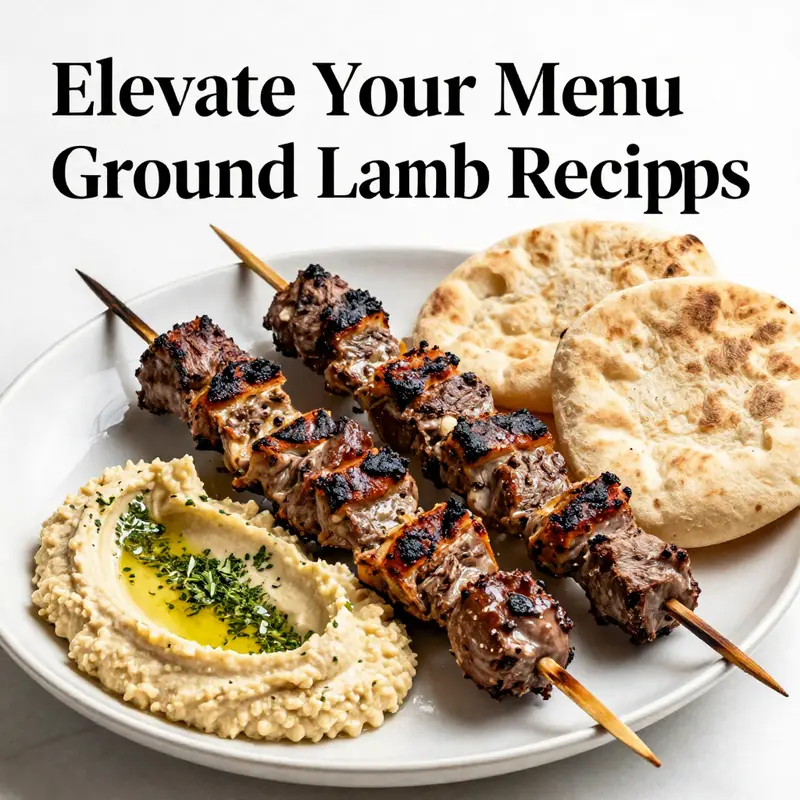
Ground lamb has long been a canvas in Mediterranean kitchens, inviting brightness from herbs and warmth from spices. When you shape it into kebabs, folds, or sheets, the meat offers a flexible medium that happily soaks up citrus, garlic, and olive oil, yet still carries its own character. In this chapter, we move beyond the familiar weeknight technique and into a continuum of flavor where the meat’s natural richness breathes with the region’s sums of sun and markets. Mediterranean cooking often leans on simple ingredients with high-impact combinations: lemon zest, mint, oregano, parsley, cumin, coriander, and a kiss of cinnamon or saffron. Ground lamb welcomes these contrasts, and the result is dishes that feel both rustic and refined, comfortable on a family table and impressive at a casual gathering. The recipes that follow are not just instructions but invitations to play with texture and aroma—crisp edges from pan-seared patties, tender succor from slow-simmered fillings, and the bright lift of a cucumber-yogurt sauce that cuts through fat and heat.
Key to success with ground lamb in these traditions is texture and balance. Too lean meat dries quickly; too much binders muddies the bite. A modest fat percentage between 15 and 20 percent preserves juiciness while allowing crisp crusts or delicate dumplings. The herbs must sing, not shout, so you’ll often find fresh parsley and mint chopped fine, onions grated or minced for moisture, and garlic waving through the mix like a quiet chorus. The classics rely on fragrant aromatics—zest of lemon, a perfumed drizzle of olive oil, a pinch of cumin or paprika—that lift the meat without overwhelming it. Binding agents such as breadcrumbs or rice flour are used to help shape koftas or stuffed leaves, but the goal remains to preserve bite and tenderness. Whether you’re threading meat onto skewers for a sizzling grill or tucking a spoonful into a grape leaf, the method matters as much as the seasoning. A brief rest after shaping lets the flavors settle, producing a more cohesive bite when heat finally meets the meat.
To bring these ideas to life, select technique that suits the texture you want. Skewers demand a binding that yields a clean bite; for dolma and stuffed leaves, gentle simmer is key to avoid breaking the leaves while letting the filling finish. If grilling, aim for a strong initial sear then finish at a cooler part of the grill to maintain moisture. Pan-frying kofta creates a crust that crackles and holds in juices. When shaping kofta or kebab meat, keep your hands cool and compact the mixture without overworking it, or the texture will turn dense. For dolma and lahmacun, precision matters: roll the leaves with even density, press the flatbread evenly, and bake or simmer with enough liquid to prevent scorching. Sauces and sides are not afterthoughts but essential companions—the cucumber yogurt brings cool balance to lamb’s warmth, while a lemon-scented couscous or a bed of saffron rice carries the dish with elegance. A final drizzle of good olive oil and a spritz of lemon juice lift every bite.
If you’re seeking a curated collection of these Mediterranean lamb preparations, explore the internal page: Mediterranean lamb recipes.
The dishes highlighted here echo the versatility found in the broader ground-lamb repertoire: from a Crock Pot Lamb Chili that builds warmth with cumin and chili, to lamb kebabs paired with hummus and pita, to kofta burgers with mint yogurt, and even a lamb lasagna that threads Italian technique with lamb’s savory depth. In each case, the common thread is a belief that ground lamb shines when it can be both sturdy and nuanced: browned crust, juicy interior, and a sauce or accompaniment that brightens rather than smothers. The Mediterranean profiles celebrate citrus, fresh herbs, and a light touch with spices like coriander, cumin, and cinnamon, showing how a single protein can traverse borders without losing its identity. Whether you crave the smoky bite of a grilled skewer or the tenderness of a simmered stuffed leaf, the approach remains the same: balance fat, fold in herbs, bring heat and acidity together in a way that respects the meat’s character.
To bring these ideas to life, select technique that suits the texture you want. Skewers demand a binding that yields a clean bite; for dolma and stuffed leaves, gentle simmer is key to avoid breaking the leaves while letting the filling finish. If grilling, aim for a strong initial sear then finish at a cooler part of the grill to maintain moisture. Pan-frying kofta creates a crust that crackles and holds in juices. When shaping kofta or kebab meat, keep your hands cool and compact the mixture without overworking it, or the texture will turn dense. For dolma and lahmacun, precision matters: roll the leaves with even density, press the flatbread evenly, and bake or simmer with enough liquid to prevent scorching. Sauces and sides are not afterthoughts but essential companions—the cucumber yogurt brings cool balance to lamb’s warmth, while a lemon-scented couscous or a bed of saffron rice carries the dish with elegance. A final drizzle of good olive oil and a spritz of lemon juice lift every bite.
If you’re seeking a curated collection of these Mediterranean lamb preparations, explore the internal page: Mediterranean lamb recipes.
For broader inspiration and step-by-step tutorials, the Mediterranean recipe collection offered by a well-known international culinary resource is a valuable companion, featuring authentic approaches and variations that complement the dishes described here: https://www.bbcgoodfood.com/recipes/collection/mediterranean
Final thoughts
As a business owner, tapping into the culinary potential of ground lamb can elevate your menu and appeal to a broader audience. By integrating the hearty and enriching recipes discussed in these chapters, you can create new dishes that stand out while providing comfort during colder months. Additionally, exploring Mediterranean flavors offers a refreshing twist that can attract diverse diners. Embrace these recipes to not only innovate but also to engage your culinary creativity and keep guests returning for more.