
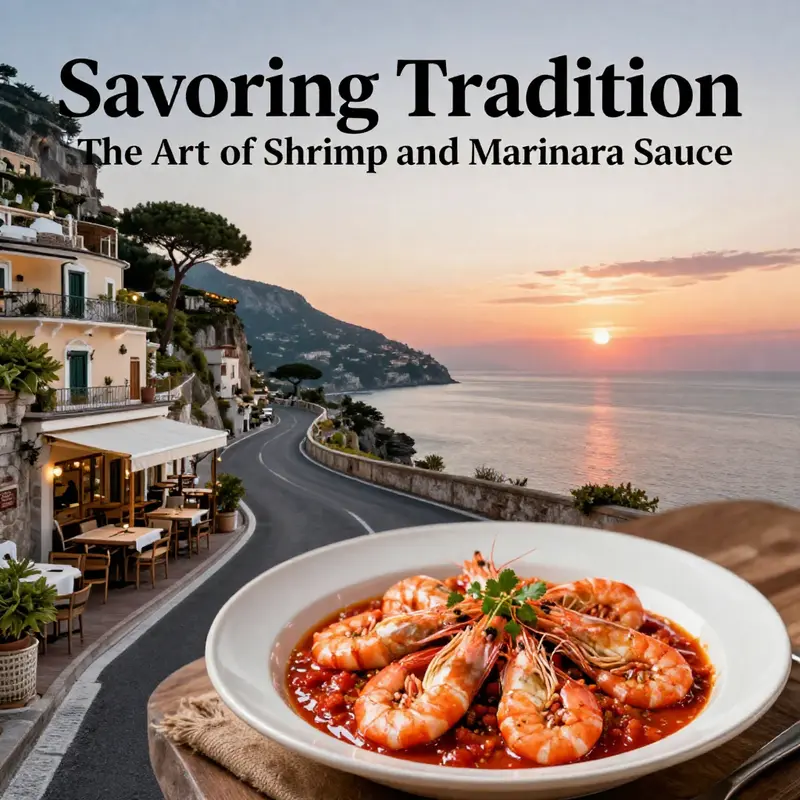
Shrimp and marinara sauce is not just a dish; it represents a melding of flavors rooted in Italian tradition, appealing both to diners and restaurateurs alike. For business owners in the culinary field, understanding the depth of this dish can enhance menu offerings and diversify culinary experiences. This exploration begins with the culinary foundations of shrimp and marinara sauce, delving into its composition and preparation methods. Following that, we will journey through its rich historical significance in Italian cuisine, illuminating its cultural importance. Lastly, we will consider modern adaptations and variations, demonstrating how flexibility in the kitchen can appeal to contemporary tastes while honoring tradition.
Foundations of Flavor: How Marinara and Shrimp Define a Classic Mediterranean Pairing
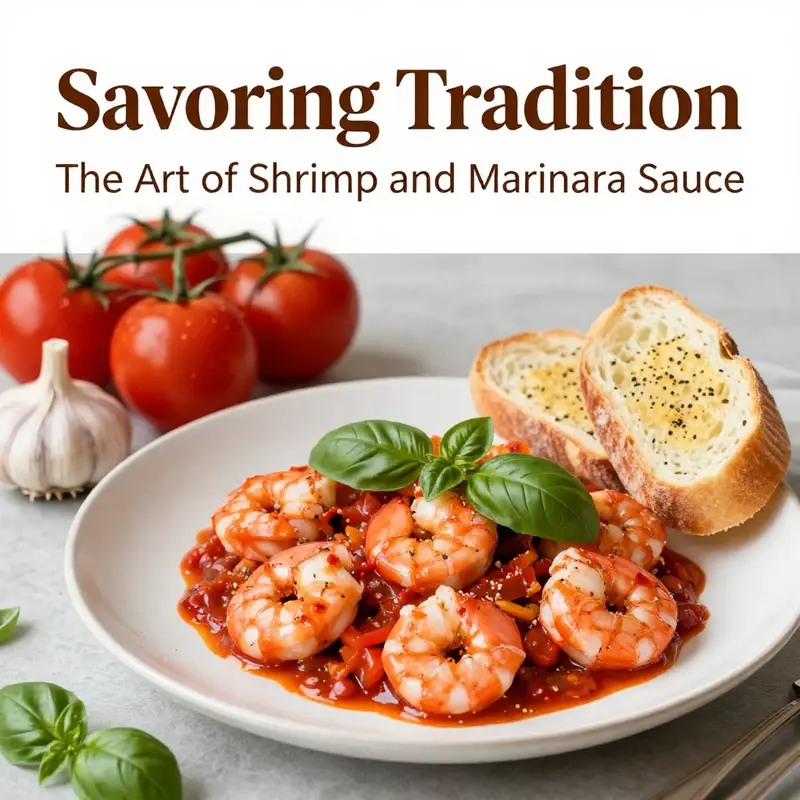
The dish that emerges when shrimp meets marinara is more than a quick weeknight supper; it is a study in how simplicity can cradle brightness, tenderness, and depth within a single canvas. The shrimp, pale pink with a quick kiss of heat, asks for a sauce that will lift rather than overwhelm. Marinara, with its roots in 16th‑century Naples, provides that bright, aromatic framework—an assertion of tomatoes’ tang, garlic’s pungent lift, and olive oil’s gliding richness. In the best executions, the two components illuminate one another, revealing a Mediterranean sensibility that prizes quality, restraint, and timing over complexity. This chapter traces that culinary foundation, grounding the shrimp’s sweetness in a sauce that moves with the speed of a sailor’s memory and the clarity of a sunlit coast.
Marinara sauce begins with a philosophy as old as the pantry: use simple, sturdy ingredients and respect their natural vigor. Tomatoes—ripe, plump, and preferably whole peeled—provide the bright acidity that acts as the sauce’s heartbeat. Garlic releases its perfume early, inviting the onion or shallot to soften and melt into the oil’s warmth. Extra virgin olive oil carries everything with a sheen that helps each note travel across the palate. Herbs such as oregano and basil arrive not as fireworks but as steady hum—an herbal chorus that anchors the tomato’s tang and the garlic’s bite. The result is a sauce that is quick in its execution and generous in its flavor, designed to finish before it hardens into something less lively. Marinara’s name itself—marinaro, meaning sailor—hints at a practical origin: a meal formed from pantry staples, prepared with speed, designed to sustain, and always ready to be a backdrop rather than a star.
Pairing this particular sauce with shrimp feels almost fated. Shrimp carry their own subtle sweetness, a delicate bite that can vanish if overwhelmed by heavy seasoning or prolonged simmering. When shrimp meet marinara, the interaction emphasizes contrast and union at once: the tomatoes’ bright acidity and the garlic’s warmth sharpen the shellfish’s sweetness, while the olive oil lends a smoothness that carries flavor with every bite. The shrimp’s texture, firm yet yielding when just cooked, provides a moist counterpoint to the smoother, spoonable sauce. This balance is the essence of the Mediterranean approach—the idea that a few well-chosen elements, treated with respect for their texture and aroma, can convey a sense of place more effectively than any elaborate technique.
From a practical standpoint, the technique matters almost as much as the ingredients. Start with a warm pan and a generous drizzle of good olive oil. Add minced garlic and let its sweetness emerge without letting it brown. Some cooks introduce finely chopped onions or shallots at this stage for a touch of sweetness and depth, but the principle remains the same: aromatics first, then the tomatoes. When adding the tomatoes, it is crucial to respect their character—crushed or chopped, they should dissolve into a vibrant, cohesive sauce rather than overwhelm with a single note of acidity. A pinch of salt and a few twists of black pepper help the flavors unfold. A slow, steady simmer for a short time allows the sauce to meld, brightening the garlic and herbs without turning into mush or losing its lift. If a wine step is desired, a weak splash can be added earlier in the process to round the edges and introduce a subtle acidity that mirrors the tomatoes’ brightness.
The shrimp themselves deserve a moment of attention. Jumbo shrimp are often favored for their heft and immediate visual appeal, but the key is not size alone; it is the approach. Pat the shrimp dry to remove surface moisture, which can hinder a good sear. Season lightly with salt and pepper to enhance their natural sweetness. In a hot pan, they should hit the oil with a sizzle and color quickly on one side before flipping to expose a pink, opaque interior. Overcooking is the most common pitfall; once shrimp become chalky, they lose their tenderness. A practiced cook will remove them just as they approach the pale pink stage, allowing them to finish by combining with the sauce. Returning the shrimp to the pan after the sauce has started to come together helps them soak up a little of the tomato and oil, braising ever so gently in the flavorful liquid. This final integration is where the dish reveals its maximum character: the shrimp remain distinct but sing with the sauce’s acidity and herbal lift.
Nurturing the sauce and the seafood as a single unit permits a cohesive eating experience. A few fresh basil ribbons sprinkled at the end provide a fragrant green counterpoint, while a light drizzle of extra virgin olive oil can heighten the sauce’s sheen and bring a glistening finish to each plate. Some cooks like a quick squeeze of lemon to brighten the brightness further, though this is a matter of personal taste and regional preference. The sauce’s natural acidity becomes a bridge, inviting the sweetness of the shrimp into a shared mouthful rather than a sequence of bites. If pasta is the vehicle, the choice should be simple: long strands or a short twist that can hold onto the sauce and cling to each piece of shrimp. Yet the elegance of the combination is not confined to a plate of pasta; it also shines as a topping for crusty bread, a rustic topping for a flatbread, or even as a gentle, comforting dip. The dish remains a testament to culinary restraint: a few well-chosen components, treated with careful technique, produce a broad spectrum of satisfying textures and flavors.
In contemplating the broader culinary arc, this pairing embodies the essence of Mediterranean cuisine: a philosophy of simplicity, provenance, and balance. It is not about layering flavors to the point of complexity; it is about revealing flavor through precise intervention, letting the ingredients speak for themselves, and acknowledging the history that shaped them. The marinara sauce, born of necessity and transformed by time, offers a concise chorus that complements the shrimp’s quiet sweetness. The result is a dish that can feel both intimate and bright, a memory of sunlit markets and sea spray translated into something that can be made in a home kitchen with accessible ingredients and unhurried technique. For readers seeking a practical, home-friendly rendition that preserves this spirit, a curated approach to the technique and components will serve as a reliable blueprint—one that can be easily translated into a personal style or regionally inspired variation. Shrimp marinara, in its most faithful form, is a quiet celebration of seafood, tomatoes, and olive oil, brought together by heat, timing, and a respect for the fundamentals that make Italian cooking a world-influencing art.
For readers who want a practical home rendition that mirrors this foundational approach, explore the Shrimp Marinara Recipe, which adapts the core principles of the dish into a streamlined, accessible version you can try this week. Shrimp Marinara Recipe.
As a deeper dive into the historical thread that shapes marinara, one can consult broader texts that trace its quick-cook lineage and its role as a pantry-friendly lifeline for sailors and families alike. Marinara’s quickness and clarity of flavor remain its defining marks, and when paired with shrimp, the dish becomes a precise meditation on how Mediterranean cooks harness time, texture, and acidity to coax maximum savor from a few, well-chosen ingredients. For a historical lens on marinara sauce’s ingredients and evolution, see the Marinara sauce history and ingredients resource.
External resource: Marinara sauce history and ingredients. https://www.foodandwine.com/italian-cuisine/marinara-sauce-history-ingredients
Coastlines on a Plate: The History of Shrimp with Marinara
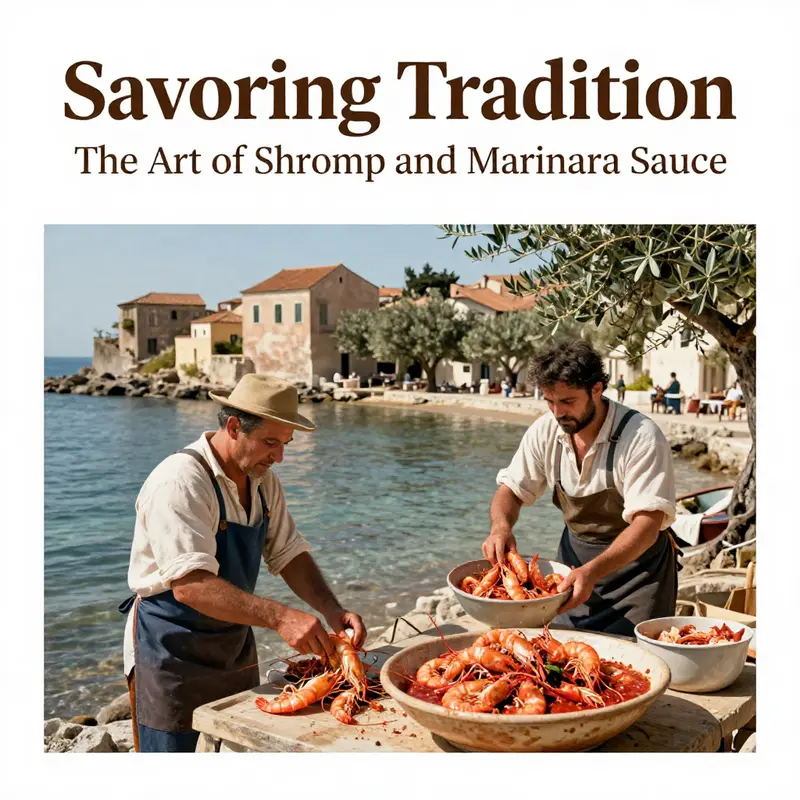
Shrimp with marinara traces a coastline through time, where sea air and pantry staples meet in simple, bright flavors. The pairing grew in southern Italy, where tomatoes, garlic, olive oil, and seafood could be transformed quickly into a meal that felt both nourishing and vivid. Tomatoes entered Europe after Rome, but it was coastal cooks who learned to weave them into fast sauces that complemented shellfish rather than overpowering it. The marinara base emerged from this practical context, a tomato-forward sauce seasoned with garlic, herbs, and olive oil that could perfume the kitchen while keeping the seafood the star.
From Campania and Sicily to diasporas abroad, the dish carried the philosophy of cucina povera: few ingredients, prepared with intention, delivering maximum flavor. Shrimp turns pink in minutes, then mingles with the simmering tomato sauce, its delicacy preserved by brief cooking and bright acidity. Basil and oregano add aroma without complicating the plate, and the result remains quick, clean, and satisfying. In Italian-American kitchens, the dish travels further still, retaining its light, tomato-driven profile even as it adapts to new tables and tastes.
In contemporary practice, shrimp with marinara is a flexible blueprint: sear the shrimp, bloom garlic in olive oil, splash in tomato sauce, and finish with a final brightness from herbs or a splash of wine. The method honors the ingredients, respects timing, and invites personal touches while keeping the sea’s sweetness and the sauce’s tomato glow in balance. This chapter offers a concise history and a practical glimpse so readers can appreciate the lineage while preparing a modern plate that feels connected to a coastal kitchen.
Neapolitan Roots, Global Palates: Modern Spins on Shrimp with Marinara
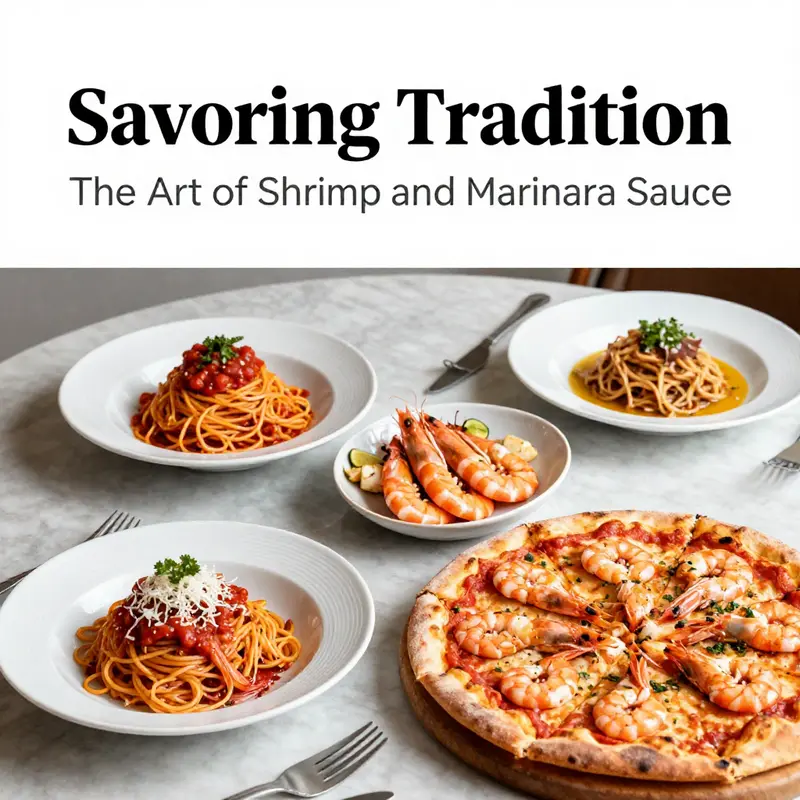
Shrimp and marinara sauce is more than a pairing; it is a conversation between quick, pantry-smart technique and bright, coastal flavors. In its purest form, the dish leaves room for the shrimp to shine while the sauce offers a lively, acidic counterpoint. The classic marinara scene—crushed tomatoes glistening with garlic, olive oil, a ribbon of basil, and a whisper of oregano—serves as the conductor, and the shrimp are the star soloist, tender and edible in minutes when treated with care. The elegance here is in restraint: heat, timing, and the balance of ingredients that are, in essence, humble, not extravagant. The result is a plate that feels both rooted in Naples and open to the world.
To understand how modern cooks push this dish forward, it helps to remember the sequence that has defined it for centuries. Start with garlic, sliced or minced, sautéed gently in extra virgin olive oil until it perfumes the kitchen with a warm, nutty scent. The moment the garlic turns fragrant—never browned to bitterness—you invite the shrimp. Jumbo shrimp, peeled and deveined, are introduced in a swift, high-heat sear. They cook quickly to a pink, opalescent gloss that signals they are almost done. The next move is a pivot: the marinara is poured in, not to drown the seafood but to envelop it, to fuse the bright tomato tang with garlic, olive oil, and herbs as the sauce simmers briefly. The aim is to meld, not to mask; the shrimp should finish just as the sauce thickens to coat it, a cooperative finish rather than a finish that steals the show.
These moments of classical technique become the backbone when modern variations begin to breathe new life into the dish. One enduring branch of adaptation is the split within Italian-American cuisine known as shrimp scampi with garlic butter sauce. It is not Italian in its current form, yet it demonstrates how cooks continuously remix brightness and richness. The lemon’s citrus snap and the butter’s roundness can cloak a pan’s heat, creating a glossy cling on each curled shrimp. The work happens fast: high heat, a quick flip of the shrimp, then a final toss with the sauce that clings to every curve. In such a version, the marinara note doesn’t disappear; it shares the stage with a butter-tinged gloss that makes the dish feel both modern and comforting. The discipline remains the same: exact timing, precise mise en place, and respect for texture so the shrimp stay juicy.
Another prominent path moves into a creamy realm, giving rise to what many diners now expect as a hybrid: a Creamy Shrimp Pasta with Tomato Sauce. Here, the tomato base remains, but a fluid veil of cream or a dairy alternative adds body and silk. The concept nods to crema di pomodoro traditions of southern Italy, fused with the seafood pasta rituals of Campania and Sicily. The pan begins with garlic and shallots in olive oil, a splash of white wine to lift aromas, then the crushed tomatoes simmer into a bright, ruby pool. A whisper of cream joins, then the shrimp are folded in just as the sauce thickens enough to clothe the pasta. The starch from the pasta water—glue-like in its ability to emulsify fats and tomatoes—helps the sauce cling in a glossy, cohesive coat. The final flourish is a bright handful of fresh basil and a perfumed crack of black pepper, turning a simple shellfish dish into a restaurant-worthy plate that remains approachable for weeknights.
What distinguishes these modern iterations is not a rejection of the Marinara’s roots but a conversation with them. Purists may want to preserve a lean tomato brightness with a clean, garlic-forward note, while others welcome the warmth and luxury that dairy or butter can lend. The decisions often come down to the context—the odds and ends in the pantry, the season, and the diner’s mood. A simple swap—using whole peeled tomatoes instead of a purée, sticking with extra virgin olive oil rather than a lighter fruit oil, or choosing a fast, agile tomato variety—can recalibrate the dish in seconds. In many contemporary kitchens, the translate is practical as well as delicious: you might use jumbo shrimp to build a visually striking plate, or you might choose a quick, one-pan method for weeknights that minimizes cleanup without compromising texture. The technique remains the same at heart—sizzle, sear, simmer, coat—yet the flavor profile can drift toward brightness, richness, or even a hint of spice.
Ingredient quality plays a starring, not supporting, role. The fishermen’s whisper of sweetness in fresh shrimp contrasts with the tart tang of marinara, so the sauce should never overshadow the seafood. The use of high-quality extra virgin olive oil provides the foundation of aroma and mouthfeel; tomatoes should be robust enough to sing on their own, with whole peeled forms offering a natural sweetness and a deeper texture when crushed by hand or with a gentle pass in the pan. Fresh garlic imparts its warm, healing aroma, but it should never overshadow the delicate shrimp. Basil leaves add a hint of sweetness and green lift, while oregano lends a sun-warmed herbaceous note. These details matter because they allow the dish to stay true to its Mediterranean DNA while accommodating the signals of modern eating, such as lighter pastas or plant-based accents.
In the home kitchen, the evolution of shrimp and marinara sauce has encouraged a broader spectrum of shapes and accompaniments. It is a dish built to adapt: it can march alongside linguine or spaghetti in a saucy embrace, or sit proudly atop a rustic crust for a late-night crusty-bread dunk, or become a bright topping for a sheet-pan pizza with a fast, flavorful strike of tomato and garlic. The versatility is one of the recipe’s quiet strengths: its tomato foundation anchors the dish, but the protein and aromatics carry the story. For cooks seeking a straightforward, approachable path to this adaptation, a dedicated shrimp-marinara approach exists as a practical reference that distills the core steps into a clean, home-friendly method. As a touchpoint, the link shrimp-marinara-recipe offers a concise, reliable framework that retains the essence of the historical technique while translating it into a contemporary kitchen workflow.
Even with those variations, the dish’s essence remains tethered to its Neapolitan origins. The marinara sauce—born in a culture of speed and economy, a sauce that could be prepared quickly with pantry staples—provides the canvas. It rewards cooks who respect its tempo: a brisk simmer to wake the aromatics, then a brief rest to let the flavors mingle before the shrimp arrive and the sauce finishes its seduction. The act of cooking shrimp is a study in balance: heat must be high enough to color the exterior and seal in moisture, yet not so intense that the interior overcooks and turns dry and chalky. The final plate should carry the memory of the sea in the shrimp and the sunny brightness of tomatoes and garlic in the sauce. This balance is the thread that allows modern interpretations to feel new while still honoring the dish’s core.
While some chefs reach toward bold, bold juxtapositions—zests of citrus, a whisper of chili heat, or a swirl of cream—their contributions emerge not as revolution but as dialogue. A shrimp dish built on a quick, bright marinara can welcome a hint of heat without losing its clarity, or it can carry a gentle creaminess that softens acidity while preserving the tomato’s vitality. The culinary conversation continues to evolve as cooks from different backgrounds bring their pantry staples and regional sensibilities to the table. The result is a repertoire that feels both familiar and adventurous—a sea-salted memory refracted through a modern lens.
For readers who want to explore the topic with a broader pantry lens, the classic techniques, historical arc, and modern adaptations converge into a simple philosophy: treat the ingredients with restraint, respect their natural flavors, and allow the dish to tell its own story. The synergy of shrimp’s sweetness with marinara’s tart, herbal brightness offers a model for how tradition can robustly meet innovation without sacrificing clarity. The dish invites experimentation—different pasta shapes, alternative cream substitutes, even plant-based proteins that mimic shrimp’s briny sweetness—yet it rewards those who stay faithful to the sauce’s clean foundation and the seafood’s tender bite. In the end, shrimp and marinara remains a flexible, elegant emblem of Italian coastal cooking that continues to travel the globe, gathering new textures, influences, and stories.
External resource: Serious Eats offers a thorough, technique-forward look at Italian marinara sauce that can inform how cooks approach its pairing with seafood. https://www.seriouseats.com/italian-marinarasauce-recipe-4681795
Final thoughts
The journey through shrimp and marinara sauce reveals not just a dish but a celebration of culinary heritage and contemporary adaptation. For business owners, understanding the roots and evolution of this classic can lead to menu innovations that resonate with patrons while honoring traditional flavors. Incorporating high-quality ingredients and celebrating the simplicity of the dish can elevate dining experiences and drive consumer interest in your establishment. Whether featured as a star dish or as part of an evolving menu, the charm of shrimp and marinara sauce can undoubtedly captivate and sustain customer loyalty in a competitive landscape.