

As temperatures rise, so does the need for meals that keep us cool, refreshed, and invigorated. Business owners, particularly during the bustling summer months, can benefit from light, easy-to-digest dinners that minimize effort but maximize satisfaction. Cold dishes, light proteins paired with vibrant salads, and refreshing soups can serve as stellar dinner options that not only nourish but also provide relief from the heat. Each chapter of this article explores various avenues for crafting the ideal summer dinner, appealing both to taste and practicality in a busy lifestyle.
Chilled Delights: Refreshing Dinners That Lighten the Heat of a Hot Day

Heat has a way of narrowing the appetite and dulling the palate for heavy meals. On truly hot days, the best dinners are those that calm the body and please the senses with bright textures, crisp colors, and a quick path to the table. Cold dishes do more than avoid heat; they invite hydration and energy from water-rich vegetables, lean protein, and clean acidity. The goal is to nourish without weighing you down, to offer a meal that feels like a breeze even as the sun leans low. The dishes that fit this brief share a few quiet principles: speed, simplicity, and seasonal produce that shines when eaten cool.
Cobb salad comes up naturally as a go-to for a hot evening. Crisp lettuce forms the canvas, and on it you lay grilled chicken, sliced hard-boiled eggs, smoky bacon or lean turkey for texture, ripe avocado for creaminess, and cherry tomatoes that pop with brightness. The charm lies in balance: protein for staying power, healthy fats, and a generous hit of vegetables. Dress lightly—perhaps with a yogurt-based version rather than mayo—to cut extra calories while keeping a creamy mouthfeel. The beauty is you can assemble it in minutes, plate it on a chilled dish, and let the vinaigrette mingle just enough to brighten rather than drown the ingredients. If you want the lighter touch, you swap in Greek yogurt for part of the dressing, which softens richness and keeps the salad feeling buoyant on a hot afternoon.
Another cooling classic is tzatziki, a dip that seems to capture summer in a bowl. Thick yogurt, finely grated cucumber, garlic, a squeeze of lemon, and dill or mint become a lush, refreshing sauce for raw vegetables, pita wedges, or a slice of grilled meat. The cucumber’s chill and the yogurt’s tang work together to lower perceived heat while offering probiotics and protein. It’s a simple make-ahead component, too; whisk, refrigerate, and you’ll have a bright, ready-to-serve accompaniment that can turn any quick protein into a complete meal.
For something brighter and lighter, ceviche delivers zing without heaviness. Fresh fish or shrimp is marinated in citrus—usually lime and a hint of lemon—until the edges turn opaque and the texture firms. Red onion, cilantro, and a jalapeño or a scatter of chiles add aroma and bite. The acid does the cooking, the cold keeps the fish delicate, and the result is a plate that feels almost like a breeze on a plate. Serve it with crisp tortilla chips, or over a small bed of black beans and avocado for a more substantial option that still stays cool to the touch. This dish highlights how acidity and chill can transform a dinner into something refreshing rather than merely light.
Greek salad offers another no-heat route to dinner. Slices of cucumber and tomato mingle with Kalamata olives, slabs of feta, red onion, oregano, and a bright olive oil dressing. The briny notes and juicy vegetables create a satisfying contrast that feels generous yet never heavy. It travels well, travels light, and pairs beautifully with a hunk of crusty bread or a handful of roasted chickpeas. It’s the kind of dish that invites you to eat with your eyes—colorful hues, crisp textures, and the glow of olive oil that makes everything feel more vibrant.
Cold noodle bowls like soba or naengmyeon round out the line with a touch more substance while keeping the meal cool. These noodles slip into a light sesame-based sauce or a savory broth that’s only lightly seasoned, then are topped with cucumber, pickles, a soft-boiled egg, and herbs. The trick is to keep the sauce bright and not syrupy, so the noodles remain the star and the dish lands with a refreshing finish rather than a heavy aftertaste. It’s the kind of weekday dinner that makes you feel fed without dragging you down in heat.
Even the humble avocado toast can take on a cooler twist when topped with a cold addition. Mash avocado on toasted sourdough, scatter everything bagel seasoning and microgreens, and crown with a poached egg that glides over cool, creamy greens. Or switch in chilled hummus or baba ganoush for a vegan-friendly variation. This contemporary favorite channels the texture of a full meal with minimal heat at serving and delivers a creamy, crisp finish that’s surprisingly satisfying on a hot evening.
Together, these dishes honor summer’s bounty while sparing you from turning on the stove for long minutes. They emphasize hydration through vegetables, water-rich fruits, and the bright lift of citrus and herbs. They reward advance prep, smart assembly, and a casual plate that invites sharing. For more seasonally attuned ideas, explore the summer dinner recipes page for additional approaches that fit a warm-day vibe. A broader look at refreshing summer dinners can also be found in trusted culinary resources that highlight cool dishes for summer meals, offering further inspiration and practical tips about timing, safety, and flavor balance. External resources can provide a wider perspective on how to structure a dinner that remains cooling while still satisfying the palate during peak heat.
External resource: https://www.healthline.com/nutrition/cool-dishes-for-summer-dinner
Cooling Bowls and Crisp Greens: Light Proteins and Salads as the Best Dinners for a Hot Day
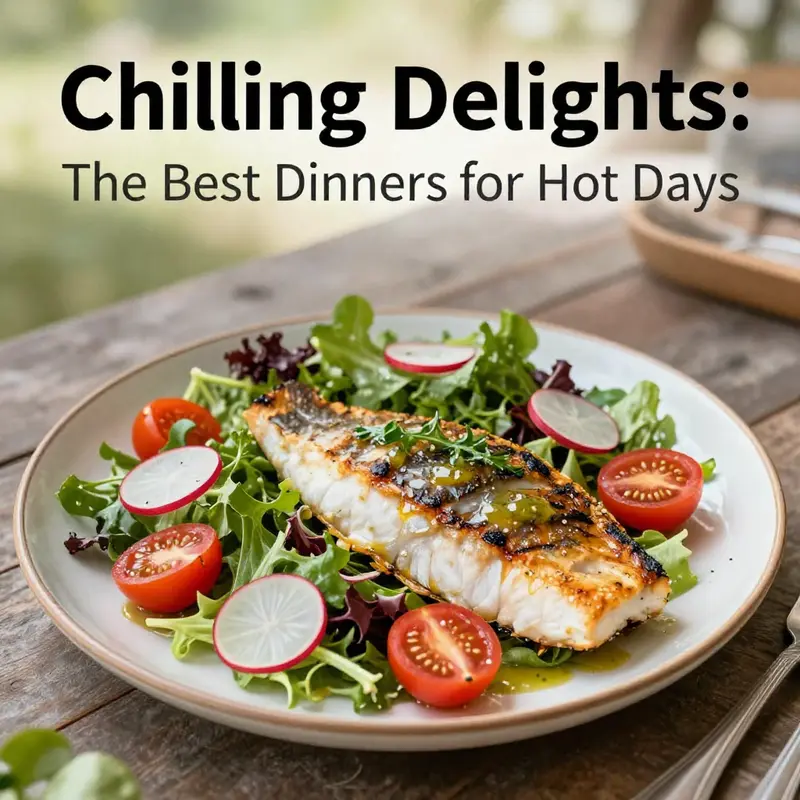
When the sun holds the day in a steady, heat-softened grip, the best dinners are those that keep you light on your feet and easy on digestion. A dinner built around lean protein and a generous, hydrating salad does more than satisfy hunger; it helps maintain energy without inviting that heaviness that can linger after a long, hot afternoon. The core idea is simple: choose foods that nourish with hydration, fiber, and steady energy, yet skim calories where possible so the body isn’t forced to work overtime to cool itself. In practice, that means plate after plate of grilled or baked protein paired with a rainbow of vegetables, bright with color and crisp with texture. It also means that sauces and dressings stay light, zesty, and clean, so the meal feels refreshing rather than suffocating as the evening air settles in.\n\nLight proteins form the backbone of a hot-day dinner because they deliver essential nutrients without weighing you down. Grilled chicken breast, baked salmon or cod, tofu, or even a couple of boiled eggs offer protein to support energy and satiety, while remaining relatively gentle on the stomach. The key is preparation that minimizes added fat and heat: a quick brush of olive oil, a squeeze of citrus, a sprinkling of herbs, and a short spell on the grill or in a hot pan, followed by a moment of rest so flavors can settle without creating steam or steam-like heaviness. These proteins act like dependable anchors on a plate, providing lasting fullness that won’t trigger that post-meal slump common on overly rich summer dinners. They pair beautifully with greens and other hydrating vegetables, letting you savor flavor without the furnace inside your body.\n\nSalad components are where the meal truly breathes on a hot day. A base of leafy greens—romaine, arugula, spinach, or a mix—gives you a cool, crisp foundation. Layer in cucumbers, juicy tomatoes, bell peppers, and slices of radish for bite and hydration. The high water content of these vegetables isn’t merely culinary; it translates to real fluid intake, helping you stay hydrated as outdoor temperatures rise. Add a handful of shredded carrots for a touch of sweetness, or a few celery sticks for extra crunch. The goal is a plate that looks vibrant and tastes fresh, a visual cue that coolness is inside. Chicory or endive can bring a pleasantly bitter counterpoint, while herbs like dill or parsley lift the aroma without adding heat. The salad, when composed with balance, becomes a refreshing counterpart to the protein, keeping portions satisfying without tipping into heaviness.\n\nDressing deserves careful, deliberate restraint. A simple vinaigrette—often a mix of lemon juice or vinegar, a touch of Dijon, a light drizzle of olive oil, and a pinch of salt and pepper—adds brightness without weight. A lemon-based dressing works wonders, delivering brightness and tang that wake up vegetables and proteins alike. Avoid heavy mayonnaise-based dressings and creamy emulsions that fold in extra calories and heat. If you crave a bit of creaminess, consider mashing avocado into a light dressing in moderation, yielding creamy texture with healthy fats rather than a heavy load. A small sprinkle of chopped nuts can introduce texture and essential fats, while keeping the overall feel breezy and easy to digest. The aim is to let the natural flavors of the ingredients shine, so that every bite feels like a refreshing breath rather than a burden.\n\nConvenience options deserve their place when the days are long and the grid is busy. Pre-made salad kits from reputable sources can be a timesaver, especially when they feature seasonal greens and bright vegetables. They remove the guesswork from ingredient selection while still offering a nutrient-dense foundation for a quick dinner. For those who lean toward home cooking but crave speed, batch-cooked lean proteins kept in the fridge—grilled chicken thighs trimmed of excess fat, fish fillets, or baked tofu—can be paired with a ready-to-eat salad base for a fast assemble-and-serve meal. The advantage of these approaches on a hot day is clear: less time near the stove translates into less heat in the kitchen and sharper appetite for something cooling and satisfying. And while it’s tempting to lean into bold, heavy flavors when the thermometer climbs, restraint here is a virtue; the simpler the plate, the more refreshing the meal feels.\n\nIn planning a dinner that aligns with both comfort and nourishment, the vegetables deserve equal billing with the protein. A large plate of greens and vegetables can be dressed lightly, but in generous quantities, so the meal remains hearty without becoming a burden. This approach also supports hydration and digestion, helping you maintain energy for evening activities or a breezy stroll after dinner. The beauty of a well-planned light dinner is that it can be varied night after night. Roast a different fish or switch the protein between poultry and tofu, rotate the greens between a crunchy romaine mix and a tender spinach base, and experiment with vegetables that are in peak season. The result is not a single dish but a reliable method: lean protein with a lush, hydrating salad, dressed sparingly, enjoyed in a cool space with plenty of light and air.\n\nTo keep the narrative of a hot-day dinner cohesive with broader summer eating habits, consider a quick reference to a broader library of ideas. For those seeking further inspiration on seasonal, refreshing meals, see the Summer Dinner Recipes collection. This link offers a curated range of options that emphasize speed, freshness, and balance, reinforcing the idea that the best dinners on hot days are not only light but also deeply satisfying. Summer dinners don’t have to be complicated; they thrive on clean ingredients, mindful portions, and an intentional pause to savor cooler flavors.\n\nUltimately, choosing light proteins and salads on a hot day aligns with both comfort and nutritional wisdom. It supports hydration, sustains energy, and reduces the internal heat created by heavier meals. It also invites creativity: a plate that changes with the seasons, a dressing that brightens without overpowering, and a balance that feels refreshing rather than exhausting. For readers seeking a reliable, versatile framework, lean proteins paired with abundant vegetables deliver a practical, enjoyable, and healthful approach to summer dinners. The plan is simple, the flavors bright, and the experience decidedly cooler than a typical warm-weather feast.\n\nExternal resource: For evidence-based guidance on staying hydrated and eating light, nutritious meals during hot weather, see the NHS guidance on diet and nutrition for summer: https://www.nhs.uk/conditions/nutrition/diet-and-nutrition-for-summer/.
Chill, Nourish, Delight: How Refreshing Cold Soups Redefine Dinners on a Hot Day

On the hottest evenings, dinner can feel like a struggle before you even start. Cold soups answer that struggle with calm efficiency. They cool the skin, hydrate the body, and satisfy a hungry appetite without the heaviness that follows a long day of heat. The appeal goes deeper than temperature alone: these bowls lean on bright produce, crisp textures, and precise seasoning rather than extended cooking. Choosing a chilled bowl invites a small ritual—the clink of a glass of water, the first sip of a tomato-scented breeze, a spoon gliding through cucumber and herb. In a season defined by abundance and quick rhythms, cold soups offer a graceful, practical way to eat well without overheating the kitchen or the evening.
Temperature is part of the recipe. Cold soups are typically served between 40 and 55 degrees Fahrenheit (4–13°C) after several hours in the fridge. That chill does more than numb the tongue; it enhances acidity, herb brightness, and the natural sweetness of ripe fruit. A well-balanced bowl should feel crisp and clean, finishing with a note that lingers without heaviness. Foundations usually include tomatoes, cucumbers, yogurt or a dairy alternative, vibrant herbs like dill, mint, or cilantro, and a bright kiss of olive oil or citrus to lift every bite. When served as a dinner, they pair beautifully with a simple grilled protein or a crisp green salad. The contrast between sunlit heat outside and a cool, bright bowl inside becomes the meal’s quiet drama, granting nourishment without surrendering comfort or flavor.
The kitchen can wander into playful territory from there. Gazpacho remains a stalwart, its tomato base brightened by cucumber, pepper, and garlic. Vichyssoise offers a silkier, dairy-forward option that still feels brisk in hot weather. For lighter, dairy-free routes, cacık and a kachumber-inspired cold soup bring tang and crunch, with yogurt lending tang and cucumber delivering crunch. Modern twists push boundaries with watermelon-feta gazpacho, avocado-lime cream, and miso-kissed broths that maintain chill while delivering surprising depth. The aim is to honor the season’s harvest—ripe tomatoes, crisp cucumbers, melons, and fresh herbs—without returning heat to the moment through heavy fats or long cooking. Garnishes matter as well: a drizzle of fruity olive oil, toasted spices, citrus zest, or a scatter of dill or basil can transform a simple bowl into a layered, season-spanning experience.
For evenings when you want something especially refined, a two-part option can feel both luxurious and practical. A bowl of sea urchin over room-temperature rice offers umami richness without pushing the kitchen into overdrive, paired with a lighter, tangy soup like tomato-mozzarella to wake the palate. This isn’t a routine dinner, but it demonstrates how cool meals can satisfy appetite and curiosity alike. For everyday practicality, build a quick menu around the simplest combinations: a spoonful of gazpacho beside a crisp salad, or a chilled cucumber-dill soup with a piece of grilled fish. The common thread is that temperature, texture, and freshness work in concert to create fullness without heaviness.
To keep the evening flow easy, consider a few service notes. Chill the bowls and utensils, prep garnishes in advance, and serve drinks that echo the soup’s bright notes. If you want a broader set of options, explore this collection of summer-dinner-recipes. It’s not nostalgia for summer heat but smart cooking that uses seasonal produce to its fullest, avoiding added heat from ovens and stove tops. The web holds a treasure trove of inspiration—from traditional gazpacho to island-inspired cool soups—that can expand your repertoire without complicating your routine.
Beyond flavor, cold soups deliver tangible benefits. They hydrate, supply electrolytes from yogurt and cucumber, and often pack fiber from vegetables. They invite a slower, mindful eating rhythm that can help temper overindulgence during a heat wave. A little planning goes a long way: chill stocks, prep vegetables ahead, and assemble bowls just before serving. You can turn a simple dinner into a small ritual that honors the season, making cooling meals a reliable, welcome habit rather than a stopgap.
External resource: For a reputable survey of cold-soup classics and modern riffs, see the guide at BBC Good Food – Best Cold Soups for Summer.
Final thoughts
In the sweltering heat of summer, maintaining a fresh and light meal routine is essential for both productivity and well-being. Cold dishes, light proteins with salads, and refreshing soups all provide not only a delightful eating experience but also vital hydration and nourishment. By incorporating these meal ideas into your dinner repertoire, you can ensure that your evenings are enjoyable without the burden of heavy meals. Embrace the refreshing culinary opportunities that summer brings and enjoy a variety of dishes tailored to the season’s heat.