
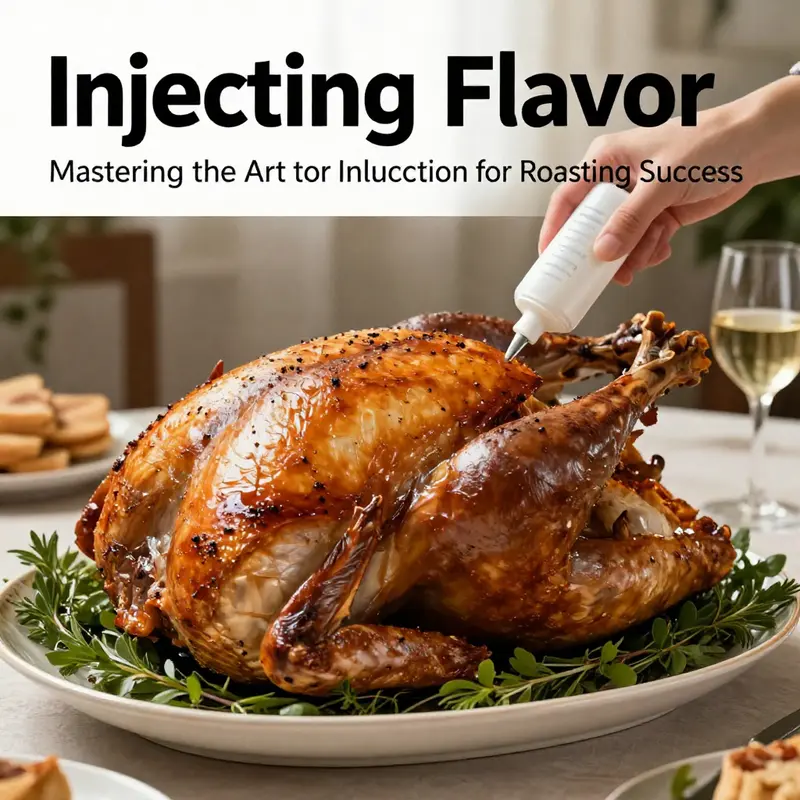
Creating the perfect roasted turkey requires more than just seasoning the surface; deep flavor infusion is essential. Turkey injection techniques present a savvy way for business owners in the culinary field to enhance their offerings, ensuring customers enjoy moist, flavorful birds that stand out at holiday gatherings and special events. This article explores the crucial ingredients that form the base of a successful turkey injection, detailed instructions on how to craft and apply the mixture, and best practices to maximize both flavor and moisture. As we delve into these chapters, you will gain a holistic understanding of turkey injection methods and their practical applications.
null
null
Infusing Juiciness Deep Inside: Mastering the Turkey Injection for Flavor that Lasts
When you cook a turkey, surface seasoning and aromatics are not enough to guarantee juicy meat. The real trick lies in getting flavor and moisture deep inside the muscle, where roasting heat can toughen fibers and drive moisture toward the surface. Injection is a precise, science-informed method that delivers a seasoned liquid directly into the meat, bypassing surface dryness and giving the turkey an internal map of flavor. It works best when paired with patient rest in the refrigerator, which lets the proteins rehydrate and the seasonings settle. While many cooks rely on brines or dry rubs, injection provides a fast route to the same benefits—moisture retention, more even taste, and a more forgiving texture when you’re managing a large bird. Think of it as an internal marinade that acts as both lifeblood and propulsion, ensuring the bird stays succulent through roasting, deep frying, or grilling.
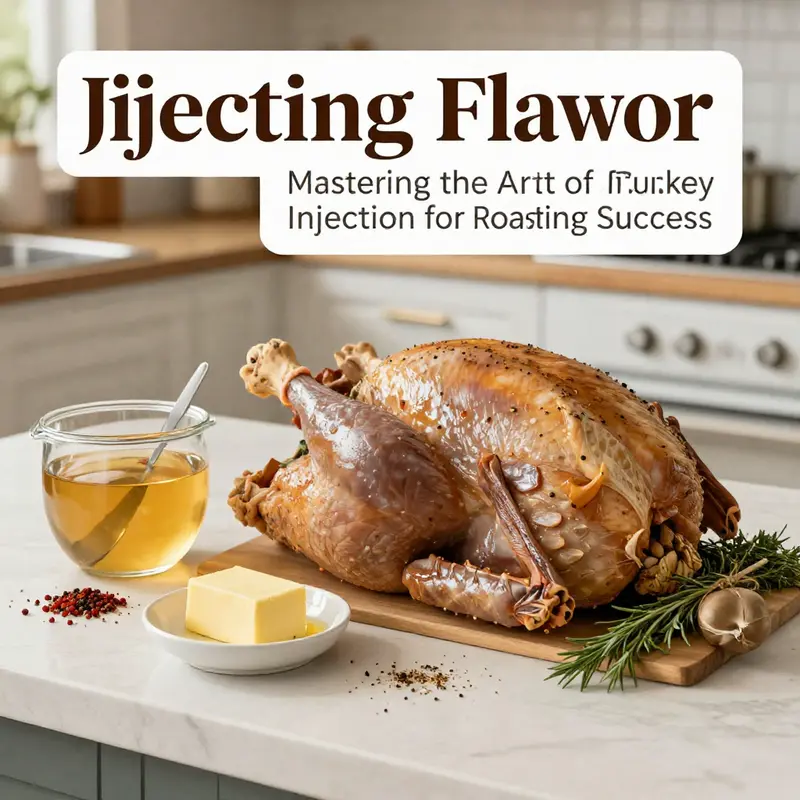
Crafting the injection marinade begins with a balanced base. A liquid carrier such as stock or broth supplies moisture and helps carry the other flavors into the meat. Fat, in this case melted butter or a neutral oil, aids in palatability and helps the injection spread more evenly through fibers. An acid, from lemon juice or a mild vinegar, lightly breaks down proteins to boost tenderness without turning the meat mushy. Salt is essential; it not only seasons but also alters protein structure to trap moisture. Aromatics, whether garlic, onions, herbs, or a hint of hot sauce, deliver depth and aroma that improve with time. A practical base ratio often looks like 3 cups stock, 2 tablespoons melted fat, 1–2 tablespoons acid, and 1–2 teaspoons salt, plus a handful of minced aromatics. Mix thoroughly, then cool slightly before loading into the injector. For an extra kick, a touch of sweetness from honey or maple can balance savoriness and help the glaze cling during roasting. Chill the solution before using to improve penetration and control.
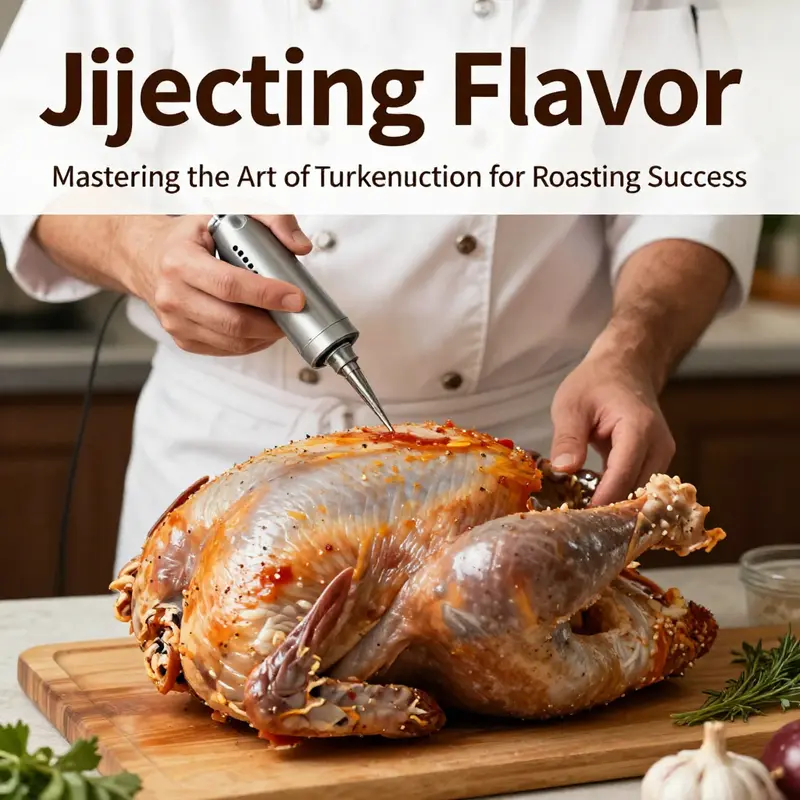
Choosing the right injector tool matters as much as the recipe. A sturdy syringe-style injector with a long, narrow needle designed for poultry allows you to push the liquid deep into the thickest parts. Make sure the device is clean and sanitized; fat particles or residue can clog the needle and derail the distribution. Keep a steady hand as you fill the compressor or plunger, because air pockets are the enemy of even penetration. A good rule is to aim for small, frequent injections rather than trying to flood a single spot. Move the needle in and out across several identical zones in each major muscle group. This technique reduces the risk of bursting tougher fibers or creating unsightly pockets. If you don’t own an dedicated injector, a large syringe can work in a pinch, but you’ll lose some precision and control. When in doubt, consult a dedicated guide on turkey preparation for practical pointers, such as the turkey injection recipe.
Injecting the bird properly begins with surface prep. Pat the turkey dry to help the marinade adhere and to prevent steam from forming on the outside. Then target highly developed areas where the meat remains thick and dense: the breast, the thighs, and the drumsticks, with light attention to the wings. Insert the needle at a shallow angle to avoid bones, and deliver about 1 ounce of liquid per pound of turkey, distributed over multiple sites. A common target is 12 to 16 ounces for a 12- to 16-pound bird. Pause between injections to feel the tissue swell slightly, and avoid overstuffing any single pocket. If the liquid pools under the skin, you can massage it gently toward the interior, but be careful not to tear delicate breast tissue. After you’ve finished, return the wrapped turkey to the refrigerator. Let the flavors migrate deeper during a restful period—4 hours at minimum, and overnight if time allows.
During that rest, the injection starts to work its magic in several ways. The salt lowers the freezing point of some surface moisture, driving water into the muscle and increasing its capacity to hold juice during cooking. The liquid carrier carries flavors inward, so the seeping of garlic and herbs becomes part of the meat rather than lingering only in the cavity or on the surface. The fat helps stabilize the interior moisture and contributes to a luscious mouthfeel that survives high heat. These effects become even more pronounced when you pair injection with a light brine or dry-brine, which further expands the moisture envelope and enhances seasoning depth. The rest also allows the tissues to rehydrate, reducing the risk of dry bird after you finish roasting or frying.
When it comes time to cook, the method matters but the injected poultry remains forgiving. Roasting introduces a steady heat that works well with an evenly seasoned interior, while deep-frying demands rapid interior cooking that can otherwise squeeze out juices. In both cases, the injection helps preserve moisture while guiding flavor toward interior muscle fibers that would otherwise only taste of the surface. Temperature control becomes essential: always finish with a meat thermometer and aim for the recommended internal temperatures. The breast should reach about 165°F (74°C) and the thigh around 180°F (82°C). If the outer layers look ready sooner, cover or shield the bird for part of the roasting to give the interior time to reach its target without scorching the exterior. A light glaze in the final minutes can add color and a contrasting sweetness, but don’t let it mask the injected flavors you’ve worked to distribute.
Understanding the science behind injection helps the cook trust the process. Salt interacts with proteins to tighten their grip on moisture, creating a barrier against the heat that would otherwise dry things out. The liquid carrier acts as a delivery system, pushing flavors into the fiber matrix where they matter most. Acids and fats gently break down some protein structures and improve tenderness, but they don’t melt the turkey into mush if used with restraint. For maximum juiciness, many chefs pair injections with brining or dry brining. This multi-pronged approach creates a layered moisture landscape: salt in the meat, flavorful liquid in the cells, and a restrained amount of sweetness that helps balance savoriness. The result is a turkey that roasts evenly, stays moist through long cooking, and yields meat with a consistent bite rather than sporadic, dry pockets.
Finally, bring science and senses together at the moment of doneness. Use a thermometer to confirm safe and succulent cooking. The breast should register about 165°F, while the thigh should approach 180°F. If the outer layers look ready sooner, you can tent the bird with foil to finish the interior gently. Resting is not a laziness step; it is a critical phase. A 15 to 20 minute pause after roasting or frying allows the juices to readjust, so you don’t cut into a steaming slice of meat only to see the juices spill out. Slice in a deliberate, orderly fashion, moving from the thickest sections to the thinnest, and expect a uniform tenderness that comes from consistent distribution of moisture and flavor. You’ve earned that evenness by taking the time to inject, rest, and monitor, rather than rushing to the table.
From a practical standpoint, the injection technique offers a quick route to dependable results without the complexity of multiple marinade steps. It’s especially valuable when you’re pressed for time yet want a turkey that tastes like you spent all day coaxing it to be perfect. The guidance above can be adapted to various roasting rhythms, whether you’re feeding a small crowd or a larger gathering. If you’d like a dedicated, step-by-step reference, consider this turkey injection recipe for a concise walkthrough that reinforces the core actions and timing. Remember, the quality of the stock, the balance of fats and acids, and the care you take when injecting all converge to determine the final juiciness.
As you refine the technique, you’ll notice how the injection becomes less a hack and more a habit—a reliable tool in your culinary repertoire. The practice builds confidence in handling a large bird and expands your options for flavor. You’ll learn to tailor the fat-to-liquid ratio to your palate, adjust for the bird’s size, and respond to the specific textures of different turkey breeds. When you’re ready to explore more advanced marinades, you can consult broader guides on high-performance injections and marinades. For additional guidance on high-performance marinades, this external resource offers practical perspectives and tested approaches to building deeper flavor without losing moisture over heat: https://www.southernbite.com/homemade-turkey-injection-marinade/.
Deep Flavor, Deep Juiciness: Mastering the Turkey Injection for Moisture and Flavor
Injecting flavor into a turkey is more than a shortcut; it is a precise technique that blends science with kitchen craft. When heat hits a bird, the surface can carry most of the browning and aroma, but the interior often remains thirsty and underseasoned. A well-executed injection acts like a deep infusion, delivering moisture and seasoning directly into the muscle fibers where the meat needs it most. The goal is not just a stronger taste but a more uniform tenderness from breast to thigh. This practice, when done with care, transforms a routine roast into a centerpiece with a measurable difference in juiciness and bite. The path to that result begins with understanding what goes into the injection and why each component matters, followed by disciplined technique that respects the bird’s anatomy as it carries heat toward doneness.
At the heart of a successful injection is a careful balance of elements that work together. The salt on the surface has long been known to alter protein structures, enabling meat to hold onto more moisture during cooking. When salt-infused liquid enters the muscle, it aids in hydrating the tissue from the inside, reducing the tendency of juices to squeeze out as the turkey warms. Acids, such as a touch of vinegar or citrus, can brighten flavors and subtly tenderize proteins, while sugars contribute to browning and a rounded sweetness that complements savory notes. A well-rounded base brings together a liquid carrier, a fat or fat-like component for richness, and a chorus of seasonings that penetrate beneath the skin and into the core. As one culinary educator puts it, “Injection isn’t just about flavor—it’s food science. You’re hydrating the protein at the cellular level while adding seasonings where they matter most: inside the meat.” This internal infusion ensures each bite carries moisture and depth, not merely a surface glaze.
A practical, high-performance injection starts with a thoughtful ingredient lineup. The best mixtures lean on five pillars: salt, a liquid base, an acid, a touch of sweetness, and aromatics. Salt is the backbone, not only for flavor but for its moisture-retaining effect. The liquid base—stock or a simple broth—serves as the carrier that transports the other flavors deep into the muscle. An acidic component helps lift brightness and offers a slight tenderizing nudge, while a small amount of sugar or honey counterbalances acidity and supports caramelization during roasting. Aromatics—garlic, onion powder, dried herbs like thyme or rosemary—along with optional accents such as a splash of wine or a dash of hot sauce, layer complexity without overwhelming the turkey’s natural savoriness. A classic homemade approach gathers these ideas into a smooth, pourable solution that cleanly exits a syringe and threads through the turkey with even distribution.
To ground these concepts in practice, a simple, reliable baseline is helpful. A standard injection might resemble a blend of chicken or turkey stock as the liquid base, a generous amount of melted butter or oil for richness, Worcestershire for a savory kick, a hint of sweetness, and a controlled dose of lemon for brightness. Garlic and onion powders, plus dried herbs, knit the mixture into a cohesive seasoning that won’t clump when injected. The objective is not to confect a marinade that simply coats the surface but to craft a liquid that travels through muscle and sustains juiciness as the turkey roasts. A referenced approach that many cooks find reliable uses: one cup of low-sodium broth, half a cup of melted butter or oil, two tablespoons Worcestershire, one tablespoon honey or maple syrup, one tablespoon lemon juice, one teaspoon dried herbs, one teaspoon garlic powder, one teaspoon onion powder, with salt and pepper to taste. This combination delivers moisture, flavor depth, and a balanced profile that remains flexible for personal tweaks.
Technique does the rest. Equip a quality needle-style injector; a precise instrument makes a measurable difference in how evenly you thread the flavors. Keep the turkey cold during injection, which helps the meat hold onto the liquid rather than pushing it back out with heat. Target the thickest areas—the breast, thighs, and legs—where dryness is most likely to show up, and inject in multiple small bursts rather than a single heavy pour. A practical guideline many cooks follow is about 1 ounce of injection per pound of turkey, distributed in small increments across the major muscle groups. After injecting, give the turkey a quiet rest in the refrigerator for at least four hours, ideally overnight. That resting period lets the proteins reabsorb the moisture and setting flavors, turning the inside of the bird into a seasoned, hydrated core that roasts more uniformly.
Those steps do more than build flavor; they influence texture. Because the injected liquid permeates the interior, the meat conducts heat more evenly. This reduces the risk of overcooking the exterior while the center remains underdone. The resulting slices carry a consistent bite, with moisture retained in the longest-serving portions. The rest period also helps the internal liquid settle, creating a buffer against rapid moisture loss once hot air meets the roast. To maintain a careful balance, many cooks treat injection as a component of a larger strategy that also includes judicious seasoning on the surface and, if desired, a light wet brine. When combined thoughtfully, injection and brining can yield a turkey that is juicy from edge to edge, with flavors that feel cohesive from first bite to last.
Incorporating a tested reference into your process can reinforce confidence. For readers who want a concrete, tested version, a well-regarded recipe exists in the broader culinary community that mirrors these principles and emphasizes a smooth injection with clear steps and flavor balance. For a deeper dive and a tested formulation you can adapt, consider exploring the detailed method described in a dedicated turkey injection recipe. The guide explains how to scale the mixture for different bird sizes, how to adjust salt versus sweetness for personal taste, and how to time the injection within a broader roasting plan. This resource is a practical companion to the core method described here and can help you tune the approach to your preferred flavor profile.
The integration of injection with broader techniques opens further opportunities. Many cooks find additional value in pairing the injection with a light wet brine, which amplifies juiciness while the injection distributes interior flavors more evenly. The combination enhances moisture retention through osmosis and protein denaturation, helping the bird stay succulently juicy even as the oven’s heat carves into the breast. However, there is a caveat: both methods rely on a sensible salt balance. Overdoing the salt, especially when combining brining with injection, can yield a seasoned exterior with a drier interior overall. The key is moderation, tasting, and adjusting the approach to the size of the turkey and the salt content of any stock or base you use.
Beyond the kitchen, a final layer of consideration links to safety and best practices. As you plan and execute your injection, keep the turkey properly chilled until it’s ready to roast, and ensure that any prepared mixture is kept refrigerated and used within a safe time window. When in doubt, err on the side of shorter derivations and clearer, well-noted measurements. Following these guidelines helps you achieve a dependable, repeatable result, turning a holiday centerpiece into a confident, celebratory dish. For readers seeking a concise, tested version to reference directly while cooking, the recipe linked earlier provides a practical template you can adapt to your palate and pantry. If you’d like to explore more background on safety, handling, and preparation per federal guidance, consult the U.S. Department of Agriculture’s food safety resources, which cover best practices for home preparation and roasting timelines.
For more practical detail and a tested version, you can refer to the turkey injection recipe offered by a dedicated culinary blog, which presents the method in a step-by-step format that aligns with the principles described here. The approach emphasizes consistent distribution of liquid, careful rest, and a balance of salty, acidic, and sweet components to achieve a richly flavored, moist roast. As you prepare, remember that the injection is the backbone of interior moisture and flavor. The texture and juiciness you achieve will reflect both your ingredient choices and your technique, letting your finished bird deliver a memorable, satisfying bite across every slice.
Internal link reference: turkey injection recipe
External resource: For safety considerations and handling guidance, consult the USDA’s safe food handling and preparation guide at https://www.fsis.usda.gov/food-safety/safe-food-handling-and-preparation-for-you.
Final thoughts
In summary, mastering turkey injection techniques can significantly impact the quality of your culinary offerings. By understanding the essential ingredients, following step-by-step instructions, and applying best practices for moisture and flavor retention, you can elevate the dining experience for your customers. A well-injected turkey not only ensures satisfaction but also enhances your reputation as a skilled purveyor of quality food. Embrace these techniques in your next culinary endeavor to showcase the flavorful potential of turkey this holiday season.