
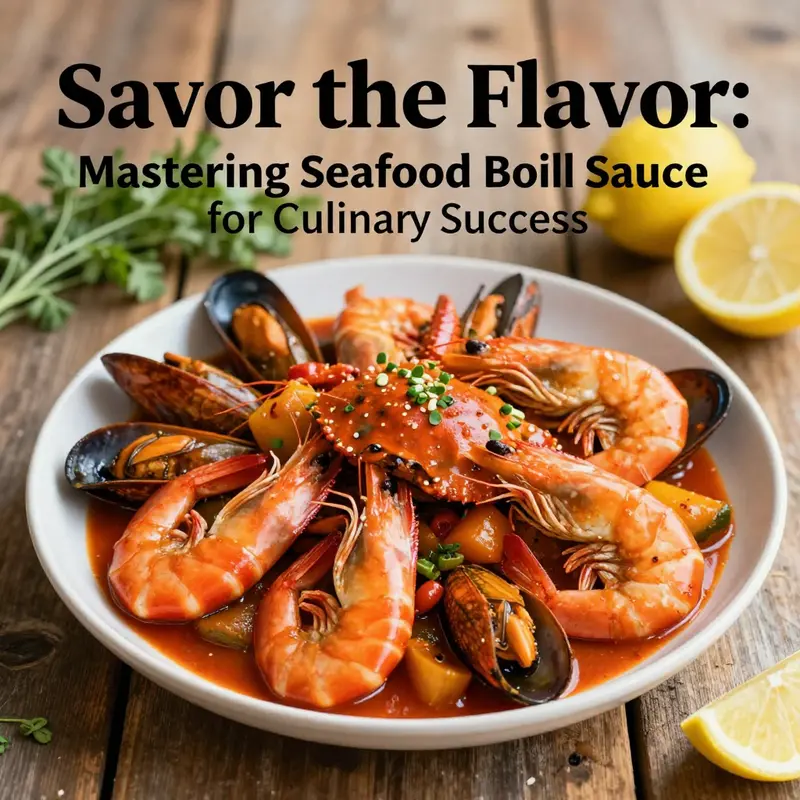
Seafood boil sauce, a vibrant cornerstone of Cajun cuisine, encapsulates bold flavors and rich traditions. As business owners in the food industry explore new avenues to entice customers, understanding the components, preparation methods, and cultural significance of this sauce becomes essential. Chapter One delves into the core ingredients that make seafood boil sauce a culinary delight, while Chapter Two outlines the meticulous preparation techniques that ensure optimal flavor. Finally, Chapter Three will reveal the cultural relevance of this beloved sauce, connecting your culinary offerings to the rich heritage of Cajun cooking. Dive in to discover how embracing seafood boil sauce can enhance your business’s seafood offerings.
The Alchemy of Seafood Boil Sauce: Crafting a Layered, Heat-Driven Flavor Base
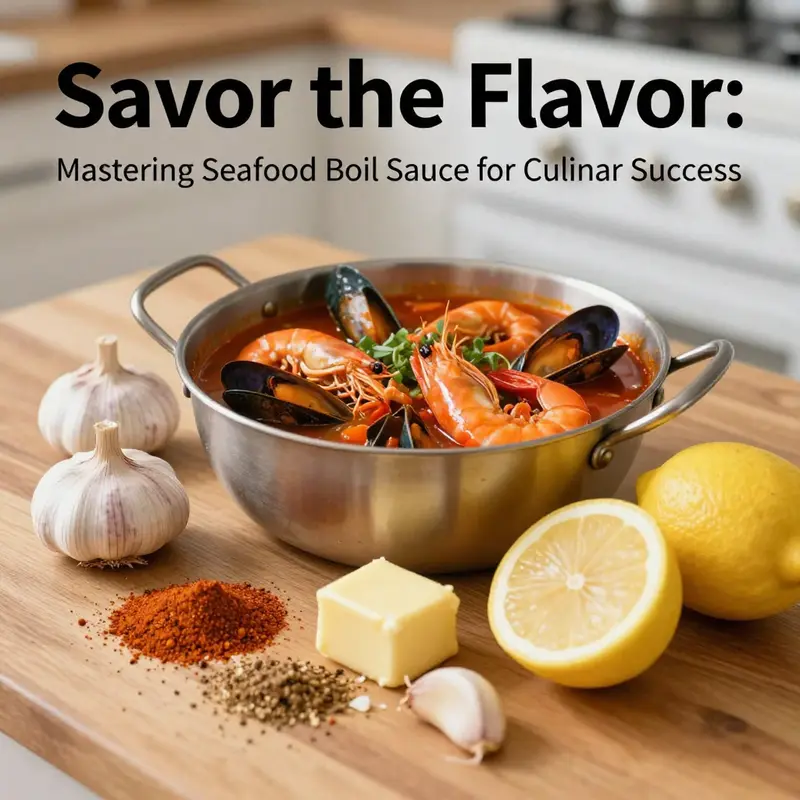
The heart of a true seafood boil lies not just in the seafood itself, but in the seasoning that bathes it. What some cooks call a sauce is better described as a seasoning blend and cooking broth that together orchestrate a symphony of flavors. This blend is designed to radiate warmth, aroma, and seafood sweetness in equal measure, so every shrimp, crab, or mussel no matter how simply prepared can carry the full personality of the pot. The sauce acts on two planes at once: it seasons the cooking liquid so the flavors penetrate the ingredients through immersion and steam, and it builds a fragrant foundation that carries through to the finished platter. In this sense, the components are less like a garnish and more like the structure of the dish itself, a backbone that sustains aroma, moisture, and balance from first simmer to final bite.
At the core, salt functions as a magnet for flavor. It doesn’t simply season; it unlocks the latent sweetness of shellfish and vegetables, heightening the natural sugars that otherwise recede in a crowded boil. Alongside salt, a cadre of spices forms a backbone that is earthy, warm, and subtly pungent. Mustard seed and coriander introduce a heartbeat of warmth and a citrus brightness that keeps the profile from feeling too heavy. Allspice adds a gentle, slightly sweet intensity that echoes the openness of Cajun-inspired heat, while celery seed contributes a faint green, herbal note that reads almost like a whisper in a crowded pot. This trio—earthy, warm, and herbaceous—gives the blend its essential depth, a quiet foundation that allows brighter aromatics to rise.
Heat in seafood boil isn’t a single, blunt punch; it’s a measured flame that travels through the entire pot. Chili flakes or cayenne pepper deliver that adjustable kick, offering a spectrum from a gentle warmth to a bold, lingering heat. The exact degree of fire typically hinges on the cook’s tolerance and the company at the table, but the philosophy remains constant: heat should wake, not overwhelm. Garlic and onion are indispensable here, not merely as aromatics but as savory powerhouses that contribute backbone and savor. Their sugars caramelize subtly in the simmer, massaging other flavors into a cohesive whole. Bay leaves contribute an ethereal, herbal perfume that circulates through the steam, a scent that lingers in the kitchen long after the last bite. Black pepper and paprika are often employed to deepen the color and add a finishing edge of pungent warmth, ensuring the boil feels both bright and substantial rather than flat.
The method of extraction matters as much as the ingredients themselves. These dry spices are not simply sprinkled over the top; they are introduced into a rolling, boiling liquid where their volatile compounds dissolve and migrate with the water’s movement. The steam and immersion carry those notes to every piece of seafood and every vegetable in the pot, ensuring that the shellfish absorb more than salt and heat. This approach also means the cooking liquid is a living entity, changing as it waters and mingles with the foods it embraces. It is why a well-made boil can taste different from batch to batch, even when the same ingredients are used, as the balance shifts with the sea’s generosity and the cook’s adjustments.
Beyond the dry mix, many cooks arrive at a second layer of flavor through a sauce element that accompanies or finishes the dish. A garlic butter emulsion poured over the boil at the end creates a luscious counterpoint to the briny, spiced broth. The butter carries garlic’s sweetness and fat with it, rounding sharp edges and curling the steam into a silken glaze. Some kitchens also experiment with a separate seafood sauce, a concentrate built from fermented or aged ingredients that adds a savory-sweet umami punch. It is typically used post-boil, serving as a dip or a finishing drizzle rather than a shared cooking liquid. These additions—whether a smooth emulsion or a richer sauce—are not about hiding the shellfish’s essence but about binding it more snugly to the plate, offering a comforting mouthfeel that lingers after the bite.
To appreciate how these components work together, consider balance as a craft as much as a recipe. The most successful seafood boil seasoning marries salt, heat, herbs, and aromatics so that no single element dominates. A high-quality water base is essential, but the flavor comes from the attention paid to the blend’s ratios and the timing of its addition. The choice of protein and vegetables also matters: corn, potatoes, and sausages offer starch and sweetness that interact with the sauce’s salt and heat, while delicate shellfish ask for restraint so their sweetness remains intact. In a well-balanced boil, the salt level does not simply season; it harmonizes, and the heat does not scorch; it carriers the bouquet of herbs and aromatics to every bite. Even when cooks improvise with regional twists, the core aim remains the same: to elevate the seafood’s natural flavors rather than masking them with a louder, singular seasoning.
The landscape of seafood boil styles reinforces how variable a single concept can be. A Cajun approach might emphasize a robust spice profile with a lean toward peppery warmth, while a Lowcountry variation could lean into a brighter brightness from citrus and a lighter hand with heat, and a New England interpretation may lean on butter-forward depth and a mellower but still present spice. Across these regional threads, the operating principle stays constant: the seasoning is an active participant that travels with the food. This is why many cooks insist on crafting their own blend rather than reaching for a pre-mixed bag. The bespoke mix can be tuned to the distance between the sea’s saltiness and the land’s herbaceous notes, a balance that becomes personal and memorable rather than generic.
For anyone looking to start from a practical, home-cook point of view, a straightforward starting point is to view the blend as a living broth. A reliable base—salt, a small cluster of seeds and warm spices, plus a garlic-onion duo—lets you gradually introduce heat and depth. As you taste, you adjust by degrees, not by dramatic leaps, ensuring the final boil matches your palate and the seafood you’ve chosen. If you wish to see a concrete formulation that you can adapt, consider exploring a dedicated home-made seafood boil seasoning guide, which can serve as a reference point for building your own signature blend. seafood boil sauce recipe. This approach keeps the focus on balance and brightness, inviting experimentation while preserving the integrity of the seafood.
Ultimately, the success of a seafood boil lies in the harmony of its components and the confidence with which a cook can balance them. It is a culinary dialogue between salt, heat, and aromatics, a conversation that travels from the pot to the plate. The method rewards patience and tasting, allowing a cook to measure aroma against the sea’s sweetness and determine when the sauce has become more than a backdrop. The result is a shared experience where the intensity of Cajun warmth, the perfume of herbs, and the tenderness of shellfish converge into a single, memorable meal. This is the alchemy of seafood boil sauce: a carefully tuned ensemble that makes every boil feel like a small celebration of sea, land, and flame.
External reference: https://www.allrecipes.com/recipe/250786/cajun-seafood-boil-with-garlic-butter-sauce/
Brewing Flavor: The Preparation of Seafood Boil Sauce for a Cajun-Seafood Spectacle
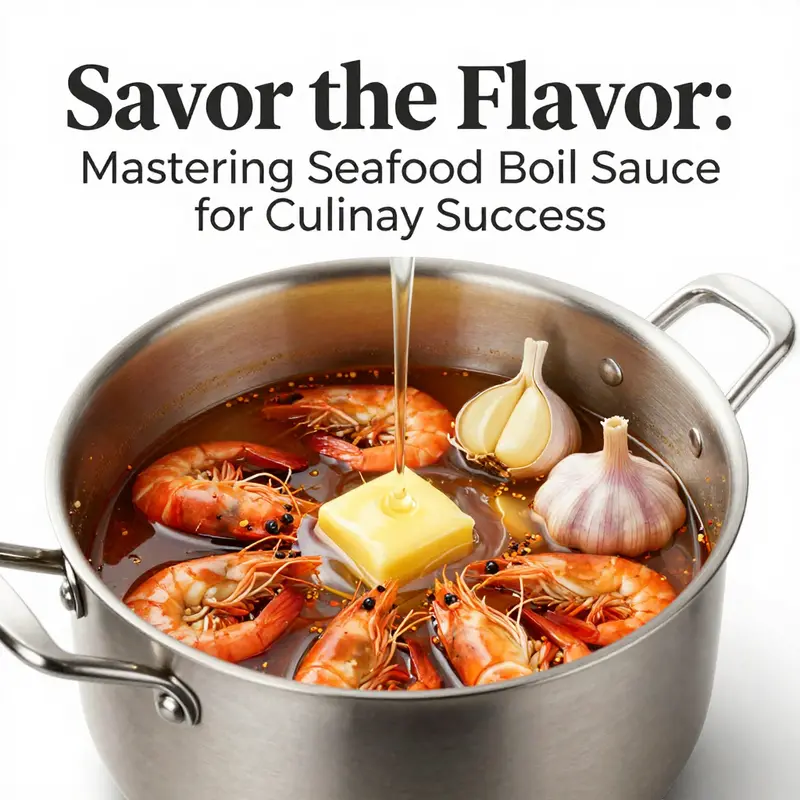
In a kitchen that smells of citrus and the distant promise of a bayou breeze, seafood boil sauce is not merely a condiment but a ritual where butter, spice, and ocean meet. The preparation methods vary, yet they share a single aim: to craft a base that can cradle the natural sweetness of shellfish without smothering it. The ritual begins with a foundation—fat, heat, salt, and brightness—that invites the sea to speak. The components read like a Cajun pantry map: garlic as a bold opening, butter or a neutral oil as a satin coating, a robust seafood-spice blend, a squeeze of lemon, a splash of hot sauce, and a touch of sweetness to soften the edge. Each kitchen brings its own cadence, but the destination remains constant—a sauce that captures the moment when seafood meets fire and citrus, then sighs with satisfaction.
The core idea is to build an environment of flavor rather than chase a single, isolated note. Garlic paste or minced garlic released into warm fat forms the aroma spine. The fat serves as the vehicle that carries spice and citrus to every morsel. A seafood-spice blend provides heat and depth, while additional aromatic accents—crushed red pepper flakes or a splash of hot sauce, a pinch of onion powder, a dash of black pepper—bestow a multi-layered, architecture-like complexity that Cajun cooks prize. Lemon juice acts as the bright trumpet that cuts through richness, and a hint of sugar helps balance the heat, coaxing a gentle sweetness from the plate. Some cooks introduce a bit of seafood stock or a light beer to intensify the oceanic echo, especially when the boil doubles as a serving broth. The goal is a glossy, aromatic base that becomes the stage for the sea’s grandeur.
In the classic American Cajun approach, the path begins with a pot of boiling water that becomes the cooking arena for the seafood. This broth is seldom mere water; it wears a robe of spice, pepper flakes, and citrus, with whole onions and lemon wedges soaking in the steam. The seafood is added to the boil so it cooks quickly, preserving snap and sweetness. There is a parallel, intimate act—the sauce. Butter melts in a pan, and minced garlic flickers in the hot fat, releasing a fragrance that feels both rustic and refined. Then lemon juice, a second infusion of spice, perhaps a dusting of smoked paprika and a whisper of chopped parsley. The mixture simmers gently, five to ten minutes, until the flavors meld into a savory, garlicky, and slightly spicy glaze. When the seafood is lifted from the boil, it is often tossed in this sauce or coated with a generous ladle, ensuring every shrimp or claw glistens with gloss and perfume. It is not merely dipping; it is inviting the entire dish to an aroma concert, where heat, fat, and citrus compose the mood.
Yet technique is rarely monochrome. Some cooks favor a simpler, direct toss—the direct addition approach. After the seafood is removed from the pot, it lands in a serving vessel that invites fast, thorough coating. A generous river of melted butter pours over the top, followed by minced garlic, lemon, and a modest dusting of seasonings. The seafood is then tossed vigorously, so every piece carries the fragrant glaze. This method thrives in crowded gatherings where timing matters and where the scent itself becomes part of the spectacle. The approach is not about faint complexity but about immediate, satisfying cohesion—each bite rich with garlic, citrus, and sea.
A third path is the braised or simmered finish, less common but worth knowing. Here, cooks merge the flavors back into the pot after cooking the seafood, giving the sauce time to mingle and deepen. This requires careful attention to prevent overcooking the seafood and can involve a light thickening with a touch of flour or cornstarch. The result is a silkier coat that clings to each piece, intensifying the sauce’s bite while sometimes elevating the sauce’s own footprint in the dish. While some kitchens experiment with this approach to create a more all-encompassing finish, the strongest tradition favors a sauce that tastes of garlic, butter, citrus, and spice, then lets the seafood’s own character shine through.
Regional tastes widen the map beyond a single coastal corridor. Chinese-inspired riffs may weave soy, ginger, and scallions into a glossy glaze that leans umami and savory-sweet. Thai variations bring fish sauce, lime, palm sugar, chilies, and coriander into a tangy, bright heat. These explorations illustrate how a single culinary idea—a sauce that binds butter and spice to seafood—can travel and transform, producing echoes across cuisines. The enduring truth, however, is that authenticity still centers on the Cajun garlic-butter version. A two-step rhythm guides the work: first, a robust broth for cooking the seafood; second, a separate, aromatic sauce that coats and completes the dish. The goal remains an edible manifesto: butter’s silk, garlic’s bite, citrus’s lift, and spice’s memory of heat, all converging to make seafood sing.
The sauce’s success depends on balance. Butter carries fat; citrus carries brightness. Heat brings energy; sugar offers a counterpoint of softness. Garlic provides depth but must not burn. Mastery comes from watching the pan as if it were a living thing: the garlic should hiss gently, not color aggressively, awakening in the butter rather than frying under a searing flame. When finishing, a careful hand with lemon brightens without souring, and a measured dash of hot sauce or crushed pepper keeps the edge lively without swallowing the other notes. Many cooks learn to taste as they go, adjusting with more butter to mellow, more lemon to sharpen, more sugar to smooth, and more spice to remind the palate of the boil’s heat. The discipline is practical as much as it is poetic: a sauce should feel like a natural extension of the seafood it accompanies, not an exiled flavor fighting for attention.
For home cooks and professionals alike, there is a practical thread that runs through the best methods. A consolidated version of the process can be found at the Seafood boil sauce recipe, which compiles essential steps and ratios into a coherent workflow. This resource helps tie the lore of Cajun technique to the modern kitchen, balancing tradition with adaptability. In the end, the sauce’s power is in its ability to transform a potful of seafood into a unified, singing plate. The butter’s silk and garlic’s bite become a single voice, citrus provides brightness, and spice offers a lingering warmth that invites the next bite. The dish is about presence—about how a few simple elements, treated with care, can become more than the sum of their parts, delivering a feast that feels both rooted in a regional heritage and alive with contemporary appetite.
To connect readers with a practical blueprint, you can explore a dedicated seafood boil sauce recipe that integrates garlic, butter, and spice into a finish that clings to every piece. For readers who want to see how the theory translates into a tested method, this consolidated guide helps bridge tradition and technique while maintaining the soul of the boil. The result is a sauce that remains faithful to its Cajun roots yet flexible enough to suit varying palates and occasions. External reference: https://www.allrecipes.com/recipe/250786/cajun-seafood-boil-with-garlic-butter-sauce/
Boiling the Soul: How Seafood Boil Sauce Immortalizes Cajun Hospitality and a Shared Gulf Heritage
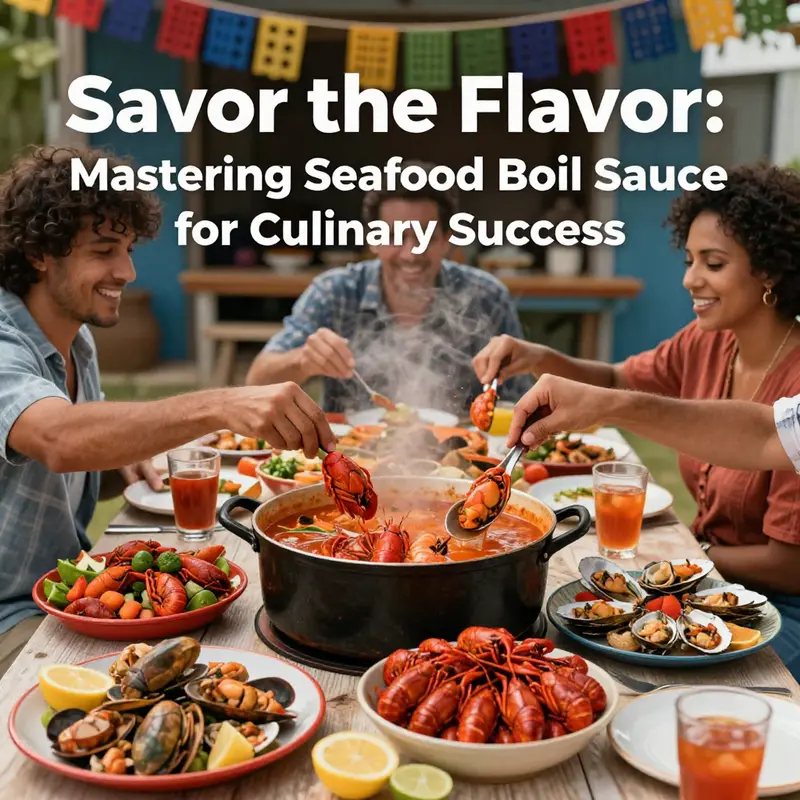
The Gulf Coast of Louisiana is a coastline of stories as much as it is a coastline of water. In the heat of summer and in the hush of long autumn evenings, the air can carry a chorus of chants in multiple languages, all converging on the same table. The Seafood Boil Sauce—the bold, garlic-laden, butter-rich seasoning that soaks into the boiling water and, more important, into the hearts of those gathered—functions as a culinary heirloom. It is a ritual as much as a recipe, a practice that binds family lines, neighborhood crews, and distant friends into a single, celebratory moment. To understand its cultural significance is to follow a thread that unites land, water, labor, and memory into a single, fiery thread of flavor.
Origin stories for Cajun cuisine place its roots in the accretion of people who settled along the bayous and swamps, trading knowledge as freely as they traded stories. A seafood boil is more than a meal; it is a social contract. When a pot comes to a rolling boil, it is a signal that a gathering is about to begin—the moment when neighbors leave their yards and porches to join a table where the only dress code is appetite and the willingness to share. The sauce that flavors this act, with its garlic aroma and peppery bite, is the aromatic map of that cultural geography. It carries the heat of the community’s history—French and Spanish influences mingling with African and Native American culinary practices, each adding a layer, each insisting on a presence at the table. The result is a sauce that refuses to be simple. It is designed to permeate not only the seafood but also the air itself, to claim space in memory and in belonging.
The core components of the sauce are straightforward—garlic mashed to release a mellow, almost candy-like sweetness; a base of melted butter or a light oil to carry fat and flavor; a Cajun-spice blend that might feature cayenne, paprika, oregano, thyme, and onion powder; a bright squeeze of lemon for balance; and a hint of acidity and heat from hot sauce or pepper oil. Yet the way these ingredients are coaxed into existence matters more than their mere presence. The garlic is not just crushed; it is gently heated to awaken its sweetness before it meets the fat and spice. The spices are not dumped in as if they were color; they are toasted in the fat to bloom, releasing essential oils that perfume the entire boil. The result is a sauce that does not merely season; it broadcasts. It travels up the nostrils, over the tongue, and into the conversation, making the act of eating a shared performance rather than a private experience.
In the social choreography of a boil, the sauce acts as conductor. The crew tends the pot with practiced rhythm: dropping corn and potatoes, coaxing seafood into the simmer, tasting, adjusting, and listening for the moment when the flavors align with the heat and the sea’s natural sweetness. The sauce’s redness—bright and unapologetic—becomes a visual cue of hospitality. It signals warmth, energy, and welcome. The table is often a long, communal spread where everyone sits elbow-to-elbow, shells and husks serving as a map of the feast’s progress. Conversation flows as freely as the steam, and the sense of time slows around the meal. The boil becomes a living ritual that invites people to pause their separate lives and partake in something larger than themselves—a reminder that nourishment can be both sustenance and belonging.
Over generations, the seafood boil sauce has absorbed a pan-cultural sensibility that mirrors the region’s own history. French techniques introduce refined sauces and careful layering; African and Caribbean influences infuse the mix with bold heat and robust aromatics; Native American practices contribute an intuitive respect for seasonal harvests and communal cooking. Each influence does not erase the others; it deepens them. A boil might feature a crawfish-centric rhythm during certain seasons, or it might expand to include shrimp, crab, clams, or lobster as availability and appetite dictate. Corn on the cob and potatoes become more than side dishes; they are integral players that absorb the sauce’s spirit, delivering the same mouthfuls of heat and sweetness that define the main seafood. In this sense, the sauce stands as a living archive: a record of the people who cooked it, the seasons that framed their gatherings, and the improvisations that kept the tradition alive when circumstances changed.
The cultural significance extends beyond the family kitchen into the wider public sphere. Cajun communities have long used festivals, fundraisers, and neighborhood cookouts as platforms for memory-making and mutual aid, with seafood boils serving as focal points. The sauce is thus a symbol of resilience and hospitality, a culinary handshake that says, in effect, you are welcome to share this moment with us. It has served as a bridge between generations, enabling grandparents to pass down precise flavor notes to children who will one day teach their own peers. And it has functioned as a civic instrument, gathering people for celebrations that reinforce a sense of place within a region that often carries the weight of weather, migration, and economic shifts. The color, the heat, and the aroma become a kind of cultural weather report—an indication of an enduring identity that survives outside of formal institutions and formal cuisine alike.
In contemporary kitchens, cooks honor this lineage even as they push the boundaries of tradition. The recipe becomes a canvas on which both memory and innovation can be expressed. The garlic shows up in generous quantities, the butter or oil remains central for texture, and the spice mix continues to provide its signature kick. Yet conversations around the boil often explore new seafood assortments, alternative oils for lighter or dairy-free versions, and even regional substitutions that respect the same principle: the sauce should bind disparate flavors into a cohesive, compelling whole. The social dimension—shared heat, shared plates, shared stories—persists as the non-negotiable centerpiece. In this way, the seafood boil sauce continues to evolve, not by diluting its essence but by inviting more voices to contribute to its chorus. It remains both a nod to history and a welcome invitation to future gatherings, a culinary tradition that travels easily from rural bayous to urban kitchens without losing its soul.
For cooks who want to explore the practical dimension while keeping the cultural thread intact, a dedicated guide can be a helpful companion. It offers ratios, timing cues, and techniques for balancing garlic, fat, and spice so that the infusion remains potent yet harmonious. If you’re curious about the exact formulation and step-by-step execution, you can explore a comprehensive reference that translates this philosophy into a kitchen-tested method: Seafood Boil Sauce Recipe.
As with any living tradition, the most convincing testament to the cultural significance of seafood boil sauce is not merely in what the pot contains but in how it changes the people who share it. It is a ritual that marks time and place, a sensory cue that conjures the coast’s tides, the labor of hands that harvest seafood, and the generosity that makes a feast out of a harvest. It binds strangers into neighbors and neighbors into a community with a shared memory. In this way, the sauce functions as a cultural compass: a spicy, buttery, garlic-forward guide that points toward hospitality, resilience, and a continuous sense of belonging along the Gulf’s storied shores. For those seeking a broader lens on how this tradition has traveled and persisted, the NPR piece on the Cajun seafood boil offers a thoughtful portrait of community, flavor, and continuity that rounds out the living history of this culinary rite: https://www.npr.org/2026/03/05/npr-1008479827/the-cajun-seafood-boil-a-tradition-of-community-and-flavor
Final thoughts
Exploring the depths of seafood boil sauce reveals not only its tantalizing flavors but also its roots in Cajun culture. In understanding the components, preparation techniques, and cultural significance, business owners can create offerings that resonate with customers’ tastes and embrace a unique culinary identity. By integrating seafood boil sauce into your menu, you not only elevate your dishes but also honor the vibrant heritage of Cajun cooking, potentially attracting a broader customer base eager for authentic and flavorful seafood experiences.