
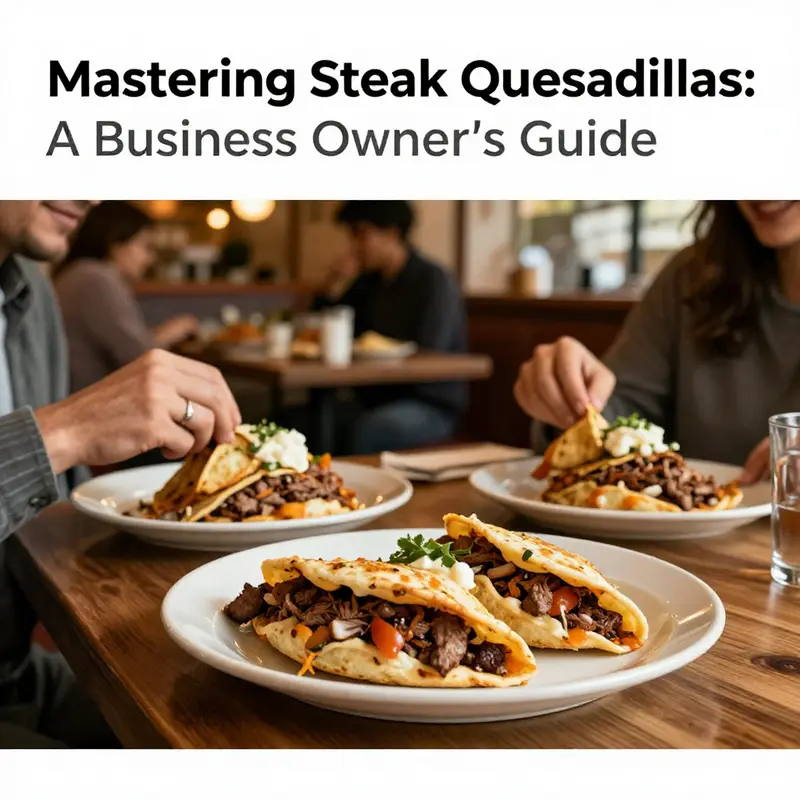
Steak quesadillas are more than just a meal; they can be a mouthwatering centerpiece that enhances any menu. As a business owner, staying ahead in the culinary industry means offering dishes that are not only flavorful but also efficient to prepare. This guide explores the essential ingredients, a step-by-step cooking process, and best practices to ensure that your steak quesadillas stand out. By understanding these elements, you can elevate your offerings and satisfy your customer base.
Flavor Foundations: The Essential Ingredients Behind Perfect Steak Quesadillas
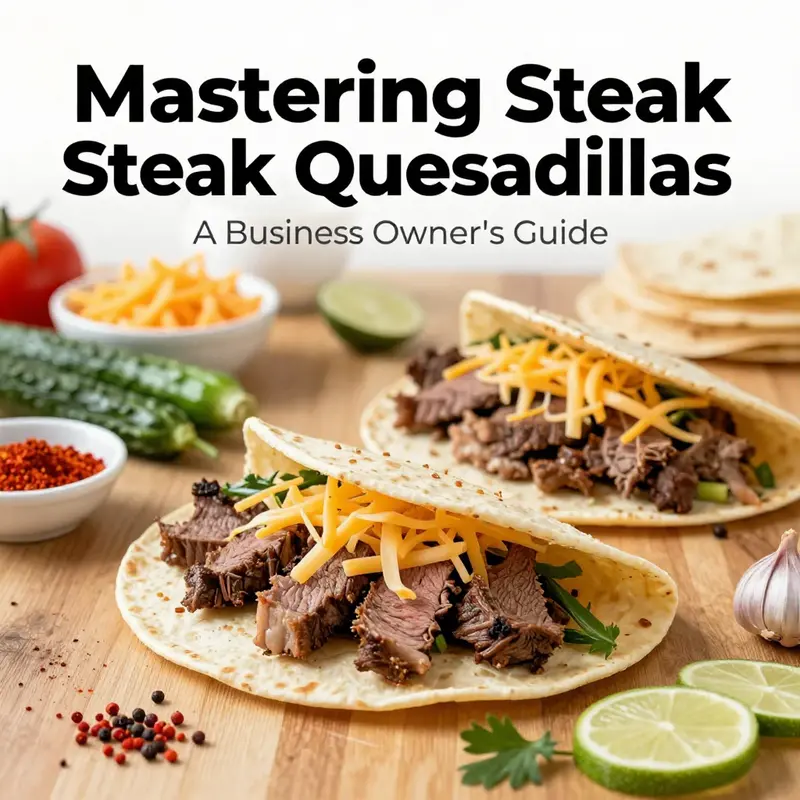
Flavor foundations begin with the right ingredients. The steak sets the tone: flank, skirt, or sirloin are ideal for quick cooking and punchy flavor. If starting from raw, a simple marinade helps tenderness and taste. A practical blend—cumin, chili powder, garlic powder, smoked paprika, salt, and oregano, with a touch of sugar—creates a savory crust that forms as the meat sears. If time is tight, leftovers are perfectly adequate; you can skip marinating and still achieve a deeply flavored filling by reheating and tossing with the spices.
Tortillas are more than wrappers; they shape texture in every bite. Flour tortillas yield a soft, pliable bite that crisps beautifully, while corn tortillas offer a touch more snap and sweetness. Gently warming each tortilla before assembly keeps it pliable and less prone to tearing. The goal is a tortilla that can stand up to a sizzling fill and a confident flip.
Cheese is the glue that makes quesadillas sing, lending melt and cohesion. A reliable pairing is sharp cheddar for bite and Monterey Jack for creamy melt, with the option to add Oaxaca or Queso Fresco for extra tang. The cheese-to-tortilla ratio matters: too little leaves the center dry; too much can overwhelm the flip. You want a gooey core that stays in place as you slice, surrounded by a crisp edge.
Spices and seasonings do the heavy lifting, especially since there is no extra sauce to carry flavor. A straightforward base of salt, pepper, garlic powder, and cumin works, but bold, globally inspired blends can lift the dish. Think warmth from cumin and smoked paprika, brightness from garlic and coriander, and a hint of heat from chili. The spice layer should kiss the meat without masking it. For raw steak, a 30-minute to two-hour rest with the blend helps build depth; for reheated leftovers, a quick tumble in the pan with the spices wakes up aroma and flavor.
Optional add-ins can elevate the plate: diced onions and bell peppers bring sweetness and crunch; sliced jalapeños add heat; a scatter of fresh cilantro can brighten the finish. Use extras sparingly to preserve the beef-forward character. When assembling, don’t overload. Layer cheese first, followed by steak and vegetables, then a light cheese finish before sealing with the second tortilla. This arrangement promotes even melt and easy turning on the pan.
Cooking should feel deliberate, not rushed. Start with medium to medium-low heat, letting the bottom tortilla crisp and the cheese melt before flipping. A gentle press helps the filling settle and the cheese fuse with the tortilla. If you’ve treated the fillings carefully, you’ll hear a satisfying sizzle and see a golden crust forming. Once the second side browns, remove from heat and let the quesadilla rest for a minute. Slice into wedges and serve hot with pico de gallo, guacamole or avocado, crema, and a crisp radish or red onion for contrast. For a tested, step-by-step version that codifies these ideas, see steak quesadillas recipe.
A final note ties these choices back to the broader goal: you’re building layers of flavor that stand up to high heat and quick assembly. The balance among steak cut, tortilla texture, meltable cheese, and a well-considered spice profile is what makes a simple skillet meal feel polished and special. When you approach the pan with a clear sense of how each component behaves, you can improvise with confidence, swapping in a different cheese or a bolder spice mix while staying true to the core idea of a satisfying steak quesadilla.
External reference for searing technique: https://www.seriouseats.com/how-to-sear-steak
From Sear to Sizzle: A Seamless Step-by-Step Journey to Perfect Steak Quesadillas
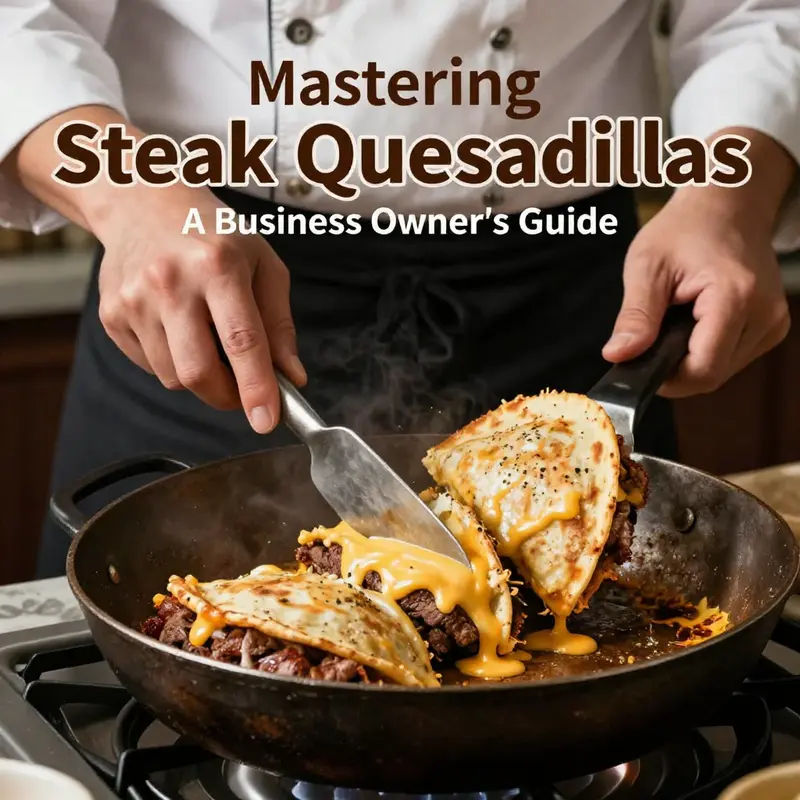
The kitchen fills with the promise of a warm, melty supper as the pan meets the first slice of steak and a tortilla whispers against the hot surface. The beauty of steak quesadillas lies in the way simple ingredients transform through technique into something richly satisfying. It starts with the steak, and the choice of cut matters more than it might seem at first glance. Skirt or flank brings a bold, beefy backbone, but even pre-cooked steak sold as leftovers can shine when treated with respect. If you’re starting from raw, a short, purposeful marinate can lift flavor and tenderness without masking the beef’s natural character. A lime-and-spice blend—lime juice, olive oil, cumin, chili powder, garlic powder, salt, and a touch of pepper—delivers a bright, savory kiss that won’t disappear beneath the cheese once it hits the skillet. Let the meat mingle with those flavors for at least thirty minutes and up to four hours if the schedule allows. When the moment to cook arrives, pat the steak dry and sear it in a hot skillet until the edges caramelize and the interior achieves the desired doneness. A brief rest afterward lets juices retreat into the meat rather than spilling onto the cutting board, after which you slice it into thin strips or neat little cubes. The goal is bite-sized pieces that heat evenly and mingle with the cheese without crowding the tortilla’s interior. The stage is set for the stars—tortillas and cheese—to come together with the steak in a balanced, cohesive bite. Warm the tortillas briefly to make them pliable; this prevents tearing and makes the assembly feel effortless. A dry skillet on medium heat works well, with a quick flip in the middle to familiarize each side with heat. For assembly, lay one tortilla in the pan, scatter a generous layer of cheese across half of its surface, and add the seasoned steak in a single, even layer. If you like, this is the moment for optional onions, peppers, or a hint of jalapeño, but the core should remain cheese and meat for that quintessential melt. Top with more cheese, then crown with a second tortilla, pressing gently to compact. The rule of thumb here is simple: filling light enough to fold and flip without spilling, but hearty enough to deliver flavor in every bite. The culinary magic happens once the quesadilla hits the heat again. Cook on medium-low, allowing the bottom to form a golden, crisp crust in roughly 3 to 4 minutes. A careful flip, aided by a wide spatula, reveals a second bronzed side that develops its own crisp edge. Pressing down with the spatula during cooking helps the cheese melt evenly and the tortilla crisp without burning. If the pan runs a little dry or you’re chasing a speedier melt, cover for the last minute or two. Trapping heat beneath the lid concentrates the cheese’s ooze and guides it toward a fully molten center. When the second side is perfectly bronzed and the cheese is molten through, transfer to a cutting board and let the stack rest briefly. Resting for a minute keeps the cheese from oozing too aggressively when you slice, and it makes serving feel almost ceremonial. Slice the quesadilla into triangles like a pizza, so each wedge carries an even distribution of cheese and steak. Serve immediately with pico de gallo, slices of avocado or guacamole, a dollop of crema or sour cream, and perhaps a few radish rounds for brightness. The balance of flavors—savory beef, creamy cheese, and crisp tortilla—depends on a measured cheese to tortilla ratio. Too little filling makes the bite feel insubstantial; too much risks tearing and uneven melting. The spice blend plays its part by kissing the meat long before it encounters the cheese, so the flavors remain distinct yet united as heat and fat work their magic. For a quick reference or a different variation, you can explore the broader steak quesadillas recipe from the same kitchen notes. steak-quesadillas-recipe. If you’re curious about a wider range of techniques, a respected external guide offers a complementary perspective on quesadilla technique and timing: https://www.seriouseats.com/how-to-make-quesadillas. In the end, the simplest ingredients, treated with thoughtful timing and temperature, deliver a dinner that feels both comforting and specially crafted. The crackle of the crust, the melt of the cheese, and the bold, savory meat come together in a single, satisfying moment that proves how a well-made quesadilla can elevate a weeknight into something memorable.
From Sear to Slice: The Integrated Craft of Perfect Steak Quesadillas
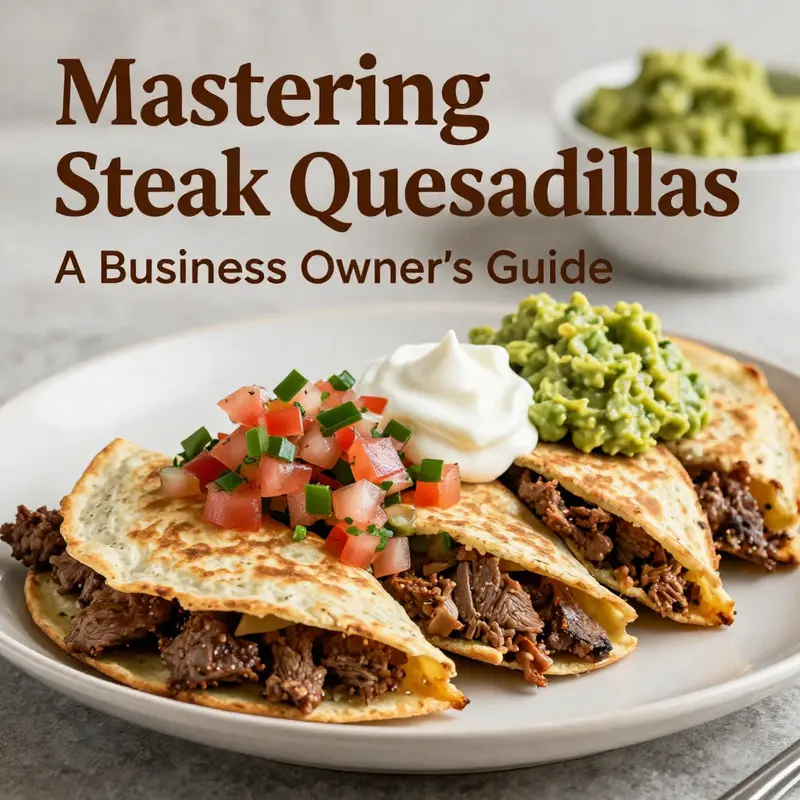
Mastering steak quesadillas is less about chasing a single trick and more about orchestrating heat, texture, and flavor in harmony. A great quesadilla starts with good ingredients and a plan for how they meet the hot pan, melt together, and crisp the tortilla at just the right moment. The goal is a chewy-edged tortilla with a molten center, where steak slices stay juicy and the cheese acts as a glue, not a puddle. When you cook with intention, even leftovers can shine. The approach I describe here leans on proven kitchen instincts: choose the right meat, season generously, ensure the pan is hot but not scorching, and respect the timing that lets every element reveal itself. The result is a cohesive bite that respects the tortilla as a carrier, not a backdrop, allowing each component to shine without crowding the plate.
Choosing the meat matters. Freshly cooked or leftover steak works best if it has flavor and tenderness but still holds its shape when cut into thin strips. Sirloin, flank, or skirt offer the right balance of beefy taste and texture. If you are starting with a raw cut, marinate it in a bold spice blend for at least 30 minutes, which deepens flavor and helps sear into a crust. Freshly grated cheese melts smoothly and delivers richer taste than pre shredded, and a mix like sharp cheddar with Monterey Jack or Oaxaca provides both bite and creaminess. For the tortilla, choose flour tortillas that are fresh or lightly warmed so they stay pliable during assembly and cooking. This careful selection process creates a foundation where every subsequent step has room to develop flavor and texture.
Marination and seasoning are the stagehands that rarely take center stage but make the show possible. A spice blend built from cumin, chili powder, garlic powder, smoked paprika, salt, and a pinch of oregano delivers a smoky, savory profile that survives high heat without dulling. If marinating raw steak, toss it to coat every edge and let time do the work. Salt the meat just before cooking to awaken its natural flavors; pepper alongside helps seal in the aroma. The goal is to enhance the meat while letting the cheese and tortillas do the heavy lifting in the pan. When you slice the meat for the filling, aim for even thickness so every bite has consistent texture and seasoning. This attentiveness ensures that the steak contributes depth without overpowering the cheese’s melt or the tortilla’s crisp.
Pan choice and tortilla handling are the hinge points of success. A heavy skillet, ideally cast iron or a sturdy stainless steel pan, distributes heat evenly and sears a crust that carries flavor back to the filling. Lightly warm each tortilla just enough to bend without tearing. Build the quesadilla in a way that ensures a balanced layer of cheese and steak, avoiding a crowded center that will steam instead of crisp. As you assemble, place the meat and cheese directly on the tortilla, and keep the filling to one even layer. This is where the rule of thumb matters: too much filling makes the flip sloppy and the cheese slow to melt. In this space, every decision from temperature to layer thickness matters, because a precise construction translates to a flawless finish in the pan where the edge becomes crisp and the center irresistibly gooey.
Cooking is the moment where patience and pressure meet. Preheat the pan to a steady medium heat; you want hot enough to crisp the tortilla, but not so hot that the cheese scorches. Sear the first side 3 to 4 minutes, watching for a deep golden edge, then flip and press gently with a spatula to encourage even browning and melt. If the cheese fights the heat, a brief lid cover for the last minute can help trap steam so the interior reaches gooey unity without overcooking the edges. Rest the finished quesadilla for a minute before cutting; this lets the cheese settle rather than gush when sliced. Cut into wedges like a pizza, and offer toppings that brighten and contrast: pico de gallo, guacamole, crema, or crisp radish slices add brightness and texture. The alchemy happens in this final step, where timing defines whether the bite is clean and snappy or loose and oily.
Beyond technique, the mindset matters. Treat the quesadilla as a layered roast rather than a single-hot-sauce affair; let the spice carry through each bite, but keep the cheese as a bridge to harmony. When you revisit the filling, consider a quick sizzle of onions, peppers, or jalapeños if you crave more texture. And if you cook with leftovers, you already have a time advantage—simply reheat gently in the pan to re-crisp the tortilla while the cheese warms through. If you want deeper flavor exploration, explore bold spice blends that transform the base mix without overwhelming the cheese, then apply the same approach to other steak-based dishes you enjoy. For more on shaping such spice profiles, see the steak quesadillas recipe.
Finally, presentation matters. Serve immediately with fresh accompaniments and a vibe of comforting indulgence. The technique makes the dish accessible for weeknights and special dinners alike, and the flavor balance invites experimentation. Each bite should feel cohesive: the beefs richness, the cheese melt, and the tortilla crispness working in concert. With these principles, your steak quesadillas become a reliable canvas for your kitchen skills and seasonal ingredients.
External resources can deepen your understanding of spice profiles and searing techniques. For an in-depth guide on bold steak quesadilla spice blends, you can explore a widely referenced external resource that complements these methods: https://www.foodnetwork.com/recipes/steak-quesadilla-spice-mixes-10432347. To explore a practical, recipe-focused approach that mirrors this discussion, you can also consult the steak quesadillas recipe linked here: steak quesadillas recipe.
Final thoughts
By focusing on the right ingredients, a clear process, and best practices, you can elevate your steak quesadilla offerings to new heights. These culinary fundamentals not only satisfy customer cravings but also boost your restaurant’s reputation. Remember, the key to a successful dish lies in the balance of flavors and the quality of ingredients you choose. Experiment with various additions to create unique combinations that set your business apart.