
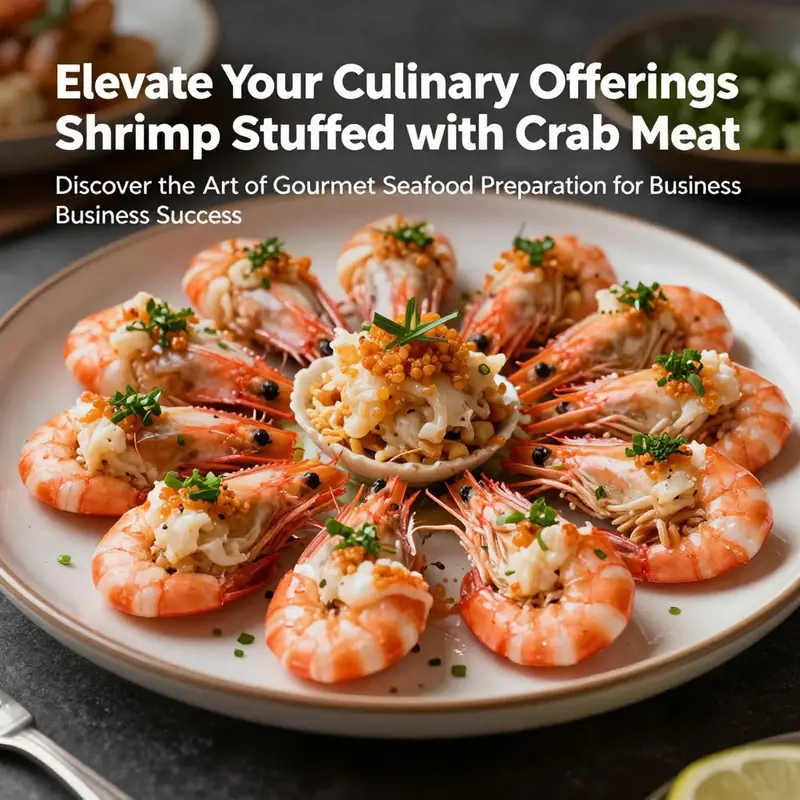
The appeal of shrimp stuffed with crab meat lies not only in its luxurious flavors but also in its adaptability to various culinary contexts. This sophisticated dish combines the freshness of shrimp with the rich, delicate flavor of crab, making it an ideal choice for both upscale restaurants and casual dining experiences. As business owners explore opportunities to enhance their menu offerings, understanding the culinary techniques behind this dish and its nutritional value is essential. The following chapters will delve into the preparation of shrimp stuffed with crab meat, exploring the intricate cooking methods that preserve and enhance its flavors, followed by an examination of its nutritional benefits that can appeal to health-conscious customers.
Butterfly, Bind, and Bake: The Craft of Perfect Shrimp Stuffed with Crab Meat

The dish that sits at the crossroads of luxury and simplicity—shrimp stuffed with crab meat—speaks in a language of ocean brightness and careful restraint. It is not merely a recipe but a study in balance: the sweetness of large shrimp, the light sweetness of lump crab, and a stuffing that binds without crowding the delicate textures. In a single bite, you taste the sea, the subtle sweetness of shallots, the green lift of parsley, the tang of mustard, and a whisper of heat that keeps the mouth curious. The elegance of this preparation comes not from coaxing complexity from disparate ingredients, but from honoring their individuality while inviting them to harmonize. The approach is neither hurried nor loud; it relies on the choreography of precise handling, careful folding, and a careful eye for timing. When done well, the shrimp are moist, the crab meat remains distinct in texture, and the outer shell gleams with a glint of butter and a kiss of high heat. The preparation begins long before mix meets meat. It starts with selecting the right subjects for stuffing—large, fresh shrimp whose size will accommodate a generous, yet neat, filling. The best specimens hold their shape under heat and present with a tail that frames the dish, offering a visual cue of the ocean’s riches. The peeling leaves a clean surface, the vein is removed with minimal disruption, and the shrimp are prepared for a butterfly that opens like a small book. In the hands of a patient cook, the butterflying becomes more than a technique; it is a mind-set about space—space for stuffing, space for texture, and space for the flavors to circulate during cooking. One shallow incision along the inner curve is all it takes to unfold the shrimp into a welcoming bed for the crab. A gentle press then flattens it ever so slightly, enlarging the surface area that will partner with the stuffing. This small flattening is not about making the shrimp look broad; it is about giving the filling a foundation that will stay put while the dish bakes or sears. The other crucial ingredient in this culinary conversation is the stuffing itself, where lump crab meat holds court with a few complementary players. The base is built not on dairy or heavy binding, but on a texture that respects the lump meat’s tenderness. A measured eight ounces of lump crab meat arrives as the centerpiece, chosen for its sweet, delicate flakes that resist becoming paste under heat. Finely minced shallots contribute a gentle sweetness and a whisper of perfume, while a tablespoon of fresh parsley injects brightness that mirrors the herbaceous notes of the sea. A teaspoon of Dijon mustard introduces a tang that cuts through the richness, offering contrast rather than competing with the crab. The binder is a light touch: one egg white to help the filling hold together without loosening the crab’s texture or turning the mix gummy. It’s a delicate hand that preserves the integrity of the lump meat, allowing each bite to deliver a small, satisfying chunk instead of a paste. To achieve a texture that bakes crisply and remains moist, the recipe substitutes traditional, heavier binders with two tablespoons of panko breadcrumbs. The breadcrumbs introduce a touch of crunch and a lift of lightness, while the egg white glues the components without turning the filling stiff. Seasoning is a careful affair. A modest half teaspoon of a Chesapeake-style seafood seasoning adds warmth, while a pinch of cayenne nudges the palate and invites a longer, more attentive chewing. The result is a stuffing that is neither shy nor aggressively seasoned but rather confidently flavored, with the crab’s sweetness, the onion’s subtle sharpness, and the herb’s green lift playing well together. Mixing technique matters as much as the ingredients themselves. The components are folded together with a light touch, avoiding vigorous mixing that could collapse the lump crab into a uniform mass. A fork or spatula works best, coaxing the ingredients into a cohesive but still textured filling. Overworking is the enemy here; a gentle hand preserves the crab meat’s flecks of white and the occasional piece that reminds the eater of its origin. Once the stuffing is ready, the assembly unfolds in a quiet, almost meditative sequence. Each butterflied shrimp receives roughly one tablespoon of the filling—a precise portion that balances visibility with substance. The goal is a mound that sits proudly on the shrimp without spilling out when the shell closes around it. As the stuffing settles, the shrimp are gently closed, edges tucked in to seal the topping inside. If the shape risks opening in heat, a small toothpick can be used to secure the seam, nothing more than a practical aid to maintain the intended silhouette. The preparation path leaves space for multiple cooking methods, each with its own character. Baking is a stalwart choice, offering even heat that envelops both the shell and the stuffing. Grilling adds a layer of smoky depth, embossing a kiss of char on the exterior while the filling warms through. Pan-searing delivers a crisp crust with a moist interior when finished with a quick finish in the oven. The guiding principle across methods remains the same: high heat, short duration, and vigilant attention to timing. A common approach is to start with a hot pan or a hot oven, allowing the shells to color and the filling to set quickly, then finish with a brief period of gentler heat that completes cooking without drying. In the kitchen, timing is a rhythm, not a countdown. Shrimp cook quickly, and the moment they turn opaque is the moment to intervene. Overcooked shrimp turn tough; undercooked stuffing can dull the dish’s aromatics and fail to set. The sweet spot is a glow just at the point where the flesh has turned pink and the stuffing just begins to set and hold its shape. The exact minutes will depend on size, heat source, and the thickness of the shrimp’s outer layer, but a practical guideline exists: bake or roast at a high temperature, roughly 425 degrees Fahrenheit, for eight to twelve minutes, with adjustments based on the strength of the oven and the size of the shrimp. This range tends to yield a juicy bite, where the crust forms a delicate crust while the crab stuffing remains tender. For those who crave the sheen of a professional plate, a light brush of butter or a quick finish under the broiler can gild the surface and invite a shimmer that catches the eye. The dish’s plating invites a clean, simple display that honors the seafood’s natural appeal. A light scatter of chopped parsley provides a green frame that echoes the stuffing’s freshness, while thin lemon wedges offer a citrus lift that brightens the entire bite. The idea is to present an entrée that looks as refined as it tastes, with the stuffing visible in a neat band that confirms the crab’s presence and the shrimp’s generous proportions. The narrative of technique here is not just about the mechanics but about the mindset. It is about treating each component with respect: the shrimp as a delicate shell that needs gentle handling, the crab as a former king of the sea whose texture should be preserved, and the stuffing as a chorus that must stay in its lane while supporting the lead singers. In this light, the dish becomes an educational model for how to approach seafood with both reverence and restraint. The process rewards patience. It rewards a thoughtful mise en place, where the shrimp are peeled and de-veined, the butterflying is practiced, the stuffing is assembled, and the assembly line is balanced by uniform portions. It rewards the cook who tastes and adjusts, who balances salt and spice with a scalloped palate, and who remains mindful that texture carries the day. As with any refined seafood preparation, the easiest way to deepen understanding is to observe and practice. A video resource can provide a vivid demonstration of jumbo stuffed shrimp with crab meat, offering a visual companion to the written technique and helping the cook see how the stuffing settles and how the shrimp hold together during cooking. For a guided visual, see the crab-stuffed-shrimp recipe. https://meatrecipesblog.com/crab-stuffed-shrimp/ If you seek further context, a reliable external demonstration can illuminate the exact moment when the stuffing firms and the shrimp remain succulent and bright. External resource: https://www.garlicandzest.com/jumbo-stuffed-shrimp-with-crab-video/ The journey from selection to serving is a compact arc of flavor, texture, and technique. It asks for careful sourcing, a calm kitchen, and a willingness to respect seafood’s intrinsic sweetness. It invites improvisation—in the choice of herbs, in the seasoning balance, and in the choice of cooking method—yet it rewards discipline: paste and paste-less, time-conscious, and texture-conscious. When these elements align, the result is not merely a plate of stuffed shrimp but a small, luminous moment of the sea captured in a single bite. The attraction of this dish lies in its adaptability. Lump crab meat can be complemented by a wider array of ingredients, from finely minced peppers for a brighter, sweeter profile to a touch of heat that nudges the palate without overpowering the crab’s delicate flavor. Parsley can be swapped with chives for a different herbal lift, or a hint of lemon zest can be introduced to intensify citrus notes without diluting the stuffing’s core. Likewise, the binding can be adjusted; alterations to the breadcrumb type or quantity alter texture, while the protein-to-binding ratio can be fine-tuned to honor personal preferences for lightness or heft. At its best, the dish maintains its sense of occasion while staying approachable enough for a confident home cook to reproduce. The principle here is straightforward: respect the ingredients, handle them gently, and allow the heat to do the delicate work. In doing so, you arrive at a plate that carries the essence of the sea with elegance and precision. The final result is a showcase of restraint and technique, a dish that invites conversation about texture and balance and rewards competence with every bite. It is the kind of preparation that makes a memorable meal feel within reach, a reminder that the best seafood cooking often lies in the quiet mastery of small, deliberate acts rather than in dramatic, sweeping gestures.
Sea-Refined Nourishment: The Nutritional Value and Allure of Shrimp Stuffed with Crab Meat
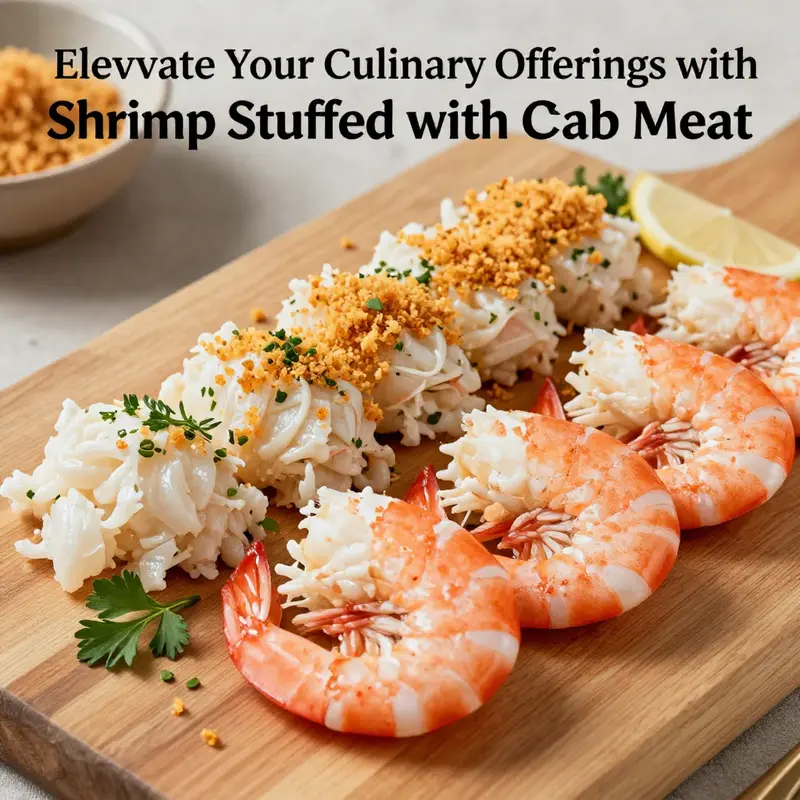
The dish known as shrimp stuffed with crab meat sits at an elegant crossroads of indulgence and nourishment. It is the kind of preparation that speaks in whispers of the sea as much as in the clang of a kitchen timer and the soft crackle of a broiler. Butterflied shrimp cradle a crab filling that glides between luxury and everyday cooking, between the clean snap of shellfish and the lush, almost creamy bite of lump crab. This harmony of flavors is not just a testament to technique; it is a compact study in nutrition presented as a refined plate. When we sit down to this dish, we are offered more than a moment of pleasure. We are offered a balanced and accessible meal that can anchor a dinner party or anchor a weeknight feast, depending on how it is prepared and served. The combination of shrimp and crab meat brings together two shellfish that are compact powerhouses of lean protein, essential minerals, and heart-friendly fats. The result is a dish that satisfies the palate while delivering a measurable nutritional payoff that can support heart health, cognitive function, and immune resilience. The glow of the shrimp’s pink skin, the glisten of the stuffing, and the brightness of a lemon wedge all signal a meal that is as visually appealing as it is nutritionally thoughtful. And because the stuffing is built from high-quality crab meat, the texture remains tender and intact, allowing the natural sweetness of the seafood to come through without becoming overwhelmed by heavy sauces or dense binder loads. The culinary intelligence of this recipe lies in its restraint: a light hand with seasonings, a careful balance of moisture, and a method that preserves the integrity of the crab while letting the shrimp do what shrimp do best—provide a firm, satisfying bite that carries the stuffing instead of breaking apart the moment you fork into it. This is a dish that, when executed well, makes the most of its ingredients without demanding superfluous richness. The outcome is a plate that can be plated simply with a modest garnish or dressed for a formal table as a centerpiece of a lovers’ or family meal. The nutritional value of this dish rests on the synergy between two seafood proteins that are naturally lean and nutrient-dense. Shrimp contributes a robust protein profile with a low total fat content, alongside micronutrients such as selenium and vitamin B12 that play critical roles in energy metabolism, red blood cell formation, and neurological function. When paired with crab meat, the combination gains a broader spectrum of long-chain omega-3 fatty acids, albeit in modest amounts relative to fatty fish. These fats support heart health by helping to regulate triglycerides and maintain healthy blood pressure, while also contributing to cognitive maintenance and visual function. The dish’s protein content is complemented by a modest but meaningful contribution from the stuffing’s components. Lump crab meat delivers a sensation of luxury in texture and a distinctive sweetness that aligns perfectly with the brininess of the shrimp. Together, they form a lean, high-quality protein duo that can help sustain muscle mass and satiety, making the dish a satisfying option for meals that want to be both light on the plate and rich in essential amino acids. Vitamin B12, abundant in both shrimp and crab, is particularly notable. It supports red blood cell formation and neurologic health, which is especially meaningful in meals designed to be nourishing without being heavy. Selenium adds another layer of nutritional value by aiding metabolism and supporting thyroid function, while also contributing to antioxidant defenses in the body. Beyond these core nutrients, the dish offers small but meaningful contributions from herbs and pantry staples. Shallots, parsley, and even a whisper of Dijon mustard bring flavor complexity, and the use of panko breadcrumbs adds a light texture that helps approximate a gentle crunch without overwhelming the seafood’s delicate profile. When used in moderation, these additions contribute trace amounts of fiber, minerals, and antioxidants from the herbs, while also offering a satisfying mouthfeel that elevates the overall experience. The nutritional appeal extends beyond macro- and micronutrient content. The presentation—the butterflied shrimp opened like a book, the stuffing tucked within, and the dish finished with a glint of lemon—transforms eating into a sensorial ritual. The visual drama of a dish that easily graces a fine dining menu makes it more approachable for home cooks who aspire to replicate a restaurant-level experience. The texture contrast—firm shrimp surrounding a tender, slightly creamy crab filling—presents a texture profile that keeps the palate engaged from first bite to last. The aroma, too, is a crucial part of the appeal. The briny scent of the shellfish, the sweetness of the crab, and the citrus zest or lemon’s sharp brightness can awaken appetite and set a positive, anticipatory mood at the table. The dish’s versatility is a testament to its appeal. It can be plated simply with a green herb oil or a squeeze of lemon and a few parsley sprigs, or used as a sophisticated appetizer for a cocktail party, where each bite offers a concentrated moment of luxury. The potential to customize is part of the dish’s charm. A light binder, such as a thin egg white, can help maintain the shape of the stuffing without introducing heavy binding agents that would mask the seafood’s natural flavors. For those who prefer to keep carbohydrates in check or adapt to gluten-free diets, gluten-free breadcrumbs can replace traditional panko, preserving the crumb’s lightness while aligning with dietary needs. Herbaceous adjustments—additional parsley, chives, or dill—can tailor the dish to different regional palettes, from a Chesapeake-inspired profile with Old Bay and mustard to a more Mediterranean-leaning version with lemon and capers. This adaptability extends to cooking methods as well. Baking in a hot oven ensures even cooking and a crisp outer edge that seals in moisture, while grilling can lend a gentle smoky finish that underscores the shrimp’s sweetness and the crab’s briny character. Pan-searing, finished with a brief oven moment, can create a caramelized exterior that adds depth without sacrificing tenderness inside. Each technique yields a slightly different texture and aroma, yet all maintain the essential balance of flavors that make this dish so appealing. In the broader culinary landscape, the dish also resonates with contemporary concerns about sustainability and responsible sourcing. Crab meat, particularly when sourced from fisheries that prioritize sustainable practices and minimize waste, aligns with modern diners’ expectations for provenance. The concept of using already available byproducts from seafood processing and transforming them into a premium, carefully prepared filling fits well with a movement toward reducing waste and elevating ingredients that might otherwise be underutilized. The combination of shrimp and crab, when sourced thoughtfully, becomes more than a luxury plate; it becomes a statement about respect for the ocean and the craftspeople who transform its bounty into meals that nourish both body and spirit. For those curious to explore a practical reference that aligns with this dish’s ethos, a crab-stuffed shrimp recipe provides a helpful blueprint, showing how to balance moisture, texture, and seasoning while respecting the inherent character of the seafood. See crab-stuffed-shrimp for a practical kitchen guide to achieving that delicate balance of tenderness and bite while maintaining the dish’s refined identity. As you experiment, remember that the goal is to honor the ingredients. Let the natural sweetness of the crab and the brine of the shrimp lead the way, with seasonings and textures acting as complementary accents rather than dominant forces. When approached with that mindset, shrimp stuffed with crab meat emerges as a dish that can anchor a memorable dinner party or elevate a weeknight supper. It becomes more than a recipe; it becomes an exploration of how lean protein, delicate seafood flavors, and thoughtful texture interplay can produce a meal that is at once comforting and celebratory. The appeal, in the end, rests not on novelty alone but on the continuity of taste, provenance, and balance. A well-executed version honors that lineage while offering something accessible enough to welcome home cooks into its fold. In this light, the dish stands as a paragon of how seafood—when treated with care—can deliver both nourishment and occasion, a small, exquisite invitation to slow down, savor, and share. For readers seeking to deepen their understanding of seafood nutrition and its broader implications, a reputable external resource provides a scientifically grounded look at the nutritional aspects of seafood consumption and its health benefits. https://www.ncbi.nlm.nih.gov/pmc/articles/PMC8046559/
Final thoughts
Shrimp stuffed with crab meat is more than a dish; it is a statement of culinary excellence that resonates with seafood enthusiasts and health-conscious diners alike. By understanding and mastering the preparation techniques, as well as communicating its nutritional benefits, business owners can significantly enhance their establishments’ appeal. The sophistication of this dish can elevate a menu, attract discerning customers, and create memorable dining experiences that encourage repeat visits. Embrace the opportunity to offer this luxurious delicacy and watch it become a favorite among your patrons.