

The right sauce can transform a simple shrimp dish into a culinary masterpiece. For business owners in the food industry, understanding which sauces work best with shrimp is essential for menu development and customer satisfaction. This article explores three standout options: the classic rich tomato sauce, a creamy remoulade, and a zesty citrus-ginger sauce. Each sauce not only elevates the shrimp’s natural flavors but caters to diverse palates, enabling you to create a menu that excites and delights your customers.
Tomato-Rich Shrimp: A Timeless, Comforting Classic

Few dishes in seafood cooking carry the warmth and clarity of shrimp simmered in a tomato-rich sauce. This preparation, rooted in the sunlit kitchens of southern Italy, shows how simple ingredients can become something expansive and deeply satisfying. The base is a soffritto—a gentle foundation built from finely minced garlic and a hint of onion or shallot. These aromatics are coaxed in extra virgin olive oil just until they release a soft sweetness and a savory perfume that promises more to come. A splash of dry white wine follows, not to mask but to deglaze the pan, lifting the browned fond from the bottom and introducing brightness and acidity. The wine helps to marry the garlic’s aroma with the future richness of the sauce, setting the stage for the tomatoes to come. The chosen tomatoes matter. High-quality canned San Marzano tomatoes are prized for their natural sweetness and lower acidity, which let the natural sweetness of the shrimp shine through as the sauce thickens. When these tomatoes simmer slowly, they surrender their water and concentrate into a velvety, umami-rich liquid that tastes of sun and harvest season. This slow reduction is not a mere step; it is the heart of the dish, thickening enough to cling to pasta or bread without becoming heavy.
As the sauce approaches its full character, raw shrimp are introduced directly into the simmering bath. The shrimp cook quickly, just until they turn opaque and tender, absorbing the sauce’s complex notes while retaining a whisper of briny brightness. Cooking shrimp in this fashion, rather than pre-cooking and then adding them, preserves their delicate texture and ensures the finished dish feels integrated rather than overpowered by one element. The finish is deliberately bright: a handful of chopped parsley or torn basil stirs in at the end, releasing a fresh, green lift that cuts through the tomato’s deep sweetness. The result is a balance of sweet, tangy, savory, and oceanic flavors—a chorus rather than a solo performance. This is what makes the dish a reliable crowd-pleaser in homes and a comforting option for weeknights that still tastes crafted and intentional. The method suits a variety of serving styles, too. Some savor it over al dente linguine, allowing the pasta to mingle with the sauce and shrimp in a single, glossy embrace. Others spoon it over creamy polenta, where the starch acts as a gentle counterpoint to the acidity and depth of the tomato. A slice of crusty bread for dipping completes the experience, turning the sauce into a warm, spoonable ritual that invites lingering at the table. The technique also adapts to different tables and seasons. The same approach can underpin a rustic, family-style meal straight from the skillet, or a more refined presentation with a light scattering of herbs and a clean finish for a dinner party. The core recipe stands on a straightforward premise: use good ingredients, build flavor gradually, and let the shrimp finish in the sauce to preserve texture and impart their subtle brine to every bite. Variations exist, of course. A few cooks add a pinch of chili for a gentle heat; others deglaze with a splash more wine or a tiny spoon of tomato paste to deepen the color and intensity. The principle remains unshaken: respect the tomatoes, respect the shrimp, and give the sauce time to reduce and concentrate. For those seeking an authentic touch, the roots of this dish are most clearly felt in Campania, Sicily, and Puglia, where the abundance of ripe tomatoes and fresh seafood has long inspired similar preparations. The result is not only nourishment but a shared memory of coastal kitchens and sun-warmed markets. If you want a practical, home-friendly version, you can explore a nearby shrimp sauce recipe for a direct reference to this method and adapt it to your pantry Shrimp Sauce Recipe. For broader inspiration, consider a careful study of regional variations like gambas con tomate or creole-influenced adaptations that still honor the essential technique: let the sauce reduce, let the shrimp finish in its embrace, and finish with bright greens. For a detailed, authentic method reflecting these traditional approaches, see The New York Times Cooking guide on Shrimp in Tomato Sauce: https://cooking.nytimes.com/recipes/1028495-shrimp-in-tomato-sauce
Creamy Remoulade for Shrimp: A Spicy, Silky Companion with Bold Personality
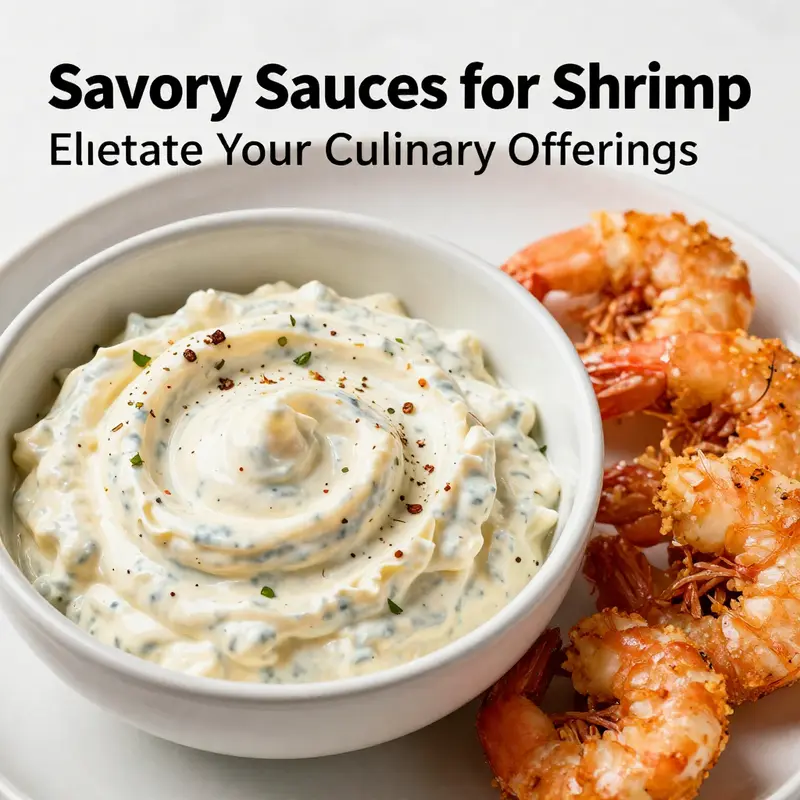
Remoulade is a classic French condiment that wakes the plate with its silky texture and bright tang. When paired with shrimp, it offers a cool, creamy counterpoint to the shellfish’s sweetness and a peppery kick that lingers on the palate. The sauce is built on a simple premise: a rich mayonnaise base folded with mustard and a chorus of sharp, briny accents. This combination creates a vibrant sauce that doesn’t just sit on the shrimp; it travels with it, infusing each bite with layers of lemon brightness, herbal lift, and a subtle heat.
Traditionally, remoulade is seasoned with Dijon or grain mustard, chopped herbs such as parsley, tarragon, and chives, and piquant additions like capers and cornichons. Lemon juice contributes acidity, helping to cut through the mayo’s richness, while a dash of hot sauce or cayenne introduces warmth without overwhelming sweetness. The result is a sauce that is simultaneously creamy, tangy, briny, and herbaceous. Because it contains multiple textures—from smooth emulsion to crunchy pickles—it interacts with shrimp in complex ways, enhancing their natural sweetness rather than disguising it.
For modern kitchens, cooks often tinker with the flavor profile to suit specific preparations. A pinch of smoked paprika can introduce a hint of smoke that pairs nicely with grilled shrimp. Roasted red peppers bring sweetness and color, while Dijon mustard can sharpen the tang without changing the overall balance. Fresh herbs remain the backbone; they give the sauce its lift and help it feel almost airy compared with heavier dressings. In practice, remoulade works wonders with shrimp served on a platter with wedges and light greens, but its versatility shines when you spoon it over fried shrimp to temper the crunch with velvet richness, or dollop it beside a po’ boy for a bright counterpoint to fried seafood. Because remoulade is built from a handful of bright, storable ingredients, you can batch a base and finish with fresh herbs as needed. This makes it a flexible staple for weeknight meals and weekend gatherings alike.
Texture and balance matter most. A good remoulade should be glossy but not greasy, with enough body to cling to the shrimp yet loosen enough to fall in a silky veil as you bite. If the mixture seems too thick, a few drops of lemon juice or a whisper of water can reanimate it; if too thin, a touch more mayo or a pinch of mustard tightens it up. Classic recipes remind cooks to let the flavors rest for a short time before serving, which invites the salt and citrus to mingle with the herbs and pickles. This resting period can be as short as half an hour, yet it makes a tangible difference in how well the sauce composes with the shrimp’s aroma as you pass it around the table.
For home cooks seeking a practical reference, you can explore a tested rendition in the shrimp sauce recipe. Shrimp sauce recipe. The beauty of this family-friendly approach is that it can stand on its own as a dip or act as a robust finishing touch on a shrimp plate. When you plan a seafood spread, consider a chive-topped sliver of lemon, a neat pile of greens, and a generous spoonful of remoulade to create a single, coherent bite that feels celebratory rather than fussy. Even when the night calls for a simpler tomato-based sauce, remoulade provides a contrasting voice that brightens every mouthful and demonstrates how shrimp respond to bold, contrasting flavors.
Like the broader family of sauces for shrimp, remoulade sits in a cultural middle ground. Its French roots give it earth and precision, while the American adaptations have made it accessible at casual gatherings and seafood shacks. It is not designed to overshadow the shellfish but to illuminate it. The result is a dish that invites curiosity—each spoonful a reminder that a well-made sauce can elevate a humble shrimp platter into something memorable, a small celebration of taste and texture in every bite. For those avoiding dairy, a lighter version can be made with yogurt or a plant-based alternative, though some tang is sacrificed and the emulsion may need extra whisking. The texture remains silky if whisked properly. In practice, remoulade is more than a sauce; it’s a technique that invites chefs and home cooks to taste boldly and reassess how saucing influences texture and aroma. Start with a stable emulsion, then let the flavors mingle with lemon and herbs. Taste repeatedly, adjust salt and acidity, and think about how the sauce will be portioned—on a platter, in a sandwich, or atop a grilled crust. The result is a bright, adaptable star that shines alongside simpler tomato sauces or crisper fried shrimp, offering a reminder that seafood benefits from a touch of French-inspired brightness. BBC Good Food Remoulade Sauce.
Bright Citrus-Ginger Sauce for Shrimp: A Zesty Balance That Elevates Every Bite

When it comes to good sauce for shrimp, few preparations capture brightness and balance as well as a citrus-ginger sauce. This lively combination of citrus acidity and warm fresh ginger creates a natural foil for the sweetness of shrimp, whether they’re grilled over coals or steamed to a tender curl. The citrus component—typically a mix of lemon and lime—brings a refreshing zing that cuts through richness, while the ginger adds depth and a subtle spicy glow. The result is a sauce that feels cleansing on the palate yet deeply satisfying on the finish, a pairing that shines in appetizers, over rice, or as a bright drizzle for a seafood salad.
Ingredients are simple and approachable. You’ll use freshly squeezed juice from one lemon and one lime, which provides the citrus backbone. Two tablespoons of finely grated fresh ginger lend heat without harshness, while a tablespoon of honey or maple syrup rounds the edges with a touch of sweetness. A teaspoon of soy sauce contributes a whisper of umami that deepens the overall profile without turning this into a heavy glaze. A pinch of red pepper flakes is optional but welcome for those who enjoy heat. If you prefer a milder finish, dial back the ginger a little or swap honey for a slightly sweeter maple syrup to emphasize sweetness without dulling brightness.
The method is unhurried and straightforward. In a small bowl, whisk together the citrus juices, grated ginger, your chosen sweetener, soy sauce, and a light dusting of red pepper flakes if you like heat. The goal is a bright, balanced emulsion where sweetness, salt, acidity, and spice kiss one another without any single note overpowering the rest. If you’re serving this as a finishing sauce, you’ll want to keep the shrimp warm and the sauce cool enough to remain vibrant, then toss the cooked shrimp just before serving to preserve its freshness and brightness. This approach ensures the shrimp’s natural sweetness remains the star, while the sauce adds a modulating layer of perfume and tang. For extra sheen, a tiny splash of oil whisked in at the end can help calm very sharp acidity, but use it sparingly so the sauce stays light.
The dish invites versatility. While the base mix is ideal for grilled or steamed shrimp, it also doubles as a light marinade for a quick seafood supper, a drizzle for fish tacos, or a bright dressing for a summer salad featuring avocado, mango, or cucumber. If you opt to use it as a marinade, a brief rest—roughly 15 to 30 minutes—lets the shrimp pick up aromatics without losing their delicate texture. The balance of citrus, ginger, and a hint of sweetness makes it approachable for cooks who prize freshness over heaviness. Garnishing with chopped cilantro or sliced green onions adds a final whisper of fragrance and color that elevates the presentation.
This citrus-ginger approach is particularly appealing for cooks seeking a light, health-conscious option that still delivers bold flavor. It gives you a bright, clean finish that never overpowers the shrimp’s natural succulence. And because the sauce leans on natural ingredients rather than heavy fats, it fits comfortably into a daily cooking routine or a relaxed weekend gathering where shrimp takes center stage. For readers exploring related flavor families, this citrus-ginger concept resonates with the same philosophy that makes a comforting, deeply satisfying tomato-based sauce so reliable: harmony among acidity, sweetness, and a gentle, warming finish. If salt is a concern, you can reduce the soy slightly and still enjoy the balance.
If you’d like to explore more about shrimp sauces and how to tailor them to different preparations, you can check our broader shrimp sauce guide here: shrimp sauce recipe.
External resource: https://www.bonappetit.com/recipe/citrus-ginger-sauce-for-shrimp
Final thoughts
Selecting the right sauce for shrimp dishes can hugely impact your restaurant’s culinary reputation. Each of the sauces discussed—rich tomato, creamy remoulade, and zesty citrus-ginger—offers a unique flavor experience that can set your menu apart. By incorporating these sauces, you will appeal to a wider array of customers and meet varying taste preferences. Embrace these delicious options to create unforgettable shrimp dishes that will enhance your customers’ dining experience.