
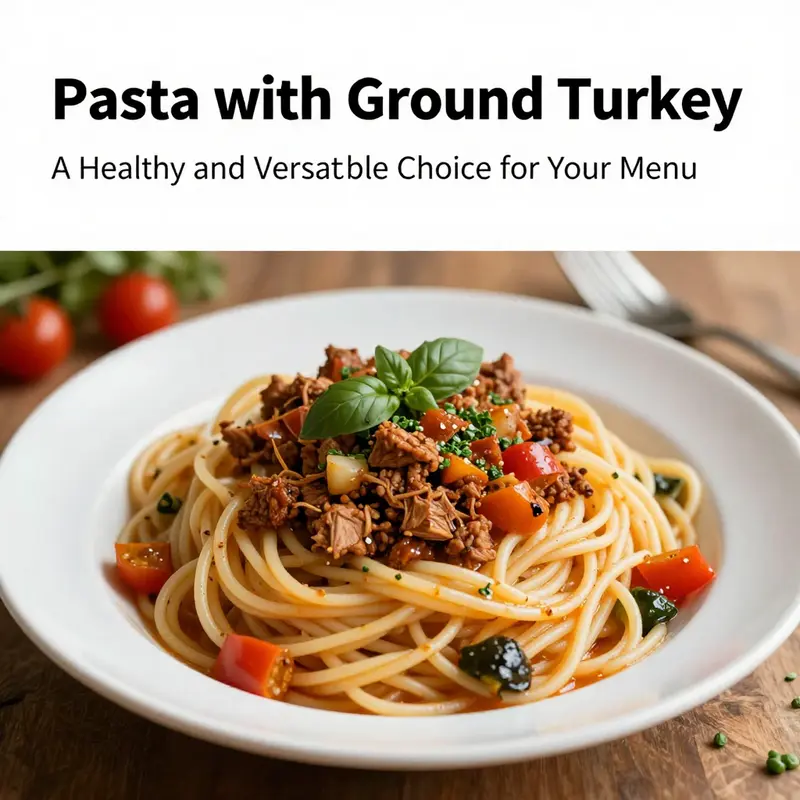
In recent years, healthy eating has taken a prominent position in restaurant menus, driven by consumer demand for lean sources of protein and nutritious dishes. Pasta with ground turkey emerges as an outstanding option that meets such expectations, combining essential nutrients with excellent culinary adaptability. This article delves into three critical aspects: the nutritional benefits of this dish, its versatility across global cuisines, and healthy cooking methods that can elevate it to a star menu item. Each chapter aims to equip business owners with knowledge and inspiration to incorporate this wholesome dish into their offerings effectively.
Lean Power on the Plate: Unpacking the Nutrition of Pasta with Ground Turkey
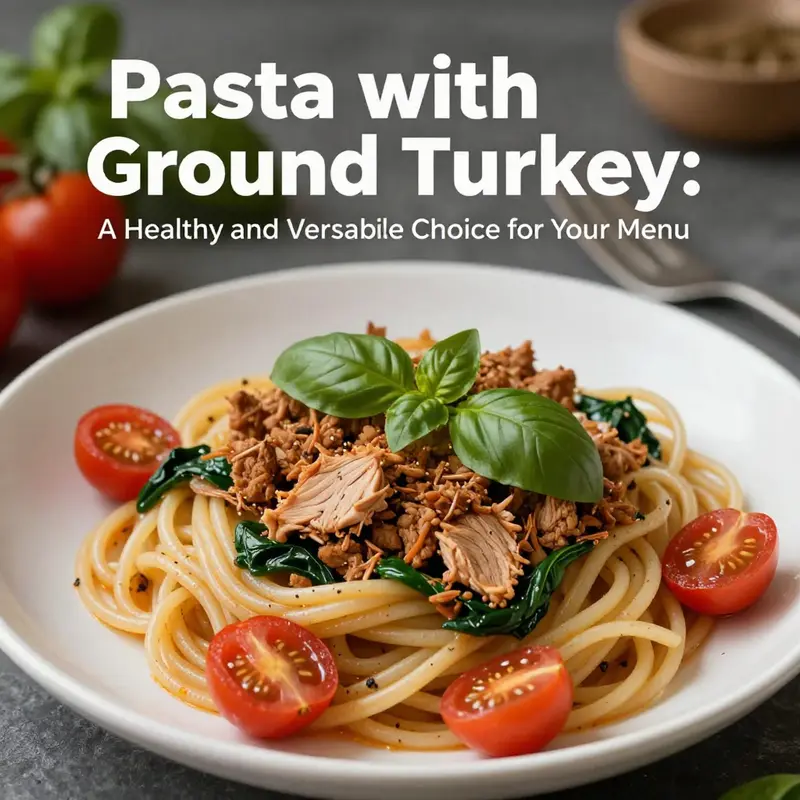
Ground turkey brings a lean, versatile protein to pasta dishes, helping you build a meal that supports muscle, satiety, and heart health without excessive fat. Choosing lean ground breast or breast-and-dark-meat blends keeps fat low while preserving flavor, and the protein content remains robust across varieties. When paired with whole-grain or legume-based pasta, the dish delivers a balanced load of fiber and micronutrients that support steady energy and fullness. The mild flavor of turkey acts as a neutral canvas for herbs, garlic, tomatoes, olive oil, and bright greens, enabling you to tailor spice profiles to your preferences while keeping calories and saturated fat in check. Adding colorful vegetables such as spinach, peppers, and mushrooms boosts micronutrients and volume without a heavy, creamy sauce.
In practice, cooking technique matters: brown the turkey well to develop flavor, then simmer with a tomato-based sauce to keep moisture in the meat and avoid added fats. A light finish of olive oil, lemon zest, or herbs can lift the dish without tipping it into richness. Whole-grain pasta or legume-based pasta options provide more fiber and protein than refined varieties, helping slow digestion and promote fullness. This combination supports weight management and longer sustained energy for active days.
To maximize nutrition, consider pairing the main with extra vegetables or a side salad, and experiment with roasting sweet potato, zucchini, or squash to add color, texture, and beta-carotene. The resulting pasta meal remains comforting and satisfying while leaning toward heart-healthy dietary patterns.
External inspiration and context can help, but the core principle is clear: lean poultry like ground turkey, paired with fiber-rich pasta and vegetables, creates a practical, nourishing dish that fits many lifestyles and dining occasions.
Culinary Versatility: Pasta with Ground Turkey in Global Cuisines
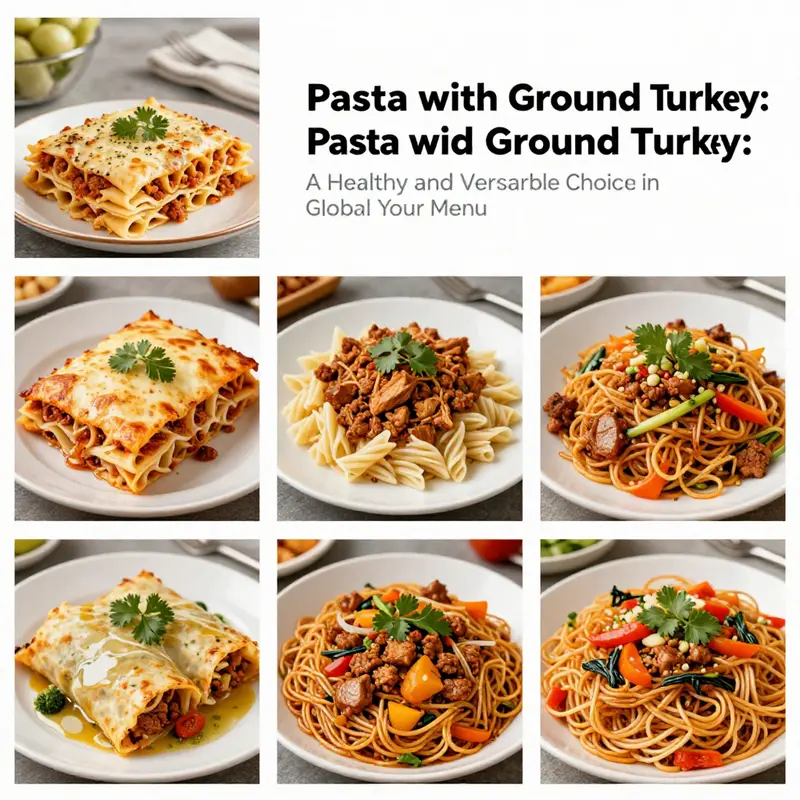
Across continents, pasta braided with ground turkey demonstrates how lean protein can anchor a dish while inviting a spectrum of flavor worlds. The protein’s mild, almost blank canvas allows sauces and seasonings to shine, turning a simple bowl into a passport stamp for culinary curiosity. When ground turkey meets pasta, it becomes more than a fallback option; it becomes a platform for creativity that respects nutrition without sacrificing comfort. In a single skillet, the dish can transform from a rustic Italian plate to a tapestry of global influences, each iteration carrying the same underlying principles: balance, texture, and harmony between meat, grain, and vegetables.
In Italian-inspired settings, ground turkey often replaces richer pork or beef while maintaining depth through mushrooms, garlic, and a bouquet of fresh herbs. A one-pot preparation might begin with a sizzle of onions and celery, followed by turkey that browns and browns again, developing a toasty flavor that echoes classic ragù without the heaviness. The mushrooms contribute an earthy note that lets the turkey’s lean profile carry through, while a tomato-based sauce clings to al dente pasta, catching every bite with natural sweetness and bright acidity. This approach honors the spirit of traditional Italian bowls—savory, comforting, and deeply satisfying—while offering a leaner protein option that doesn’t skimp on richness. For readers following a culinary path that values flexibility, a reliable, tested template exists where ground turkey pasta is the star in a familiar, comforting way: Ground Turkey Pasta.
Beyond the Mediterranean coast, Middle Eastern adaptations bring a fragrant warmth to the dish. When ground turkey is seasoned with cumin, coriander, and a hint of turmeric, it emerges with a spicy, aromatic backbone that pairs beautifully with tomatoes and herbs. The meat can be cooked until it develops a subtle caramelized edge, then simmered with onions, garlic, and chili until the mixture becomes one with tender pasta. Stuffed pasta varieties, such as shells or ravioli, can be filled with spiced turkey for a different texture and a bolder, more concentrated flavor profile. These preparations echo the region’s love for bold spice and bright citrus notes, where a simple pasta dish becomes a canvas for bold, fragrant sauces that still honor the turkey’s lean nature. The result is a dish that tastes hearty without heaviness, a quick weeknight option that doesn’t compromise on soul or warmth.
East Asian interpretations treat pasta as a vehicle for umami-driven seasoning rather than a sticky, sauce-laden centerpiece. Ground turkey can be momentarily revived with a kiss of sesame oil, a splash of soy sauce, minced ginger, and scallions, then folded through noodles or a delicate al dente pasta. The texture contrast—soft noodles against the lean, slightly chewy turkey—offers a satisfying bite, while the glaze brings depth without the need for heavy creams. In this light, the dish resembles a stir-fry but with the comforting familiarity of pasta. It’s a reminder that the kitchen can speak many languages, and ground turkey is a patient translator, absorbing salinity, heat, and aroma into a cohesive, comforting meal.
Latin American influences put a bright, peppery, and citrusy edge on the same foundation. Ground turkey can mingle with peppers, cilantro, lime, and a touch of smoky paprika to produce a vibrant sauce that clings to pasta with fresh vigor. A skillet-finished sauce can incorporate tomatoes, onions, and beans for extra fiber and protein, creating a complete, satisfying bowl that feels sunny yet grounded. The lean protein’s clean flavor makes it an ideal partner for bold herbs and peppers, allowing the dish to feel festive rather than heavy. In regions where chili peppers and lime are central, the turkey’s neutrality becomes a strength, highlighting acidity and heat without competing with other ingredients. This versatility makes pasta with ground turkey a practical template for weeknight meals that still feel bright and celebratory.
What makes these global applications so compelling is the balance they strike between nutrition and flavor. Ground turkey offers a lean protein option with significantly lower fat content than many traditional meat varieties, particularly when sourced from breast and thigh cuts. Its mild flavor accepts a wide range of spices, herbs, and aromatics, enabling cooks to tailor the dish to personal preferences, dietary needs, or what’s on hand in the pantry. When paired with pasta, the combination provides complete protein alongside complex carbohydrates, supporting sustained energy and satiety. The dish also becomes a natural vessel for vegetables—spinach, tomatoes, zucchini, or mushrooms—that boost fiber, antioxidants, and micronutrients, aligning with modern trends toward plant-forward meals that don’t sacrifice protein or satisfaction.
To craft a satisfying version, cooks often begin by browning the turkey with aromatics such as onions, garlic, and celery. The plan then branches: tomato-based sauces for brightness and body; cream-based sauces for a comforting lushness; or a lighter olive oil and herb drizzle for freshness and a cleaner finish. The choice of pasta matters as well; whole-grain or legume-based varieties add extra fiber and protein, reinforcing the dish’s nutritional profile without compromising texture or flavor. Even the optional addition of roasted vegetables like sweet potatoes or butternut squash can contribute beta-carotene and extra dietary fiber, turning a simple skillet into a robust, nutrient-dense meal.
The beauty of ground turkey in pasta also lies in its adaptability to culinary traditions beyond the usual European-Italian frame. A thoughtfully seasoned turkey can slide into a Mexican-inspired skillet with chili peppers, cilantro, and a squeeze of lime, offering a fresh, zesty counterpoint to the starch. In a Southeast Asian-inspired presentation, a hint of tamari, garlic, and peppery greens can transform the dish into a bowl that remains comforting yet bright and modern. When approached with curiosity rather than prescription, ground turkey pasta becomes more than a dish; it becomes a culinary bridge, a way to explore global flavors while maintaining a core of nutrition and nourishment that families can rely on.
For readers seeking practical inspiration, this chapter balances culinary imagination with mindful cooking. It emphasizes lean protein, controlled sodium, and the opportunity to experiment with textures and colors. The interplay of turkey, pasta, and vegetables offers a template that can be personalized—whether through spice level, herb combination, or the choice of sauce. And it remains a unifying concept: a single ingredient, prepared thoughtfully, can travel through cuisines and emerge with characteristics that honor each tradition while staying true to the basic goal—delicious, nourishing pasta that fits into a busy lifestyle. If you’d like a concrete starting point within the Italian frame, consider exploring the linked example recipe, which demonstrates how ground turkey can anchor a satisfying pasta dish in a way that feels both familiar and refreshingly lean: Ground Turkey Pasta.
For readers who crave cross-cultural variation, there is no shortage of inspiration. A simple change in spices or a switch in final toppings can morph the same turkey and pasta base into something distinctly Italian, Middle Eastern, East Asian, or Latin American. The thread that ties these variations together is not the exact ingredients but the philosophy: lean protein that accepts bold flavors, pasta that carries the sauce evenly, and vegetables that complete the meal. In this light, pasta with ground turkey becomes more than a recipe—it becomes a habit of cooking that respects health, celebrates diversity, and invites experimentation without losing the comfort that a warm bowl provides at the end of a long day. For those who want to explore more about how this ingredient pair can be used across dishes, visiting the linked recipe hub can offer approachable, tested ideas that align with real-world family meals.
External resource for further reading on heart-healthy preparation and protein choice can be found here: https://www.savoringitaly.com/one-pot-ground-turkey-pasta-with-pumpkin/
Flavor, Fiber, and Fat-Balanced Pasta: Healthy Cooking Techniques with Ground Turkey
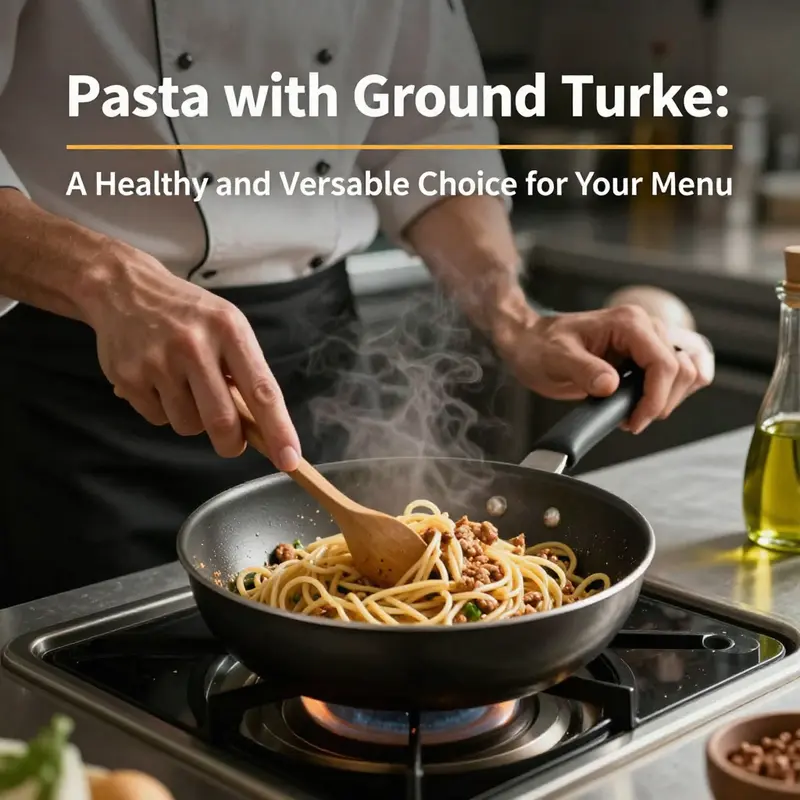
Ground turkey stands out in pasta dishes for its lean profile and adaptable flavor. Its mild taste acts like a sponge for the herbs, vegetables, and sauces that color the plate, allowing you to build depth without piling on fat. When a cook treats this protein as the anchor of a balanced meal, the result is a dish that satisfies hunger while supporting heart-healthy eating patterns. The practical tricks below translate that idea into everyday cooking: selecting the right meat, cooking with care, loading in vegetables, and finishing with seasoning that adds life rather than salt. The goal is not a single technique but a harmonious approach that respects both nutrition and flavor, so each bite delivers protein, fiber, and complex carbohydrates in a comfortable, satisfying balance.
Begin with the turkey itself. Opt for ground turkey labeled 93% lean or higher. The leaner the meat, the more you preserve protein while minimizing saturated fat. This choice matters because the protein in turkey helps sustain fullness and supports muscle maintenance, especially when combined with pasta that provides complex carbohydrates. Lean ground turkey also accepts spices and aromatics readily, so you can coax complexity from simple ingredients rather than relying on rich sauces. In practice, the first step is to brown the turkey in a non-stick skillet. A quick heat with a light touch of olive oil spray keeps fat in check while giving the meat a savory crust that adds texture to the finished dish.
To keep the dish vibrant and nutrient-dense, load the pan with vegetables as the turkey browns. Spinach greens the plate with iron and fiber; mushrooms contribute umami and texture; bell peppers, zucchini, and tomatoes provide color and a spectrum of micronutrients. Sautéing these vegetables with the turkey creates a layered base in one pan, so flavors concentrate rather than dissipate. The vegetables also lift the dish’s fiber content, contributing to fullness without adding excessive calories. If you’re aiming for a one-pan experience, keep the vegetables in the pan while the turkey finishes cooking and then fold in the pasta later. If you prefer a sauce-forward finish, you can simmer everything briefly in a light broth, which also helps unify the flavors and keeps the dish moist.
Choosing pasta that supports fiber is a smart move. Whole-grain varieties or legume-based pastas deliver more fiber and a slower release of energy, which pairs well with the protein from the turkey. If you add olive oil to the cooking water, remember the goal is flavor, not richness. A small splash can help keep the pasta from sticking, but the focus should stay on quality pasta and a sauce that carries flavor rather than relying on extra fats. When you drain the pasta, return it to the pot and combine it with the turkey and vegetables while they’re still warm. The starch in the pasta helps bind the sauce, creating a cohesive bite that feels comforting and satisfying without heaviness.
Sodium control is a practical concern in many kitchens. Use low-sodium broth or a homemade tomato-based sauce to reduce salt without sacrificing depth of flavor. A simple base of crushed tomatoes, garlic, onions, and herbs can carry the dish beautifully, especially when simmered with the turkey and vegetables. If you prefer a lighter tomato presence, a lemony olive oil herb finish can brighten the dish while keeping it lean. The same approach works with a small amount of dairy, should you choose a creamier profile; in that case, opt for a light cream or milk and allow the tomato or stock to do the heavy lifting for body and moisture.
Portion control remains essential for a well-balanced plate. A practical guideline is about a half cup of cooked pasta per serving paired with roughly 3 to 4 ounces of ground turkey. That ratio provides ample protein to support satiety and muscle maintenance while ensuring the carbohydrate portion remains mindful. For those managing blood sugar or aiming for heart-healthy meals, this balance helps slow glucose response and prevent spikes after meals. It also makes room for vegetables to occupy a larger share of the plate, which translates into more fiber, more antioxidants, and a more visually appealing dish. The result is a meal that satisfies without excess.
Herbs and spices are the unsung heroes of this approach. Fresh basil, oregano, thyme, garlic, and a pinch of red pepper flakes can wake a plate without resorting to sodium or sugar. This is where the turkey’s neutral profile shines: you can layer spice in multiple stages—from browning the meat to finishing the dish with a bright, herb-forward finish. Think of the aroma as a prelude to the eating experience, each herb releasing its oils and perfume as it meets the heat. In practice, you can sprinkle chopped herbs at the end for a fresh lift or simmer them with the sauce to weave their notes through every bite.
A practical, cohesive method emerges from these ideas. Start by browning the lean turkey with a chorus of aromatics—onions, garlic, and celery—until the meat develops color and fragrance. Add chopped vegetables and cook until they soften but still retain some bite. Pour in a light broth or a tomato-base sauce and bring to a gentle simmer. Stir in the cooked pasta, allowing the starch to emulsify with the sauce and mingle with the turkey and vegetables. A few final breaths of herbs brighten the dish, while a squeeze of lemon or a drizzle of olive oil can finish it with a note of freshness. It’s a one-pot method in spirit, even if you finish by tossing everything together in a wider pan to ensure even coating and heat distribution. The beauty of this approach is its adaptability: you can scale portions, swap vegetables, or adjust spices to echo different culinary traditions while preserving the core nutrition and balance.
For readers who want a tested, ready-to-follow example, consider exploring a dedicated recipe that aligns with these principles. It offers a structured template—lean turkey, vegetables, whole-grain pasta, and a low-sodium base—while remaining adaptable to your pantry. You can find a reliable, detailed guide such as Ground Turkey Pasta, which mirrors the technique and philosophy described here. This resource demonstrates how to combine browning, vegetable sauté, and a light sauce into a comforting, weeknight-friendly dish. Ground Turkey Pasta.
In embracing this approach, the ultimate reward is a dish that embodies balance without sacrificing flavor. The lean turkey provides high-quality protein with minimal saturated fat, while the pasta delivers sustained energy through complex carbohydrates. Vegetables bring fiber, vitamins, and color, turning a simple plate into a nutrient-dense meal. Herbs and spice lift the aroma and taste, enabling you to enjoy a hearty, satisfying meal with less salt and sugar. When cooking this way, you’re not just preparing a single dinner; you’re practicing a philosophy that supports everyday wellness while still allowing for cultural variety and personal preferences. If you’re seeking additional guidance, a trusted external resource offers evidence-based guidance on healthy protein choices and heart-healthy cooking methods.
External resource: https://www.heart.org/en/healthy-living/healthy-eating/eat-smart/recipes/ground-turkey-pasta-sauce
Final thoughts
Pasta with ground turkey is not just a dish; it’s a promise of health and versatility that restaurant owners can rely on to please today’s health-conscious consumers. With its low-fat content providing an excellent source of protein, coupled with robust culinary adaptability and healthy preparation methods, this dish can easily fit within diverse culinary traditions. By integrating pasta with ground turkey into your menu, you’re not only meeting customer demand for healthy options but also enhancing your establishment’s reputation for quality meals. Embrace this dish as a staple for your kitchen and witness its positive impact on customer satisfaction and health-conscious dining.