

With the growing popularity of air fryers in commercial kitchens, mastering the technique of cooking ham steak can enhance your menu offerings. Understanding the nuances of heating ham steak correctly ensures that it retains moisture and robust flavor, setting you apart from competitors. The following chapters will delve into proper heating methods, suitable temperature and timing strategies, and common mistakes to avoid for flawless results every time.
Gentle Heat, Golden Edges: Mastering Ham Steak in the Air Fryer

Air frying a ham steak offers a quick, weeknight-friendly option that yields a warm, savory result without drying out. Since ham steak is typically precooked, reheating with gentle heat is key. Preheat your air fryer to 375°F (190°C) and let it come to temperature. Lightly brush or spray the surface with a little oil to aid browning and keep the surface from drying. Arrange the ham steak in a single layer in the basket, giving space for air to circulate. Cook for about 6 to 8 minutes, flipping halfway through so both sides brown evenly. The exact time depends on thickness; for a 1/2 inch slice, 6 to 8 minutes is often enough. Use the internal temperature as your guide. Reheated ham should reach at least 145°F (63°C). After cooking, rest the ham for 2 to 3 minutes to allow the juices to redistribute. If you want extra glaze or flavor, brush on a glaze in the last minute or two of cooking and then rest. A maple honey glaze or a citrus glaze can complement the ham without overpowering it. Tips: avoid overcooking, which can toughen the meat; thicker slices may need a minute or two more; use a thermometer for accuracy.
Crisp Edges, Juicy Core: Air Fryer Ham Steak Guide

Overview: When reheating a ham steak in the air fryer, aim for a balance between browning and moisture. Ham steak is typically fully cooked but can dry if overheated. The air fryer’s fast convection is great for a quick warm with a gentle crust when heat and time are controlled.
Temperature and timing: Set the air fryer to 350 to 375 degrees Fahrenheit (about 175 to 190 degrees Celsius). For most slices, heat for 8 to 12 minutes, flipping halfway. Thicker pieces may need closer to 12 minutes; thinner ones finish sooner. Use a meat thermometer and aim for an internal temperature of 140 degrees Fahrenheit (60 degrees Celsius) to ensure safety and juiciness.
Preparation: Pat the ham steak dry with paper towels to reduce steam and help browning. Lightly brush with a neutral oil if you like, then season with a touch of pepper or a small amount of garlic powder to accent the ham’s natural sweetness. Avoid heavy marinades that can prevent crust formation.
Glaze and finish: If you want a glaze or glaze-like finish, apply it after the initial cook and return the ham to the air fryer for an additional minute or two, just until the glaze sets. Be careful with high-sugar glazes, which can burn at higher heat.
Rest and safety: Let the ham steak rest for a few minutes after cooking to redistribute juices. Remember proper kitchen safety: wash hands and surfaces after handling raw meat, and refrigerate leftovers promptly. Always follow the package instructions if the ham is pre-cooked and provides specific reheating guidance.
Juicy, Golden, No-Dry Ham: A Gentle Guide to Cooking Ham Steak in the Air Fryer
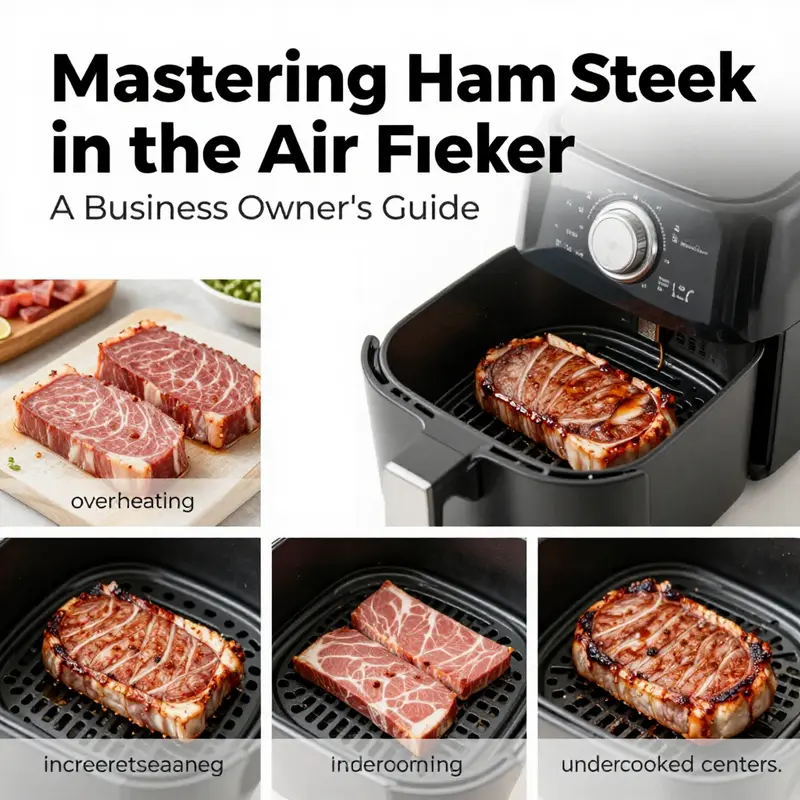
Cooking a ham steak in an air fryer sounds simple, yet it rewards patience and a light touch. Ham steaks are usually fully cooked when purchased, but reheating with care matters as much as any fresh steak. The aim isn’t a blistering crust alone; it’s a balanced approach that preserves moisture while coaxing a hint of sweetness from the meat’s natural cure and any glaze you apply. The air fryer’s convection cooks with steady, circulating heat, which can dry a lean edge quickly if you push the heat too hard. So the best practice is to begin with a gentle start: moderate warmth, a brief preheat, and a strategy that respects the ham’s already-cooked status. The recommended temperature range for reliable results sits around 300°F to 350°F, with a short window of 3 to 5 minutes per side if the ham is especially thick, and a final read of the internal temperature around 140°F to ensure safety and tenderness. Keep the surface dry and pat the ham gently with a paper towel before seasoning, so you don’t trap extra moisture under a wet glaze.
Common missteps show up quickly with ham, because the meat already carries salt and smoke flavors that can intensify as heat builds. Skipping preheating is the first trap; without a head start, the surface won’t brown uniformly, and the interior can lag. Overcrowding the basket is another frequent error, turning the air fryer into a steamer and leaving you with a pale exterior and uneven warmth. A light spray of oil can help browning, but too much oil or a heavy, wet marinade invites smoke and splatter and can mask the ham’s natural flavors. High heat may flash the outside while the inside remains cooler than desired, drying the outer edge and leaving the center still tepid. Finally, ignoring resting time after cooking nudges the juiciness out of the meat; a short 3- to 5-minute pause lets juices redistribute, leaving a juicier bite. Thickness matters too: very thin slices cook fast and risk overcooking; thicker cuts demand a careful eye and sometimes a slightly longer or gentler finish.
To set up for success, start with a clean slate: preheat the air fryer for 3 to 5 minutes at 325°F, a compromise between efficient browning and moisture preservation. While the unit warms, pat the ham steak dry and trim any ragged edges that might burn. Season lightly; a pinch of pepper, a whisper of brown sugar, perhaps a dusting of paprika or a touch of garlic powder can lift flavor without turning the meat metallic. If you want a glaze, apply it near the end of cooking to avoid soggy surfaces; a glaze that includes a syrup, mustard, or citrus note can brighten the dish without overpowering the ham’s cured character. Place the steak in a single layer with space around it so the air can circulate. Cook for 5 to 7 minutes, then flip and continue for another 3 to 5 minutes, depending on thickness. Detach from the heat early if the surface browns rapidly but the center remains pale. After removing, let the meat rest for a brief 3 to 5 minutes; this pause allows juices to reabsorb, ensuring the slice remains moist when you cut into it. If you’re serving more than one steak, work in batches to maintain air flow and even timing.
For texture contrast, you can finish with a quick glaze or a brush of melted butter to accentuate gloss without drowning the meat. Pair the ham with a simple accompaniment like roasted vegetables or a light salad, so the sweetness doesn’t overwhelm your palate. The key is balance: the ham’s saltiness, the glaze’s sweetness, and the air fryer’s crisp finish should all harmonize rather than compete. Remember that the aim is to heat through gently, not to sear to a crunchy crust on every slice. If you’d like a practical, step-by-step version you can follow, check this easy guide: air fryer ham steak recipe with glaze.
Beyond the home kitchen, the method scales well for weekend brunches or midweek meals, where you want something fast yet comforting. The same logic applies to other cured or precooked meats that benefit from a gentle reheat with a touch of color. If you’re curious about broader air fryer techniques for ham, don’t miss the deeper guidance in a comprehensive external resource that explores reliable temperatures, safe internal temperatures, and practical timing: https://www.seriouseats.com/air-fryer-ham-recipe
Final thoughts
By mastering the air fryer for ham steak, you not only enhance the flavor but also ensure efficiency and consistency in your kitchen operations. Embrace the tips offered in this guide to elevate your offerings and satisfy your customers with perfectly cooked ham steak that showcases your culinary skills. Integrating these practices will not only contribute to your business’s reputation but will also delight taste buds, ensuring repeat patronage.