
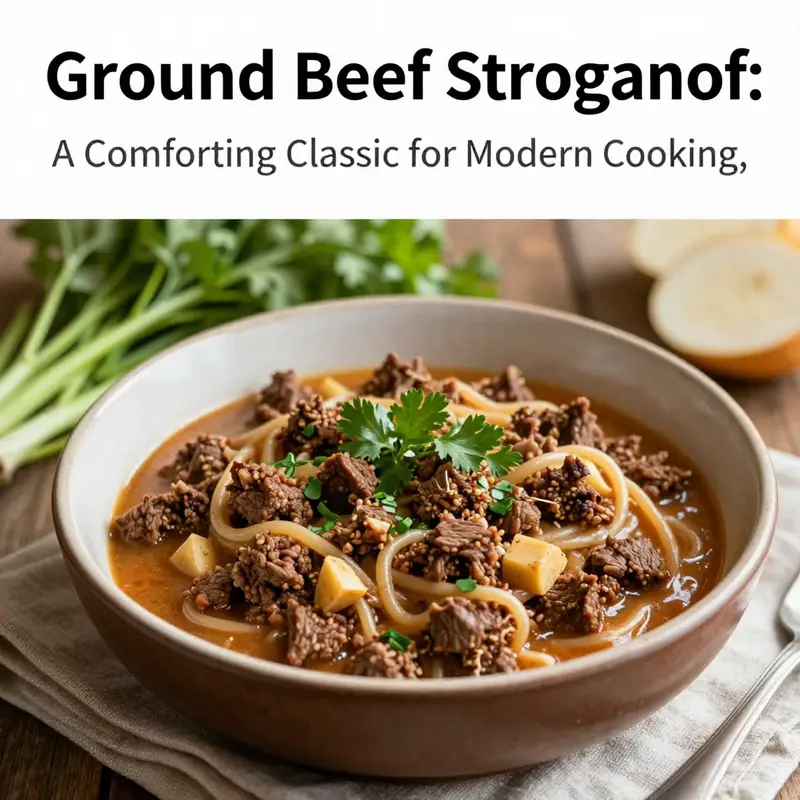
Ground Beef Stroganoff has emerged as a beloved classic in many households, capturing the essence of traditional Russian flavors while streamlining the preparation process. This article delves into three key areas: the straightforward recipe and preparation steps that make this dish accessible, the nutritional insights and variations catering to diverse dietary preferences, and the surge in popularity of this meal as a quick and delicious option for busy families. Understanding these facets will illuminate why Ground Beef Stroganoff resonates so strongly in contemporary home cooking.
Stovetop Simplicity: A Practical Guide to Making Ground Beef Stroganoff
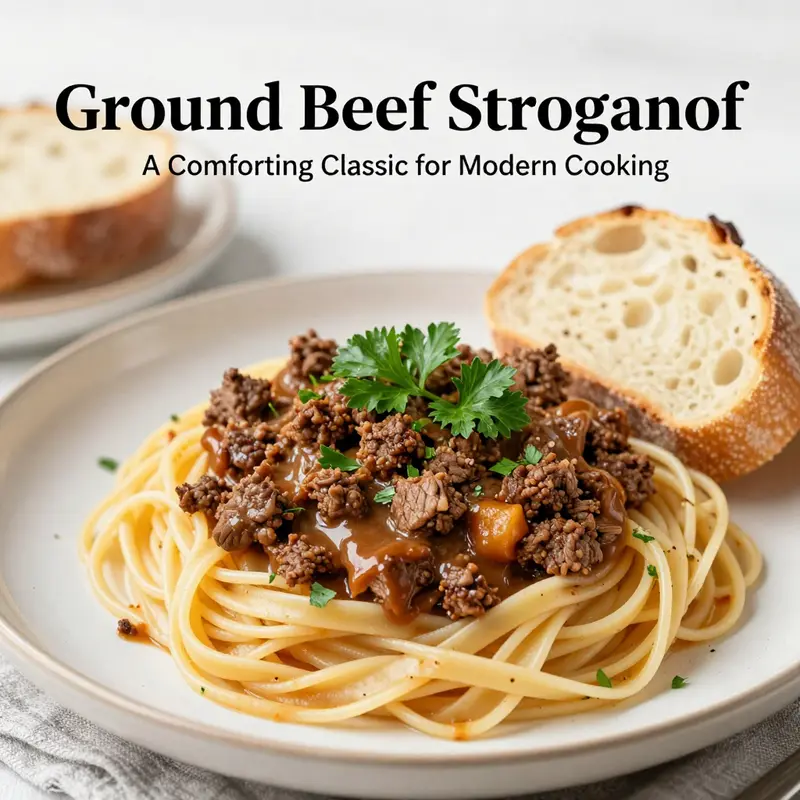
Ground beef stroganoff thrives on a few clear ideas: rich, tangy sauce; tender mushrooms and onions; and the cooling creaminess of sour cream that finishes the dish. This version strips the classic down to home-kitchen essentials, trading long braises and fancy cuts for speed without losing depth. Start by assembling ingredients and tools so timing stays tight and flavors build in sequence.
Begin with the protein. Use lean or medium-fat ground beef and heat a large skillet over medium-high heat. Add a knob of butter to carry flavor, then spread the beef into the pan. Break it into bite-sized pieces while it browns, seasoning early with salt and black pepper. Browning is about more than color: those fond bits on the pan’s surface become the base of the sauce. Once the beef is cooked through and has browned edges, remove it with a slotted spoon and leave the drippings in the skillet. Those drippings are concentrated flavor for the next step.
In the same pan, add the onions. Sauté them over medium heat until translucent and sweet, three to five minutes. Minced garlic follows for the last thirty seconds or so, releasing aroma without burning. Toss in sliced mushrooms next; white button or cremini work well. Cook the mushrooms until they release their liquid and it mostly evaporates, about five to seven minutes. This concentrates mushroom flavor and prevents a watery sauce later. If the pan seems dry, a splash of broth or water can free the browned bits and deglaze the pan.
Return the beef to the skillet and begin constructing the sauce. Classic ground beef stroganoff leans on sour cream as the defining element. Stir in a generous dollop and lower the heat immediately. Keep the mixture at a gentle simmer or warm it on low; boiling after adding sour cream risks curdling. For brightness and complexity, fold in a teaspoon of Dijon mustard and a splash of Worcestershire sauce. A tablespoon of tomato paste will add color and umami, while a small splash of dry red wine, brandy, or vodka is optional for depth. If you prefer a silky finish, a few tablespoons of heavy cream can be added with the sour cream.
Adjust consistency with broth or water. If the sauce feels thin, whisk a light slurry of flour and cold water and stir it in, cooking briefly until it thickens. Alternatively, simmer gently to reduce. Taste and season with additional salt, black pepper, and a touch of paprika. For an unusual but pleasant twist, a pinch of cinnamon accentuates the savory profile without making it sweet. Fresh chopped parsley or dill stirred in at the end lifts the dish.
Timing matters. The meat and vegetables should be hot, and the sour cream should be added off high heat. After combining, give the sauce two to three minutes to come together over low heat. Avoid prolonged simmering. The ideal finished sauce is smooth and glossy, clinging to the beef and mushroom pieces, with a tang beneath the savory.
Serve immediately. Egg noodles are the classic partner, their wide strands catching the sauce. Mashed potatoes and rice are equally welcome, absorbing the sauce’s richness. For a rustic touch, spoon the stroganoff over toasted black rye bread. Garnish with additional herbs and, if you like, a scatter of grated cheese for an extra layer.
Simple swaps keep the dish flexible. Plain yogurt can replace sour cream in a pinch, though it may be slightly tangier. Plant-based ground meat and mushroom-heavy mixes create vegetarian takes. For leaner meals, use ground turkey and boost umami with mushrooms and a splash of soy sauce. If you crave a one-pan, ultra-quick dinner, explore variations like quick meat-and-noodle dishes in the same family; for inspiration, see the helpful ideas in the collection of 3-ingredient ground beef recipes.
Storage and reheating are straightforward. Cool the stroganoff and refrigerate in a sealed container for up to two days. Reheat gently over low heat with a splash of broth to restore the sauce’s silkiness. Freezing is possible, though sour cream can separate on thawing. If freezing, leave out the sour cream and add it when reheating.
A few practical tips elevate results. Use medium-high heat to develop browning, but lower it as aromatic vegetables soften. Don’t overcrowd the pan while browning meat; do it in batches if needed. When adding alcohol, let it reduce by half to burn off harshness and concentrate flavors. Taste early and often; stroganoff is forgiving and responds well to small seasoning adjustments. Keep a light hand with heat after adding dairy—gentle warmth, not a boil.
This ground beef stroganoff approach keeps the heart of the classic while streamlining prep. It leans on technique—browning, deglazing, gentle finishing—rather than long cooking times. The result is a cozy, layered sauce that feels indulgent but comes together on a weeknight. For a tested reference and a recipe outline that mirrors this method, consult a trusted source such as Bon Appétit’s practical guide at https://www.bonappetit.com/recipe/ground-beef-stroganoff.
Balancing Flavor and Nutrition: Smart Variations for Ground Beef Stroganoff
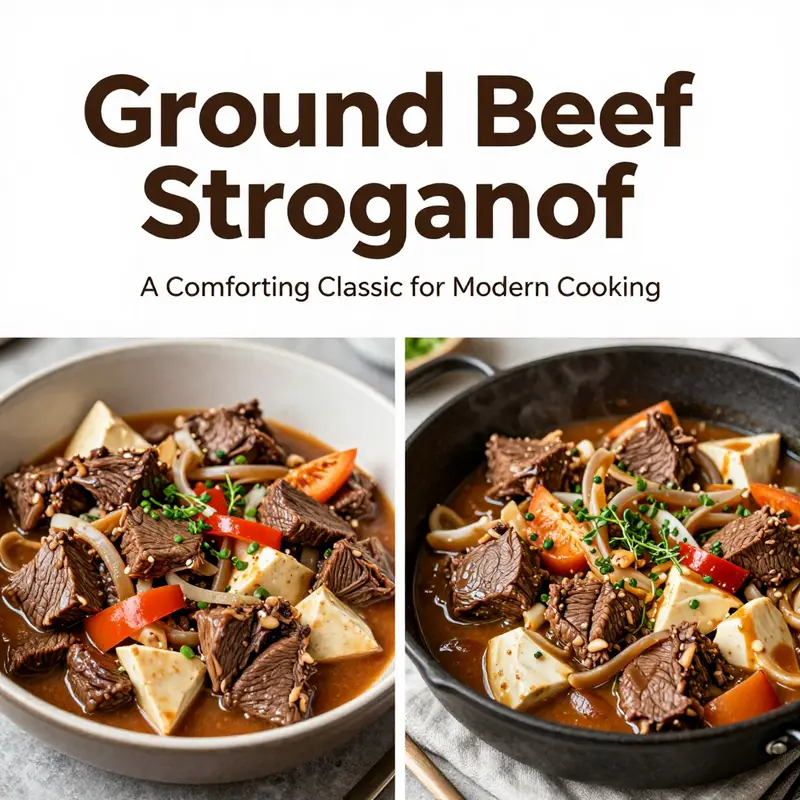
Balancing Flavor and Nutrition: Smart Variations for Ground Beef Stroganoff
Ground beef stroganoff delivers the familiar comfort of a creamy, tangy sauce with savory beef and mushrooms. It also presents a dense nutritional profile, largely due to the traditional use of sour cream, butter, and fatty ground beef. A typical serving runs around 508 calories, with roughly 70% of calories from fat, 19% from protein, and 11% from carbohydrates. Those numbers make the dish indulgent, but they also make it malleable. Small swaps and technique changes can preserve the flavor while improving nutrient density and lowering calories.
Start with the protein. Choosing 90% lean ground beef or leaner varieties reduces saturated fat and overall calories. Browning lean ground beef properly requires slightly different technique. Use a hot pan and let the meat sear without crowding. That builds flavor quickly and helps render fat for removal. After browning, drain excess fat into a heat-safe container. This small step cuts calories without sacrificing the caramelized notes that define a good stroganoff.
Dairy choices determine much of the mouthfeel and calorie load. Full-fat sour cream gives a rich tang and smooth texture. Greek yogurt replicates that tang with less fat and more protein. If you choose yogurt, temper it by whisking a few spoonfuls of hot sauce into the yogurt first. Then stir the warmed yogurt into the pan off direct heat. This prevents curdling and keeps the sauce silky. Low-fat cream cheese or a light crème fraîche substitute can work as well, depending on your preference and the availability of ingredients.
Mushrooms play a dual role. They are both a flavor amplifier and a textural counterpoint. Sliced cremini or button mushrooms add umami and bulk, which allows you to stretch the meat component. Finely chopped mushrooms mixed into the browned meat create a meatier feel with fewer calories per bite. For a substantial vegetarian boost, folded-in cooked lentils or white beans contribute fiber and protein and pair naturally with the classic sour cream-tomato base.
Onions and aromatics create depth with little caloric impact. Sauté onions slowly to extract sweetness and build a savory backbone. A touch of tomato paste and a teaspoon of Dijon mustard add acidity and complexity. These small additions make it possible to use less dairy while maintaining a satisfying taste profile. A splash of low-sodium beef or mushroom broth thins the sauce and adds savory notes without added fat.
Carbohydrate choices affect the meal’s overall balance. Traditional egg noodles or white pasta are comforting and quick. Substituting whole wheat pasta increases fiber and keeps you fuller longer. For a lower-carb plate, serve the stroganoff over mashed cauliflower or a bed of steamed vegetables. Brown rice or quinoa provides whole-grain options and a nuttier flavor; both store well and pair nicely with the tangy sauce.
Fat reduction need not mean flavor loss. Reduce butter or oil in the pan and rely on browning to create savory complexity. Finish with a modest splash of olive oil rather than extra butter. If you still crave richness, add a single tablespoon of butter at the end to coat the sauce. That finishing touch yields perceived creaminess while adding minimal calories when kept small.
Portion control is a practical tool. Serving the stroganoff alongside a large vegetable component or a mixed salad helps balance the plate. A smaller scoop of stroganoff on whole grain noodles, augmented with roasted vegetables, satisfies appetites without overloading calories. For family meals, stretch a single pound of ground beef with chopped mushrooms and diced zucchini to feed more people while maintaining satisfaction.
If you want quick weeknight alternatives, grounded recipes and minimalist approaches work well. Simple three-ingredient or minimal-ingredient ground beef dishes can inspire flavor-focused swaps for stroganoff. Explore ideas like these in the collection of 3-ingredient ground beef recipes for inspiration in simplifying pantry-driven meals while preserving bold taste.
Plant-based and hybrid approaches are increasingly popular. Swap ground beef for plant-based crumbles, or blend half beef and half cooked lentils or chopped mushrooms. These choices lower saturated fat and increase fiber. When using plant-based crumbles, treat them like meat: brown them first, then build the sauce. Use the same tempering technique with yogurt or plant-based yogurt to avoid separation.
Technical tips keep the sauce smooth. Remove the pan from direct heat before adding dairy. Stir in the sour cream or yogurt gently until fully incorporated. If a sauce needs thickening, simmer briefly with a small slurry of cornstarch and water or reduce it slowly. Overheating dairy causes separation, so maintain moderate temperatures while finishing the sauce.
Storage and reheating are straightforward. Refrigerate leftovers in an airtight container for up to three days. Reheat gently over low heat, adding a splash of broth to refresh the sauce. Frozen portions keep for two to three months; thaw overnight in the refrigerator and reheat as above.
Ground beef stroganoff can remain a comforting, family-friendly staple while adapting to modern dietary goals. By choosing leaner meat, swapping dairy wisely, adding vegetables, and controlling portions, you preserve its signature flavors with improved nutrition. For a detailed breakdown of nutrition and alternative preparation tips, see the full analysis and recipe variations at the linked resource below.
External resource: https://www.eatthismuch.com/recipes/ground-beef-stroganoff-hamburger
Why Ground Beef Stroganoff Became a Weeknight Staple — Adaptations That Keep It Fresh

Ground beef stroganoff earned its place in home kitchens by solving a simple problem: how to turn a few pantry staples into a meal that feels rich, comforting, and complete. The recipe trims time and fuss without losing the signature elements of the original dish. A deeply savory meat base, tender mushrooms and onions, a tangy dairy finish, and a sauce that clings to noodles or potatoes — these hallmarks remain. What changes is the method. Ground beef browns quickly and takes on flavor evenly. That speed makes the dish ideal for busy dinners, students, and anyone who values a satisfying meal with minimal prep.
The technique is straightforward yet forgiving. Quick, thorough browning of the ground beef creates a foundation of caramelized flavor. Adding mushrooms and onions to the pan builds aroma and texture. A small spoonful of tomato paste and a hit of mustard or Worcestershire create depth. Then a little broth or even water pulls everything together. The last step is critical: stirring in sour cream off the heat or over very low heat keeps the sauce smooth. Heat is the enemy of dairy emulsions; when handled gently, the result is velvety and cohesive. This simple technique explains why so many home cooks prefer the ground beef version — it delivers classic taste with far less drama.
Affordability and accessibility are part of the story. Ground beef is widely available, budget-friendly, and versatile. It stretches further than equivalent amounts of steak, making it a practical choice for family meals. Pantry shortcuts like canned mushroom soup or stock reduce active time while preserving texture. Wide egg noodles, mashed potatoes, or rice become the vehicle for the sauce, so a single pot or skillet can produce a full plate with minimal cleanup. The combination of low cost and high comfort makes this dish a perennial favorite for households managing time and budgets.
Adaptability fuels the recipe’s longevity. The structure of a meat-plus-mushroom sauce accepts substitutions easily. Swap proteins without losing character: lean ground turkey or chicken work well for lighter versions. Plant-based ground meat can mimic the texture for vegetarian or vegan adaptations. For those avoiding dairy, coconut milk or plant-based creams provide a creamy finish, though they shift the flavor profile slightly. Gluten-free cooks can choose suitable noodles or serve the sauce over rice or mashed potatoes. Even small ingredient swaps — like using Greek yogurt instead of sour cream, or adding smoked paprika for warmth — let cooks tailor the dish to preferences and pantry contents.
Cultural resonance helps explain its comfort-food status. The meat-and-mushroom pairing connects to Eastern European and French traditions, while canned soups and convenient ingredients reflect mid-20th-century home cooking innovations. The result is a hybrid: familiar European flavors updated for quicker American home kitchens. That hybrid nature gives cooks permission to experiment. Some families stick to the nostalgic, canned-soup version. Others build a fresher sauce from scratch with chopped cremini or shiitake, real onions, and homemade stock. Both approaches deliver the same satisfaction — a warm, savory plate that feels like home.
Practical tips make the dish even more reliable. Always drain any excess fat after browning to prevent a greasy sauce. Reserve some of the cooking liquid when you add broth, and use it to adjust the sauce thickness. Add sour cream or yogurt slowly, tempering it with a bit of hot sauce before stirring it into the pan. If you want a silkier texture, finish with a pat of butter. Fresh herbs brightened at the end, like parsley or chives, lift the richness and add color.
This recipe also adapts well to batch cooking and leftovers. Make a double batch and freeze portions for busy nights. Reheat gently on low heat, adding a splash of broth to refresh the sauce. Leftovers taste even better after a day, as flavors meld. The dish pairs as effectively with steamed greens or a crisp salad as with comforting starches, which helps when stretching meals across different palates.
For cooks looking for inspiration beyond the classic swaps, try borrowing ideas from other ground-meat recipes. A reliable companion recipe is one that uses similar pantry ingredients and quick cooking methods, such as a simple ground turkey pasta. That foundation demonstrates how minor changes alter character while preserving convenience and heartiness. Use those crossovers to keep menus varied without increasing effort.
The appeal of ground beef stroganoff is not accidental. It balances speed, affordability, and flavor in a way few stove-top dinners do. Its structure supports substitution and improvisation. Its flavors echo culinary traditions while embracing contemporary needs. Whether you favor a nostalgic canned-soup version, a scratch-made sauce with fresh mushrooms, or a dairy-free reinterpretation, the dish performs. It fills plates, warms hands, and simplifies weeknight decision-making. For many households, it remains a reliable answer to the question: what’s for dinner?
For a tested, step-by-step recipe and additional variations, see this easy ground beef stroganoff guide: https://www.allrecipes.com/recipe/147869/easy-ground-beef-stroganoff/.
For a related recipe that highlights a flexible ground-protein approach, see this ground turkey pasta for ideas on swapping proteins and keeping flavors bright: ground turkey pasta.
Final thoughts
Ground Beef Stroganoff has certainly made its mark as a family-favorite dish that marries convenience with comfort. Understanding its preparation process, nutritional aspects, and growing appeal sheds light on why it remains a staple in kitchens across the globe. Whether you’re new to cooking or a seasoned chef, this dish offers versatility and satisfaction, making it a wonderful addition to any culinary repertoire. Consider trying it tonight and experiencing the rich, warming flavors that have delighted many for generations.