
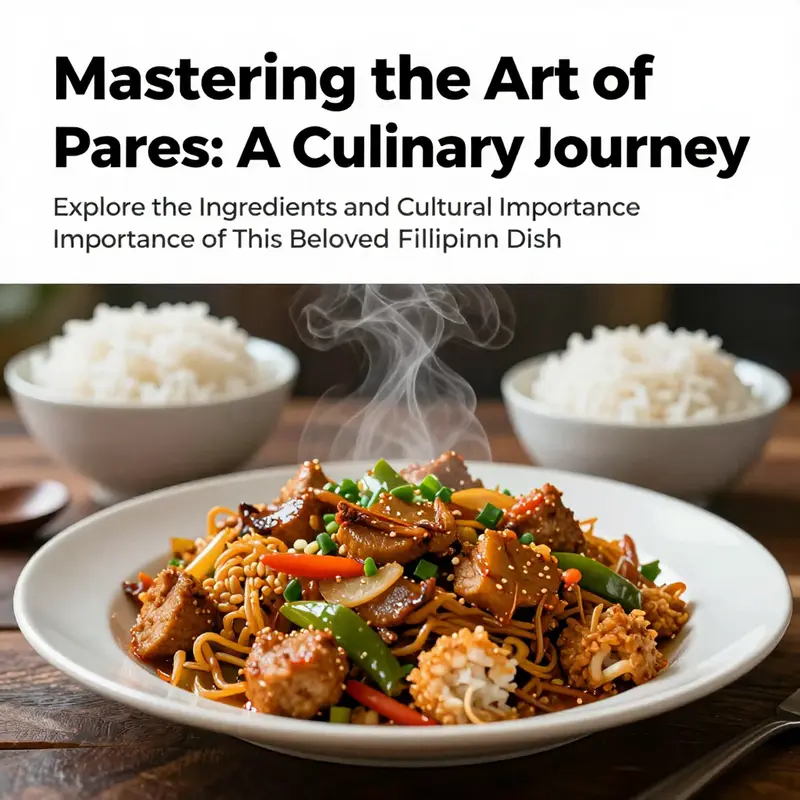
Pares, a cherished Filipino delicacy, embodies both taste and tradition. This article provides a comprehensive guide for business owners interested in incorporating this hearty recipe into their culinary offerings. The first chapter will detail the essential ingredients and cooking steps to perfect Pares, while the second will delve into its cultural significance within Filipino cuisine. Together, these insights highlight how serving Pares can enhance a dining experience and appeal to a broad customer base.
Pares Unveiled: Key Ingredients and Step-by-Step Slow-Simmer Technique
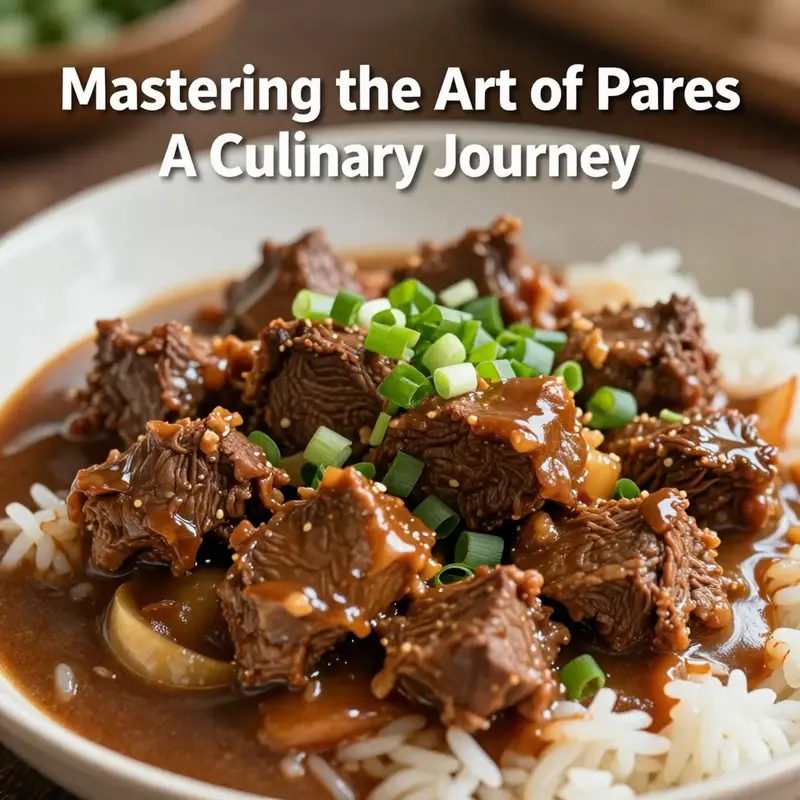
Ingredients and Method
Pares is a Filipino comfort stew centered on tender beef and a savory, slightly sweet broth. The success of the dish depends on ingredient balance and patient simmering. Begin with quality beef; brisket is traditional because its connective tissue melts into gelatin. Choose about one kilogram for a family portion. Cut the meat into bite-sized pieces so each morsel soaks up the broth.
Alongside beef, assemble aromatics that build depth: a large onion coarsely chopped, a bulb of garlic finely minced, and two tablespoons of grated ginger. These three create a fragrant base that complements the soy and fish sauces. Use two bay leaves and, if you like a gentle warmth, a teaspoon of whole black peppercorns. Salt should be added carefully because soy and fish sauce already carry sodium. Sweetness is subtle in pares; a teaspoon of sugar or brown sugar will round the savory notes without overtaking them.
For liquid, four cups of beef broth enrich the flavor. Water works if you prefer a lighter profile, but broth yields the classic, robust result. Add a tablespoon each of soy sauce and fish sauce for umami and salt. The fish sauce—patis—is small in quantity but crucial for authentic depth. If you want extra richness, a small piece of dried beef or a spoonful of beef marrow can join the pot.
Prepare your mise en place before cooking. Rinse and pat the beef dry. Chop the onion and prep the garlic and ginger. Measure spices and sauces. Have your rice ready or queued for cooking because pares is best served hot over steaming rice.
Start the cooking by gently cleaning the beef. Place the cut brisket into a large pot or Dutch oven. Cover with the beef broth or water and bring to a boil. As it approaches a boil, reduce the heat to maintain a low simmer. This initial simmer extracts impurities and softens connective tissues. Skim off any scum or foam that rises to the surface so the broth remains clear and bright. Simmer the beef for about thirty minutes to jumpstart tenderness.
While the beef simmers, heat a tablespoon of neutral oil in a separate skillet. Add the minced garlic, chopped onion, and grated ginger. Sauté over medium heat until the onion becomes translucent and the mixture is aromatic. This step softens raw edges and develops a caramelized aroma. The sautéed aromatics will mingle with the braising liquid and lift the final flavor.
Transfer the sautéed aromatics into the beef pot. Stir in the soy sauce and fish sauce. Add the bay leaves and peppercorns. Toss in the teaspoon of sugar. These elements form the pares flavor profile: savory, slightly sweet, and deeply savory from the fish sauce.
Reduce the heat to low. Cover the pot and let the beef simmer gently for one to one and a half hours. Slow, low heat is essential. It dissolves collagen and turns brisket into tender, fork-ready pieces. Stir occasionally and taste as you go. The slow simmer lets flavors meld. If the meat resists a fork, continue cooking until it yields easily.
If the broth seems thin after the meat becomes tender, uncover the pot and let it reduce. A gentle reduction concentrates flavor and slightly thickens the liquid. For a silkier finish, prepare a cornstarch slurry—one teaspoon of cornstarch mixed with two teaspoons of cold water—and whisk it into the hot broth in small increments. Allow one to two minutes for the sauce to thicken. Avoid heavy thickeners; pares should remain saucy, not gluey.
Season with salt only after tasting. Soy and fish sauces supply much of the seasoning. Adjust the balance with more sugar if the broth leans too salty, or with a splash of vinegar if it needs brightness. Some cooks finish with a squeeze of citrus, like calamansi or lime, to lift the richness. Scatter thinly sliced green onions over the top for a fresh, herbal note.
Pares is traditionally served over steamed white rice. The rice absorbs the savory broth and becomes part of each bite. For variation, some serve pares with noodles. If you prefer to stretch richness and texture, add potatoes or small braised carrots during the final thirty minutes of simmering. The vegetables will absorb flavor without disintegrating.
Slow cookers work well for pares if you plan ahead. Combine all ingredients, except rice, in a slow cooker and cook on low for six to eight hours. This method produces uniformly tender beef and a deep, developed broth. Leftovers improve over a day, as flavors continue to develop while resting in the refrigerator.
Two common presentation approaches appear in Filipino kitchens. One pairs the stew strictly with rice and a small side of pickled vegetables or sliced fresh chilies. The other presents pares alongside a clear, beefy soup and a bowl of white rice, letting diners combine spoonfuls as they like. Both respect the balance between savory meat and neutral rice.
Small technique choices change the final character. Browning beef before simmering adds caramel complexity. To do this, dry the meat well and sear in batches on high heat until a brown crust forms. Deglaze the pan with a splash of broth before adding the beef and liquid to the pot. This step is optional but worthwhile if you enjoy a deeper, roasted note in the broth.
If you prefer a leaner dish, trim excessive fat from the brisket. However, keep some fat; it carries flavor and melts into a glossy finish. For an even richer bowl, add a marrow bone or a small piece of dried beef during the simmer. These ingredients dissolve flavor and enrich the stock.
Pares recipes vary across households and regions. Some cooks emphasize soy sauce for a darker, sweeter finish. Others increase fish sauce and reduce soy for a brinier, more savory profile. Experiment within the framework provided: keep the saffron of flavors—beef, aromatics, soy, fish sauce, bay, and a touch of sugar—and adjust proportions to suit your palate.
When serving, warm bowls help maintain temperature. Spoon generous ladles of beef and broth over steaming rice. Offer sliced green onions, calamansi or lime wedges, and optional chili on the side. A sprig of fresh herbs can add visual brightness, but avoid overpowering flavors that compete with the stew.
Leftover pares stores well. Cool the stew before refrigerating. Reheat gently over low heat to prevent the meat from tightening. Add a splash of water or broth if the sauce thickened significantly. Refrigerated pares will taste more harmonized after a night, as spices and umami elements marry further.
For cooks interested in related beef cookery ideas, consider exploring complementary preparations that celebrate slow-braised beef. A recipe focused on marrow-rich cuts can deepen your understanding of gelatinous textures. See this internal resource on beef neck bones for ideas that translate well between stews and braises: beef neck bones.
Pares is approachable and forgiving. It rewards patience more than precision. Keep flavors balanced, choose a cut that benefits from slow cooking, and allow sufficient simmer time. Small touches—browning meat, adding marrow, or finishing with citrus—elevate the result. With practice, you will find personal tweaks that make pares uniquely yours while preserving the dish’s comforting, savory soul.
For a compact visual demonstration and an authentic take on pairing aromas and simmer times, you may refer to this short video guide: https://www.tiktok.com/@filipinocooking/recipe/beef-pares
Pares at the Table: How a Hearty Stew Shapes Filipino Home Cooking and Street Food
Pares at the Table: How a Hearty Stew Shapes Filipino Home Cooking and Street Food
Pares is more than a recipe name; it is a culinary handshake between slow-braised meat and everyday life in the Philippines. The dish bridges home kitchens and street stalls, family plates and late-night cravings, simple ingredients and layered flavor. Although formal literature specifically analyzing Pares is scarce in some research collections, the dish’s presence in Filipino foodways is clear through practice and memory. This chapter explores how Pares functions culturally: what it represents at communal meals, how its preparation reflects Filipino approaches to comfort food, and why it travels so naturally from the household to the karinderya and the city sidewalk.
Pares arrives at the table as a stew, usually served with rice. Its central idea is straightforward: tender meat stewed until richly flavored, paired with a savory-sweet broth and often complemented by a small bowl of garlicky broth or a side of pickled vegetables. This simplicity makes the dish adaptable. Different cooks choose beef cuts such as brisket, short ribs, or oxtail; some households prefer pork variations. Vegetables appear when convenient—potatoes, carrots, and sometimes bok choy—yet the focus remains the braised meat and the sauce that clings to rice. That economy of ingredients mirrors a larger cultural pattern: Filipino cooking frequently turns modest stores of food into deeply satisfying meals through technique and seasoning.
At its heart, Pares embodies the Filipino habit of pairing. The word “pares” itself suggests pairing—meat with rice, stew with broth, savory with a touch of sweetness. This matching mentality is common in Filipino dining, where complementary elements meet on a single plate. In this way, Pares functions as both a main course and a culinary framework. It satisfies hunger while encouraging convivial eating. When families gather, a pot of Pares can serve many mouths; when friends meet for late-night chatter, a warm bowl shared at a roadside stall makes conversation easier. The dish’s capacity to feed groups reinforces its role in social moments.
Pares also reflects continuity and change. Techniques used—browning meat, simmering gently, balancing soy and aromatics—trace back to broader braising traditions found across Asia and Europe. Over time, Filipino cooks have adjusted flavors and accompaniments to local tastes. Some versions emphasize a caramelized, sweet-soy profile; others lean into peppery, savory notes or include a thin, clear garlic broth for sipping. These variations register regional preferences and family histories. One household might favor a thicker, molasses-sweet sauce while another prefers a lighter, more pepper-forward broth. Those differences are a form of storytelling; they signal the palate and memory of a cook who learned the recipe from a parent or neighbor.
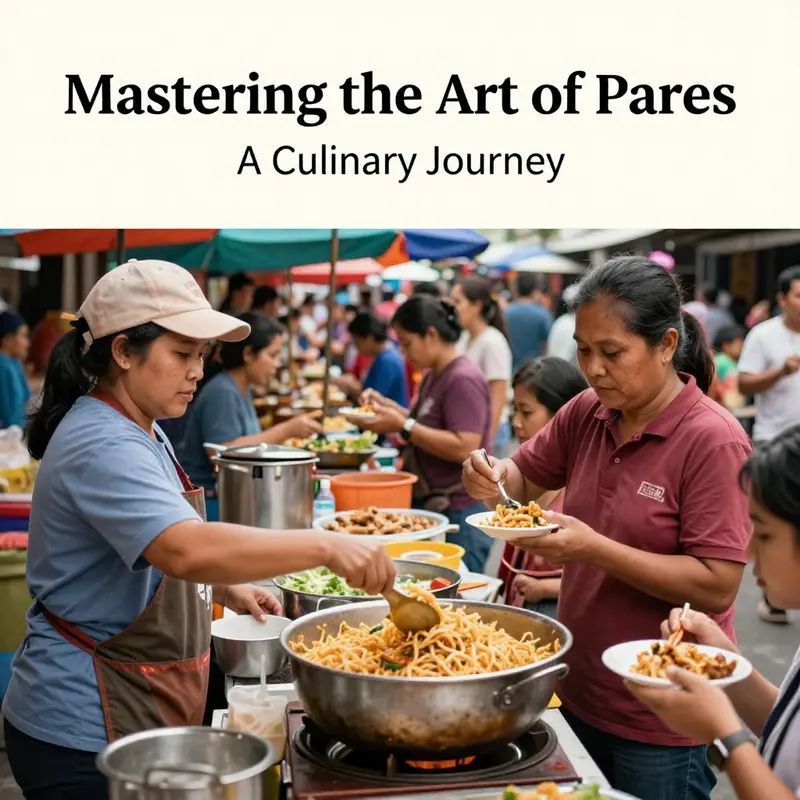
The street-food context of Pares deserves particular note. In many cities, small eateries dedicated to Pares serve plates from morning until late night. These establishments often specialize in a handful of staples—braised meat, soup, and rice—allowing cooks to perfect their versions. The result is an accessible food ecosystem that centers on consistency and familiarity. Patrons return for the predictable comfort of a bowl and the social ritual that comes with quick, communal dining. The popularity of Pares in such venues speaks to a cultural preference for meals that are both economical and richly flavored.
Cultural significance for a dish like Pares is not only in who eats it, but how it is eaten. The physical act of pairing meat and rice, of spooning a portion of braised beef over white rice, of dipping small bites into a sweet soy sauce, organizes a meal around sharing. Plates and bowls are passed, conversations hum, and the meal becomes a sequence of repeated gestures. Those gestures matter. They shape relationships, mark routines, and embed culinary practices into daily life. In many households, Pares fills particular roles: a reward at the end of a long day, a lunch shared by colleagues, or a communal dish for weekend gatherings.
Foodways also shape identity. For Filipinos living abroad, a pot of Pares can function as a portable piece of home. Recreating the dish becomes a way to maintain cultural ties and transmit culinary knowledge to children. Ingredients may change abroad—different cuts of meat, alternative soy sauces—but the essential goal remains: to produce the familiar balance of tender meat, savory-sweet sauce, and comforting rice. That adaptability makes Pares portable across geographies. It arrives in diaspora kitchens as both a taste and a mnemonic device, a reminder of flavors associated with childhood and community.
Pares sits in a constellation of Filipino dishes that define everyday eating: soups, grilled proteins, and rice-centered bowls. Unlike festival-only meals, Pares fits both low-key and celebratory contexts. It is substantial but not ceremonially heavy. It satisfies a practical need for filling sustenance while delivering pleasurable complexity of taste. That dual role—practical and pleasurable—is one reason the dish has become woven into routines rather than reserved for special days.
The ways people prepare and present Pares also reveal local values about thrift and respect for ingredients. Slow braising extracts maximum flavor from economical cuts. Adding aromatics and a little sugar or soy transforms them into a dish that feels luxurious without requiring expensive resources. This technique honors the ingredient by coaxing depth from time and attention rather than lavish spending. In communal kitchens, the decision to set aside meat for slow cooking becomes an act of care. Preparing a pot of Pares for visitors or family is a gesture of hospitality.
Language and naming also articulate cultural ties. The term “pares” implies a pairing, but it also carries associations with particular dining patterns in the Philippines. The dish’s name signals not just a method, but an expectation: that something accompanying the meat will complete the meal. That expectation translates into how people design menus, create dining partnerships, and even build businesses around the dish. Small restaurants may list Pares alongside other pairable dishes, reinforcing the cultural logic that everything on the plate should relate to, and enhance, the central protein.
Finally, Pares participates in cultural continuity through ritualized preparation. Recipes are often transmitted orally, with measurements given as intuition—”a thumb of soy,” “cook until the meat is tender.” That oral transmission privileges sensory literacy over precise metrics. The result is a living recipe culture where cooks internalize techniques through repetition. These embodied knowledges are cultural assets. They allow a dish to change and adapt while retaining a recognizable core. New cooks learn how much sugar balances the soy, how long to braise a particular cut, and which small condiments sharpen the overall flavor.
In short, Pares matters culturally because it is a versatile medium for connection. It embodies pairing and balance, scales to feed many, and adapts to new places and hands. Though some research repositories lack detailed academic studies focused exclusively on Pares, observation of kitchen practice, street food culture, and family dining provides abundant evidence of the dish’s role. Pares is not merely a list of ingredients and steps; it is a matrix of taste, memory, and social practice. Its prominence in everyday eating and communal settings makes it an ideal subject for cooks seeking both a satisfying meal and a link to culinary heritage.
For readers exploring recipes, techniques, and the cultural logic behind them, Pares offers practical lessons. Braising transforms inexpensive cuts. Pairing emphasizes balance. Oral transmission keeps culinary memory alive. And the street-to-home continuum shows how recipes travel and anchor themselves in daily life. Those lessons apply beyond Pares: they reveal how simple rules and patient technique can create dishes that sustain bodies and bind people.
If you want to explore related beef braising and chili techniques that share methodical roots with Pares, consider reading a practical guide to similar beef preparations like the steak and beef chili recipe. That resource highlights searing, seasoning, and slow-simmering approaches that inform many Filipino-style braises.
(Note: some formal research collections did not return dedicated cultural studies on Pares specifically. The observations here synthesize culinary practice, common kitchen knowledge, and the dish’s documented presence in Filipino food culture.)
Final thoughts
Pares is not just a meal; it is a dish steeped in cultural heritage and community bonding. By integrating this recipe into a restaurant’s offerings, business owners can cater to a diverse clientele while celebrating Filipino culture. Whether for family gatherings or festive celebrations, Pares stands out as a hearty dish that resonates with the local population and beyond, creating a memorable dining experience.