

Using leftover rotisserie chicken is not just a smart way to minimize food waste—it’s a gateway to creating delicious meals that are both quick to prepare and satisfying. For business owners juggling multiple responsibilities, the efficiency of cooking becomes paramount. By incorporating rotisserie chicken into your meal rotations, you can save time while offering diverse culinary experiences to your teams. This article presents two chapters focusing on creative recipes that delight the palate and nutritious options that support healthy eating, ensuring that every meal is both enjoyable and beneficial.
Turn One Rotisserie into Many: Quick Tacos, Soul-Warming Soup, and Cozy Casseroles
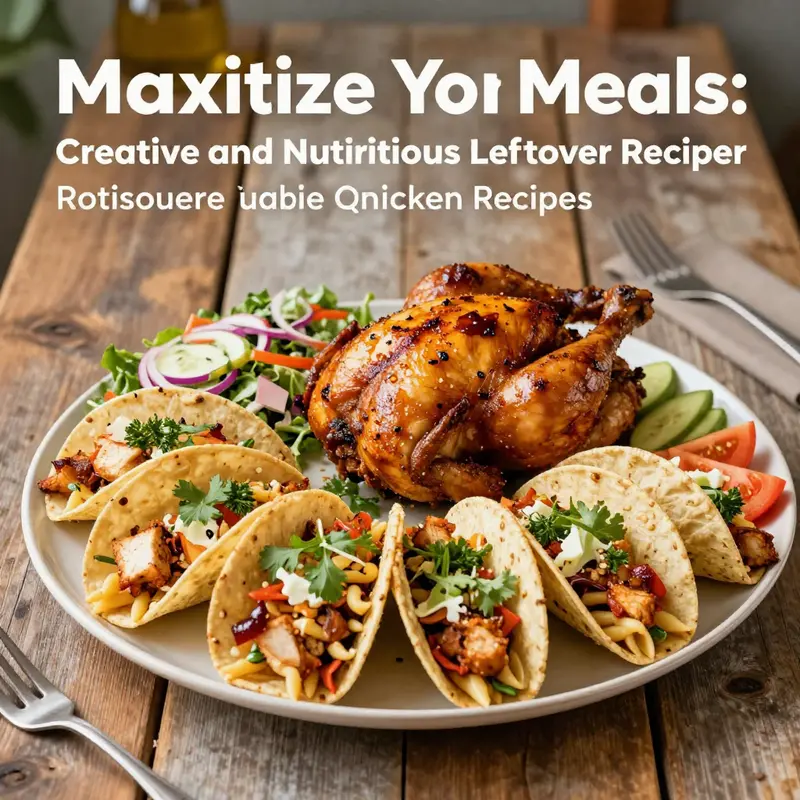
Leftover rotisserie chicken is a blank canvas that saves time and delivers big flavor. With modest effort you can turn a single bird into a week of distinct meals. This chapter shows three versatile directions—Mexican-inspired tacos or enchiladas, a robust chicken soup built from the bird’s bones, and a comforting baked casserole—and offers smart tips for shredding, seasoning, and stretching the protein so every plate feels intentional and fresh.
Start with the basics: cool the chicken slightly, then remove meat from the bones. Shred white and dark meat separately. White meat stays drier and is perfect for quick fillings. Dark meat holds moisture and deep flavor, ideal for soups and slow bakes. Save the carcass and any skin; those parts are gold for broth. If you won’t use them right away, freeze the bones in a bag for future stock.
For fast weeknight tacos, keep seasoning bold but simple. Heat a splash of oil in a skillet. Add minced onion and garlic, then toss in shredded chicken. Stir in a spoonful of salsa verde, a pinch of chili powder, and a squeeze of lime. Warm just until the chicken absorbs the sauce. Fill warmed corn or flour tortillas and top with chopped cilantro, diced onion, and crumbled cheese. Add avocado or a quick slaw for crunch. This method works equally well if you swap salsa verde for mole or a smoky chipotle adobo. The rotisserie chicken soaks up these flavors fast, which means you can serve restaurant-style tacos in under twenty minutes.
To turn leftovers into enchiladas, shift to a sauce-heavy approach. Mix shredded chicken with a small amount of enchilada sauce and sauteed vegetables like bell peppers and corn. Spoon the mixture into corn tortillas, roll, and nestle them in a baking dish. Cover with more sauce and a modest layer of cheese. Bake until bubbling and lightly browned. Enchiladas are forgiving, so add black beans or rice to bulk the filling without losing texture. They reheat well, making them a great make-ahead dinner for busy nights.
A rotisserie carcass makes an instant upgrade to canned or boxed broth. Place bones in a pot with roughly chopped carrots, celery, and onion. Add garlic, peppercorns, and a sprig of thyme or oregano. Cover with cold water and simmer gently for at least one hour. Longer yields more depth. Strain the liquid and you have a stock that carries roasted chicken flavor. Use it immediately for a soup, cool and refrigerate, or freeze for later.
For a classic hearty chicken soup, start with that homemade stock. Return the strained broth to the pot and bring to a gentle boil. Add diced carrots, celery, and onion. Simmer until tender. Add short pasta or rice and cook just until al dente. Stir in shredded chicken and warm through. Finish with chopped parsley and a squeeze of lemon to brighten the bowl. Small touches like lemon or fresh herbs change the soup’s personality and make leftovers feel new.
If you prefer a broth with more depth, add savory extras while simmering. A bay leaf and a scrap of Parmesan rind deepen umami. A few cumin seeds or a chipotle pepper nudge the soup toward Southwestern flavors. For an Asian influence, swap aromatics and use ginger, star anise, and a splash of soy sauce. The shredded rotisserie chicken will absorb those notes quickly.
Casseroles offer another clear path when you want a single-dish meal. Combine shredded chicken with a binding sauce, vegetables, and a starch. A classic route uses cream of mushroom or cream of chicken soup as a base. Add frozen mixed vegetables, cooked rice or pasta, and a generous handful of cheese. Transfer to a buttered baking dish, top with breadcrumbs or crushed crackers, and bake until golden. The textures contrast—creamy interior and crunchy top—making the dish feel homey and satisfying.
If you want a lighter casserole, swap full-fat soup for a béchamel or a yogurt-based sauce. Stir in mustard, Dijon, or a spoonful of pesto for an immediate flavor lift. For a flaky, hand-held twist, use store-bought pastry or refrigerated crescent dough. A ready-made shortcut like a crescent dough pot pie transforms the same chicken into an elegant, portable meal. Try a linked idea like the crescent roll chicken pot pie for inspiration and assembly tips: crescent roll chicken pot pie.
Stretching and balancing are the keys to making chicken go further without losing quality. Bulk with beans, lentils, and grains. Add vegetables that hold texture after reheating, such as bell peppers, broccoli florets, or root vegetables. Fold in quick-cooking ingredients at the end to avoid sogginess. When using pasta or rice, slightly undercook them before baking. They finish in the oven without absorbing too much moisture.
Reheating and storage matter. Cool cooked dishes quickly and refrigerate within two hours. Store shredded chicken in an airtight container for three to four days. Freeze portions for up to three months. When thawing frozen chicken, do it overnight in the fridge for best texture. Reheat gently to prevent drying. A quick stovetop simmer in a splash of broth or a few minutes in a covered skillet keeps meat tender.
Spice blends and condiments are your flavor wardrobe. A dry rub used before warming changes the character immediately. Sprinkle smoked paprika, cumin, and a touch of brown sugar for a barbecue-leaning filling. Use lemon-pepper and a drizzle of olive oil for Mediterranean notes. A small jar of pickled jalapeños or preserved lemons will transform tacos, soup, or casserole at the last minute.
Finally, think about presentation and contrast. Crisped tortillas, a lemony herb finish, or a crunchy topping make leftovers feel deliberate. Use raw garnishes like herbs, thinly sliced radish, or toasted seeds to add texture and freshness.
The common thread is intention. A rotisserie chicken is more than a shortcut. It is a starting point for diverse meals. Tacos can be bright and fast. A broth made from bones yields rich soup. A baked casserole offers comfort and adaptability. With simple techniques, seasoning, and smart stretching, one bird feeds many satisfying plates.
Lean and Lively: Healthy Meals Built from Leftover Rotisserie Chicken

Lean and Lively: Healthy Meals Built from Leftover Rotisserie Chicken
Leftover rotisserie chicken is a shortcut to wholesome meals. It delivers ready-made protein, savory flavor, and an easy base for dishes that are both nutritious and quick. This chapter explores ways to turn those leftovers into balanced lunches and dinners that emphasize vegetables, whole grains, and sensible fats. You’ll find simple assembly strategies, swaps to reduce sodium and calories, and four flexible recipes that work for meal prep or a single night’s dinner.
Start with the basics: portion and store your chicken properly. Remove meat from the bones and reserve bones and skin if you plan to make a broth. Refrigerate shredded meat in a shallow airtight container to cool quickly. Use within three to four days. Freeze any larger excess in measured portions for future use. This small step keeps your ingredients fresh and makes weekday cooking feel effortless.
The first recipe focuses on boosting vegetables while keeping the dish light. Instant Chicken Zoodle Soup in a Jar replaces noodles with spiralized zucchini. Layer shredded chicken, thinly sliced carrots, sliced mushrooms, and chopped green onions in a jar. Pack zoodles separately or place them on top if eating within a day. Bring a simple homemade broth—chicken bones simmered with celery, onion, garlic, and a bay leaf—to a low boil and pour it into the jar. Seal and keep warm or refrigerate for ready-to-heat lunches. Zoodles keep the soup lower in carbs and higher in vegetables, while the rotisserie meat adds tenderness and protein. Jarring the soup makes portion control easy and turns soup into a practical meal-prep option.
Next, a handheld that still favors nutrient density: Easy Chicken Caesar Wraps. Use whole-grain tortillas for fiber. Mix shredded chicken with crisp romaine, grated Parmesan, and a lighter Caesar-style dressing made by stirring Greek yogurt with lemon, a little mustard, garlic, and anchovy paste or capers for depth. Add a handful of peas or snap peas for crunch and extra vitamins. Assemble the wrap by layering greens first, then chicken, then sauce to avoid sogginess. Toasting the wrap briefly seals it and melts the cheese, making it satisfying without heavy dressings. These wraps are ideal for a workday lunch or quick dinner paired with roasted vegetables.
If you want a bowl that tastes indulgent but eats like a balanced meal, try Chicken Taco Salad in a Jar. Use shredded chicken seasoned with cumin, smoked paprika, and a squeeze of lime. In a wide-mouth jar, layer a tangy lime-cilantro vinaigrette, cherry tomatoes, black beans, charred corn, diced bell pepper, and a scoop of avocado. Top with chicken and finish with a small portion of crushed tortilla chips for texture. When ready to eat, invert the jar into a bowl or shake to distribute the dressing. This salad hits protein, fiber, and healthy fats in one portable container. It’s also forgiving—swap black beans for pinto or add quinoa for extra complex carbs.
Homemade Soup Using Rotisserie Chicken embodies frugality and flavor. Simmer the reserved bones with carrots, celery, onion, and water for at least an hour to extract gelatin and flavor. Skim the fat if you want a lighter broth. Add shredded meat, leafy greens, barley or farro, and herbs near the end. This approach produces a nutrient-dense, low-cost meal that rivals canned soups in taste and beats them in sodium control. If you prefer a heartier texture, brown a small onion and garlic first, then deglaze with white wine or a splash of vinegar before adding water and bones. A final squeeze of citrus brightens the bowl.
Small technique changes make these dishes healthier without sacrificing taste. Swap mayonnaise or heavy cream for Greek yogurt in dressings and dips. Use herbs and citrus to amplify flavor so you need less salt. Toast whole grains before cooking to enhance aroma, which allows smaller portions to feel more satisfying. Roast or steam vegetables instead of frying to retain nutrients and texture. For meals that call for cheese, choose sharper varieties so less is needed to deliver flavor.
Mindful seasoning prevents extra sodium from undermining a healthy meal. Rotisserie chicken can be salty depending on its preparation. If you’re watching sodium, rinse shredded meat briefly under cool water and pat dry to remove surface salt. Favor homemade broths, or low-sodium stock, and finish with fresh herbs or lemon to bring brightness. For a deeper dive into reducing sodium in prepared chicken dishes, consider ideas from a helpful guide on low-sodium chicken recipes.
Meal prep tips keep these healthy options convenient. Cook a large pot of whole grains or grain alternatives like quinoa at the start of the week. Spiralize zucchini or slice vegetables and store them in air-tight containers. Pre-mix dressings in small jars and label them. Combine base ingredients in jars for grab-and-go lunches, keeping wet components separated until serving. When freezing portions, leave a little headspace and freeze flat in zipper bags for easy stacking.
Variations make each recipe yours. Add a spoonful of pesto to the zoodle soup for richness. Swap romaine in the Caesar wrap for baby spinach to pack more iron and folate. For the taco salad, switch the vinaigrette to a yogurt-based chipotle dressing for smoky heat without too much oil. In the homemade soup, change the grain to rice or lentils to shift texture and nutrients.
These recipes reduce waste by using bones, skin, and every shred of meat. They encourage whole-food swaps and simple techniques that elevate leftovers into balanced meals. If you want to explore more combinations and inspirations, this selection expands into many directions and keeps cooking stress low. For additional ideas and step-by-step recipes based on rotisserie chicken, see a curated collection that inspired these concepts: https://www.wholefully.com/rotisserie-chicken-recipes/.
For sodium-conscious variations and other healthy chicken dishes, consult this internal resource on low-sodium chicken recipes to tailor flavors and techniques to your preferences: low-sodium chicken recipes.
These approaches keep meals nutrient-forward and practical. Leftover rotisserie chicken becomes a launching pad for satisfying dinners and nimble lunches, built around vegetables, whole grains, and bright, balanced seasonings.
Final thoughts
Embracing leftover rotisserie chicken in your meal planning can lead to both convenience and culinary creativity. By adopting the recipes shared in this article, you not only save valuable time but also contribute to a healthier dining culture in your establishment. Whether you’re whipping up quick meals for your staff or creating nutritious options, these ideas pave the way for sustainability and flavor.