
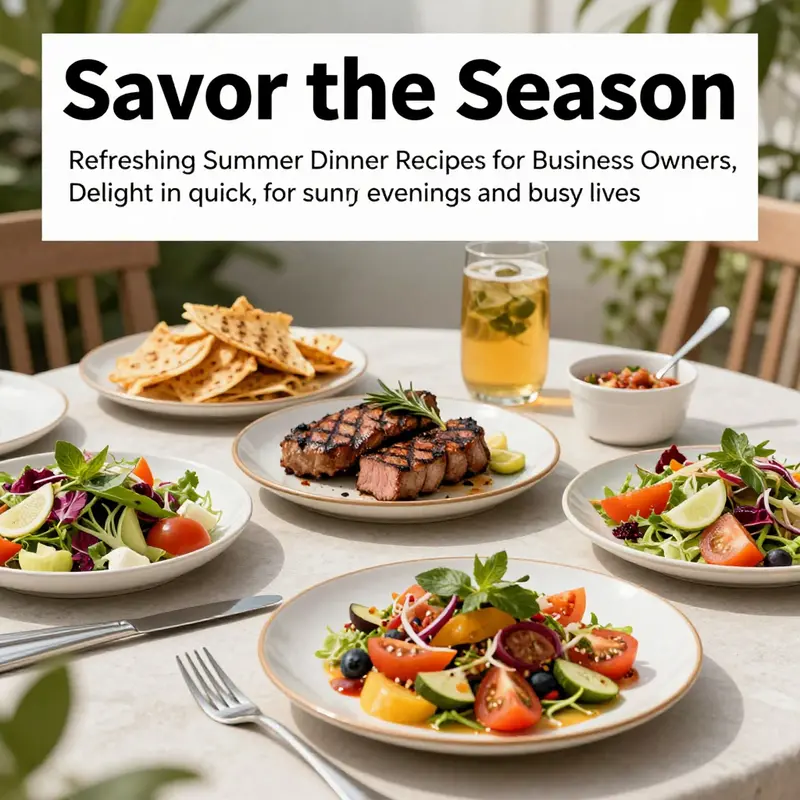
As the summer heat settles in, business owners often seek ways to maintain productivity while enjoying lighter, healthier meals. The right dinner recipes can strike this balance beautifully, offering nutritious options without the hassle of extensive cooking. In this guide, we explore two essential categories of summer dinner recipes: invigorating grilled dishes that celebrate fresh produce and quick no-cook recipes that require minimal prep time. By incorporating these recipes into your summer dining, you can enhance your dining experience, impress guests, and recharge for another day of business.
Grill-Bright Summers: A Cohesive Tour of Refreshing Summer Dinner Dishes
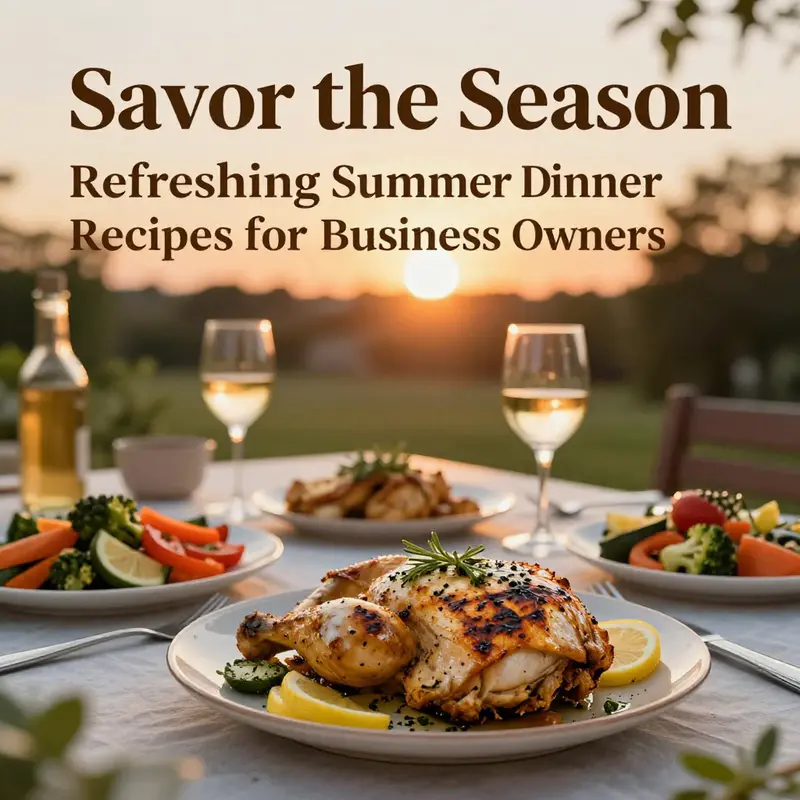
When the days stay long and the air carries a scent of citrus and herbs, the grill becomes the centerpiece of dinner. Grilling in summer isn’t just about cooking food quickly; it is a way to lift the flavors of the season without turning the kitchen into a heat box. The recipes that follow braid bright acidity, fresh greens, and the natural sweetness of ripe fruit into a single, satisfying meal. They are designed to be approachable, re-creatable on weeknights, and elevated enough for a weekend gathering. Each dish relies on a handful of high quality ingredients, simple techniques, and a respect for the way heat transforms texture and aroma. The result is a dinner table that feels effortless yet thoughtful, an invitation to linger as twilight settles over a shaded patio or balcony.
The first dish leaps at you with the clean bite of lemon and the ocean’s own brightness: Lemony Sardines with Grilled Vegetables. Sardines are a compact protein that benefits from a quick, high heat sear. A light brush of olive oil, a scatter of lemon zest, and a handful of fresh herbs rosemary or thyme, perhaps a whisper of parsley bring forward the fish’s natural brine and punctuate it with citrus clarity. The grill adds a whisper of smoke, a kiss of char that deepens sweetness without dulling the delicate fish. Pairing this with a colorful medley of vegetables zucchini rounds glossy with olive oil, bell peppers giving off sweet roasted notes, and slender spears of asparagus before they wilt on the heat creates a plate that feels balanced and complete. The vegetables themselves become carriers of the same lemon herb mood, so every bite contains a chorus of summer bright herbal and a touch coasted by the grill’s warmth. The technique is forgiving; you can grill the fish on a well-oiled grate over medium-high heat for just a few minutes per side, ensuring the flesh remains moist and flaky while the edges develop a savory, caramelized edge that speaks of evenings spent outdoors.
A contrasting but equally vivid option arrives as Grilled Peach and Burrata Salad, where summer fruit meets morning market freshness in a single elegant bite. Grilling the peaches gently caramelizes their sugars, releasing a floral, sunny aroma that pairs beautifully with burrata’s creamy richness. A handful of bitter arugula provides peppery lift, and toasted pine nuts bring a nutty crunch that anchors the dish. A light drizzle of balsamic glaze ties the components together with a glossy kiss – tart-sweet, slightly syrupy, unmistakably summer. The beauty of this dish lies in its simplicity: you can assemble quickly for a casual dinner or present it as a striking starter for a small gathering. It invites conversation around the table—the way the fruit’s sweetness contrasts with cheese’s silkiness and greens’ crisp bite. The grill, meanwhile, does the heavy lifting of flavor development, leaving you with less to worry about and more to savor as evening cools down.
If you crave a heartier, protein-forward entree, Lemon-Herb Grilled Salmon with Quinoa Salad offers a satisfying balance of smoky fish and a crisp, chilled grain side. A marinade of lemon zest, chopped dill, garlic, salt, and pepper invites bright aromatics into the surface of the salmon. Grilling skin-side down over medium-high heat yields a lacquered, slightly crisp skin while the flesh beneath remains velvety and moist. The quinoa salad acts as a light, refreshing counterpart: tiny pearls of quinoa folded with cherry tomatoes, cucumber, red onion, and fresh herbs, all brightened with lemon juice and olive oil. The cool, almost jasmine-like scent of dill with citrus keeps the dish from feeling heavy, while the quinoa’s structural bite ensures that every mouthful is substantial without being dense. It’s a dish that feels celebratory yet inherently practical – perfect for a weeknight dinner that wants to feel special and for a weekend meal that begs for lingering conversations over a glass of something chilled.
A contrasting but equally satisfying side dish rounds out the menu: Grilled Potatoes with Rosemary & Garlic. Potatoes on the grill get a surprising uplift: they develop a delicate smokiness and a crisp, golden crust that contrasts beautifully with their tender interior. Whole potatoes or thick slices soak up rosemary and garlic, taking on a woodland-earthiness that pairs with almost any protein you choose to serve alongside. A pinch of smoked paprika adds a gentle warmth that bridges herbaceous notes to the smoky profile of the grill. A final dusting of Parmesan lends a subtle savoriness that echoes the cheesier richness without tipping the plate into heaviness. This preparation is forgiving—whether you slice the potatoes thick and grill on indirect heat or boil them briefly before searing, they respond with a texture that feels indulgent but not indulgent to the point of heaviness. The result is a comforting, satisfying side that anchors the lighter, more delicate components of a summer dinner yet remains vibrant enough to stand on its own.
What makes these dishes align so well with summer’s rhythm is less about the specific ingredients and more about the approach: keep flavors vibrant and seasonally resonant, honor the produce’s natural sweetness, and let the grill do the heavy lifting, not your stove. An important piece of the seasonal puzzle is the way acid and fat interplay on the palate. A sharp lemon or a tart balsamic glaze acts as a counterpoint to the fish’s richness, the burrata’s creaminess, and even the potatoes’ starch. The olive oil that coats the vegetables is not merely a cooking medium; it is a conductor carrying the herbaceous notes from the herbs into every bite. The result is a cohesive menu that feels like a unified story rather than a collection of separate dishes. You begin with a crisp starter that wakes the palate, move to a luminous main that feels bright yet substantial, and finish with something that feels both refreshing and satisfying.
The choice to present these dishes in a single, shared setting is deliberate. They are meant to be prepared with parallel efficiency two or three items can grill at once while others rest or chill so you’re not stuck in the kitchen while guests arrive. The lemon and herb notes unify the lineup even though the meals vary in protein and texture they share a thread of brightness and a light coastal sensibility that is unmistakably summer. To expand the culinary map without crowding the table consider a few gentle substitutions that preserve the spirit of the dishes. For a seafood forward spin swap sardines for shrimp or a firm white fish the grill will still impart that desirable smoke and the lemon herb glaze will cling to the flesh with equal clarity. If you want to lean into vegetarian or lighter protein options you can rotate in a grilled halloumi or a chickpea crostini as a palate cleanser between courses. And if you’re drawn to land based grills beyond fish think about a skin on chicken breast spiked with citrus zest and herbs prepared with the same philosophy of quick high heat searing and a cool textural side like the quinoa salad.
This is where the thread to broader grilled meal ideas such as those found in Mediterranean inspired menus appropriately widens. A nod to the broader family of grilled dishes is reflected in the idea of Mediterranean lamb recipes which echo the balance of bright aromatics and restrained dairy that makes these summer meals sing. For readers who want to explore beyond seafood and potato sides the linked collection of Mediterranean lamb recipes offers possibilities that harmonize with the same summer ethos bold herbs generous citrus and the virtue of meals cooked outdoors. You can explore that direction here https://meatrecipesblog.com/mediterranean-lamb-recipes/.
As the sun begins to dip and the first stars appear these dishes act as a white canvas for conversation for toasting with a chilled glass and for savoring the slow deliberate pace of a summer night. The grill s quiet song its crackle the scent of olive oil and herbs the faint whisper of smoke becomes part of the dinner itself shaping mood as much as flavor. The plates you carry to the table are not about showing off technique they are about inviting people to share in something uncomplicated yet deeply satisfying. The recipes honor the season by focusing on what’s fresh and available by keeping meals light enough to be enjoyed after a long day in the sun and by offering a sense of ease that lets everyone linger over conversation cooling mouths and a gentle lingering satisfaction that only a true summer dinner can produce.
External reference and further reading can deepen the practice of these techniques and flavors. For a detailed step by step version of a lemon herb grilled salmon, a trusted external resource provides an excellent benchmark https://www.bbcgoodfood.com/recipes/lemon-herb-grilled-salmon
No-Cook Summer Dinners: Bright Flavors for Easy, Breezy Evenings
As the days lengthen and the heat lingers, the kitchen can feel like a small stove that just won’t quit. Yet summer dinner magic often arrives not from long braises or hot ovens, but from the simple, bright, no-cook essentials that celebrate peak produce and quick assembly. This chapter follows that spirit: meals that come together in a flash, stay cool in the fridge, and let the flavors of the season do the talking. The aim isn’t a compromise on taste or nourishment but a disciplined celebration of speed, texture, and freshness. When time is short and the thermometer climbs, these options offer relief without sacrificing satisfaction. In practice, they become almost ceremonial in their ease, turning ordinary weeknights into contract-close moments with friends or family, where the main act is the show of sun-warmed produce, crisp textures, and zesty dressings that wake the palate with the minimum of heat and effort.
First, consider a vibrant chickpea and summer veggie salad. It embodies the no-cook ethic with protein-powered heft and a chorus of garden colors. Canned chickpeas, drained and rinsed, form a sturdy base that holds up beautifully to a bright, lemony dressing. Cucumber adds a cool snap, while cherry tomatoes contribute bursts of sweetness that echo the sunlit days outside the window. Red onion lends a subtle bite, and Kalamata olives deliver a briny note that keeps the dish lively from first bite to last. Crumbled feta introduces a creamy contrast that soothes the acidity without dulling it. The dressing is a simple harmony: olive oil, lemon juice, a whisper of dried oregano, and a pinch of salt and pepper. Toss everything together and serve chilled or at room temperature. The result is a protein-packed, vegetarian main or a substantial side that travels well to a porch table as the evening light softens. There’s a casual elegance in its ease; there’s also a confidence in knowing the ingredients you rely on are at their peak when you need them most. The beauty lies in the balance—tender chickpeas, crisp vegetables, briny olives, and the crisp lift of lemon and oregano—so that even a unadorned bowl earns applause.
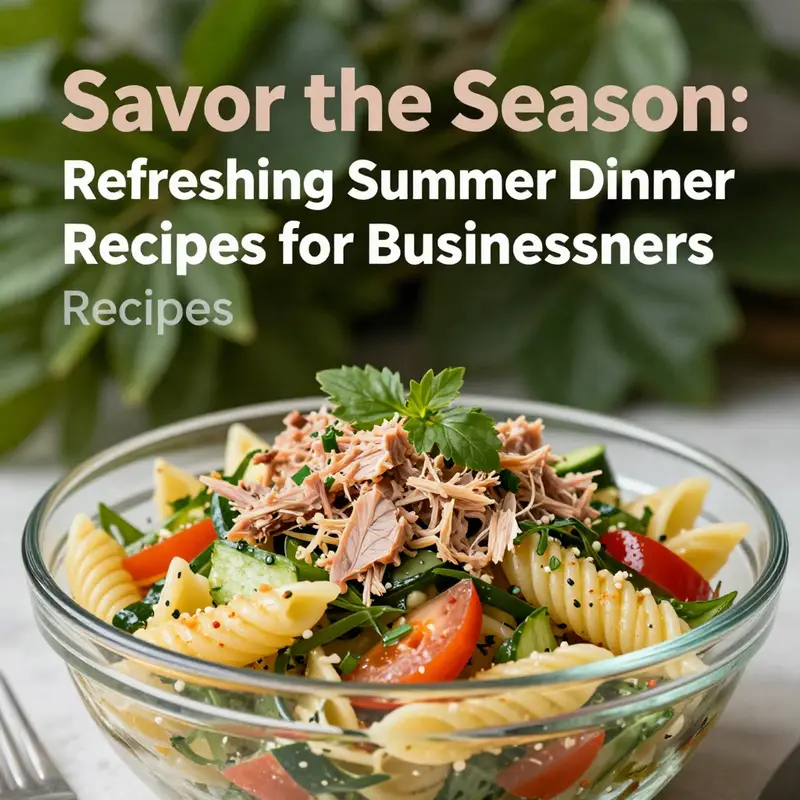
Another breeze-friendly option centers on the concept of fresh pasta, made luminous by the inclusion of seasonal greens and a whisper of mint. Use precooked pasta, which is a turn-key way to shave minutes off any weeknight. Toss the pasta with snow peas—fresh, green, and crunchy—plus a handful of torn mint leaves for a cool, herbaceous lift. The dressing remains minimal: a drizzle of high-quality olive oil, a splash of salt and pepper, and perhaps a quick chill under cold water to wake the starch and keep the texture bright. The result is light, almost perceptionless in its simplicity, but surprisingly satisfying—pasta that tastes like a garden in motion rather than a heavy, sauced dish. There’s room for whimsy, too. An optional twist suggests whisking in a dollop of whipped cream and a few pre-made meringues for a playful, unexpected dessert touch that nudges the boundaries of traditional pairing. It’s not about following rules so much as inviting a sense of fun while staying true to the season’s luminous ingredients.
A third no-cook star is the Mediterranean platter, a spread that turns meal-building into a social ritual as much as a recipe. The platter requires almost nothing in the way of cooking, but it delivers visual appeal and a spectrum of flavors that invite people to pick and choose at leisure. Arrange slices of fresh mozzarella, ripe tomatoes, crisp cucumbers, bell peppers, and a handful of olives on a large platter. Drizzle with olive oil and a balsamic glaze to bring sweet and tangy notes together, then garnish with fresh basil and a pinch of sea salt. The beauty of this approach is the conversation that happens around the arrangement—the sharing of bites, the improvisation of combinations, and the sense that dinner can be assembled with intention and ease. For those who crave a focal point, this no-fuss ensemble can be paired with a leafy salad or a crusty loaf to anchor a complete meal, while still preserving the low-stress vibe that makes summer dinners feel almost effortless. If you want a convenient touchstone for this idea, consider exploring a curated no-cook spread like the Simple Mediterranean Platter, which captures the spirit of this approach in a single, color-saturated presentation: Simple Mediterranean Platter.
Taken together, these three options demonstrate a philosophy that many summer cooks learn quickly: when the weather is warm and the days are long, the most satisfying meals are often the ones that honor the season’s abundance without heating the kitchen or tying you to the stove. And yet the no-cook repertoire is not about sacrificing variety or flavor. It’s about embracing alternatives that highlight texture, temperature, and contrast. The chickpea salad delivers hearty protein and a tangy brightness that recharges the palate between bites. The fresh pasta dish, with its minty perfume and crisp peas, offers a delicate balance of creamy starch and sharpened herb notes, a reminder that comfort food can be exhilarating when prepared with care. The Mediterranean platter, meanwhile, stands as a reminder that dinner can be an event in itself—the colors, the aroma of olive oil, and the slow-drip sweetness of a balsamic glaze making every bite feel like a shared moment.
To maximize the success of these meals, a few practical principles help keep the planning simple while elevating the result. Begin with high-quality, ready-to-use ingredients that maintain their integrity at room temperature. Canned chickpeas, good olives, fresh herbs, and bright produce become the backbone of no-cook dinners. Keep dressings minimal but bold; the acid in lemon juice does the heavy lifting, while oregano adds an aromatic echo that ties the components together. A quick rinse of pasta under cold water, when using precooked varieties, not only cools it but also stops the cooking process, preserving a firm, biteable texture that resists becoming soggy as the dish sits on a warm evening table. If you’re assembling a platter, think in color and composition: a moving mosaic of white mozzarella, red tomatoes, green cucumbers, and glossy olives that invites touch and taste. The plate becomes a storyboard of summer, with each bite suggesting a different landscape of flavor—from briny to bright, from sweet to savory.
Preparing these dishes also invites a gentle form of culinary creativity that doesn’t demand a strict set of steps. You can adjust the dressing to suit personal preferences—more lemon for extra zing, less olive oil for a lighter finish, or a pinch of dried oregano to intensify the herbaceous note. The salad’s feta can be swapped for crumbed halloumi or skipped for a vegan version, depending on who’s around the table. The pasta’s mint can be substituted with dill or basil to reflect what’s freshest at the market, while peas might be replaced with slender green beans or asparagus when they come into their prime. The platter’s components are highly forgiving: different cheeses, a variety of olives, or a few blanched vegetables can be interchanged without losing the overall effect. The point is not to chase perfection in a recipe but to capture the essence of summer—preference-driven, pace-conscious, and profoundly satisfying.
As with many facets of summer cooking, timing matters, but not in the way the old kitchen timer expects. The value lies in quick assembly, ease of transport, and the joy of sharing. These meals thrive when you keep them close to the produce aisle and the fridge, allowing ingredients to interact and evolve in the cool air as friends gather. A well-chosen no-cook dinner becomes a bridge between lunch and the late evening rush, a moment to slow down and savor. And since the season thrives on simplicity, it’s worth emphasizing how much flavor can come from minimal heat exposure. A few minutes of zest from a lemon or a handful of mint leaves can transform an entire bowl of chickpeas or a plate of pasta, turning ordinary ingredients into a chorus of summer’s best notes.
For readers who seek further inspiration beyond the table, these recipes align with a broader ecosystem of quick, produce-forward ideas. They’re designed to be adaptable, accommodating a range of dietary preferences while staying true to the spirit of summer. In practice, you’ll discover that the no-cook approach can be a doorway to more relaxed entertaining, especially when guests arrive with only a moment to spare before dinner. The no-fuss nature of the dishes makes them especially appealing for weeknights, yet the elegant balance of textures and flavors also suits weekend gatherings where conversation matters as much as the food. The key is to allow the produce to lead, to let the ingredients rest in their own juices or light dressings, and to keep the cooking fire unlit whenever possible without compromising the meal’s vitality.
In closing, the no-cook summer dinners explored here are a testament to the season’s generosity. They remind us that the best meals can arise from the simplest ideas: a handful of chickpeas, a ribbon of pasta, a platter of tomatoes and cheese, all brought together with olive oil, lemon, and a few herbs. They invite us to slow down just enough to savor the moment, to share with others, and to let the sunshine do a portion of the work. The next time you plan a warm-evening meal, consider returning to these options, letting the ingredients speak, and choosing the combination that feels most like summer to you. The result won’t just be a dinner; it will be an experience—the glow of the sun on the table, the sound of good conversation, and the quiet satisfaction of a meal that came together without turning the kitchen into a furnace.
Final thoughts
Summer offers the opportunity to embrace lighter, refreshing meals that perfectly complement the season’s energy. Grilling enhances flavors and makes use of seasonal produce, while no-cook recipes save precious time for busy business owners. By integrating these delightful recipes into your summer meal rotations, you are not only simplifying dinner preparation but also indulging in a culinary experience that revitalizes body and mind, paving the way for continued success in your professional endeavors.