
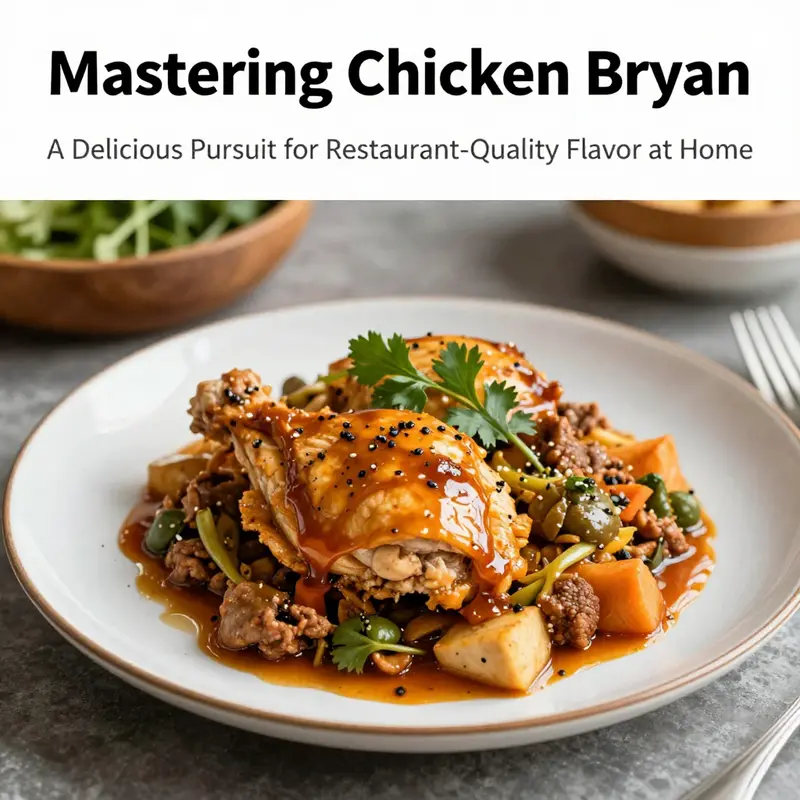
Chicken Bryan is not just a dish; it’s an experience that tantalizes the taste buds and elevates dining moments. For business owners in the culinary world, offering iconic dishes like Chicken Bryan can enhance your menu’s appeal, attracting a broader clientele. The recipe combines perfectly grilled chicken with a rich basil-lemon butter sauce, sun-dried tomatoes, and goat cheese, capturing the essence of Italian-inspired cuisine. This article is divided into three informative chapters—ingredients, preparation instructions, and serving suggestions—each designed to guide you through creating this exquisite dish while understanding its significance in the culinary landscape.
null
null
Bringing Carrabba’s Home: Mastering Chicken Bryan with Basil-Lemon Butter, Sun-Dried Tomatoes, and Goat Cheese
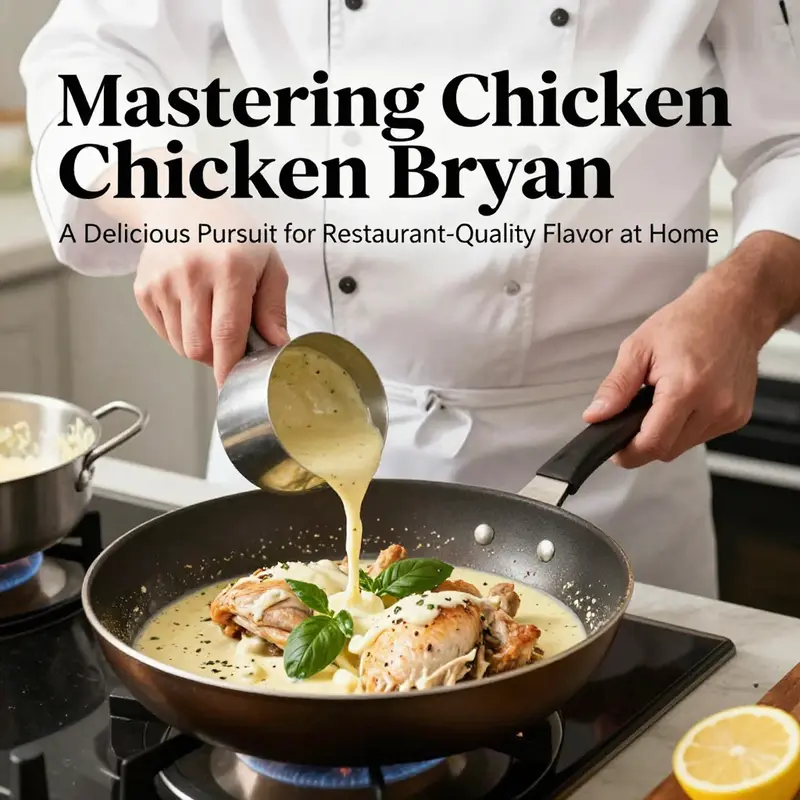
The charm of Chicken Bryan lies in its bright, comforting promise: a tender piece of chicken cloaked in a silky basil-lemon butter sauce, crowned with sun-dried tomatoes and a delicate crumble of goat cheese. In the home kitchen, this dish becomes less a replica of a restaurant plate and more a personal statement of how simple techniques and thoughtful ingredients can coax restaurant-level flavor into everyday cooking. The goal is not to imitate a specific brand, but to capture the essence of the dish—the way lemon lightens creaminess, basil lifts the sauce, and sun-dried tomatoes provide a savory sweetness that almost shimmers against the richness of butter. With a few deliberate steps, you can recreate that balance quickly, cleanly, and beautifully in under half an hour, turning a weekday dinner into a small celebration of Italian-inspired comfort.
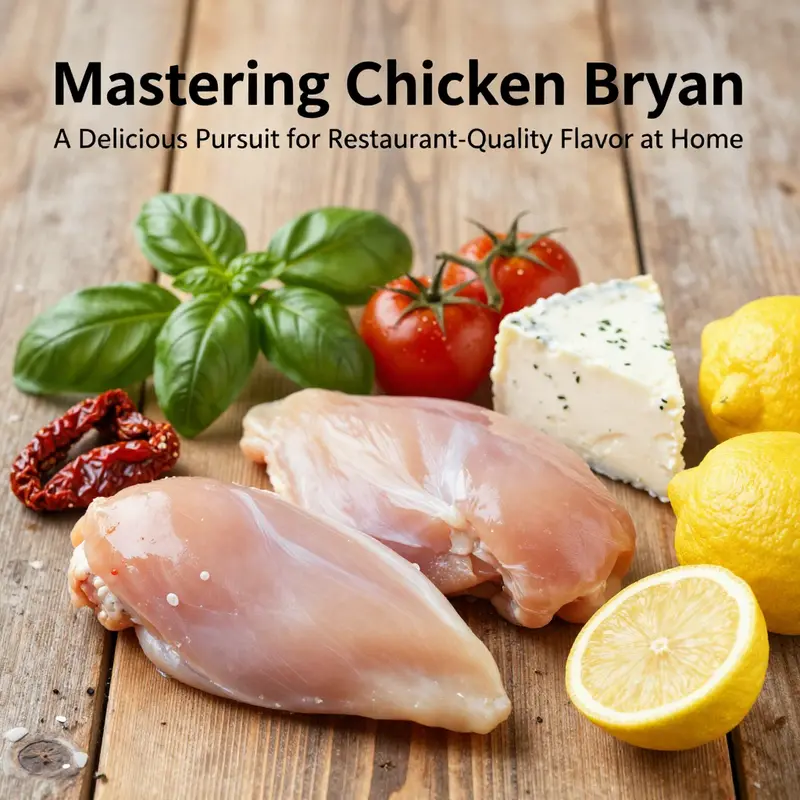
The foundation starts with the protein. Choose two boneless, skinless chicken breasts of roughly equal thickness so they cook evenly. A quick pounding between sheets of plastic wrap or parchment paper flattens them to about a half inch. This makes for uniform searing and ensures the meat stays juicy rather than drying out as it nears the end of cooking. Season generously with salt and pepper on both sides. The skillet will do the heavy lifting here, so heat a tablespoon of olive oil in a sturdy skillet over medium-high heat until it shimmers. The moment the seasoned chicken meets the pan, you should hear a confident sizzle, a sign that you’re locking in moisture and developing flavor in a crust that will stay crisp as the sauce comes together.
Searing the chicken to a golden brown is more than color; it’s flavor. Cook about 5 to 6 minutes per side, depending on thickness, until the internal temperature registers at 165°F (74°C). Resist the urge to flip too soon—patience yields a crust that sticks less and tastes more. Once the chicken is browned and cooked through, transfer it to a plate and tent loosely with foil to keep it warm. The skillet remains hot and ready to form the spoonable partner that will envelop each slice with luminous brightness.
Now comes the sauce, the crown jewel of the dish. In the same pan, reduce the heat to medium. Add finely minced garlic—just a quick 30 seconds to bloom its aroma without letting it burn. This is where the base flavors begin to unfold. Slide in the chopped sun-dried tomatoes, along with their oil, letting them mingle with the garlic and warm through. The oil helps carry their concentrated sweetness and a hint of tang, which will balance the richness of butter later in the recipe. A handful of freshly torn basil leaves goes in next, bringing sunshine and a peppery lift that cuts through the creamy finish you’re about to introduce.
Butter follows, the agent that mollifies every component into a harmonious sauce. Add two tablespoons of butter (or ghee if you prefer) and let it melt gently, swirling the pan to emulsify the flavors. This is where the sauce begins to glow. Squeeze the juice from one fresh lemon into the pan and nestle in the second lemon slice for a subtle citrus press that releases a final bright note as you swirl. A small pinch of salt adjusts the balance, while a whisper of pepper keeps the profile clean rather than crowded. If you like a touch more citrus, you can add a pinch of lemon zest at this stage, but be careful not to overwhelm the subtle creaminess that the butter provides.
The moment when the pan changes from good to memorable is when you return the chicken to the sauce. Nestle the seared chicken back into the skillet, spooning the glossy mixture over the top. Let the chicken simmer in the sauce for a minute or two. This brief reunion allows the meat to soak up some of the citrus-basil perfume and for the sauce to coat the chicken in a velvet glaze. While the pieces bathe, you can finish the dish with a final flourish: scatter the sun-dried tomatoes over the top and crumble a modest amount of goat cheese across each breast. The goat cheese adds a tangy, creamy counterpoint to the lemon and basil, a delicate savoriness that lingers on the palate as you take the first bite.
The finished plate is simple in its elements but rich in its mood. A light starch like pasta or a crusty bread is ideal to catch the remaining sauce, but the dish also shines solo with a bright green salad on the side. The trick is not to drown the chicken in liquid but to allow a glossy veil of sauce to cling to the surface, just enough to invite a second bite before you lift your fork again. If you want to stretch the dish further on a busy night, you can cook a handful of pasta while the chicken sears, then toss it with a spoonful of the sauce to create a cohesive, two-plate meal that feels complete and satisfying without a lot of fuss.
In thinking through the flavor architecture of this preparation, you’ll notice several guiding principles that translate well beyond Chicken Bryan. First is the idea of brightness as a backbone. The lemon provides a breath of acidity that lifts the butter’s richness rather than fighting it. The basil contributes a fresh, almost herbal note that keeps the sauce feeling alive rather than heavy. The sun-dried tomatoes bring a concentrated sweetness and a touch of tang, which works as a bridge between the savory elements and the dairy finish. Goat cheese, while optional, adds a gentle tang and a creamy texture that marries beautifully with the herbaceous dressing. Each ingredient has a purpose, and none is excessive; together they create a polished, restaurant-like impression without requiring specialized equipment or a long, complicated process.
If you’re curious about the more traditional renditions, you’ll find that some cooks swap in a splash of white wine or a bit of chicken broth to loosen the sauce before adding the dairy, and others lean on a small amount of heavy cream to deepen the texture. In this home-friendly version, the focus is on speed and balance. You get a sauce that glides over the chicken, a zest of lemon that feels effervescent on the finish, and a finish that is simultaneously comforting and elevated. For those who love the tang of goat cheese, a light crumble right before serving makes for a striking contrast against the warm, pale sauce. If you’d rather keep it dairy-free, you can omit the cheese or substitute a soft, spicy cheese alternative that melts smoothly atop the tender chicken.
A final reminder about technique can help you replicate this dish again and again. Keep the heat steady when you sear; you want color, not smoke. Do not hurry the sauce; let the butter emulsify with the juices and the oil from the sun-dried tomatoes for a cohesive, silky finish. Taste as you go, adjusting with a touch more lemon if the sauce feels heavy, or a pinch more salt if the brightness seems muted. With practice, you’ll be able to time the components so that the chicken and the sauce are ready to plate together, hot and radiant, the moment you pull the pan from the heat.
For a final note on accessibility and adaptability, consider the vegetables on the side. A handful of blistered cherry tomatoes or sautéed spinach can echo the basil and citrus without competing for attention. A simple bed of al dente pasta will soak up every drop of the basil-lemon butter, turning the dish into a comforting, complete meal that still feels special enough for guests. The beauty of this approach is that it respects the soul of the dish while giving you flexibility to respond to what’s in your pantry and your schedule. It’s not about duplicating something exactly—it’s about capturing the spirit of a bright, restaurant-style chicken that sings with lemon, basil, and a touch of goat cheese whenever you crave a dinner that feels celebratory and approachable all at once.
External resource: https://www.instructables.com/Carrabbas-Chicken-Bryan-a-Copycat-Recipe/
Pairing, Plating, and Practical Pleasures: Elevating Chicken Bryan at Home
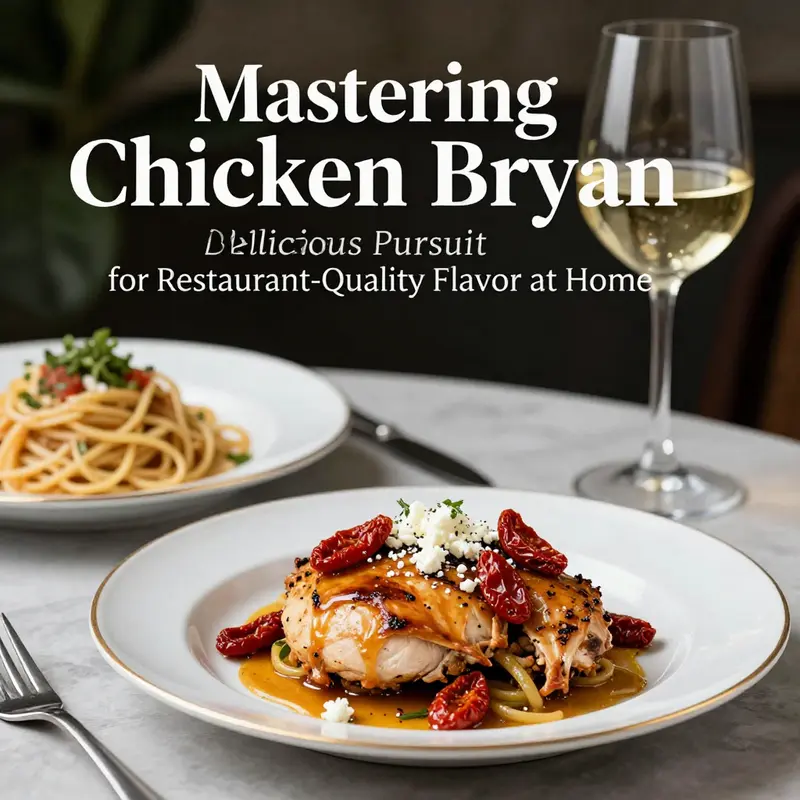
Pairing, plating, and practical pleasures come together in a Chicken Bryan at home. The chicken breast is seared to a golden crust, then finished in a lemon basil butter that clings to the meat with a satin gloss. Sun-dried tomatoes offer pockets of tang and color, while goat cheese melts into the sauce to create a creamy counterpoint. The result is not a throwback to a restaurant plate but a confident home interpretation that honors technique and seasonality. The key is balance: allow the sauce to be the heartbeat of the dish, while the chicken provides texture and the greens, bread, or grains provide those necessary contrasts.
Begin with the pan. A light coat of olive oil, a steady medium heat, and a quick sear that forms a crust without sealing in dryness. Remove the chicken to rest, then pour off any excess fat and deglaze lightly with a splash of wine or broth. The lemon-basil butter comes together in the same pan, letting the browned bits dissolve into the sauce. Add garlic powder and a pinch of red pepper flakes for subtle warmth. Stir in the sun-dried tomatoes and a little stock to reach a nap of sauce that coats the back of a spoon. Crumble the goat cheese and fold it in until creamy. Return the chicken to the pan briefly to finish in the heat, then plate with the sauce spooned generously over the top.
To plate, keep the sauce visible and give the chicken room to shine. A mound of sautéed vegetables such as zucchini and squash ribboned thinly, green beans snapped bright, or asparagus adds texture and color. If you prefer grains, a small bed of quinoa or couscous acts as a vehicle for the sauce. Crusty bread is a classic ally to mop up the last glossy traces of the lemon-basil finish. For a greens-forward counterpoint, a simple arugula salad with lemon vinaigrette brightens the plate and echoes the citrus note without overpowering the main event. Goat cheese in the dish ties the sauce together, and the arugula helps cut richness with peppery lift.
Pairing and beverages matter too. A lightly chilled dry white with citrus notes complements the lemon and basil, while a sparkling water with lemon and a basil sprig can mirror the brightness when wine isnt desired. The goal is a harmonious table where the dish remains the star but the sides and drink support it rather than compete.
The original inspiration for this dish can be found at the restaurant side of the spectrum, and readers are welcome to consult the external reference for a broader picture of technique and tradition: https://www.carrabbas.com/recipes/chicken-bryan/. For home cooks, the Hello World post on basic stove-to-table confidence provides a friendly primer to build from: https://meatrecipesblog.com/hello-world/.
With practice, this Chicken Bryan becomes a reliable weeknight centerpiece that delivers a sense of occasion without fuss. The lemon, basil, and creamy finish invite lingering at the table, and the method rewards restraint with a clean, elegant plate that feels special yet approachable.
Final thoughts
By mastering the Chicken Bryan recipe, business owners can create a dish that not only delights guests but also stands out on the menu. This recipe embodies the perfect blend of flavors, textures, and culinary techniques that can elevate any dining experience. Remember, the quality of ingredients and attention to detail in preparation can distinguish a great meal from a memorable one. As you incorporate Chicken Bryan into your offerings, consider pairing it with delightful sides and engaging presentations to enchant your customers further.