

As the sun sets later and warm evenings invite al fresco dining, a carefully curated summer supper menu can elevate customer experiences. This opportunity for business owners lies in seasonal ingredients, thoughtful wine pairings, and recognizing cultural histories. Each chapter of this article unfolds these layers, from pairing exquisite dishes with vibrant wines to understanding how seasonal shifts impact ingredient choices and observing the cultural contexts that shape summer supper menus. Dive into this enlightening exploration to spark inspiration for your own establishment.
null

null
Season’s Palette: Crafting a Summer Supper Menu That Celebrates Freshness, Lightness, and Flavor
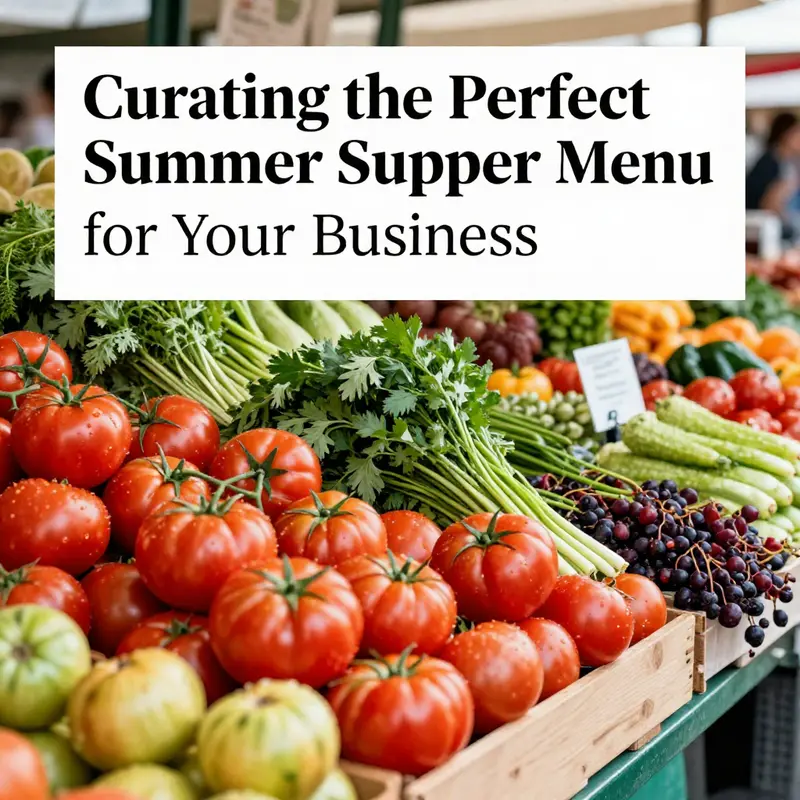
When the calendar tilts toward summer, the kitchen becomes a quiet, sunlit studio where every ingredient speaks with brightness. A well-crafted summer supper menu mirrors the season: it leans into hydration, celebrates color, and invites flavors that feel effortless yet precise. The goal is not to pile on heat but to orchestrate a sequence of dishes that refresh the palate, sustain energy, and leave room for conversation long after the sun dips below the horizon. In planning such a menu, seasonality acts as a compass, guiding what to buy, how to prepare it, and how to pair it with beverages that lift the flavors rather than mask them. The most enduring approach is simple at heart: let the ingredients tell their story and the cooking do just enough to illuminate it.
The core principle rests on choosing ingredients that are naturally abundant in warmth, with high water content and crisp textures that stand up to summer’s long days. Water-rich vegetables and fruits—think cucumber’s crunch, early corn’s sweetness, and melons’ hydrating juiciness—provide the backbone of a menu that feels light yet satisfying. These elements require minimal intervention: a slice of chilled cucumber soup to awaken the appetite, a fresh salad sauced with a bright vinaigrette, or a quick-grilled vegetable medley that captures the essence of the season without becoming heavy. Such components deliver hydration and nutrition while letting the kitchen embody the season’s provenance. They also offer a canvas for contrast: a pop of acidity from lemon or lime, a whisper of mint or dill, and a touch of heat from a quick char on zucchini or corn husks that sing when paired with a cool dairy accompaniment.
Seafood and delicate proteins assume a central role in a summer supper menu because they align with the season’s preference for lightness and quick transformation. Shellfish and flaky white fish respond beautifully to fast cooking methods—steam, brief grilling, or a gentle poach—keeping their natural sweetness intact. When the goal is to avoid heaviness, steamed clams with garlic and lemon, or a simply roasted fish finished with a bright herb oil, provide depth without weight. Poultry can also play a part if prepared in ways that preserve succulence, such as a brief roast or a lemon- and herb-infused steam that concentrates aroma rather than fattening the dish. Even plant-based proteins, like tofu or a robust bean salad, can anchor the meal while maintaining a digestible, summer-appropriate profile.
Alongside the protein, grains and legumes offer texture and substance without overcrowding the plate. A small portion of barley or quinoa tossed with fresh herbs adds a nutty note and a pleasing bite, while a light rice salad with cucumber, tomato, and olive oil can act as a reassuring side that does not overpower the more delicate components. The objective is balance: a cohort of textures—crisp, creamy, and chewy—interacts with spices and herbs to create a meal that feels cohesive from the first bite to the last spoonful of fruit-forward dessert.
Herbs and aromatics deserve a central role in the planning process, especially in summer when their oils are most vibrant. Basil, dill, mint, cilantro, and lemon verbena illuminate dishes with a high-impact aroma that travels well across courses. A simple herb oil brushed over grilled vegetables or a cold cucumber soup can transform ordinary ingredients into something memorable. A bright vinaigrette—made with a touch of citrus, a splash of vinegar, and a generous handful of chopped herbs—can elevate everything from a raw tomato salad to a warm grain bowl. In hot weather, acidity becomes a trusted ally; it enlivens flavors, slows the perception of heaviness, and helps the palate reset between bites.
Wine pairings, when considered thoughtfully, reinforce the season’s logic rather than complicate it. A bold red with dark cherry and herbal notes can complement grilled vegetables and charred shellfish, while a smoother, fruit-forward style with hints of blackberry spice can accompany a citrusy seafood dish or a bright pasta featuring lemon and olives. The idea is to choose beverages that harmonize with the lightness of the menu while offering a counterpoint to the freshness of the ingredients. A well-constructed table can balance the course progression with a red that anchors the flavors in the middle of the meal and a lighter white or a rosy-style wine to begin and finish. This approach aligns with contemporary summer menus that emphasize seasonality, flavor clarity, and a sense of place. A recent reference menu from a notable summer supper concept demonstrates this balance in practice: it pairs a seasonally bright lineup with carefully chosen red and white wines that highlight the fruit and herb notes rather than overshadow them. In other words, summer is not a time for complexity for its own sake; it is a time for clarity, brightness, and restraint that invites guests to savor the moment.
The structure of a successful summer supper menu can be both fluid and deliberate. Start with a very light starter—perhaps a chilled cucumber and dill soup, or a small, crisp salad featuring thin-sliced vegetables and a citrusy dressing. Move into a main course that feels generous but not heavy: grilled fish or shellfish kissed with herb oil, accompanied by a simple grain or a medley of roasted summer vegetables. Include a second, more substantial vegetable component that offers texture and color, such as charred corn with a lime-touched butter and a sprinkle of fresh herbs. A dessert built around fresh fruit—melons, berries, stone fruits—rounds out the menu with a natural sweetness that is refreshing rather than indulgent. The dining experience should feel balanced, with each course breathing, each flavor clean, and each plate a celebration of seasonal abundance.
In crafting such a menu, sourcing becomes a practical art. Seek local growers and markets that offer peak-season produce, and favor harvesting methods that preserve moisture and flavor. When possible, choose ingredients with a short transit time to preserve freshness and maximize flavor. The kitchen can then transform these ingredients with minimal intervention: a quick sear to enhance sweetness, a gentle roast to concentrate a vegetable’s sugars, or a raw preparation to maintain crisp textures. This approach not only honors the season but also supports a sustainable kitchen practice, reducing waste and maximizing the life of each ingredient from field to table. For guests, the result is a dining moment that feels both intimate and expansive—a menu that tastes of warm days, cool evenings, and the people gathered around the table.
For readers seeking concrete ideas that embody these principles, the concept of a summer supper menu becomes an invitation to experiment and listen. Consider pairing a light starter with an unadorned, bright wine that invites the flavors to speak. Follow with a main course that leans on seafood or vegetables, delivering savor through texture and acid. Close with fruit-forward desserts that cleanse the palate and echo the day’s sunshine. If you want a practical entry point, explore a collection of summer dinner recipes that embraces seasonal produce and simple techniques. summer dinner recipes
Ultimately, the season’s influence on a summer supper menu is less about chasing novelty than about honoring the ingredients’ best moments. It is about recognizing that summer offers an opportunity to tell a story with color, scent, and taste—one that invites guests to linger, sip thoughtfully, and savor the clarity of a meal prepared in harmony with the weather. The menu should feel effortless, cohesive, and generous, like a slow conversation that moves with the breeze. In the next chapter, we will consider how to translate these ideas into practical mise en place, timing, and service that elevate the dining experience without diminishing the season’s generosity. For readers who want to explore the broader culinary landscape and see how seasonal cooking continues to evolve, ongoing reading and experimentation will be a reliable companion. External reference: https://www.sohu.com/a/876543210_123456
Seasonal Tables, Social Shifts: The Evolution of the Summer Supper Menu

Summer supper menus do more than feed bodies. They map the season’s weather, the pace of a community, and the evolving language of taste. When families gather after the heat of the day, the menu serves as a shared compass, guiding conversations about provenance, memory, and togetherness. In the contemporary kitchen, the season itself becomes an author, dictating rhythm, texture, and color. The most telling examples of this shift can be traced to a modern summer supper concept that centers on seasonality and regionally inspired wine pairings, where the plate and the glass speak a single dialect: freshness, locality, and balance. While the dishes may vary, the undercurrent remains clear—summer is not merely a time to eat; it is a condition of listening to place and responding with grace.
Tradition offered plenty in the way of abundance. In many regions, wedding banquets once prized heft over hush, with large bowls of robust meat dishes and generous, steaming portions displayed as proofs of hospitality. The choreography of service emphasized quantity, and the naming of dishes was plain, practical, almost ceremonial in its simplicity. The aim was to display social cohesion and the host’s capability to provide, a ritual that made appetite itself a measure of relational wealth. Yet as incomes rose and tastes broadened, the aesthetic vocabulary shifted. Menus began to bloom with poetic names that evoked auspicious moments and seasonal imagery. The sequence of courses grew deliberate, with cold and warm items paired to refresh and satisfy, to unfold a story rather than merely fill a plate. The transformation is not only about what is eaten, but how it is perceived—every bite now carries intention, and every plate is a stage for conversation as much as hunger.
This shift mirrors a broader drift in how menus function within social life. After the first restaurants opened and menus claimed a role beyond mere order forms, they became storytelling devices. In corporate or ceremonial settings, the menu now signals values—innovation, tradition, or sustainability—through carefully chosen textures, colors, and pacing. A summer banquet in a cosmopolitan city may present a sequence designed to feel like a conversation with the weather: something bright to wake the palate, a lead dish that resonates with memory, and a finale that invites reflection. Even at moments of national or regional celebration, the menu becomes a cultural map, tracing threads of identity—local agriculture, culinary technique, and the aesthetics of hospitality—across borders and generations. The table thus becomes a quiet classroom where guests learn not only about food but about the communities that shaped it. Within this frame, a practical summer supper menu anchors the conversation by foregrounding seasonality, balance, and the subtle arts of pacing and presentation.
Health, ease, and sustainability have become measurable priorities in many contemporary summer menus. Bright herbs, crisp vegetables, and seafood or lean proteins offer relief from the sun-drenched heat without sacrificing satisfaction. The culinary language leans toward textures that are easy to digest yet surprisingly layered: citrus brightness that lifts the palate, mineral notes that recall soil and sea, and a touch of warmth in the form of roasted aromatics that echo shared kitchens rather than distant cuisines. This is not a rejection of indulgence but a recalibration of it—an emphasis on balance, seasonal abundance, and the joy of eating with intention. At the same time, sustainability threads through the choices: sourcing from nearby farms, reducing waste through thoughtful portioning, and presenting courses that allow guests to graze through the spectrum of a pleasant summer evening. The result is a menu that feels lighter without being pale, energetic without being frantic, and deeply rooted in place even as it travels toward global sensibilities.
In practical terms, a modern summer supper often centers on a core idea: plates that read as a conversation between the harvest and the table. A light starter might celebrate freshness with a brightness that lingers, followed by a main course that harmonizes textures—grilled vegetables, delicate seafood, and aromatics that lift rather than overwhelm. A wine program, chosen for its capacity to carry fruit and spice without crowding the dish, supplies a subtle throughline. The pairing becomes a storytelling device rather than a service detail. The wine notes offer seasonal cues—fruity cherry hints, peppery spice, or a whisper of vanilla—that echo the profile of the plate while inviting guests to linger over the moment. The arrangement is designed to guide conversation as much as taste, letting diners discover resonance between what is harvested and what is crafted in the glass. In this sense, the summer supper becomes a living expression of place and season, rather than a static recital of recipes.
To illustrate how a real-world menu can crystallize these ideas, consider a representative summer supper concept that foregrounds regional ingredients and a tasting-driven flow. A sequence might begin with a crisp, herb-bright starter, move into a main course built around a light protein and seasonal vegetables, and close with a lightweight fruit and herb finale that cleanses the palate without heaviness. The plate design mirrors the climate: airy arrangements, generous white space on the platter, and colors drawn from the garden and the shoreline. The pacing respects the rhythms of a warm evening, allowing guests to converse between bites and savor the progression rather than race through it. And while the specifics may evolve with local terroir, the underlying philosophy remains consistent: celebrate the season, honor the land, and invite hospitality to do the rest.
For readers seeking practical inspiration, a collection of summer dinner ideas and methods that emphasize seasonal cadence and simple elegance can be a valuable touchstone. The embedded approach—letting produce, herbs, and seafood determine the course order—questions the need for heavy sauces and replaces it with brightness, texture, and balance. Such a direction aligns with the social desire for food that nourishes body and conversation alike, rather than merely filling space at a crowded table. It also helps explain why menus in contemporary settings often pair straightforward dishes with wine profiles that are expressive but restrained, allowing the season to speak through both bite and sip. This synergy between plate and pour becomes a quiet testament to how modern dining adapts traditional hospitality to a time of heightened awareness about health, sourcing, and cultural storytelling. Readers can explore more examples and practical techniques through accessible resources such as the linked collection.
Readers can explore practical inspiration here: summer dinner recipes.
As the seasons turn, the summer supper menu continues to evolve in tandem with social life. The arc traced here—moving from grand, showy abundance to curated, mindful experiences—mirrors broader currents: a demand for slower, more deliberate dining; a hunger for authenticity in a marketplace crowded with options; and a growing commitment to health that does not demand denying pleasure. Chefs and hosts, in designing each plate, are not merely assembling meals; they are tuning a cultural instrument that resonates with families, neighbors, and strangers who gather beneath open skies. The summer supper, at its best, becomes a ritual of listening—to the season, to the land, and to one another. In this listening, the table becomes a space where taste, memory, and place converge, and where a simple evening can become a shared story about community, resilience, and the evolving art of eating well together.
External reference: The Evolution of the Menu: From Practicality to Cultural Expression (https://www.sciencedirect.com/science/article/pii/S095672662300045X).
Final thoughts
Designing a summer supper menu is not merely about the food; it’s about creating an experience that resonates with patrons. By mastering the art of flavor pairing, utilizing seasonal ingredients, and integrating cultural narratives, business owners can cultivate an inviting atmosphere that keeps customers returning. As warmer days beckon, let the ideas presented inspire your next menu, enhancing the culinary journey you offer.