
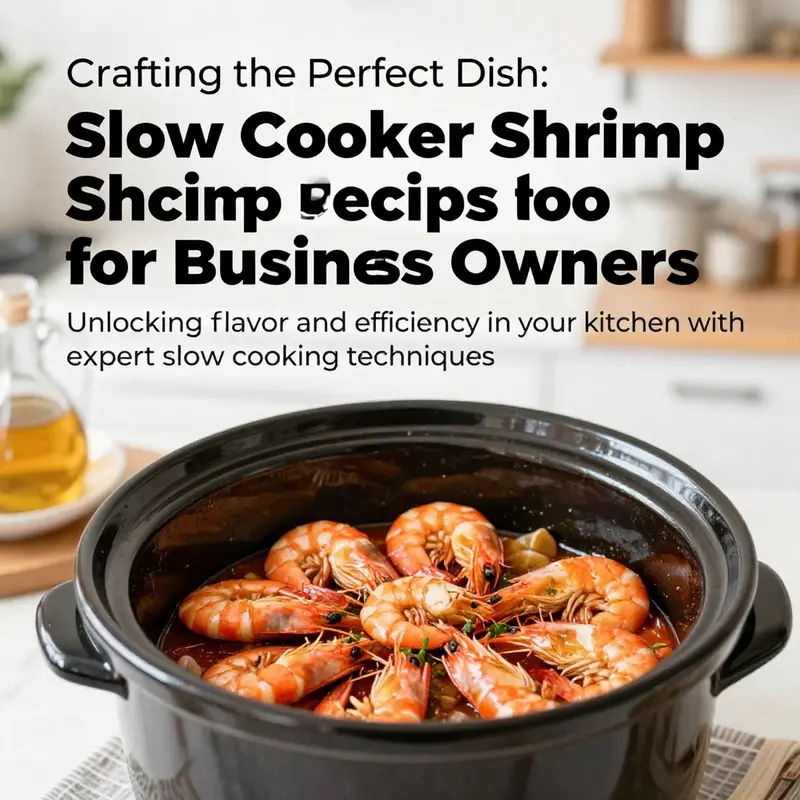
Slow cooker shrimp recipes are not just exquisite; they are also a game changer for culinary business owners looking to distinguish their offerings. With the ability to create complex flavors and textures with minimal effort, slow cooking offers an opportunity to elevate your menu while enhancing customer satisfaction. In this guide, we will delve into key techniques that ensure shrimp retain their delicate texture in the slow cooker, alongside flavor combination strategies that create memorable dishes. By mastering these elements, you’ll be able to serve exquisite slow-cooked shrimp meals, ensuring you’re keeping pace with evolving consumer preferences and culinary trends.
The Final Sizzle: Techniques for Tender, Flavor-Packed Slow Cooker Shrimp
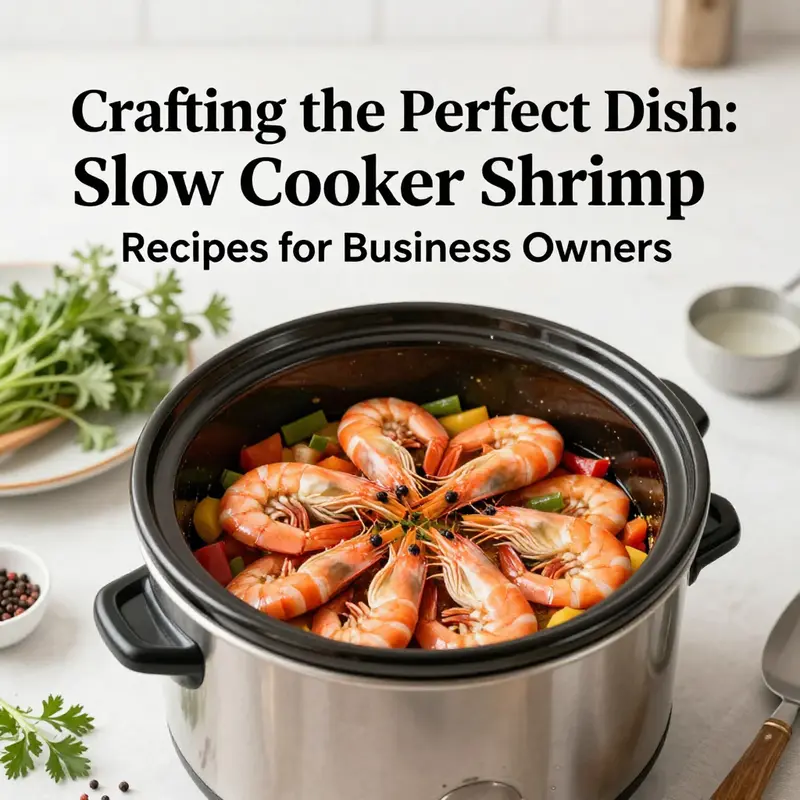
The slow cooker is a quiet powerhouse for building depth and warmth in a dish that sometimes feels simple on the surface. When you reach for a shrimp recipe in this gentle appliance, you are choosing texture and time as your primary levers. Shrimp are fast, delicate, and prone to firmness if exposed to heat for too long. Yet they are also capable of absorbing layered flavors when given a patient, well-structured foundation. The art of slow cooker shrimp cooking, then, is less about chasing a single technique and more about orchestrating a sequence of steps that respect the shrimp’s tenderness while coaxing maximum flavor from aromatics, stock, and aromatics-driven vegetables. This chapter weaves those ideas into a cohesive approach that makes slow cooker shrimp not only feasible but deeply satisfying, even comforting, for weeknights and leisurely weekends alike.
To begin, picture the pot as a stage where flavor layers rise from simmering aromatics and stock. The bottom layer is built with onions, garlic, and peppers—common and reliable companions that release their sweetness and buoyant fragrance only through slow, steady heat. In a proper slow cooker setup, these aromatics do not burn; they soften and mellow, releasing their sugars and the umami potential of the vegetables themselves. A splash of oil or a teaspoon of butter helps carry the fat-soluble flavors through the long simmer, while a pinch of salt and a careful mix of spices sets the tone for the dish. Think of cumin, smoked paprika, thyme, or a bay leaf for brightness and warmth. These are not just seasonings; they are the scaffolding that makes a shrimp-forward dish feel full-bodied rather than thin. The aromatics also act as a bridge, connecting a slow-cooked base to shrimp at the finish. The result is a sauce that tastes like it has simmered all day, even though the shrimp themselves are the final act.
Next comes the body of the sauce: a stock or broth that provides both moisture and a cohesive, spoonable texture. This is where the slow cooker shines. Long, gentle simmering rounds out the edges of any meatless or seafood-forward dish by extracting collagen from any bones or connective tissue in the stock and by coaxing the natural sugars from vegetables into a silky, slightly glossy liquid. If you choose a tomato-based route, the pot becomes a canvas of color and acidity, lending brightness that becomes a counterpoint to the sweetness of slow-cooked onion and garlic. If you lean toward a creamy finish, coconut milk or a light cream can widen the flavor spectrum without tipping the dish into heaviness. The trick is to balance the fat and acid so the shrimp notes still feel bright and present, not overwhelmed by the sauce. The texture of the liquid matters just as much as its flavor. A slightly thickened sauce, achieved through a gentle reduction in the slow cooker or a finishing stir with a cornstarch slurry, helps the dish cling to grains of rice or warm bread. This is not about creating a glossy reduction in the oven; it is about a sauce that embraces shrimp with soft, coat-worthy gravity.
Critically, shrimp demand a precise timing window. It is tempting to let proteins sit longer to meld with flavors, but shrimp lose their tenderness quickly. The widely recommended practice is to add shrimp in the final 15 to 30 minutes of cooking. This window may seem small, but it is the difference between a succulent, gently a napped texture and a chew that reminds you of overcooked seafood. The public kitchen experience often proves that a shrimp added too early yields a rubbery mouthfeel; added at the end, shrimp redden just enough, curl gracefully, and retain a delicate bite that still carries the aroma and seasoning from the base. The heat continues to mingle behind the scenes, but the shrimp’s proteins remain intact and supple.
To plan this timing with confidence, a practical mindset is useful. Start with the aromatics and the body of your dish, then set a timer for the moment you intend to add the shrimp. While the timer ticks, you can adjust salt, heat, or acidity, knowing you will not alter the dish’s core by overcooking the shrimp later. It is also wise to choose your shrimp with texture in mind. Large shrimp tend to hold up better in the long simmer, while smaller shrimp can become slightly mushy if left unattended. If you are using frozen shrimp, thaw them completely and pat them dry. Excess moisture can dilute the sauce and delay the sear-like finish you might expect when adding them toward the end. A quick pat-dry ensures the shrimp absorb the seasoning without releasing too much liquid into the pot.
From there, the flavor combinations are where technique and imagination fuse. A Cajun-inspired slow cooker shrimp gumbo, for instance, leverages the long, aromatically dense simmer to build a mulberry of spices, vegetables, and a robust stock. The shell flavor and the fat from the sausage or the smoky notes from paprika echo the deep, warm tone of the dish’s base. The shrimp come in with a flourish: they soak up the spiced broth while staying resilient in texture. The result is a bowl that feels layered and complete, with a gentle heat that lingers on the palate. Hydration of the sauce is key here. Too thin, and the spoon would drift; too thick, and the shrimp’s pink blush would look out of place. A balance emerges when you test the sauce for viscosity and adjust with a splash of stock or a note of acid—lime juice or a touch of tomato brightness can re-ignite the dish and heighten the perception of fresh seafood against a complex backbone.
Another equally compelling direction is a Mediterranean-inspired tomato-basil profile. In this version, the run of long simmering dissolves the geometry of Italian herbs into the sauce. The tomatoes reduce into a bright, almost confit-like paste that clings to the shrimp. Here, garlic remains a hero, but the accord of onions, oregano, and a hint of fennel or coriander seeds can evoke seaside markets in late afternoon light. The coconut milk option deserves mention as well, offering a creamy floor that allows spice and citrus to glow without scorching. The coconut’s sweetness blends with the brightness of tomato and the aromatics, wrapping the dish in a soothing veil that never diminishes the delicate shrimp notes. The final seconds of cooking become a moment of tasting and adjusting. A squeeze of lemon or a handful of fresh herbs—basil, cilantro, or dill—brighten the sauce and create a vibrant contrast against the shrimp’s pale pink, ensuring the dish remains alive and aromatic after the lid comes off.
The question of whether or not to sear or brown shrimp before adding them to the slow cooker is a point of personal preference. Some cooks report that a quick, shallow sear in a hot skillet before introducing them to the pot adds color and a small amount of Maillard flavor that translates well when the shrimp finish in the sauce. Others prefer to skip the extra step, arguing that the slow cooker already creates a complex milieu of flavors and that a pre-sear can add oiliness if not managed carefully. If you choose to sear, do so quickly and only until the shrimp form a light pink edge rather than cooking through. The goal is to preserve moisture and tenderness rather than to lock in color through prolonged heat. Either approach can work, as long as you coordinate the timing so the shrimp finish in the final phase of cooking.
Texture, too, is a narrative. The body of the sauce can be smooth and luscious or slightly chunky, depending on whether you include whole or crushed tomatoes, diced peppers, or shredded vegetables. The sensory contrast between a spoonful of sauce and a tender shrimp delivers the necessary comfort in a slow cooker dish. The combination of a creamy base with bright acidity, or a tomato-forward lift with a touch of sweetness from aromatics, has a way of echoing the feeling of a home-cooked stew that has simmered with patient care. If you want to push the dish a little farther into a one-pot wonder, consider spooning the finished shrimp over a bed of rice, quinoa, or crusty bread. The starch or bread acts as a neutral carrier that grants you more surface area to savor the sauce while the shrimp finish, offering the user a full, satisfying mouthfeel.
Finding the right balance is rarely achieved on the first attempt. It often takes a couple of rounds to dial in the ratio of aromatics to stock, to locate the ideal 15-minute finish window for your particular shrimp type, and to determine which verticals of flavor—tomato-forward, coconut-rich, or herb-laced—best align with your preference for spice level and seasonality. The good news is that the slow cooker, when approached with patience and respect for the shrimp’s finish, rewards experimentation. You can craft a handful of reliable base profiles that you then customize to what you have on hand. The discipline is not in rigid steps but in the awareness of how long to let the aromatics, stock, and vegetables develop, and how late to introduce the shrimp while preserving their tenderness and sweetness.
As you refine your technique, it is worth anchoring your exploration to a proven starting point. Slow Cooker Shrimp Gumbo, a dish celebrated for its depth and balance, offers a blueprint for layering flavors while respecting the delicate finish of shrimp. This approach demonstrates how to build complexity through slow simmering of aromatics and stock, with shrimp added at the end to ensure texture. You can explore this concept further through related related recipes that echo the same philosophy of flavor development and careful timing. For a related take on shrimp flavor profiles and to see a practical example of how the timing and aromatics come together in a slow cooker format, consider a linked example that mirrors some of these principles: Olive Garden Shrimp Scampi Recipe. It provides a complementary perspective on shrimp as the star while the method emphasizes how simple ingredients can harmonize with shrimp when cooked with restraint and timing. Olive Garden Shrimp Scampi Recipe
Finally, while the slow cooker excels at coaxing soulful flavor from long-simmered bases, shrimp remind us that texture matters most when the dish is ready to serve. The final presentation should be bright, glossy, and inviting, with a sauce that clings to each piece of shrimp and a scent that makes the room feel warmer. You can finish a slow cooker shrimp dish by resting it off the heat for a few minutes after you add the shrimp so their flesh can settle into the sauce without overcooking, then serve with a squeeze of citrus and fresh herbs. The result is a chamber of comfort that respects the shrimp’s tenderness while delivering the layered flavors slow cooking can offer. If you want a concrete reference to see this philosophy in action, you can consult a well-established recipe that demonstrates how to develop depth while safely incorporating shrimp toward the end: the external resource linked here provides a tested demonstration of this approach. External resource: https://www.bonappetit.com/recipe/slow-cooker-shrimp-gumbo
Flavor Alchemy in the Slow Cooker: Building Depth for Tender Shrimp Through Time, Technique, and Brightness
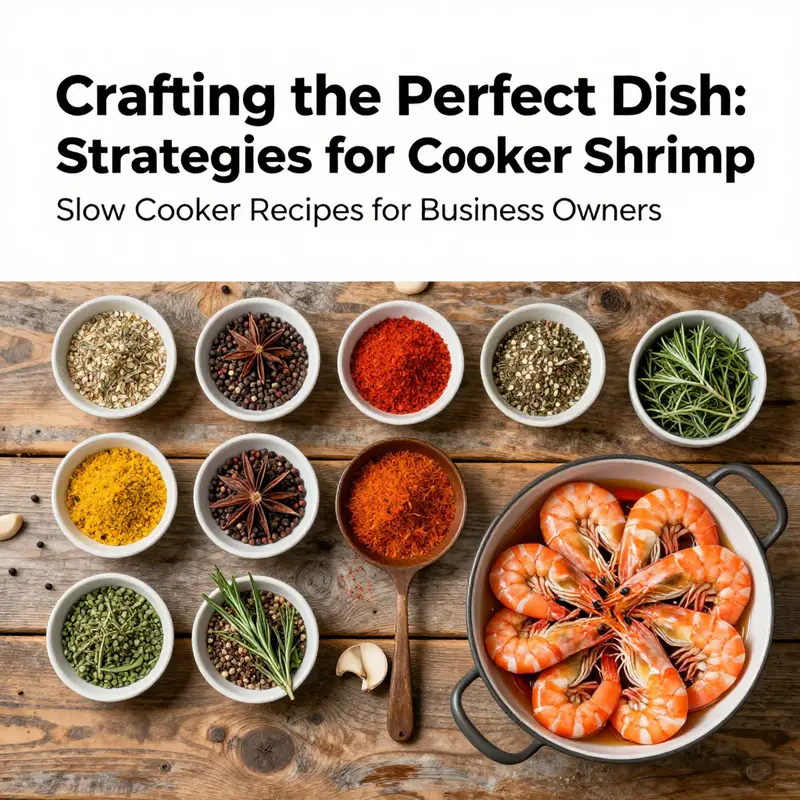
Flavor is not just a list of spices; it is a conversation that takes time to unfold, especially when shrimp are the final guests at the table. In slow cooker shrimp recipes, the challenge is to coax maximum depth without sacrificing the delicate texture that makes shrimp so appealing. The principle that time itself can be a flavor ingredient runs like a rhythm through seasoned kitchens. Slow, steady simmering allows volatile compounds to mellow and merge, producing a harmony that you simply cannot rush. This is not about turning seafood into stew or letting it soak until it loses its character. It is about giving the surrounding flavors a chance to develop and then introducing the shrimp at a moment when the tender protein can still drink in those flavors without turning tough or rubbery. When you master this timing, the shrimp become a glistening thread woven through a rich, aromatic tapestry rather than a last-minute add-on that risks dulling the whole dish.
A solid foundation begins with aromatics that glow when heated, then evolve as they mingle with stock, tomatoes, and herbs. In many slow cooker traditions, the building blocks are onions, garlic, and peppers, often with celery for the classic aromatic backbone. Searing these aromatics briefly in a hot pan before transferring them to the slow cooker creates hundreds of new aroma compounds through the Maillard reaction. Those compounds are the invisible scaffolding of flavor, the ones that carry savory notes into the long simmer. For shrimp, this foundation matters more than any single spice, because you want a surrounding broth that tastes robust even before the shrimp arrive. The slow cooker becomes a gentle tutor, coaxing layers of flavor from heat, salt, and time, while the shrimp remain the star in texture and brightness.
Umami is the quiet engineer of depth. It is what helps a dish feel substantial without relying on heaviness. In slow cooker applications, you can amplify umami without overpowering delicate seafood by weaving in ingredients that add savory complexity in subtle ways. A splash of fish sauce or soy sauce can introduce a salt-savory backbone that deepens the broth without tasting salty in the conventional sense. Worcestershire sauce offers a similar function with a touch of tang, while a Parmesan rind, if you are building a richer, tomato-forward base, can lend a nutty, resonant finish as it slowly dissolves into the pot. Fresh herbs—thyme, oregano, basil—also contribute lift and a sense of brightness that keeps the dish from feeling dense. The key is balance: you want the umami a little at a time, not in a single, overpowering rush. You are not hiding seafood here; you are letting every savory thread weave into another.
Acidity and brightness are the sparks that prevent a long-cooked sauce from lying flat. A little lemon or lime juice, or a splash of white wine, added in the final hour or so, can brighten the entire palate and sharpen the seafood’s natural sweetness. Acidity acts like a reset button, cutting through richness and polishing the finish. In practical terms, this means you plan for a bright moment toward the end of the cooking cycle, not at the very start when flavors are still developing. The shrimp, which need only a short time to finish, benefit from this final lift that keeps their edges tender and their flavors clean rather than muddy.
The most important operational rule for slow cooker shrimp is absolute tenderness: add the shrimp in the final 30 to 60 minutes of cooking, depending on their size and how long your sauce has already braised. Shrimp cook quickly and can turn from perfectly pliant to rubbery in a heartbeat. The goal is to let them finish bathing in the established flavors, absorbing a last kiss of aromatics and acidity, without overexposure to heat. When you time it this way, the shrimp emerge from the pot with a delicate bite and a glossy sheen, tasting of the broth they have just shared.
To make this approach concrete, imagine a dish that begins with a savory soffritto of onions, garlic, and bell peppers sautéed in a splash of olive oil. The aromatics are then allowed to mingle with a modest amount of stock, perhaps a tomato-based foundation or a coconut-milk–based sauce, depending on the direction you choose. A rush of umami comes next: a teaspoon of fish sauce and a teaspoon of soy sauce, a parmesan rind if you are leaning toward a richer, more Italian-leaning profile, and a few sprigs of thyme. The mixture simmers slowly, the kitchen filling with a warmth that hints at Cajun depth or Mediterranean brightness, depending on the spice and herb alignment you select. If you are drawn to a more coastal or bright profile, you might insert lemon zest at this stage and reserve the lemon juice for the final minutes, so the citrus notes stay vibrant rather than fading into the backdrop.
During this long, patient development, you are not merely building flavor; you are shaping texture and balance. The integrity of the shrimp is the thread that ties everything together. A dish built with time loves the interplay of heat, fat, and acidity, all of which glide through the mouth at different speeds. If you think of taste as a conversation, the aromatics are the opening monologue, the umami boosters are the supporting cast, and the acidity is the punchline that lands just right. When the shrimp finally enters the scene, their brief moment in the spotlight should read as a culmination rather than a finale that shuts down the phase of flavor development. The result is a cohesive, lingering savor that feels both finished and alive.
A practical example that illustrates how these principles translate into a working recipe is the widely cited approach to slow cooker shrimp gumbo. The long, slow simmering of aromatics, stock, and roux-like depth builds a complex backbone, while shrimp are tucked in near the end to maintain their tenderness and pristine texture. This approach demonstrates how a slow cooker can be a patient artist, layering character over time, yet requiring careful timing to preserve the delicate finish of seafood. For readers seeking a tested touchstone, the Bon Appetit slow cooker shrimp gumbo provides a blueprint that aligns with the flavor combination strategies described here: time, aromatics, umami, brightness, and a finishing finish that keeps shrimp true to form. A modern version of that concept might lean into coconut milk for creaminess or tomato and herbs for brightness, but the underlying logic remains: build depth first, add shrimp late, and finish with a bright, clean note.
Within this framework, there is a useful contrast to explore: the dish can lean toward heartier, comforting tomato-scented gumbo or drift into a lighter, Mediterranean tomato-basil contour. The choice of base ingredients—whether red tomato, coconut milk, or a white wine–tinged chicken stock—serves as the vehicle for your flavor strategy. In all cases, the aromatic base sets the tone, the umami boosters do the heavy lifting of depth, and the acid balance provides lift. The shrimp, treated as a sensitive protagonist, require careful staging, but when they arrive, they bring a delicate brightness that harmonizes with the longer-simmered notes around them. The overall effect is a dish that feels layered and resilient, with a texture that respects the shrimp’s natural tenderness while still carrying the richness of a slow-cooked sauce.
If you want a readily accessible touchstone for how this approach can work in practice, consider a reference that blends familiar flavors with the gentle seduction of a slow cooker. A practical, shrimp-focused example you can explore is the Olive Garden Shrimp Scampi Recipe, which demonstrates how bright garlic, butter, and citrus lift a seafood dish, a concept easily translated to a slow cooker base. Rather than copying a dish, you should borrow the idea: prep a solid aromatics bed, choose a base that suits your mood—tomato-based with a touch of heat or coconut milk for creamy softness—and plan to fold the shrimp in near the end, letting them shimmer in the pot’s echo of spices and herbs.
The final flourish should feel intentional, not accidental. A last-minute squeeze of lemon can wake up the palate, while a handful of chopped parsley or cilantro offers a fresh green note that keeps the dish from tipping toward overripe richness. If you desire more complexity, a skim of coconut cream or a dollop of yogurt at the table can lend a gentle silkiness without masking the shrimp’s delicate texture. The goal is balance: the dish should carry the memory of the slow cook, but the shrimp must be the focal point in texture and brightness, not buried beneath a heavy sauce.
For cooks who crave structure, a flexible framework can guide the process without stifling creativity. Start with aromatics and a modest browning step to create that Maillard foundation, then introduce a flavorful liquid—stock, tomatoes, or coconut milk—that will reduce and concentrate over time. Add your umami boosters in measured doses so the sauce grows in depth but does not become one-note. Keep acidity in reserve for the tail end, ensuring the finish remains bright. Finally, reserve the shrimp for the last 30 minutes or so, watching them closely as they curl and pinken, then serve immediately so their texture stays springy and juicy.
The beauty of this approach is that it harmonizes patience with precision. You are not asking the slow cooker to do all the thinking for you; you are orchestrating a sequence in which heat, time, and taste inform one another. The result is a cohesive dish that feels both classic and contemporary—comforting in its warmth, yet buoyant with the freshness of citrus, herbs, and a properly dosed hint of umami. When done well, a slow cooker shrimp dish is a reminder that seafood can prosper in gentle heat, provided you respect its sensitivities and stage its flavors with care. As you move from base to brightness and from depth to delicate finish, you will likely find that your kitchen grows more confident in balancing the slow cooker’s patient temperament with the shrimp’s quick, bright moment.
External reference and further reading can deepen understanding of the approach. For an authoritative example that embodies the core principles described here, explore the Slow Cooker Shrimp Gumbo at Bon Appetit. It demonstrates how long simmering supports depth while shrimp are added at the end to preserve tenderness and texture: Bon Appetit Slow Cooker Shrimp Gumbo.
Final thoughts
Incorporating slow cooker shrimp recipes into your culinary repertoire not only enhances the flavor offerings of your business but also streamlines kitchen operations. By using the techniques outlined and implementing strategic flavor combinations, you can create dishes that captivate customers’ tastes and ensure repeat patronage. With these insights, your approach to slow cooking shrimp will transform from a simple cooking method into a signature trademark of your establishment.