
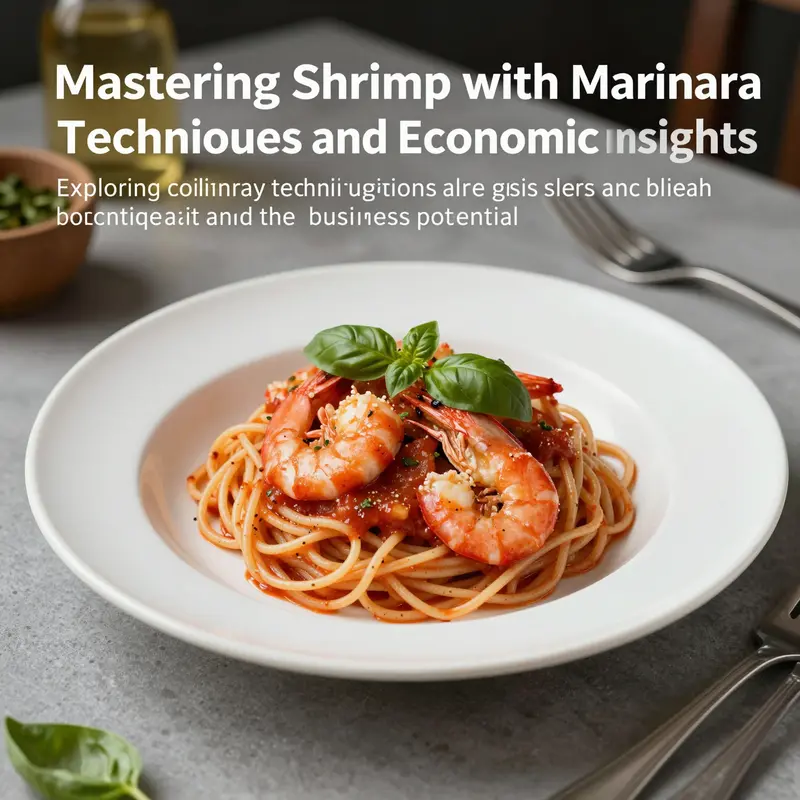
Shrimp with Marinara represents a beautiful convergence of culinary art and economic opportunity. For restaurant owners and culinary entrepreneurs, understanding the techniques that elevate this dish and its place on the dining landscape is essential. In this exploration, we will delve into the specific culinary techniques that distinguish Shrimp with Marinara from other seafood dishes and examine its popularity and pricing in the restaurant market, providing vital insights for business owners and food enthusiasts alike.
Sailor’s Sauce: Mastering Timing, Texture, and Tomato in Shrimp with Marinara
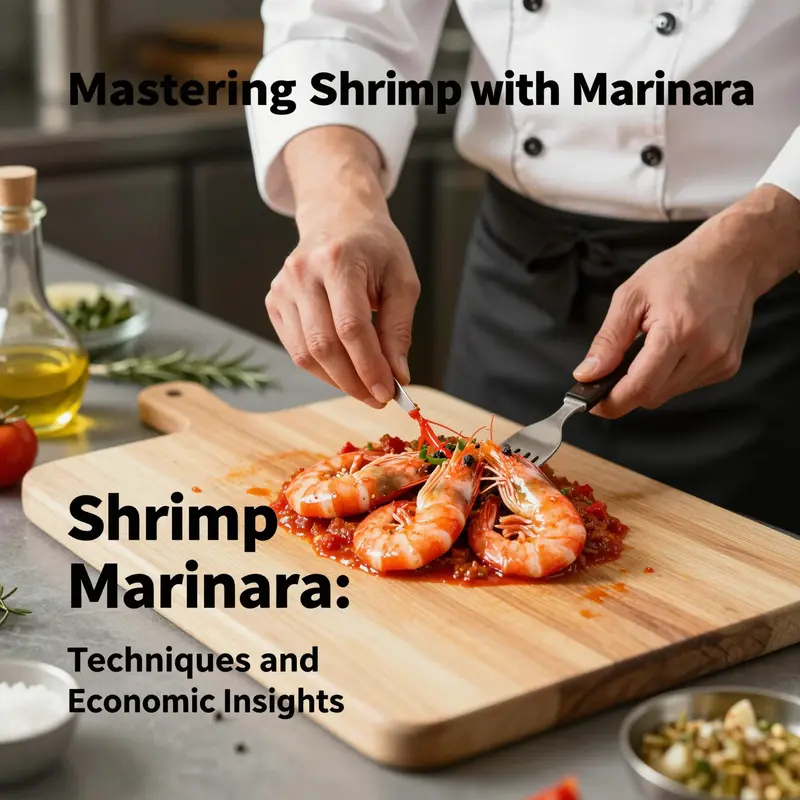
Shrimp with marinara is less a mere dinner than a dialogue between sea and pantry, a quick song of bright acidity, garlic warmth, and the tender bite of shellfish. In many kitchens, it is the dish that teaches a cook how to respect seafood while letting a simple tomato sauce shine. The idea is straightforward: sear the shrimp to a blush of color and finish them in a simmering, aromatic tomato base that carries the aroma of garlic, olive oil, and fresh herbs. Yet beneath that simplicity lies a precise choreography. The best versions manage the delicate nature of shrimp while ensuring the sauce remains vibrant rather than one dimensional. The result is a dish that feels bright enough for a weeknight and comforting enough for a family table. The heart of the method rests on three tied ideas: build flavor with a solid aromatics foundation, respect the shrimp by adding them at the end, and balance the sauce so that the tomato sweetness, herb lift, and a hint of heat all play in harmony. This is not a rushed affair; it is a careful sequencing of heat, timing, and texture that rewards patience and attention to detail.
The journey begins with aromatics. In a heavy skillet, olive oil is warmed to a shimmer, not a boil. Garlic and a touch of onion or shallot are introduced first, their edges coaxed to release fragrance with gentle agitation. The goal is not to brown them into bitterness but to coax a sweet, almost nutty aroma from them. As the aromatics soften, they dissolve into the oil, creating a scented base that will carry the marinara forward. If a little chili is welcome, a light pinch distributed at this stage adds a whisper of heat that will wake the dish without shouting over the tomato. The garlic and onion, mingled with the oil, become the silent overture for the sauce, inviting the tomatoes to join without being overwhelmed by raw notes. The timing here is crucial: keep the heat steady, avoid scorching, and give the aromatics enough time to perfume the oil without turning translucent into caramel.
The sauce itself is built with crushed or puréed tomatoes, which bring body without heaviness. Crushed tomatoes are particularly forgiving; they offer a rustic texture that suits this pairing, letting chunks of tomato appear in the spoonful without dulling the sauce. A pinch of sugar is a traditional counterweight to acidity, especially when using purer tomato flavors or particularly bright varieties. Herbs enter the stage next: basil for a fresh lift, oregano for a hint of Mediterranean depth, and parsley near the end for a bright green flicker. Some cooks keep the time spent simmering modest, enough to let the flavors mingle, but not so long that the sauce loses its liveliness. A quick simmer helps the garlic, onion, and herbs to release their character, while the tomatoes soften and meld into a cohesive glaze that will cling to the shrimp. The marinara should smell like a garden and a kitchen that has spent a long afternoon on the stove, even though the reality is much quicker and more direct.
The precision around the shrimp is where many home cooks stumble. Shrimp are delicate, and their texture can swing from tender to rubbery in the space of a minute. The recommended approach begins with preparing the shrimp properly: shelled and deveined, patted dry so they sear rather than steam, and seasoned lightly with salt. A hot pan is essential; the oil should sing when the shrimp enter the pan, creating a quick, shallow sear that colors the surface without cooking the center too long. This quick sear is not a goal in itself; it is a means to lock in moisture and begin forming a flavorful crust. Once the shrimp are just pink and lightly caramelized around the edges, they are removed from the pan or set to the side to avoid overcooking. They will finish in the sauce, but the initial sear adds a complexity that merely simmering cannot achieve. As the marinara simmers, the heat is kept moderate; a vigorous boil can over-reduce the sauce and dull the final texture of the shrimp. The critical moment arrives when the shrimp are added back to the sauce for a quick finish, just long enough to heat through and mingle with the herbs. This approach aligns with established culinary guidance that seafood should be added toward the end of cooking to preserve tenderness and to allow its delicate sweetness to become a bright accent rather than a dominant feature.
Herbs finish the dish with a bright, aromatic finish. Fresh basil torn into the sauce adds a peppery sweetness, harmonizing with the tomato and garlic. A scattered handful of chopped parsley at the very end ties the dish to the sea with a crisp, herbal lift. The finishing act is brief but essential: the shrimp are heated through and given a final toss with the herbs, then plated promptly to keep the texture of the seafood intact. A final drizzle of olive oil, perhaps a pinch more salt, and a zest of citrus can all be used to tailor the dish to personal preference. The entire process—from the fragrance of the aromatics to the sparkling herbs just before serving—should feel cohesive, as if the dish breathes in rhythm with the cook. In this way, the technique respects the delicate nature of the shrimp while allowing the marinara to sing with bright color and a clean tomato edge.
The versatile elegance of shrimp with marinara is reflected in regional echoes around the world. In Spanish kitchens, gambas con tomate places seared prawns over toasted bread, basking in ripe tomatoes and olive oil. The technique emphasizes a slightly different texture and bread accompaniment, yet the core pairing of seafood with a tomato-forward base remains. In Louisiana, spicy shrimp Creole introduces a roux-based tomato sauce that leans toward deeper, richer flavors and a knit of heat and the bay leaf aromatics typical of the region. Thai cooks sometimes fold blanched shrimp into green mango and tomato salads with lime and chili dressings, illustrating how the same central pairing can reappear in cold preparations—where the seafood’s sweetness balances with the sharpness of acidic dressing and the brightness of unripe fruit. Taken together, these variations illuminate a universal truth: the shrimp-tomato relationship is flexible, but the best results always honor the shrimp’s tenderness and the tomatoes’ brightness.
Within this framework the technique becomes a language rather than a recipe. The rules are simple but exacting: respect the shrimp, maintain a bold but balanced sauce, and finish with herbs that lift rather than obscure. A reliable demonstration of this balance, and a dependable home version, can be found in established home cooking traditions. A strong, tested source of guidance outlines a confident approach to the shrimp in a chunky marinara that echoes the method described here. For readers who want a structured, step by step pantry plan, this Shrimp Marinara Recipe provides a clear model that aligns with the timing and finish that keep the shrimp supple and the sauce vibrant. It is a practical reminder that the most beautiful meals often arise from a confident sequence rather than improvisation alone. You can explore that approach here, through a detailed home cook’s guide to the dish.
In serving, plates of shrimp with marinara often arrive beside a bed of al dente pasta. Spaghetti remains the iconic pairing, its strands catching the sauce and carrying the scent of garlic and basil through every forkful. The texture of the pasta provides a counterpoint to the shrimp’s tenderness, while the tomato sauce offers a bright, slightly sweet backdrop that keeps the dish feeling lively rather than heavy. A forkful is typically composed of a few shrimp, a modest amount of sauce, and a twirl of pasta, finished with a last kiss of fresh herbs. If one seeks a lighter version, serving the sauce over vegetables or grains creates a satisfying alternative that preserves the technique’s essence without the carbohydrates. The dish’s affordability is another of its enduring appeals; in many restaurants, the combination of seafood and a simple sauce is priced accessibly, inviting home cooks to replicate restaurant-style flavor without the burden of a long shopping list.
As with all dynamic classics, the heart of the preparation lies in practice and attention to detail. The aromatics must perfume the oil without burning, the sauce must brighten in the pan rather than shrink into shyness, and the shrimp must retain a delicate snap rather than a brittle bite. The balance is not achieved by a single flourish but by a sequence of small decisions—the heat level, the simmer time, the moment to reintroduce the shrimp, and the timing of the herb finish. When executed with care, shrimp with marinara becomes more than a dish; it becomes a memory of a quick, coastal supper—spirited, bright, and reassuringly familiar. For cooks who wish to dip into a tested format while still making it their own, consider the internal guide that links to a practical recipe: Shrimp Marinara Recipe. It offers a structured approach that can be a helpful companion to the technique described here, ensuring that the essence of the dish—sea brightness, tomato warmth, and the tenderness of shrimp—remains intact across kitchens and occasions. And for those who want to explore further reading, a venerable reference provides a comprehensive walk-through of the method and the nuances of timing and texture that define the best versions of this classic pairing. External guidance from a renowned source emphasizes the shared principles: keep the base bright, respect the seafood, and finish with fresh herbs to preserve the dish’s lively spirit. External reference: https://www.foodnetwork.com/recipes/food-network-kitchen/shrimp-marinaras-recipe-3274630
Market Currents and Tomato Seas: The Global Story of Shrimp with Marinara
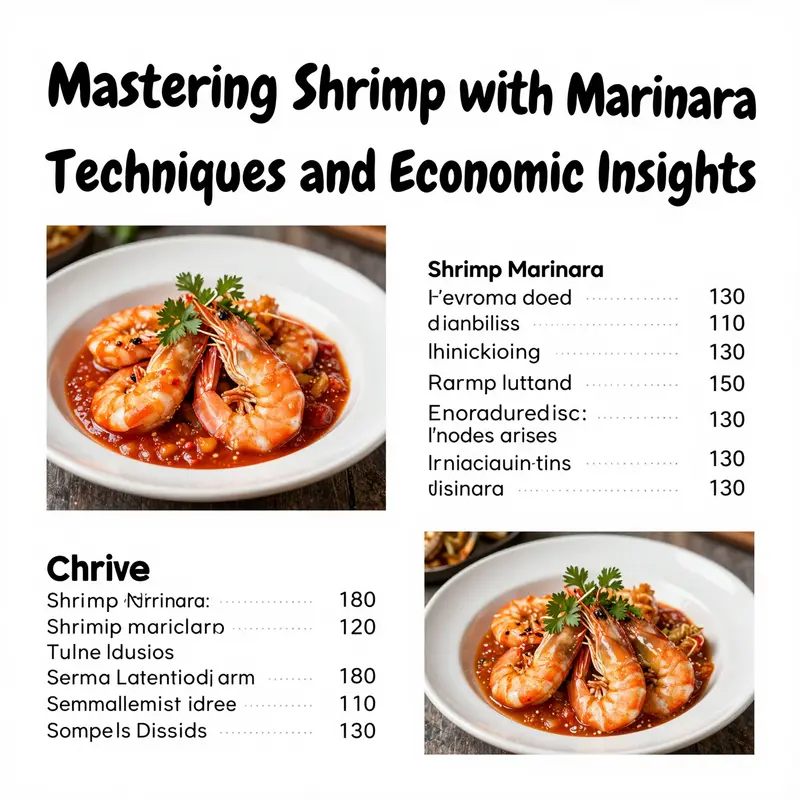
Shrimp with marinara sits at a curious crossroads where sea-frequented markets meet home kitchens and restaurant menus. It is not merely a simple plate of protein and sauce; it embodies a global supply chain, a line of cultural exchange, and a quick, trustworthy method for turning bright, sun-warmed ingredients into something comforting and memorable. The dish carves out a recognizable identity from a sea of possibilities: a lean protein that cooks in moments, a sauce that sings with the brightness of ripe tomatoes, garlic, and olive oil, and a culinary lineage that traces from Mediterranean coastlines to bustling American kitchens and beyond. In this way, shrimp with marinara becomes more than the sum of its parts. It is a living snapshot of how contemporary eating unfolds—from the water to the wok, from the market stall to the dining table, and back again in a loop of taste, economy, and shared ritual. The science of flavor and the science of supply meet in a skillet, and the moment they fuse is almost cinematic: a handful of ingredients, a short burst of heat, and a saucy, bright glaze that clings to the shrimp as if reminding us that speed and simplicity can still yield something elegantly satisfying.
The marinara sauce at the heart of this dish is traditionally a bright, tomato-forward base, built with garlic, onions, olive oil, and a handful of herbs. It is not a heavy, cream-laden sauce but a lighter, purer expression of tomatoes and aromatics. This is part of marinara’s enduring appeal: it is quick to pull together, adaptable, and capable of carrying seafood without overpowering it. When the sauce meets the shrimp—often skillet-seared shells first to blister and color—the result is a balance that highlights the shellfish’s sweetness while letting the sauce carry with it a whisper of sea breeze. The dish often leans into a final flourish of fresh basil or parsley, a dash of chili for lift, and a gentle simmer that lets the flavors mingle without losing the shrimp’s delicate texture. In many homes and eateries, the pairing with pasta—spaghetti, in particular—has become the canonical dining moment: a plate where the noodles and the sauce cradle the shrimp, inviting the eater to savor both the bite of the seafood and the herbaceous, tangy brightness of the marinara.
From a technique standpoint, the recipe is accessible and forgiving, which contributes greatly to its ubiquity. The base steps are simple: heat a splash of good olive oil, add minced garlic until it releases its perfume, slide in shrimp that have been peeled and deveined, let them flip and pink quickly, and then invite tomatoes and a few herbs to simmer gently around the edges. The trick lies in timing and restraint—getting the shrimp to just-cooked or slightly undercooked before they meet the sauce ensures succulence rather than toughness. The sauce itself benefits from a short simmer that condenses flavors without crushing the bright acidity of the tomatoes. The dish’s success hinges less on complexity and more on balance: the tomato’s sweetness, the garlic’s bite, the olive oil’s fruitiness, and the shrimp’s clean, oceanic note all need to harmonize. When done well, the sauce clings to the shrimp like a kiss of summer, and the pasta serves as a forgiving stage for the main performers to shine together.
That harmony echoes through a broader economic and cultural landscape. Shrimp is one of the most traded seafood commodities in the world, and marinara’s tomato-driven brightness travels well across borders. The global shrimp market is sizable, with major producers in Asia and beyond meeting demand in places far from the coastlines where shrimp natural ecosystems thrive. The United States, for instance, imports a large share of its shrimp, and there is a noticeable consumer appetite for ready-to-heat, ready-to-serve dishes that still feel fresh and homemade. This preference for convenient, lean protein aligns with a wider dietary trend toward approachable, flavor-forward meals that can be prepared in minutes yet satisfy a craving for something comforting and familiar. The popularity of shrimp with marinara, therefore, is not just about taste; it is about a willingness to embrace a dish that offers both a sense of authenticity and practical accessibility.
Yet, beneath the appetite and charm lies a tension that shapes pricing, availability, and consumer choices. The environmental and ethical concerns surrounding intensive shrimp farming have sparked ongoing debates about sustainability. Habitat disruption, waste management, and labor practices are topics that make consumers pause before purchasing certain shrimp products, especially when they are mass-produced for broad distribution. These concerns ripple through markets: they influence how producers price their product, how retailers present it, and how menus signal responsibility to diners who want food that feels both delicious and conscientious. The conversation around sustainability pushes the story of shrimp with marinara beyond the plate and into the realm of policy, certification, and consumer behavior. It invites cooks to consider where their shrimp comes from, how it was harvested, and how the overall ecosystem downstream—from farming to distribution to dinner plates—can be kept vibrant for generations to come.
The global diffusion of this dish also reflects broader patterns of Mediterranean influence weaving into American and international cuisine. Marinara sauce, once a regional emblem of Italian home cooking, has become a canvas upon which many cultures paint their own variations. The simple but sturdy flavor profile—tomato, garlic, olive oil, and herbs—serves as a universal language in which shrimp can speak clearly. The dish is a touchpoint for family dinners, weeknight meals, and restaurant menus that aim to deliver comfort with a touch of sophistication. It is not unusual to see regional twists: a hotter kick in some versions, a brighter acidity in others, or the addition of a splash of wine or a pinch of sugar to balance tomatiness. Each adaptation keeps the core relationship intact: the shrimp’s tenderness, the sauce’s brightness, and the pasta’s unifying role.
That adaptability is precisely what sustains the dish’s presence in both casual and refined eating contexts. Home cooks gravitate toward it because it invites confidence—shrimp cooks quickly, the sauce comes together in minutes, and the dish offers a complete, satisfying meal without demanding culinary bravado. In restaurants, it can be presented with a sense of comfort food gravitas or brightened with modern touches, such as an herbaceous gremolata, a squeeze of lemon, or a pocket of pepperoni-style spice hidden within the sauce’s aromatic base. The price range that diners might encounter in various venues often reflects not only regional economic conditions but also the evolving conversation about sustainable sourcing and labor ethics. In many places, the classic combination remains accessible, a reminder that delicious food can be both affordable and deeply satisfying when thoughtfully prepared.
The economic and culinary threads are reinforced by the sensory experience: the fragrance of garlic sautéing in olive oil, the way tomato sauce blooms with herbs as it simmers, and the moment when the shrimp, perfectly cooked, release a quick kiss of brine that brightens the plate. Seafood, delicate yet robust in flavor, benefits from a sauce that respects its personality rather than overpowering it. This is why marinara works so harmoniously with shrimp; the acidity and sweetness of tomatoes do not drown the seafood’s sweetness, but rather lift it, while the herbs and oil carry the aroma to the nose before the first bite arrives. The meal, then, is less about showmanship and more about a well-tuned balance of elements that come together with minimal fuss to produce a result that feels both fresh and nourishing.
For readers who want a practical reference to the technique and a direct line to a tested method, a straightforward rendition of this dish is widely accessible and can be a reliable starting point for experimentation with variations. A well-documented version demonstrates how a few purposeful steps can yield a dish that tastes like a coastal market morning—bright, clean, and deeply satisfying. To explore a concrete prep option that stays faithful to the spirit of the dish, you can visit a detailed recipe that walks through the steps and options for customization. This resource offers insight into ingredient choices, timing, and plating that mirror the sensibilities described above while giving home cooks the confidence to improvise when they desire. Shrimp Marinara Recipe
As you navigate the interplay of supply and flavor, it becomes clear that this dish’s appeal is not a temporary trend but a durable pattern of kitchen craft and market dynamics. The shrimp and marinara romance has endured because it is practical, reliable, and endlessly adaptable. It is a dish that respects the sea’s generosity while acknowledging the realities of modern food systems. It invites cooks to think about where ingredients originate, how they travel, and how their combination can illuminate both memory and possibility. And it gives everyone who encounters it a sense of participation in a larger story—the story of how a quick, bright tomato sauce can cradle a perfectly cooked piece of shrimp, turning a simple supper into a moment of shared satisfaction.
For readers seeking broader context beyond the kitchen, the shell-to-supper arc of shrimp with marinara is a reminder of the intricate web that supports everyday meals. It speaks to aquaculture and seafood markets, to agricultural resources that grow the tomatoes we savor, to the people who bring these ingredients to market, pack them, prepare them, and finally place them on our plates. In this sense, the dish is more than a recipe; it is a representation of how culinary culture travels, adapts, and endures. The bright, uncomplicated beauty of marinara with shrimp can anchor a meal with both immediacy and grace, serving as a dependable reference point as cooks, critics, and conscious diners alike explore new textures, new sourcing stories, and new ways to honor the sea while enjoying a comforting, familiar dish.
External reading can deepen this understanding of where shrimp comes from and how markets evolve. For more on sustainable practices and global market trends, consider exploring the FAO Fisheries and Aquaculture Department’s overview of shrimp farming and market trends: https://www.fao.org/fishery/topic/19697/en. This resource offers a broad perspective on the environmental and economic factors that shape the seafood you might enjoy in a dish like shrimp with marinara, helping readers connect the plate to a larger ecological and policy framework.
Final thoughts
Shrimp with Marinara stands out not only for its delightful flavors but also as a strategic offering for restaurants looking to thrive. Mastery of culinary techniques ensures high-quality dishes, while a strong understanding of market pricing and popularity can bolster business success. This classic dish continues to attract diners, making it a staple that business owners should not overlook as they refine their menus and recognize its potential.