
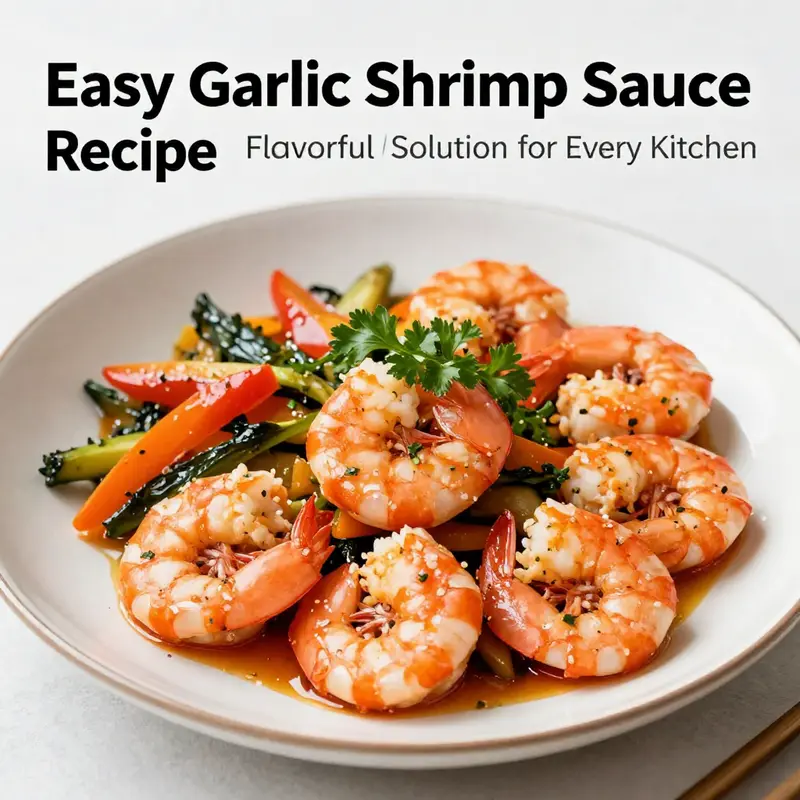
For business owners aiming to provide a delightful culinary experience, mastering a few key recipes can significantly enhance both menu offerings and customer satisfaction. Among these, a simple garlic shrimp sauce stands out. Not only is it packed with flavor, but it is also quick to make, making it an excellent choice for busy kitchens. Diving into this easy garlic shrimp sauce recipe will empower you to deliver a dish that pleases a crowd while ensuring efficiency in preparation. In this exploration, we will first outline the essential ingredients and preparation methods. Next, a detailed step-by-step guide will ensure you can replicate this dish effortlessly. Finally, we will discuss variations and tips to enhance this shrimp sauce, making it a versatile addition to your culinary repertoire.
Sizzle, Sauce, and Simplicity: A Quick Garlic Shrimp Sauce for Weeknights
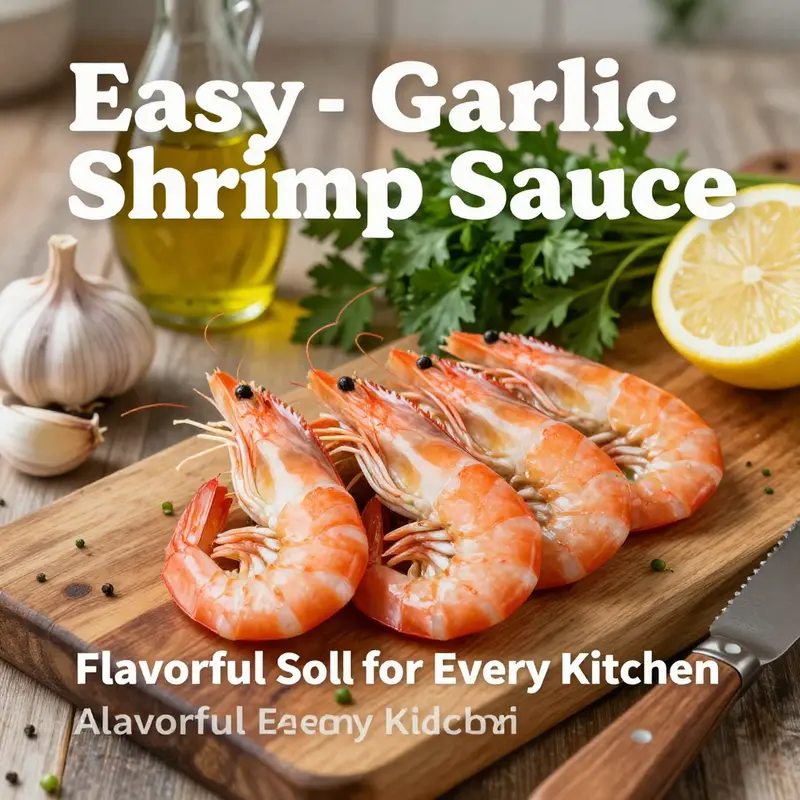
Garlic shrimp is a small symphony: garlic notes flash across a base of butter and olive oil, the shrimp curl into glossy pink crescents, and the pan comes alive with brightness. This chapter makes that sizzle accessible on busy weeknights: quick to prepare, simple in ingredients, and big on flavor. The method borrows from classic Mediterranean plates and pairs with a modern kitchen workflow, including a splash of white wine or dry vermouth for depth and a brief reduction to concentrate the aromatics. The result is a clingy glaze that coats each shrimp without overpowering the citrus or the sea-sweetness of the shrimp.\n\nKey ingredients: one pound large shrimp, peeled and deveined; four tablespoons unsalted butter; two tablespoons extra virgin olive oil; six cloves garlic, minced; a quarter teaspoon red pepper flakes; one tablespoon fresh lemon juice; a splash of white wine or vermouth; a teaspoon soy sauce or fish sauce; chopped parsley for color; salt and pepper to taste. Optional: lemon zest, a touch of honey or maple syrup for balance, cilantro for a lively finish, or a splash of pineapple juice for a tropical twist.\n\nMethod: Preparation first. Pat the shrimp dry to ensure a good sear. Warm a large skillet over medium-high heat and melt the butter with the olive oil until foaming. Add the garlic and sauté briefly, about 30 to 45 seconds, just until it releases fragrance and turns pale golden. If the garlic browns too quickly, lift the pan off heat for a moment to cool, then resume. Increase the heat and lay the shrimp in a single layer. Sear about 1.5 to 2 minutes per side until opaque and lightly golden at the edges. Transfer the shrimp to a plate. In the same pan, pour in the wine or vermouth and scrape up the browned bits. Reduce by about half, then stir in lemon juice, soy or fish sauce, and red pepper flakes. Return the shrimp to the pan and toss to coat in the glaze for about 30 seconds.\n\nFinish with chopped parsley, salt and pepper to taste, and, if using, lemon zest or pineapple juice. Serve immediately over steamed rice, crusty bread, or tossed pasta that can soak up the pan juices.\n\nTips for success: pat dry, do not crowd the pan, and use a quick reduction rather than a long simmer to preserve bright garlic and delicate shrimp flavor. If you want more heat, add another pinch of red pepper. For a sweeter balance, whisk in a touch of honey or maple syrup, but keep it bright rather than syrupy. Parsley is the classic finish, but cilantro can work if you are leaning tropical; the sauce should cling to the shrimp without becoming a heavy coating.\n\nVariations: swap parsley for cilantro for a tropical note; add a splash of pineapple juice for a Hawaii-inspired version; use lime instead of lemon for a citrusy twist. The recipe scales easily; cook in batches if needed to avoid overcrowding the pan.\n\nServing ideas: pair with steamed white rice, a crusty baguette to mop the glaze, or a simple tossed pasta with a little extra olive oil and lemon. A light salad on the side makes a balanced weeknight meal. If you want more ideas, see the shrimp sauce recipe for a deeper dive and variations. For a professional, step-by-step visual guide, you can consult BBC Good Food on garlic shrimp at https://www.bbcgoodfood.com/recipes/garlic-shrimp
Bright, Quick, and Bold: Mastering an Easy Shrimp Sauce for Weeknight Wins
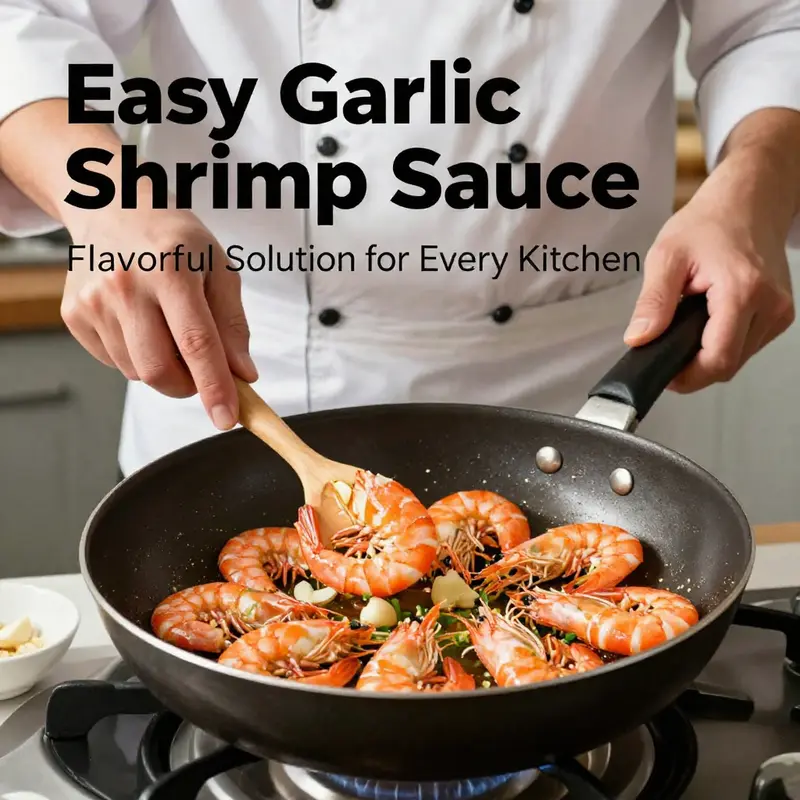
An easy shrimp sauce is less about complexity and more about precision: a hot pan, bright aromatics, and a quick finish that leaves you with something vibrant enough to lift weeknight pasta, rice bowls, or a slice of crusty bread. This chapter focuses on a method that captures that spirit: a sauce you can pull together in under ten minutes without sacrificing depth. It starts with good shrimp, a careful dry, and a garlic-forward base that tastes alive in the moment. The idea is simple, but the effect is surprisingly polished: you can serve this as a main with a handful of greens on the side or as a glossy topper for a bed of linguine. With a calm approach, you season well and let the heat do the work, allowing butter or olive oil to carry the garlic and shrimp into a concentrated, savory perfume. The dish thrives on contrast: the sweetness of the shrimp against the sharp brightness of lemon, the herb lift of parsley, and a touch of heat for personality. In the kitchen this is the moment when simplicity reveals its cleverness: no long simmer, no heavy sauces, just clean seafood flavor brightened with a splash of wine or stock and a quick, confident finish.
First comes the practice of rinsing, then patting dry. Dry shrimp sear and color quickly, sealing in juices. If you skip this, the sauce risks a pale texture rather than a glossy glaze. In this approach, you take it a step further by turning the cleaned shrimp into a paste. A small splash of water helps the processor glide, producing a smooth base that acts like a concentrated stock in a jar. The texture can be tuned: pulse briefly for a chunkier bite, or blend longer for a silkier sauce. This infusion acts as the canvas onto which the other flavors are laid.
Next, the base. In a cold nonstick skillet, you drizzle a modest amount of oil and warm it to medium. The shrimp paste hits the pan with a sizzle, and you stir continuously to prevent scorching. A splash of dry red wine or rice wine loosens the mixture, and a pinch of salt and a touch of sugar help balance the sweetness and the acidity to come. As you cook, the paste darkens to a deep reddish-brown and releases a toasty aroma that says ‘something good is happening here.’ The pan is your guide; you adjust heat so nothing burns, and you let the scent lead you toward a sauce that clings to the back of a spoon.
At this point you have a decision: to stop with the arc of a quick pan sauce, or to push for more depth. The more immersive route uses a pressure cooker to coax the flavors together. The softened paste moves to the cooker with a little extra water to prevent sticking, and the lid seals in a new intensity as it cooks on high pressure for a substantial stretch. When it cools, the sauce has a velvety, almost caramelized character and can stand up to a hearty starch or to spoon over a fresh green salad with shrimp plated on top. This method is not necessary for everyone, but it demonstrates how persistence in flavor-building can turn a humble starting point into something deeply satisfying.
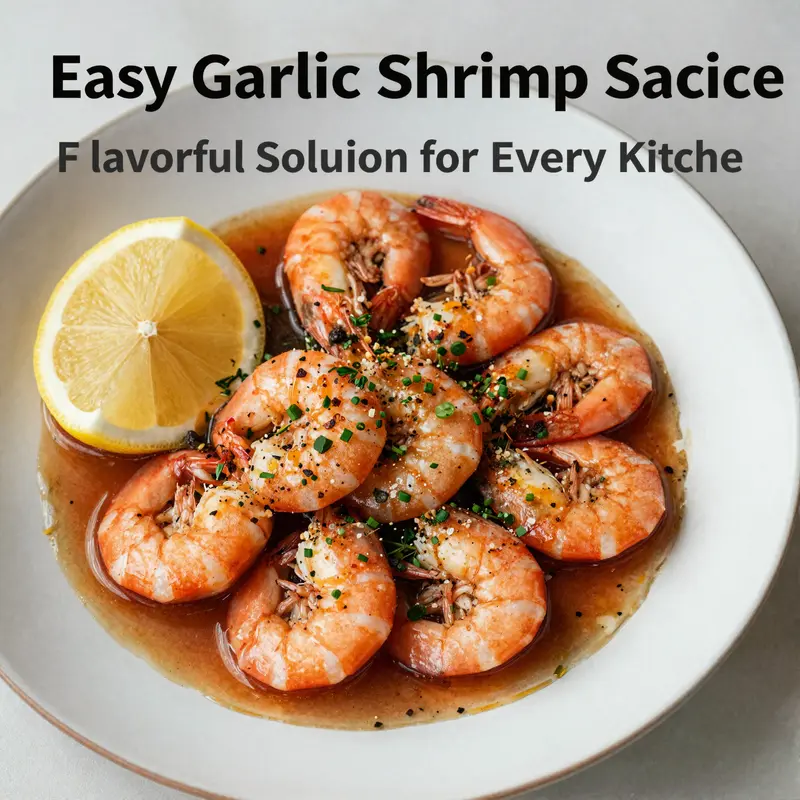
Finish is quick and bright: a finish of lemon juice brightens everything, and chopped parsley lends a pop of color and a fresh herbaceous note. Salt and pepper, adjusted to taste, pull the individual elements into harmony. The sauce shines when spooned over hot pasta, tossed with a handful of olives and a grating of parmesan, or dabbed across steamed rice with a side of steamed vegetables. If you prefer a milder touch, you can reduce the garlic by one or two cloves; if you crave heat, a pinch of red pepper flakes goes a long way. The dish’s beauty lies in the balance between the assertive garlic, the sea-sweet shrimp, and the lemon’s clean bite. For a trusted, straightforward version, you can consult the main shrimp sauce guide.
You could also explore variations that lean toward sweetness or spice, though the core remains the same: speed, brightness, and depth built in a few straightforward steps. The approach remains flexible enough to accommodate pantry substitutions, such as using stock instead of wine to keep things alcohol-free or swapping parsley for cilantro when you want a different herb profile. The idea is to keep the technique simple while allowing room for personal taste—this is how a basic shrimp sauce becomes a reliable weeknight staple rather than a one-off experiment. A well-executed sauce makes it possible to elevate plain ingredients into something satisfying, with a glossy look that invites you to scoop one more bite.
To ground this chapter in its place within the larger discussion, you can consult a well-trodden, tested version in the broader shrimp sauce guide. It offers a clear, approachable path for home cooks who want a dependable result without risking flavor or texture. For readers who enjoy practical, tested methods, this recipe is designed as a bridge between quick-cooking intuition and a deeper appreciation for how seafood fat, acidity, and aromatics interact. The goal is to empower you to cook with confidence, so you can adapt and improvise while still achieving that bright, savory finish that makes every plate feel just-right. As you gain familiarity, you’ll notice the timing becomes instinctive, the garlic blooms without burning, and the wine or stock renders a glaze that sticks to pasta or rice with a confident cling.
For additional perspective on seafood sauces and flavor balance, explore more guidelines here: https://www.seriouseats.com. This external resource can broaden your sense of how acidity, fat, and heat play together in seafood preparations, which can enrich future iterations of your own shrimp sauce experiments. And when you’re ready to compare notes on variations or to find a quick, perfect base for a busy weeknight, the internal reference remains a steady compass: shrimp-sauce-recipe. This link anchors you to a trusted, ready-to-use framework while you tailor the sauce to your table, and it ensures the chapter remains connected to the broader conversation about easy shrimp sauces that perform well across a range of meals.
null
null
Final thoughts
With this easy garlic shrimp sauce recipe at your fingertips, you can transform everyday ingredients into an extraordinary dish that delights and satisfies. By understanding the foundational elements, mastering the preparation process, and exploring variations, you can ensure that your offerings remain fresh and appealing. This sauce pairs perfectly with various sides, making it a flexible addition to any menu. Embrace the potential of quick cooking and bold flavors, and take your culinary creations to new heights.