

Beef neck bones are an underappreciated ingredient in many kitchens but are rich in flavor and nutrition. As a business owner in the food industry, understanding how to transform these often-overlooked cuts into delectable dishes can set you apart from the competition. By leveraging the culinary properties of beef neck bones, you can create savory broths, hearty stews, and inventive meals that appeal to today’s health-conscious consumers. This article delves into classic recipes, innovative variations, and the nutritional benefits of beef neck bones, providing essential insights for your kitchen and menu planning.
Slow-Simmered Richness: Classic Beef Neck Bones Broth and Hearty Stews

Beef neck bones are not flashy, but they are among the most faithful workers in a kitchen, capable of turning humble ingredients into something lush and deeply satisfying. Their marrow and connective tissue release a steady cascade of gelatin as they soften, giving broths a satin mouthfeel and stews a lingering, comforting body. In this chapter, we lean into two timeless approaches that honor the neck bones’ natural strengths: a clear, aromatically clean broth and a robust, meat-forward stew. The aim is not to mask the bones but to coax their best gifts from slow, mindful cooking. When you choose neck bones, you choose texture, depth, and a culinary quiet that speaks volumes in bowls of warmth and nourishment. This is cooking that rewards patience, restraint, and careful handling of the fundamentals that make bone-in dishes sing. For readers who want a concrete reference point, the basic principles echo over and over: soaking to draw out impurities, blanching to keep the broth clear, browning to build flavor, and a long, gentle simmer to extract collagen without bitterness. And while the recipes below are presented as classics, their core ideas travel well to variations—different aromatics, other vegetables, or a switch to stock if you prefer a lighter base. The result, whether you crave a steaming cup of broth or a filling bowl of stew, remains the same: a dish that feels earned through time and technique. A simple glance at the ingredients reveals how modest components can yield a surprising richness, especially when the bones contribute their own marrow and gelatin to the pot. The kitchen becomes a slow orchestra where each step matters, from the moment the bones are washed to the moment the spoon meets the last glistening strand of meat on the bone.
Classic Beef Neck Bones Broth begins with clean, patient prep. Rinsing the neck bones under cold water and soaking them to draw out blood sets a calm tone for a broth that stays clear rather than cloudy. The blanching step matters as a purge, not a speed bump, and it is essential for a clean, non-bitter finish. Once the bones are rinsed again, they return to a fresh pot with new water and a chorus of aromatics: slices of fresh ginger, a few dried red dates for a touch of sweetness, and, if you have them, Chen Pi—the dried tangerine peel that lends a delicate citrus warmth. Sichuan peppercorns provide a bright, citrusy heat, while the cinnamon sticks introduce a faint, comforting spice. The simmering should be gentle, a controlled bloom rather than a rolling boil, to extract collagen and marrow slowly. Two to three hours are enough for a solid backbone, with a longer simmer coaxing even more silkiness from the connective tissue. Salt is added at the end, just before serving, to preserve the clarity of the broth while inviting the flavors to round out. If you crave a touch of heat or an extra lift, a small pinch of white pepper can do the job without altering the clean profile. The outcome is a broth that shines with a transparent, comforting quality, perfect as a sip-able starter or as a foundation for soups that require a high flavor ceiling without heaviness.
The Classic Beef Neck Bones Stew shifts focus from clarity to character. Browning the neck bones is the first priority; searing them in a dutch oven until they’re deeply caramelized locks in richness and builds a base that no amount of simmering can replace. After the bones rest, the same pot welcomes a soffritto of onion, carrot, celery, and garlic, cooked until their sugars lift and their aromas mingle. A spoonful of tomato paste, if you like, can deepen complexity, but the vegetables themselves contribute sweetness and savory perfume. Deglazing with a splash of wine or water lifts those browned bits from the bottom, transforming them into the engine that drives the stew’s depth. Return the bones to the pot, add enough liquid to cover, and fold in dried thyme, a bay leaf, and the necessary salt and pepper. A long, gentle simmer follows, allowing the meat to surrender from the bone and the vegetables to absorb the rich essence that the bones release. About halfway through, you can introduce heartier vegetables like potatoes or carrots, depending on your preference; adding them too early risks softening them to mush, while waiting until the stew thickens ensures texture stays intact. The result is a stew with a lush, almost velvety body, where meat falls away from bone and the flavors cling to each other in a cohesive, comforting chorus. A crusty loaf or a steamy bowl of rice is a natural partner, offering a rustic counterpoint to the stew’s deep sweetness and savory pull.
Both preparations hinge on a shared philosophy: respect the bones’ natural gift and treat the simmer as a patient conversation rather than a speed run. Soaking and blanching wick away the impurities that can dull flavor, while a careful browning process amplifies the inherent meatiness that neck bones carry. The slow, low heat draws out collagen, transforming it into the glorious gel that makes a broth feel substantial and a stew feel unctuous without heaviness. Any deviations from the core steps—whether you rely on a stock or a broth, whether you reduce the liquid to a nappe or keep it looser—should still honor that foundation: balance of aromatics, gentle simmer, and a finish that respects salt as a finishing touch rather than an initial flavor crutch.
In practice, these neck bone preparations are surprisingly versatile. A broth that’s bright and clean can serve as the backbone for quick weeknight soups, as a cooking liquid for grains, or as the liquid base for a risotto that benefits from its subtle beefiness. The stew, with its tender meat and sturdy vegetables, becomes a one-pot meal that nourishes a family and rewards patience with every spoonful. For cooks who want to explore variations, the same techniques adapt beautifully: swap coriander seeds for a peppercorn blend, replace Chen Pi with citrus zest if it’s more accessible, or trade thyme for rosemary when you crave a different herbal tone. The bones’ generosity remains constant, inviting you to coax out texture, color, and savor in every course.
For readers seeking guidance on broader selection and preparation of beef neck bones, see the broader guide available at Beef Neck Bones. This link anchors practical decisions about sourcing and trimming, while the recipes above demonstrate how to translate that knowledge into two distinct yet complementary dishes. As you move through the kitchen with neck bones in hand, you’ll notice how a single cut can anchor a spectrum of comforting dishes, from a clear, aromatic broth that gleams with clarity to a deeply nourishing stew that clings to your ribs with warmth. The goal is to celebrate the bones’ character rather than disguise it, delivering meals that feel both comforting and painstakingly crafted.
External reference: https://www.seriouseats.com/how-to-make-bone-broth
Tender Horizons: Innovative Journeys with Beef Neck Bones

Beef neck bones are the underloved canvas of the kitchen, a compact mix of muscle, bone, and marrow that rewards slow, patient cooking. They carry a mineral sweetness and a silkiness born from collagen that seeps into braising liquids. In a chapter about recipes with beef neck bones, it helps to listen to how time, heat, and seasoning shape the final dish. The four modern-to-traditional variations that follow illustrate how a single ingredient can anchor a wide range of cuisines without losing its core identity. The aim is not novelty for novelty’s sake but a respectful conversation with texture, flavor, and memory. These dishes invite the cook to treat neck bones not as leftovers but as a generous foundation for texture, aroma, and a deeply satisfying umami profile that lingers on the palate. The result is not just sustenance but a small lesson in culinary patience and the art of coaxing flavor from a humble cut.
The first path moves with the precision of modern cooking while keeping faith with the cut’s natural character. Sous-vide and roasted beef neck bones begin by sealing the bones with a careful blend of aromatics—rosemary, thyme, and garlic—along with smoked paprika and black pepper, and a splash of red wine or beef stock. At a steady 57°C for 24 hours the meat becomes uniformly yielding, absorbing the aromatics without losing its own firmness. When the bag is opened, the surface remains dry, a subtle indicator of careful temperature control. A quick sear or a roasting finish then creates a crust that is deeply caramelized, a counterpoint to the soft interior. The crust offers a crackle and a toasty depth that makes the mouth salivate for the next bite. This approach demonstrates how precision cooking can unlock a layered complexity from a cut that often relies on long, slow braising to develop its best flavor. The resulting dish pairs well with a glossy reduction or a simple herb oil that carries the same herbaceous notes through to the finish. It is not merely tenderness; it is a study in texture, a conversation between a crust and a velvet center, a reminder that ingredients deserve time to reveal their full personality. If you are curious to explore more about how neck bones can be prepared, a practical guide is available for reference through a dedicated beef neck bones resource, which provides guidance that complements these techniques and helps translate them into everyday kitchen practice. Beef Neck Bones.
The second variation travels eastward in spirit and depth of flavor. Beef neck bone and miso stew reimagines a slow-cooked stew with a Japanese umami backbone. After browning the neck bones to develop a rich, browned fond, the pot is filled with broth—chicken or vegetable serves—and a generous spoonful of white miso paste, along with a small piece of kombu. The simmering bath runs for several hours, and the meat gradually falls away from the bone. In the last hour, sliced shiitake mushrooms and daikon radish enter the pot, adding texture, sweetness, and a clean counterpoint to the deep, salty miso. The result is a deeply savory, multi-layered stew with a lustrous, almost lacquered surface. The miso provides a profound umami depth that elevates the neck bone’s natural richness, while the collagen loosens further, giving the broth a silken viscosity that clings to each spoonful. The beauty of this approach lies in balance: the miso and kombu intensify the beef’s mineral notes without masking them, and the last-minute vegetables introduce brightness that cuts through the richness so the dish remains approachable rather than heavy. Such a stew showcases how neck bone can carry flavors from disparate culinary worlds, turning a traditionally rustic ingredient into something that feels both timeless and contemporary. In this context, the marrow and collagen act as natural thickening agents, enriching the liquid without the need for starches or gums. The experience is cozy and luxurious at once, a reminder that a single ingredient can anchor a dish across cultures.
A third route transforms the long, slow braise into a lively, bright street-food experience. Beef neck bone tacos with cucumber-avocado salsa reimagine the idea of shredding the meat until it shimmers with juiciness. After the bones have released their tenderness, the meat is pulled from the bone and lightly sautéed with a touch of cumin and chili powder to awaken the surface flavors. The finished meat nests in warm corn tortillas, and the salsa steals the show in its freshness: cucumber for crunch, avocado for creaminess, red onion for bite, cilantro for lift, lime juice for brightness, and a whisper of jalapeño to keep the heat in check. The cool, creamy salsa balances the richness of the beef, producing a dynamic flavor profile that feels modern and vibrant. This dish demonstrates that slow-cooked ingredients can still echo the energy of a street-food plate, where texture, brightness, and balance create a memorable bite. The assembly is quick, but the flavor relationships are deliberate, and the result holds up well against a bright slaw or pickled vegetables that echo the lime and heat in the salsa. The taco format also makes this preparation accessible, inviting home cooks to experiment with toppings that align with their tastes while maintaining the core concept: neck bones as the star, not a filler.
The final variation brings a different sensibility, translating the neck bone into a rich, Italian-inspired Bolognese. Instead of grinding the bone, the neck meat is finely chopped or minced and browned alongside a traditional soffrito of onions, carrots, celery, and garlic. A brief deglaze with red wine introduces the depth of acidity, before the meat in its tender state mingles with crushed tomatoes and a touch of sugar to modulate acidity. Herbs such as basil and oregano weave through the sauce, long enough for the neck meat to dissolve and the sauce to gain a natural gel from the collagen. The result is a deeply flavorful, slightly gelatinous Bolognese that carries the neck bone’s character into a classic Italian format. The long simmering time yields a sauce with a luxurious mouthfeel, an unforced density that clings to pasta without the need for extra thickeners. This version demonstrates how a single cut can contribute texture and soul to a familiar dish, giving the Bolognese its own unique texture—silky, almost glossy, yet robust with beefy character. It is a reminder that the best traditional plates can be reimagined with thoughtful technique, producing harmony rather than novelty alone.
Across these variations, the through-line is patience. Neck bones do not hurry; they invite long braises, steady reductions, and careful searing to reveal their full personality. The techniques are versatile enough to bridge a quiet weekend kitchen and a vibrant dining table, showing that a humble cut can travel far when treated with respect. The science is straightforward: collagen breaks down into gelatin under heat, marrow enriches the sauce, and gentle browning unlocks aroma compounds that lift the entire dish. What changes is the frame, whether lacquered miso glaze, bright salsa, or a crust that crackles under a fork. The recipes are savory, hearty, and nourishing, yet they carry a contemporary sensibility that makes comfort food feel like a thoughtful choice rather than a nostalgic indulgence. For cooks seeking further guidance, a dedicated resource on beef neck bones provides practical pointers that complement these ideas and help translate them into everyday kitchen practice. Beef Neck Bones.
External reference: https://www.nytimes.com/2025/09/16/dining/beef-neck-bone-recipes.html
Bone, Broth, and Bursting Flavor: The Nutrition-Driven Craft of Beef Neck Bone Recipes
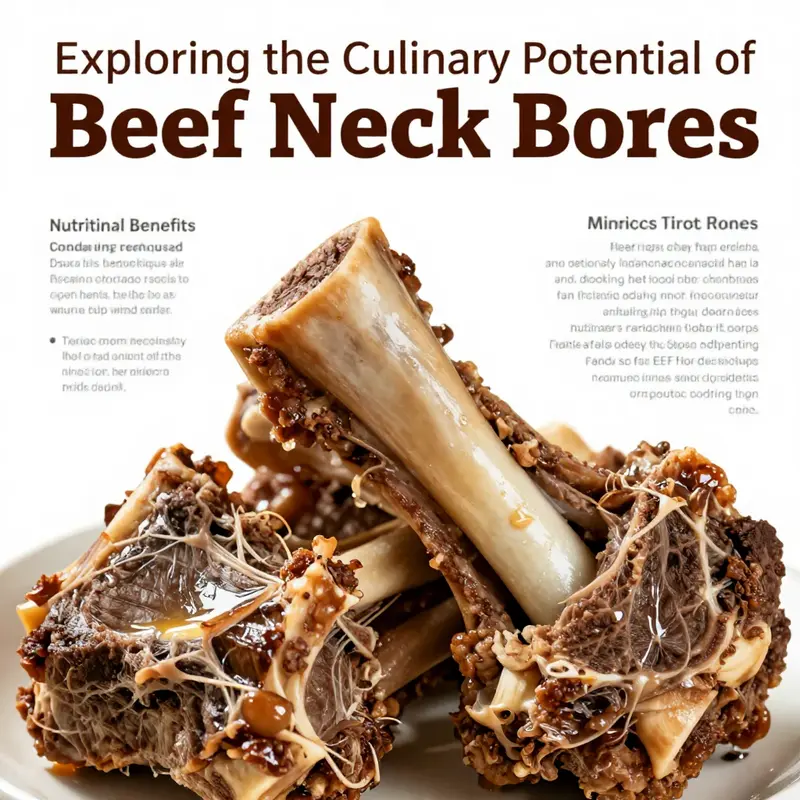
Beef neck bones are a humble cut that often hides in plain sight, especially in home kitchens that crave depth over flash. They carry a compact package of flavor and nutrition: a rim of meat on the bone, a generous share of connective tissue, and plenty of marrow. When simmered slowly, they yield a broth that thickens with gelatin and a palate of savor that lingers long after the last spoonful. This is not merely comfort food; it is an opportunity to mine the whole animal for nourishment while making the most of a frugal, practical ingredient. For anyone curious to explore their practical starting point, see Beef neck bones.
What makes them special goes beyond taste. Collagen, the protein matrix that forms gelatin when heated, dissolves from the bones and connective tissue into the cooking liquid. That gelatin supports gut health, provides a source of protein, and gives the body a comforting fullness. The neck bone itself contains glycine and proline, amino acids that feed collagen production and may support skin and joint health when consumed regularly as part of a varied diet. In addition, there are glucosamine and chondroitin in the surrounding cartilage that have long been associated with joint comfort and mobility. Minerals such as calcium, magnesium, and phosphorus appear in the broth in usable forms, contributing to mineral balance in meals that emphasize whole foods. The marrow inside the bones adds healthy fats and fat-soluble vitamins, enriching both flavor and the nutritional profile. Together, these elements align with nose-to-tail cooking, transforming a humble cut into nourishment that travels from pot to plate with minimal waste.
To coax maximum flavor, begin with roasting. Preheat the oven to 400°F (200°C) and spread the neck bones on a baking sheet. Roast for 30 to 40 minutes, turning once. The browning there unlocks new layers of aroma and primes the bone for more efficient extraction during simmering. This little step matters, because the Maillard reaction adds nuanced sweetness and savory depth that no long simmer alone can achieve.
With the roasted bones, the breakthrough comes in the slow, patient extraction of nutrients. Transfer them to a large pot or slow cooker. Add cold water to cover and slide in aromatics such as onion, carrot, and celery. Garlic, thyme, and bay leaves are optional aromatics that can lift the broth without overshadowing the bones’ character. Bring gently to a simmer, then reduce to a steady, barely moving simmer. Skim the foam that rises during the first hour to keep the broth clear and pristine. For richest yield, allow the simmer to continue for at least 12 hours, and many cooks prefer 24 to 48 hours. The long duration is essential for pulling dissolved minerals, gelatin, and marrow into the liquid while keeping the flavors balanced and gentle. If using a slow cooker, let it run on low for the full duration; if on the stove, maintain a simmer and add water if needed to keep the bones submerged.
When the process ends, strain the liquid through a fine sieve. Let it cool; the gelatin should set into a jelly-like layer if the broth is concentrated. That sheen signals a high concentration of the beneficial compounds discussed above. The broth can be enjoyed on its own as a warm sip, served as a base for soups and risottos, or spooned into sauces to enrich them with body and shine. It stores well in the fridge for several days and freezes reliably for months, making it one of those preparations you can a) batch, b) portion, and c) pull into many meals with minimal effort.
A standout application is Braised Beef Neck Bones with Red Wine and Stock. This method opens the bones under gentle heat to release both meat and marrow, delivering a deeply savory dish. Start by searing the neck bones in a hot pan to develop color and complexity. Deglaze with a splash of red wine and scrape up the fond. Return the bones to a pot, add more wine, beef broth, and a bouquet of herbs and vegetables. A slow braise for 3 to 4 hours yields meat that falls away from the bone, while the sauce thickens to a glossy, unctuous finish. The result is a plate rich in umami, where the gelatin from the neck bones gives a satin mouthfeel, and the marrow leaves a comforting, velvety impression. The technique preserves the nutritional benefits because the low heat and extended time avoid harsh reduction, letting collagen emulsify into the sauce rather than evaporate away.
You can then use the resulting sauce as a bed for potatoes, polenta, or creamy grits, or spoon it over greens for a rustic, nourishing meal. If you keep the broth on hand, a quick reheat with vegetables makes a nourishing weeknight supper; if you strain out the bones, you are left with a rich, stocky sauce that pairs beautifully with grains and root vegetables. The bone-rich stock also serves as a foundation for other dishes, in effect becoming a pantry staple that travels across recipes. For those exploring a broader approach to beef neck bones, consider how the same technique can flavor stews, beans, or even risotto, enriching texture and depth.
In embracing beef neck bones, home cooks take part in a sustainable, nose-to-tail ethic that values texture, flavor, and nutrient density. The bones are inexpensive relative to more common cuts, yet they deliver a spectrum of taste and health benefits when treated with care. The focus on slow, controlled cooking respects the tissue structure, giving time for collagen to melt and flavors to mingle rather than boiling away. The result is a dish that is inherently comforting, with a sauce that clings to pasta or bread and a broth that nourishes on multiple levels. This approach also invites experimentation: adding heat-friendly aromatics like ancho, paprika, or citrus zest can shift the profile from rustic to bright, all while preserving the core qualities of the neck bones.
As you build recipes around beef neck bones, you’ll discover how to balance richness with acidity, brightness with depth, and tenderness with bite. A touch of vinegar or a splash of wine near the end of a braise can lift the dish, while a handful of fresh herbs added at service brightens the plate. Always start with well-sourced bones, and consider a quick roast to maximize flavor from their exterior. By embracing these techniques, you transform a less-appreciated cut into a reliable workhorse for nourishing meals, a true example of how a well-chosen ingredient and patient technique can elevate everyday cooking into something memorable.
For further practical guidance, you can consult the detailed Braised Beef Neck Bones Recipe noted in the external resource. And for a direct reference within this site, see the internal link to the beef-neck-bones page above as you plan your next batch of bone-rich meals.
External resource: Braised Beef Neck Bones Recipe.
Final thoughts
By incorporating beef neck bones into your culinary offerings, you not only provide a unique dining experience but also cater to the demand for nutritious meals. Understanding the traditional and modern techniques to prepare these bones can elevate your menu and impress your patrons. Embrace the opportunity to explore this flavorful ingredient and enhance your business’s reputation for hearty, health-conscious dishes.