
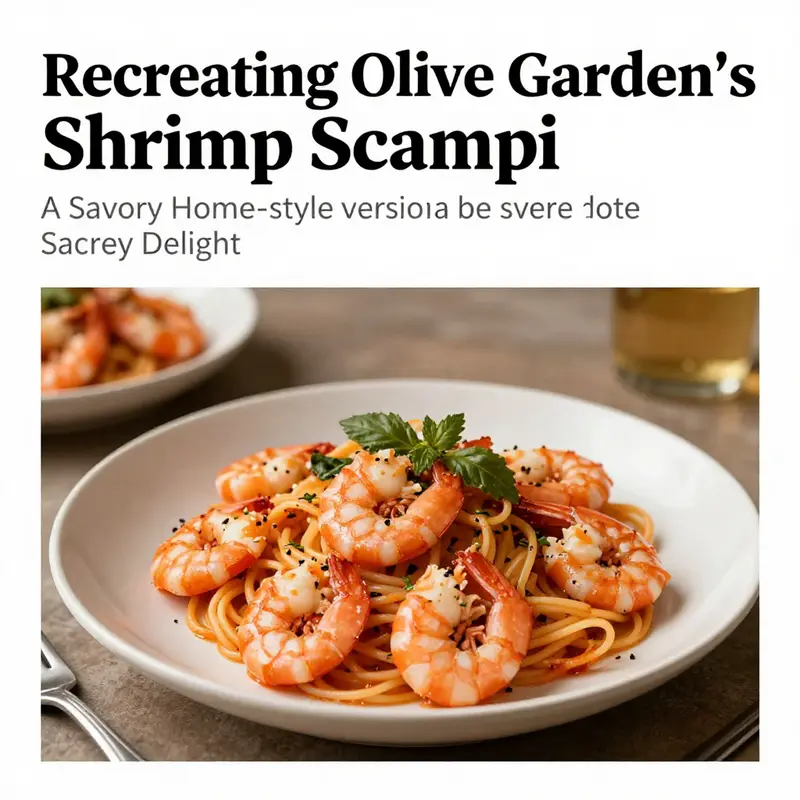
Shrimp scampi has become a beloved classic at Olive Garden, known for its rich garlic butter sauce and fresh ingredients. For business owners in the culinary space, replicating this iconic dish can provide a unique selling point that resonates with customers. Chapters ahead will dive into a home-style recipe—giving you the tools to create a similar dish in your own restaurant—and unveil the secrets behind Olive Garden’s cherished shrimp scampi, empowering you to enhance your menu offerings and appeal to seafood lovers everywhere.
Garlic-Butter Grandeur: A Home-Style Reimagining of Olive Garden Shrimp Scampi
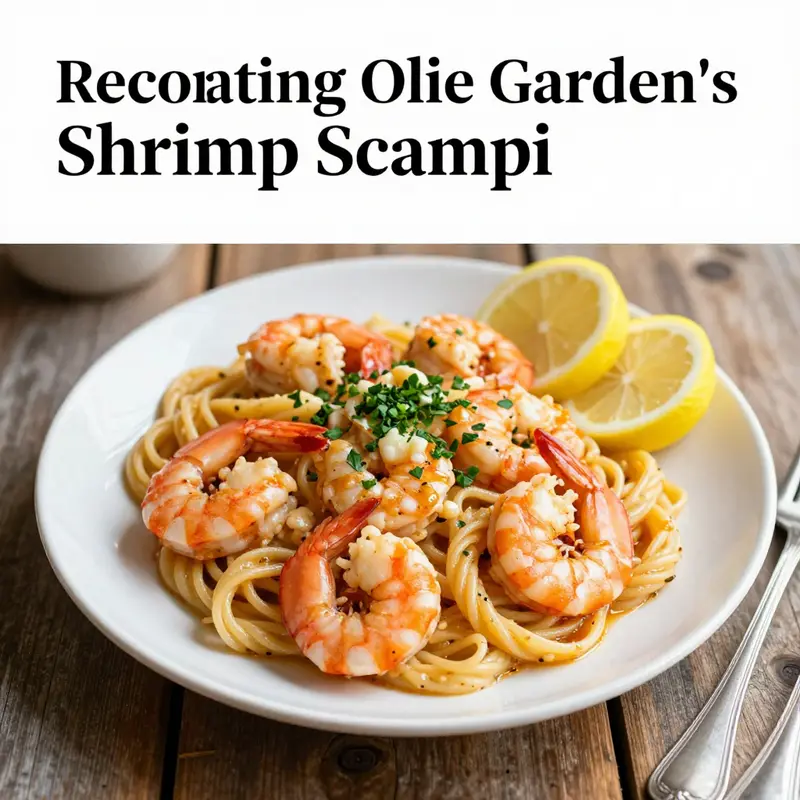
At its core, this home-style version leans into the technique: a hot pan, a measured amount of butter, and a bright finish from lemon. Shrimp are patted dry and seared until pink and lightly caramelized, then set aside. In the same skillet, the garlic is gently fragrant in the melted butter, then a splash of dry white wine and lemon juice are added to create a brisk, glossy sauce. Pasta water is whisked in gradually to emulsify and to cling the sauce to each strand. The shrimp are returned to the pan to warm through, then the pasta is tossed in so every bite carries garlic-butter richness. A final scatter of parsley and a shower of Parmesan (optional) bring freshness and depth.
Garlic, Butter, and Ambition: Recreating a Beloved Shrimp Scampi in the Home Kitchen
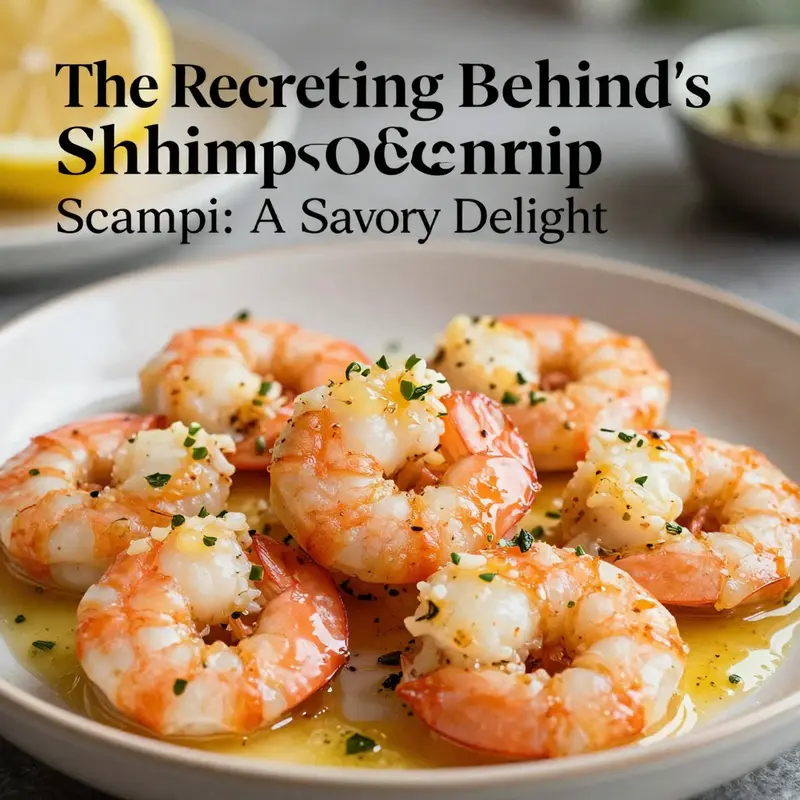
In the busy rhythm of a home kitchen, the most compelling versions of a shrimp scampi begin with two quiet decisions: choose fresh shrimp and decide on a sauce that will carry flavor without masking the delicate sweetness of the seafood. The dish at the center of this chapter is built on a simple idea—garlic, butter, a kiss of white wine, and a bright squeeze of lemon—yet that simplicity hides a careful balance. The goal is a glossy, garlic-forward sauce that clings to every strand of pasta, coats the shrimp without drowning them, and leaves a lingering scent of herbs and citrus. The public recreations that guide home cooks tend to share a common philosophy: let fat and aromatics do the heavy lifting, deglaze with wine to lift the fond, and finish with a light herbal note that echoes the brightness of the lemon. The result is a dish that feels luxurious but remains achievable in a standard kitchen, where timing and temperature are the real chefs and where a touch of patience yields a final, shimmering sauce rather than a greasy pool.
To begin, the choice of components matters more than the name on the menu. Shrimp should be large and fresh, patted dry to promote a quick, even sear. A traditional choice for pasta in this dish is a slender noodle that can twirl easily and hold a coating of sauce without slipping through the fork. Angel hair is a frequent pick, though linguine or capellini can work with similar results. The vegetables, if included, are optional yet practical: thin slices of bell pepper and perhaps a few rings of onion add sweetness and color, offering a counterpoint to the perfume of garlic and lemon. The core sauce stays lean enough to let the butter shine, yet rich enough to perfume the kitchen as the pan returns to the table. Butter is essential, but a small amount of olive oil or a touch of a neutral oil helps prevent the butter from scorching, especially when the pan is hot enough to sizzle with the shrimp. The garlic should enter the scene minced finely, releasing its aroma quickly without burning, which would bitter the sauce. A splash of dry white wine introduces acidity and lift, while lemon juice provides a crisp, citrusy backbone that brightens the entire dish. Fresh parsley, finely chopped, is stirred through at the end to add a spark of green and a fresh herbal finish. Some cooks also like a pinch of red pepper flakes to add a subtle warmth, a nod to the dish’s Italian-American heritage without overpowering the delicate balance of flavors.
If you’re aiming for a near-replica feel in a home kitchen, there is a rhythm to the process that makes the difference. Start by warming a wide skillet over medium heat and letting a small amount of butter melt with a touch of olive oil. The oil helps guard the butter from scorching while its fat carries the garlic into the air. When the butter begins to foam, add the garlic in a thin, even layer so it sizzles rather than browns. In this moment, the kitchen fills with a familiar, comforting aroma that signals the dish’s approach. After the garlic has softened, perhaps 30 to 60 seconds, introduce the shrimp in a single layer. A brief sear on one side, then a flip, should reveal a pink, opaque color that tells you the shrimp are nearing readiness. Overcooking shrimp is a common pitfall; the aim is to finish them just as they become pink and curl slightly, which preserves tenderness and allows the sauce to envelop them rather than overpower them.
The next step is to lift the pan with a gentle tilt and pour in a measured splash of white wine to deglaze. The liquid picks up the browned bits left by the shrimp and the aromatics, creating a flavorful base. Let the wine reduce by about half, then slide in a squeeze of lemon juice and a little more butter to emulsify the sauce into a satin-like coating. The sauce should thicken ever so slightly, enough to cling to the pasta without becoming heavy. If the sauce seems loose, a tiny additional turn of the heat and a small dab of butter can tighten it, while a minute of rest will allow flavors to settle. In this moment, return the shrimp to the pan, letting them mingle with the sauce for a minute so their juices blend back in and the pan’s heat redistributes evenly. The pasta is then added, and the entire dish is tossed with a handful of chopped parsley. A final pinch of salt and a faint crack of black pepper round out the flavor, while a light dusting of Parmesan can echo the restaurant’s finishing touch for those who enjoy it.
The technique relies on timing and temperature more than a long list of ingredients. The sauce must stay glossy, not greasy, and the shrimp should never swim in a sea of liquid. When done properly, every strand of pasta wears a thin veil of sauce, and each bite alternates between the butter’s richness, the brightness of lemon, and the savory hug of garlic. The beauty of this approach is its flexibility. If you prefer fewer vegetables, the sauce remains just as satisfying. If you want a touch more bite, you can toss in a bit of zest at the end or a small spritz of lemon for a livelier finish. The dish shines when served immediately, while the aroma remains in the air and the sauce clings to the pasta with a light, velvety texture.
For readers who want a deeper, more step-by-step guide to a near-copycat technique, a home-friendly resource distills the same principles into precise measurements and timings. This approach emphasizes the same sequence—aromatics, seafood, deglaze, emulsify, finish—while offering exact quantities to simplify the cooking path for newer cooks. You can explore this approach through a dedicated recipe that mirrors the method described here: https://meatrecipesblog.com/olive-garden-shrimp-scampi-recipe/. The link provides a practical framework without sacrificing the flexibility that home cooks require, letting you adjust garlic intensity, wine amount, or lemon brightness to suit your pantry and palate. In the end, the dish becomes a personal interpretation of a classic, shaped by the ingredients you choose and the way you balance them in your pan.
Plating and serving are a quiet stage for the performance that has already occurred in the pan. A warm plate, a neat nest of pasta, and the shrimp laid across the top offer a visual rhythm that mirrors the dish’s flavor rhythm. A last sprinkle of fresh parsley gives a flash of color, while a deliberate, light dusting of cheese lets the dish echo its finish without overpowering the sauce’s delicate balance. If you wish, a drizzle of good olive oil over the plate adds a final sheen and a subtle fruitiness that harmonizes with the lemon and garlic. The overall effect is a plate that looks simple, but in every bite reveals the careful choices that underlie the dish: fresh seafood, a careful blend of butter and wine, and a citrus-herb kiss that makes the flavors seem brighter with each mouthful.
As this chapter concludes, the point remains clear: recreating a beloved shrimp scampi at home is less about chasing a perfect replica and more about embracing the core relationships among ingredients. Butter pairs with garlic to carry fragrance; wine supports brightness and lifts the sauce; lemon cuts through richness, and parsley finishes with a fresh note. The result is a dish that feels familiar and comforting, yet lively enough to satisfy the craving for a restaurant-like experience in a home kitchen. The best versions respect the balance, respect the timing, and respect the pasta’s role as the vessel that carries every element together. For readers who want to compare notes with tested, step-by-step guidance, the linked copycat resource provides a reliable template to tune measurements and technique to your own stove. And for those who crave further exploration, the broader landscape of seafood sauces offers countless ways to adapt the same technique to fish, shellfish, or a vegetable-forward variation—all built on the same foundation of garlic, butter, wine, and lemon, and finished with a bright, herbal note that lingers. External resource: https://www.thespruceeats.com/olive-garden-shrimp-scampi-copycat-recipe-4137952
Final thoughts
Understanding the elements of Olive Garden’s shrimp scampi not only allows culinary entrepreneurs to replicate a successful recipe but also equips them with insights into balancing flavors and presentations that appeal to customers. By incorporating a home-style version of this classic dish into your menu, you can enhance the dining experience you provide. As you explore new culinary territories with shrimp scampi, remember that it’s the combination of quality ingredients and careful technique that transforms a simple meal into a favorite. Embrace the opportunity to innovate and elevate your seafood offerings.