

Rack of lamb is not just a dish; it is an extraordinary culinary experience that can elevate any dining occasion. As a business owner in the culinary field, offering this premium dish can set your establishment apart. Understanding the key components—from selecting the best ingredients to mastering the cooking techniques—can enhance your menu, attract discerning customers, and increase overall satisfaction. Each chapter of this guide will delve into essential ingredients that contribute to flavor, techniques that ensure perfect cooking, and serving suggestions that will delight your guests’ palates when serving rack of lamb.
Essential Ingredients and Flavor Foundations for a Herb-Crusted Rack of Lamb
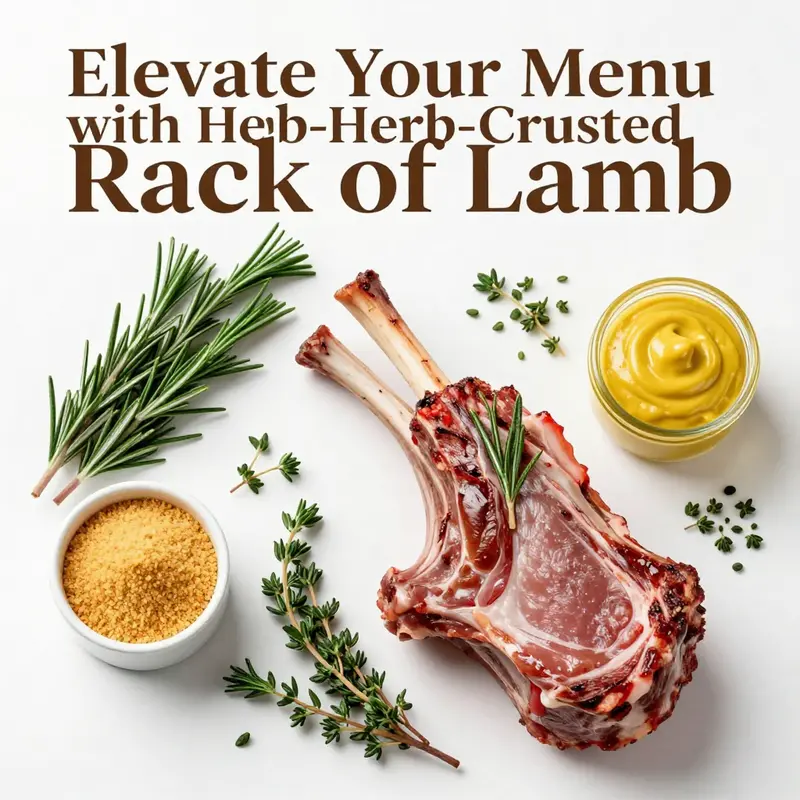
Core Ingredients and Why They Matter
A great rack of lamb starts with a short, focused grocery list. Each item plays a distinct role in building flavor, texture, and the dish’s final impression. Begin with racks that are well trimmed and frenched. A cleanly frenched rack—7 to 9 ribs with excess fat and membrane removed—gives a tidy presentation and lets seasonings and heat reach the meat evenly. Trimming also helps the crust adhere and browning develop where you want it.
Salt and black pepper are simple but essential. Salt seasons the meat and helps proteins hold moisture during cooking. Apply kosher or sea salt evenly, and let the meat sit at room temperature for a short rest to allow the salt to penetrate. Freshly cracked black pepper adds a floral heat that complements lamb’s natural richness; add it before searing so the pepper warms and releases aromatics.
For searing, choose a high smoke-point oil. Oils such as grapeseed, avocado, or clarified butter tolerate high heat without burning. A hot pan delivers a rapid Maillard reaction, creating the deeply browned, flavorful exterior that contrasts with tender, pink meat inside. Use just enough oil to coat the pan; too much can pool and interfere with a proper sear.
Fresh herbs—primarily rosemary and thyme—define the herb crust. Rosemary brings pine-like, resinous notes that stand up to lamb, while thyme offers a more subtle, savory base. Combine these herbs with parsley when making a crust to add color and a bright lift. Mince herbs finely so they distribute evenly across the surface and meld with other flavors.
Garlic is indispensable. Minced or crushed, it adds pungency and depth. When blended into a breadcrumb crust with butter and herbs, garlic mellows but remains an underpinning flavor. Use fresh garlic sparingly if you want a milder profile; a raw clove will assert itself strongly when roasted.
Unsalted butter plays two roles. First, it binds the herb and breadcrumb mixture into a spreadable paste. Second, a pat of butter used for basting enriches the pan juices and encourages even, golden browning. Use unsalted butter so you control overall seasoning. If necessary, adjust final seasoning with a light sprinkle of flaky salt.
Breadcrumbs are the structural heart of the crust. Panko breadcrumbs give a light, crisp texture and brown well in the oven. They create a pleasing contrast to the lamb’s tender flesh. For a richer variation, finely pulsed nuts—macadamia or almonds—can replace part of the panko, adding a nutty, buttery bite and a different texture profile.
Dijon mustard is more than a flavor note; it is a binder. Brushing a thin layer of mustard over seared meat helps the crust ingredients adhere. It also contributes a tangy counterpoint to the lamb’s sweet fat, balancing the palate and helping the crust develop a beautiful mahogany color in the oven.
Unsalted chicken or beef stock and red wine are the foundation for a classic pan sauce. After roasting, deglaze the skillet with red wine to lift browned bits and concentrate savory flavors. Reduce the wine and finish with stock to create a sauce with body and acidity. This sauce cuts through the richness of the meat and ties all elements together on the plate.
Small extras elevate the final dish. A few sprigs of fresh thyme tucked into the pan while roasting infuse subtle aroma. A squeeze of lemon on the finished chops brightens the palate and lifts the herb notes. Flaky sea salt applied just before serving adds a final textural and flavor accent.
Pay attention to quality and technique. Buy racks with a good color and a thin fat cap. Trim silver skin carefully so the meat sears uniformly. Use fresh herbs whenever possible; dried herbs can work, but they lack the vibrancy that lifts an herb crust. Measure mustard and breadcrumbs rather than guessing; the right ratio keeps the crust cohesive without becoming gummy.
If you want to explore flavor variations, consider regional spins like Mediterranean herb blends and warm spice notes. For more ideas that pair well with lamb, see the collection of Mediterranean lamb recipes for inspiration and side pairings.
Applied thoughtfully, these core ingredients produce a dish that balances crisp texture, aromatic herbs, and well-seasoned lamb. Each component has a job: to enhance, to bind, or to balance. When combined with careful searing and precise roasting, they deliver a restaurant-worthy rack of lamb that feels both classic and fresh.
For additional technical detail and variations on technique, consult this focused recipe exploration: https://www.seriouseats.com/rack-of-lamb-recipe
Technique-Driven Rack of Lamb: Trim, Temperature, Crust, and Finish

Mastering the techniques that make a rack of lamb sing
A truly memorable rack of lamb depends less on elaborate ingredients and more on precise technique. The classic herb-crusted version benefits from a series of deliberate, interlocking steps: a clean French trim for presentation and even cooking, a dry surface for proper searing, an herb-forward crust for flavor and texture, careful temperature control to protect tenderness, and a patient rest to preserve juiciness. Treat each of these steps as essential, and the final plate will show you why technique matters.
Begin with the bones. A French-trimmed rack removes excess fat and meat from the rib bones, exposing the white bones for a refined look and allowing heat to circulate more evenly. Use a sharp knife to scrape away membranes and fat, working gently so you do not nick the bones. A neat trim also concentrates seasoning on the meat, rather than on the fat cap, which produces cleaner, more focused flavors. Whether you buy racks already frenched or do the trimming yourself, check for any remaining silver skin and remove it; it resists browning and can create chewy patches.
Next, dry the meat thoroughly. Pat the racks with paper towels until the surface is matte, not damp. Surface moisture inhibits the Maillard reaction and leads to steaming. When you move to a screaming-hot skillet or the oven, a dry surface browns quickly and builds flavor. If you plan a sous vide finish, season, vacuum-seal, and cook, then dry the outside well before the final sear to prevent water from inhibiting crust formation.
Seasoning is simple but deliberate. Salt early enough that it has time to penetrate, and pair it with aromatics that complement lamb’s natural richness. Classic herb-crusted preparations combine parsley, thyme, garlic, Dijon mustard, and breadcrumbs. Pulse these with softened butter or olive oil to make a paste that adheres. For variety, consider bright finishes such as lemon zest or Middle Eastern spice blends. Marinating for a couple of hours deepens flavor, while an overnight cure with salt can improve texture and seasoning balance.
Searing establishes both flavor and texture. Heat a heavy, oven-safe skillet until it is smoking hot. Add a little oil with a high smoke point, then sear the racks fat side down to render and crisp the fat, then brown the meat side briefly. This stage is not about cooking through; it is about color and flavor. If you are using a low-temp roasting or sous vide approach, this initial sear can be brief. For low-and-slow roasts, a final high-heat blast produces the same caramelized crust without overcooking the interior.
Applying the herb crust is a tactile moment. Brush the seared meat with mustard or olive oil to act as glue, then press the herb-panko mixture onto the surface. Be firm but gentle so the crust binds without compressing the meat. Transfer directly to the oven in a hot skillet. Roast at a high temperature to set the crust and develop color, but rely on internal temperature, not clock time, to determine doneness. Aim for an internal reading of 128–130°F (53–54°C) for medium-rare when coming out of the oven; it will rise several degrees while resting.
If you prefer precision, use controlled-temperature methods. Sous vide at 57°C (135°F) yields an even medium-rare edge-to-edge texture; finish with a hot sear for color and crunch. Low-temp roasting at around 100°C gives you the same uniform interior with a gentler moisture retention. Either method shifts the emphasis from timing to internal temperature, which dramatically reduces the risk of a dry result.
Resting is non-negotiable. Tent the roasted rack loosely with foil and let it sit at least 10 to 15 minutes. Rest allows muscle fibers to relax and juices to redistribute. Slice too soon and the juices will pool on the cutting board instead of the meat. When you slice between the bones after resting, the meat should be moist and giving, with a preserved pink center.
Finish with a confident sear and thoughtful accompaniments. A brief pan baste in butter, garlic, and thyme during the last minute adds gloss and aroma. Pair the lamb with sauces that counterbalance its richness. A red wine reduction with shallots and stock adds savory depth. Bright sides, like lemon-scented vegetables or a creamy potato gratin, provide contrast. For regional inspiration, integrating flavors from Mediterranean lamb dishes can add herbs and citrus accents that lift the meal; see Mediterranean lamb recipes for ideas and variations.
Small technique choices change the result. Use panko in the crust for light, crisp texture. Swap macadamia nuts for panko to add richness. Monitor internal temperature in the thickest part, avoiding the bone. Keep most heat applications short and hot to preserve the interior. And remember, presentation matters: trimming bones cleanly and slicing chops uniformly creates the restaurant look at home.
Mastering these techniques gives you control over flavor, texture, and visual appeal. When trim, heat, seasoning, and rest work together, the simple rack of lamb becomes a showpiece. For an additional professional reference on herb-crusted approaches, consult this BBC Good Food guide: https://www.bbcgoodfood.com/recipes/herb-crusted-rack-lamb
Plating, Sauces, and Perfect Pairings for Herb-Crusted Rack of Lamb

Serving and Pairing Guide
A herb-crusted rack of lamb earns its place at the center of the plate. Present it with confidence: rest the roast after cooking, then place it on a warmed platter with the bones fanned out like a small bridge. This simple gesture turns carving into theater and keeps slices tidy. If you cooked two racks for four people, double-frenching the bones and crossing them slightly adds drama while making each portion easy to lift. Always bring the lamb to the table after a resting period of 10–20 minutes so the juices settle and the meat reaches a pleasant serving temperature.
Carving should be deliberate. Use a sharp chef’s knife and slice between the bones into individual chops. Aim for even thickness so each chop retains the same balance of crust to meat. Swipe each cut once, with a steady hand, rather than sawing back and forth. If you prefer a single long cut, remove the crown by cutting a shallow ridge along the bones, then slice through the middle of the meat to yield uniform, elegant chops.
Sauces turn a good rack into a memorable one. A pan sauce from the roasting juices is classic and fast. After removing the lamb, deglaze the hot pan with a splash of red wine or beef stock. Scrape the caramelized bits, then reduce by half. Add a spoonful of mustard or a small knob of butter to enrich the sauce. Finish with a little chopped rosemary or thyme for herb echo. For a silkier finish, swirl in a splash of cream or a small amount of demi-glace until glossy. If you prefer a bright counterpoint, a mint-based condiment or a mustard-caper sauce offers freshness and bite. Mint jelly is traditional with lamb; a quick chopped-mint vinaigrette with lemon can lift the herb crust without overpowering it.
Sides should play supporting roles. Think texture, color, and temperature contrasts. A creamy potato dish—mashed, gratin, or saffron-scented—anchors the plate. Roasted root vegetables offer caramelized sweetness and crisp edges. For lighter accompaniments, choose seasonal greens such as sautéed asparagus or a warm herb salad with peppery arugula and shaved fennel. A wild rice pilaf adds nutty texture, while baby carrots glazed with honey and thyme highlight the lamb’s savory depth. Keep portions moderate; the rack is rich, and guests will appreciate a balance of starch, vegetable, and green.
Garnish deliberately. Sprinkle finely chopped parsley or scatter microgreens to add a bright, fresh color. A final dusting of flaky sea salt brings out the crust’s flavors. If you used mustard under the crust, a light smear beside the slices serves both as garnish and an optional extra for those wanting more tang.
Think about harmony on the plate. The herb crust brings garlic, parsley, and thyme forward. Accompaniments with a touch of acidity—lemon in a salad dressing, a splash of vinegar in roasted vegetables, or a reduction with red wine—cut through richness and cleanse the palate. Textural variety is key: a silky potato, crisp vegetables, and a crunchy breadcrumb or nut garnish create interest in every bite.
Wine pairing elevates the meal. Lamb’s richness and herb notes take well to full-bodied reds. A Cabernet Sauvignon pairs for its firm tannins and dark fruit, which slice through the fat and echo the meat’s depth. Syrah or Shiraz contributes peppery spice and smoky plum notes that match the crust’s herbaceous elements. For a softer touch, Merlot’s round plum character complements without overpowering. When the crust leans lighter or the sauce brightens, a medium-bodied Pinot Noir can work nicely. Its red-fruit acidity pairs with herbs and keeps the meal lively.
If wine is not your choice, think in parallel terms: choose a drink with acidity to balance richness, and with enough structure to stand up to lamb’s flavor. A sparkling wine offers a palate-cleansing lift. A fortified aperitif or a bitters-forward cocktail can pair well with herb-forward preparations.
Timing at the table matters. Serve the hot components immediately, while the meat is still warm and the crust retains texture. Offer the pan sauce in a small pitcher so guests can control how much they want. For family-style service, arrange the rack sliced on a platter with sides in separate dishes. This invites sharing while keeping each element at its best.
Leftovers deserve care. Reheat slices gently in a low oven, covered, to preserve juiciness. Use leftover lamb in salads, pasta, or sandwiches with a sharp mustard or yogurt sauce to refresh flavors. If you want more inspiration for ways to highlight lamb in other dishes, explore Mediterranean lamb recipes for flavorful variations and ideas: Mediterranean lamb recipes.
For a reliable reference on timing and internal temperatures when cooking racks of lamb, see the helpful guidance provided by a recent culinary article: https://www.nytimes.com/2024/09/12/dining/rack-of-lamb-recipe.html
Final thoughts
Understanding the intricacies of preparing a herb-crusted rack of lamb can significantly enhance your culinary offerings. By focusing on quality ingredients, mastering cooking techniques, and presenting the dish beautifully, you can not only delight your customers but also boost your establishment’s reputation. As a unique and sophisticated option on your menu, a perfectly executed rack of lamb will surely resonate with diners, making their experience memorable. Consider incorporating this dish to elevate your culinary brand and attract a loyal clientele.