
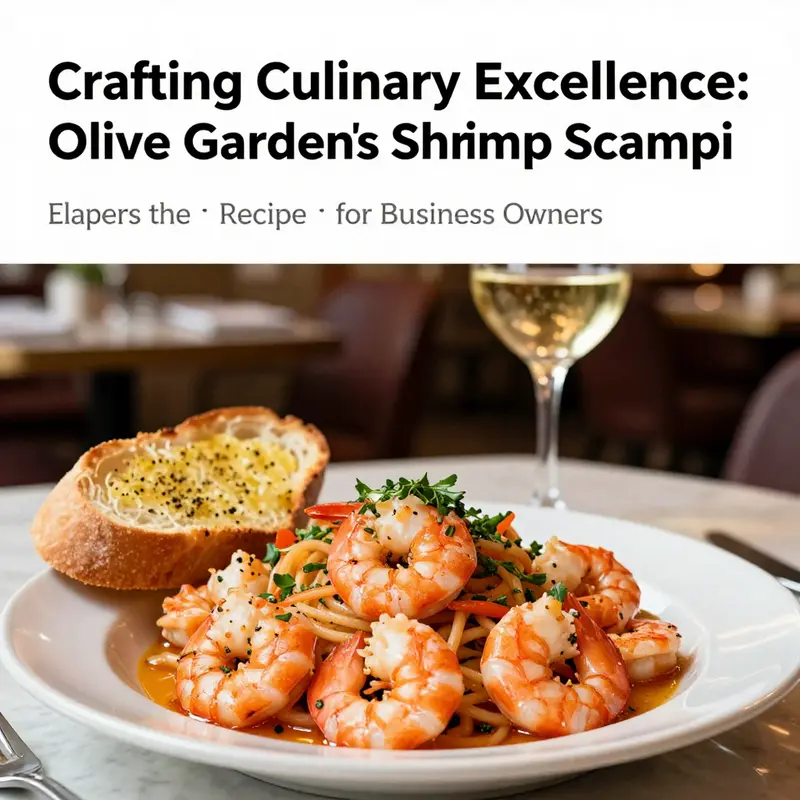
Olive Garden’s famous Shrimp Scampi is not just a dish; it’s an experience cherished by diners. For business owners looking to enhance their culinary offerings, replicating such a beloved recipe is a strategic move. With the right knowledge of ingredients, cooking techniques, and flavor profiles, restaurant owners can bring the charm of Olive Garden to their own kitchens. In this comprehensive exploration, we will dive into the essential ingredients, meticulous cooking methods, and serving suggestions, all designed to empower culinary operations to deliver an extraordinary dining experience.
Emulsifying Flavor: The Ingredient-Driven Path to a Restaurant-Style Shrimp Scampi at Home
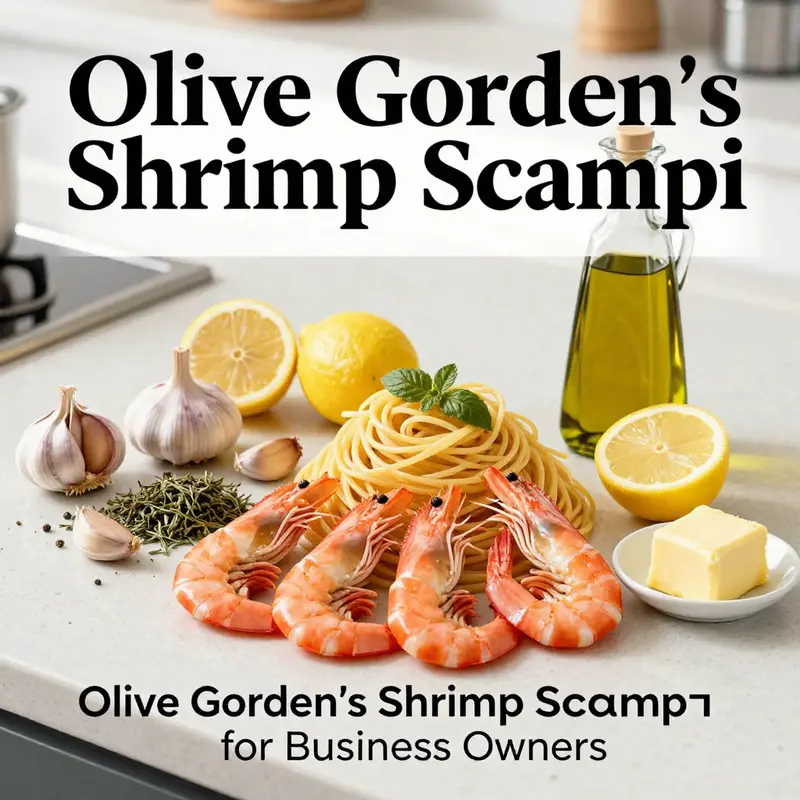
The essence of a restaurant-style shrimp scampi rests on a delicate balance of richness, brightness, and a gentle kiss of heat. At the heart of the sauce is a velvety union of butter and olive oil, which coats every tender strand of pasta and each plump shrimp with a glossy, spoon-twirling sheen. The butter provides that luxurious mouthfeel, a golden backdrop for the aromatics, while the oil offers a steady heat that keeps the fat from breaking and helps carry the flavors toward the palate. Garlic, minced to release its perfume, sizzles in this fat so confidently that its aroma becomes the introduction to the dish rather than a mere note in the background. A whisper of crushed red pepper flakes teases with a hint of warmth, subtle enough to be family-friendly but persistent enough to remind you of the dish’s Italian roots. The technique is as important as the ingredients: the garlic must be heated gently, never allowed to burn, so its sweetness remains intact and its aroma fills the kitchen with inviting depth.
The backbone of the sauce comes together with dry white wine and a touch of chicken broth. The wine brings acidity and a certain airiness that lifts the fat and softens the garlic’s bite, while the broth adds a layer of savoriness that prevents the sauce from feeling flat. A squeeze of fresh lemon juice then arrives to brighten the entire composition, cutting through the richness and giving the dish a clean finish that lingers pleasantly on the tongue. The salt and black pepper season the shrimp and the sauce, but the recipe invites a light hand here—the goal is balance, not dominance. A handful of chopped parsley brightens the scene with emerald flecks that echo the herbaceous note found in many Italian preparations. In some kitchens, a shaving of Parmesan finishes the plate, offering a final umami kiss that deepens the overall savor while remaining optional so you can tailor the dish to your preference.
The shrimp themselves are the showpiece, typically large, peeled and deveined, cooking just until they turn pink and opaque. Overcooking is the most common misstep here; once the shrimp turn firm, their tenderness begins to fade and the sauce, which has been building in the pan, risks losing its cohesion. When the shrimp reach that perfect moment, they are momentarily removed from the skillet to rest in the warmth of the pan’s residual steam. This tiny pause protects their texture while the sauce continues to reduce and emulsify. The next stage in the beauty of the dish is the deglazing—wine and a splash of broth are poured into the pan to loosen any caramelized bits stuck to the bottom. As the liquid simmers, it concentrates into a glossy, slightly syrupy reduction that clings to the shrimp and to the al dente pasta with a natural adherence that needs no heavy starch thickeners.
The pasta—angels hair in the traditional presentation—cooks quickly and finishes al dente, just shy of soft so it can drink the sauce without becoming weighed down. A splash of reserved pasta water is sometimes whisked into the pan to help the sauce emulsify, drawing the components into a cohesive, silken sheen that coats every strand and every shrimp. The result is a dish where the sauce does not simply sit on top; it adheres, it binds, and it brightens with lemon while the parsley punctuates the plate with fresh, verdant notes. The elegance of the technique lies in restraint: use high-quality butter, fresh garlic, and a dry white wine that you would drink, not a cooking wine that tastes of cheap fixatives. The goal is to achieve a glossy, emulsified sauce where the fat, acid, and aromatics sing in concert rather than shout from separate corners.
As you contemplate the final plate, consider how a chef’s choices extend beyond a strict recipe. The garlic-laden foundation can be paired with other proteins or vegetables if you crave variety, and the balance of lemon and parsley is a flexible invitation to play with aromatics. If you’re curious about how garlic can define a quintessentially simple meat-dish, you can explore related flavor guides such as garlic-lamb-chops. This echoes the universal truth of Italian-inspired cooking: a few honest ingredients, treated with care, can deliver a dish that feels both comforting and almost celebratory in its simplicity. The approach here is educational and practical, designed to translate into a dependable home kitchen routine, one that yields a dish ready in under thirty-five minutes and inviting enough to revisit again and again.
For those who want a concrete reference to the dish’s character and its ingredient philosophy, consult the linked official menu page that outlines the broader context of the preparation in a restaurant setting. External resource: https://www.olivegarden.com/menu/entrees/shrimp-scampi
Sear, Sizzle, and Cream: Mastering the Olive Garden Shrimp Scampi at Home
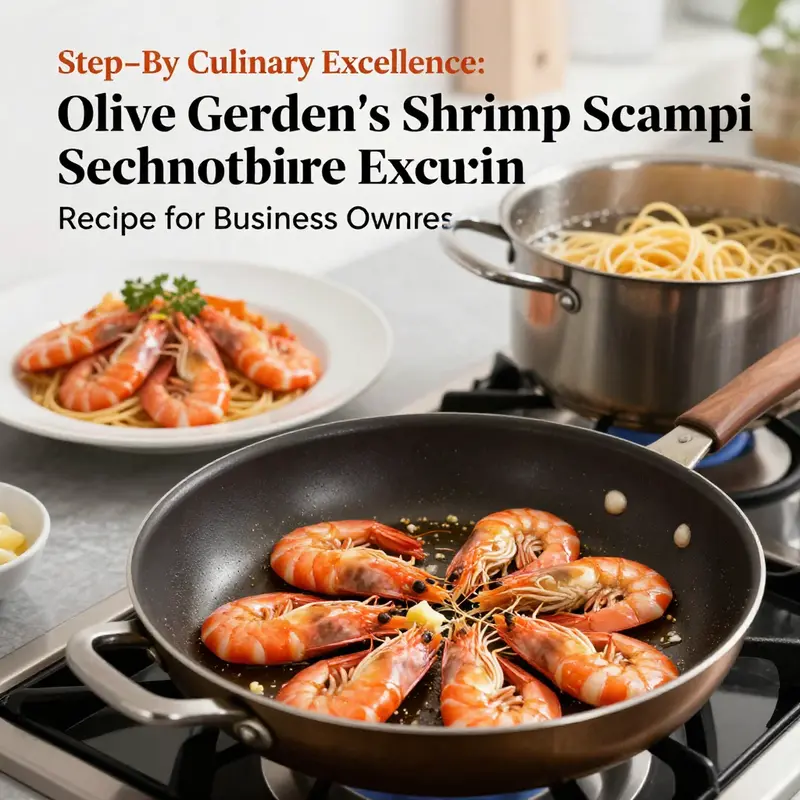
Every great shrimp scampi starts with a plan as precise as any kitchen choreography. To recreate the Olive Garden experience at home, immerse yourself in the rhythm of searing, deglazing, and emulsifying until the sauce clings to every noodle and envelops each shrimp with a glossy kiss of butter and wine. The dish achieves its charm through contrasts: the brassy bite of garlic, the bright lift of lemon, the richness of butter and cream, and the light perfume of parsley. When these elements align, you taste a familiar comfort that feels both restaurant-worthy and distinctly homey. This chapter weaves together technique and intuition so home cooks can approach the skillet with confidence rather than ceremony, letting the pan do the talking while you watch the flavors unfold in real time.
Begin with the mise en place, the quiet ritual that keeps a weeknight dinner from becoming chaotic. Dry shrimp are your foundation. Thaw them slowly in the refrigerator if they’re frozen, then pat them very dry with paper towels. The moisture on the surface is the enemy of a proper sear; when the moisture sizzles away, the shrimp lock into a caramelized edge that yields a succulent interior. Angel hair pasta, delicate and quick-cooking, becomes the perfect partner that soaks up every bit of the sauce without weighing it down. Have ready a generous minced garlic blade—four to six cloves are a generous amount—along with sliced bell peppers and a small onion that give the dish a touch of color and a subtle sweetness. Keep a half cup of dry white wine and a quarter cup of lemon juice within arm’s reach, plus half a cup of heavy cream for the signature creamy finish. Butter, in two additions, and a handful of chopped fresh parsley complete the mise. These are not merely ingredients; they are the cues that guide the dish through its stages.
The pasta goes into salted, vigorously boiling water, cooking to al dente as the sauce starts to take shape. Reserve about half a cup of the starchy pasta water before draining. The water’s starch helps the sauce emulsify later, a small but crucial detail that keeps the final dish cohesive rather than glossy yet loose. Meanwhile, in a wide skillet, melt three tablespoons of butter with an equal measure of olive oil. The fat carries flavor and protects the delicate garlic from scorching. When the butter is foamy, add the sliced peppers and onions. They should sizzle but not scorch, cooking until they’re tender and just a touch caramelized, about five to seven minutes. Garlicky fragrance follows quickly; lower the heat enough to avoid burning the garlic, then stir in the minced garlic for another minute or two. The scent should be inviting—garlic without bitterness.
Now comes the moment all cooks anticipate: the shrimp. Increase the heat to medium-high and lay the shrimp into the skillet in a single layer. Season generously with salt and pepper. Cook the shrimp for two to three minutes per side, turning once, until they turn opaque and pink. Do not overcook; shrimp cross that threshold quickly and lose their snap. Remove them briefly from the pan and set aside. The same skillet will host the next act, where wine and lemon juice meet the pan, lifting browned bits and integrating their flavor into a bright foundation. Reduce the heat to medium-low, add the remaining two tablespoons of butter, and pour in the white wine and lemon juice. Allow this mixture to simmer for two to three minutes, the alcohol cooking off and the liquid reducing to concentrate the flavor.
With the liquid reduced, slowly whisk in the heavy cream, watching for a velvety, nappe-like texture. The cream brings luxury to the sauce, smoothing the bite of garlic and balancing the wine’s acidity. If the sauce seems too thick, loosen it with a splash of the reserved pasta water; if too thin, let it simmer a touch longer. Return the shrimp to the skillet, followed by the drained pasta. Toss to coat everything evenly, letting the sauce cling to each strand and each curl of shrimp. A handful of chopped parsley rains over the dish like confetti, lending a fresh-green finish that signals brightness and balance. An optional dusting of grated Parmesan can heighten the umami at the moment of serving, though it isn’t strictly necessary for a faithful replica.
This is where technique meets taste. The keys are dry shrimp, mindful garlic, and a sauce that marries reduction with emulsification rather than relying on a single glossy sheen. The dish should finish hot, its scent filling the room with the promise of a comforting yet sophisticated dinner. For cooks who crave further inspiration on searing and butter emulsions, a related approach to proteins like garlic-laced chops offers useful parallels in technique and temperance—see garlic-lamb-chops. The harmony of flavors comes from timing and temperature as much as it does from the ingredients themselves, a reminder that skill rests in the small, deliberate steps that accumulate into something memorable. And if you’d like to compare methods or seek a trusted, professional touchpoint, consider the broader guidance offered by a celebrated seafood-focused recipe that echoes these same principles.
As you plate, taste for brightness and richness—squeeze a touch more lemon if needed, or a whisper more parsley for color. The final dish should glow with warmth, the pasta perfectly coated but not heavy, and the shrimp tasting of sea and butter, with garlic as the guiding voice. This home rendition of Olive Garden’s staple offers both the comfort of a familiar restaurant ritual and the pride of a dish you crafted with care. Enjoy the shared aroma, the glistening sauce, and the moment when fork meets fork in a chorus of balance. External resource: https://www.foodnetwork.com/recipes/olive-garden-copycat-shrimp-scampi-recipe-2098638.
Savory Balance and Plate-Ready Pairings: Unpacking the Flavor Profile and Serving Olive Garden–Style Shrimp Scampi
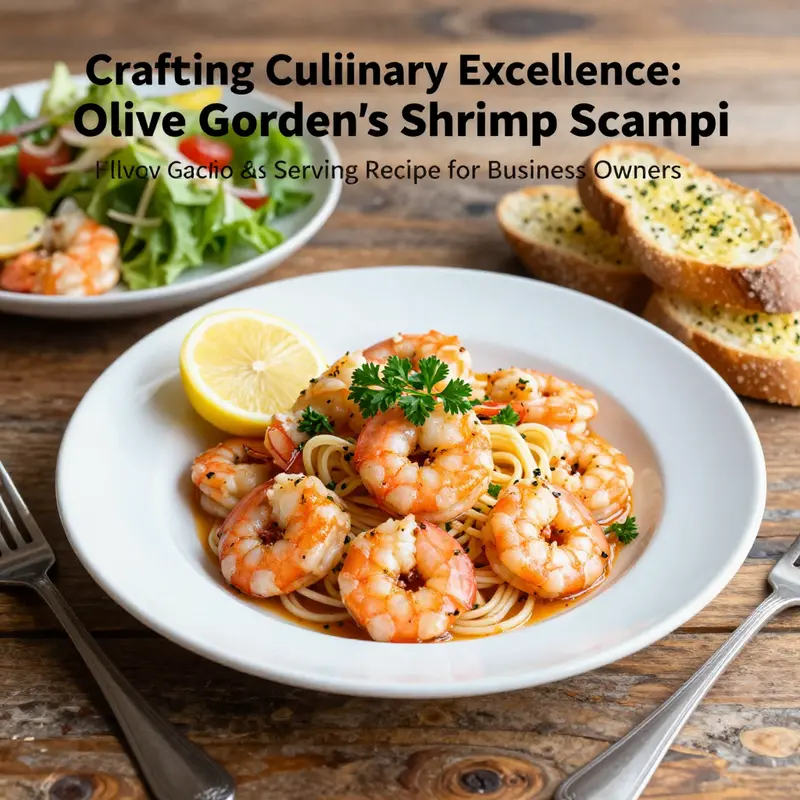
The kitchen fills with the warm, almost gilded aroma of garlic waking up butter as the pan sighs with olive oil. This is the essence of the Olive Garden–style shrimp scampi translated to a home stove: a sauce that glides over shrimp and delicate pasta, offering richness without heaviness, brightness without punchiness. At first bite, you notice a plush, velvety mouthfeel carried by the butter and olive oil, then the garlic reveals its quiet strength, not sharp but deeply savory, tinged with a citrus whisper from lemon and a gentle lift from a touch of white wine. The dish is not about brute spice or brash intensity; it is about balance, where each element supports the others to create a cohesive, enjoyable whole.
The flavor profile centers on a symphony of umami, brightness, and herbal freshness. Sautéed garlic delivers a robust, almost toasty savoriness that becomes the backbone of the sauce. The olive oil lends a fruity, rounded fat that keeps the sauce slick and clingy, while the butter adds a creamy, luxurious texture that coats the shrimp and pasta. A splash of dry white wine or chicken broth brings a measured acidity and depth, helping to lift the garlic’s aroma and keep the sauce from becoming overly rich. Fresh lemon juice punctuates the middle of the dish with a brisk citrus note, cutting through the richness and casting a sparkling light over the plate. Fresh parsley lends a verdant brightness, and a pinch of red pepper flakes can be dialed in for a whisper of warmth. Some cooks reach for a hint of oregano to deepen the aroma, though the dish remains fundamentally aromatic rather than herb-forward. When all these elements come together, the result is a luxurious, briny kiss of seafood that remains approachable and comforting, a true crowd-pleaser that travels well from dinner table to kitchen counter when you’re entertaining guests.
Technique plays a pivotal role in translating that flavor profile into a dish that feels restaurant-polished yet entirely home-friendly. The shrimp are cooked just until they turn opaque, a moment that seals in their sweetness and prevents the meat from becoming rubbery. Removing the shrimp briefly before finishing the sauce prevents overcooking and gives you a moment to reintroduce them with a final gloss of the sauce. The butter and oil are melted together to form a smooth foundation, then garlic and red pepper flakes join the party, releasing their fragrances in a quick, fragrant bloom. Deglazing with white wine and broth builds the sauce’s depth, and the reduction concentrates the flavors, helping the liquid cling to every strand of pasta. The pasta, ideally angel hair, has a delicate surface that catches the sauce without becoming a soggy pool. Reserved pasta water can be stirred in to emulsify the sauce, adding body and helping everything adhere to the noodles in a glossy finish. This method—the careful timing, the careful emulsion—creates a dish that feels cohesive rather than separate components tossed together.
Choosing the right ingredients elevates the dish from good to memorable. Large shrimp, peeled and deveined, provide a clean baseline that cooks quickly and evenly. Angel hair pasta offers a delicate canvas that welcomes the sauce without competing for space on the plate. The duo of unsalted butter and olive oil gives the sauce both richness and a light sheen, ensuring the garlic doesn’t burn and the flavors remain gentle and rounded. The garlic itself should be fresh and finely minced to maximize aroma without biting. A modest amount of crushed red pepper flakes allows you to tailor the heat to taste, while lemon juice should be added at the end of cooking to preserve its tangy brightness. Parsley, chopped fresh, is the finishing note that adds color and a crisp herbal lift. Parmesan cheese, if used, should be offered at serving for those who wish to heighten the umami and create a slightly creamy finish. This is the sort of dish that rewards precise timing and careful flavor layering, rather than aggressive substitutions.
For serving, the dish shines most when plated with a nest of warm pasta and a bright, simple side. A crusty garlic bread or a crisp green salad dressed with a light vinaigrette makes a classic counterpoint, giving a textural contrast and a cleansing bite between rich, butter-coated bites. A glass of chilled white wine—think a sleek Pinot Grigio or a lightly oak-laced Chardonnay—complements the dish without competing with its delicate garlic notes. If you’re seeking a lighter option, serving the shrimp scampi over a bed of steamed vegetables or zucchini noodles keeps the flavors intact while reducing the carbohydrate load. Garnish with a sprinkle of parsley and a lemon wedge for aroma and color that invite a second helping.
For cooks expanding their garlic-forward techniques beyond seafood, see Garlic Lamb Chops and explore how garlic and herbs carry flavor across proteins while maintaining balance. The approach to building a cohesive, glossy sauce remains the same: build aroma, layer fat, and finish with acidity and brightness to tie the dish together.
External reference: https://www.olivegarden.com/recipes/garlic-herb-sauce
Final thoughts
Understanding Olive Garden’s Shrimp Scampi recipe offers restaurant owners the chance to elevate their menus and impress diners with a flavor-rich and visually stunning dish. By mastering the right ingredients, cooking techniques, and serving styles, business owners can not only replicate this classic dish but also spark creativity in their culinary practices, thereby enhancing their brand’s reputation and customer satisfaction.